
 日本語
日本語  English
  Tiếng Việt
  简体中文
简体中文  한국어
한국어 
ベトナムの活気あふれる首都ハノイでは、メトロシステムの開発により交通革命が進行している。特に2024年8月8日、ニョン・ハノイ駅間の高架メトロ線が開業し、市の公共交通開発における重要な節目となった。この意欲的なプロジェクトは、市の公共交通の構造を変革し、経済成長を促進すると期待されている。本稿では、B&Companyがハノイのメトロ路線の現状を検証し、このインフラ開発がもたらす広範なメリットを分析する。.
ハノイのメトロシステム:現状と進捗
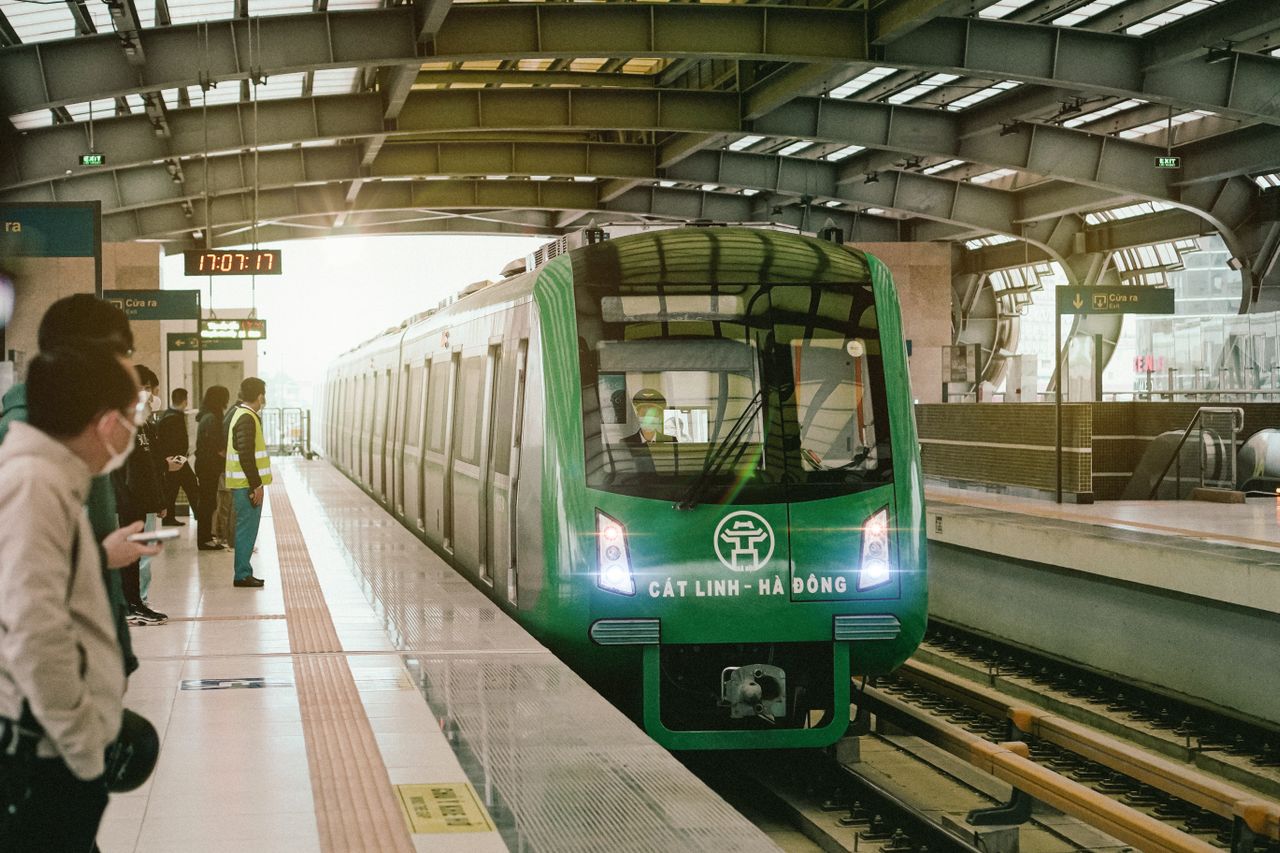
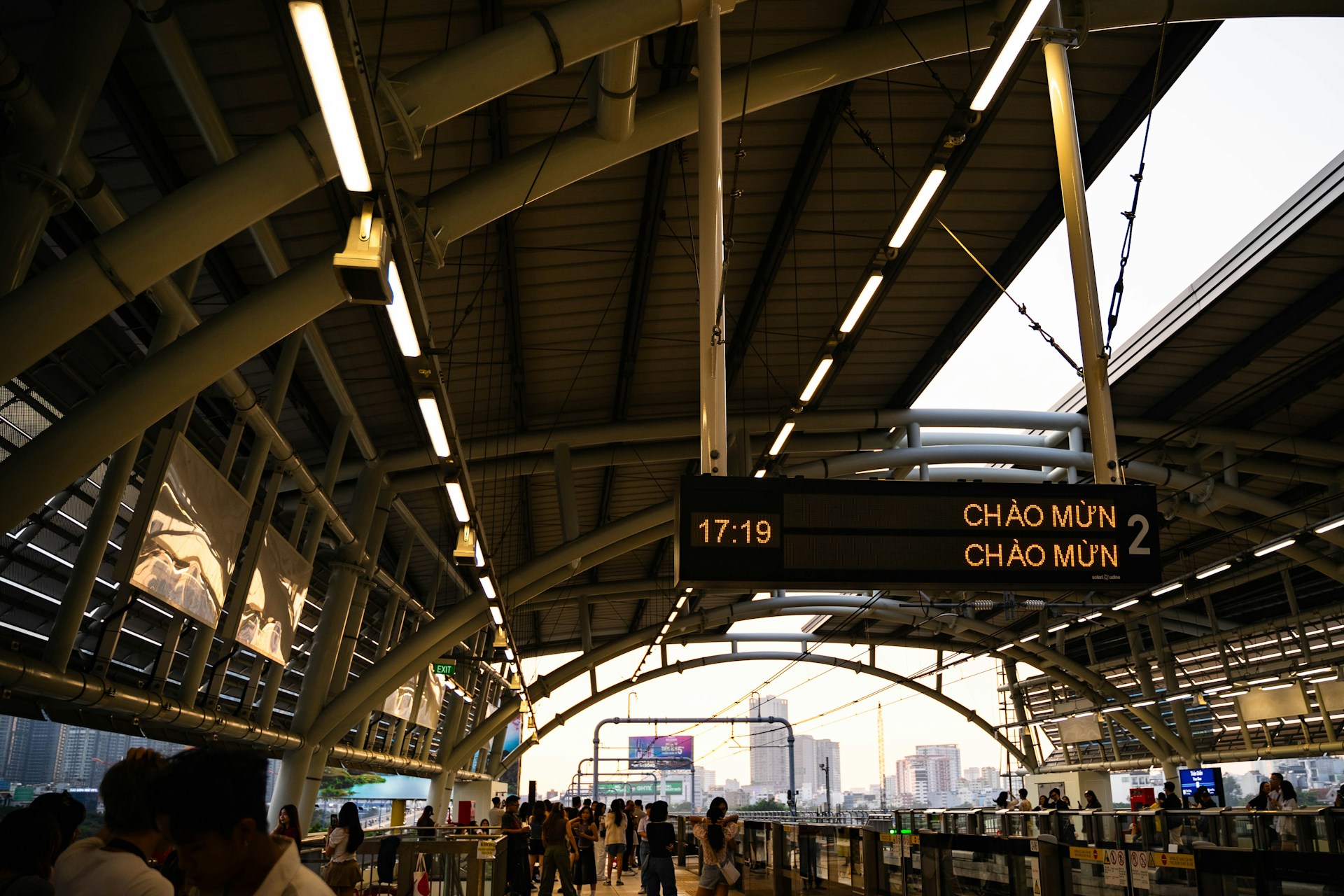
都市鉄道システムは、ハノイの交通インフラネットワークの「背骨」とみなされている。現在までに、複数の都市鉄道路線が運行している。例えば、2A号線カットリン・ハドン線は、全長13km、12駅で構成され、2021年11月から運行しており、1日当たり約35,000人の乗客を利用している[1]. 。2024年8月8日には、欧州基準に基づき先進技術を採用した全長8.5kmのニョン・ハノイ駅間高架メトロ線が開業し、西部郊外と都心を結ぶことで、市の公共交通開発における重要な節目となった。.
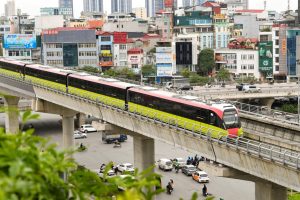
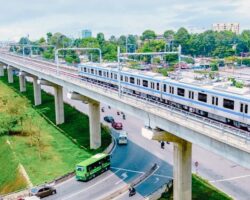
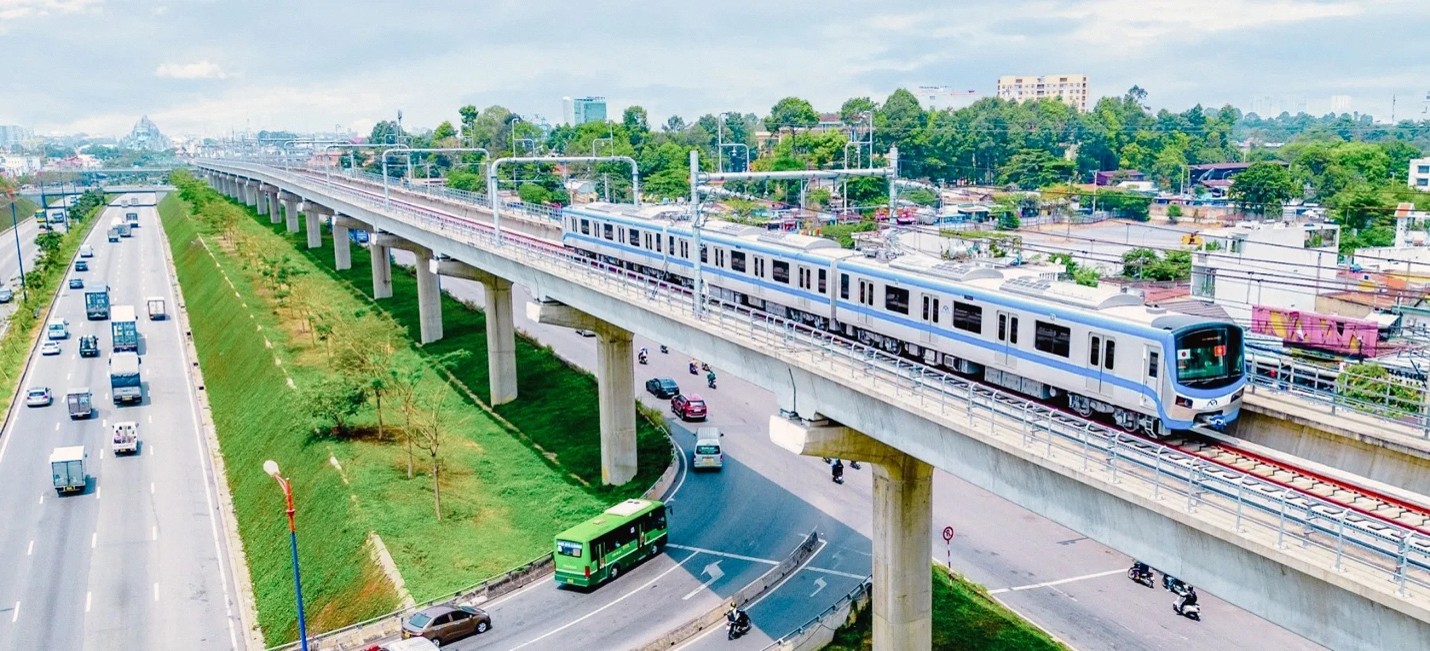
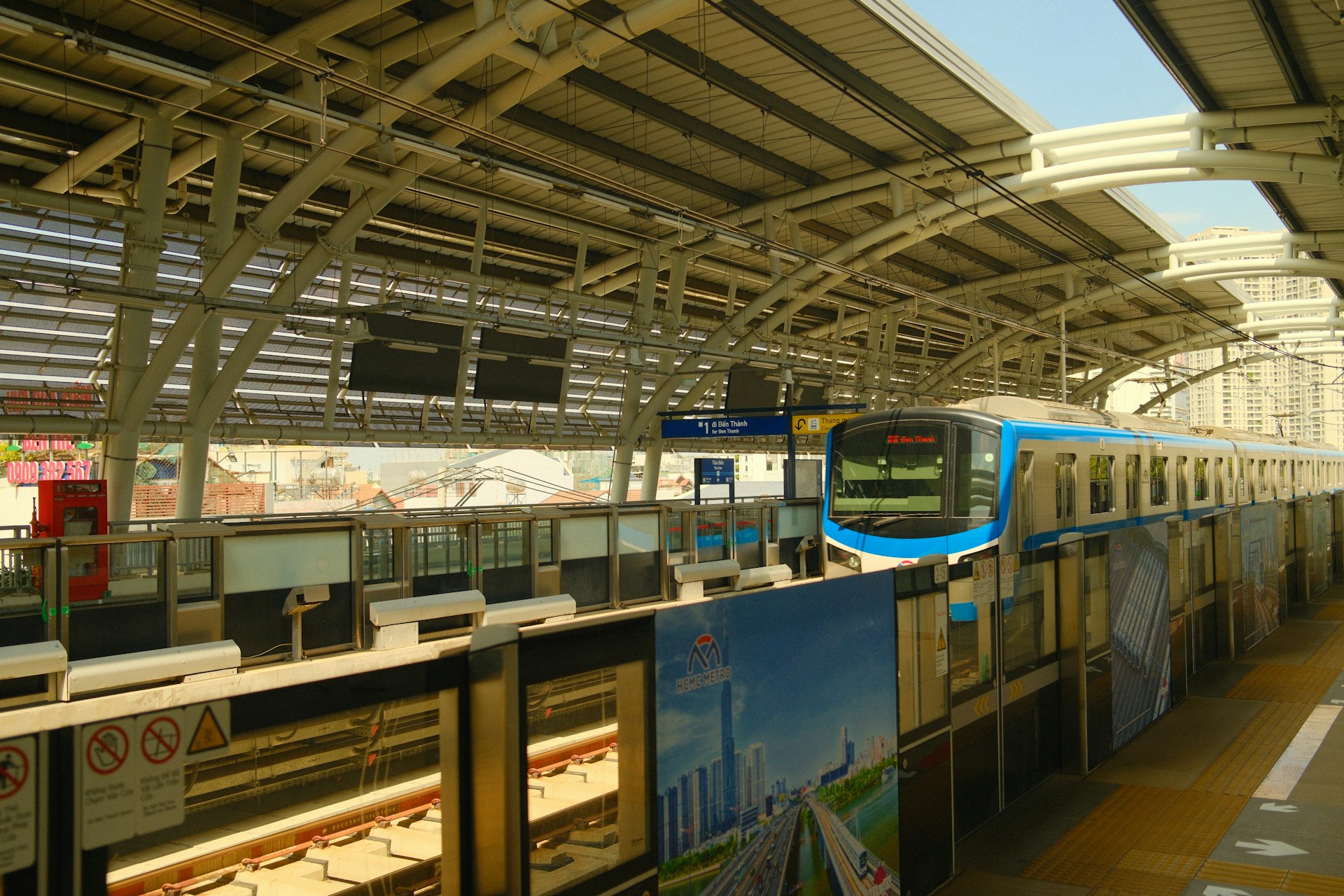
ニョン・ハノイ駅間線。出典: チンプー.vn
計画または準備段階にあるその他のメトロ路線には、全長約6km、6駅の全線地下区間である2号線チャン・フンダオ~トゥオンディン区間(2.2号線)、全長約19.65km、12駅、1車両基地の2号線ナムタンロン~ノイバイ区間(2.3号線)、全長約37km、26駅、2車両基地の8号線ソンドン~マイジック~ズオンザー区間などがある[2]. 。これらの新設メトロ路線により、ハノイは包括的で効率的な公共交通ネットワークの構築という目標に近づくことになる。.
メトロ路線開発のメリット
都市鉄道はハノイに多くのメリットをもたらすと評価されている。. まず、, 近代的なメトロシステムの導入により、ハノイの公共交通は大きく変革されると見込まれている。信頼性、効率性、快適性に優れた自家用車の代替手段を提供することで、メトロ路線は交通渋滞を大幅に緩和し、大気質を改善すると期待されている。例えば、2024年にハノイ鉄道公社が実施した調査によると、カットリン・ハドン都市鉄道2A号線の運行効果はこれを実証しており、乗客の60%がバイクの利用をやめ、カットリン・ハドンメトロを利用している。また、推計によると[3], 、自家用車による移動1百万回がメトロに転換された場合、道路上の交通参加時間を487,000時間削減でき、排出量と渋滞の抑制につながる。将来、ハノイの都市鉄道ネットワークが完成すると、公共旅客輸送の利用者比率は35-45%まで上昇し、交通における自家用車利用者の市場シェアは30%まで低下すると予想されている[4].
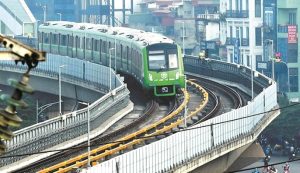
カットリン・ハドン2A号線。出典: https://kinhtedothi.vn/du-an-duong-sat-cat-linh-ha-dong-don-luc-de-ve-dich.html
第二に、, メトロ路線はハノイの経済成長の触媒として機能し、路線沿いに商業・住宅開発の新たな拠点を創出すると期待されている。この現象は、交通指向型開発(TOD)として知られている[5], 。具体的には、国会が改正首都法を可決し、2025年1月1日から施行される同法により、TODモデルに基づくハノイの都市鉄道への投資が認められている。このモデルは域内および先進国で広く採用されており、近代性、整合性、持続可能性を確保するものである。地上交通システムの負荷を軽減するとともに、自家用車からの排出量を削減することで環境保護にも貢献する。例えばシンガポールは、TODの原則に基づいて大量高速輸送システム(MRT)を整備し、交通拠点に複合用途で交通指向型のコミュニティを集約することで、自家用車の利用を抑制している。また、東京の広範な鉄道ネットワークは、駅を中心としたコンパクトで歩行しやすい地域の形成を促進し、都市の無秩序な拡大を抑えながら成長を受け入れている。.
第三に、都市鉄道は郊外地域と都心を結び、外縁部の地区を住宅開発にとってより魅力的な地域にする可能性がある。これにより、都市中心部の住宅供給圧力を緩和し、ハノイの住民により手頃な選択肢を提供できる。これはデンマークのコペンハーゲンでも実証されている。2019年のメトロのシティリング開業は、すでに不動産市場の動向に影響を与えている。接続性の低さから以前は魅力が低いと考えられていた地域で、デベロッパーと住宅購入者の双方からの関心が高まっている。新たに接続された郊外の一部では、メトロ拡張後に不動産価値が最大5-10%上昇している。.
見通し
都市鉄道がもたらす大きなメリットを踏まえ、ハノイ市人民委員会は2035年までに都市鉄道網全体を完成させる目標を設定している[6], 。総延長は約397.8 kmとなる。さらに、ハノイは2045年までに総投資額$550億ドル超を投じ、約600 kmの都市鉄道路線を運行することを目指している[7]. 。こうした大規模なインフラ整備に加え、ハノイは公共旅客輸送の分担率向上にも取り組んでいる。同市は、2035年までに公共交通の利用率を50-55%に、2035年以降は65-75%という意欲的な水準に引き上げることを目指している[8].
結論として、ハノイのメトロシステムの整備は、同市の公共交通インフラと経済環境にとって変革的な一歩となる。ネットワークが拡大し、運行路線が増えるにつれて、ハノイは効率的な公共交通が都市モビリティの基盤を形成する世界都市の仲間入りを果たす構えにある。メトロ路線は数百万人の日々の通勤負担を軽減するだけでなく、経済成長を促進し、不動産市場の構造を変化させ、次世代以降に向けた、より環境に優しく住みやすい都市の実現にも貢献する。.
参考
[1] https://consosukien.vn/ha-noi-day-manh-phat-trien-duong-sat-do-thi.htm
[2] https://vneconomy.vn/mo-co-che-vuot-troi-ha-noi-khong-de-he-thong-metro-that-hen.htm
[3] https://laodongthudo.vn/phu-kin-duong-sat-do-thi-de-ha-noi-van-minh-hien-dai-174902.html
[4] https://consosukien.vn/ha-noi-day-manh-phat-trien-duong-sat-do-thi.htm
[5] 公共交通を中心とする都市開発モデルは、乗換拠点や都市鉄道駅へのアクセスのしやすさと利便性を高めることで、マイカーの利用需要を最小限に抑え、公共交通の利用を促進し、持続可能で環境に配慮した都市地域を創出する。.
[6] https://consosukien.vn/ha-noi-day-manh-phat-trien-duong-sat-do-thi.htm
[7] 首都都市鉄道プロジェクト(Đề án Đường sắt đô thị Thủ đô)
[8] https://suckhoedoisong.vn/duong-sat-do-thi-se-giai-duoc-bai-toan-tac-duong-va-o-nhiem-o-ha-noi-169240703083624155.htm