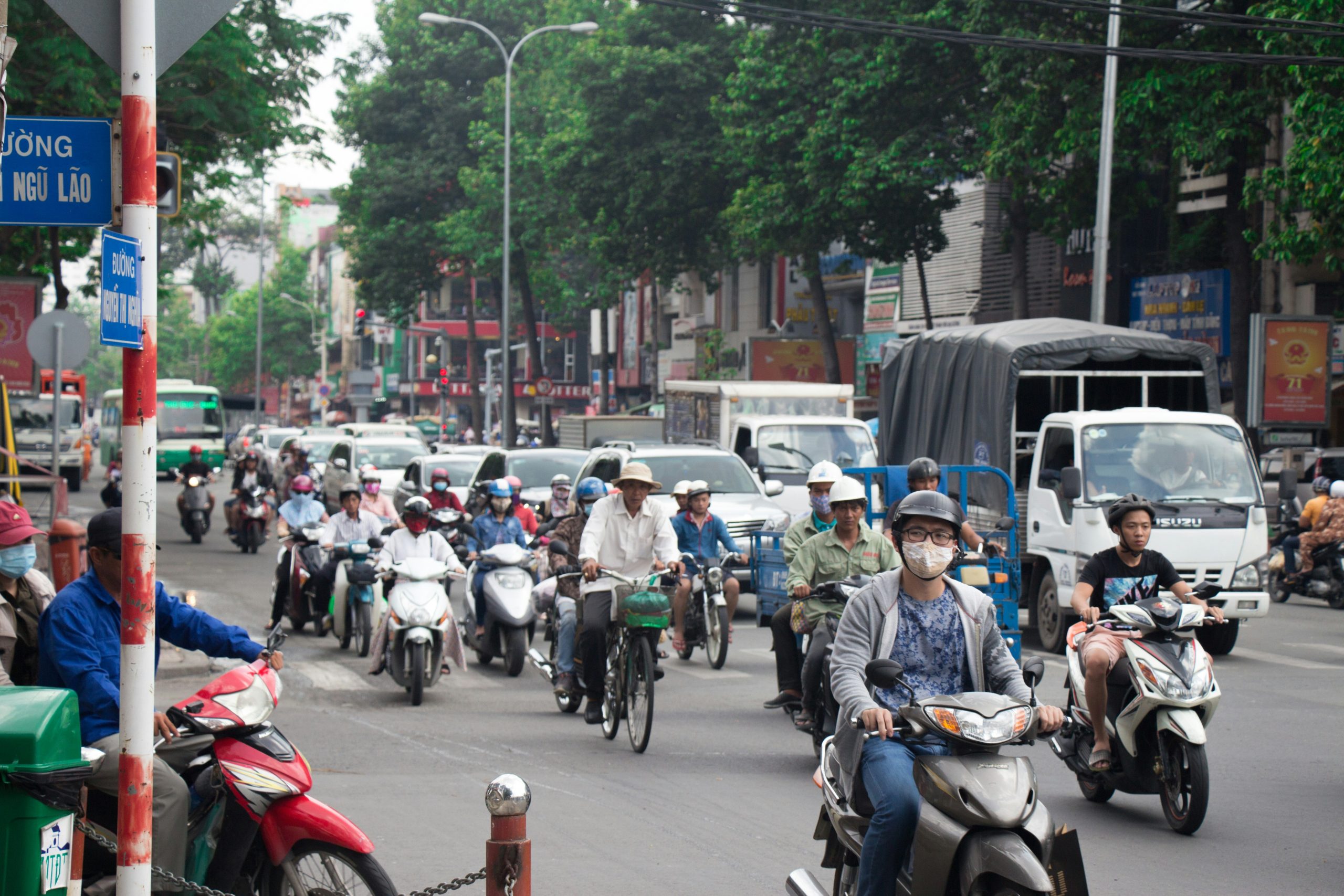

ハノイの交通渋滞とスマート交通ソリューションによる今後の見通し

ハノイの道路網と交通管理インフラは急増する人口と自動車化率に対応するのに苦労している。
2025年6月6日

B&Company

最新ニュース&レポート / ベトナム速報

コメント: コメントはまだありません.

B&Companyは、2008年以来ベトナムにおいて市場調査および投資コンサルティングを専門とする初の日本企業です。.

この「ベトナム速報」セクションでは、B&Companyの若手研究者たちが、ベトナムの産業動向、消費動向、社会運動に関する最新情報をお届けします。.

この記事は英語で書かれており、自動翻訳が他の言語版に使用されています。正確な内容については英語版を参照してください。元の情報の正確性を確保するよう努めていますが、各情報については別途ご確認ください。解釈および将来の展望は各研究者の個人的な意見です。.

Overview of The Current Transport Situation in Hanoi

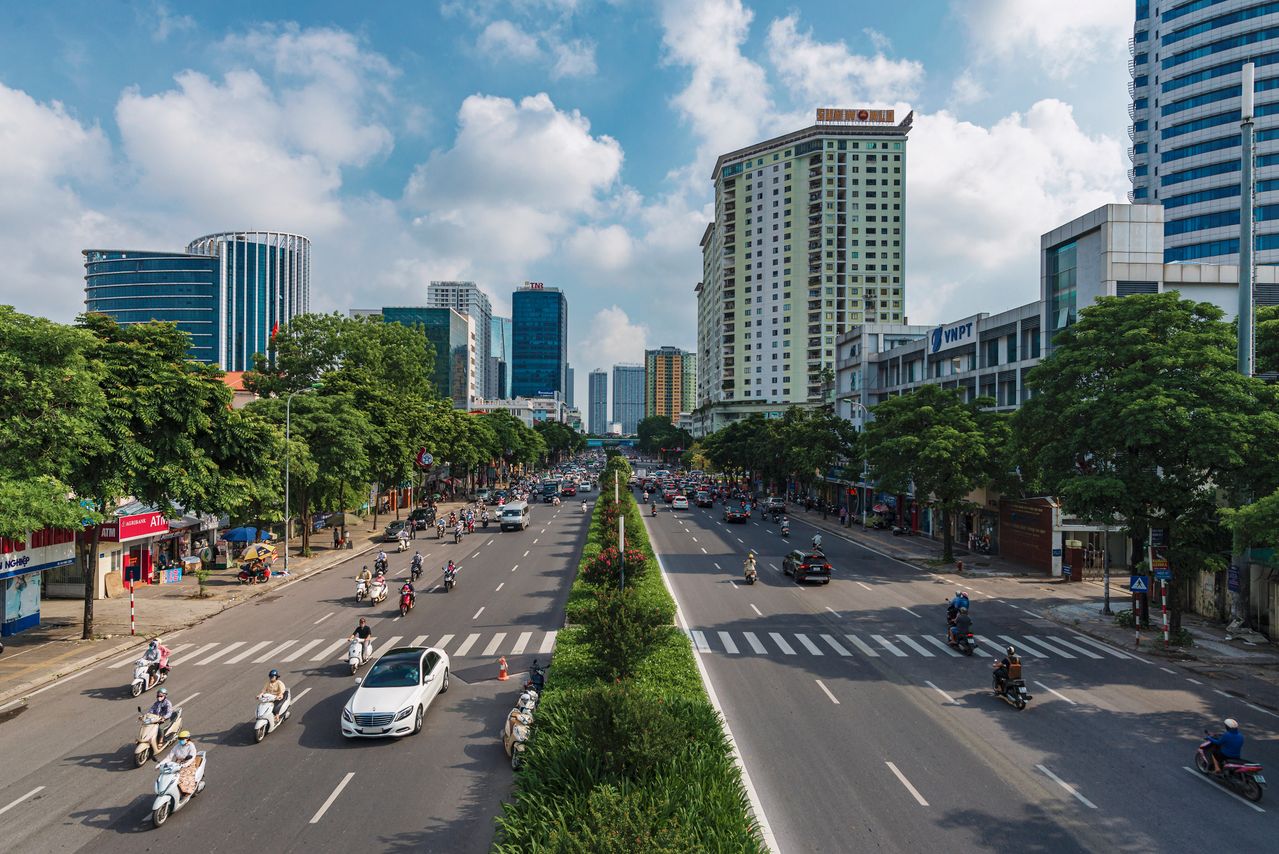
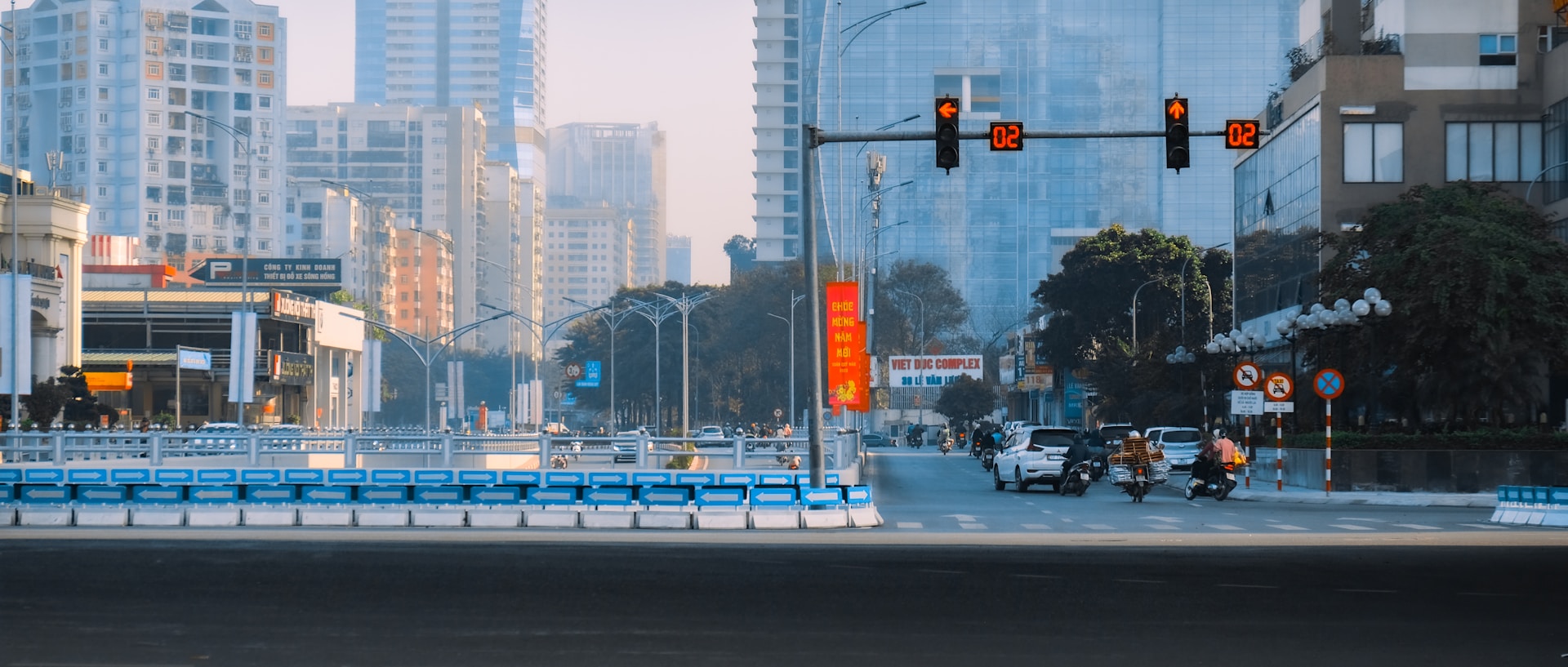
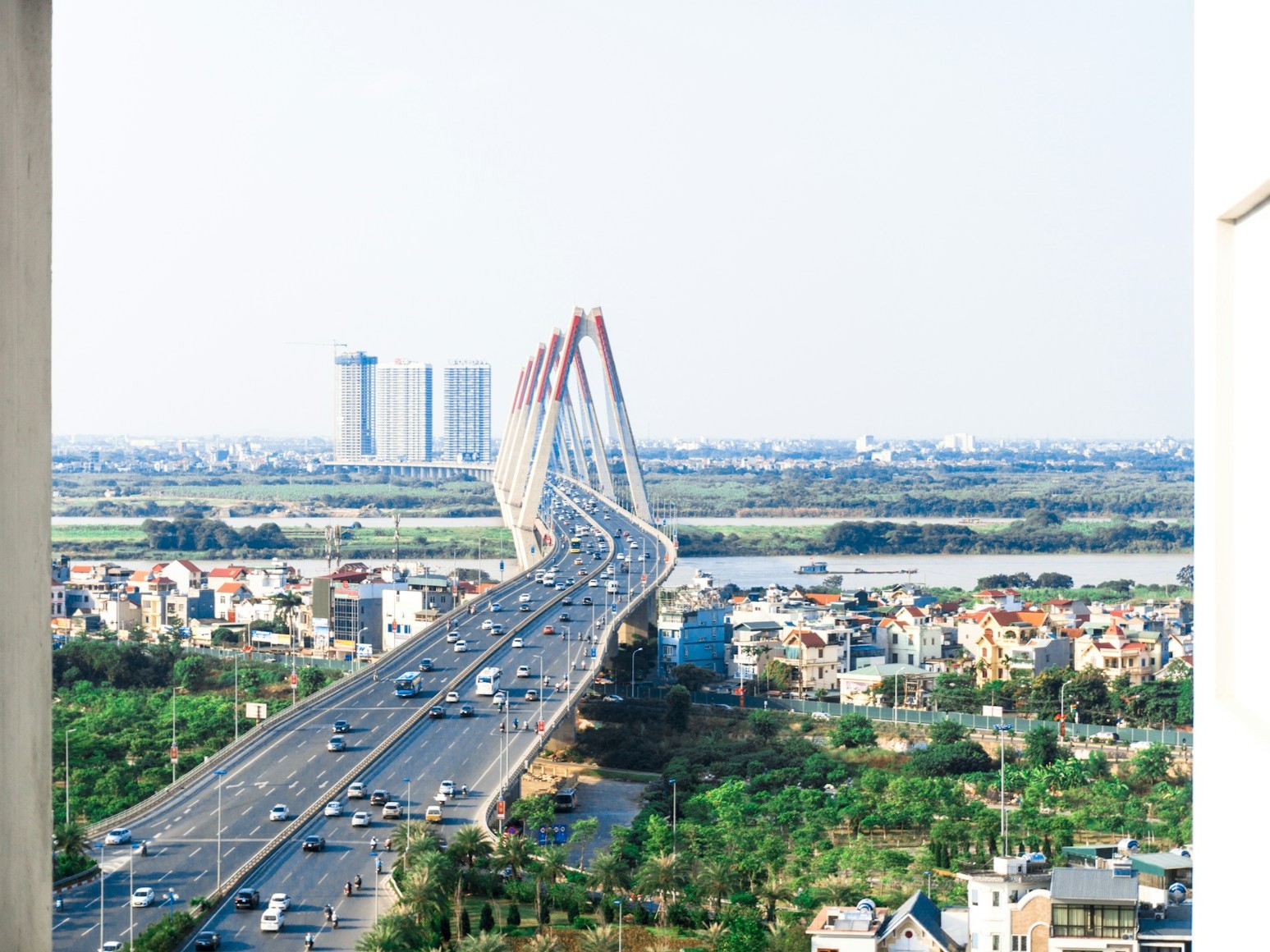
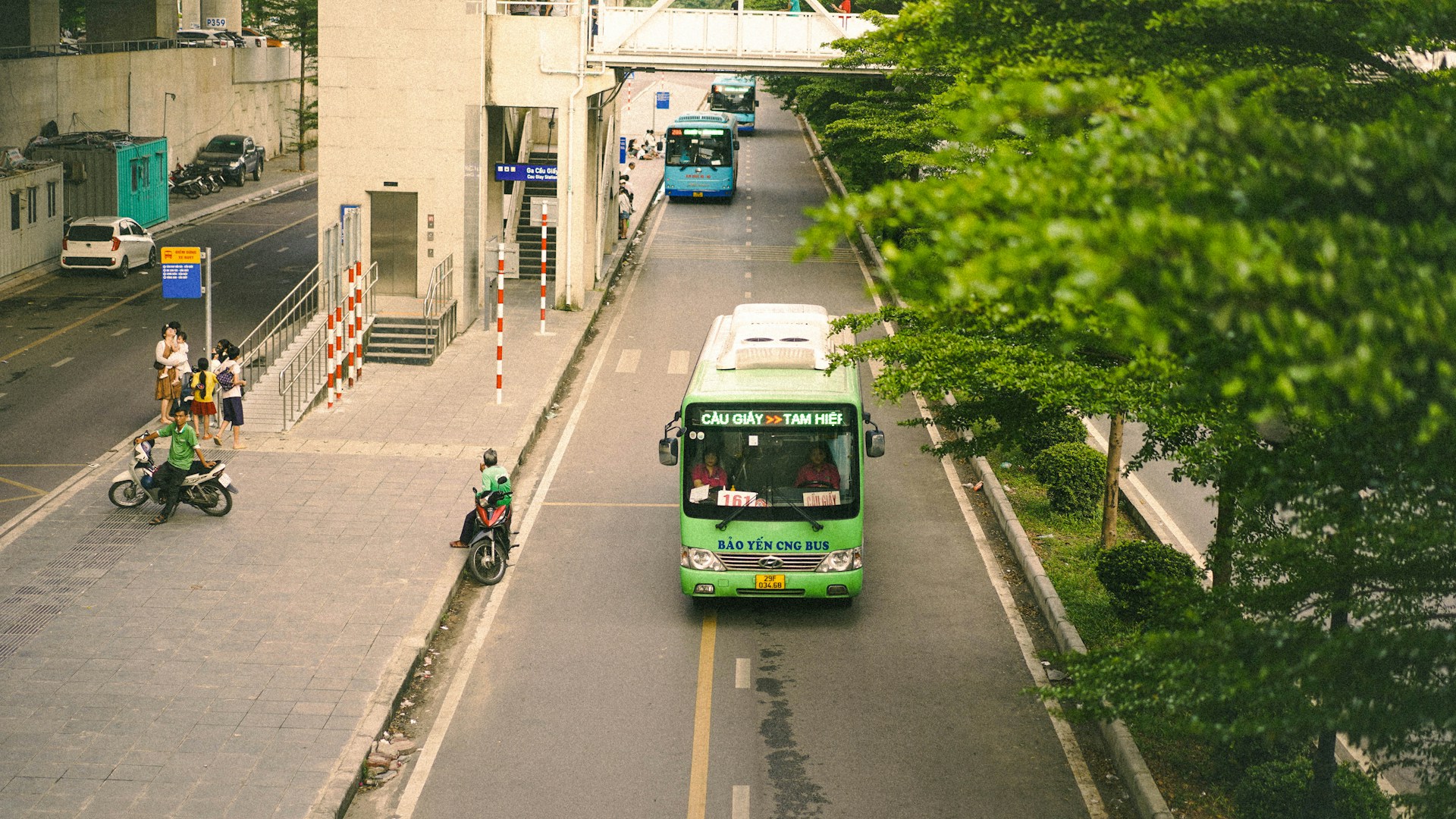
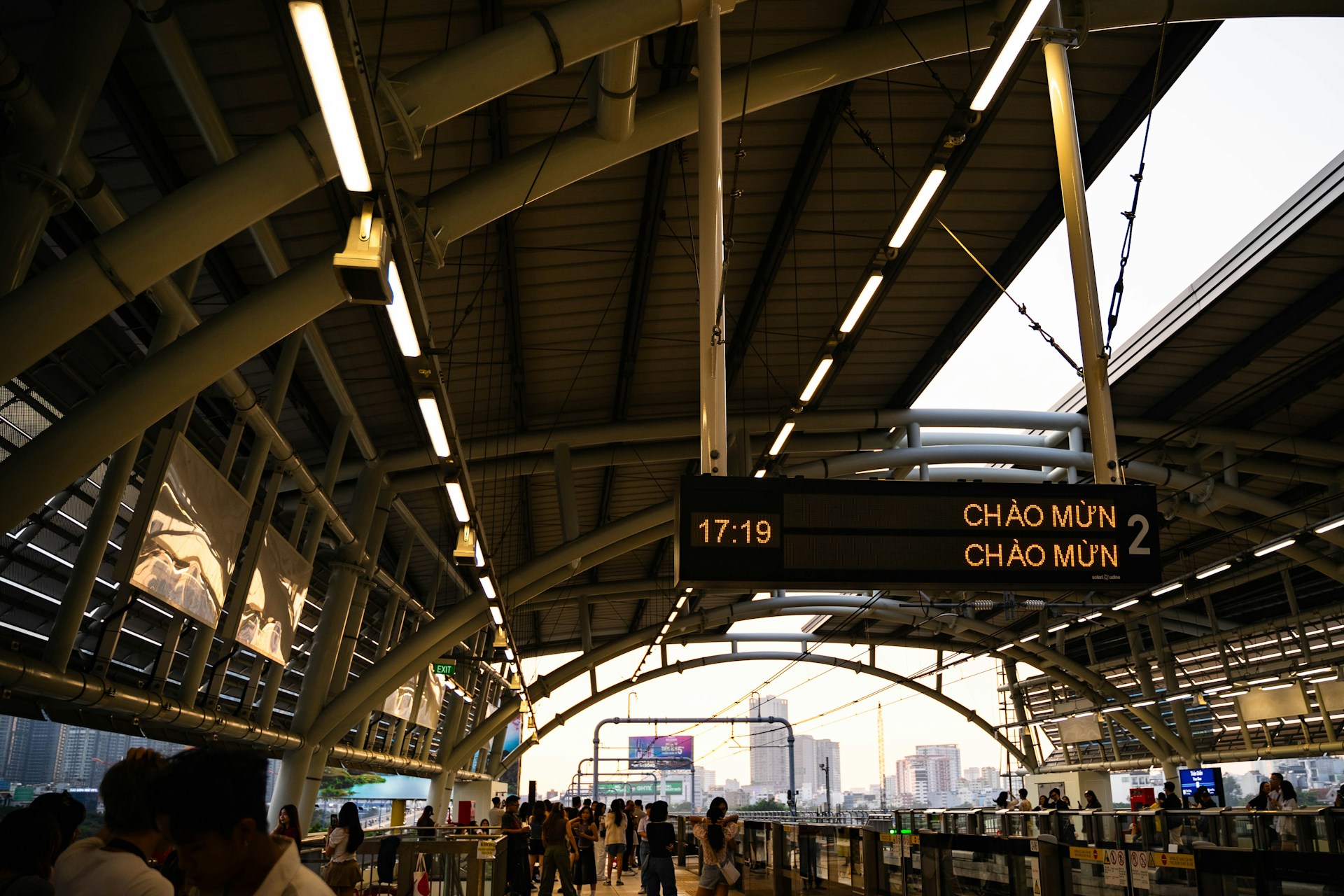
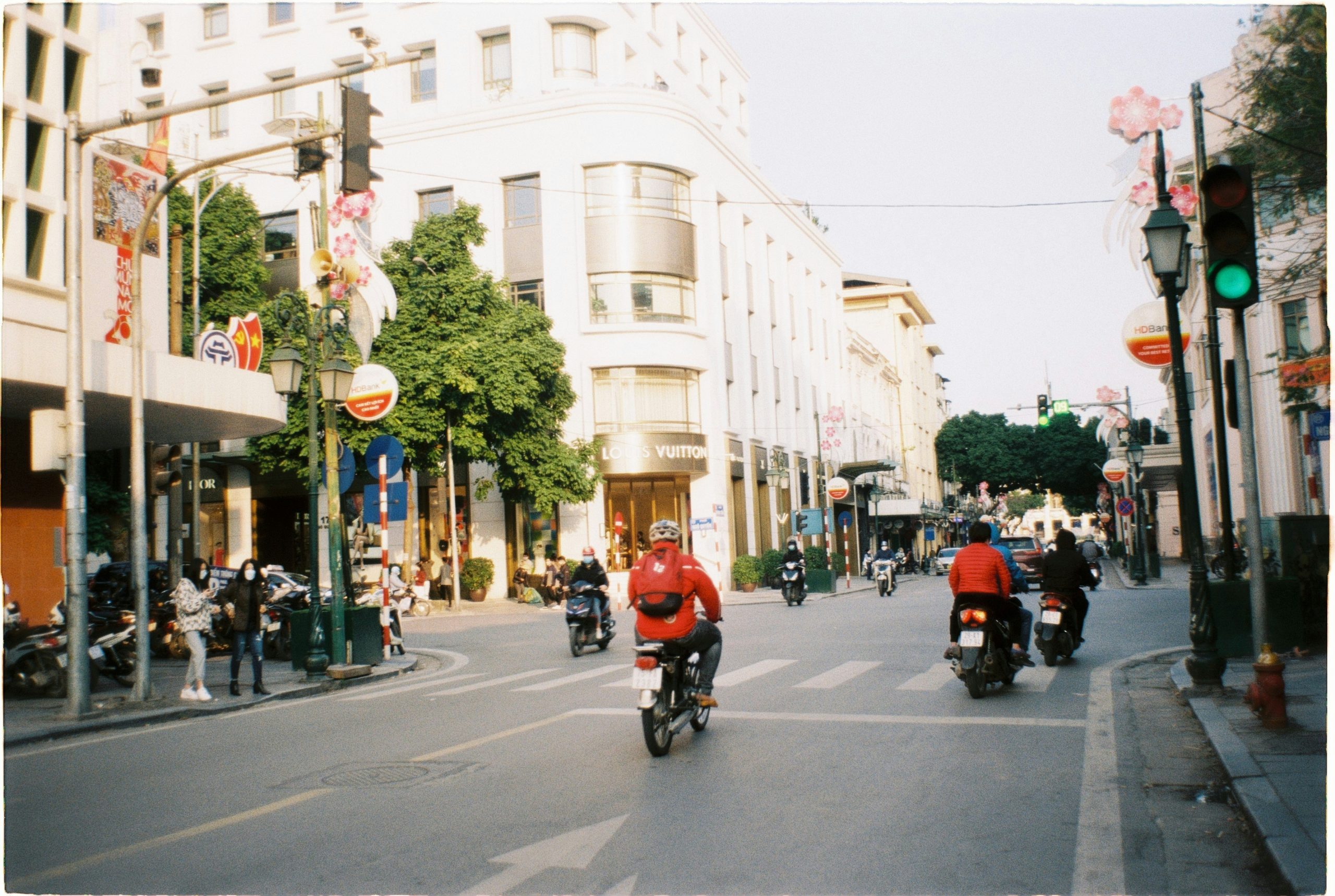
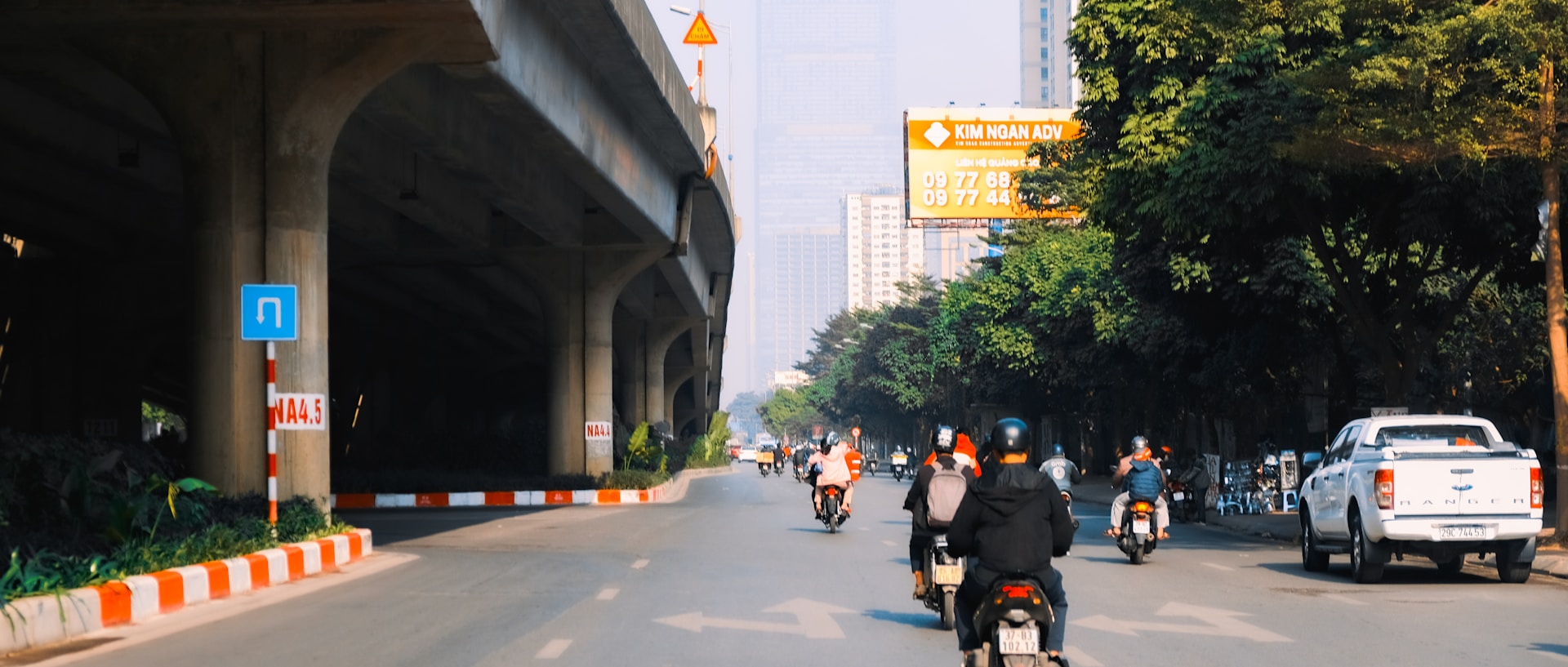
Hanoi, the vibrant capital of Vietnam, epitomizes rapid urban growth and economic dynamism. However, this prosperity comes with a growing urban challenge — traffic congestion. As one of the fastest-growing metropolitan areas in Southeast Asia, Hanoi’s road networks, public transport systems, and traffic management infrastructure have struggled to keep pace with surging population and motorization rates.

The costs of congestion are staggering. According to recent reports, Hanoi loses approximately 1.2 billion USD annually due to traffic jams1 — stemming from lost productivity, wasted fuel, and pollution-related health costs. Addressing this crisis is critical not only for improving daily life but also for sustaining economic growth and environmental quality.

Population Growth and Urbanization Pressures

Hanoi’s population exceeds 8 million and continues to grow rapidly. According to the Hanoi Department of Population and Family Planning, on average, the population of this capital is expected to increase by approximately 200,000 people each year, equivalent to the population of a large district. At the seminar on the capital’s urban planning for the period 2021-2030, with a vision toward 2050, experts presented scenarios regarding the complexity of Hanoi’s population in the future, with the city expected to have a minimum of 9.5 million people by 2030 and 11.2 million people by 20502.

At the same time, the urban area expanded dramatically between 2000 and 2020, stretching existing infrastructure beyond its capacity3. The influx of rural migrants and rising birth rates mean that the demand for mobility is increasing exponentially, particularly in newly developed residential and industrial zones on the city outskirts.

Population of Hanoi in recent years

単位:千人
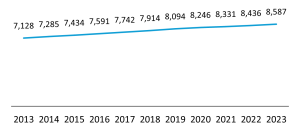
Population of Hanoi in recent years

資料:ベトナム統計総局(GSO)

Surge in Vehicle Ownership and Motorization

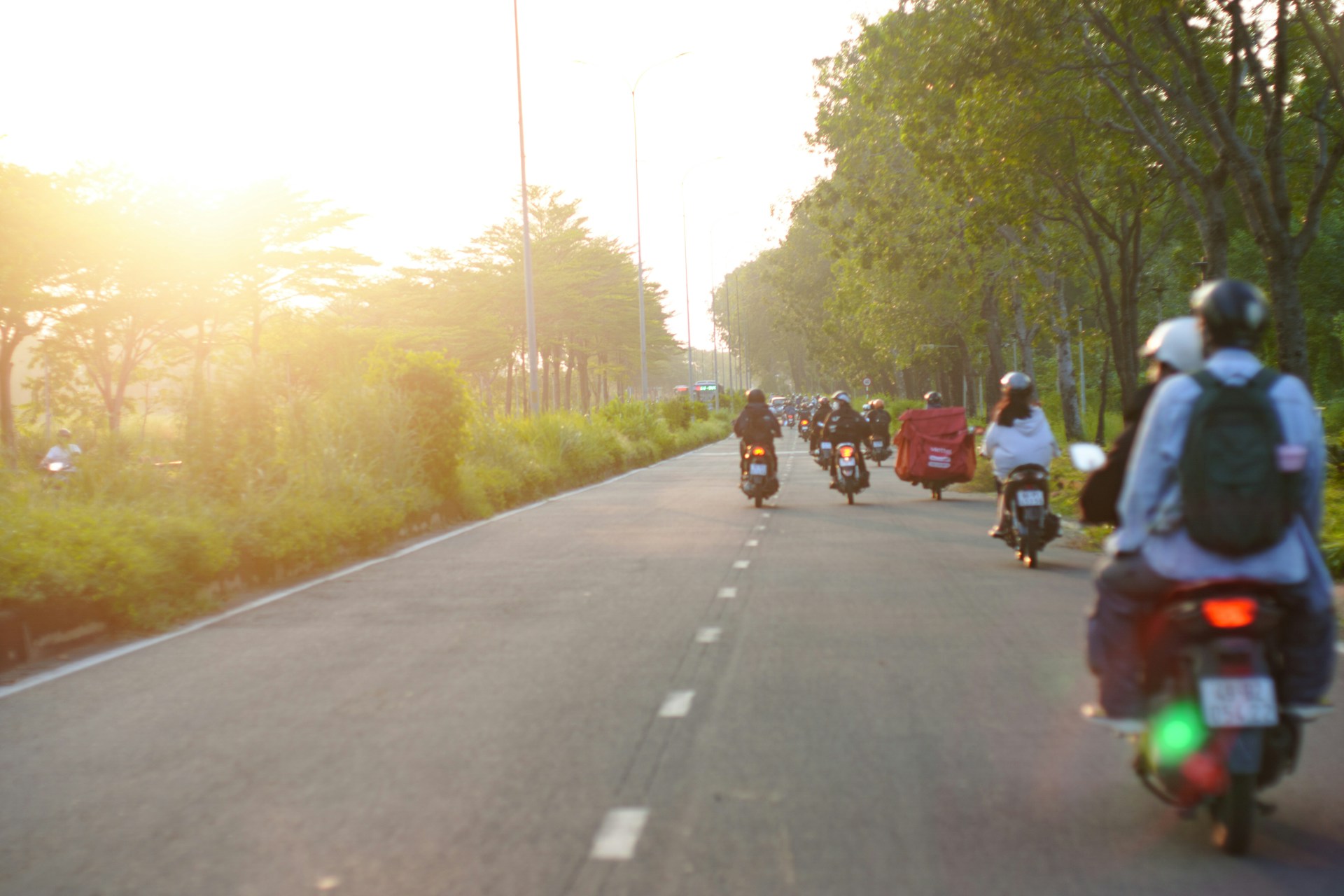
The majority of commuters in Hanoi use motorcycles. According to a study by the Environmental Magazine in 2022, the number of motorcycles circulating on the roads in Hanoi per hour is 8,765, accounting for nearly 90% of the total vehicles participating in traffic4. Motorbikes’ flexibility suits narrow roads and short trips but creates severe congestion when used en masse.

ログインまたは無料会員登録をして、続きを読むにははこちら。

関連記事

ニュースレターを購読する