

 日本語
日本語  English
  Tiếng Việt
  简体中文
简体中文  한국어
한국어 ベトナムの物流部門は、インフラや競争などの課題を乗り越える意欲のある投資家にとってチャンスを提供します。

2025年12月25日
最新ニュース&レポート / ベトナム速報
コメント: コメントはまだありません.
ベトナムの物流セクターは、堅調な製造活動、急速な電子商取引の拡大、大規模なインフラ投資に支えられ、主要な成長エンジンとして台頭している。2025年の市場規模は520億米ドルを超え、物流パフォーマンスの改善と付加価値サービス需要の高まりを背景に、2030年に向けて着実な成長が見込まれている。一方で、高い物流コスト、インフラのボトルネック、人材のスキル不足、規制の複雑さは、依然として大きな課題となっている。.
急成長を遂げる市場規模と背景
ベトナム物流企業協会(VLA)によると、2024年時点で物流サービスの提供に従事する企業は30,000社を超えており、そのうち約70%がホーチミン市に本社を置いている。約89%は完全な国内資本企業で、残りは外国投資企業である。物流セクターの全国雇用者数は約120万人と推定されている[1].
ベトナムの物流セクターは、世界経済の不確実性にもかかわらず目覚ましい拡大を示し、経済成長の重要な柱として台頭している。セクターの市場規模は2025年に520.6億米ドルと推定され、予測期間(2025~2030年)におけるCAGR 6.67%で、2030年には718.8億米ドルに達すると予想されている[2]. 。セクターは明確な進展を示しており、ベトナムの物流パフォーマンス指数(LPI)は2023年に3.3へ改善し、世界139経済圏中43位、ASEAN諸国では5位となった[3]. 。また、2025~2035年の期間には、年間GDPの約5~7%に直接寄与している[4].
Vietnam Freight And Logistics Market Size
単位:10億米ドル
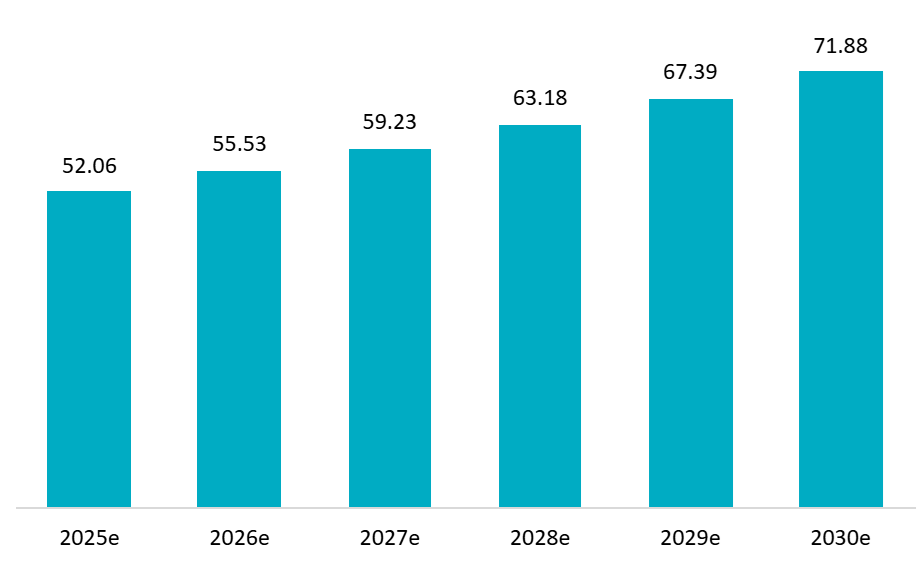
出典: モルドール情報部
投資状況
2024年末時点で、ベトナムの物流セクターには累計1,238件のFDIプロジェクトが投資され、63,515人の雇用を創出している。その中には、DHLなど世界有数の物流グループ約30社が含まれる。, Schenker, Expeditors[5]. 。ベトナムの物流セクターにおける投資プロジェクト数が最も多い5か国には、韓国とシンガポールが含まれ、それぞれ221件、合計で17.9%と最大の割合を占めている。次いで、香港(中国)が177件(14.3%)、日本と中国がそれぞれ140件で、各11.3%を占めている。.
物流企業の概況
新設物流企業数は13.5%増加し、2024年1~9月に約6,503社が設立され、新設企業全体の5.33%を占めたものの、物流コストは依然としてGDPの約16.5%~16.8%を占め、世界平均の11.6%を大きく上回るなど、業界は引き続き大きなコスト課題に直面している[6]. 。同時に、運輸・倉庫企業4,519社が一時的に事業を停止した。全体として、複数の物流企業が安定的かつ目覚ましい成長を遂げている一方、中小物流企業では業績が低下し、損失を計上し、場合によっては市場から撤退する企業もみられる。.
貨物輸送モードの構成
現在、道路輸送は取扱量ベースで依然として主要な貨物輸送モードであり、5億2,580万トン、すなわち貨物輸送全体の73.5%を取り扱い、前年同期比16.2%増となった。2025年第1四半期の注目すべき動きは鉄道貨物輸送の回復であり、取扱量は約145万トンに達し、前年同期比11.8%増加した。それでも、鉄道輸送の役割は限定的で、貨物輸送量に占める割合はわずか0.2%にとどまった[7].
Structure of freight transportation modes in Vietnam (Q1 2025)
100% = 715,8百万トン
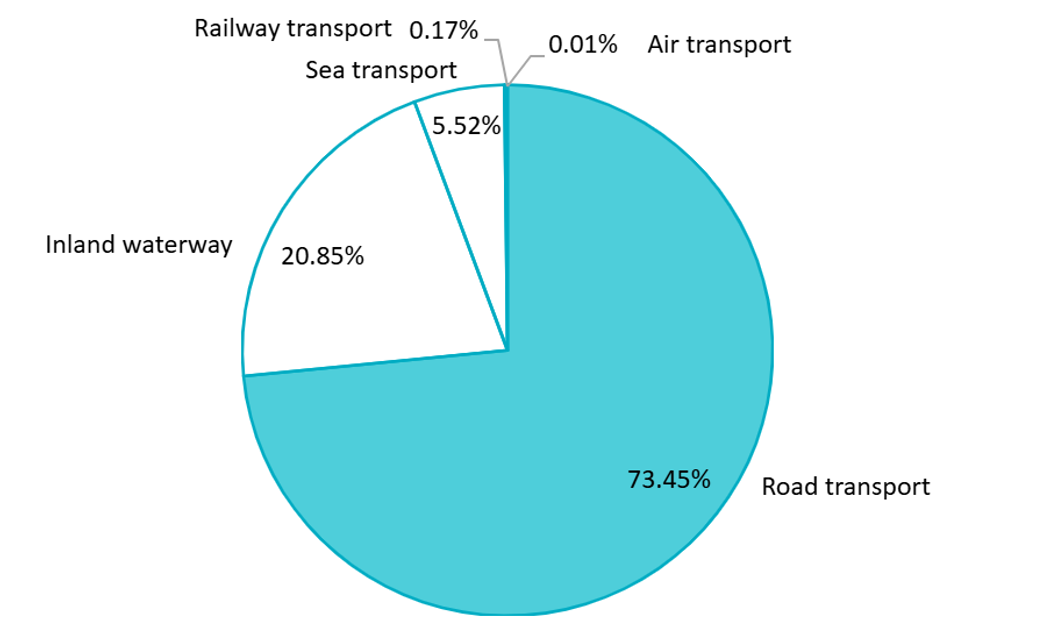
出典:ベトナム統計総局
主要な市場特性
機能別内訳
物流機能別では、2024年に貨物輸送が市場シェアの64.68%を生み出した。一方、宅配便・エクスプレス・小包(CEP)サービスは、2025~2030年に7.66%のCAGRで拡大すると予測されている。道路貨物輸送は2024年に収益シェアの78.23%を占めたが、航空貨物輸送は予測期間に8.16%のCAGRで急速に成長すると見込まれている[8].
エンドユーザー別セグメンテーション
2024年には製造業が市場シェアの35.48%を占め、海外バイヤーとの在庫同期を正確に行う必要があるエレクトロニクスおよび衣料品の集積地が成長を支えた。現代的な食料品チェーン、D2Cブランド、越境マーケットプレイスの拡大に伴い、卸売・小売取引は2025~2030年に7.13%のCAGRで成長すると予測されている。2025年には520億米ドルに達すると予想される電子商取引の爆発的な成長は、特にラストマイル配送インフラにおける物流需要のパターンを根本的に変えている。.
インフラの進展と地域ハブ
ベトナムでは大規模なインフラ変革が進んでおり、2024年5月までに稼働中の高速道路の総延長は2,000kmを超えた[9]. 。Long Thanh International Airportや、Cai Mep – Thi Vai港(世界第19位)などの深水港の拡張といった主要プロジェクトが、同セクターの発展の中核を担っている。Ba Ria – Vung Tau、Binh Duong、Dong Naiなどの地域は、産業クラスターやグローバルサプライチェーンに対応する専門物流センターへと整備されている。.
自由貿易区(FTZ)の台頭
2024年の重要な戦略転換は、質の高い投資を呼び込むため、自由貿易区(FTZ)の設立を正式に推進したことである。2025年6月、国会はDa Nang Free Trade Zoneの試験設立を承認した。同区は、非隣接の機能区域にまたがる約1,881ヘクタールを対象とし、Lien Chieu深水港に接続され、生産、物流、貿易・サービス、デジタル技術、イノベーションの専門区域を備える。同プロジェクトは、2025年6月22日に発表された首相決定第1142/QĐ-TTgを受け、正式に初期実施段階へ移行しており、Terne Holdings Group、BRG Group、Saigon Da Nang Investment JSCを含む国内外の主要投資家と覚書を締結している[10]. 。これらの区域は、無税の優遇措置、簡素化された通関手続き、製造と物流を統合したエコシステムを提供するよう設計されている
倉庫およびM&A活動の拡大
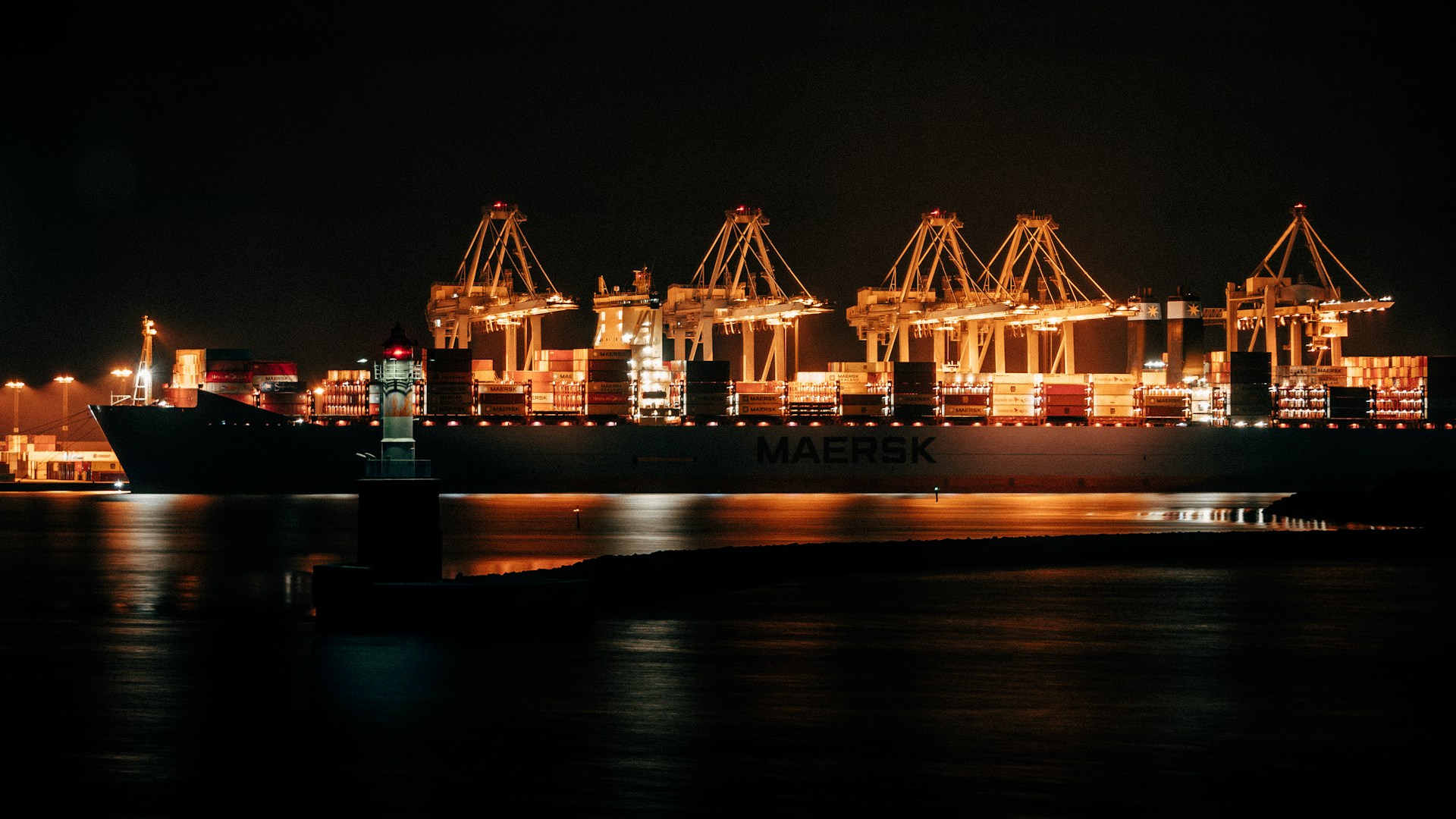
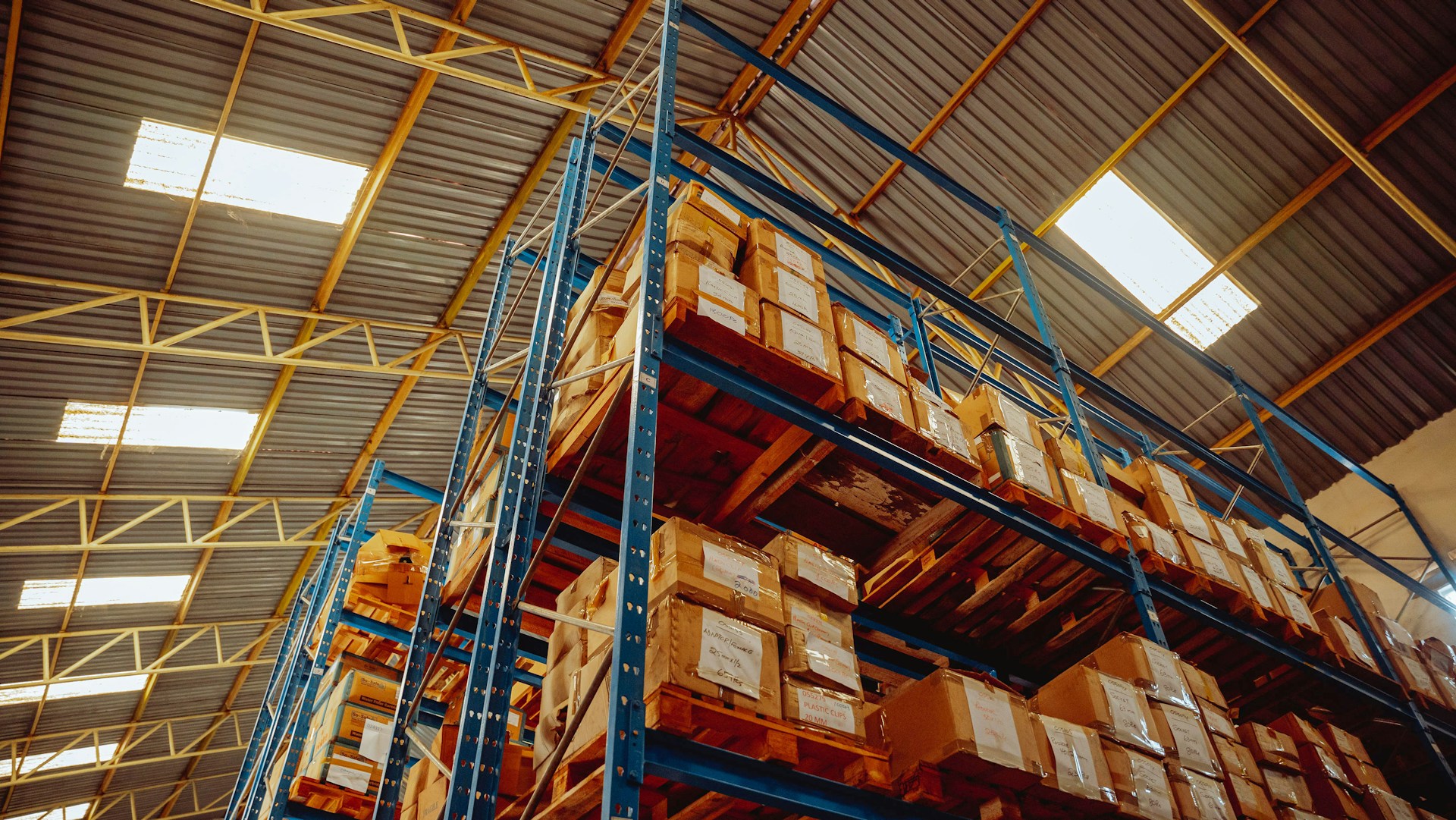
倉庫市場は急速に拡大しており、2020年から2023年までの年間成長率は23%に達し、2023年末時点の総規模は約400万平方メートルとなった[11]. 。Mapletree、SLP、JD Propertyなどの海外投資家が現在市場を支配しており、上位3社が2023年末時点で面積ベースの市場シェアの46%を占めている[12]. 。グローバル企業がベトナムでの事業基盤を迅速に拡大しようとする中、合併・買収(M&A)は主要なトレンドとなっている。例えば、MaerskはVietnamのHateco Groupと提携し、Hai PhongのLach Huyen Portで2つの深水バースを開発している。.
投資機会
高成長セグメント
Eコマース向けフルフィルメントインフラ:オンライン小売は8.35%のCAGRで成長すると予測され、すでにB2C小口貨物流動の半数以上を生み出している。自動化倉庫、ラストワンマイル配送ネットワーク、注文フルフィルメントセンターへの需要は、有望な事業機会を示している[13]. 。ラストワンマイル配送は断片化しており、荷物1個当たりのコストがThailandを28%上回っていることから[14], 、テクノロジーを活用したソリューションを提供する効率的な事業者に参入機会が生まれている。.
コールドチェーン物流:拡大する医療、製薬、食品加工セクターでは、GDP認証を取得したコールドチェーン能力が必要とされる。医薬品のトレーサビリティに関する規制要件が参入障壁を高め、要件を満たす事業者にはプレミアム価格の機会が生まれている。日本の投資家であるYokoreiによるLong An Provinceでの5,200万米ドルの冷蔵保管プロジェクトは、このセグメントにおける機会の規模を示す好例である[15].
グリーンおよびデジタル変革
市場では持続可能性とテクノロジーがますます重視されている。Ministry of Natural Resources and Environmentの調査によると、中堅・大手物流企業の約53%が省エネルギーソリューションを導入し、38%がクリーンエネルギー車両(電気またはガス駆動)に投資している[16]. 。ベトナムの2021~2030年国家グリーン成長戦略では、物流サービスを18の重点分野の一つに位置付けており、持続可能な物流ソリューションへの投資機会を創出している。.
テクノロジー導入は、同セクター全体を特徴付けるトレンドとなっている。企業は倉庫管理システム、データ主導型の最適化プラットフォーム、輸送管理システムを導入している。ViettelPostが都市部のマイクロモール内に2,000台のスマートロッカーを設置したことは、デジタルソリューションが都市物流を再構築していることを示す好例である。ベトナムの物流管理ではIndustry 4.0技術の導入が進み、効率の向上とコスト削減が実現している。Vietnam Logistics Business Associationが実施した調査によると、中堅・大手物流企業の約68%が倉庫・輸送にIoTを利用し、52%が需要予測と経路最適化にBig DataとAIを活用し、35%がトレーサビリティ向けにブロックチェーンの試験導入を行っている[17].
地理的拡大の機会
外国投資家は、ベトナム国内の地域開発格差を考慮すべきだ。現在の物流活動はホーチミン市とハノイが中心となっている一方、ベトナム中部および北部で台頭する工業団地には先行者優位が存在する。ハイフォン、ダナン、南部各省で進む新たな港湾開発により、関連インフラとサービスを必要とする物流ハブが形成されている。.
戦略的な政策主導型の機会
ベトナムで新たに承認された「国家物流サービス開発戦略2025~2035年」(Decision 2229/QD-TTg、2025年10月)は、政府の優先事項に沿う外国投資家に前例のない機会を創出する[18].
物流センター開発: 政府は、2035年までに少なくとも5カ所の世界水準の近代的な物流センターを整備し、2050年までに10カ所へ増やすことを優先している。優先地域には、海港および国際空港と一体化したハノイ、ホーチミン市、ハイフォン、ダナンが含まれる。大規模物流ハブ開発の専門知識を持つ外国投資家は、ベトナム企業と提携することで、これらの戦略的立地における先行者優位を獲得できる。.
デジタル税関とスマート物流: 同戦略は、通関時間の短縮とコスト削減に向け、デジタル税関およびスマート税関モデルの構築を重視している。2035年までに80%のデジタル導入率(2050年までに100%)を目標としていることから、通関自動化、電子文書システム、ブロックチェーンを活用したサプライチェーンソリューションを提供するテクノロジー企業に大きな機会が生まれる。.
専門物流サービス: 同戦略は、農産物、加工工業製品、越境電子商取引向けの専門物流を明確に奨励している。コールドチェーン、医薬品物流、または電子商取引フルフィルメントの専門知識を持つ外国投資家は、これらの高付加価値分野の育成を目的に設計された政府支援プログラムを活用できる。.
高い物流運営コスト
ベトナムの物流コストはGDPの約17%に達し、複数の要因により地域競合国を大幅に上回っている。貨物輸送では道路輸送が中心で、総貨物量の73%超を占めており、燃料消費と渋滞関連コストを押し上げている。さらに、深水港と周辺の道路・鉄道網との連携不足により、「ラストマイル」の接続性に深刻なボトルネックが生じている。.
さらに、物流セクターの分断化が効率性を制約している。物流企業の90%超は中小企業である[19], ため、規模の経済の実現や自動化への投資が制限されている。その結果、デジタル化した企業が物流コストを20%超削減できるという証拠があるにもかかわらず、労働集約型の業務が依然として主流であり、自動化の導入状況にもばらつきがある[20].
質の高い人材の不足
外国投資家にとって根本的な課題は、専門的な訓練を受けた人材の不足である。セクター全体では約120万人を雇用しているが、正式な物流研修を受けた人材は5%~7%にとどまる[21]. 。投資家は、英語、国際海事法、高度なデジタル技術に精通した人材の確保に苦労しており、多くの企業が社内での再訓練に多額の投資を行うか、高額な外国人専門家を雇用せざるを得ない。.
法的枠組みと行政上の障壁
規制環境は依然として複雑で、一部の分野では整備が不十分である。ベトナムは現在、ダナンなどの地域で自由貿易区(FTZ)の試験導入を進めているものの、自由貿易区(FTZ)に関する手続き、承認権限、投資政策決定、設立、管理モデル、運営メカニズム、管理権限の分権化を具体的に規定する包括的な国家法的枠組みは存在しない。.
現在、このセクターは、道路交通法、各種政府政令(倉庫および税関手続きに関する政令第68/2016/ND-CPなど)、首相決定(物流センターシステム開発のマスタープランなど)、運輸省および財務省が発行する通達など、相互に関連する複雑な法的文書の枠組みによって規制されている。さらに最近では、競争力の強化、デジタル変革の促進、物流セクターのグリーン化の加速を目的とする「2035年までのベトナム物流サービス開発戦略(2045年までのビジョン付き)」の草案が導入されている。.
インフラのボトルネック
政府による大規模な投資にもかかわらず、インフラ上の制約は依然として大きな障壁となっている。主要都市の都市渋滞はラストマイル配送の非効率性を助長し、未整備の地方道路網は中核的な産業拠点以外への市場アクセスを制限している。主要港湾における季節的な混雑は滞留時間とコストを押し上げ、特に道路、鉄道、水路間のマルチモーダル連携の弱さが物流費を高止まりさせている。さらに、港湾や工業地帯に近い戦略的立地で倉庫容量が不足していることが、サプライチェーンの恒常的なボトルネックを生み出している。.
さらに、2024年の台風ヤギが示したように、ベトナムのインフラは異常気象に対して脆弱である。同台風は8万十億VNDを超える経済損失をもたらし、北部の輸送網を深刻に混乱させた。.
まとめ
ベトナムの物流セクターは、規制の複雑さ、インフラ上の課題、競争の激しさに対応する意欲のある外国投資家にとって、魅力的な機会を提供している。成功には、従来型の物流モデルから、テクノロジーを活用した専門性の高い持続可能な事業運営への転換が必要となる。資本、先進的なシステム、国際的な専門知識を有する外国投資家が、能力の高いベトナム企業と提携すれば、この急速に発展する市場で相応以上の価値を獲得できる可能性がある。.
* この記事からの情報を引用する場合は、著作権を尊重するために、元の記事へのリンクと共に出典を引用してください。.
| B&Company
2008年からベトナムで市場調査を専門とする初の日本企業です。業界レポート、業界インタビュー、消費者調査、ビジネスマッチングなど、幅広いサービスを提供しています。さらに、最近ではベトナム国内の90万社以上のデータベースを開発しており、パートナーを検索したり、市場を分析したりするために利用できます。. ご不明点がございましたら、お気軽にお問い合わせください。. info@b-company.jp + (84) 28 3910 3913 |
[1] Vietnam Logistics Association (VLA), ベトナム物流レポート2024
(https://valoma.vn/)
[2] モルドール情報部, ベトナムの貨物輸送・物流市場―成長、動向、予測
(https://www.mordorintelligence.com/industry-reports/vietnam-freight-logistics-market)
[3] 世界銀行, 物流パフォーマンス指数―ベトナム
(https://data.worldbank.org/indicator/LP.LPI.OVRL.XQ?locations=VN)
[4] Industry and Trade Magazine (Vietnam), 投資誘致とベトナムの物流サービス発展に向けた新たな空間の開拓
(https://tapchicongthuong.vn/mo-ra-khong-gian-moi-thu-hut-dau-tu–phat-trien-dich-vu-logistics-viet-nam-299419.htm)
[5] Communist Review (Vietnam), ベトナムの物流セクターへの外国直接投資の誘致:現状と政策提言
(https://www.tapchicongsan.org.vn/web/guest/kinh-te/-/2018/1089502/thu-hut-dau-tu-truc-tiep-nuoc-ngoai-vao-linh-vuc-logistics-tai-viet-nam–thuc-trang-va-mot-so-khuyen-nghi-chinh-sach.aspx)
[6] Vietnam Logistics Association (VLA), ベトナム物流レポート2024
(https://valoma.vn/)
[7] Vietnam FDI Portal, 2025年第1四半期に鉄道貨物輸送が加速
(https://vnfdi.vn/van-tai-quy-i-2025-duong-sat-but-toc/)
[8] モルドール情報部, ベトナムの貨物輸送・物流市場―成長、動向、予測
(https://www.mordorintelligence.com/industry-reports/vietnam-freight-logistics-market)
[9] KPMG Vietnam, ベトナム経済見通し2026
(https://assets.kpmg.com/)
[10] VnEconomy. (https://vneconomy.vn/le-cong-bo-quyet-dinh-thanh-lap-khu-thuong-mai-tu-do-da-nang.htm)
[11] ベトナム情勢概況, ベトナムの倉庫市場:外国投資の見通し
(https://www.vietnam-briefing.com/news/vietnams-warehouse-market-foreign-investment-outlook.html/)
[12] VietnamPlus, 外国企業がベトナムの近代的倉庫市場を席巻
(https://en.vietnamplus.vn/foreign-developers-dominate-modern-warehouse-market-in-vietnam-post288791.vnp)
[13] モルドール情報部, ベトナムの宅配便・エクスプレス・小口貨物(CEP)市場―成長と予測
(https://www.mordorintelligence.com/industry-reports/vietnam-courier-express-and-parcel-cep-market)
[14] モルドール情報部, ベトナムの貨物輸送・物流市場―成長、動向、予測
(https://www.mordorintelligence.com/industry-reports/vietnam-freight-logistics-market)
[15] 投資家, Yokorei、急成長が見込まれる業界で$52百万ドルのベトナム冷蔵倉庫施設を建設 (https://theinvestor.vn/yokorei-builds-52-mln-vietnam-cold-storage-facility-as-sector-set-to-soar-d6136.html)
[16] Vietnam Logistics Portal, 物流サービス企業、コスト削減に向けてデジタルトランスフォーメーションを推進
(https://logistics.gov.vn/doanh-nghiep/doanh-nghiep-dich-vu-logistics-chuyen-doi-so-de-giam-chi-phi)
[17] Vietnam Logistics Portal, 物流サービス企業、コスト削減に向けてデジタルトランスフォーメーションを推進
(https://logistics.gov.vn/doanh-nghiep/doanh-nghiep-dich-vu-logistics-chuyen-doi-so-de-giam-chi-phi)
[18] Industry and Trade Magazine (Vietnam), 2025~2035年ベトナム物流サービス開発戦略(2050年までのビジョン)の正式承認
(https://tapchicongthuong.vn/chinh-thuc-phe-duyet-chien-luoc-phat-trien-dich-vu-logistics-viet-nam-thoi-ky-2025-2035–tam-nhin-den-2050-261784.htm)
[19] Vietnam Logistics Portal, グリーンサプライチェーン:ベトナムの物流企業が直面する課題の特定
(https://logistics.gov.vn/elogistics/chuoi-cung-ung-xanh-diem-ten-cac-thach-thuc-cua-doanh-nghiep-logistics-viet)
[20] Vietnam Logistics Portal, 物流サービス企業、コスト削減に向けてデジタルトランスフォーメーションを推進
(https://logistics.gov.vn/doanh-nghiep/doanh-nghiep-dich-vu-logistics-chuyen-doi-so-de-giam-chi-phi)
[21] Vietnam Logistics Association (VLA), ベトナム物流レポート2024
(https://valoma.vn/)
関連記事














ログイン / 新規登録
ニュースレターを購読する