

 한국어
한국어  English
  日本語
日本語  Tiếng Việt
  简体中文
简体中文 베트남의 물류 부문은 인프라, 경쟁 등과 같은 과제를 극복하고자 하는 투자자들에게 기회를 제공합니다.

2512월2025
최신 뉴스 및 보고서 / 베트남 브리핑
댓글: 댓글 없음.
베트남의 물류 부문은 탄탄한 제조업 활동, 빠른 전자상거래 확장, 대규모 인프라 투자에 힘입어 핵심 성장 동력으로 부상하고 있습니다. 2025년 기준 시장 규모는 520억 달러를 상회하며, 물류 성과 개선과 부가가치 서비스 수요 증가를 기반으로 2030년까지 꾸준한 성장이 전망됩니다. 그러나 높은 물류 비용, 인프라 병목 현상, 인력 역량 격차, 규제 복잡성은 여전히 중요한 과제로 남아 있습니다.
시장 개요
베트남물류기업협회(VLA)에 따르면 2024년 현재 물류 서비스 제공에 종사하는 기업은 30,000개 이상이며, 이 중 약 70%가 호찌민시에 본사를 두고 있습니다. 약 89%는 완전한 국내 자본 기업이며, 나머지는 외국인 투자 기업입니다. 물류 부문은 전국적으로 약 120만 명의 근로자를 고용하고 있는 것으로 추정됩니다[1].
시장 규모 및 성장 궤적
베트남의 물류 부문은 글로벌 경제 불확실성에도 불구하고 괄목할 만한 확장을 이루며 경제 성장의 핵심 축으로 부상했습니다. 이 부문의 시장 규모는 2025년 520억 6,000만 달러로 추정되며, 전망 기간(2025~2030년) 동안 연평균 성장률(CAGR) 6.67%로 성장하여 2030년에는 718억 8,000만 달러에 이를 것으로 예상됩니다[2]. 베트남의 물류성과지수(LPI)는 2023년 3.3으로 개선되어 전 세계 139개 경제권 중 43위, ASEAN 국가 중 5위를 기록하는 등 부문이 뚜렷한 발전을 보였습니다[3]. 또한 2025~2035년 동안 매년 GDP의 약 5~7%를 직접적으로 기여합니다[4].
Vietnam Freight And Logistics Market Size
단위: 미화 10억 달러
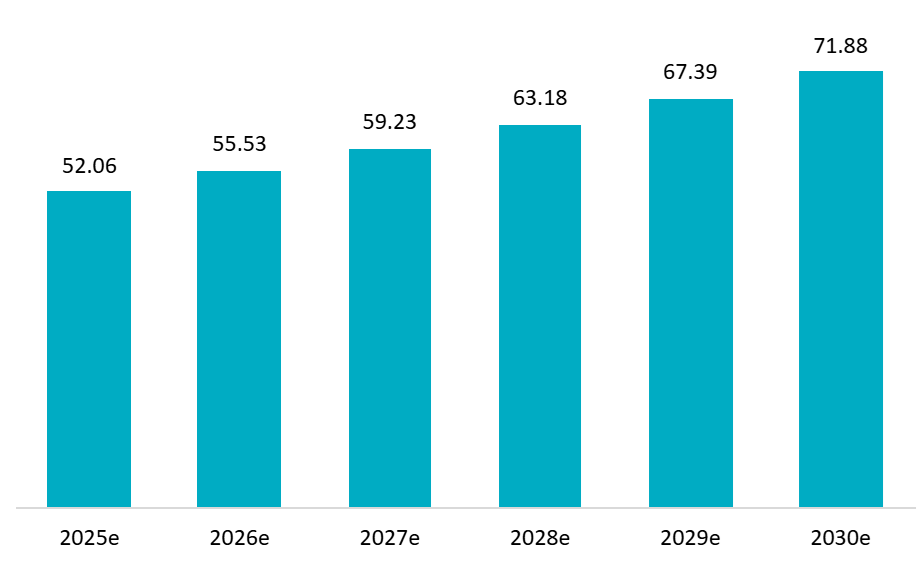
출처: 모르도르 정보부
투자 현황
2024년 말 기준 베트남의 물류 부문 누적 외국인직접투자(FDI) 프로젝트는 총 1,238건으로, DHL을 비롯한 세계 주요 물류 그룹 약 30개사가 포함되어 있으며 63,515명의 고용을 창출했습니다, Schenker, Expeditors[5]. 베트남 물류 부문에서 투자 프로젝트 수가 가장 많은 5개 국가는 한국과 싱가포르로, 각각 221건의 프로젝트를 보유해 합산 기준 17.9%로 가장 높은 비중을 차지했습니다. 이어 홍콩(중국)이 177건(14.3%), 일본과 중국이 각각 140건으로 각각 11.3%를 차지했습니다.
물류 기업 현황
신설 물류 기업 수는 13.5% 증가했으며(2024년 첫 9개월 동안 약 6,503개사가 설립되어 전체 신설 기업의 5.33%를 차지), 물류 비용이 여전히 GDP의 약 16.5%~16.8%를 차지해 세계 평균 11.6%를 크게 웃도는 등 업계는 지속적으로 상당한 비용 부담에 직면하고 있습니다[6]. 동시에 운송 및 창고업 기업 4,519개사가 일시적으로 영업을 중단했습니다. 전반적으로 일부 물류 기업은 안정적이고 인상적인 성장을 달성했지만, 중소 물류 기업은 사업 실적이 악화되고 손실이 발생했으며, 일부는 시장에서 완전히 철수했습니다.
화물 운송 방식별 구조
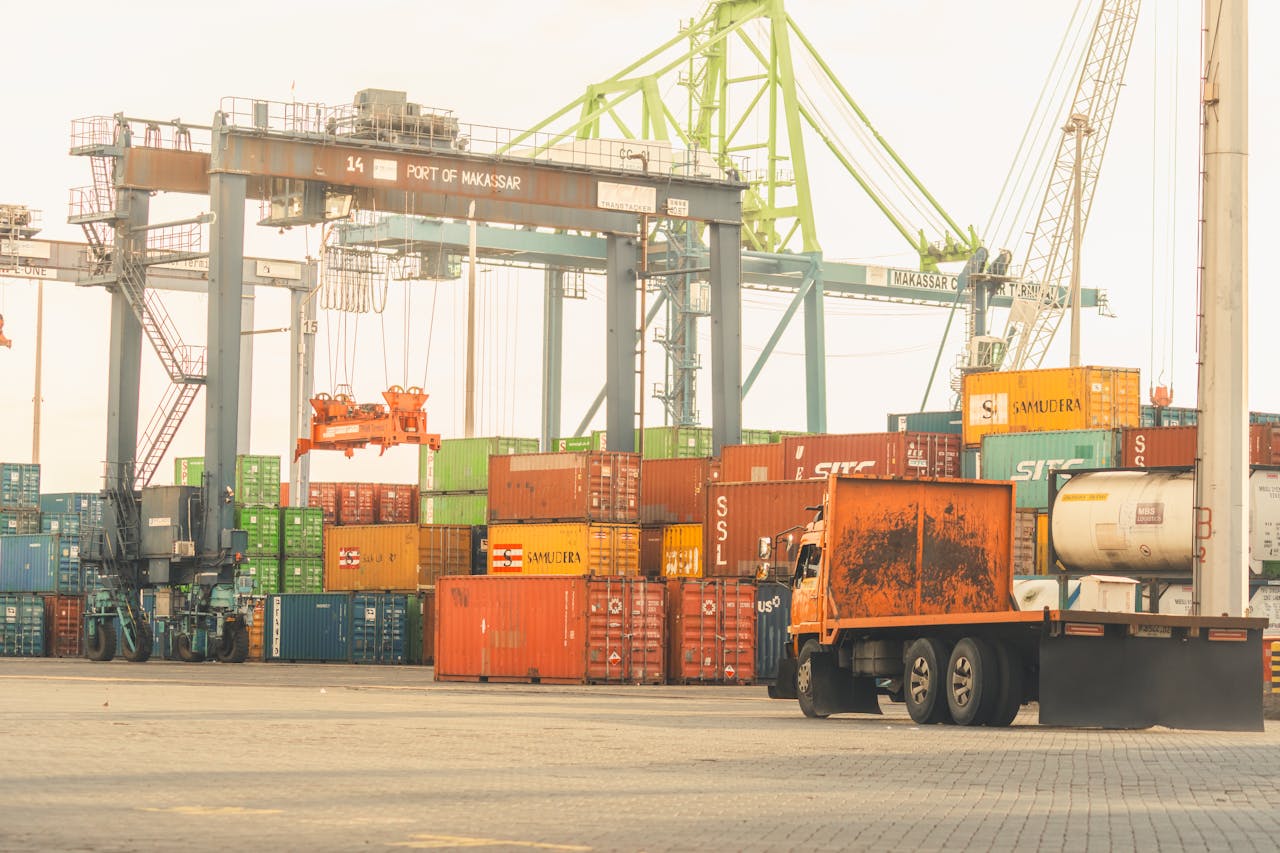
현재 도로 운송은 물량 기준으로 여전히 지배적인 화물 운송 방식으로, 5억 2,580만 톤을 처리하며 전체 화물의 73.5%를 차지하고 전년 대비 16.2% 증가했습니다. 2025년 1분기의 주목할 만한 변화는 철도 화물 운송의 회복으로, 운송량이 약 145만 톤에 달해 전년 대비 11.8% 증가했습니다. 그럼에도 철도 운송은 전체 화물 물량의 0.2%에 불과해 여전히 제한적인 역할에 머물렀습니다[7].
Structure of freight transportation modes in Vietnam (Q1 2025)
100% = 715,8백만 톤
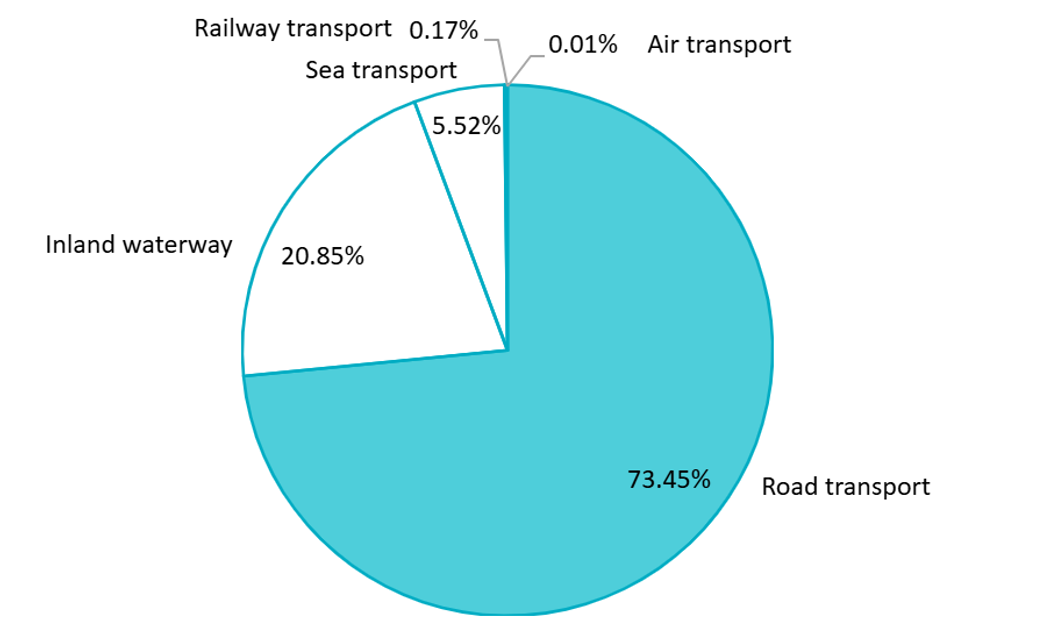
출처: 베트남 통계청
주요 시장 특성
기능별 분석
물류 기능별로는 화물 운송이 2024년 시장점유율의 64.68%를 차지했으며, 택배·특송·소포(CEP) 서비스는 2025~2030년 동안 7.66%의 연평균 성장률로 확대될 전망입니다. 도로 화물 운송은 2024년 매출 비중의 78.23%를 차지했지만, 항공 화물 운송은 전망 기간 동안 8.16%의 연평균 성장률로 빠르게 성장할 것으로 예상됩니다[8].
최종 사용자별 세분화
제조업은 2024년 시장점유율의 35.48%를 견인했으며, 해외 구매자와의 정밀한 재고 동기화가 필요한 전자제품 및 의류 제조 거점을 기반으로 성장했습니다. 현대식 식료품 체인, 소비자 직접 판매(DTC) 브랜드, 국경 간 마켓플레이스가 확대되면서 도매 및 소매업은 2025~2030년 연평균 7.13% 성장할 것으로 전망됩니다. 2025년까지 520억 달러 규모에 이를 것으로 예상되는 전자상거래의 폭발적 성장은 특히 라스트마일 배송 인프라를 중심으로 물류 수요 패턴을 근본적으로 재편하고 있습니다.
인프라 혁신과 지역 허브
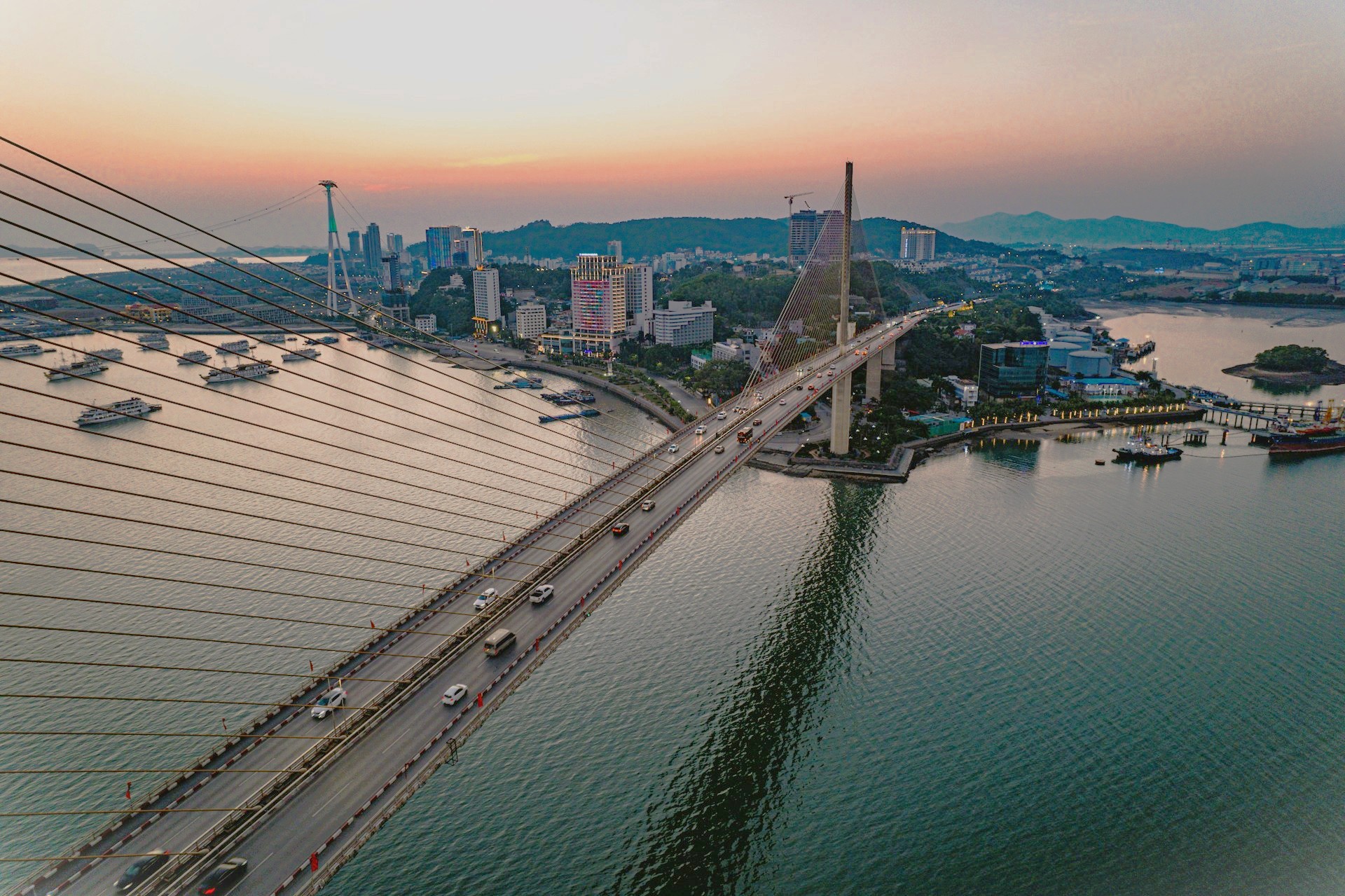
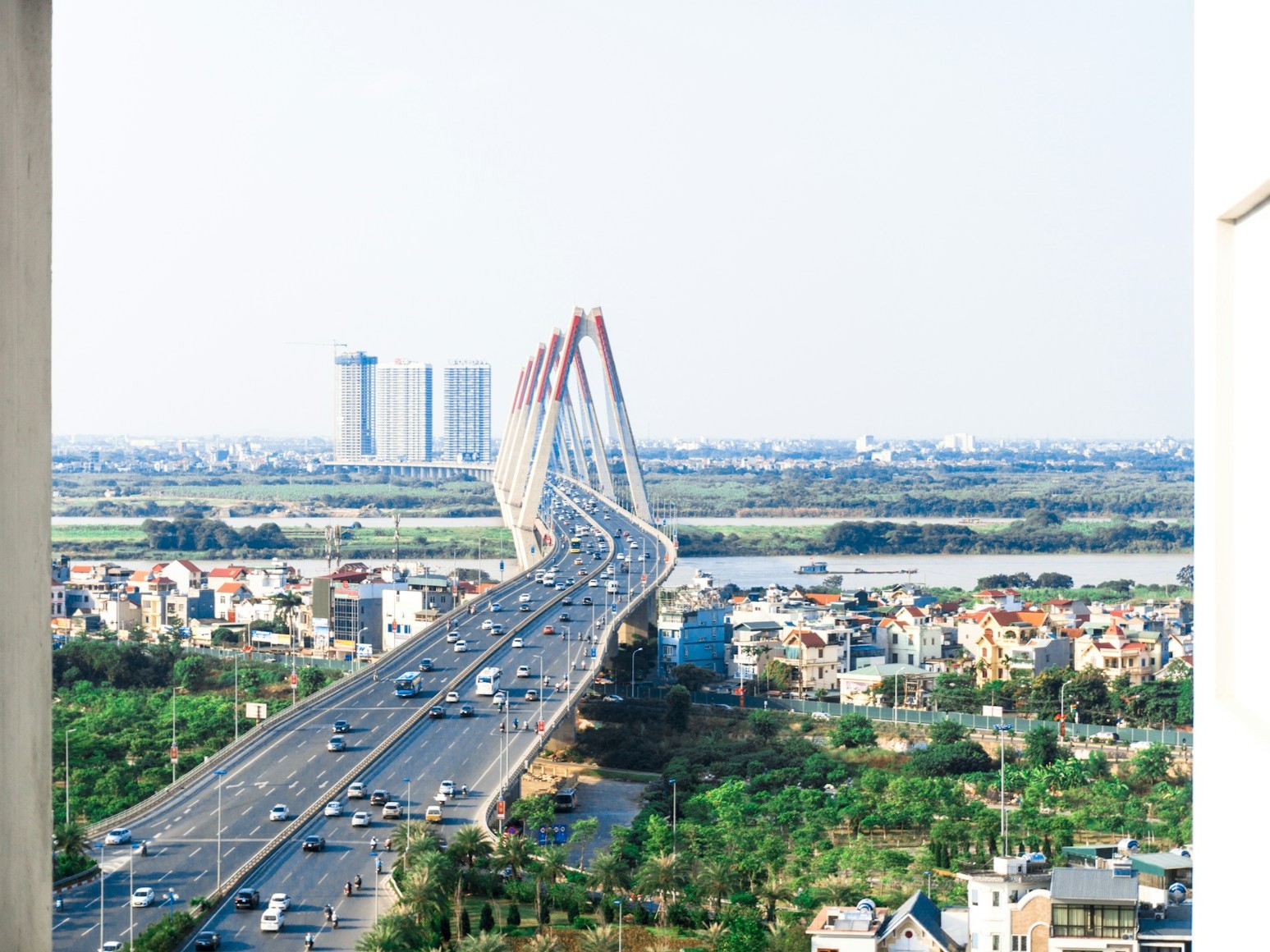
베트남은 대규모 인프라 전환을 진행하고 있으며, 2024년 5월 기준 운영 중인 고속도로의 총연장은 2,000km를 넘어섰습니다[9]. Long Thanh International Airport와 Cai Mep – Thi Vai 심해항(세계 19위) 확장과 같은 핵심 프로젝트가 해당 부문의 발전을 주도하고 있습니다. Ba Ria – Vung Tau, Binh Duong, Dong Nai와 같은 지역은 산업 클러스터와 글로벌 공급망을 지원하기 위한 전문 물류센터로 개발되고 있습니다.
자유무역지대(FTZ)의 부상
2024년의 중요한 전략적 변화는 양질의 투자를 유치하기 위해 자유무역지대(FTZ) 설립을 공식적으로 추진하기 시작한 것입니다. 2025년 6월, National Assembly는 약 1,881헥타르 규모의 Da Nang Free Trade Zone 시범 설립을 승인했습니다. 이 구역은 비연속적인 기능별 구역으로 구성되며 Lien Chieu 심해항과 연계되고, 생산, 물류, 무역 및 서비스, 디지털 기술, 혁신을 위한 전문 구역을 포함합니다. 이 프로젝트는 2025년 6월 22일 발표된 Prime Minister’s Decision No. 1142/QĐ-TTg에 따라 공식적으로 초기 이행 단계에 진입했으며, Terne Holdings Group, BRG Group, Saigon Da Nang Investment JSC를 비롯한 국내외 주요 투자자들과 양해각서를 체결했습니다[10]. 이러한 구역은 무관세 인센티브, 간소화된 통관 절차, 통합 제조·물류 생태계를 제공하도록 설계되었습니다
창고 및 M&A 활동 확대
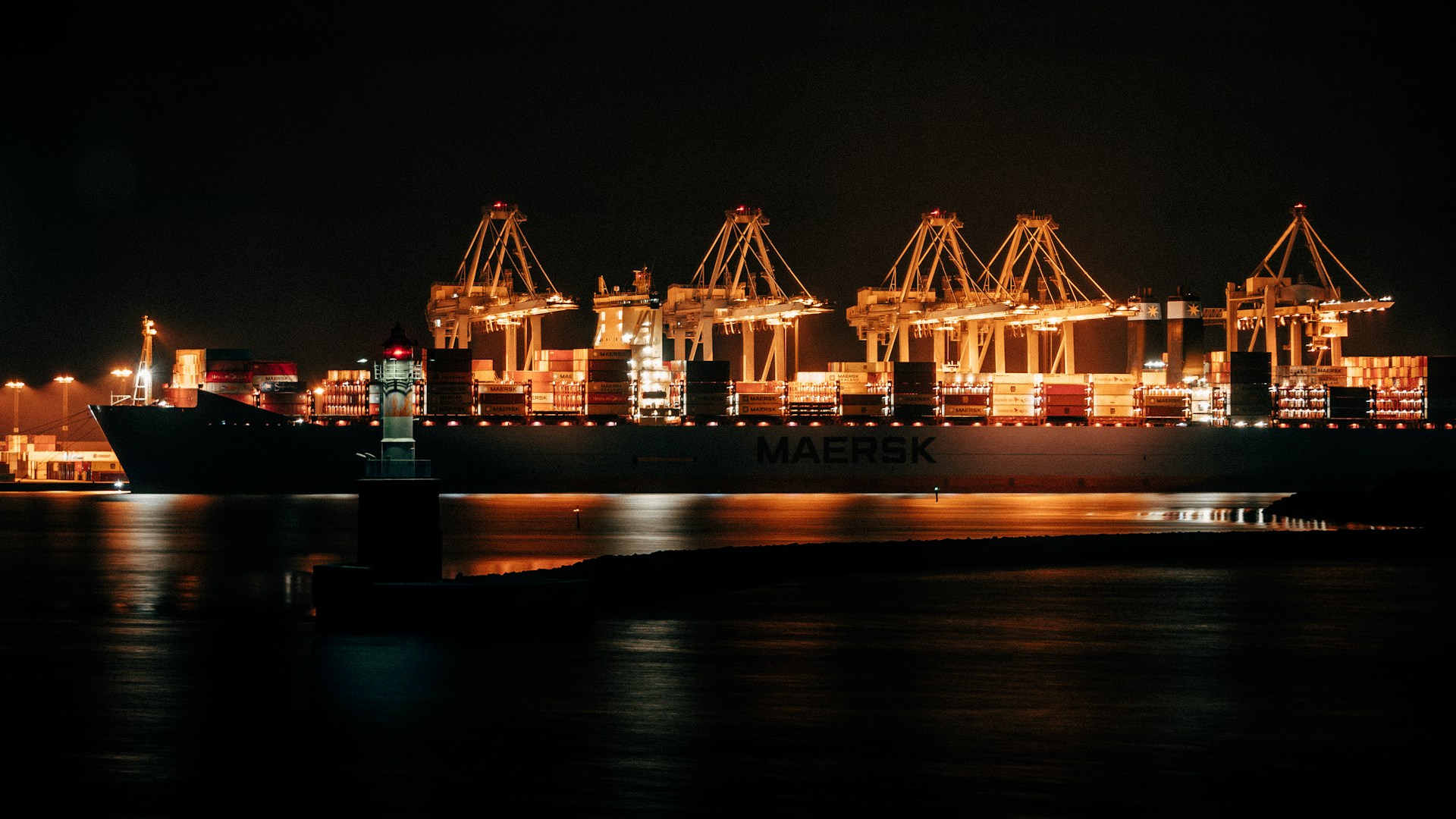
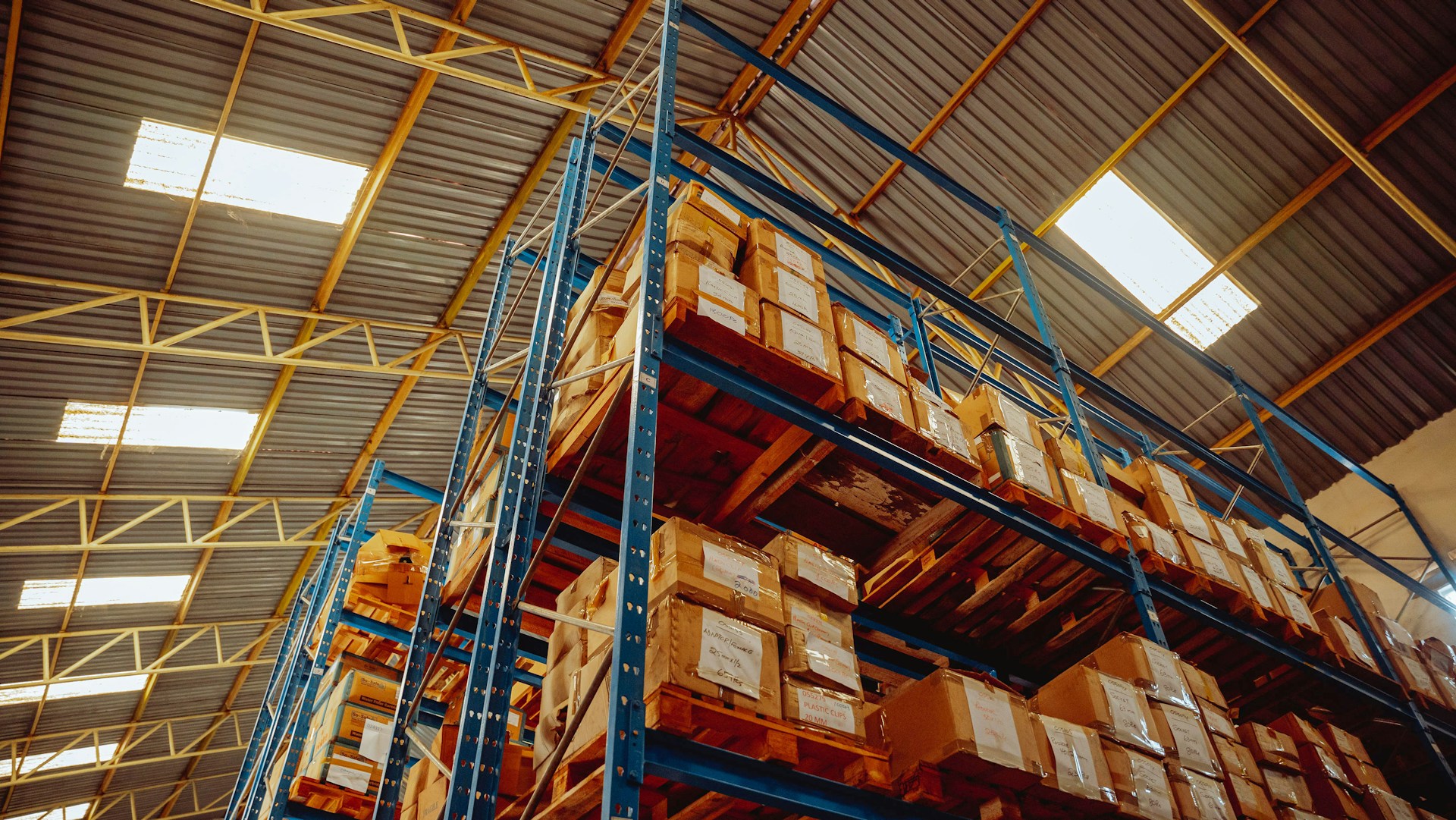
창고 시장은 빠르게 확대되고 있으며, 2020년부터 2023년까지 연평균 성장률 23%를 기록해 2023년 말 기준 총 규모가 약 400만 제곱미터에 달했습니다[11]. 현재 Mapletree, SLP, JD Property와 같은 외국인 투자자들이 시장을 주도하고 있으며, 상위 3개 사업자가 면적 기준 시장 점유율의 46%를 차지하고 있습니다[12]. 글로벌 기업들이 베트남 내 사업 기반을 신속하게 확대하고자 하면서 인수·합병(M&A)은 핵심 트렌드로 부상했습니다. 예를 들어 Maersk는 Vietnam’s Hateco Group과 협력하여 Hai Phong의 Lach Huyen Port에 심해 선석 2개를 개발하고 있습니다.
투자 기회
고성장 세그먼트
전자상거래 풀필먼트 인프라: 온라인 소매 시장은 8.35%의 CAGR로 성장할 것으로 전망되며 이미 B2C 소포 물동량의 절반 이상을 창출하고 있습니다. 이에 따라 자동화 창고, 라스트마일 배송 네트워크, 주문 처리센터에 대한 수요는 매력적인 기회를 제공합니다[13]. 소포당 비용이 태국보다 28% 높은 라스트마일 배송의 파편화된 구조는[14], 기술 기반 솔루션을 갖춘 효율적인 사업자에게 시장 진입 기회를 창출합니다.
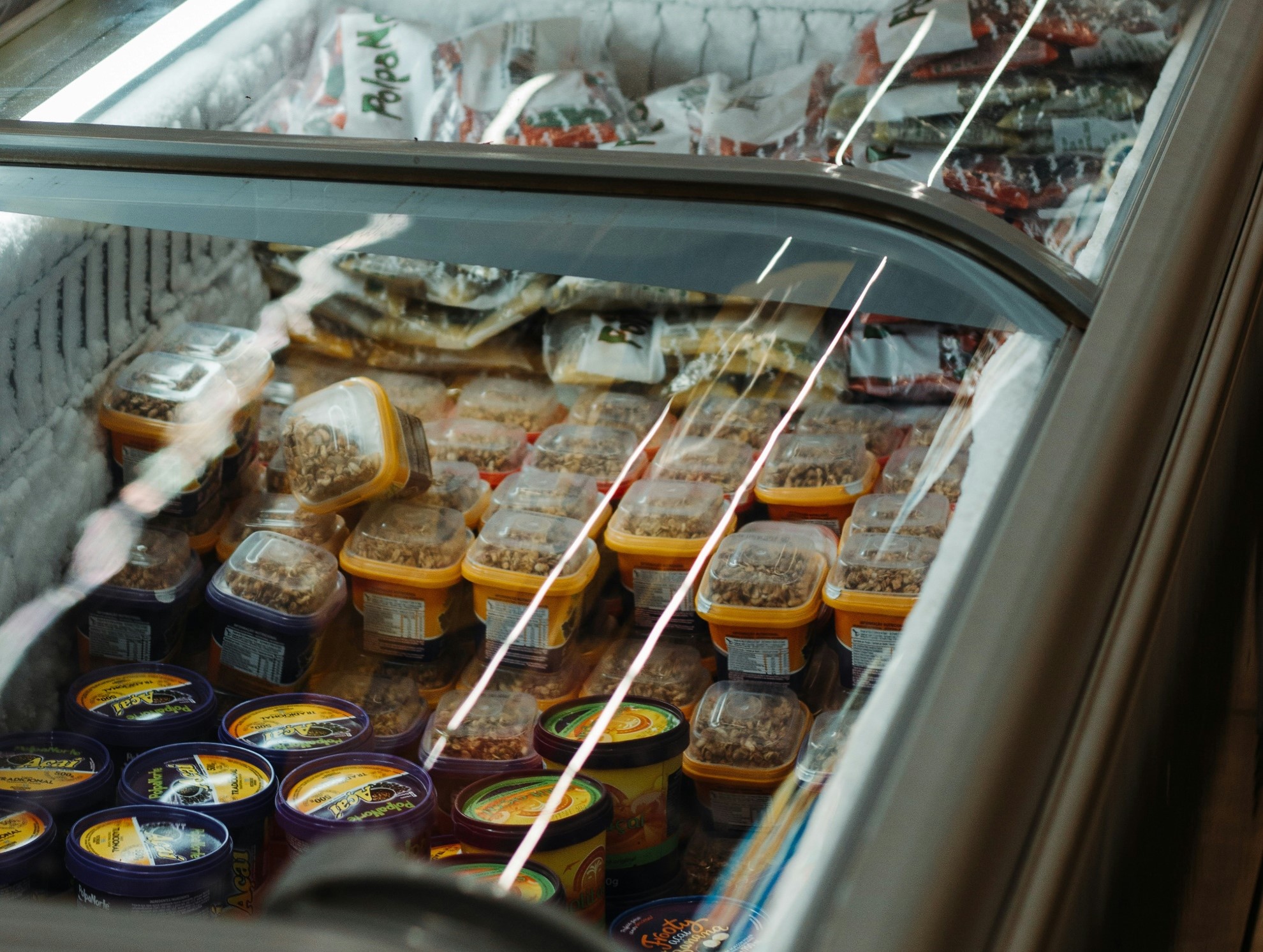
콜드체인 물류: 확대되는 의료, 제약 및 식품 가공 부문은 GDP 인증을 갖춘 콜드체인 역량을 필요로 합니다. 의약품 추적성에 대한 규제 요건이 진입장벽을 높이고 있어, 적격 사업자에게 프리미엄 가격 책정 기회를 제공하고 있습니다. 일본 투자자 Yokorei가 Long An Province에 추진한 5,200만 달러 규모의 냉장·냉동 보관 프로젝트는 이 세그먼트의 기회 규모를 보여주는 사례입니다[15].
친환경 및 디지털 전환
시장은 지속가능성과 기술을 점점 더 중시하고 있습니다. Ministry of Natural Resources and Environment의 조사에 따르면, 중견 및 대형 물류기업의 약 53%가 에너지 절감 솔루션을 도입했으며, 38%는 청정에너지 차량(전기 또는 가스 구동)에 투자했습니다[16]. Vietnam’s National Strategy on Green Growth for 2021-2030은 물류 서비스를 18개 핵심 중점 분야 중 하나로 지정하고 있어, 지속가능한 물류 솔루션 투자자에게 기회를 창출하고 있습니다.
기술 도입은 이 부문 전반을 관통하는 핵심 트렌드입니다. 기업들은 창고관리시스템, 데이터 기반 최적화 플랫폼, 운송관리시스템을 도입하고 있습니다. ViettelPost가 도시형 소형 쇼핑몰에 스마트 보관함 2,000개를 설치한 사례는 디지털 솔루션이 도시 물류를 어떻게 재편하고 있는지를 보여줍니다. 베트남 물류 관리에서는 Industry 4.0 기술의 도입이 점차 확대되면서 효율성이 향상되고 비용이 절감되고 있습니다. Vietnam Logistics Business Association이 실시한 조사에 따르면, 중견 및 대형 물류기업의 약 68%가 창고 및 운송에 IoT를 활용하고 있으며, 52%는 수요 예측 및 경로 최적화에 Big Data와 AI를 적용하고 있고, 35%는 추적성을 위해 블록체인을 시범 도입했습니다[17].
지역적 확장 기회
외국인 투자자는 베트남의 지역별 개발 격차를 고려해야 합니다. 현재 물류 활동은 호찌민시와 하노이가 주도하고 있지만, 베트남 중부 및 북부의 신흥 산업단지는 선점자 우위를 제공합니다. 하이퐁, 다낭 및 남부 지방의 신규 항만 개발로 지원 인프라와 서비스가 필요한 물류 허브가 조성되고 있습니다.
전략적 정책 주도형 기회
베트남 정부가 최근 승인한 「국가 물류 서비스 개발 전략 2025~2035」(2025년 10월 결정문 제2229/QD-TTg호)은 정부의 정책 우선순위에 부합하는 외국인 투자자에게 전례 없는 기회를 창출하고 있습니다[18].
물류센터 개발: 정부는 2035년까지 최소 5개의 세계적 수준의 현대식 물류센터를 구축하고, 2050년까지 이를 10개로 확대하는 것을 우선 과제로 추진하고 있습니다. 우선 대상 지역에는 하노이, 호찌민시, 하이퐁 및 다낭이 포함되며, 이들 센터는 항만 및 국제공항과 연계됩니다. 대규모 물류 허브 개발 역량을 보유한 외국인 투자자는 베트남 기업과 협력하여 이러한 전략적 입지에서 선점자 우위를 확보할 수 있습니다.
디지털 세관 및 스마트 물류: 이 전략은 통관 시간을 단축하고 비용을 절감하기 위해 디지털 세관 및 스마트 세관 모델을 구축하는 데 중점을 두고 있습니다. 2035년까지 80%의 디지털 도입률(2050년까지 100%)을 달성한다는 목표는 세관 자동화, 전자문서 시스템 및 블록체인 기반 공급망 솔루션을 제공하는 기술 기업에 상당한 기회를 창출합니다.
전문 물류 서비스: 이 전략은 농산물, 가공 산업제품 및 국경 간 전자상거래를 위한 전문 물류를 구체적으로 장려하고 있습니다. 콜드체인, 의약품 물류 또는 전자상거래 풀필먼트 역량을 보유한 외국인 투자자는 이러한 고부가가치 부문을 육성하기 위해 마련된 정부 지원 프로그램을 활용할 수 있습니다.
투자 과제
높은 물류 운영 비용
베트남의 물류 비용은 GDP의 거의 17%에 달해 역내 경쟁국을 크게 상회하며, 이는 여러 요인에 기인합니다. 화물 운송에서 도로 운송의 비중이 압도적으로 높아 전체 화물 물동량의 73% 이상을 차지하고 있으며, 이에 따라 연료 소비와 교통 혼잡 관련 비용이 증가합니다. 또한 심해항과 주변 도로 또는 철도 네트워크 간 연계가 원활하지 않아 “라스트마일” 연결성에 심각한 병목이 발생하고 있습니다.
물류 부문의 세분화 역시 효율성을 제한하고 있습니다. 물류 기업의 90% 이상이 중소기업으로 구성되어 있으며[19], 규모의 경제 실현과 자동화 투자가 제약되고 있습니다. 그 결과 노동집약적 운영이 여전히 널리 활용되고 있으며, 디지털화된 기업이 물류 비용을 20% 이상 절감할 수 있다는 근거에도 불구하고 자동화 도입 수준은 고르지 않은 상황입니다[20].
고급 인력 부족
외국인 투자자가 직면하는 근본적인 과제는 전문 교육을 받은 인력이 부족하다는 점입니다. 물류 부문에 약 120만 명이 종사하고 있지만, 정규 물류 교육을 받은 인력은 5%~7%에 불과합니다[21]. 투자자들은 영어, 국제해사법 및 첨단 디지털 기술에 능숙한 인력을 확보하는 데 어려움을 겪고 있으며, 이로 인해 많은 기업이 사내 재교육에 상당한 비용을 투자하거나 고비용의 외국인 전문가를 채용해야 합니다.
법적 체계 및 행정적 장애요인
규제 환경은 여전히 복잡하며 일부 영역에서는 미비한 부분도 존재합니다. 베트남은 다낭과 같은 지역에서 자유무역지대(FTZ)를 시범 운영하고 있지만, 현재 자유무역지대(FTZ)의 절차, 승인 권한, 투자 정책 결정, 설립, 관리 모델, 운영 메커니즘 및 관리 권한의 분권화를 구체적으로 규율하는 포괄적인 국가 법적 체계는 마련되어 있지 않습니다.
현재 이 부문은 「도로교통법」, 다양한 정부 시행령(예: 창고 및 세관 절차에 관한 2016년 시행령 제68/2016/ND-CP호), 총리 결정(물류센터 시스템 개발을 위한 종합계획 등), 교통부 및 재무부가 발행한 시행규칙을 비롯한 상호 연계된 복잡한 법률 문서 체계를 통해 규율되고 있습니다. 최근에는 물류 부문의 경쟁력 제고, 디지털 전환 촉진 및 친환경화를 가속화하는 것을 목표로, 2045년을 전망으로 하는 「2035년까지 베트남 물류 서비스 개발 전략」 초안도 제시되었습니다.
인프라 병목
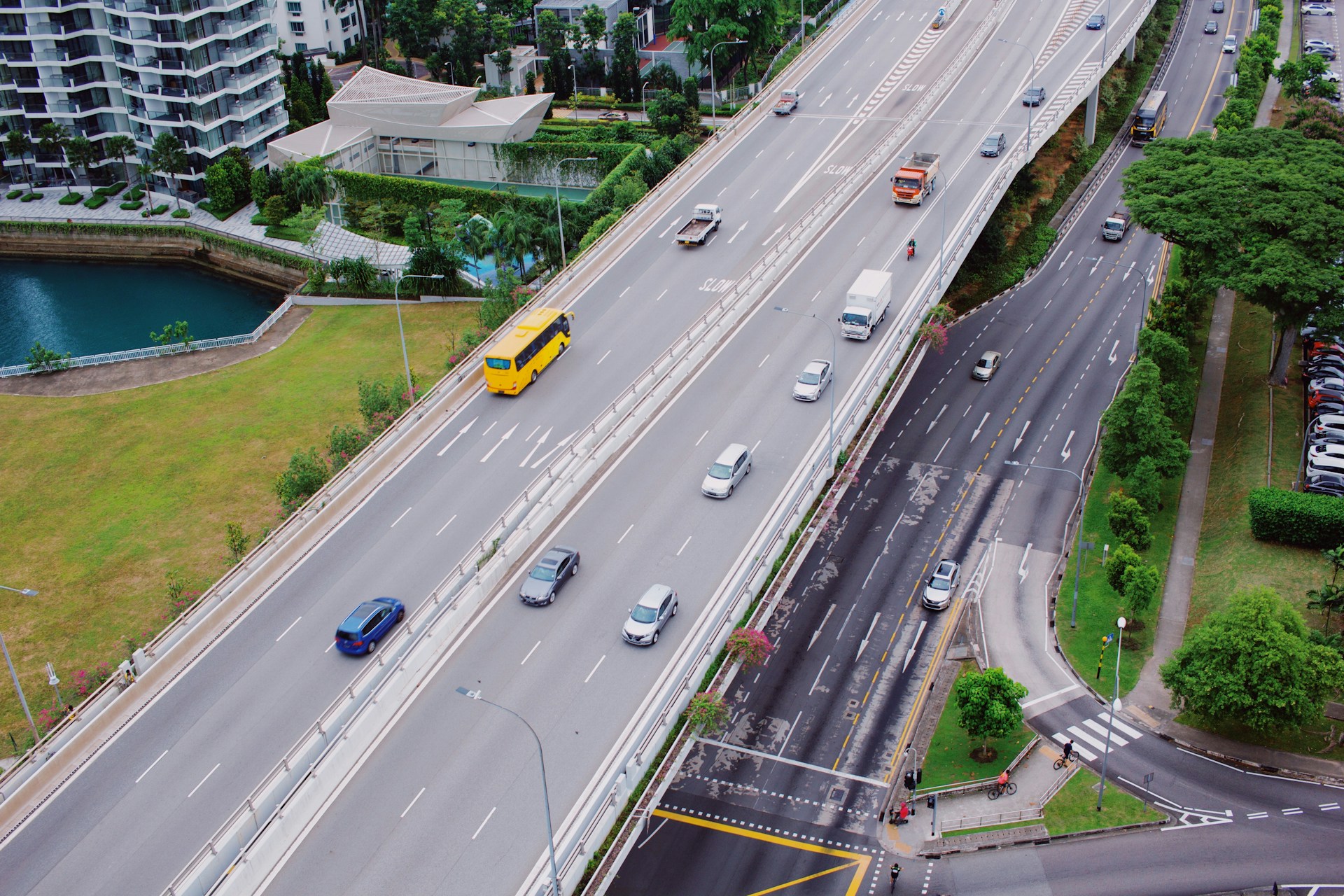
상당한 정부 투자에도 불구하고 인프라 제약은 여전히 주요 장애 요인으로 작용하고 있습니다. 주요 도시의 교통 혼잡은 라스트마일 배송의 비효율성을 심화시키고 있으며, 낙후된 농촌 도로망은 핵심 산업 허브를 넘어선 시장 접근을 제한하고 있습니다. 주요 항만의 계절적 혼잡은 화물 체류 시간과 비용을 증가시키고, 특히 도로·철도·수로 간 복합운송 연계가 미흡해 물류 비용이 높은 수준을 유지하고 있습니다. 이와 함께 항만과 산업단지 인근의 전략적 거점에 창고 역량이 부족해 공급망 병목 현상이 지속되고 있습니다.
또한 Vietnam의 인프라는 극한 기후에 취약합니다. 이는 2024년 태풍 Yagi로 인해 경제적 피해가 80,000 billion VND를 초과하고 북부 지역의 운송망이 심각하게 마비된 사례에서 확인할 수 있습니다.
결론
Vietnam의 물류 부문은 규제 복잡성, 인프라 문제, 경쟁 심화에 대응할 수 있는 외국인 투자자에게 매력적인 기회를 제공합니다. 성공을 위해서는 전통적인 물류 모델에서 벗어나 기술 기반의 전문화되고 지속 가능한 운영으로 전환해야 합니다. 자본, 첨단 시스템, 국제적 전문성을 보유한 외국인 투자자는 역량 있는 베트남 기업과의 파트너십을 통해 빠르게 변화하는 이 시장에서 불균형적으로 큰 가치를 확보할 수 있습니다.
* 이 기사에서 어떤 정보를 인용하고자 하시면, 저작권을 존중하기 위해 원본 기사의 링크와 함께 출처를 꼭 기재해 주시기 바랍니다.
| B&Company
2008년부터 베트남에서 시장 조사에 전문화된 최초의 일본 회사입니다. 우리는 산업 보고서, 산업 인터뷰, 소비자 조사, 비즈니스 매칭 등 다양한 서비스를 제공합니다. 또한 최근에는 베트남에 있는 90만 개 이상의 회사가 포함된 데이터베이스를 개발하여 파트너를 검색하고 시장을 분석하는 데 사용할 수 있습니다. 문의 사항이 있으시면 언제든지 저희에게 연락해 주십시오. info@b-company.jp + (84) 28 3910 3913 |
[1] Vietnam Logistics Association (VLA), Vietnam 물류 보고서 2024
(https://valoma.vn/)
[2] 모르도르 정보부, Vietnam 화물 및 물류 시장 – 성장, 동향 및 전망
(https://www.mordorintelligence.com/industry-reports/vietnam-freight-logistics-market)
[3] 세계은행, 물류성과지수 – Vietnam
(https://data.worldbank.org/indicator/LP.LPI.OVRL.XQ?locations=VN)
[4] 산업 및 무역 매거진 (Vietnam), 투자 유치와 Vietnam 물류 서비스 개발을 위한 새로운 공간 개방
(https://tapchicongthuong.vn/mo-ra-khong-gian-moi-thu-hut-dau-tu–phat-trien-dich-vu-logistics-viet-nam-299419.htm)
[5] 공산주의 리뷰 (Vietnam), Vietnam 물류 부문에 대한 외국인직접투자 유치: 현황 및 정책 권고사항
(https://www.tapchicongsan.org.vn/web/guest/kinh-te/-/2018/1089502/thu-hut-dau-tu-truc-tiep-nuoc-ngoai-vao-linh-vuc-logistics-tai-viet-nam–thuc-trang-va-mot-so-khuyen-nghi-chinh-sach.aspx)
[6] Vietnam Logistics Association (VLA), Vietnam 물류 보고서 2024
(https://valoma.vn/)
[7] Vietnam FDI Portal, 2025년 1분기 철도 화물 운송 가속화
(https://vnfdi.vn/van-tai-quy-i-2025-duong-sat-but-toc/)
[8] 모르도르 정보부, Vietnam 화물 및 물류 시장 – 성장, 동향 및 전망
(https://www.mordorintelligence.com/industry-reports/vietnam-freight-logistics-market)
[9] KPMG Vietnam, 2026년 Vietnam 경제 전망
(https://assets.kpmg.com/)
[10] VnEconomy. (https://vneconomy.vn/le-cong-bo-quyet-dinh-thanh-lap-khu-thuong-mai-tu-do-da-nang.htm)
[11] 베트남 브리핑, Vietnam 창고 시장: 외국인 투자 전망
(https://www.vietnam-briefing.com/news/vietnams-warehouse-market-foreign-investment-outlook.html/)
[12] VietnamPlus, 외국계 개발업체가 Vietnam 현대식 창고 시장을 주도
(https://en.vietnamplus.vn/foreign-developers-dominate-modern-warehouse-market-in-vietnam-post288791.vnp)
[13] 모르도르 정보부, Vietnam 택배·특송·소포(CEP) 시장 – 성장 및 전망
(https://www.mordorintelligence.com/industry-reports/vietnam-courier-express-and-parcel-cep-market)
[14] 모르도르 정보부, Vietnam 화물 및 물류 시장 – 성장, 동향 및 전망
(https://www.mordorintelligence.com/industry-reports/vietnam-freight-logistics-market)
[15] 투자자, Yokorei, 급성장 전망의 산업에 대응해 Vietnam에 $52 mln 규모의 저온 창고 시설 건설 (https://theinvestor.vn/yokorei-builds-52-mln-vietnam-cold-storage-facility-as-sector-set-to-soar-d6136.html)
[16] Vietnam Logistics Portal, 비용 절감을 위해 디지털 전환을 추진하는 물류 서비스 기업
(https://logistics.gov.vn/doanh-nghiep/doanh-nghiep-dich-vu-logistics-chuyen-doi-so-de-giam-chi-phi)
[17] Vietnam Logistics Portal, 비용 절감을 위해 디지털 전환을 추진하는 물류 서비스 기업
(https://logistics.gov.vn/doanh-nghiep/doanh-nghiep-dich-vu-logistics-chuyen-doi-so-de-giam-chi-phi)
[18] 산업 및 무역 매거진 (Vietnam), 2025~2035년 Vietnam 물류 서비스 개발 전략 및 2050년 비전의 공식 승인
(https://tapchicongthuong.vn/chinh-thuc-phe-duyet-chien-luoc-phat-trien-dich-vu-logistics-viet-nam-thoi-ky-2025-2035–tam-nhin-den-2050-261784.htm)
[19] Vietnam Logistics Portal, 친환경 공급망: 베트남 물류 기업이 직면한 과제 파악
(https://logistics.gov.vn/elogistics/chuoi-cung-ung-xanh-diem-ten-cac-thach-thuc-cua-doanh-nghiep-logistics-viet)
[20] Vietnam Logistics Portal, 비용 절감을 위해 디지털 전환을 추진하는 물류 서비스 기업
(https://logistics.gov.vn/doanh-nghiep/doanh-nghiep-dich-vu-logistics-chuyen-doi-so-de-giam-chi-phi)
[21] Vietnam Logistics Association (VLA), Vietnam 물류 보고서 2024
(https://valoma.vn/)
관련기사










로그인 / 회원가입
뉴스레터 구독