
Railway infrastructure in Vietnam and development goals

베트남의 철도 시스템은 경제 지역을 연결하고 사회 경제적 발전을 촉진하는 데 중요한 역할을 합니다. 그러나 현재 인프라는 여전히 많은 제약이 있어 상당한 투자와 업그레이드가 필요합니다. 이 글에서는 베트남의 철도 인프라의 현재 상태, 미래 개발 목표, 이 분야의 기업과 투자자의 잠재력을 분석합니다.
252월2025

B&Company

최신 뉴스 및 보고서 / 베트남 브리핑

댓글: 댓글 없음.

B&Company는 2008년부터 베트남에서 시장 조사 및 투자 컨설팅을 전문으로 하는 첫 일본 회사입니다.

이 "베트남 브리핑" 섹션에서는 B&Company의 젊은 연구원들이 베트남의 산업 동향, 소비자 동향 및 사회 운동에 대한 시의적절한 정보를 제공합니다.

이 기사는 영어로 작성되었으며, 다른 언어 버전은 자동 번역이 사용됩니다. 정확한 내용을 위해 영어 버전을 참고하시기 바랍니다. 우리는 원본 정보의 정확성을 보장하기 위해 노력하지만, 각 정보에 대해 별도로 확인하시기 바랍니다. 해석 및 향후 전망은 각 연구원의 개인적인 의견입니다.

Vietnam’s railway system plays an important role in connecting economic regions and promoting socio-economic development. However, the current infrastructure still has many limitations, requiring significant investment and upgrading. This article will analyze the current state of Vietnam’s railway infrastructure, future development goals, and potential for businesses and investors in this field.

Current status of Vietnam’s railway infrastructure

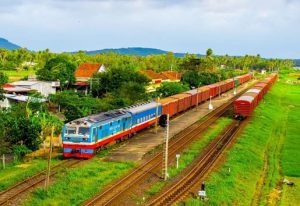
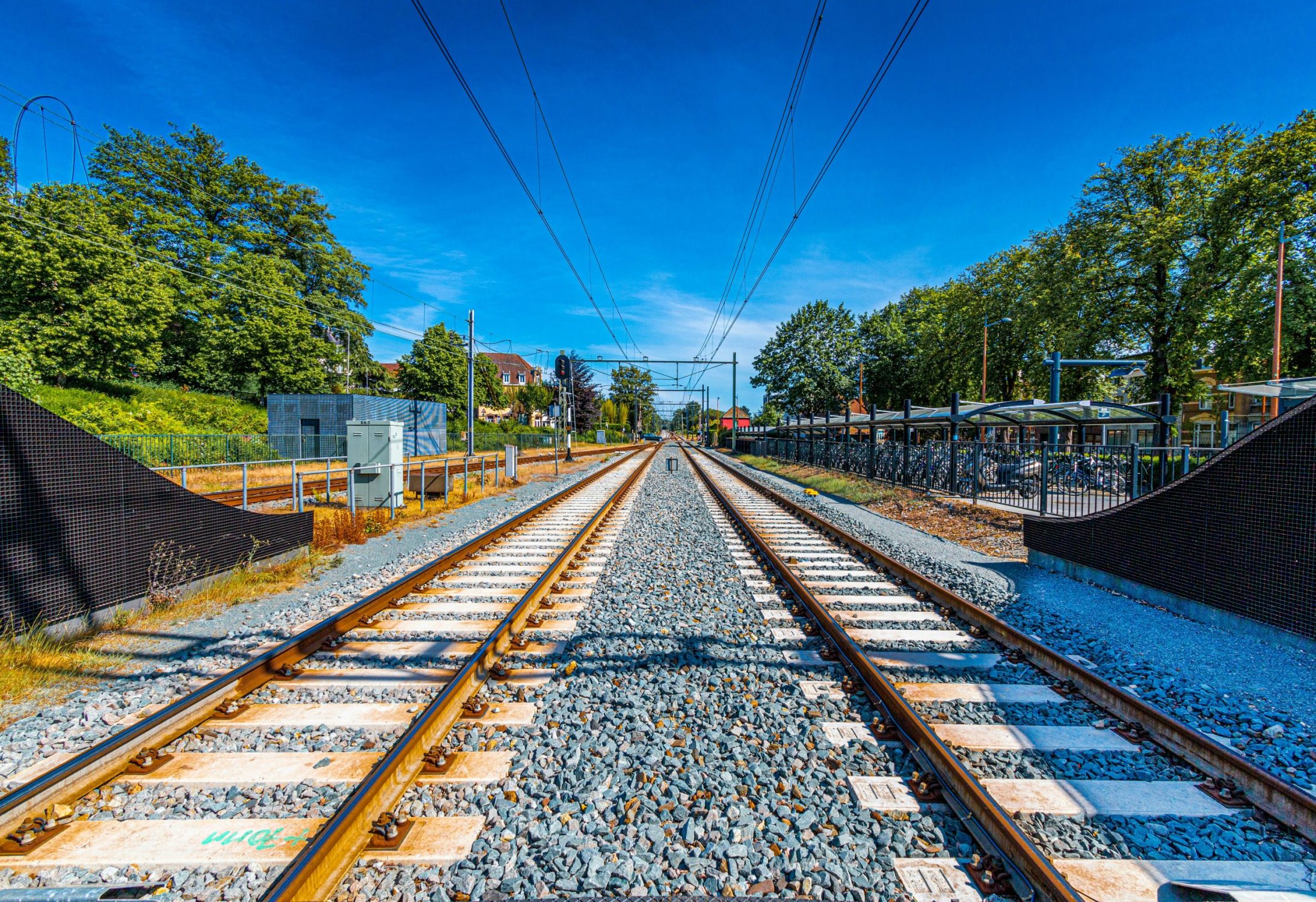
Vietnam’s railway network is currently managed by the Vietnam Railway Authority, under the Ministry of Transport. According to data from the General Statistics Office, as of 2022, the national railway network will have a total length of 3,315 km, including 2,647 km of main lines and 515 km of stations and branch lines[1]. This infrastructure has existed for more than a century and is now deteriorating, failing to meet modern transportation needs[2].

Railway lines in Vietnam

출처: Quochoi.vn

In 2024, the Vietnamese railway industry served more than 7 million passengers, an increase of nearly 1 million compared to 2023, reaching the highest level ever[3]. This growth is mainly due to two important factors: improved service quality and increased number of train routes. In recent years, the railway industry has upgraded high-quality trains, combined with tourism services, providing passengers with more suitable options. At the same time, optimizing routes and expanding train routes also contribute to improving convenience for passengers.

In terms of revenue, in 2024, Vietnam Railways Corporation recorded consolidated revenue of about VND 9,700 billion, an increase of 7.9% over the previous year[4]. Despite steady growth, rail transport has yet to compete with road and water transport in terms of popularity. However, with improvements in service quality and infrastructure, the rail sector is gradually attracting more passengers and freight transport businesses.

In terms of ticket prices, when compared to airplanes, train tickets are relatively competitive but take longer to travel. Specifically, on the Hanoi – Da Nang route, a ticket for a 6-seat air-conditioned compartment on the 2nd floor costs about 677,000 VND, while airfare ranges from 680,000 VND or more, depending on the time of booking[5]. Overall, trains still have a cost advantage if you book in advance or choose economy class seats.

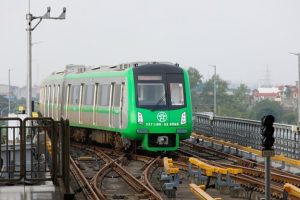
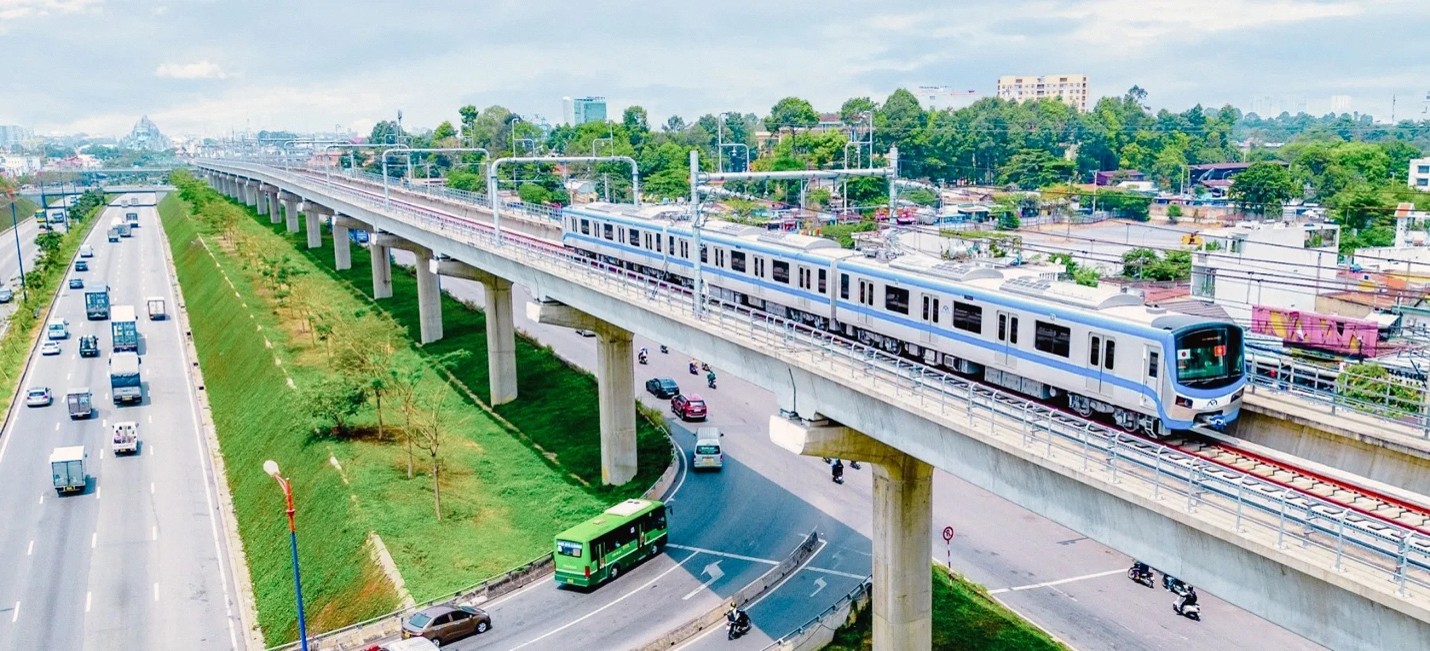
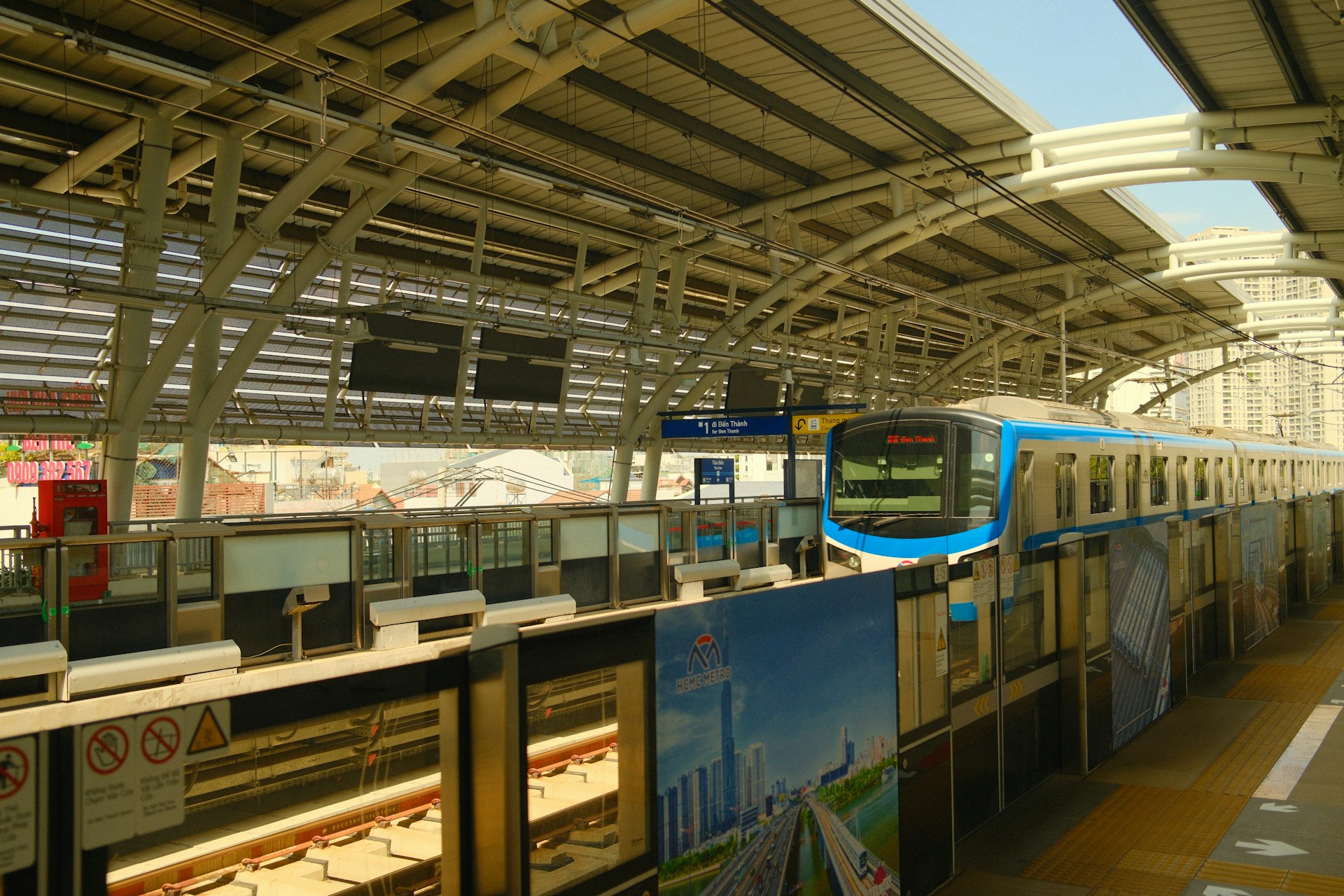
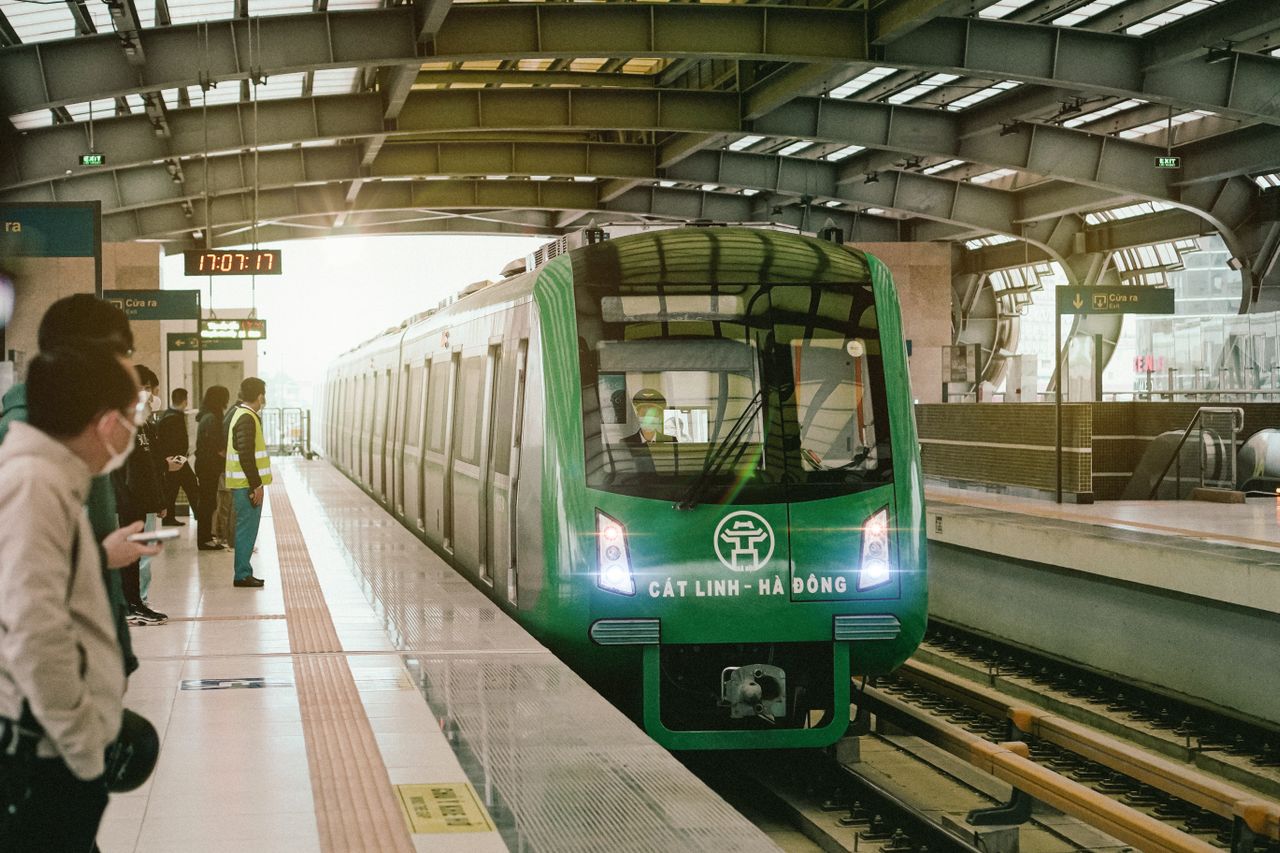
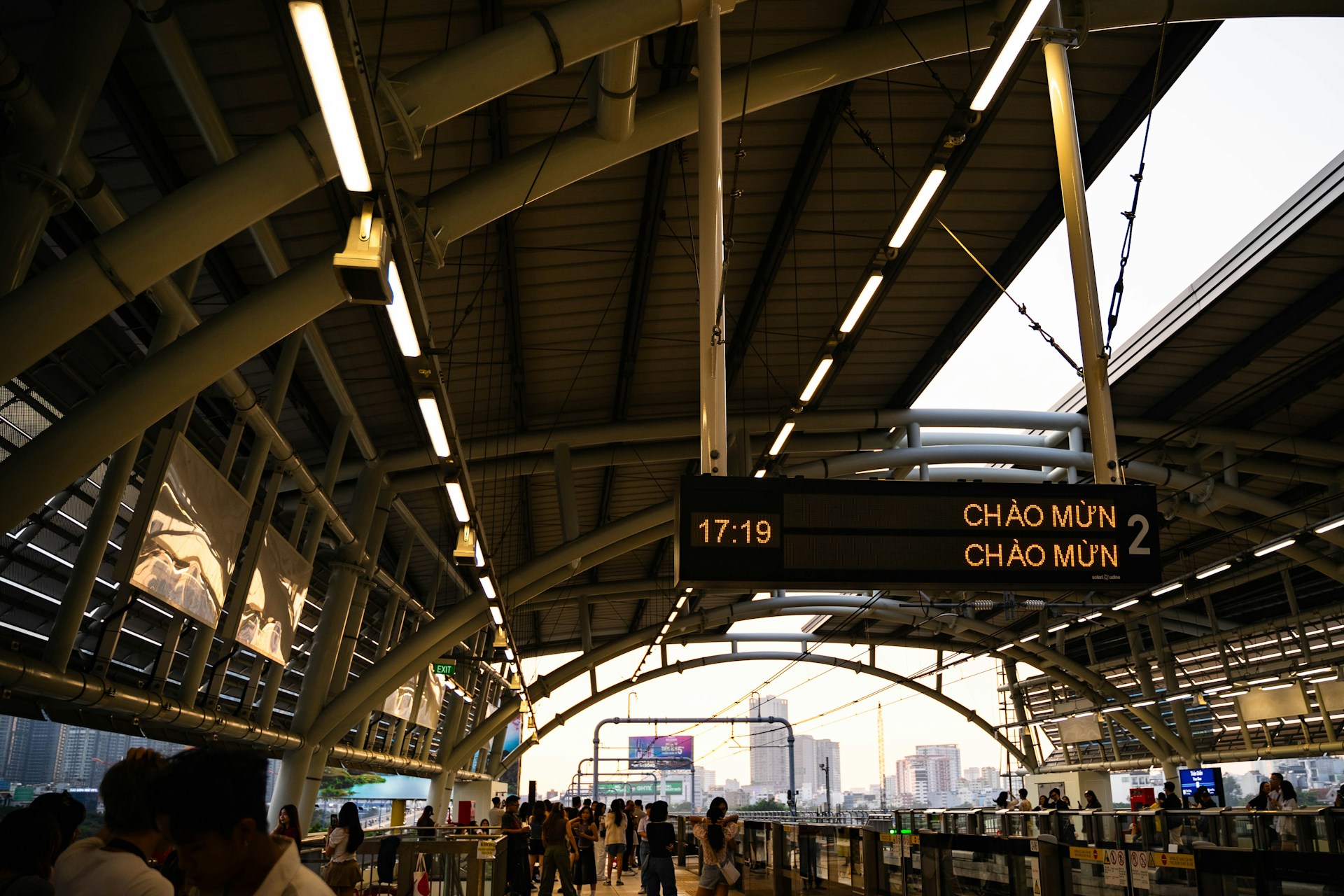
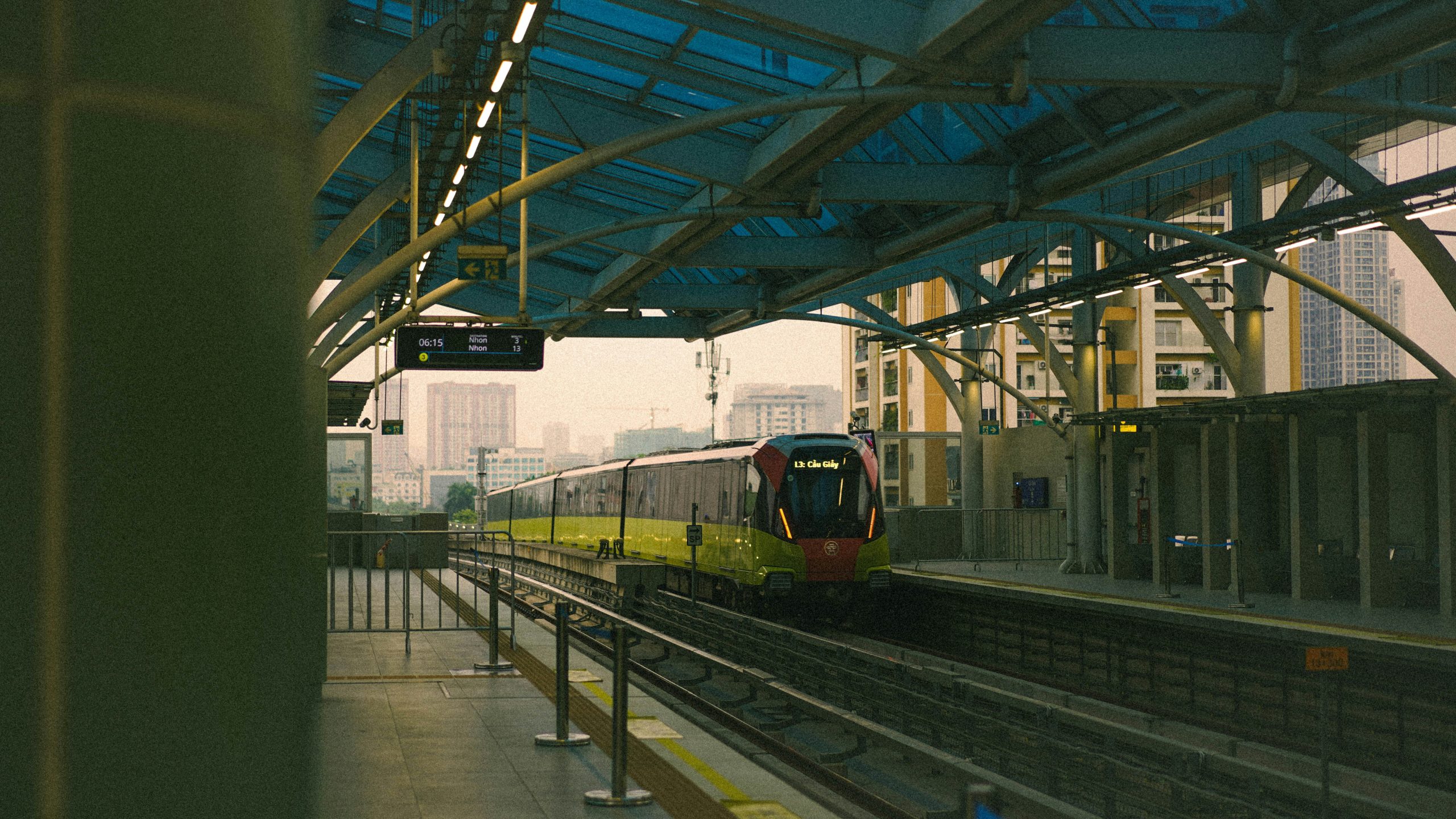
In particular, one of the important steps in the modernization of the railway industry is the emergence of elevated metro lines. A typical example is the Cat Linh – Ha Dong line in Hanoi, which was put into commercial operation in November 2021. To date, the line has transported more than 25 million passengers, with more than 35,000 passengers per day, of which 47% are commuters and 45% are students. The development of metro lines not only improves urban mobility but is also a sign that Vietnam is gradually upgrading its railway system towards modernity and sustainability[6].

Cat Linh – Ha Dong metro line to be put into commercial operation from 2021

출처: 킨테도티.vn

계속 읽으려면 로그인하거나 무료로 회원가입하세요.

관련기사
뉴스레터 구독