

 日本語
日本語  English
  Tiếng Việt
  简体中文
简体中文  한국어
한국어 ベトナムの鉄道システムは、経済地域を結び、社会経済の発展を促進する上で重要な役割を果たしています。しかし、現在のインフラには依然として多くの制限があり、多額の投資とアップグレードが必要です。この記事では、ベトナムの鉄道インフラの現状、将来の開発目標、この分野における企業と投資家の可能性を分析します。
2025年2月25日
最新ニュース&レポート / ベトナム速報
コメント: コメントはまだありません.
Current status of Vietnam’s railway infrastructure
Vietnam’s railway network is currently managed by the Vietnam Railway Authority, under the Ministry of Transport. According to data from the General Statistics Office, as of 2022, the national railway network will have a total length of 3,315 km, including 2,647 km of main lines and 515 km of stations and branch lines[1]. This infrastructure has existed for more than a century and is now deteriorating, failing to meet modern transportation needs[2].
Railway lines in Vietnam
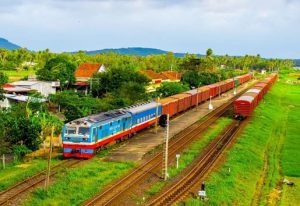
出典: Quochoi.vn
In 2024, the Vietnamese railway industry served more than 7 million passengers, an increase of nearly 1 million compared to 2023, reaching the highest level ever[3]. This growth is mainly due to two important factors: improved service quality and increased number of train routes. In recent years, the railway industry has upgraded high-quality trains, combined with tourism services, providing passengers with more suitable options. At the same time, optimizing routes and expanding train routes also contribute to improving convenience for passengers.
In terms of revenue, in 2024, Vietnam Railways Corporation recorded consolidated revenue of about VND 9,700 billion, an increase of 7.9% over the previous year[4]. Despite steady growth, rail transport has yet to compete with road and water transport in terms of popularity. However, with improvements in service quality and infrastructure, the rail sector is gradually attracting more passengers and freight transport businesses.
In terms of ticket prices, when compared to airplanes, train tickets are relatively competitive but take longer to travel. Specifically, on the Hanoi – Da Nang route, a ticket for a 6-seat air-conditioned compartment on the 2nd floor costs about 677,000 VND, while airfare ranges from 680,000 VND or more, depending on the time of booking[5]. Overall, trains still have a cost advantage if you book in advance or choose economy class seats.
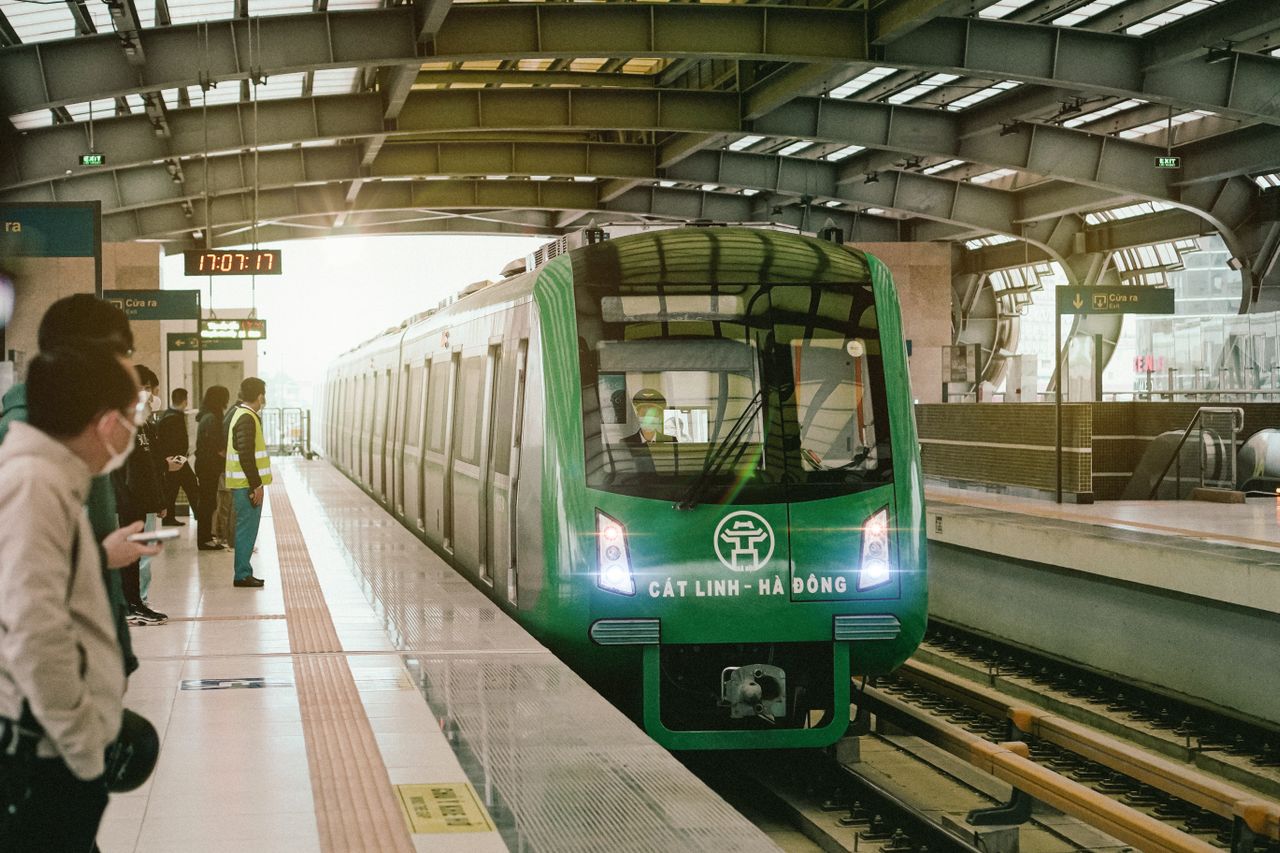
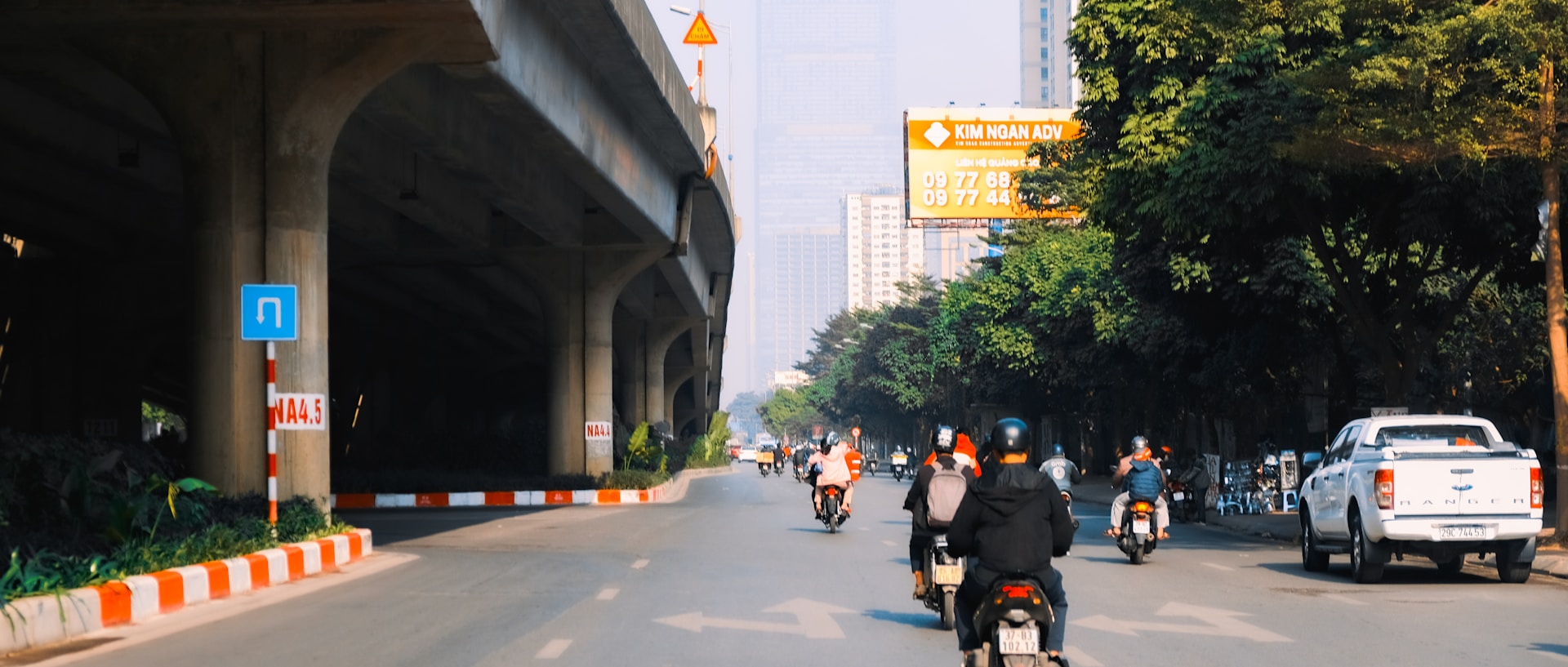
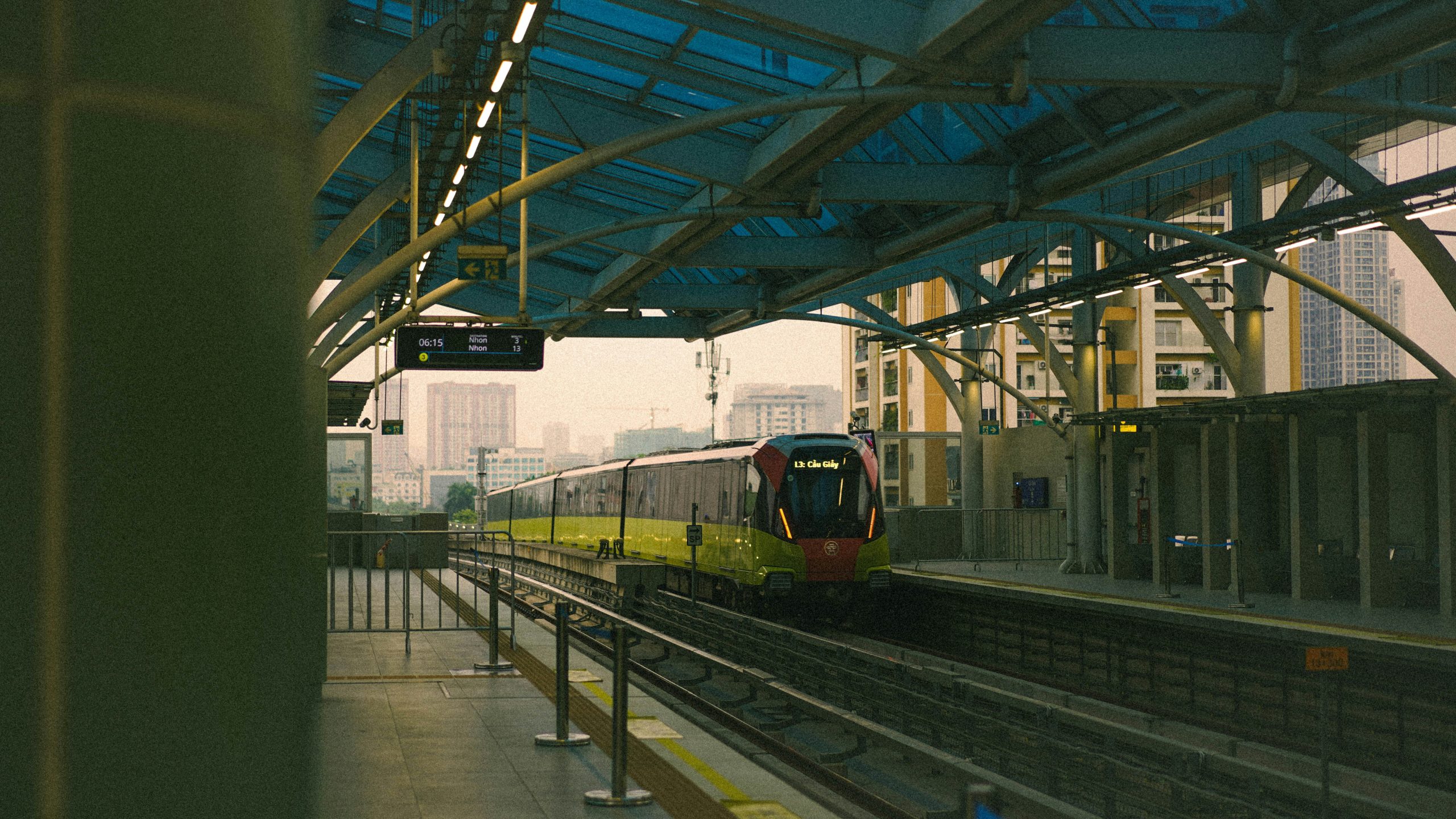
In particular, one of the important steps in the modernization of the railway industry is the emergence of elevated metro lines. A typical example is the Cat Linh – Ha Dong line in Hanoi, which was put into commercial operation in November 2021. To date, the line has transported more than 25 million passengers, with more than 35,000 passengers per day, of which 47% are commuters and 45% are students. The development of metro lines not only improves urban mobility but is also a sign that Vietnam is gradually upgrading its railway system towards modernity and sustainability[6].
Cat Linh – Ha Dong metro line to be put into commercial operation from 2021
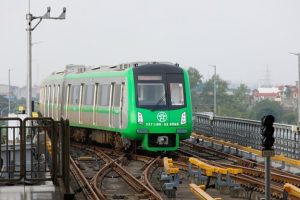
出典: キンテドティ

関連記事










ログイン / 新規登録
アカウントなしで続ける
ログイン / 新規登録
ニュースレターを購読する