

 日本語
日本語  English
  Tiếng Việt
  简体中文
简体中文  한국어
한국어 ベトナムでは、国産のTMSプラットフォーム、GPS追跡システム、AIを活用したルート最適化ツールの応用が急速に拡大しています。

2025年12月3日
最新ニュース&レポート / ベトナム速報
コメント: コメントはまだありません.
ベトナムの物流セクターでは、政策面の後押しと業界需要を背景に、デジタル化が急速に進んでいる。物流は、国家デジタルトランスフォーメーション・プログラム2025(2030年ビジョン)で優先対象とされた8業種の一つであり、物流費が依然として企業にとって大きな負担となっている市場において、先端技術を活用して業務コストを削減することが期待されている。こうした背景のもと、ベトナムでは国内TMSプラットフォーム、GPS追跡システム、AIを活用したルート最適化ツールの導入が急速に拡大している。導入は大手3PL企業やEコマース事業者で最も進んでいる一方、データ品質の問題や車両群の分散が、全面的な導入を引き続き制約している。.
Organizational structure of the Ministry of Transport
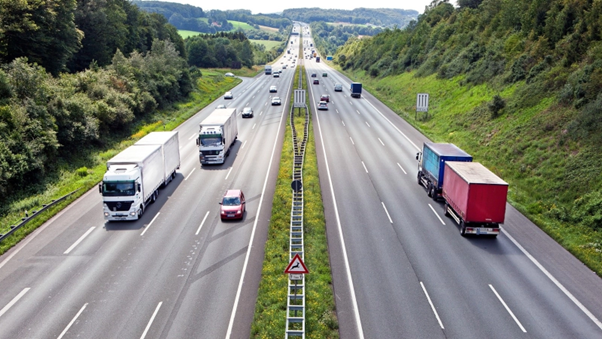
出典: Luat Viet Nam
市場概観:規模、特徴、デジタル導入状況
ベトナムの物流・貨物輸送市場はすでに大規模であり、拡大を続けている。同業界は顕著な進展を遂げており、ベトナムの物流パフォーマンス指数(LPI)は2023年に3.3へ上昇し、139カ国・地域中43位となった。これは、2010年の53位からの上昇である[1]. 。2023年には、ベトナムはASEAN域内でも5位となり、フィリピンと同順位で、シンガポール、マレーシア、タイに次ぐ位置となった。最近の推計では、物流市場の総額は2024年に806.5億米ドルに達し、予想CAGRは約6.40%で、2034年には1,499.8億米ドルに達すると見込まれている[2].
。現在、ベトナムには3,000社を超える物流企業があり、その89%は国内企業で、その大半が中小企業(約95%)である。しかし、これらの企業が占める市場シェアは約30%にとどまる。残りのシェアは外国企業が支配しており、特にコールドチェーン物流などの高付加価値分野でその傾向が強い。ベトナムの物流費も、GDPの約18%と依然として高く、世界平均の14%を大きく上回り、シンガポール(8.5%)やタイ(15.5%)よりも高い水準にある[3].
Six Digital Maturity Levels of Logistics businesses
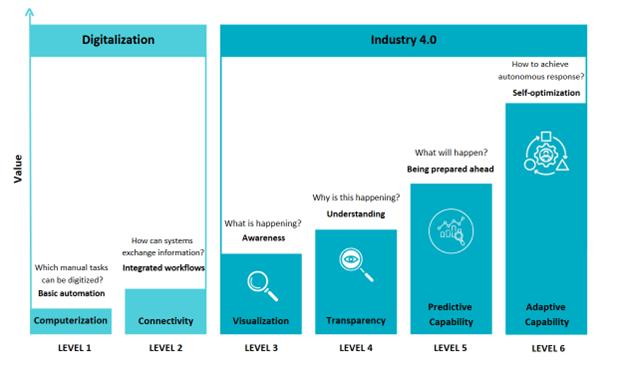
出所:B&Companyによる 産業貿易省の報告書
物流企業464社を対象とした全国調査から、ベトナムの物流セクターは依然としてデジタルトランスフォーメーションの初期段階にあることが明らかになった。90%超の企業が依然として基礎的なデジタル化(レベル1~2)の段階にあり、そのうちレベル2(基本的接続性)が73.5%を占める。高度な段階に進んだ企業はごく少数で、レベル3(可視化)が5%、レベル6(適応能力)を達成した企業はわずか0.4%にとどまる[4]. 。これらの結果は、物流企業が競争力を高め、AI、GPSベースの最適化、輸送管理システム(TMS)などの技術を導入するために克服すべき、デジタル成熟度の大きな格差を示している。TMSとは、輸送業務、ルート設定、運送業者の選定、貨物予約、追跡、輸送書類を管理することで、企業による貨物の移動の計画、実行、最適化を支援するソフトウェアプラットフォームである。.
ベトナムの物流サービス企業における現在のデジタルトランスフォーメーション水準
100% = 物流企業464社
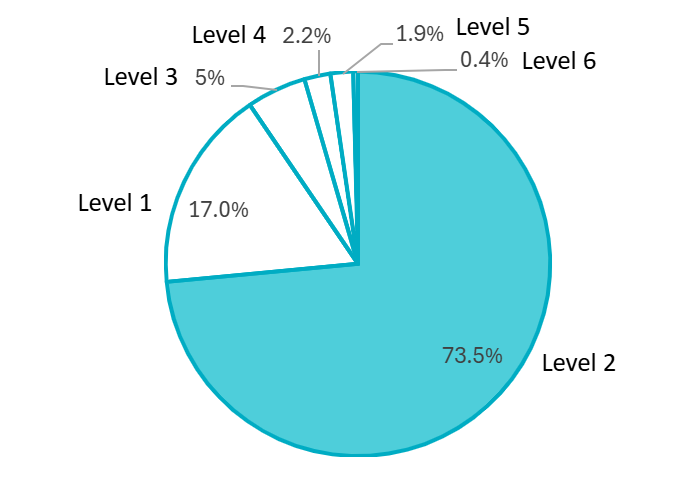
出典: Vietnam Logistics Report 2023
また、輸送管理システム(TMS)、倉庫管理システム(WMS)、注文管理システム(OMS)は大きな発展可能性を持つものの、導入は依然として限定的であり、調査対象企業の導入率はそれぞれ11.0%、10.1%、6.3%にとどまる。.
Software currently used by logistics service enterprises in Vietnam
100% = 物流企業464社
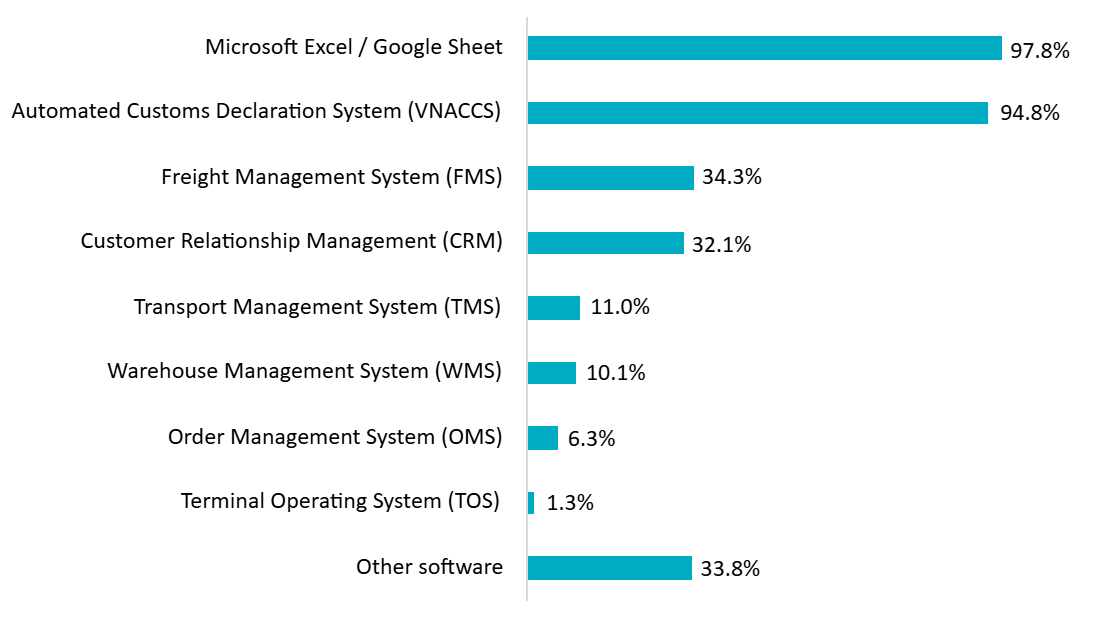
出典: Vietnam Logistics Report 2023
道路輸送におけるTMS導入状況
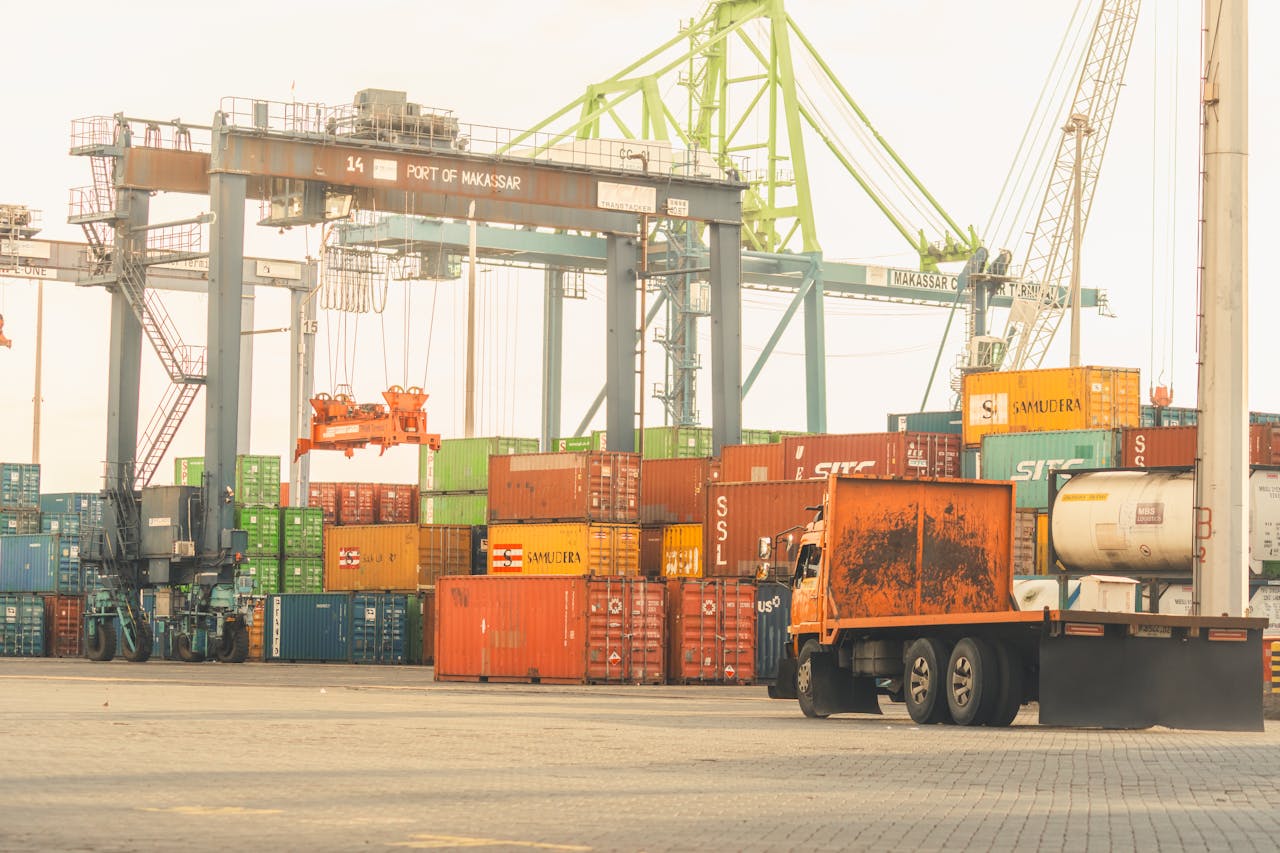
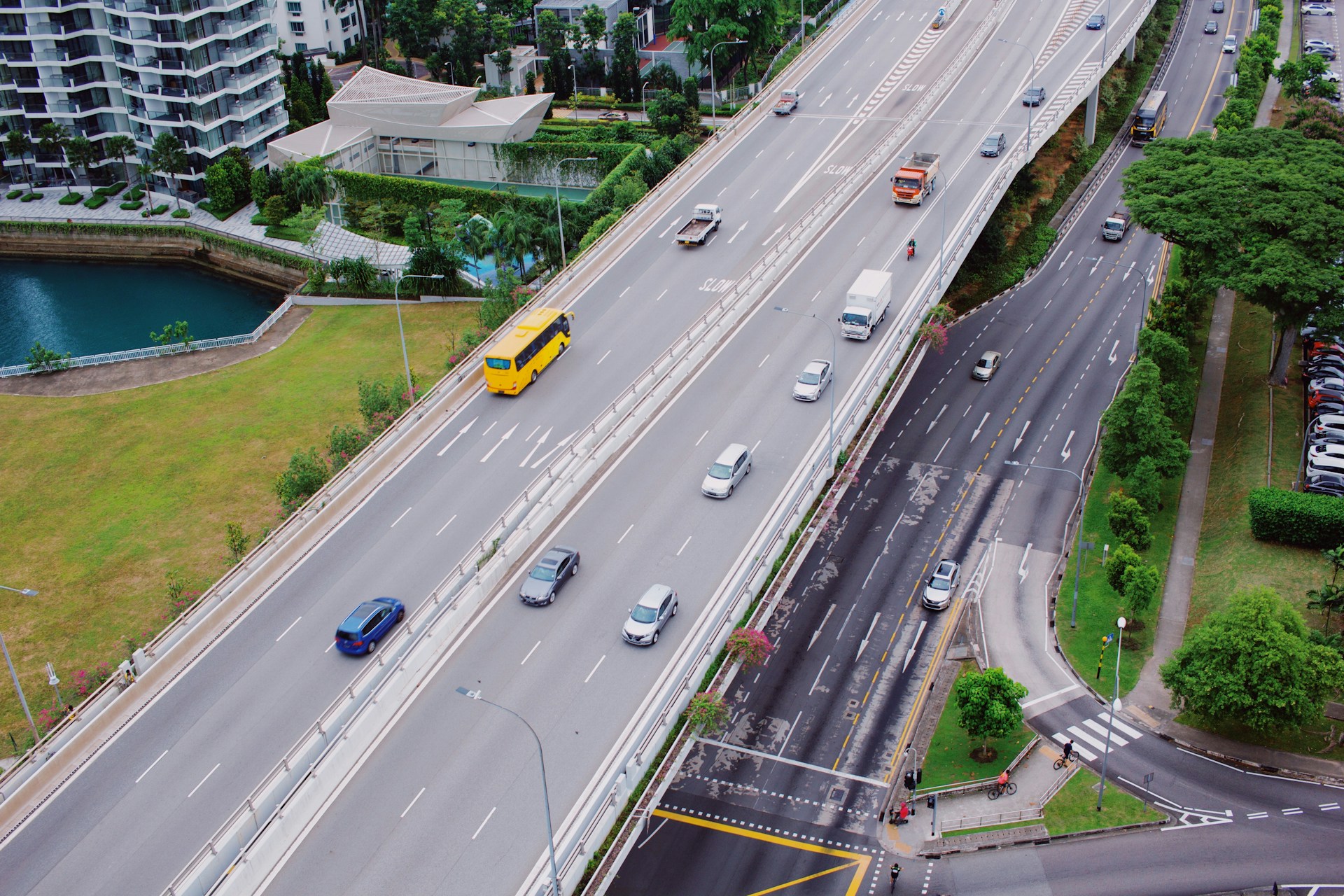
道路輸送はベトナムの物流セクターで最大のシェアを占め、国内貨物輸送量全体の70%超を構成している。2025年第1四半期の道路貨物輸送量は5億2,580万トンと推定され、16.2%増加した。一方、貨物輸送量は319億トンキロに達し、前年同期比で5.9%増加した[5]. 。さらに、道路輸送はTMS、GPS、AIによるルート最適化が適用される主要な分野であり続けている。.
ベトナムでのTMS導入は、大手3PL企業や国際フォワーダーから始まったが、現地のトラック輸送企業、卸売・流通業者、小売業者へと徐々に拡大している。TMSを活用した積載、配車、ルート計画ソリューションにより、計画策定時間、車両数、総走行距離が大幅に削減されるとともに、電子納品証明や詳細な業務報告などの機能もサポートされることが示されている[6].
ベトナムの道路輸送・物流分野ではTMSへの関心が高まっているものの、導入は依然として限定的かつ均一ではなく、分散した小規模運送事業者よりも、大規模車両群や3PLに集中している。2024年3月に科学技術省が公表した調査によると、中堅・大手物流企業の73%が輸送管理システム(TMS)を導入しており、2021年の58%から上昇した[7]. 。しかし、多くの中小企業は、ルート最適化、分析、システム連携を備えた完全なTMSではなく、GPS追跡やスプレッドシートなど、依然としてデジタル化の初期段階にある。.
GPS追跡およびテレマティクスの普及
ベトナムのフリートマネジメント市場は2024年に7,172万米ドルと評価され、2024年から2032年にかけて年平均成長率(CAGR)11.39%で成長する見込みである[8]. 。ベトナムのフリートマネジメント市場を構成するGPS追跡デバイス市場は、輸送・物流活動の拡大、フリートマネジメント需要の高まり、ならびにEコマースとインフラのデジタルトランスフォーメーションの進展を背景に、急速に拡大している。GPS技術は、各分野におけるルート最適化、リアルタイムの可視化、業務管理に不可欠となっている。GPS追跡デバイス市場は2024年に約2,865万米ドルと評価され、ベトナムのフリートマネジメント市場価値の40%を占めており、2025年から2032年にかけて年平均成長率(CAGR)11.98 %で力強く成長すると予測されている。.
ベトナムのフリートマネジメント市場(2024年~2032年)
単位=百万米ドル
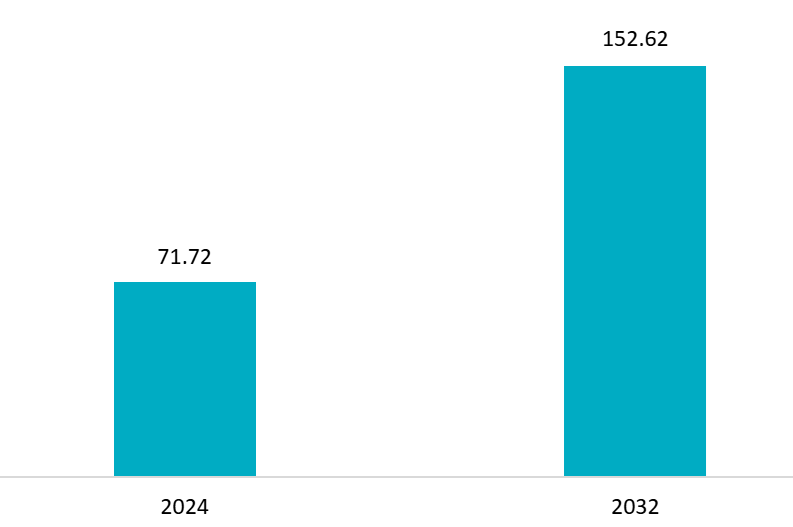
出典: Data Bridge
GPS追跡市場には、Teltonika、Queclinkなどのグローバルブランドと、Vietmap、Taris、Khanh Hoiなどの国内サプライヤーが存在し、SmartlogやEMDDIなどのソフトウェアプロバイダーがこれを支えている。現在、GPS追跡は長距離輸送車両および都市部の車両群の大半で標準的に導入されており、リアルタイム監視、ドライバー行動分析、燃料管理、TMSやAIルーティングエンジンとのシームレスな連携を可能にしている。ベトナムの道路輸送規制では、商用車への走行監視装置およびGPSトラッカーの設置が義務付けられており、強固な国内テレマティクスエコシステムの成長を促している。さらに、ベトナムでは中小企業が大半を占めるため、多くの道路輸送事業者は小規模車両群またはオーナードライバーであり、今なお電話、スプレッドシート、基本的なGPSを使って配車管理を行っている。.
ルート最適化におけるAIの新たな役割
ベトナムはスマート物流イノベーションの活発な拠点にもなりつつあり、Abivin vRouteなどのプラットフォームが、走行距離、計画時間、燃料消費量を削減するAIベースの車両ルーティングソリューションを提供している。科学技術省は、Abivin vRouteを、排出量の削減とより効率的な道路輸送に貢献する主要なスマート物流イノベーションとして公に認定している。.
しかし、AIによるルート最適化を利用しているのは、主に大手3PL、荷主大手、テクノロジーに精通した事業者であり、分散したトラック輸送市場全体にはまだ広く普及していない。主な制約は、純粋に技術的なものというより、構造面および組織面にある。ベトナムの物流分野におけるデジタルトランスフォーメーションに影響を与える要因に関する研究では、資本制約、専門的なIT・AI人材の不足、多くの中小企業におけるデジタルスキルの低さ、システム連携の弱さが主要な障壁として挙げられている[9].
全体として、道路輸送ルートの最適化における国内TMS、GPS、AIの活用は、実証プロジェクトから大規模車両群での幅広い導入へと急速に進展しているが、小規模トラック輸送会社のデジタル成熟度は依然として限定的である。.
道路輸送ルートの最適化におけるTMS、GPS、AIの主要導入企業
AIによるルート最適化は、Viettel Post、GHN、Shopee Express、Ninja Van、J&T Expressなどの急成長するEコマース物流事業者や、DHL、FedExなどのグローバル事業者で最も進んでおり、これらの企業はいずれもTMS、GPSテレマティクス、AIを組み合わせて、複雑で大量の配送ネットワークを管理している。Transimex、Gemadept、Vinafco、AL,Sなどの従来型3PLは、TMSとGPSを広く導入しているが、分析機能やAIベースのルーティングの統合は始まったばかりである。これは明確な傾向を示している。すなわち、配送密度と時間的緊急性が最も高い領域でAIの導入が最も進んでいる一方、従来型の道路輸送事業者は基盤的なデジタルツールに重点を置いている。.
| いいえ。. | 企業名 | 設立年 | 国 | 概要とテクノロジー導入状況 |
| 1 | Viettel Post / Viettel Logistics | 1997 | ベトナム | ベトナム最大級の物流・エクスプレス配送グループの一つ。ラストマイルおよび幹線輸送の計画に、TMS、全国規模のGPSテレマティクス、AIベースのルート最適化を活用している。Viettel Groupのテクノロジーエコシステムを背景に、デジタル化が大きく進展している。. |
| 2 | Vietnam Post (VNPost) | 2005 | ベトナム | 国有郵便・物流事業者。全国のトラック輸送・配送ネットワーク全体にTMSとテレマティクスを導入し、郵便物・小包の流動を最適化するためAIを活用した配車を試験導入している。. |
| 3 | Scommerce(GHN、AhaMove) | 2012 | ベトナム | ベトナムを代表するEコマース物流ネットワーク。GHNはリアルタイムGPS、TMS、AIを活用した配車計画により、毎日数千件に及ぶラストマイル配送を最適化している。. |
| 4 | Ninja Van Vietnam | 2014 | シンガポール | 東南アジアを代表するエクスプレス物流企業。ベトナム事業全体で、AIベースの動的配車、GPSによる車両追跡、自動積載計画を導入している。. |
| 5 | J&T Express Vietnam | 2013 | インドネシア | ベトナムで広範な道路ベースの小包ネットワークを運営している。TMS、スキャン・テレマティクスシステム、アルゴリズムによる配車を活用し、大量のEコマース配送を管理している。. |
| 6 | Shopee Express(SPX Vietnam) | 2020 | シンガポール | ShopeeのEコマース配送部門。全国規模で高密度なラストマイル業務を支えるため、配送ルートの順序付け、ドライバーの割り当て、リアルタイムGPS監視にAIを積極的に活用している。. |
| 7 | Transimex Corporation | 1983 | ベトナム | 物流・3PLの主要事業者。国内トラック輸送およびコンテナ・ドレージサービス向けに、TMS、GPS車両管理、データに基づく配車スケジューリングを活用している。. |
| 8 | Gemadept Logistics | 1990 | ベトナム | 大手総合物流企業。TMS、GPSテレマティクス、最適化ツールを内陸輸送(トラック、ICD・港湾間輸送)に適用し、ルートと資産利用率を改善している。. |
| 9 | Vinafco | 1987 | ベトナム | FMCG配送ネットワークに強みを持つ3PL。ルート計画と配送可視化にTMSとGPSを活用し、分析に基づく最適化によって配送ルートを改善している。. |
| 10 | ALS(Aviation Logistics Services)道路輸送部門 | 2007 | ベトナム | 空港関連のトラック輸送および内陸輸送を提供している。航空物流における厳格な時間枠に対応するため、TMS、GPS車両管理、自動配車を活用している。. |
| 11 | DHL Vietnam | 1989年(ベトナム事業) | ドイツ | ベトナム国内の道路輸送による配送に、グローバルTMS、テレマティクス、AI最適化エンジンを活用しており、特にDHL Supply ChainのFMCGおよび小売ネットワークで導入している。. |
| 12 | FedEx Vietnam | 1994 | アメリカ合衆国 | GPS接続された配送車両を含むベトナムの地上業務において、FedExのグローバルなAI配車・最適化システムを適用している。. |
B&Companyの総括
デジタルトランスフォーメーションの主要推進要因
Eコマースと当日配送がルート最適化需要を押し上げている
2025年までに570億米ドルに達すると予想される、急速に拡大するベトナムのEコマース市場[10] は、効率的なルート計画への需要を高めている。小包取扱量の急増により、ラストマイルネットワークの高密度化、返品頻度の上昇、都市部の配送ルートの複雑化が進んでいる。この環境下で、大手3PL、エクスプレス配送事業者、オンライン小売業者は、配送失敗を減らし、空車走行距離を最小化するため、国内TMSプラットフォームやAIを活用したルート最適化ツールを早期に導入している。.
デジタルトランスフォーメーションとグリーン物流
同時に、2030年に向けた国家物流開発目標では、物流コストをGDPの16-18%に削減すること[11], 、アウトソーシングを拡大すること、業界効率を改善することが重視されている。この政策方針は、特に燃料使用量を削減し、ベトナムのグリーン物流およびネットゼロへの取り組みを支援するAI、データ分析、自動ルート計画システムを通じて、物流企業にデジタルトランスフォーメーションの加速を促している。こうした施策により、TMS、GPS、AIは、業務コスト削減と環境目標の双方を実現する中核的な推進手段となっている。.
GPSデータを通じた規制強化と執行
規制強化も市場行動を形成している。運転時間、速度超過、車両積載量の上限に関する規則が厳格化する中、取締りではGPSから取得した走行監視データへの依存が高まっている。これにより、運送会社は、規制に準拠したデジタル記録を作成できる、より信頼性の高いテレマティクスおよびTMSソリューションの導入を迫られている。また、法的要件を満たしながら定時配送を実現するための、インテリジェントなスケジューリングおよびルート最適化エンジンへの関心も高まっている。.
拡大する国内ソフトウェアエコシステム
最後に、ベトナムのソフトウェアエコシステムは拡大しており、国内のトラック輸送業務に合わせたクラウド型TMS/FMSプラットフォームを提供する新たな国内ベンダーが登場している。これらのシステムは、手頃なSaaS価格、一般的なベトナム製GPS機器との連携、電子請求書およびERP/WMSプラットフォームとの互換性を備えている。業界分析では、特にコスト圧力とサービス水準への要求に直面する3PLや大手荷主を中心に、統合型の車両管理・ルート計画ソリューションへの需要が高まっていることが示されている。.
デジタルトランスフォーメーションの主な障壁
高コストと限られた資本
ベトナムの物流企業の大半は、財務基盤が脆弱な中小企業(SME)であり、デジタルトランスフォーメーションが大きな負担となっている。3分の2の企業は資本金が30億VND未満である[12] うえ、資金も不足しているため、多くの企業はTMS、テレマティクス、AIを活用したルート最適化を、短期的な業務ニーズと比べて高コストだと捉えている。包括的なシステムには、ソフトウェア、ハードウェア、研修、継続的な保守を含む多額の初期投資が必要であり、多くの企業にとって正当化が難しい。その結果、デジタルトランスフォーメーションは大企業だけが取り組めるものと認識されがちで、小規模事業者による最新の最適化技術の導入は遅れている。.
熟練人材の不足と限られたIT能力
AI主導の最適化には、高いIT能力、プロジェクト管理スキル、デジタルリテラシーを備えた人材が必要だが、多くの物流企業にはこれらの能力が不足している。Vietnam Logistics report 2024の調査結果によると、66.6%の企業は社内にデジタル専門人材がおらず、53.7%は十分な技術スキルを持つ従業員の確保に苦慮している。新しいシステムを管理・統合できる有資格者がいないため、企業は予測型ルーティングや自動配車などの高度な技術の導入をためらっている。.
脆弱な技術インフラとサイバーセキュリティへの懸念
技術面の制約も、AIを活用したルート最適化の導入を妨げている。多くの物流企業はいまだに時代遅れまたは分断されたITインフラ上で業務を行っており、リアルタイムのデータ交換、システム統合、高性能な分析を支えることが難しい。サイバーセキュリティとデータ保護への懸念も、企業がクラウドベースまたはAI対応のプラットフォームを導入する意欲をさらに削いでいる。情報漏えいや業務上のリスクを懸念しているためである。.
業務の混乱、顧客の対応準備、規制上の障壁
多くの物流企業は、デジタルトランスフォーメーションによって日常業務が混乱し、大幅な時間と組織面での調整が必要となる可能性があるため、高度なルーティング技術の導入を依然としてためらっている。顧客側の対応準備も制約となっている。荷主やパートナーの多くが依然として手作業のプロセスで業務を行っており、輸送会社が自社システムをアップグレードするインセンティブが低下しているためである。さらに、技術の頻繁な変化や顧客の期待の変化により、企業はデジタルツールを長期的に導入する決断を下しにくい。規制の枠組みも不明確であったり、変化への対応が遅れたりする場合があり、コンプライアンスをめぐる不確実性が生じ、新たなデジタルソリューションの展開速度が制限されている。.
* この記事からの情報を引用する場合は、著作権を尊重するために、元の記事へのリンクと共に出典を引用してください。.
| B&Company
2008年からベトナムで市場調査を専門とする初の日本企業です。業界レポート、業界インタビュー、消費者調査、ビジネスマッチングなど、幅広いサービスを提供しています。さらに、最近ではベトナム国内の90万社以上のデータベースを開発しており、パートナーを検索したり、市場を分析したりするために利用できます。. ご不明点がございましたら、お気軽にお問い合わせください。. info@b-company.jp + (84) 28 3910 3913 |
[1] https://lpi.worldbank.org/international/global
[2] https://www.expertmarketresearch.com/reports/vietnam-logistics-market
[3] https://vie10.vn/2025/05/26/cong-bo-top-10-doanh-nghiep-doi-moi-sang-tao-va-kinh-doanh-hieu-qua-nam-2025-nganh-logistics/
[4] https://valoma.vn/wp-content/uploads/2023/12/Bao-cao-Logistics-Viet-Nam-2023.pdf
[5] https://www.nso.gov.vn/tin-tuc-thong-ke/2025/04/hoat-dong-van-tai-soi-dong-trong-quy-i-nam-2025/
[6] https://vynncapital.com/wp-content/uploads/2024/11/Vietnam-Logistics-Report.pdf
[7] https://valoma.vn/wp-content/uploads/2024/12/Sach-Bao-cao-Logistics-2024-full-ngay-7-12.pdf
[8] https://www.databridgemarketresearch.com/nucleus/vietnam-fleet-management-market
[9] https://www.mdpi.com/2079-9292/12/8/1825
[10] https://intech-group.vn/forecast-of-logistics-market-in-vietnam-in-the-second-half-of-2025-bv1251.htm
[11] https://logitrackvn.com/en/digital-transformation-in-vietnams-logistics-sector-2025
[12] https://www.quanlynhanuoc.vn/2024/05/14/chuyen-doi-so-trong-linh-vuc-logistics-o-viet-nam/
関連記事






























ログイン / 新規登録
ニュースレターを購読する