

 日本語
日本語  English
  Tiếng Việt
  简体中文
简体中文  한국어
한국어 本稿では、ベトナム、タイ、インドネシアの3カ国の中で、日本米が製品と市場の適合性を見出す可能性が最も高いのはどの国かを検証する。
2026年3月31日
最新ニュース&レポート / ベトナム速報
コメント: コメントはまだありません.
東南アジアでは米が主食であり続けているが、すべての米市場が日本米に同等に適しているわけではない。日本米の輸出がコモディティ取引から、プレミアム、外食、付加価値チャネルへと移行する中、ベトナム、タイ、インドネシアはそれぞれ異なる需要環境を示している。各市場は、消費者の嗜好、支出パターン、輸入米への開放度、日本食エコシステムの厚みにおいて異なる。こうした背景を踏まえ、本稿では3か国のうち、どの国で日本米がプロダクト・マーケット・フィットを最も見いだしやすいかを検討する。.
日本米に適した市場を決める要因は何か?
日本米は現在、低価格や数量の多さで競争する商品ではなく、付加価値カテゴリーとしてより明確に位置付けられている。主に短粒種のジャポニカ米であり、丸みを帯びた形状、粘り、炊飯時の柔らかな食感で知られている。同時に、日本の輸出品目は業務用米にとどまらず、パックご飯、米を使用した調理済み食品、米粉、米粉製品へと広がっている。2025年の日本米の主な輸出先は、香港、米国、シンガポール、台湾、タイであり、プレミアム商品や日本食の食体験に対する明確な需要がある市場で、商品が最も力を発揮することを示唆している[1].
コシヒカリ – 日本を代表するプレミアム米品種
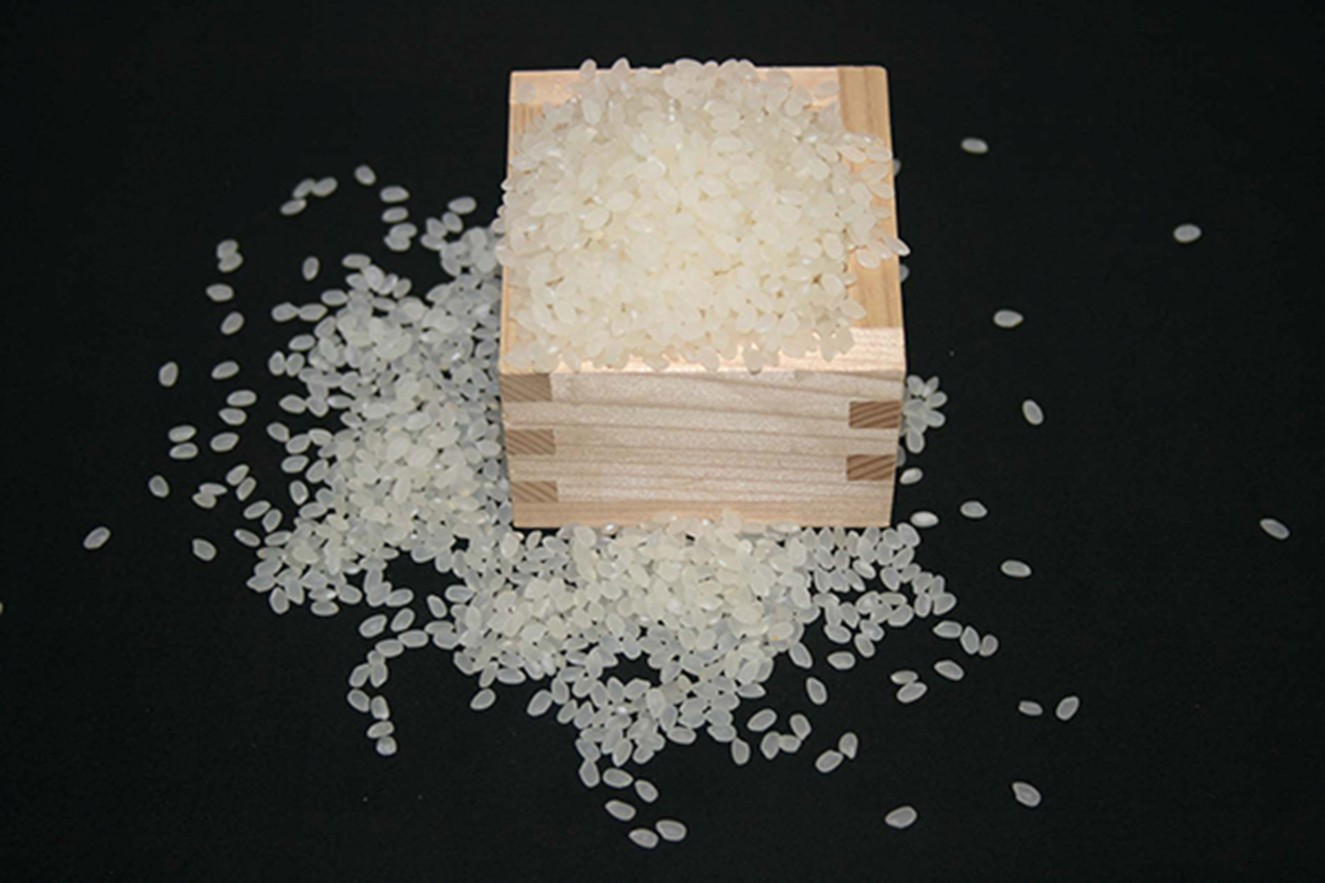
出典: Japan.net
日本米は価格でも規模でも明確な優位性を持たないため、市場適合性を判断する際に、米の総消費量だけに依拠することはできない。より重要なのは、特徴が明確で、料理としてのアイデンティティを備えた商品を市場が実際に受け入れる準備ができているかどうかである。商品の特性と、農林水産省(MAFF)の現在の輸出促進方針を踏まえると、各市場の適合性は以下の主な観点から評価できる[2] (日本の農林水産省)各市場の適合性は、以下の主な観点から評価できる:
– 味覚の適合性
– プレミアムセグメントに対する支払い能力
– 日本食外食エコシステムの厚み
– 輸入米への開放度
– 国内プレミアム米からの競争圧力
ベトナム:日本米にとって最も有望な新興市場
規模の面で、ベトナムは東南アジア地域の主要な米市場の一つであり続けている。2025年の籾生産量は4,354万トンに達し、過去4年間で最高水準となった[3]しかし需要面では市場は成熟しており、一人当たりの平均米消費量は2024年には月6.5kgに減少し、2008年から40%減少した。[4]. 。これは、今後の成長が数量の拡大よりも、品質、セグメンテーション、米の消費方法に左右されることを示している。.
味覚の観点から見ると、ベトナムはまだジャポニカ米の自然な大規模市場とは言えません。メコンデルタ地域では、ST25、OM5451、ダイトム8、OM18といった高品質の白米や長粒種の香り米の生産が依然として中心であり、ジャポニカ米の作付面積は全体の約4%に過ぎません。そのため、実際には、日本米は日常的な大衆食よりも、寿司、おにぎり、弁当、和風ご飯料理といった特別な消費シーンに適していると言えます。
OM5451米 – ベトナムで最も広く栽培されている米品種の一つ
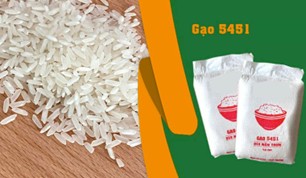
出典: VIFOOD
同時に、ベトナムではプレミアムセグメントに明るい兆しが見られる。ミシュランガイド・ベトナム2025には181の飲食店が掲載され、前年から10%増加した。これは、高品質な食体験への関心の高まりを反映している。消費者も、所得の上昇と、食品の安全性、衛生、より健康的な生活スタイルへの関心の高まりを背景に、伝統的な生鮮市場からスーパーマーケットや近代的小売店へと徐々に移行している[5].
ベトナムの日本食エコシステムも急速に拡大している。2025年5月時点で、同国には2,688店の日本食レストランがあり、そのうち1,219店はホーチミン市に集中している。これは2015年の水準の約4倍にあたる[6]. 。これにより、特にレストラン、即食食品、日本での食体験の真正性を維持する必要がある商品形態において、日本米にとって自然な販売チャネルが形成されている。.
それでも、ベトナムは輸入米に対して比較的強い保護政策を維持しており、MFN税率は最高で40%に達する。ただし、ラオスやカンボジアなど一部の近隣国に対しては、関税割当による0%の優遇措置が適用される[7]. 。そのため、日本米が大衆市場全体で価格競争を繰り広げる可能性は低く、プレミアムニッチにおいてより適切に位置付けられる。.
ベトナムにおける日本米の最大の課題は、国内のプレミアム品種との競争である。USDAによると、OM5451、ダイトム8、OM18は、2025年のメコンデルタにおける冬春作の作付面積の60%、夏秋作の作付面積の68%を占めており、ベトナムが高品質米の生産と輸出にますます注力していることを示している。この環境では、日本食の真正性や、国内米では完全に再現できない原産国価値と結び付いて初めて、日本米は差別化される。.
タイ:現時点で日本米に最も適した市場
タイは依然として大規模なコメ消費市場だが、明らかに成熟段階に入っている。USDAは、MY 2025/26の国内コメ消費量を1,240万トンと予測しており、前シーズンからおおむね横ばいとなる一方、1人当たり消費量は2018年の100kgから近年では約75kgまで減少している[8]. 。これは、成長がもはや数量によって牽引されるのではなく、品質や特定の消費機会によってますます左右される市場であることを示している。.
主流の嗜好という観点では、タイは日本米にとって最も自然な市場とはいえない。消費者は長粒種の香り米、特にHom Maliへの結びつきが強い一方、日本米は短粒種のジャポニカ米に属し、より柔らかく粘りのある食感を持つ。.
Hom Mali – タイを代表する香り米
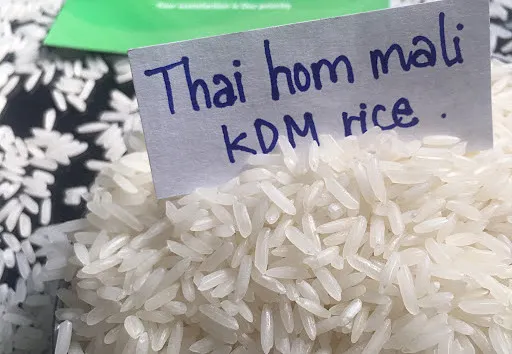
出典: Phuong Nam Food
それでもタイは、特に都市部の消費者を中心に、プレミアム食品に対する堅調な購買力を示している。USDAによると、Hom Maliの籾米価格は2025年1月に1トン当たり15,003バーツに達し、普通白籾米の9,180バーツを大きく上回った。この価格差は、消費者がコメの品質やブランド価値に対して、より高い金額を支払う意向を持つことを示唆している。.
タイの日本食エコシステムも、もう一つの大きな優位性となっている。JETROの最新調査によると、2025年の日本食レストラン数は5,781店で、2007年のわずか745店から大幅に増加した[9]. 。これにより、タイはバンコクを中心に、域内でも最も層が厚く幅広い日本食外食基盤を有しており、日本米にとってレストランが最も自然な参入窓口となっている。.
しかし、市場アクセスは特に容易ではない。コメの輸入には関税割当と厳格なライセンス管理が引き続き適用され、割当内関税は30%、割当外関税は52%となっている[10] 。割当数量は249,757トンであり、輸入食品全般についても、ライセンス、製造基準、表示要件への適合が求められる。.
プレミアム市場では、タイ国内ですでにHom Maliという強力なベンチマークが確立している。したがって日本米が成長余地を持つのは、単なる別のプレミアム米としてではなく、原産地、品質、ストーリー、感覚的な精緻さを重視する本格的な日本食体験に不可欠な構成要素として位置付けられる場合に限られる。.
インドネシア:日本米にとって最大の長期的機会
インドネシアは依然として非常に大きな米市場であり、2024年には約2億8350万人の人口に支えられている。しかし、現在の市場は自由貿易よりも食料自給政策によって大きく左右されている。インド統計局(BPS)は、2025年の食用米生産量を3469万トンと報告しており、これは2024年比で13.29%の増加となる。[11], また、USDA Indonesiaは、政府がMY 2025/26に特殊用途米の輸入のみを認めると指摘した。これは、潜在需要が極めて大きい一方で、輸入米の市場アクセスが現在では大部分、特定用途向けのセグメントに限定されていることを示唆している。.
大衆市場の嗜好という観点では、インドネシアも日本米にとって最も自然な市場とはいえない。最も明確なシグナルは、輸入米を現在、国内米では代替できない特定の外食用途に限るという政府自身の立場である。これには、日本食レストラン向けの日本米や、アラブ料理・インド料理レストラン向けのバスマティ米が含まれる[12].
インドネシアには高級食品にお金を払う意欲のある都市部の消費者層が存在するが、その需要は主に中所得層と高所得層の世帯、そして専門的な近代的小売チャネルに集中している。英国統計局(BPS)によると、中流階級および中流階級を目指す層は人口の66.35%を占めるが、家計支出の81.49%を占めている。[13], 一方、USDA Indonesiaは、健康的で栄養価が高く、プレミアムな商品の需要が引き続き高まっていると指摘している [14].
MAFFの2025年調査では、インドネシアの日本食レストラン数は約6,580店と推定され、前回調査期間から2,580店増加した。これにより、インドネシアは域内でも有力な日本食市場の一つに位置付けられ、外食産業における日本米の実在するニッチ市場が確認できる[15].
インドネシアはかつて主要なコメ輸入国だったが、自給を優先するため管理を強化し、MY 2025/26以降は、国内米では代替できない用途向けの特殊用途米の輸入のみを認めている。主な障壁は関税水準ではなく厳格なライセンス要件にあるため、現在の日本米は、幅広い小売展開ではなく、高級レストランや加工需要に対応する狭い市場に限定されている。.
Farmers cultivating rice in Indonesia
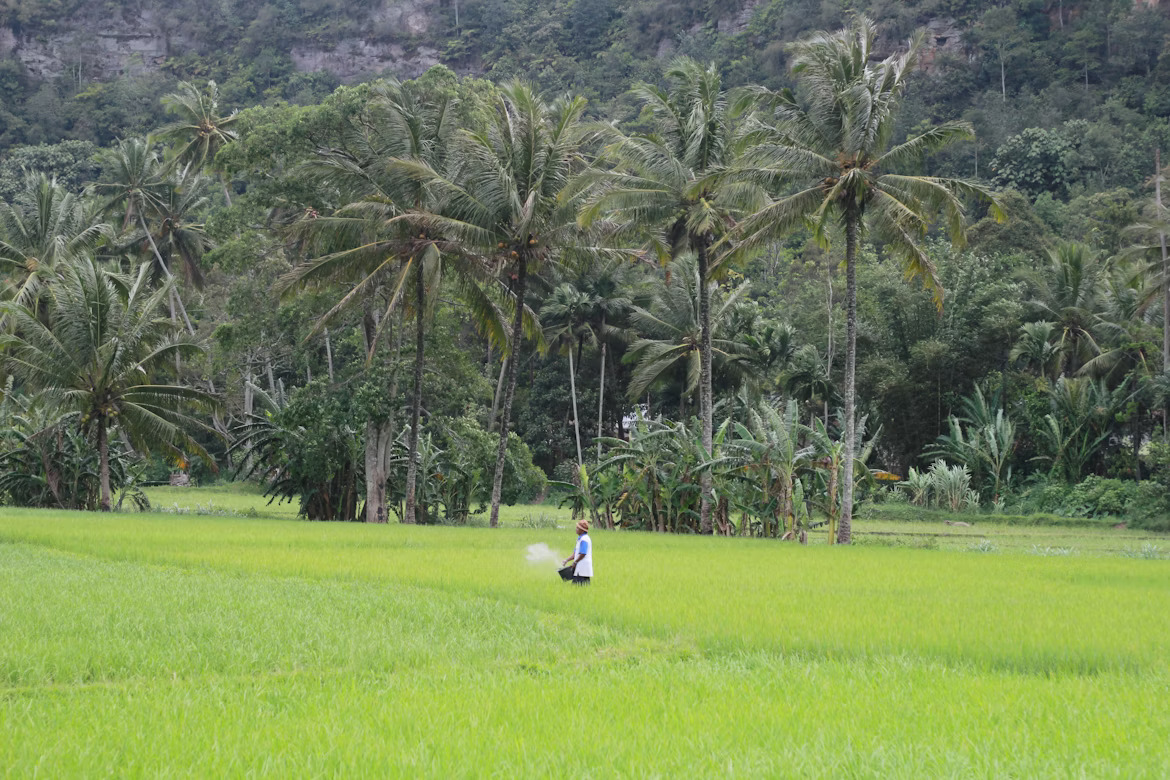
国別総括:日本米はどこでプロダクト・マーケット・フィットを実現できるか?
タイは、マス需要があるからではなく、日本食の価値を理解し受け入れる消費者層がすでに存在するため、日本米にとって現在最も明確な適合市場となっている。大規模な日本食レストラン基盤と、都市部における強いプレミアム需要が、すぐに参入可能なニッチ市場を形成している。それでも、日本米がタイで際立つのは、単なる別のプレミアム米としてではなく、本格的な日本食体験の中核要素として位置付けられた場合に限られる。.
ベトナムは適合度の深さではまだタイに及ばない可能性があるが、適合性が最も急速に形成されつつある市場である。プレミアムダイニングの拡大と日本食フードサービスの急成長は、品質、体験、ブランドストーリーをより受け入れやすくなっている都市消費者層の存在を示している。そのためベトナムは、日常的な食卓用米の競争を通じてではなく、フードサービス、調理済み食品、プレミアム小売を通じて日本産米を成長させるうえで、最も有望な市場である。.
インドネシアは、規模の大きい中間層とプレミアム食品への関心の高まりを背景に、長期的な成長余地が最も大きい。しかし、日本産米は政策による制約を強く受けている。日本食レストラン網と家計の購買力は、実質的な顧客ニッチを支えるのに十分な規模であるものの、政府の特定用途に限定した輸入政策がアクセスを大幅に狭めている。現時点でのインドネシアにおける適合性は非常に選択的であり、基礎的な需要だけでなく、政策上の参入機会により強く左右されている。.
まとめ
3市場を総合すると、日本産米が最も力を発揮するのは、米需要が最大の市場ではなく、プレミアム需要、日本食フードサービス、市場アクセスが合致する市場であることが分かる。タイは現時点で最も適合度が高く、ベトナムは新たに形成されつつある適合性が最も強く、インドネシアは最も狭い参入機会の下で最大の長期的潜在力を持つと考えられる。輸出業者にとって、成功の鍵は日本産米を一般的なプレミアム商品として押し出すことではなく、各市場に適したポジショニング、チャネル、消費コンテクストを見極めることにある。.
続きを読む
* この記事からの情報を引用する場合は、著作権を尊重するために、元の記事へのリンクと共に出典を引用してください。.
| B&Company
2008年からベトナムで市場調査を専門とする初の日本企業です。業界レポート、業界インタビュー、消費者調査、ビジネスマッチングなど、幅広いサービスを提供しています。さらに、最近ではベトナム国内の90万社以上のデータベースを開発しており、パートナーを検索したり、市場を分析したりするために利用できます。. ご不明点がございましたら、お気軽にお問い合わせください。. info@b-company.jp + (84) 28 3910 3913 |
[1] https://www.maff.go.jp/j/syouan/keikaku/soukatu/kome_yusyutu/attach/pdf/kome_yusyutu-774.pdf
[2] https://www.maff.go.jp/j/seisaku_tokatu/antei/attach/pdf/keiei_antei-298.pdf
[3] https://www.nso.gov.vn/tin-tuc-thong-ke/2026/01/thong-cao-bao-chi-tinh-hinh-kinh-te-xa-hoi-quy-iv-va-nam-2025/
[4] https://apps.fas.usda.gov/newgainapi/api/Report/DownloadReportByFileName?fileName=Grain+and+Feed+Quarterly_Ho+Chi+Minh+City_Vietnam_VM2025-0028.pdf
[5] https://www.jetro.go.jp/ext_images/agriportal/platform/vn/pf_vho_202512.pdf
[6] https://www.jetro.go.jp/biznews/2025/05/bfb176ac0ce97af1.html
[7] https://www.vietnamtradeportal.gov.vn/index.php?id=11201&r=tradeInfo%2Fview
[8] https://apps.fas.usda.gov/newgainapi/api/Report/DownloadReportByFileName?fileName=Grain+and+Feed+Annual_Bangkok_Thailand_TH2025-0011.pdf
[9] https://www.jetro.go.jp/ext_images/thailand/food/2025survey/japaneserestaurantsurvey202601.pdf
[10] https://www.wto.org/english/news_e/news_docs/s480_e.pdf
[11]https://www.bps.go.id/en/pressrelease/2026/02/02/2545/luas-panen-padi-pada-tahun-2025-mencapai-sekitar-11-32-juta-hektare-dengan-produksi-padi-sebanyak-60-21-juta-ton-gabah-kering-giling–gkg-.html
[12] https://en.antaranews.com/news/379265/indonesias-rice-imports-limited-to-specialty-dining-needs-sudaryono
[13] https://www.bps.go.id/en/news/2024/10/25/622/kelas-
[14]https://apps.fas.usda.gov/newgainapi/api/Report/DownloadReportByFileName?fileName=Retail%20Foods%20Annual_Jakarta_Indonesia_ID2025-0036
[15] https://www.maff.go.jp/j/shokusan/eat/attach/pdf/160328_shokub-21.pdf
関連記事



















ログイン / 新規登録
ニュースレターを購読する