

 日本語
日本語  English
  Tiếng Việt
  简体中文
简体中文  한국어
한국어 原油価格の高騰は、東南アジアですでに進行していたクリーンエネルギーへの取り組みを加速させた。しかし、その準備状況は地域によって大きく異なっている。
2026年4月29日
最新ニュース&レポート / ベトナム速報
コメント: コメントはまだありません.
2026年初頭の数カ月間は、東南アジアにとって地域的なストレステストとなった。中東情勢の緊張が急激に高まり、ホルムズ海峡が閉鎖されたことで、域内の液化天然ガス(LNG)および原油輸入の約80%の流れが混乱した。.1 この「オイルショック」は燃料価格を押し上げただけではない。世界の化石燃料市場に結びついた経済の構造的な脆弱性を露呈させた。.3
危機は地域全体に及んでいるが、対応は次第に分断されている。移行への道筋は加盟国間で大きく異なる。一部の国は保護主義的な補助金をさらに強化する一方、その他の国々、特にベトナムのグリーントランジションを通じた取り組みでは、国家経済の存続手段として、国内で生産される再生可能エネルギーへの転換を加速させている。.
原油価格変動へのエクスポージャー:輸入国と輸出国
このショックは、純石油ポジションを境界線として、東南アジアを二分している. 輸入国であるフィリピン、タイ、ベトナム、シンガポールは、, エネルギーコストが物流およびサプライチェーン全体に波及するなか、即時的なスタグフレーション圧力に直面している。フィリピン(90%が湾岸地域に依存)は2026年3月に国家エネルギー緊急事態を宣言し、タイはディーゼル価格に上限を設定した。シンガポールは200日超の戦略備蓄を保有しているにもかかわらず、2026年のインフレ予測を上方修正した[1].
輸出国であるインドネシアとマレーシア は歳入が増加したが、その効果は急速に失われつつある。インドネシアは燃料補助金予算全体をUS$22.5 billion、すなわちUS$70/barrelに設定した。原油価格の世界的な主要指標であるBrentがUS$104[2], 付近で推移するなか、財政ギャップは拡大し、ルピアの重しとなっている。マレーシアはより厚い緩衝余力を持つ。最近の財政改革によりBUDI95補助金を維持できるためだ。しかし、国内精製向けに重質原油を再輸入しており、指標価格の変動にも引き続きさらされているため、影響を免れているわけではない。.
表1:国別のオイルショック脆弱性 — 東南アジア
*注:PH:フィリピン、VN:ベトナム、TH:タイ、SG:シンガポール、ID:インドネシア、MY:マレーシア
| 指標 | 純輸入国 — PH、VN、TH、SG | 純輸出国 — ID、MY |
| 貿易ポジション | 輸入原油および/または精製品に依存 | 純炭化水素輸出国。国内補助金負担が一部相殺要因となる |
| 中東原油への依存度[3] | • VN:約85%
• SG:約77% • TH:約70% • PH:約52% |
• ID:湾岸地域からの原油が約35%(補助金により補助金コストは依然として上昇)
• MY:約25%(国内供給と混合するため、湾岸地域産の重質原油を再輸入) |
| 戦略備蓄[4] | • SG:200日以上
• TH & PH:40~60日 • VN:約65日分 |
• MY:約60日分
• ID:約20~30日分 |
| 主なリスク | コストプッシュ型インフレと通貨圧力:
・IMFは、東南アジアのインフレ率が2026年には2.6%に上昇すると予測している。[5]; • ブレント原油価格が1バレルあたり15米ドル上昇するごとに、フィリピンの経常収支はGDPの約0.7%分拡大する。[6] |
補助金負担を通じた財政赤字の拡大:
• IDは補助金予算をUS$70/barrelに設定。Brentは現在約US$104/barrel2 |
| エネルギーミックスの脆弱性 | LNG/Brentスポット価格への高い感応度:
• VNのNghi Sonはクウェート産原油を原料として固定的に使用[7]; • THは発電を湾岸地域産ガスに依存[8] |
• ID:石炭と国内産パーム油への依存度が高い。;
• MY:原油のブレンドモデル(軽質スイート原油を輸出し、重質原油を輸入)により脆弱性は低減されるが、補助金コストは依然として影響を受ける |
| ショックの波及 | 小売価格の引き上げと物流サーチャージ[9]:
• PH:国家エネルギー緊急事態; ・VN:国内線の欠航。 • TH:主要な石油化学プラントの操業停止 |
国家信用と通貨への圧力:
• IDの通貨は下落。米ドルに対する実質金利差は縮小。; 6 • MYの信用見通しは、分散化された歳入構造(エネルギー価格上昇時にガス輸出の恩恵を受ける)により安定 |
| 政策対応[10] | • VN:0%の石油関税(2026年4~6月)[11] ; 。在宅勤務を奨励
・PH:物品税減税、フィリピン国営石油会社(PNOC)の緊急輸入、週4日勤務制 • TH:ディーゼル価格上限、在宅勤務を義務化 ・SG:シンガポール金融管理局(MAS)が金融引き締めを実施。財政準備金が投入される。 |
• ID:燃料補助金を維持;リモートワークを導入
• MY:BUDI95補助金を維持;2026年半ばまで「十分な財政余地」を確保 |
出典:B&Company
注目すべきケーススタディ:レジリエンスに向けた多様な道筋
インドネシア:補助金改革とバイオ燃料推進
インドネシアはこれまで価格上限によって国民を守ってきたが、2026年の危機により財政赤字はGDP比3.5%という法定上限に近づいている。[12] これを緩和するため、ジャカルタは意欲的なバイオ燃料義務化を再始動させた。2026年3月、Prabowo Subianto大統領は、ガソイル輸入額を削減するため、従来のB40の導入時期を前倒しし、2026年下半期までに50%のバイオディーゼル混合率(B50)へ移行すると発表した。.
ベトナム:急速な需要拡大と再生可能エネルギーへの意欲
ベトナムのグリーン移行は、年間10%のGDP成長率を維持しながら、ネットゼロ排出目標を達成するという、他に類を見ない二重の使命によって推進されている。改訂された第8次電力開発計画(PDP8)の下、ベトナムは2030年までに再生可能エネルギーの発電容量をエネルギー構成の約50%にまで引き上げることを目指している。[13] 大きな変化の一つは、Vingroup(VinEnergoを通じたもの)のような国内企業の台頭であり、同社は老朽化した石炭火力資産を置き換えるため、US$4.5 billion規模の洋上風力発電プロジェクトを主導している。.[14]
ベトナム初の洋上風力データ転送に関する協業は、VinEnergo(Vingroup)とFIMO Centerの間で行われている
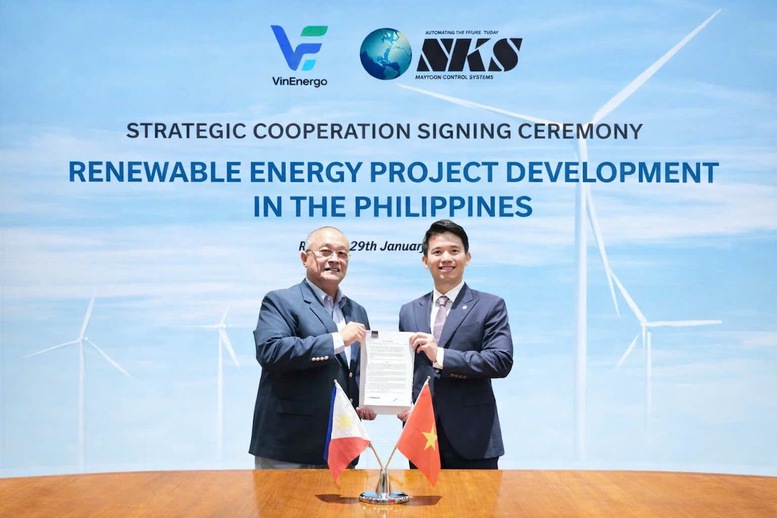
出典: VinGroup
タイ:EVハブ戦略
タイは今回の危機を機に、電気自動車分野における「東洋のデトロイト」としての地位を確固たるものにした。2026年1月までに、EV 3.5奨励制度に支えられ、EV 3.5は新車販売台数の48%という記録的な普及率を達成した。この制度では、車両1台あたり最大10万タイバーツ(約2,700米ドル)の補助金が支給され、物品税も8%から2%に引き下げられた。[15] この戦略は、燃料消費を削減するだけでなく、国内の自動車関連人材を新たなハイテク製造分野へ移行させることも目的としている。.
フィリピン:エネルギー安全保障上の課題
フィリピンは、依然として最も価格感応度の高い市場の一つである。2026年3月、Marcos Jr.大統領は、世界の原油価格が1バレル当たりUS$80に達した場合に燃料物品税を停止する緊急権限を付与する共和国法第12316号に署名した。.[16] タイやベトナムとは異なり、フィリピンの移行はインフラ格差によって妨げられており、輸送労働者向けの緊急補助金に大きく依存している。.
政策比較:財政の持続可能性と改革
2026年の危機は、規制理念の相違を浮き彫りにした。「市場主導型」経済(ベトナム、フィリピン)は価格に世界的な動向を反映させつつ、一時的な免税措置を活用する一方、「補助金型」経済(インドネシア、マレーシア)は財政健全性を犠牲にして社会的安定を優先している。.
| 政策カテゴリー | 実施例(2026年) | 有効性/リスク |
| 税制介入 | ベトナム/フィリピン:0%の環境税/物品税 | 柔軟性が高く、企業利益率を保護するが、歳入を圧迫する |
| 価格上限 | インドネシア/タイ:ディーゼルを特定価格に上限設定 | 社会的安定性は高いが、買い占めと巨額の政府債務のリスクがある |
| 需要側 | フィリピン:公共部門で週4日勤務 | コストは低く、節約を効果的に促すが、生産性を制約する |
| 燃料転換 | ベトナム:2026年6月1日までに全国でE10を導入 | 構造的なレジリエンスをもたらすが、消費者の信頼とエンジンの適合性が必要となる |
出典:B&Company
2026年グリーン移行準備度指数
原油ショックは、東南アジアにおけるクリーンエネルギーの必要性を生み出したのではなく、すでに進行していた取り組みを加速させた。ただし、準備度には地域内で大きな差がある。.
シンガポールとマレーシアは、グリーンファイナンスの制度基盤で先行している。シンガポールは炭素税と排出量取引の枠組みを確立し、マレーシアはサステナビリティ連動債とASEANグリーンボンド基準を先駆的に導入した。.[17] ベトナムは域内で際立った導入実績を示しており、2025年末時点で再生可能エネルギー源(風力、太陽光、バイオマス)の合計は約24,453MWに達している。.[18] 危機は現在、その勢いをさらに強めている。直接電力購入契約の導入により、LEGOやSamsungのような大企業が風力・太陽光発電事業者から電力を直接購入できるようになり、ベトナムの電源構成に占める再生可能エネルギー比率が倍増する可能性がある。ベトナムは、2015年から2022年にかけて再生可能エネルギー分野で最も多くのFDIを呼び込んだ上位の開発途上国の中で第2位となり、金額は約1,068億米ドルに達した。.[19]
フィリピンもこれに続いており、太陽光、風力、バイオマス、潮力の各分野を外国資本に全面開放し、洋上風力、水力発電、インフラ拡張を含む100件超の主要エネルギープロジェクトを承認した。.[20] 一方、インドネシアは依然として制約を抱えている。同国のエネルギー移行は、国家主導の電力市場、分断されたガバナンス、脆弱な送電網整備の準備状況によって制限されており、保護主義的な規則も再生可能エネルギー分野における外国資本の所有比率を引き続き制限している。.[21] 移行準備度におけるベトナムとインドネシアの格差は、今後10年を迎えるにあたり、域内で最も重大な相違であると言える。.
すべての市場において、資金不足は構造的な問題となっている。国際エネルギー機関(IEA)は、域内が目標を達成するには、東南アジアにおける年間クリーンエネルギー投資を2035年までに5倍のUS$190 billionへ引き上げる必要があると推計している。.[22]
地域動向と統合:統一に向けて
このショックにより、長らく停滞していたASEANパワーグリッド(APG)に新たな緊急性がもたらされた。2026年は、ASEANエネルギー協力行動計画2026~2030(APAEC)の実施サイクル開始年であり、APGが戦略策定から協調的なインフラ開発へ移行することを示している。2026年のASEAN議長国であるフィリピンは、APG統合を優先課題とし、マレーシアとの送電網相互接続協議を開始した。しかし、厳しい制約は依然として残っている。.
“「ビジョン対電圧」は依然として課題である。2024年末時点で、域内の相互接続容量は9つの優先プロジェクト合計でわずか7.7GWにとどまっている。.[23] ASEANパワーグリッド・ファイナンシング・ファシリティ(APGF)が進展を後押ししており、2027年のシンガポール議長国時までに技術基準と紛争解決手続きの調和を目指している。.
投資家への示唆:高い潜在力を持つ市場
投資家にとって、2026年のショックはストレステストであると同時にシグナルとして機能している。特に注目すべきテーマは3つある。.
1. ベトナム、インドネシア、フィリピンは短期的にクリーンエネルギー分野へ参入する上で最も高い潜在力を持つ
3カ国では、蓄電池の統合により調整可能な太陽光発電が経済的に実現可能となるため、太陽光発電プロジェクトの収益性は最大9ポイント上昇し得る。,[24] また、両市場では現在、これを収益化するための直接電力購入契約(DPPA)制度が整備されている。ベトナム、フィリピン、インドネシアの3カ国は、2024年に合計US$4.6 billionのクリーンエネルギー投資を呼び込み、ブルックフィールド・アセット・マネジメントは3カ国すべてに資本を投じている。.[25]
2. インドネシアとフィリピンの重要鉱物は長期的な投資機会をもたらす
インドネシアとフィリピンは、エネルギー転換を支える重要鉱物の世界的サプライチェーンの中核となる潜在力を持つが、現在は国内の加工能力を欠いている。,[26] これは、バッテリー・サプライチェーン投資家にとって、グリーンフィールド投資の明確な投資仮説を生み出している。.
3. 送電網インフラは域内で最も供給不足にあるアセットクラスである
APAEC 2026~2030の最終化と、APG強化覚書(MOU)の更新は、長年にわたるコミットメントを実質的な地域エネルギー統合へと転換する重要な機会となる。また、国境を越えた送電網融資における先行者が、今後数十年にわたる域内のエネルギー構造を定義することになる。.
石油依存から大規模送電網に接続された再生可能エネルギーへの移行は、直線的には進まない。しかし、2026年のショックによってタイムラインは短縮された。規制の多様性を乗り越える忍耐力と現地知識を持つ投資家にとって、東南アジアのエネルギー再編は、今後10年で最も重要な資本配分機会の一つとなる。.
まとめ
2026年のオイルショックは、画一的な移行モデルは存在しないことを証明した。インドネシアはパーム油由来エネルギーによるエネルギー自立に賭け、タイはEV製造ハブへの転換を目指している。一方、ベトナムのグリーン移行は、国際金融の支援を受けた大規模な送電網規模の再生可能エネルギー改革を軸としている。.
こうした異なる道筋にもかかわらず、共通のモメンタムが生まれている。エネルギー安全保障はもはや供給確保の問題ではなく、国内の低炭素電源への構造転換として捉えられている。EUの炭素国境調整メカニズム(CBAM)のような国際基準が施行される中、各国のエネルギー網の「グリーン度」が、ポスト・オイルショック時代における産業競争力の最終的な決定要因となる。.
続きを読む
* この記事からの情報を引用する場合は、著作権を尊重するために、元の記事へのリンクと共に出典を引用してください。.
| B&Company
2008年からベトナムで市場調査を専門とする初の日本企業です。業界レポート、業界インタビュー、消費者調査、ビジネスマッチングなど、幅広いサービスを提供しています。さらに、最近ではベトナム国内の90万社以上のデータベースを開発しており、パートナーを検索したり、市場を分析したりするために利用できます。. ご不明点がございましたら、お気軽にお問い合わせください。. info@b-company.jp + (84) 28 3910 3913 |
[1] https://carnegieendowment.org/posts/2026/04/southeast-asias-agency-amid-the-new-oil-crisis
[2] https://jakartaglobe.id/business/indonesia-says-no-energy-crisis-as-philippines-declares-one
[3] https://carnegieendowment.org/posts/2026/04/southeast-asias-agency-amid-the-new-oil-crisis
[4] https://www.thesoutheastasiadesk.com/p/southeast-asia-scrambles-as-strait
[5] https://www.imf.org/en/blogs/articles/2026/04/16/asias-economic-resilience-is-being-tested-by-the-energy-shock
[6] https://think.ing.com/articles/oil-shock-for-asia-identifying-the-first-pressure-points/
[7] https://blog.investvietnam.co/104-gasoline-industry-in-vietnam-statistics-data-trends-in-2026/
[8] https://energytracker.asia/thailand-energy-sector/
[9] https://www.npr.org/2026/03/26/nx-s1-5760763/southeast-asia-is-being-hit-hard-by-irans-cutoff-of-oil-and-gas
[10] https://caseforsea.org/energy-security-in-the-shadow-of-war-how-case-countries-are-navigating-the-2026-fuel-crisis/
[11] https://b-company.jp/vietnam-fuel-price-update-weekly-rising-volatility-and-implications-for-business/
[12] https://www.mk.co.kr/en/world/12009974
[13] https://www.vilaf.com.vn/blog/vietnams-revised-pdp-8-a-strategic-path-for-national-electricity-development/
[14] https://b-company.jp/vietnams-renewable-energy-boom-southeast-asias-leader-with-vingroup-emerging-as-a-key-domestic-player/
[15] https://source.benchmarkminerals.com/article/thailand-s-ev-sales-surge-to-record-levels-in-january-2026
[16] https://pco.gov.ph/news_releases/pbbm-signs-ra-12316-granting-the-president-emergency-powers-to-suspend-reduce-fuel-excise-tax/
[17] https://thefulleracademy.com/practices-of-financial-institutions-towards-green-financing-in-asean-region/
[18] https://en.evn.com.vn/d/en-US/news/Vietnams-power-system-ranks-second-in-ASEAN-60-163-501175
[19] https://en.nhandan.vn/fdi-attraction-to-prioritise-green-projects-post145700.html
[20] https://www.thestar.com.my/business/business-news/2026/04/09/budi95-is-seen-as-a-right-step-in-targeted-fuel-subsidy-reform-for-malaysia-says-world-bank
[21] https://ieefa.org/resources/building-credibility-indonesias-energy-transition-insights-etm-and-jetp-indonesia
[22] https://www.reuters.com/sustainability/southeast-asia-needs-boost-investments-five-fold-by-2035-meet-climate-goals-iea-2024-10-21/
[23] https://asean.org/adb-and-world-bank-group-launch-the-asean-power-grid-financing-initiative-with-the-asean-secretariat-and-the-asean-centre-for-energy-ace/
[24] https://ember-energy.org/latest-updates/adding-storage-can-boost-solar-projects-profitability-in-indonesia-viet-nam-and-the-philippines/
[25] https://ember-energy.org/latest-insights/from-emission-intensive-to-investment-hotspots-championing-renewables-in-3-asean-economies/country-snapshots-and-opportunities/
[26] https://peacehumanity.org/monitor/false-promises-of-battery-minerals-mining-inindonesia-and-the-philippines/
関連記事










ログイン / 新規登録
ニュースレターを購読する