

 English
  日本語
日本語  Tiếng Việt
  简体中文
简体中文  한국어
한국어 The oil shock has accelerated the clean energy imperative already underway in Southeast Asia. But readiness varies sharply across the region.
29Apr2026
Latest News & Report / Vietnam Briefing
Comments: No Comments.
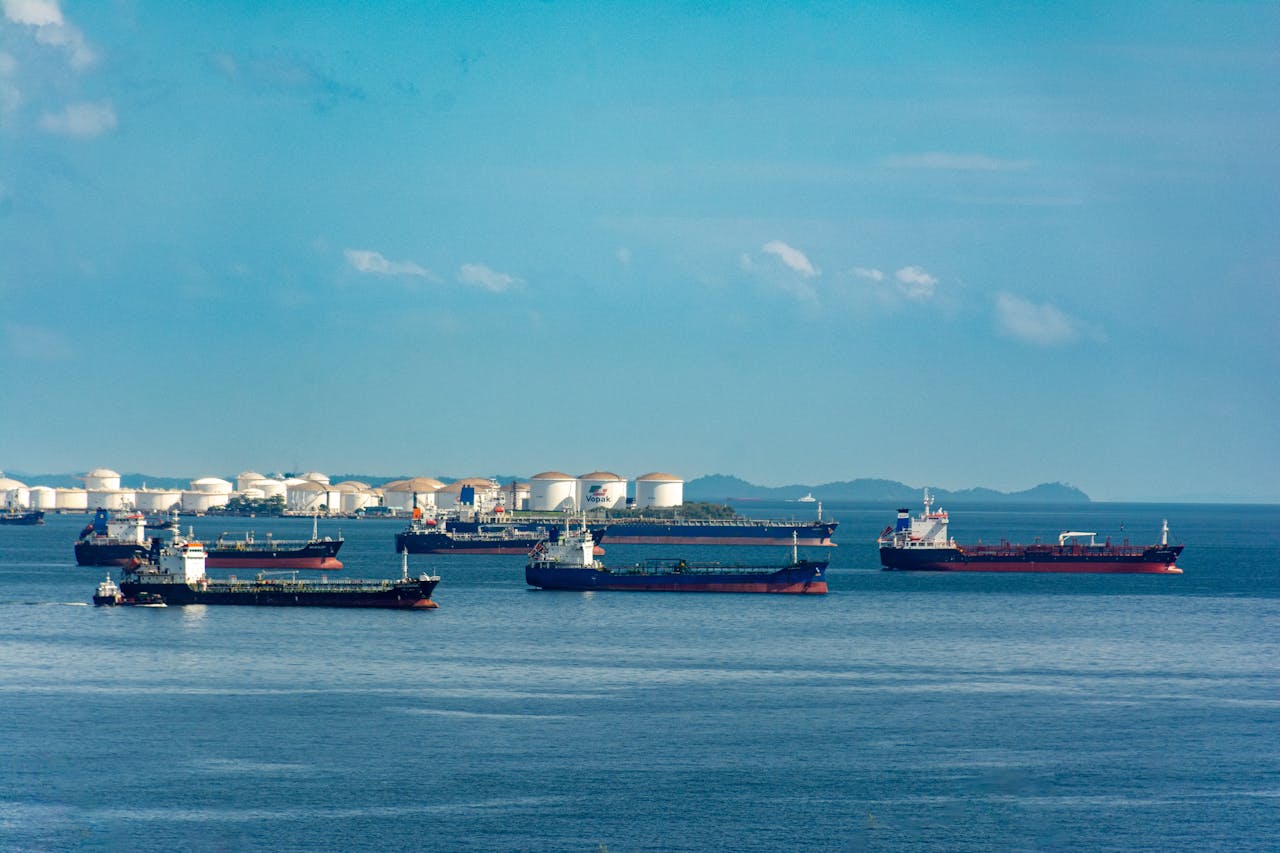
The early months of 2026 have acted as a regional stress test for Southeast Asia. A sharp escalation in Middle Eastern tensions, resulting in the closure of the Strait of Hormuz, has disrupted the flow of approximately 80% of the region’s liquefied natural gas (LNG) and crude oil imports.1 This “oil shock” has not merely inflated fuel prices; it has exposed the structural fragility of economies tethered to global fossil fuel markets.3
While the crisis is regional, the response is increasingly fragmented. Transition pathways differ significantly across member states: some have doubled down on protectionist subsidies, while others, most notably through the Vietnam green transition, have accelerated a pivot toward domestically generated renewable energy as a tool for national economic survival.
Exposure to oil price volatility: Importers vs. Exporters
The shock divides Southeast Asia along a fault line: net oil position. Importers, the Philippines, Thailand, Vietnam, and Singapore, face immediate stagflationary pressure as energy costs ripple through logistics and supply chains. The Philippines (90% Gulf-dependent) declared a national energy emergency in March 2026; Thailand capped diesel prices; Singapore revised its 2026 inflation forecast upward despite holding 200+ days of strategic reserves[1].
Exporters Indonesia and Malaysia have seen a revenue boost, but it is fast being eroded. Indonesia set its entire US$22.5 billion fuel subsidy budget at US$70/barrel; with Brent (serving as the primary benchmark for oil prices worldwide) near US$104[2], the fiscal gap is widening and weighing on the rupiah. Malaysia is better cushioned — recent fiscal reforms allow it to sustain its BUDI95 subsidy — but is not immune, as it re-imports heavy crude for domestic refining and remains exposed to benchmark price swings.
Table 1: Country-level oil shock vulnerability — Southeast Asia
*Note: PH: Philippines, VN: Vietnam, TH: Thailand, SG: Singapore, ID: Indonesia, MY: Malaysia
| Metric | Net importers — PH, VN, TH, SG | Net exporters — ID, MY |
| Trade position | Dependent on imported crude and/or refined products | Net hydrocarbon exporters; partly offset by domestic subsidy obligations |
| Middle East crude dependence[3] | • VN: ~85%
• SG: ~77% • TH: ~70% • PH: ~52% |
• ID: ~35% of crude from Gulf (subsidies still raise subsidy cost)
• MY: ~25% (re-imports heavy Gulf crude to blend with domestic supply) |
| Strategic reserves[4] | • SG: 200+ days
• TH & PH: 40~60 days • VN: ~65 days |
• MY: ~60 days
• ID: ~20–30 days |
| Primary risk | Cost-push inflation & currency pressure:
• IMF projects Southeast Asian inflation rising to 2.6% in 2026[5]; • Each US$15/barrel Brent rise widens PH current account by ~0.7% of GDP[6] |
Fiscal deficit expansion via subsidy obligations:
• ID set subsidy budget at US$70/barrel; Brent now ~US$104/barrel2 |
| Energy mix vulnerability | High LNG/Brent spot sensitivity:
• VN’s Nghi Son locked to Kuwaiti crude feedstock[7]; • TH reliant on Gulf gas for power[8] |
• ID: Heavy reliance on coal and domestic palm oil;
• MY: blended crude model (exports light sweet crude and imports heavy crude) reduces vulnerability, but subsidy costs are still affected |
| Shock transmission | Retail price hikes & logistics surcharges[9]:
• PH: national energy emergency; • VN: domestic flight cancellations; • TH: key petrochemical plant shutdowns |
National credit & currency pressure:
• ID’s currency weakening; real rate differential vs. USD narrowing; 6 • MY credit outlook is stable thanks to a diversified revenue structure (benefiting from gas exports when energy prices rise) |
| Policy response[10] | • VN: 0% petroleum tariff (Apr–Jun 2026)[11] ; work-from-home encouragement
• PH: excise cuts, Philippine National Oil Company (PNOC) emergency imports, 4-day work week • TH: diesel price cap, work-from-home mandate • SG: Monetary Authority of Singapore (MAS) tightening; fiscal reserves deployed |
• ID: fuel subsidies maintained; remote working adopted
• MY: BUDI95 subsidy sustained; “adequate fiscal room” through mid-2026 |
B&Company’s synthesis
Highlight case studies: Diverse pathways to resilience
Indonesia: Subsidy reform and the biofuel push
Indonesia has historically shielded its population via price caps, but the 2026 crisis has pushed its fiscal deficit toward the 3.5% of GDP legal limit.[12] To mitigate this, Jakarta has revived its ambitious biofuel mandate. In March 2026, President Prabowo Subianto announced a transition to a 50% biodiesel blend (B50) by the second half of 2026, accelerating the previous B40 timeline to reduce the gasoil import bill.
Vietnam: Rapid demand growth and renewable ambitions
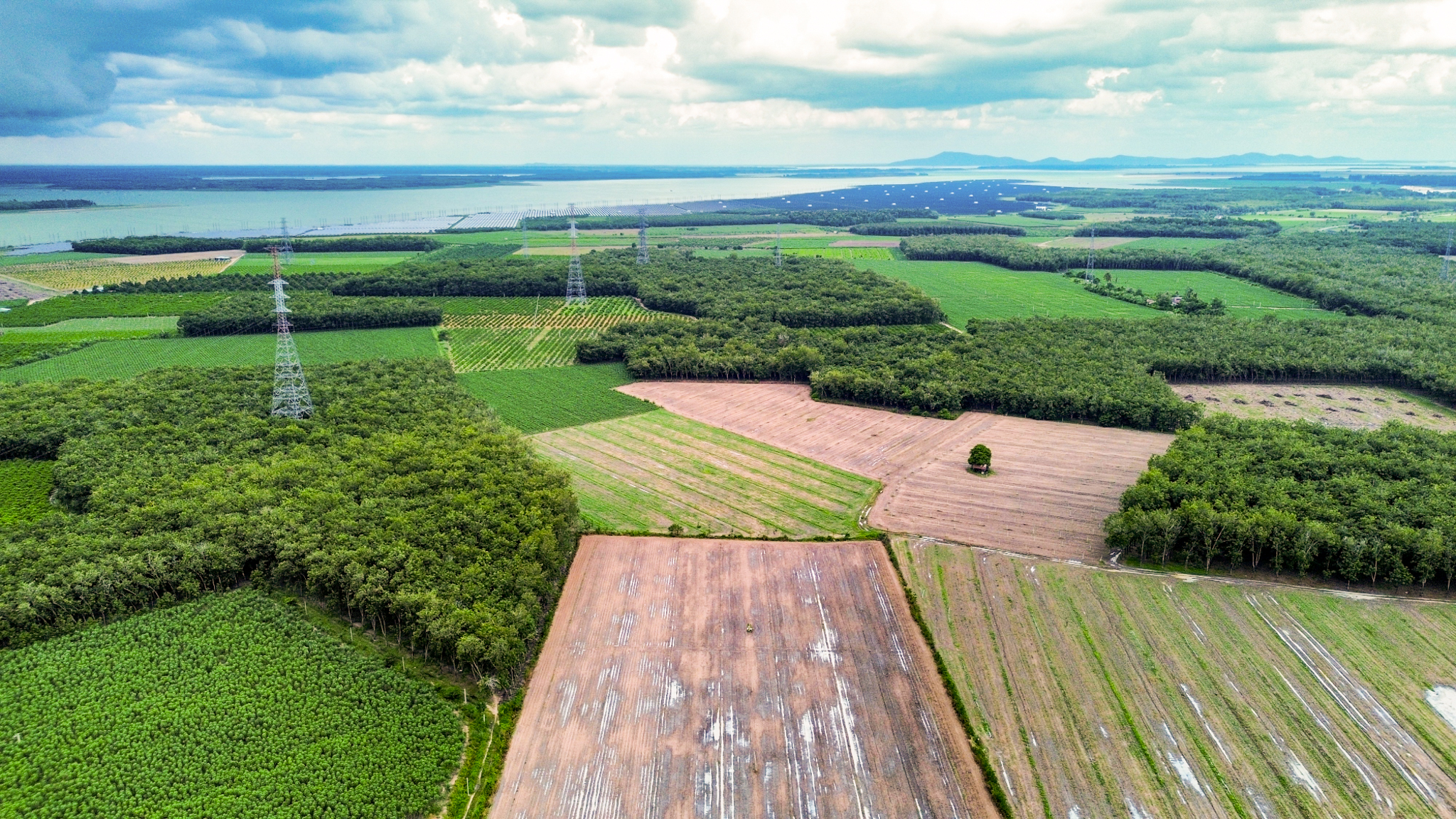
The Vietnam green transition is driven by a unique dual mandate: sustaining 10% annual GDP growth while meeting net-zero commitments. Under the revised Power Development Plan VIII (PDP8), Vietnam aims to increase its renewable capacity to nearly 50% of the energy mix by 2030.[13] A significant shift is the rise of domestic corporations like Vingroup (via VinEnergo), which is spearheading a US$4.5 billion offshore wind project to replace aging coal assets.[14]
The first offshore wind data transfer collaboration in Vietnam is between VinEnergo (Vingroup) and the FIMO Center
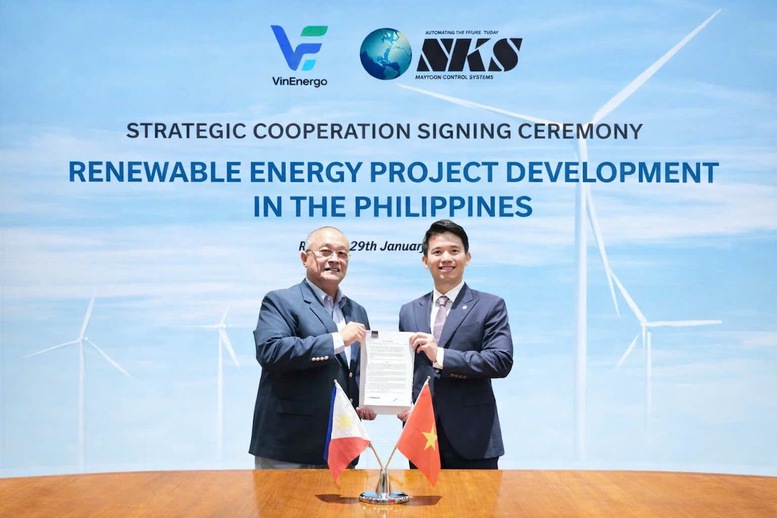
Source: VinGroup
Thailand: The EV hub strategy
Thailand has leveraged the crisis to solidify its position as the “Detroit of the East” for electric mobility. By January 2026, EV penetration reached a record 48% of new car sales, supported by the EV 3.5 incentive scheme, offering subsidies of up to 100,000 THB (~US$2,700) per vehicle and reducing the excise tax from 8% to 2%.[15] This strategy aims not only to reduce fuel consumption but to transition the domestic automotive workforce into a new high-tech manufacturing sector.
Philippines: Energy security challenges
The Philippines remains one of the most price-sensitive markets. In March 2026, President Marcos Jr. signed Republic Act No. 12316, granting emergency powers to suspend fuel excise taxes once global oil prices hit US$80 per barrel.[16] Unlike Thailand or Vietnam, the Philippines’ transition is hampered by infrastructure gaps, leading to a heavy reliance on emergency subsidies for transport workers.
Policy comparison: Fiscal sustainability vs. Reform
The 2026 crisis has highlighted a divergence in regulatory philosophy. “Market-driven” economies (Vietnam, Philippines) allow prices to reflect global trends but deploy temporary tax holidays, whereas “subsidized” economies (Indonesia, Malaysia) prioritize social stability at the cost of fiscal health.
| Policy category | Implementation example (2026) | Effectiveness / Risk |
| Tax interventions | Vietnam/Philippines: 0% environmental/excise tax | High flexibility; protects business margins but hurts revenue |
| Price caps | Indonesia/Thailand: Diesel capped at specific price | High social stability; risk of hoarding & massive state debt |
| Demand side | Philippines: 4-day workweek in public sector | Low cost; effectively signals conservation but limits productivity |
| Fuel switching | Vietnam: Nationwide E10 rollout by June 1, 2026 | Structural resilience; requires consumer trust & engine compatibility |
B&Company’s synthesis
Green transition readiness index 2026
The oil shock has not created Southeast Asia’s clean energy imperative — it has accelerated one already underway. But readiness varies sharply across the region.
Singapore and Malaysia lead on green finance architecture: Singapore has established a carbon tax and trading framework, while Malaysia pioneered sustainability-linked bonds and ASEAN Green Bond Standards.[17] Vietnam is the region’s standout deployment story, with the total renewable energy sources (wind, solar, biomass) accounting for approximately 24,453 MW at the end of 2025.[18] The crisis is now compounding that momentum: the introduction of direct power purchase agreements is allowing large companies like LEGO and Samsung to buy electricity directly from wind and solar producers, potentially doubling the renewable share in Vietnam’s power mix. Vietnam ranked 2nd among the top developing economies attracting the most FDI in renewable energy between 2015 and 2022, at approximately 106.8 billion USD.[19]
The Philippines is following, having fully opened its solar, wind, biomass, and tidal sectors to foreign ownership and approved over 100 key energy projects, including offshore wind, hydropower, and infrastructure expansions.[20] Indonesia, however, remains constrained. Its energy transition is limited by a state-dominated electricity market, fragmented governance, and weak grid readiness, and protectionist rules continue to cap foreign ownership in renewables.[21] The gap between Vietnam and Indonesia on transition readiness is arguably the region’s most consequential divergence heading into the decade.
Across all markets, the financing shortfall is structural. The International Energy Agency (IEA) estimates annual clean energy investment in Southeast Asia must rise fivefold to US$190 billion by 2035, for the region to achieve its goals.[22]
Regional trends and integration: moving toward unity
The shock has injected fresh urgency into the long-stalled ASEAN Power Grid (APG). 2026 marks the start of the ASEAN Plan of Action or Energy Cooperation 2026–2030 (APAEC) implementation cycle, signaling the APG moving from strategic planning toward coordinated infrastructure development. The Philippines, as the 2026 ASEAN Chair, has prioritized APG integration and initiated grid interconnection talks with Malaysia. Yet the hard constraints remain.
“Vision vs. voltage” remains a challenge. As of late 2024, the region has only 7.7 GW of interconnection capacity across 9 priority projects.[23] Progress is being catalyzed by the ASEAN Power Grid Financing Facility (APGF), which aims to harmonize technical standards and dispute resolution by the 2027 Singapore chairmanship.
Implications for investors: high-potential markets
For investors, the 2026 shock is functioning as a stress test and a signal simultaneously. Three themes stand out.
1. Vietnam, Indonesia, and the Philippines offer the most potential in the short term to access the clean energy sector
Solar project profitability in the 3 countries can rise up to 9 percentage points, driven by battery integration that makes dispatchable solar economically feasible,[24] and both markets now have Direct Power Purchase Agreement (DPPA) frameworks to monetize it. Vietnam, the Philippines, and Indonesia together attracted US$4.6 billion in clean energy investment in 2024, with Brookfield Asset Management committing capital across all three.[25]
2. Indonesia and the Philippines’ critical minerals represent a longer-horizon opportunity
Indonesia and the Philippines have the potential to anchor the global supply chain for critical minerals driving the energy transition, but currently lack domestic processing capabilities,[26] creating a clear greenfield investment thesis for battery supply chain investors.
3. Grid infrastructure is the region’s most undersupplied asset class
The finalization of the APAEC 2026–2030 and renewal of the APG enhanced MOU mark a crucial opportunity to transform long-standing commitments into meaningful regional energy integration, and the first movers in cross-border transmission financing will define the region’s energy architecture for decades.
The transition from oil dependence to grid-scale renewables will not be linear. But the 2026 shock has compressed the timeline, and for investors with the patience and local knowledge to navigate regulatory heterogeneity, Southeast Asia’s energy reordering represents one of the decade’s most consequential allocation opportunities.
Conclusion
The 2026 oil shock has proven that there is no one-size-fits-all transition. Indonesia is betting on palm-based energy independence, Thailand on becoming an EV manufacturing hub, and Vietnam’s green transition on a massive, grid-scale renewable overhaul supported by international finance.
Despite these different pathways, a shared momentum has emerged. Energy security is no longer viewed as a matter of securing supply, but as a structural shift toward domestic, low-carbon generation. As global standards like the EU’s Carbon Border Adjustment Mechanism (CBAM) take effect, the “greenness” of a nation’s energy grid will become the ultimate determinant of its industrial competitiveness in the post-oil-crisis era.
Read more
* If you wish to quote any information from this article, please kindly cite the source along with the link to the original article to respect copyright.
| B&Company
The first Japanese company specializing in market research in Vietnam since 2008. We provide a wide range of services including industry reports, industry interviews, consumer surveys, business matching. Additionally, we have recently developed a database of over 900,000 companies in Vietnam, which can be used to search for partners and analyze the market. Please do not hesitate to contact us if you have any queries. info@b-company.jp + (84) 28 3910 3913 |
[1] https://carnegieendowment.org/posts/2026/04/southeast-asias-agency-amid-the-new-oil-crisis
[2] https://jakartaglobe.id/business/indonesia-says-no-energy-crisis-as-philippines-declares-one
[3] https://carnegieendowment.org/posts/2026/04/southeast-asias-agency-amid-the-new-oil-crisis
[4] https://www.thesoutheastasiadesk.com/p/southeast-asia-scrambles-as-strait
[5] https://www.imf.org/en/blogs/articles/2026/04/16/asias-economic-resilience-is-being-tested-by-the-energy-shock
[6] https://think.ing.com/articles/oil-shock-for-asia-identifying-the-first-pressure-points/
[7] https://blog.investvietnam.co/104-gasoline-industry-in-vietnam-statistics-data-trends-in-2026/
[8] https://energytracker.asia/thailand-energy-sector/
[9] https://www.npr.org/2026/03/26/nx-s1-5760763/southeast-asia-is-being-hit-hard-by-irans-cutoff-of-oil-and-gas
[10] https://caseforsea.org/energy-security-in-the-shadow-of-war-how-case-countries-are-navigating-the-2026-fuel-crisis/
[11] https://b-company.jp/vietnam-fuel-price-update-weekly-rising-volatility-and-implications-for-business/
[12] https://www.mk.co.kr/en/world/12009974
[13] https://www.vilaf.com.vn/blog/vietnams-revised-pdp-8-a-strategic-path-for-national-electricity-development/
[14] https://b-company.jp/vietnams-renewable-energy-boom-southeast-asias-leader-with-vingroup-emerging-as-a-key-domestic-player/
[15] https://source.benchmarkminerals.com/article/thailand-s-ev-sales-surge-to-record-levels-in-january-2026
[16] https://pco.gov.ph/news_releases/pbbm-signs-ra-12316-granting-the-president-emergency-powers-to-suspend-reduce-fuel-excise-tax/
[17] https://thefulleracademy.com/practices-of-financial-institutions-towards-green-financing-in-asean-region/
[18] https://en.evn.com.vn/d/en-US/news/Vietnams-power-system-ranks-second-in-ASEAN-60-163-501175
[19] https://en.nhandan.vn/fdi-attraction-to-prioritise-green-projects-post145700.html
[20] https://www.thestar.com.my/business/business-news/2026/04/09/budi95-is-seen-as-a-right-step-in-targeted-fuel-subsidy-reform-for-malaysia-says-world-bank
[21] https://ieefa.org/resources/building-credibility-indonesias-energy-transition-insights-etm-and-jetp-indonesia
[22] https://www.reuters.com/sustainability/southeast-asia-needs-boost-investments-five-fold-by-2035-meet-climate-goals-iea-2024-10-21/
[23] https://asean.org/adb-and-world-bank-group-launch-the-asean-power-grid-financing-initiative-with-the-asean-secretariat-and-the-asean-centre-for-energy-ace/
[24] https://ember-energy.org/latest-updates/adding-storage-can-boost-solar-projects-profitability-in-indonesia-viet-nam-and-the-philippines/
[25] https://ember-energy.org/latest-insights/from-emission-intensive-to-investment-hotspots-championing-renewables-in-3-asean-economies/country-snapshots-and-opportunities/
[26] https://peacehumanity.org/monitor/false-promises-of-battery-minerals-mining-inindonesia-and-the-philippines/
Related article












Log in / Register
SUBSCRIBE NEWSLETTER