

 English
  日本語
日本語  Tiếng Việt
  简体中文
简体中文  한국어
한국어 In recent years, Vietnam has emerged as one of Southeast Asia’s most dynamic markets for renewable energy, specifically as of 2023, Vietnam led Southeast Asia with 18.6 GW of solar capacity, compared to Indonesia’s 900 MW and the Philippines’ 1.6 GW
29Apr2025
Latest News & Report / Vietnam Briefing
Comments: No Comments.
In recent years, Vietnam has emerged as one of Southeast Asia’s most dynamic markets for renewable energy, specifically as of 2023, Vietnam led Southeast Asia with 18.6 GW of solar capacity, compared to Indonesia’s 900 MW and the Philippines’ 1.6 GW [1]. With its rapid economic growth and rising electricity demand, the country is actively seeking cleaner and sustainable alternatives. A notable contributor to this movement is Vingroup, Vietnam’s largest private enterprise, which has expanded from property and retail into technology, electric vehicles, and renewable energy. This shift presents a part of Vietnam’s broader ambition to reduce reliance on fossil fuels and align with global climate commitments, while addressing domestic energy security challenges.
Vietnam’s Renewable Energy Overview
Vietnam’s renewable energy sector has expanded dramatically over the past decade. Under the government’s Power Development Plan VIII (PDP8), approved in 2023, the country targets renewables to supply 30.9% of total electricity generation by 2030 and 67.5% by 2050 [2], marking a significant strategic shift in national energy priorities.
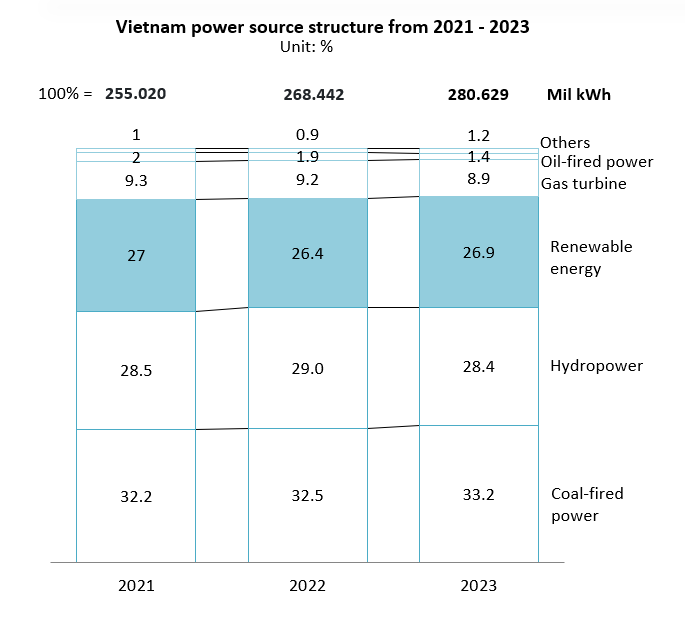
Source: EVN
Despite these long-term goals, Vietnam’s energy mix remains heavily reliant on traditional sources, primarily coal and hydropower. According to Vietnam Electricity (EVN), coal-fired power’s share increased slightly from 32.2% in 2021 to 33.2% in 2023, driven by its affordability and baseload reliability. Hydropower maintained a stable contribution of around 28-29%, while renewable energy held steady at 27%, reflecting consistent capacity growth but limited overall share gains.
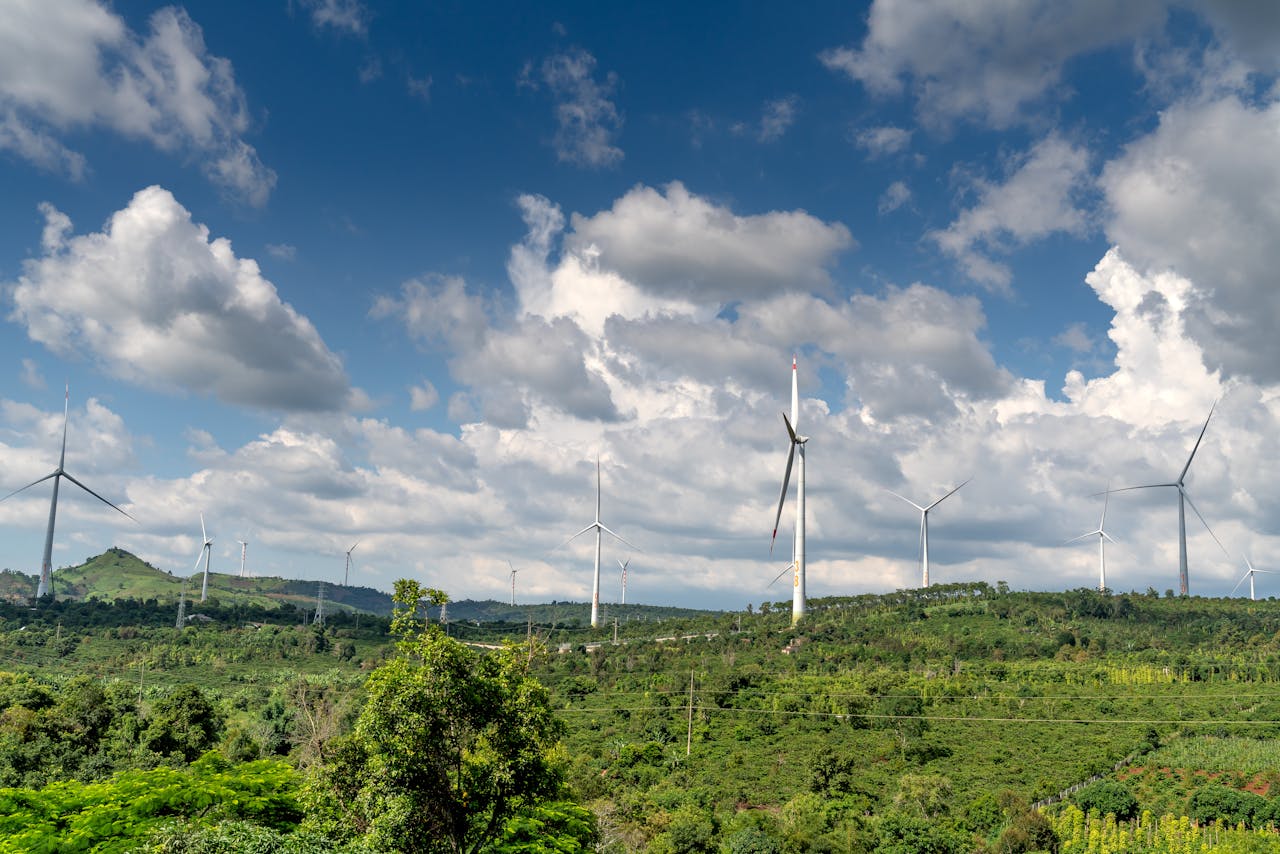
Nevertheless, Vietnam’s favourable geography, with its extensive coastline and abundant solar radiation, has provided a strong foundation for the rapid expansion of its renewable energy sector. By the end of 2023, the country became Southeast Asia’s largest solar market, with 18.6 GW of installed capacity [3]. However, despite this impressive capacity growth, Vietnam’s power grid has struggled to keep pace. Grid congestion and renewable curtailment — particularly in southern provinces — remain significant issues, with an estimated 1.3 billion kWh of solar power curtailed in 2022 alone [4].
In response, recent policy measures have sought to address these challenges while bolstering long-term growth. Notably, Decree No. 58/2025/ND-CP prioritises projects integrating energy storage systems, offers land fee exemptions, and supports green hydrogen and ammonia initiatives, helping to manage grid loads more effectively [5]. The Direct Power Purchase Agreement (DPPA) mechanism under Decree 80/2024/ND-CP allows large consumers to buy renewable energy directly from producers, easing pressure on the central grid [6]. Additionally, a nationwide Rooftop Solar Initiative aims to equip 50% of homes and offices with solar systems by 2030, promoting decentralised generation and reducing reliance on grid-connected utility-scale plants [7].
These developments demonstrate Vietnam’s strong commitment to expanding its renewable energy sector while actively addressing operational and infrastructural constraints — a necessary step to increase renewables’ share in the national power mix.
Foreign Dominance and the Rise of Vingroup as a Vietnamese Energy Player
Vietnam’s rapidly growing renewable energy sector offers significant opportunities for both foreign and domestic investors. Foreign investment has been the primary driver, attracted by the country’s abundant natural resources, robust market growth, and favourable regulatory frameworks.
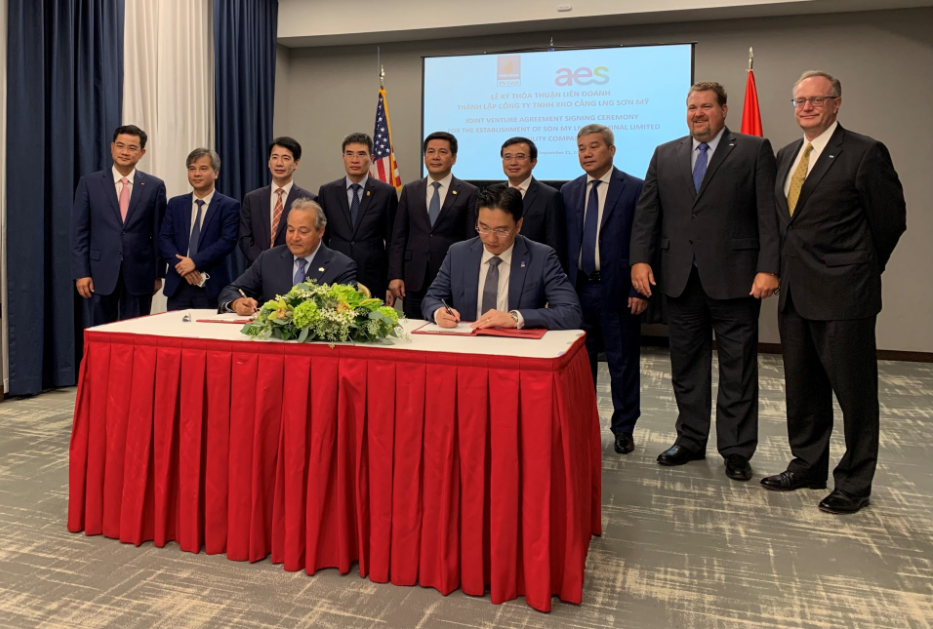
Developers from Singapore, Thailand, South Korea, Japan, and Europe have made significant contributions to Vietnam’s energy sector. Their investments, including large LNG and renewable energy projects, reflect sustained foreign involvement in the country’s energy infrastructure. These major projects and partnerships are summarised in the table below.

Related article

















Log in / Register
Continue without an account
Log in / Register
SUBSCRIBE NEWSLETTER