

 English
  日本語
日本語  Tiếng Việt
  简体中文
简体中文  한국어
한국어 With the national commitments toward carbon neutrality by 2050, Vietnam is drawing interest from international investors, including Japan.
25Apr2025
Latest News & Report / Vietnam Briefing
Comments: No Comments.
Long An province, located in the South of Vietnam, is rapidly emerging as a strategic destination for sustainable industrial development. With Vietnam intensifying its national commitments toward carbon neutrality by 2050, the region is drawing growing interest from international investors—particularly those from Japan. This transformation is driven by a shared vision for green growth and environmental responsibility between Vietnamese authorities and Japanese enterprises.
Long An’s Strategic Position and Orientation Toward Green Development
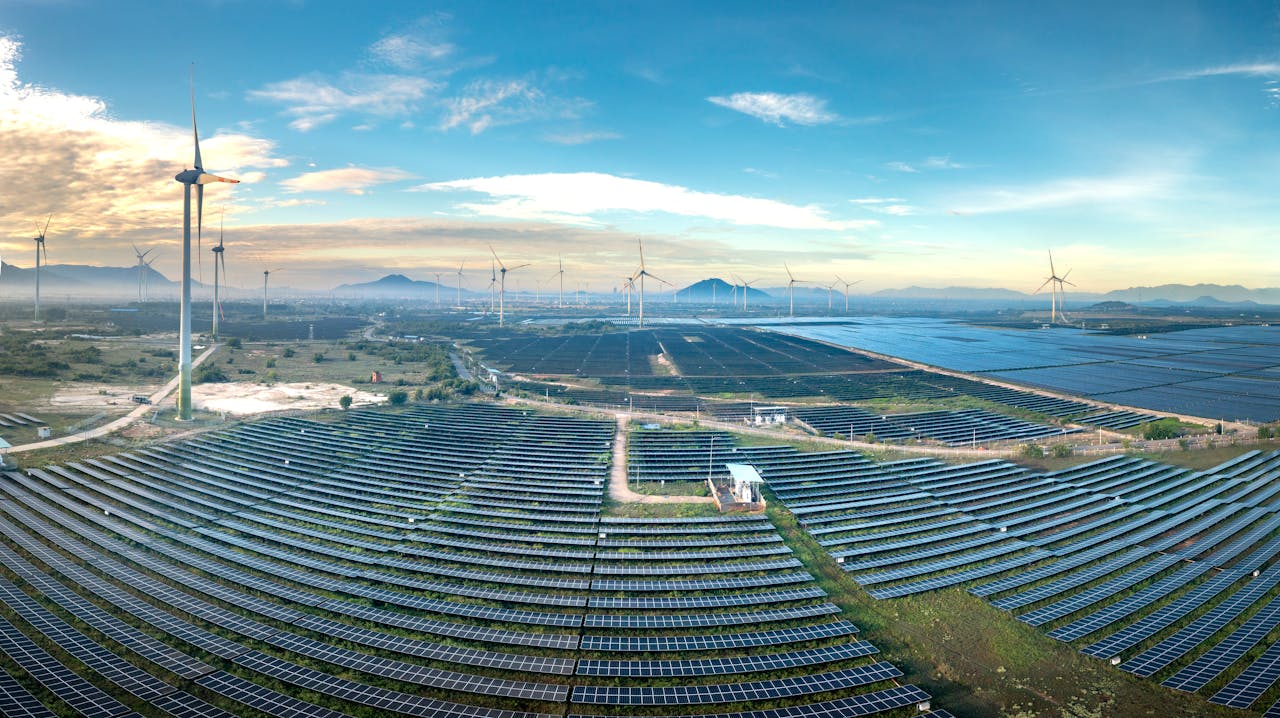
Located southwest of Ho Chi Minh City, Long An province is emerging as a strategic destination for sustainable industrial development—particularly in the energy sector. As part of the Southern Key Economic Zone, the province enjoys excellent transport connectivity, with close access to major ports, highways, and international airports, facilitating the movement of energy equipment, raw materials, and labor. In addition to its logistical strengths, Long An offers abundant solar radiation, available land for biomass cultivation, and a government committed to green growth policies. These advantages position the province as an ideal location for renewable energy projects and supporting infrastructure.
Long An’s provincial leadership has prioritized green growth, aligning its development strategy with Vietnam’s national goal of carbon neutrality by 2050. According to Decision 55-NQ/TW in 2020, Long An is focusing on expanding renewable energy sources, improving waste treatment infrastructure, and attracting environmentally responsible investment. The province plans to develop 51 industrial parks over 12,500 hectares by 2030, many of which are designed with clean energy compatibility and centralized wastewater treatment systems [1].
Japanese Investment in Long An’s Energy and Waste Treatment Sectors
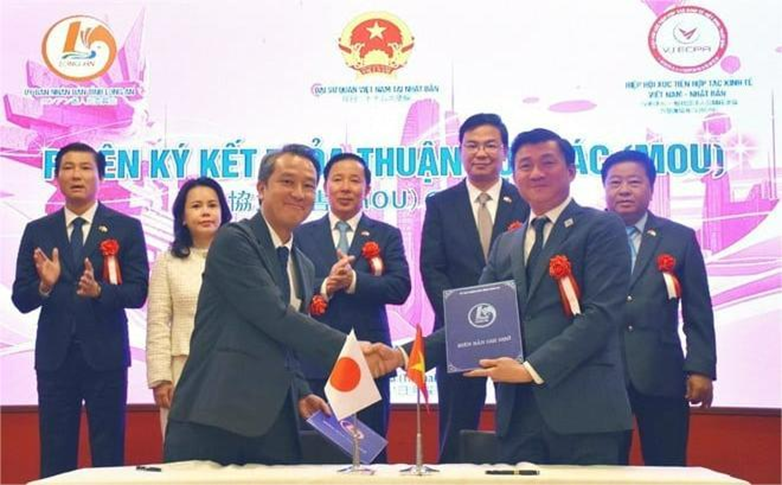
In recent years, Japanese investment in Long An’s energy sector has shown a clear upward trend, driven by shared priorities between Japanese enterprises and Vietnamese authorities in promoting low-carbon, sustainable energy solutions. Japanese firms are increasingly contributing capital and technical expertise to projects focused on biomass, solar energy, and energy-efficient infrastructure. This trend not only reflects the confidence of Japanese investors in Long An’s policy environment but also illustrates their long-term commitment to supporting Vietnam’s clean energy transition. In March 2025, Sumitomo Forestry Group signed a memorandum of understanding with Long An authority to develop large-scale melaleuca plantations. These plantations aim to serve as biomass feedstock, contributing to renewable energy production while restoring degraded lands and creating rural employment opportunities. This initiative builds upon Sumitomo’s earlier investment in the Vina Eco Board factory, which produces particle boards from wood by-products and utilizes biomass fuel for part of its energy supply. [2]
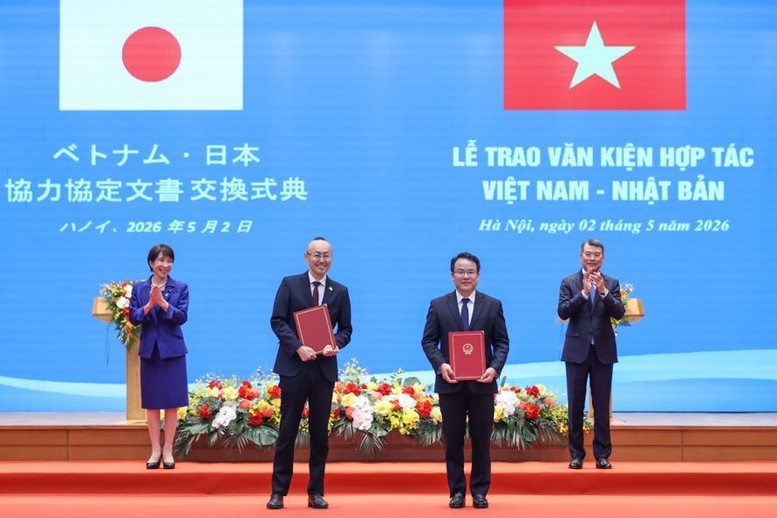
Japan’s Sumitomo Forestry and Vietnam’s Lap Duc Company signed an MoU on investment cooperation at a trade promotion event in Japan in March 2025
Source: theinvestor.vn
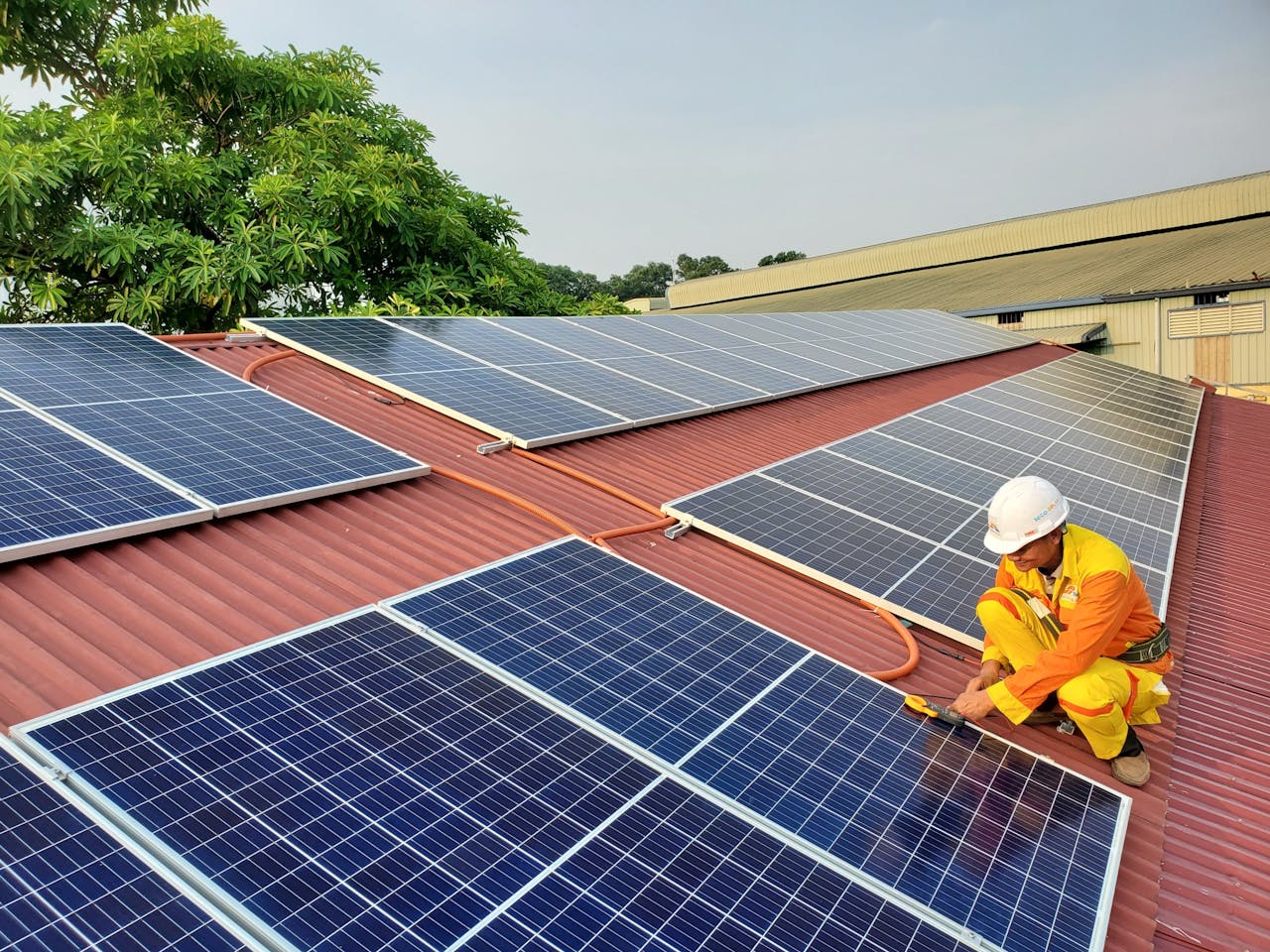
Japanese engagement in Long An’s waste treatment sector is also on the rise, aligning with Japan’s global leadership in circular economy models and environmental innovation. From advanced biotechnology applications to integrated eco-industrial zones, Japanese companies are introducing solutions that treat waste not as a liability but as a resource. Their growing presence in this space underscores a broader investment shift toward environmental sustainability, with Long An positioned as a testing ground for scalable, high-impact waste treatment projects in Vietnam. Additionally, in 2024, Sumitomo Forestry partnered with Vietnamese company CME Solar JSC to deploy rooftop solar systems across Long An’s industrial zones [3].
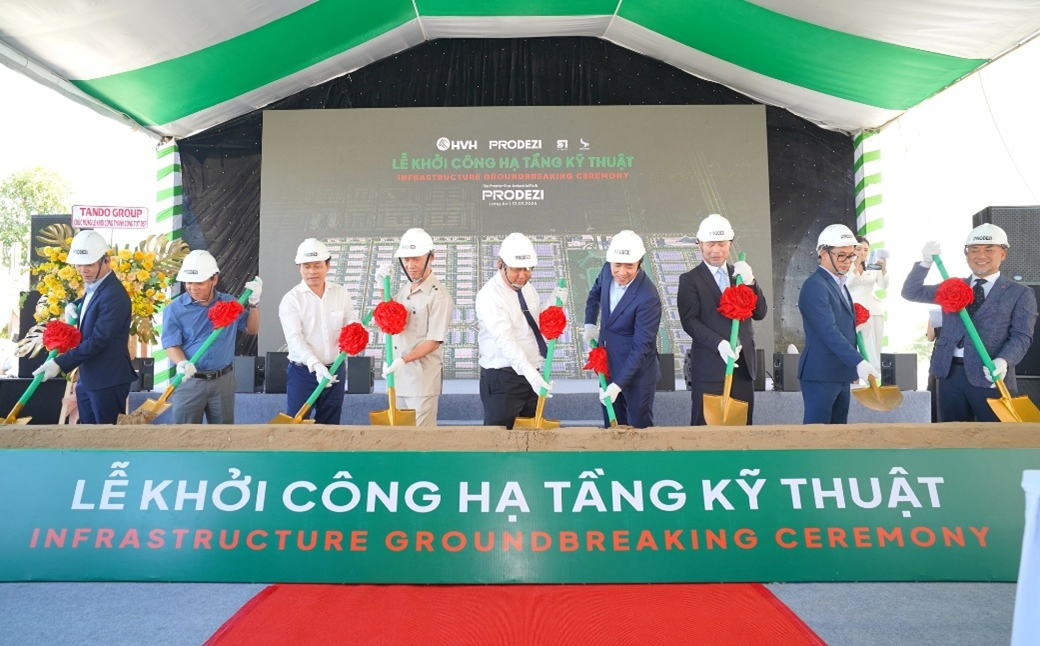
Infrastructure groundbreaking ceremony of Prodezi Eco- Industrial Park
Related article
















Log in / Register
Continue without an account
Log in / Register
SUBSCRIBE NEWSLETTER