

 English
  日本語
日本語  Tiếng Việt
  简体中文
简体中文  한국어
한국어 From July 2026, Hanoi began piloting a Low Emission Zone (LEZ) within Ring Road 1, with restrictions on selected high-emission vehicles.
27Aug2026
Latest News & Report / Vietnam Briefing
Comments: No Comments.
Background
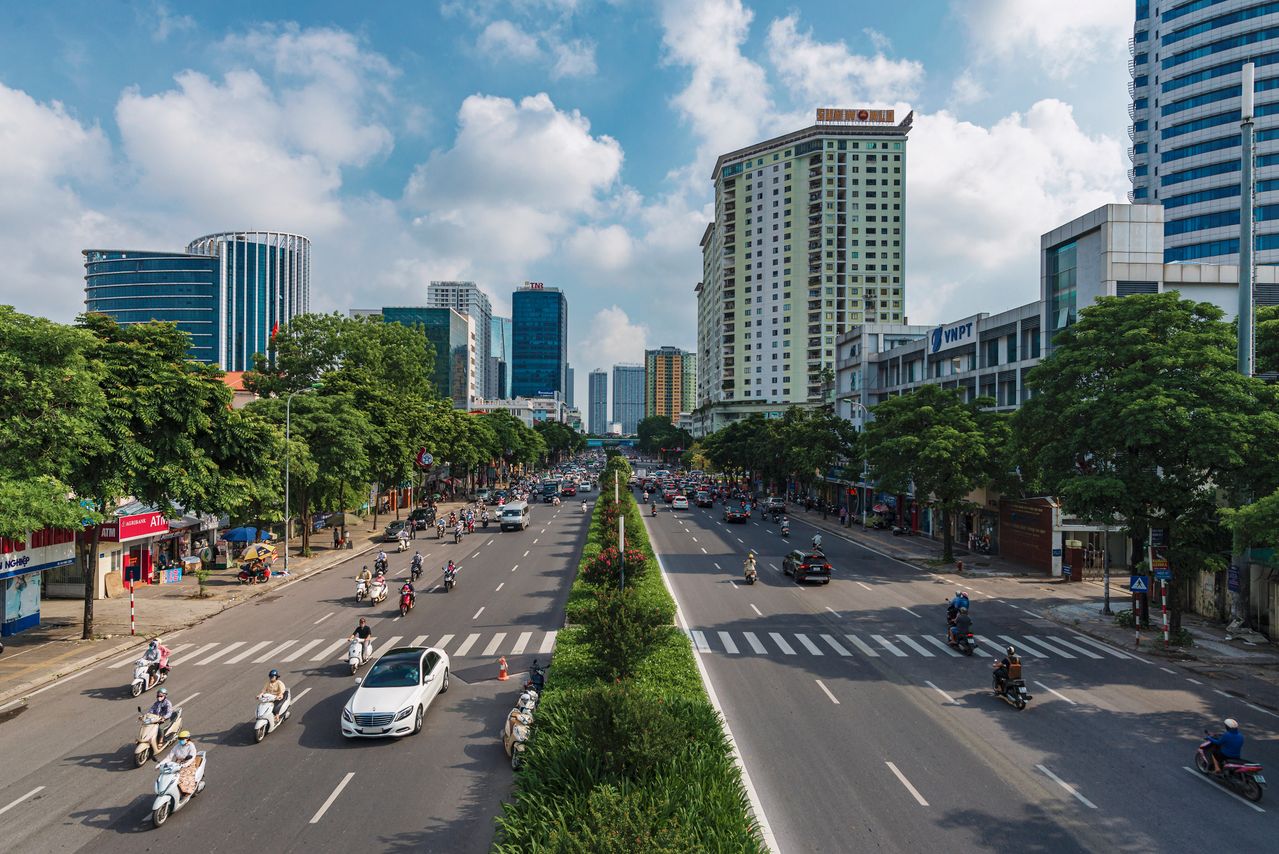
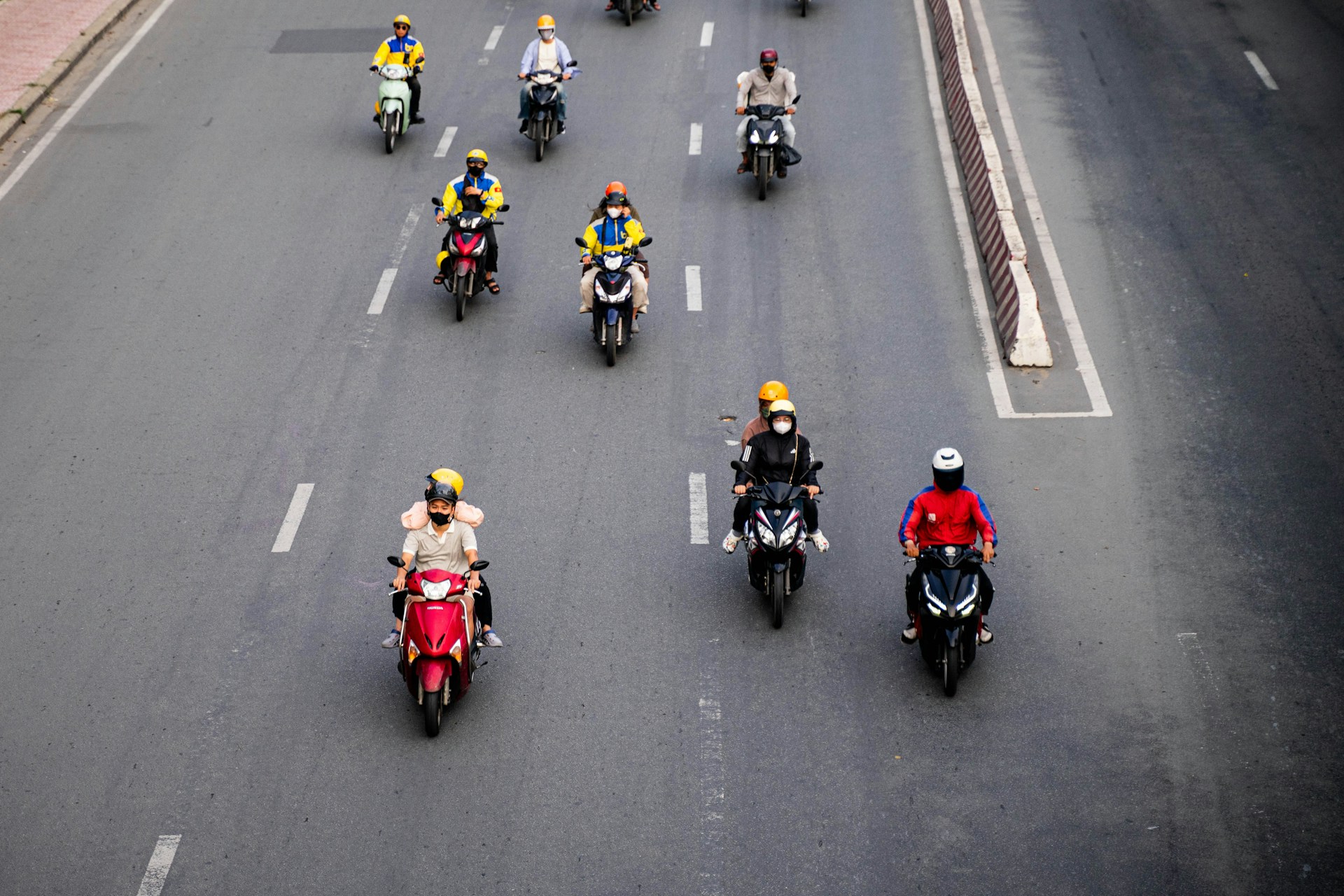
Hanoi is entering a new phase of urban mobility transition as the city seeks to reduce transport-related emissions and improve air quality. From July 2026, Hanoi began piloting a Low Emission Zone (LEZ) within Ring Road 1, with restrictions on selected high-emission vehicles being introduced in phases while the city expands public transport, non-motorized mobility and electric-vehicle (EV) infrastructure. Rather than introducing an immediate blanket ban on gasoline vehicles across Ring Road 1, the policy marks a phased shift toward a cleaner urban transport system.
Tackling Air Pollution Through Low-Emission Zones
The Prime Minister’s Directive No. 20/CT-TTg, issued in July 2025, identified air pollution as an urgent environmental issue and called for stronger measures to address pollution and promote cleaner transport[1]. The directive also called for measures to encourage the replacement of fossil-fuel-powered vehicles with cleaner alternatives.
Against this backdrop, Hanoi approved the “Low-Emission Zone within Ring Road 1” scheme under Decision No. 3273/QD-UBND dated June 29, 2026[2]. The scheme covers areas within the Ring Road 1 area and is implemented in phases, with the first pilot stage focusing on Hoan Kiem Ward
The implementation approach has also evolved from the initial policy direction. Earlier plans envisaged stricter restrictions on gasoline-powered motorcycles in Ring Road 1 from July 2026. However, the subsequent roadmap shifted the application of emission-based restrictions on motorcycles across the entire Ring Road 1 area to 2028[3]. This phased approach reflects Hanoi’s effort to balance its emission-reduction objectives with the practical conditions required for residents and businesses to transition to cleaner mobility[4]
A Phased Roadmap for High-Emission Vehicle Restrictions
Map of the Phased Implementation of the Low-Emission Zone within Ring Road 1 under Decision No. 3273/QD-UBND [5]
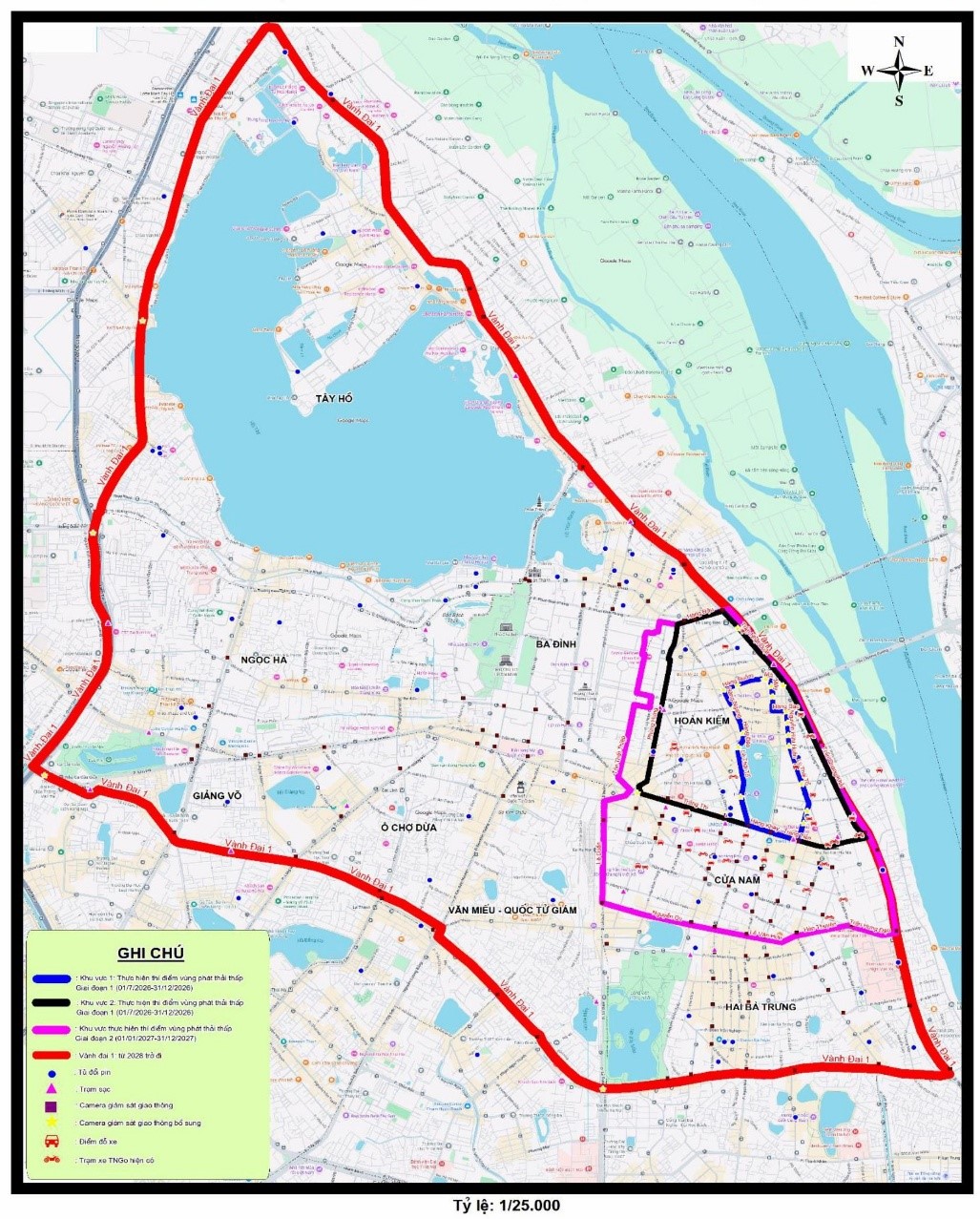
Source: Hanoi Portal [6]
The current implementation roadmap can be summarized as follows:
| Vehicle category | Phase 1
Jul–Dec 2026 Areas 1–2, Hoan Kiem |
Phase 2
2027 Areas 1–3, Hoan Kiem & Cua Nam |
Phase 3
2028–2029 Entire Ring Road 1 |
| Motorcycles & mopeds | Restrict gasoline-powered app-based vehicles
Restrict older vehicles |
Ban gasoline-powered app-based vehicles | Ban vehicles below Emission Level 3 |
| Cars ≤16 seats & pick-ups | Restrict in Area 1
19:00–24:00, Fri–Sun |
Ban fossil-fuel vehicles below Emission Level 4 | Ban vehicles below Emission Level 4 |
| Passenger vehicles >16 seats | Restrict outside peak hours | Restrict by emission level & time | Restrict by emission level & time |
| Trucks <2 t | Restrict outside peak hours | Restrict by emission level & time | Restrict by emission level & time |
| Trucks 2–3.5 t | Restrict to 21:00–06:00 | Restrict to 21:00–06:00 + Emission Level 4+ | Restrict by emission level & time |
| Trucks >3.5 t | Restrict to 21:00–06:00 / permit required | Ban | Ban / subject to applicable LEZ rules |
Source: Vietnam Government Portal [7]
*Note:
– Weekend restriction: Area 1 — all motorcycles, mopeds and cars restricted 7 PM–12 AM, Fri–Sun, during Phase 1.
– General exemptions: Priority vehicles are permitted to operate 24/7. Vehicles with official authorization to operate within restricted areas may operate subject to applicable regulations.
– Emission Level 3 (motorcycles): CO ≤ 3.5%; HC ≤ 1,100 ppm (4-stroke) / 2,000 ppm (2-stroke). Emission Level 4 (cars): CO ≤ 0.5%; HC ≤ 300 ppm for gasoline vehicles. (Source: QCVN 99:2025/BNNMT and QCVN 85:2025/BNNMT)
During the first phase, the city applies restrictions in Areas 1 and 2 of Hoan Kiem Ward. In Area 1, motorcycles, mopeds and cars are prohibited from entering between 7 p.m. and midnight on Fridays, Saturdays and Sundays, except for priority vehicles. The restrictions become more stringent from 2027. Fossil-fuel motorcycles used for app-based transport services will no longer be allowed to operate within the expanded LEZ. Hanoi will also encourage residents to phase out older motorcycles, particularly those manufactured or imported before 2008 and mopeds manufactured or imported before 2016, while promoting a transition toward cleaner vehicles meeting at least Emission Level 3. Fossil fuel cars that fail to meet Emission Level 4 will also be restricted.
From 2028, stricter emission-based restrictions are scheduled to apply across the entire Ring Road 1 area. The city will continue restricting motorcycles below emission Level 3 and cars below Level 4, while maintaining restrictions on certain trucks and large passenger vehicles. From 2030 onward, Hanoi plans to maintain the LEZ and evaluate whether requirements or coverage should be further strengthened.
This phased approach is significant because it shows that Hanoi’s policy is not simply about replacing gasoline vehicles with EVs. Its primary objective is to reduce emissions by progressively limiting vehicles with higher emission levels while creating cleaner alternatives for urban mobility.
Building Alternatives to Private Vehicle Use
Vehicle restrictions alone would create significant mobility challenges in a city where motorcycles remain an important mode of daily transportation. Hanoi is therefore developing alternative mobility options alongside the LEZ.
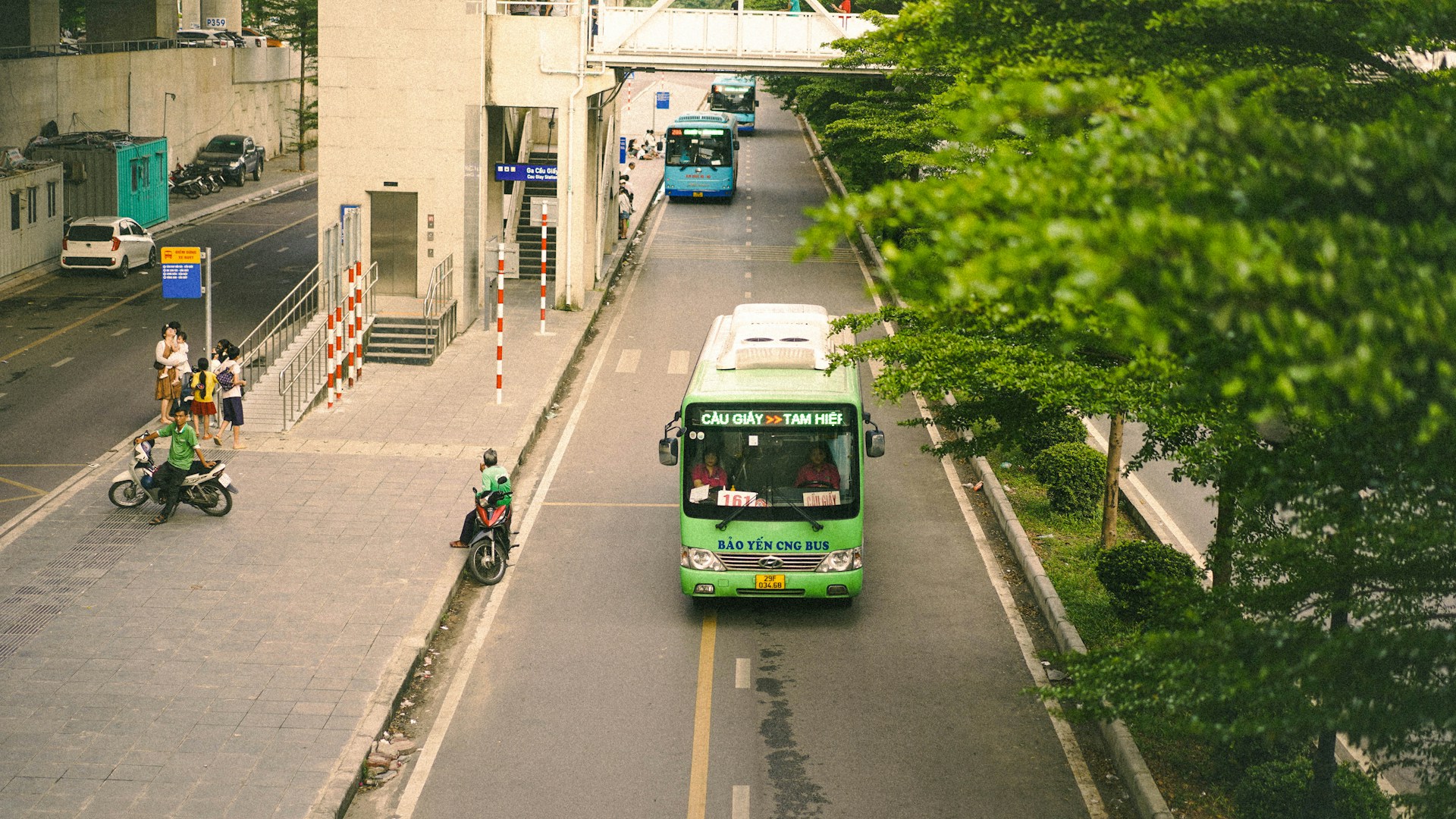
One of the most visible measures is the decision to make subsidized public bus services within Ring Road 1 free from July 1,2026 to June 30, 2027. At present, 45 bus routes and branch routes operate within the area[8], including routes that begin or end inside Ring Road 1 and routes passing through it.
The city is also developing public bicycle and electric mobility services. By mid-July 2026, Hanoi had arranged 220 parking locations[9], while its public bicycle, e-bike and electric-motorcycle network had reached 171 stations with 1,820 vehicles citywide[10]. In the Hoan Kiem and Cua Nam areas, 44 public bicycle stations with 456 bicycles were available[11].
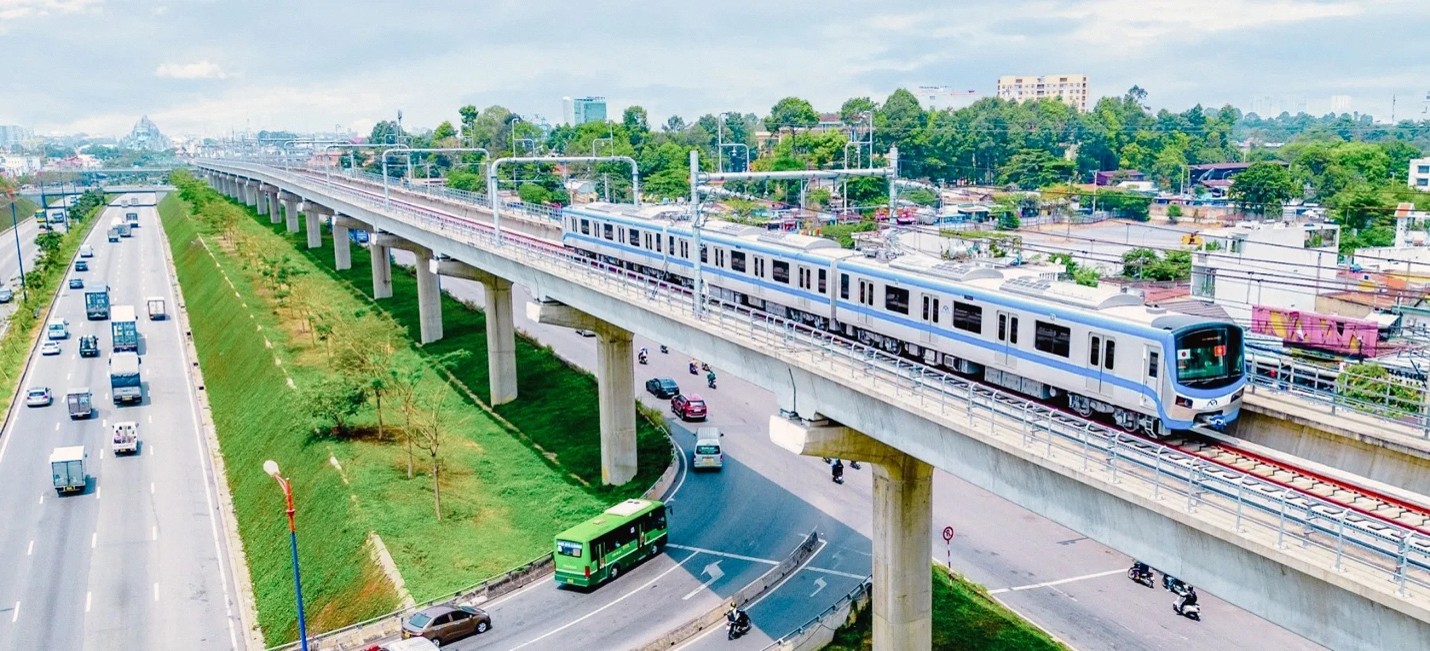
In addition, Hanoi is also planning 10 Park & Ride facilities[12], allowing residents to leave private vehicles outside restricted areas and continue their journeys by bus, urban railway or other green transport modes.
These measures demonstrate an important feature of Hanoi’s mobility transition: the city is not relying solely on restrictions. Instead, it is attempting to create an integrated system in which public transport, walking, cycling and clean-energy vehicles provide alternatives to high-emission private vehicles.
Expanding Infrastructure and Private-Sector Investment
The development of EV charging and battery-swapping infrastructure is an important component of Hanoi’s low-emission transition. By early August 2026, Hanoi had more than 10,200 charging ports, while around 1,650 battery-swapping cabinets were in operation or being connected to the electricity network.[13]The transition is also supported by smart traffic-management and environmental-monitoring systems, including AI-enabled cameras, automatic license-plate recognition and centralized traffic-management platforms. Hanoi is monitoring air quality, traffic volume, vehicle speeds and public satisfaction in the pilot area to assess the effectiveness of the LEZ[14]. Private-sector investment is further contributing to the development of this ecosystem. In June 2026, V-Green and EVNHANOI signed an agreement to develop up to 10,000 battery-swapping cabinets for electric motorcycles across Hanoi. The project will leverage EVNHANOI’s network of around 16,000 electricity-station sites, subject to suitable locations and technical requirements. [15]-V-Green has also pursued partnerships with other companies to expand Vietnam’s charging and battery-swapping network.[16]
Electric motorcycle battery-swapping cabinet
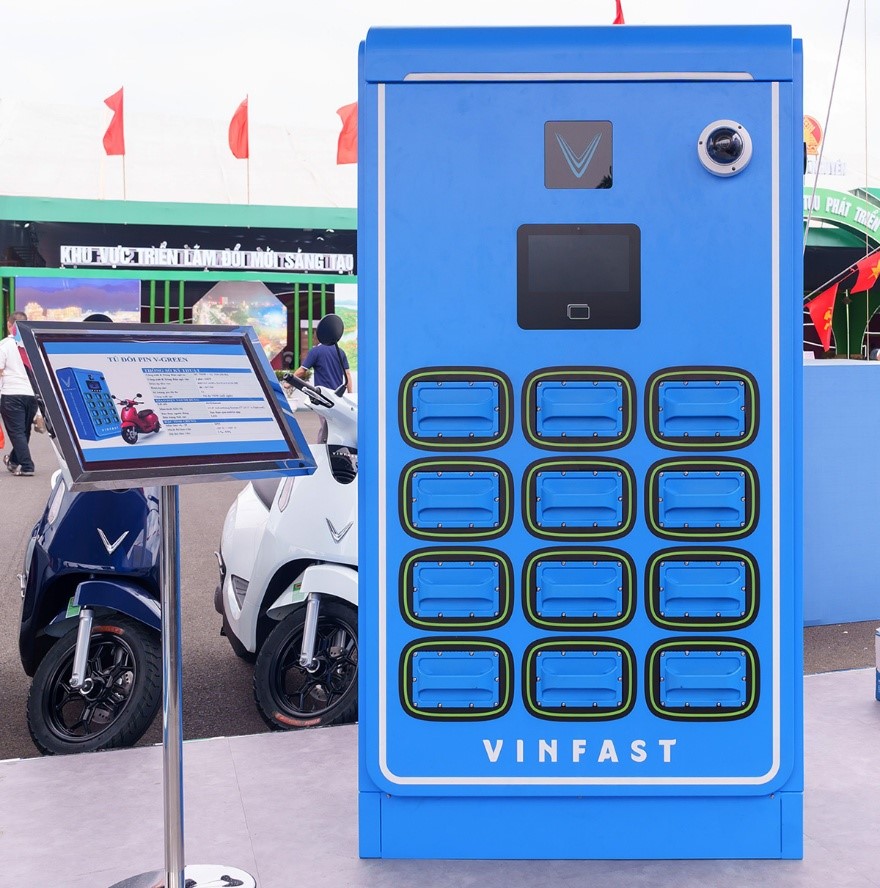
Source: Vingroup[17]
Together, these developments indicate that Hanoi’s low-emission transition is extending beyond vehicle replacement to a broader ecosystem involving charging and battery swapping, energy infrastructure, smart traffic management and environmental monitoring. This creates opportunities for businesses across the wider green mobility value chain, beyond EV manufacturing itself.
Implications for Vietnam’s Green Mobility Market
Hanoi’s LEZ policy could accelerate the development of Vietnam’s broader green mobility ecosystem in several areas.
First, EV infrastructure is likely to see continued demand. As restrictions on high-emission vehicles become more stringent, demand is likely to expand across charging infrastructure, battery-swapping systems, power equipment and related energy-management solutions.
Second, opportunities are emerging in alternative mobility services. Public and shared electric transport, e-bike and bicycle services, Park & Ride facilities and mobility-management platforms can help cities reduce dependence on private fossil-fuel vehicles.
Third, the transition will require supporting technologies. Hanoi is already combining the LEZ with air-quality monitoring, traffic cameras, AI-based traffic management and digital systems. This creates potential opportunities for technologies related to emissions monitoring, smart traffic management, fleet management and mobility data.
For businesses, therefore, the emerging opportunity is not limited to EV manufacturers. Hanoi’s low-emission policy is creating demand across the wider mobility value chain from charging and battery swapping to energy management, public transport, smart traffic systems and environmental monitoring. The city has also strengthened environmental monitoring, with six air-quality sensors installed in Hoan Kiem and additional sensors and a mobile monitoring vehicle planned to support before-and-after assessment of the LEZ’s emission-reduction effects.[18]
Conclusion
Hanoi’s transition toward low-emission mobility is moving from policy formulation to practical implementation. The city’s approach combines progressive restrictions on high-emission vehicles with public-transport incentives, alternative mobility options and expanding EV infrastructure.
The ultimate objective is not simply to replace gasoline vehicles with electric vehicles, but to reduce transport-related emissions and create a cleaner and more sustainable urban transport system. As the LEZ expands through 2028–2029 and moves into a more stable operating phase from 2030, the development of supporting infrastructure and services will become increasingly important.
For businesses operating in Vietnam, Hanoi therefore represents an important emerging market for the broader green mobility ecosystem, where regulatory change is increasingly creating opportunities for EV infrastructure, clean transportation, smart mobility and environmental technologies.
Read more
Hanoi’s petrol motorbike restrictions: What it means for Japanese mobility brands
* If you wish to quote any information from this article, please kindly cite the source along with the link to the original article to respect copyright.
| B&Company
The first Japanese company specializing in market research in Vietnam since 2008. We provide a wide range of services including industry reports, industry interviews, consumer surveys, business matching. Additionally, we have recently developed a database of over 1,000,000 companies in Vietnam, which can be used to search for partners and analyze the market. Please do not hesitate to contact us if you have any queries. info@b-company.jp + (84) 24 3978 5165 |
[1] https://media.chinhphu.vn/giai-phap-tong-the-cho-bai-toan-o-nhiem-moi-truong-do-thi-102250715164104545.htm
[2]https://sotnmt.hanoi.gov.vn/images/Q%203273%20ngy%2029.6.2026-%20%20n%20vng%20pht%20thi%20thp.pdf
[3] https://tuoitre.vn/chi-tiet-lo-trinh-3-giai-doan-ha-noi-tinh-cam-xe-may-xang-vao-vanh-dai-1-20260611155354829.htm
[4] https://tuoitre.vn/chi-tiet-lo-trinh-3-giai-doan-ha-noi-tinh-cam-xe-may-xang-vao-vanh-dai-1-20260611155354829.htm
[5] https://vanban.hanoi.gov.vn/chi-tiet-van-ban/ve-viec-phe-duyet-de-an-vung-phat-thai-thap-trong-vanh-dai-1-thanh-pho-ha-noi-257959
[6] https://vanban.hanoi.gov.vn/chi-tiet-van-ban/ve-viec-phe-duyet-de-an-vung-phat-thai-thap-trong-vanh-dai-1-thanh-pho-ha-noi-257959
[7] https://thanglong.chinhphu.vn/english/ha-noi-to-support-low-income-residents-in-replacing-high-emission-motorbikes-110260728153757529.htm
[8]https://thanglong.chinhphu.vn/english/ha-noi-free-bus-travel-within-ring-road-1-for-one-year-110260702104500646.htm
[9] https://thanglong.chinhphu.vn/english/ha-noi-free-bus-travel-within-ring-road-1-for-one-year-110260702104500646.htm
[10] https://vietnamnet.vn/en/hanoi-builds-ev-capacity-ahead-of-low-emission-zone-expansion-2543770.htm
[11] https://thanglong.chinhphu.vn/english/ha-noi-free-bus-travel-within-ring-road-1-for-one-year-110260702104500646.htm
[12] https://thanglong.chinhphu.vn/english/ha-noi-free-bus-travel-within-ring-road-1-for-one-year-110260702104500646.htm
[13] https://thanglong.baochinhphu.vn/ha-noi-nhung-dau-an-dau-tien-tu-thi-diem-vung-phat-thai-thap-103260807131615075.htm
[14] https://thanglong.baochinhphu.vn/ha-noi-nhung-dau-an-dau-tien-tu-thi-diem-vung-phat-thai-thap-103260807131615075.htm
[15] https://www.vingroup.net/vi/tin-tuc-su-kien/bai-viet/6970/v-green-hop-tac-evnhanoi-trien-khai-10000-tu-doi-pin-xe-may-dien
[16] https://www.vingroup.net/vi/tin-tuc-su-kien/bai-viet/6970/v-green-hop-tac-evnhanoi-trien-khai-10000-tu-doi-pin-xe-may-dien
[17] https://vingroup.net/tin-tuc-su-kien/bai-viet/3598/v-green-trien-khai-mo-hinh-nhuong-quyen-tu-doi-pin-xe-may-dien-chi-tu-210-trieu-dong-tao-dong-tien-ben-vung
[18] https://thanglong.baochinhphu.vn/ha-noi-nhung-dau-an-dau-tien-tu-thi-diem-vung-phat-thai-thap-103260807131615075.htm
Related article













Log in / Register
SUBSCRIBE NEWSLETTER