

 English
  日本語
日本語  Tiếng Việt
  简体中文
简体中文  한국어
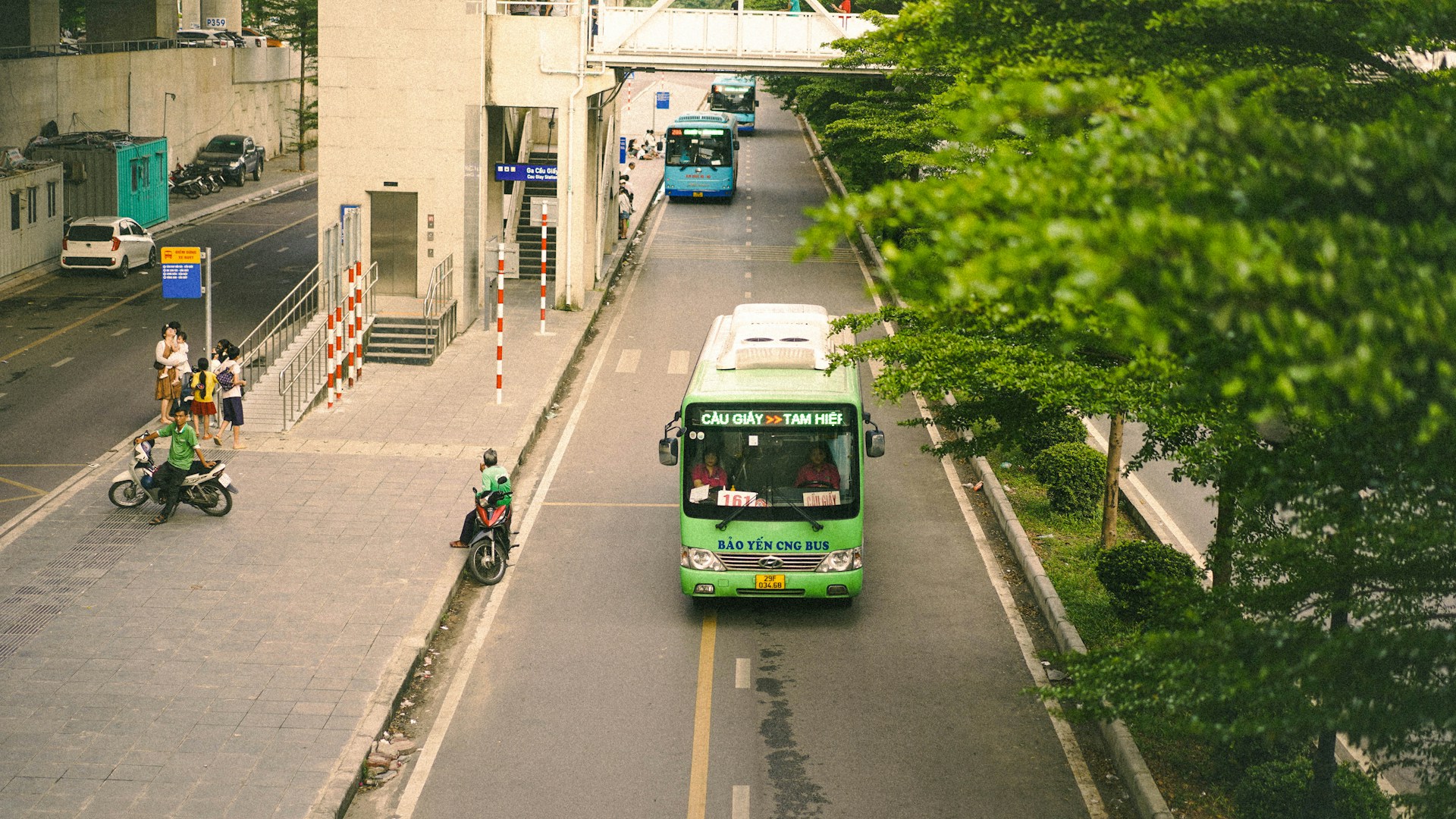
한국어 Vietnam’s public transportation system is built with buses as its backbone, serving as the primary mode for urban passenger transport.
15Sep2025
Latest News & Report / Vietnam Briefing
Comments: No Comments.
Vietnam’s urban transit remains bus-led while metro, BRT, river buses, and public bicycles are emerging—but service integration is still weak. Ridership has bifurcated: buses primarily serve cost-sensitive users (elderly, students, low-income workers), whereas metro attracts time-sensitive commuters and students with reliable, congestion-free travel. The article argues for a dual strategy—preserve buses as a social safety net and accelerate metro expansion—anchored by integration (unified ticketing, transfer hubs, feeder routes) to curb congestion and pollution and enable inclusive, sustainable mobility.
Forms of Public Transport in Vietnam
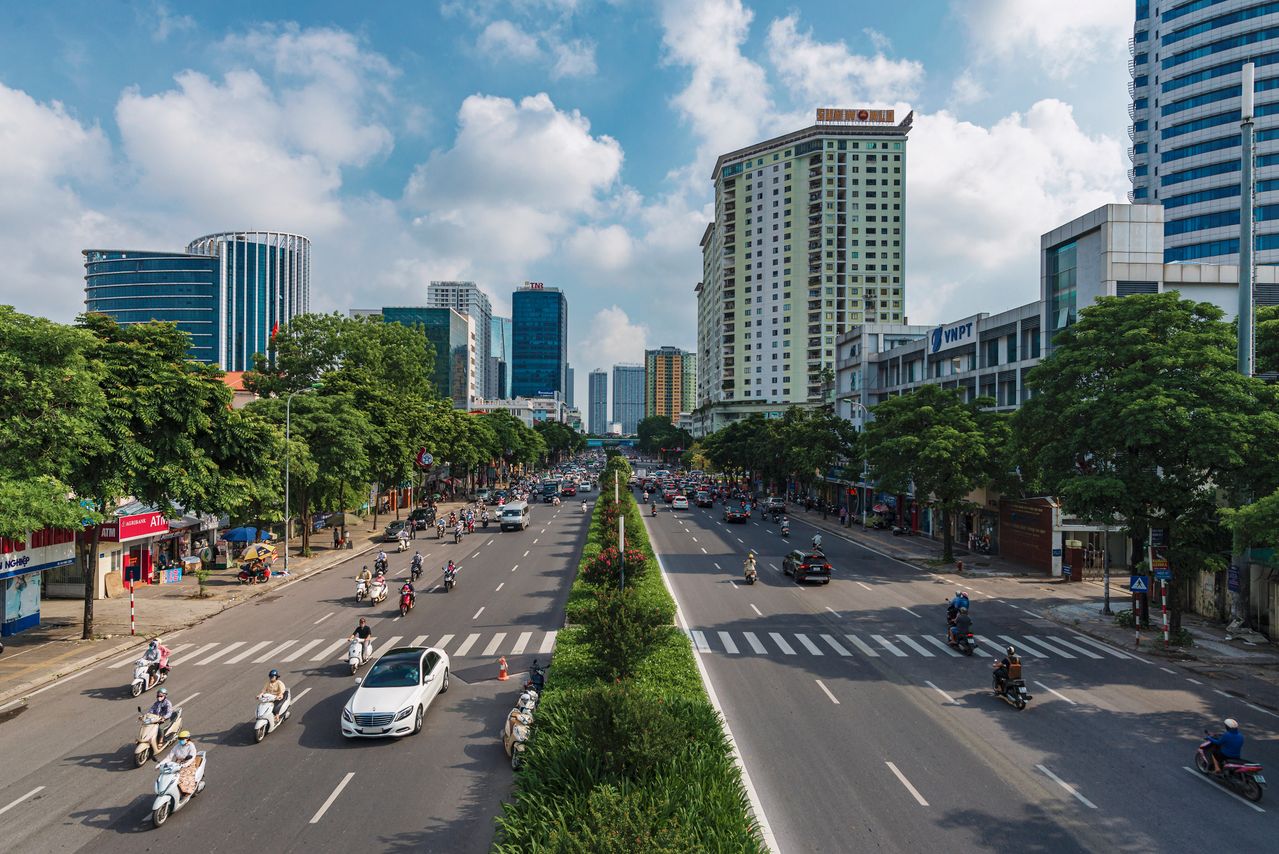
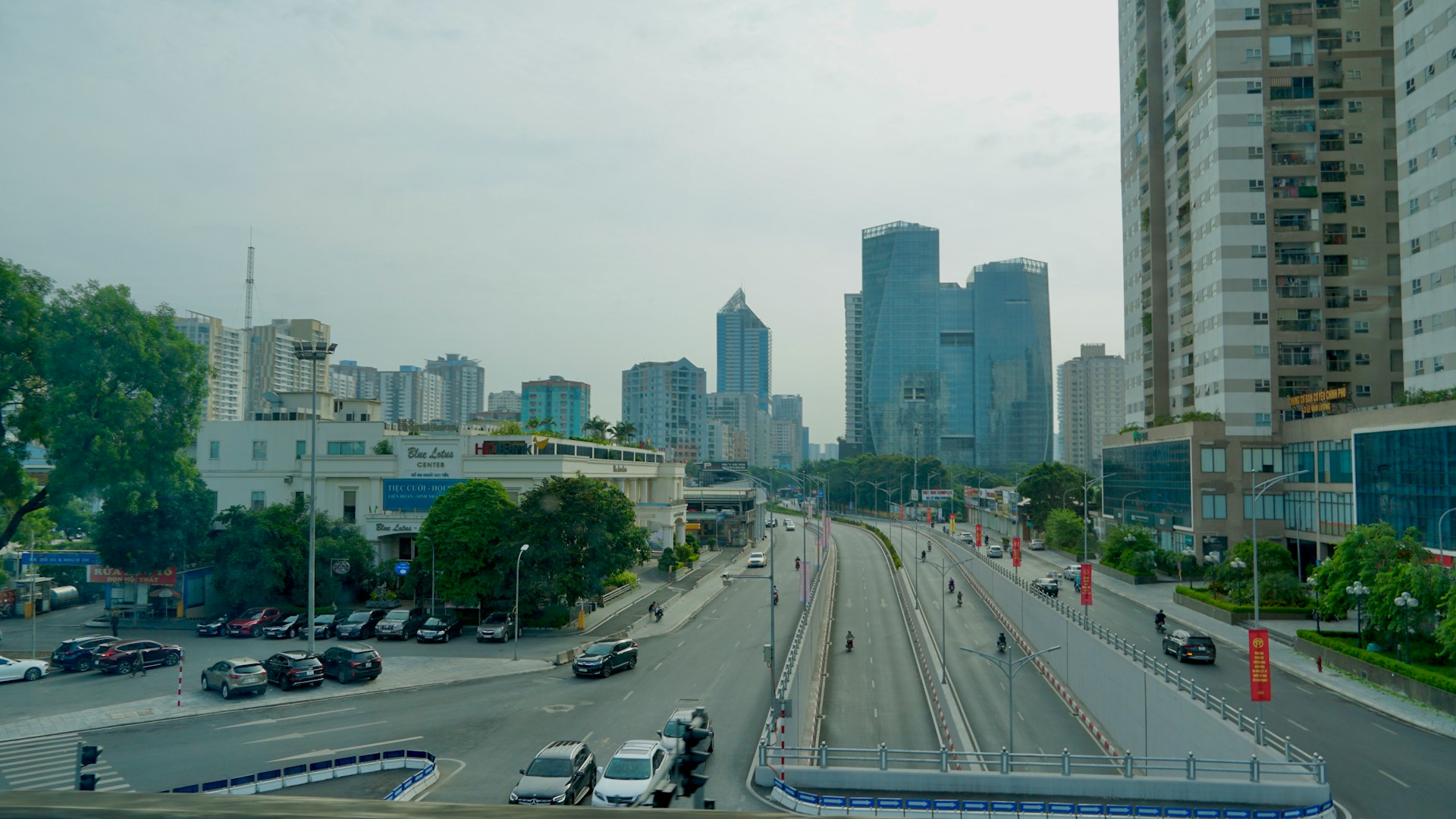
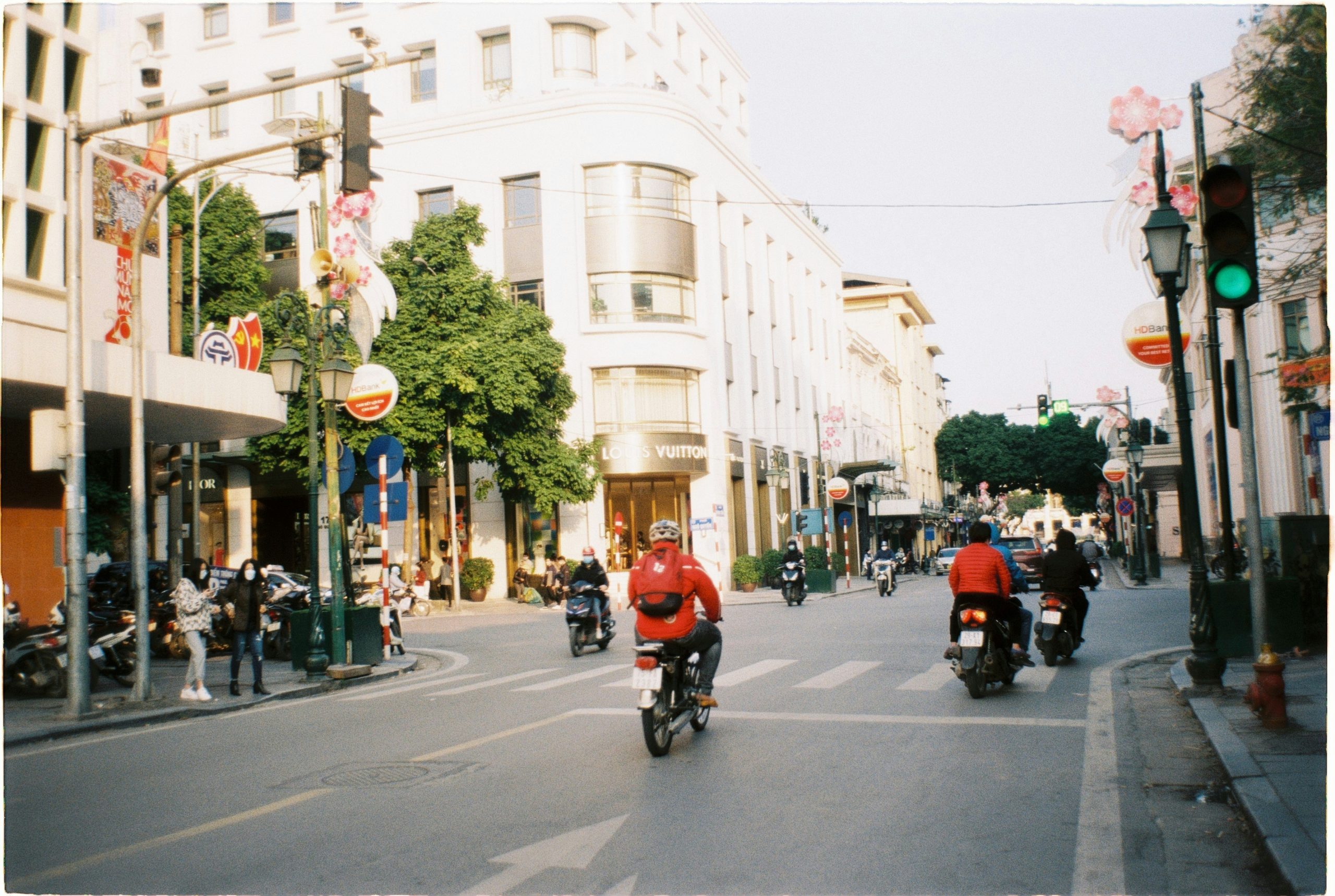
Currently, Vietnam’s public transportation system is built with buses as its backbone, serving as the primary mode for urban passenger transport. The network has extensive coverage in Hanoi, with more than 150 routes spanning all 30 districts and reaching about 80% of the population [1]. In Ho Chi Minh City, the system also has over 130 routes, but is concentrated mainly in the central districts [2].
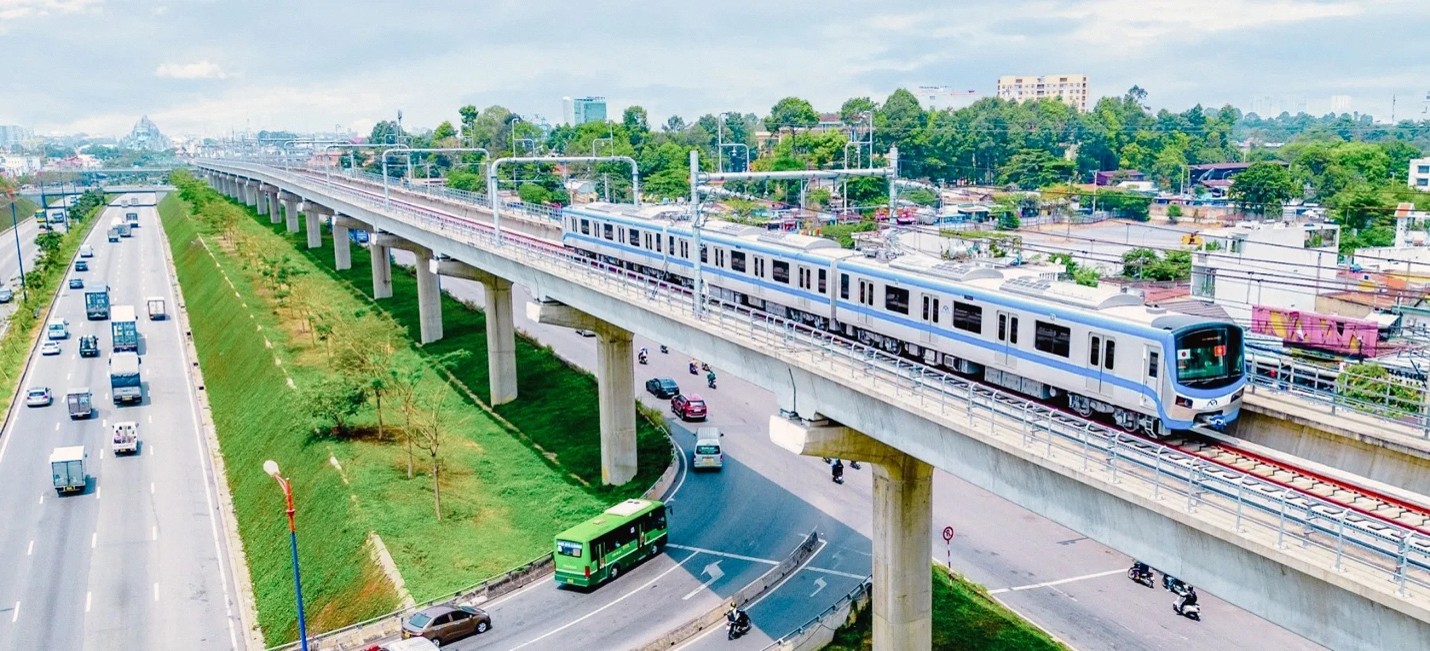
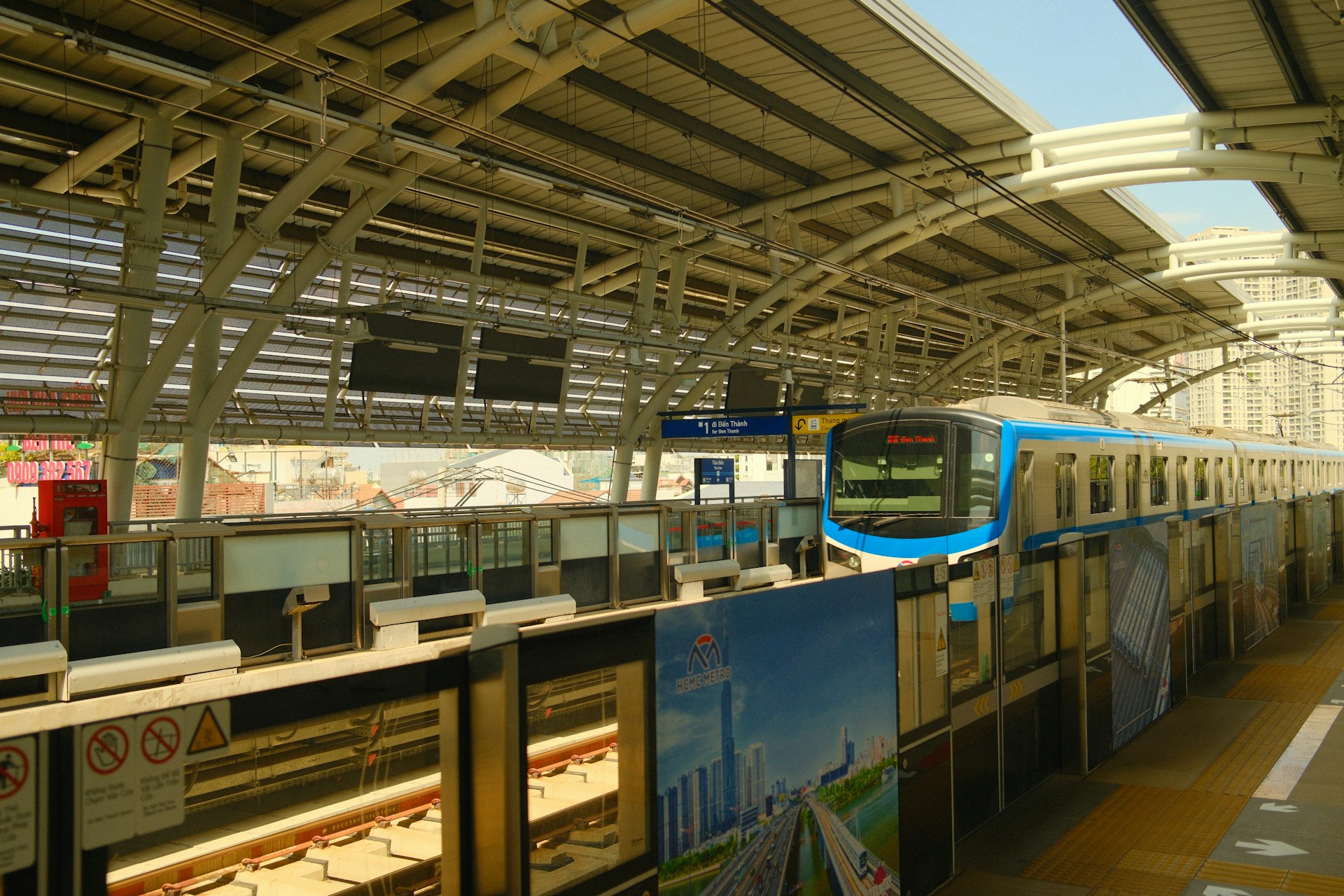
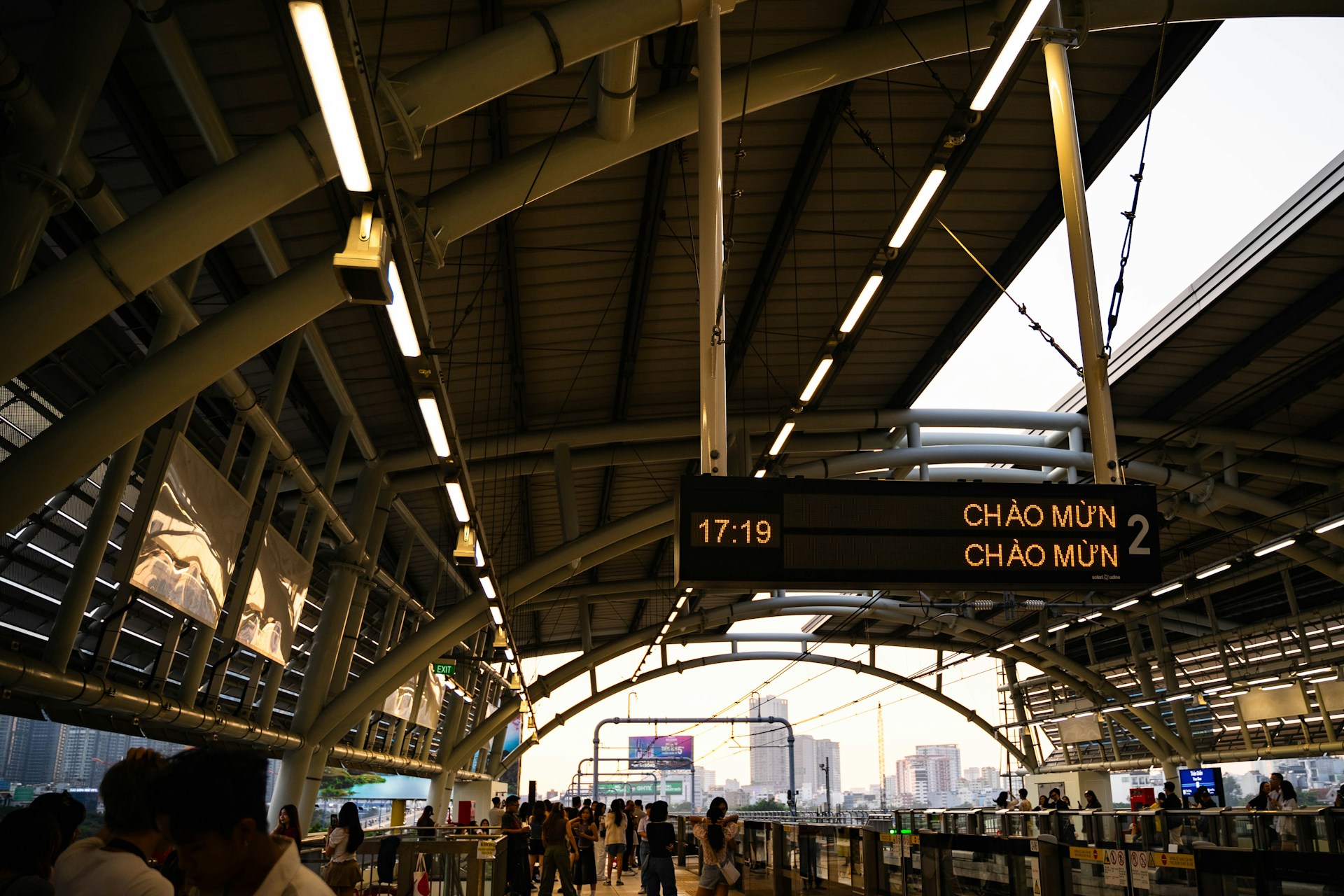
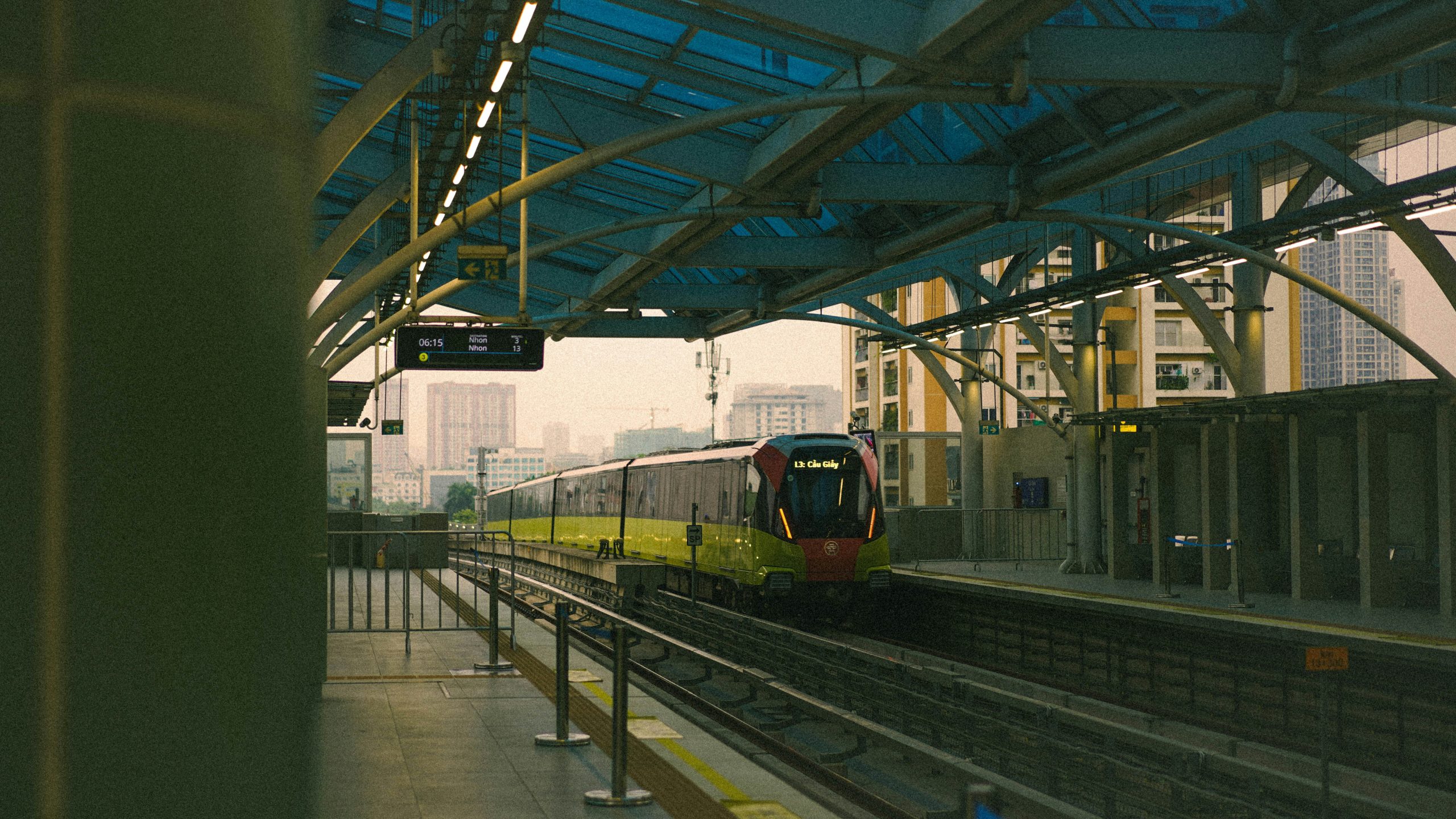
Alongside buses, high-capacity transit modes are gradually reshaping the transportation landscape. Urban rail (metro) is the core component, with approximately 21.5 km already in operation in Hanoi and nearly 20 km set to open in Ho Chi Minh City [3, 4]. Hanoi’s Bus Rapid Transit (BRT) system adds a 14.7 km route [5]. To complete the ecosystem and address last-mile mobility, supporting modes such as public bicycles have been introduced—nearly 100 stations in Hanoi and over 40 in Ho Chi Minh City—together with Ho Chi Minh City’s river bus service, all aiming to create a more seamless and convenient network for residents [6, 7, 8].
However, the current range of public transport options remains insufficient compared to user demand. Services still lack integration, resulting in a fragmented passenger experience. Buses, metro, BRT, river buses, and public bicycles have been developed as separate projects, without unified infrastructure, schedules, or payment systems. The absence of well-designed transfer hubs and secure parking for bicycles and motorbikes near metro stations or bus stops further limits efficiency, preventing the network from becoming truly cohesive and competitive with private vehicles.
Ideal number of buses in the 2 main cities
| Hanoi | Ho Chi Minh | |
| Current Buses | 1,300 | 3,000 |
| Ideal Bus Number | 6,300 to 7,300 | 8,000 to 9,000 |
Source: B&Company
Analysis of Public Transport User Characteristics
Bus
In Vietnam’s public transport landscape, the bus system operates as a crucial social service rather than just a mode of transit. Its ridership is not a cross-section of the urban population but is dominated by distinct:
– The elderly: This passenger group constitutes a significant proportion, notably in Hanoi, where over 587,000 free bus passes have been issued to citizens over the age of 60 [9].
– Students: This group constitutes the majority on bus routes. In Ho Chi Minh City, this figure reaches up to 58% of all passengers [10].
– Low-income workers: An analysis of income levels reveals that 44% of passengers earn less than 3 million VND per month, while 35% earn between 3–5 million VND per month [10].
The consumer behavior of bus passengers is primarily driven by cost factors, with government subsidies, free tickets, and discounted monthly passes acting as the key motivators. These motivations clearly shape their travel purposes, which are centered on repetitive and essential journeys such as commuting to school and work, or accessing public services. Furthermore, physical infrastructure factors, such as the availability of sheltered bus stops and the accessibility of route information, also play a significant role in sustaining usage habits. In essence, the bus system currently operates as a foundational public utility, ensuring access to transportation for vulnerable and economically disadvantaged population groups.
Metro
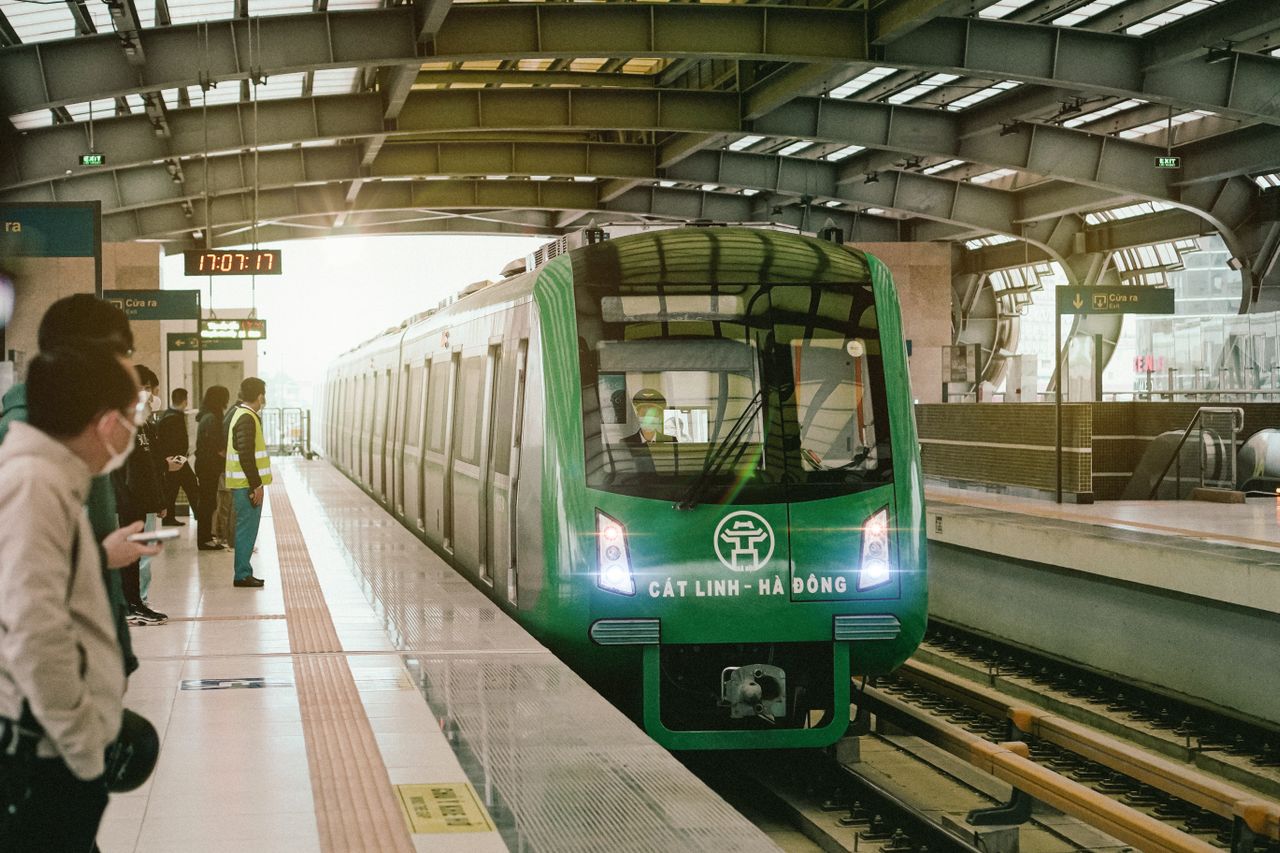
Metro, although recently launched, has quickly carved out a distinct user segment with higher demands for service quality and time efficiency. The metro system holds a special position in urban transport by targeting a group of users who prioritize time and reliability over cost [11]. The main users of the metro are:
– Office workers and civil servants: They account for the largest share, around 47%. This group has fixed daily travel schedules (morning commute and evening return) and places high importance on punctuality and reliability to avoid disruptions to their work. They are more sensitive to time than to cost.
– Students: Making up about 45%, this group likewise needs to travel frequently to school according to fixed timetables.
The consumer behavior of metro passengers is shaped by the core value of stable and predictable travel time, an advantage gained from operating on a dedicated line, unaffected by traffic congestion. This value fosters a stable and planned ridership pattern, as evidenced by the very high rate of monthly pass purchases, reaching 70% on weekdays and over 85% during peak hours. Notably, the metro’s appeal is also demonstrated in its ability to compete directly with private vehicles, with one survey showing that 80% of passengers have switched from motorbikes. Therefore, the metro is being positioned as a tool to enhance urban productivity, helping to optimize travel time for the workforce and students.
Implication
The landscape of public transport users in Vietnam’s major cities is not homogeneous but has been differentiated into two distinct segments. On the one side are cost-sensitive passengers whose travel decisions are primarily dependent on price, viewing the bus as their primary mode of transport. On the other side are users who prioritize time efficiency, see the metro as a superior solution, and are willing to pay a higher price.
This segmentation requires policymakers to adopt a dual development strategy that acts in parallel on both systems. First, for the bus network, the strategy should continue to reinforce its role as a pillar of social welfare by maintaining subsidy policies and expanding service coverage to suburban areas. Second, it is necessary to accelerate investment in and expansion of the urban railway (metro) network to quickly create a mass transit method that is attractive enough to compete with and replace private vehicles, thereby addressing the core issues of congestion and pollution.
However, a dual strategy cannot achieve maximum effectiveness if the element of connectivity is missing. Therefore, the third key policy implication is the need to enhance integration between the two systems. Developing synchronized solutions such as an integrated ticketing system, building convenient transfer stations, and planning feeder bus routes for the metro are essential steps. Only when seamlessly connected can the bus and metro synergize their strengths to form a comprehensive public transport network, truly becoming the backbone for sustainable urban development.
Conclusion
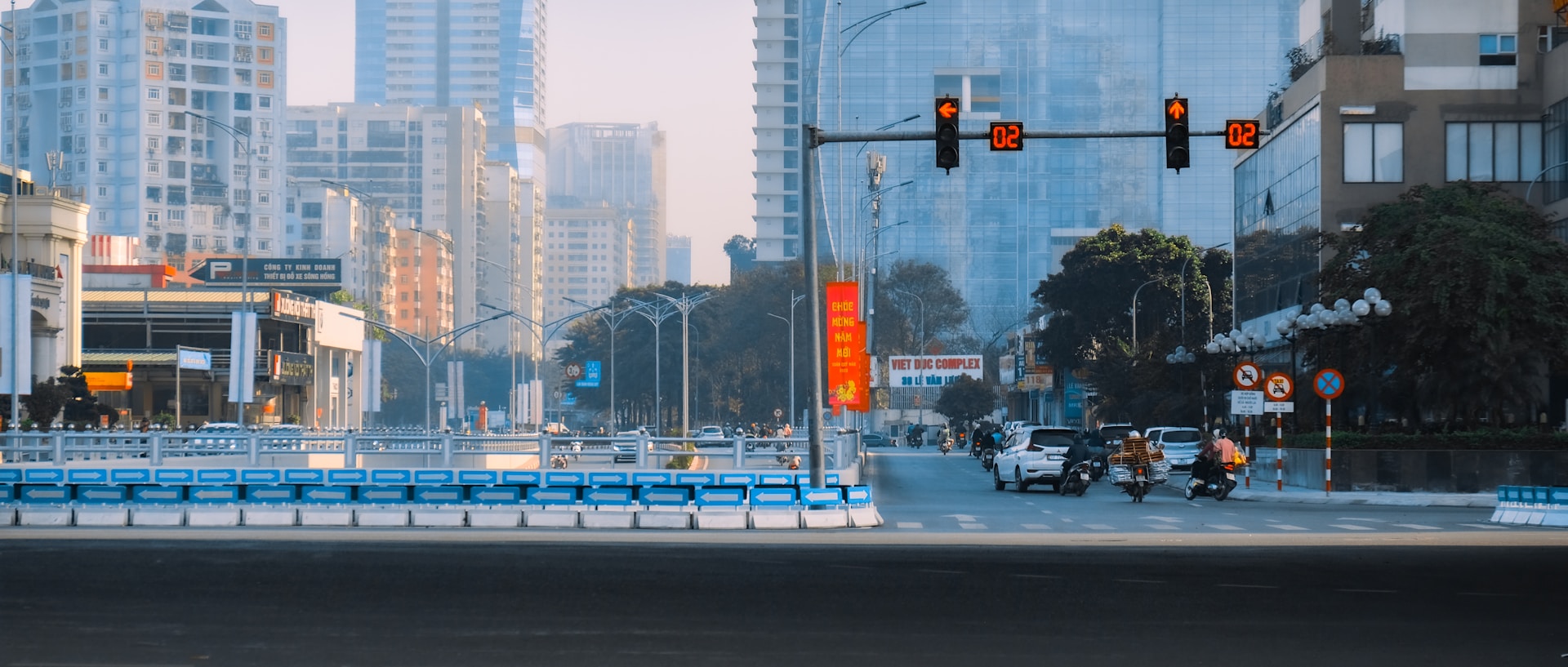
Recognizing and effectively leveraging this dual-system model will be the key to building a sustainable and inclusive urban transportation network in Vietnam. Rapid urbanization is turning cities like Hanoi and Ho Chi Minh City into traffic “hotspots,” where congestion, pollution, and infrastructure overload not only undermine quality of life but also threaten long-term development. In this context, public transport is no longer just an option — it has become an urgent necessity.
[1] Phap Luat va Xa Hoi, Hanoi: promoting the effectiveness of the bus network <Access>
[2] Sai Gon Online, From today 1-8: Ho Chi Minh City puts into operation 600 new buses <Access>
[3] VnExpress, 21 years waiting for a rail <Access>
[4] VnExpress, Ben Thanh – Suoi Tien Metro in operation <Access>
[5] Tien Phong, Will the BRT bus route in Hanoi be ‘terminated’? <Access>
[6] Government News, Integrated and seamless transportation: Solutions for green cities <Access>
[7] VTC News, Public bicycles in Ho Chi Minh City are at risk of being ‘erased’ <Access>
[8] Lao Dong News, Things to know when taking the Saigon river bus <Access>
[9] Phu Nu Viet Nam, 3 subjects are allowed to use unlimited free bus cards in Hanoi <Access>
[10] Research on bus using behavior of people in Ho Chi Minh City through Logit model <Access>
[11] Nhan Dan, More than 35 thousand passengers use the Cat Linh-Ha Dong railway every day <Access>
* If you wish to quote any information from this article, please kindly cite the source along with the link to the original article to respect copyright.
| B&Company
The first Japanese company specializing in market research in Vietnam since 2008. We provide a wide range of services including industry reports, industry interviews, consumer surveys, business matching. Additionally, we have recently developed a database of over 900,000 companies in Vietnam, which can be used to search for partners and analyze the market. Please do not hesitate to contact us if you have any queries. info@b-company.jp + (84) 28 3910 3913 |
Related article







Log in / Register
SUBSCRIBE NEWSLETTER