

 English
  日本語
日本語  Tiếng Việt
  简体中文
简体中文  한국어
한국어 After years of anticipation, the presence of metro lines in Hanoi and Ho Chi Minh City is shaping a new chapter for urban transportation.
13Aug2025
Latest News & Report / Vietnam Briefing
Comments: No Comments.
The urgent need for a transport revolution
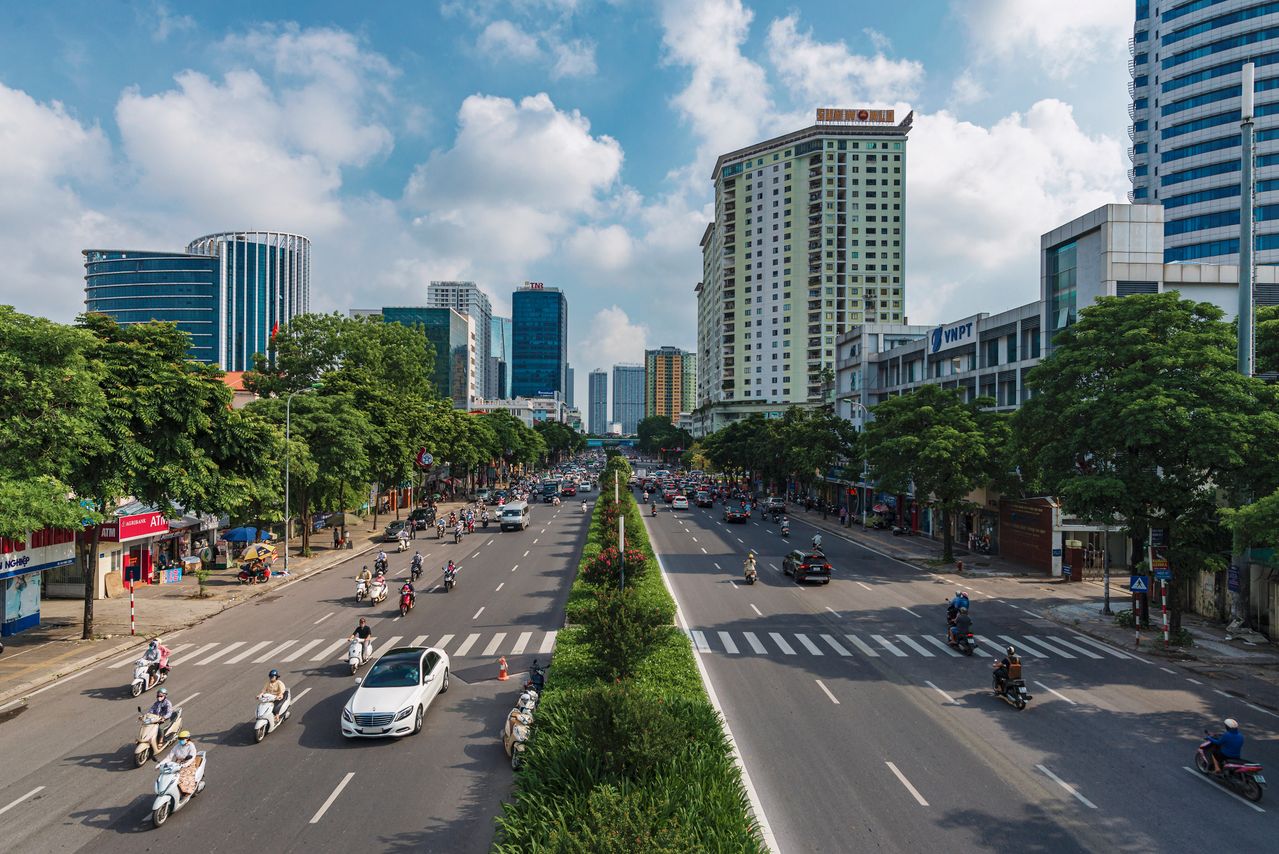
Over the past several years, air quality in major urban centers such as Hanoi and Ho Chi Minh City has consistently remained at alarming levels. Data from 2022 to March 2025 indicates that the Air Quality Index (AQI) in both cities frequently exceeds the safe threshold recommended by the World Health Organization (below 100), especially during peak traffic seasons and dry weather periods [1]. Air pollution not only poses direct threats to public health but also stands as a major factor contributing to the significant decline in urban quality of life.
AQI records in Hanoi from 2023 to 2025
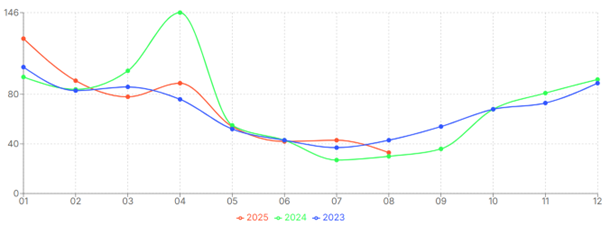
Source: B&Company Airdata 360
Air pollution in major cities largely stems from the overwhelming number of private vehicles, leading to chronic congestion, fuel waste, and the emission of harmful pollutants. In this context, the development of sustainable public transportation—especially metro systems—has become an urgent necessity. With high passenger capacity, electric operation, and zero direct emissions, metro systems help ease traffic pressure, improve air quality, reduce noise pollution, and reclaim urban space for public use. At the same time, they offer faster, more predictable travel, contributing significantly to the overall quality of urban life.
The current state of Metro development
The growing ambitions of both Hanoi and Ho Chi Minh City—seen through their expanding metro plans and faster project timelines—are not just a coincidence. They reflect a clear national consensus: building a full metro network is no longer a choice, but a must, to keep cities livable and competitive. Rapid urbanization has brought serious problems like traffic jams and pollution, putting pressure on the government to act. This urgency has pushed leaders to introduce special policies and explore bold solutions such as Transit-Oriented Development (TOD)- things that might not have been possible under normal conditions. In this way, ambition itself has become a driver for new policies.
Overview of Metro Plans in Hanoi and Ho Chi Minh City
| Item | Hanoi | Ho Chi Minh City |
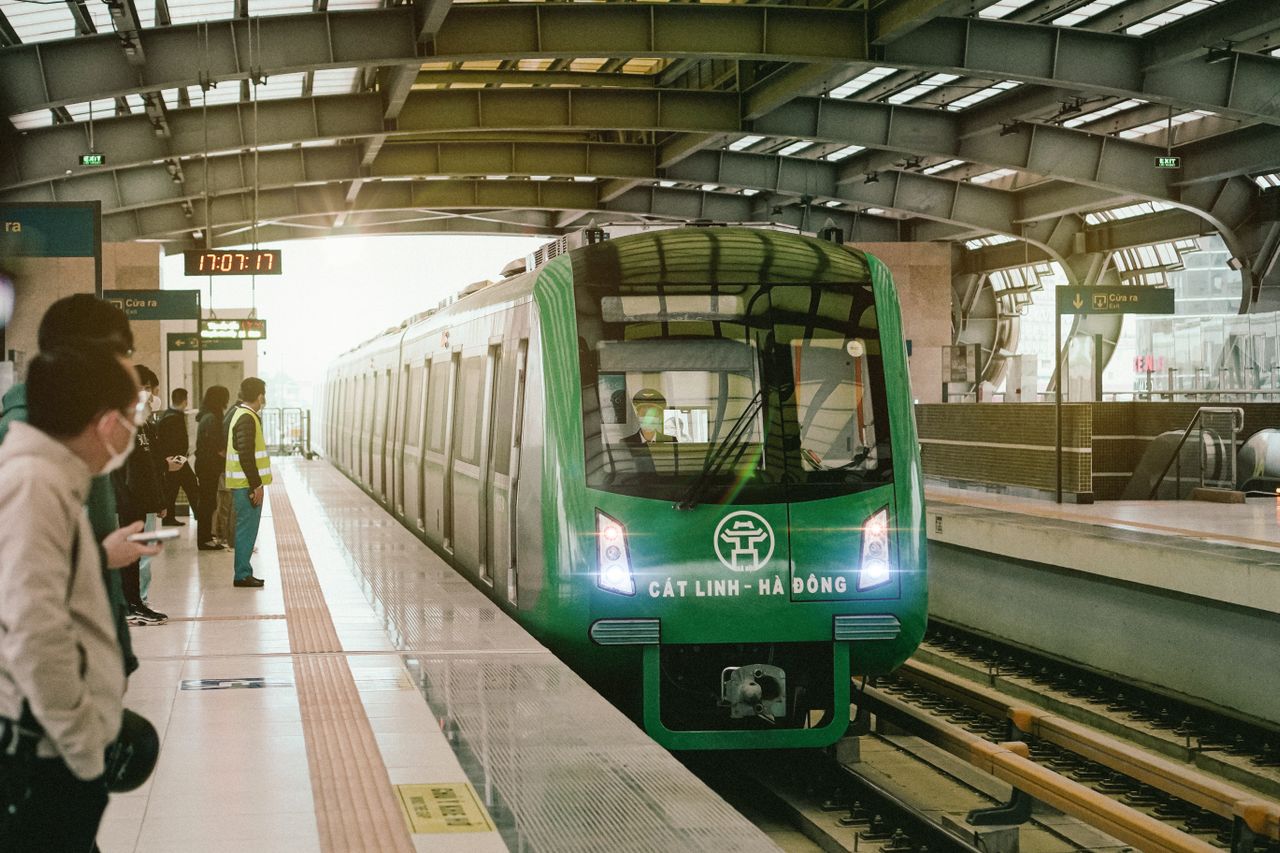
| Lines in operation | · Line 2A (Cat Linh – Ha Dong, 13.1 km) – China contractor Line 3 (elevated section: Nhon – Hanoi Station, 8.5 km) – Korea and Italy Joint venture contractor |
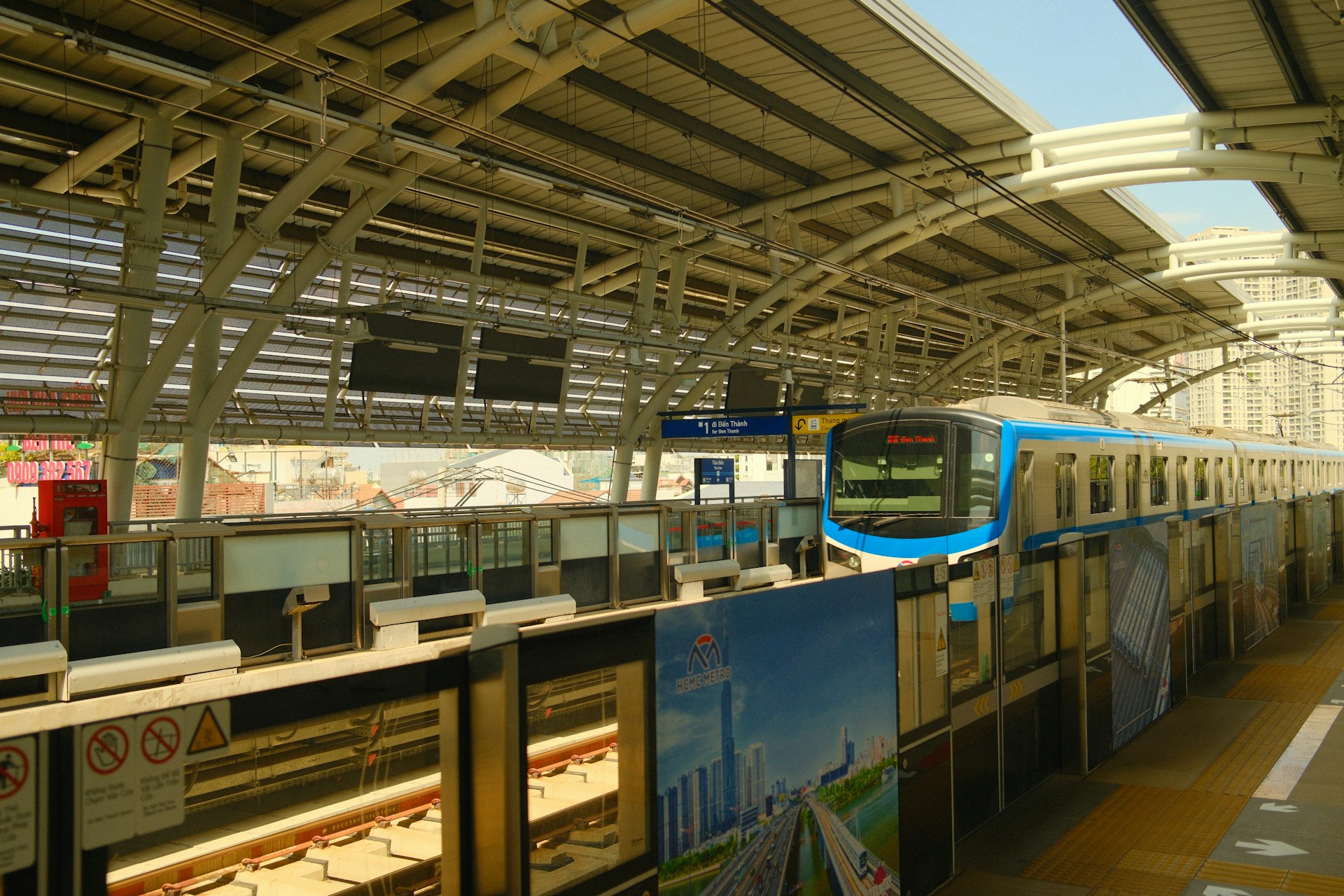
· Line 1 (Ben Thanh – Suoi Tien, 19.7 km) – Japan and Vietnam Joint Venture contractor |
| Lines starting soon | · Line 2 (Nam Thang Long – Tran Hung Dao) – Japan contractor Line 5 (Van Cao – Hoa Lac), expected to start by the end of 2025 |
· Line 2 (Ben Thanh – Tham Luong), expected to start by the end of 2025 |
| Long-term vision | 14–15 lines, over 600 km total, by 2065 | 12 lines, about 510 km total, by 2060 |
| 2035 target | ~400 km of the metro completed | 6–7 lines completed, totaling 183–355 km |
| Estimated total investment | Around USD 55.4 billion (by 2045) | Around USD 35 billion (by 2035); total projected over USD 40 billion |
| Managing agency | Hanoi Metropolitan Railway Management Board (MRB) | Ho Chi Minh City Urban Railway Management Board (MAUR) |
Source: B&Company compilation
Key challenges in Metro implementation
Vietnam’s metro projects are facing serious financial troubles, with all three of the first lines—Ben Thanh – Suoi Tien (Ho Chi Minh City), Cat Linh – Ha Dong, and Nhon – Hanoi Station (Hanoi)—suffering from major cost overruns. Budgets have increased by 67% to over 120% mainly due to poor planning, frequent design changes, and long delays that led to rising costs from inflation [2].
Projects with cost and time overruns
| Project | City | Initial Budget (USD billion) | Adjusted Budget (USD billion) | Cost Overrun (%) | Planned Completion | Actual/Expected Completion | Delay (years) |
| Line 1 | HCMC | 1.1 | 2.5 | ~127.3% | 2018 | 2024 | 6 |
| Line 2A | Hanoi | 0.5 | 0.9 | ~80% | 2016 | 2021 | 5 |
| Line 3 | Hanoi | 0.9 | 1.3 | ~44.4% | 2016 | 2027 | 11 |
Source: B&Company compilation
ODA (Official Development Assistance), once seen as a key funding source, has become a major bottleneck due to conflicts between donor rules and Vietnamese laws, leading to very low disbursement rates. In response, Ho Chi Minh City made a major shift by switching the funding for Metro Line 2 from ODA to the national budget—showing a more flexible approach when the traditional model no longer works [3].
Besides funding issues, metro projects are also stuck in complicated procedures, slow land clearance, a lack of unified technical standards, and weak project management [4]. This challenge is especially acute in the dense urban cores of Hanoi and Ho Chi Minh City, where decades of organic development have created a complex web of “tube houses” and small, privately-owned properties. Acquiring land requires lengthy negotiations over compensation with thousands of individual households, a process often stalled for years by disputes and complex legal procedures, as extensively documented in the case of HCMC’s Metro Line 2. The Cat Linh – Ha Dong line is a clear example: it depends on government subsidies to operate and missed all opportunities for commercial revenue from retail or advertising at stations [5]. This shows that metro systems cannot be financially sustainable if they rely only on public budgets without a workable financial model.
All these issues create a vicious cycle—delays lead to higher costs, higher costs increase risks, risks cause more delays, and delays reduce efficiency. Breaking this cycle requires a complete solution: institutional reform, financial restructuring, and modern project management.
The metro is convenient, but there are still many shortcomings
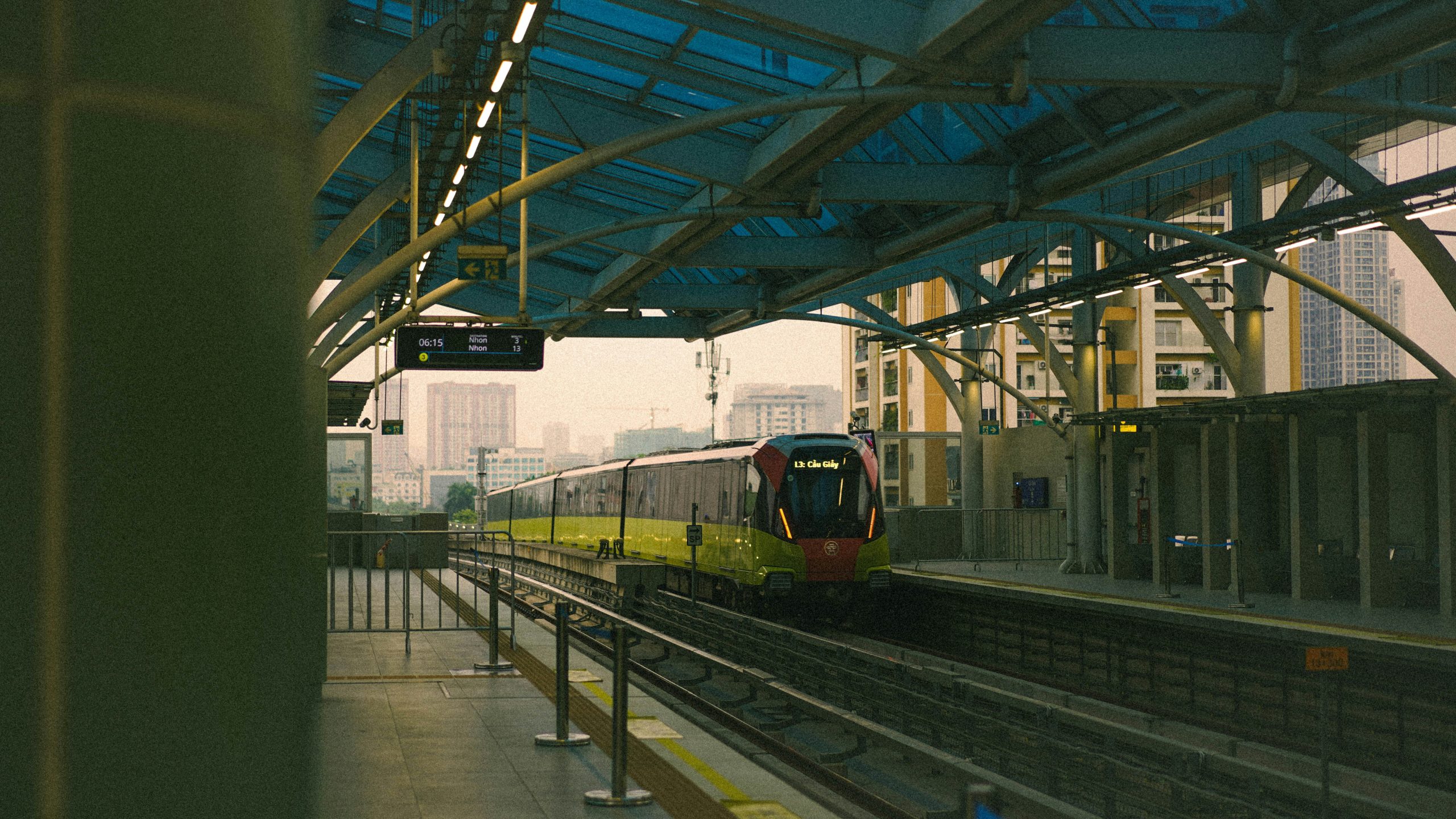
After years of anticipation, the presence of metro lines in Hanoi and Ho Chi Minh City is shaping a new chapter for urban transportation. However, the process of changing public commuting habits is a complex story, blending enthusiasm with very real challenges.
A segment of the population has quickly embraced the metro as a primary option. According to statistics from Hanoi Metro, over 60% of passengers during rush hour use monthly passes, indicating the formation of a loyal customer base of office workers and students [6]. The superior convenience comes from having a separate line that avoids traffic and shortens travel time. This punctuality and comfort are the main reasons many are willing to make the change.
Nevertheless, for the metro to become the first choice for the majority, a series of ingrained barriers remain. The biggest obstacle, reflected by many users, is the “first-mile, last-mile” connection problem. The metro system is falling into a state of lack of uniformity in technical standards (tunnel size, power supply method, signal, operation…) [7]. For example, metro lines that do not have compatible control and signal systems will not be able to run across the line. Lines that do not integrate a common ticket system result in passengers having to buy tickets multiple times if they want to travel on different lines.
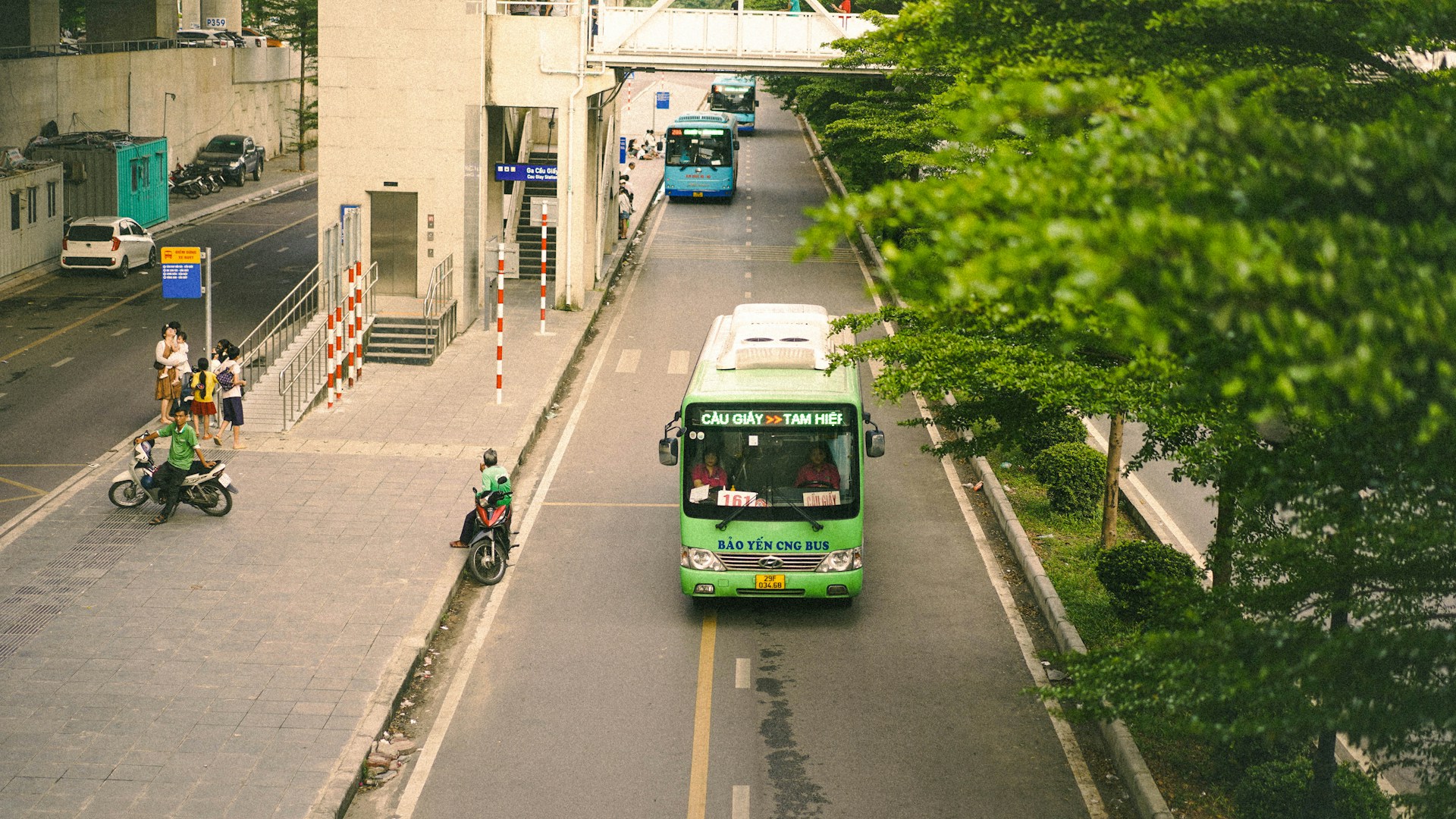
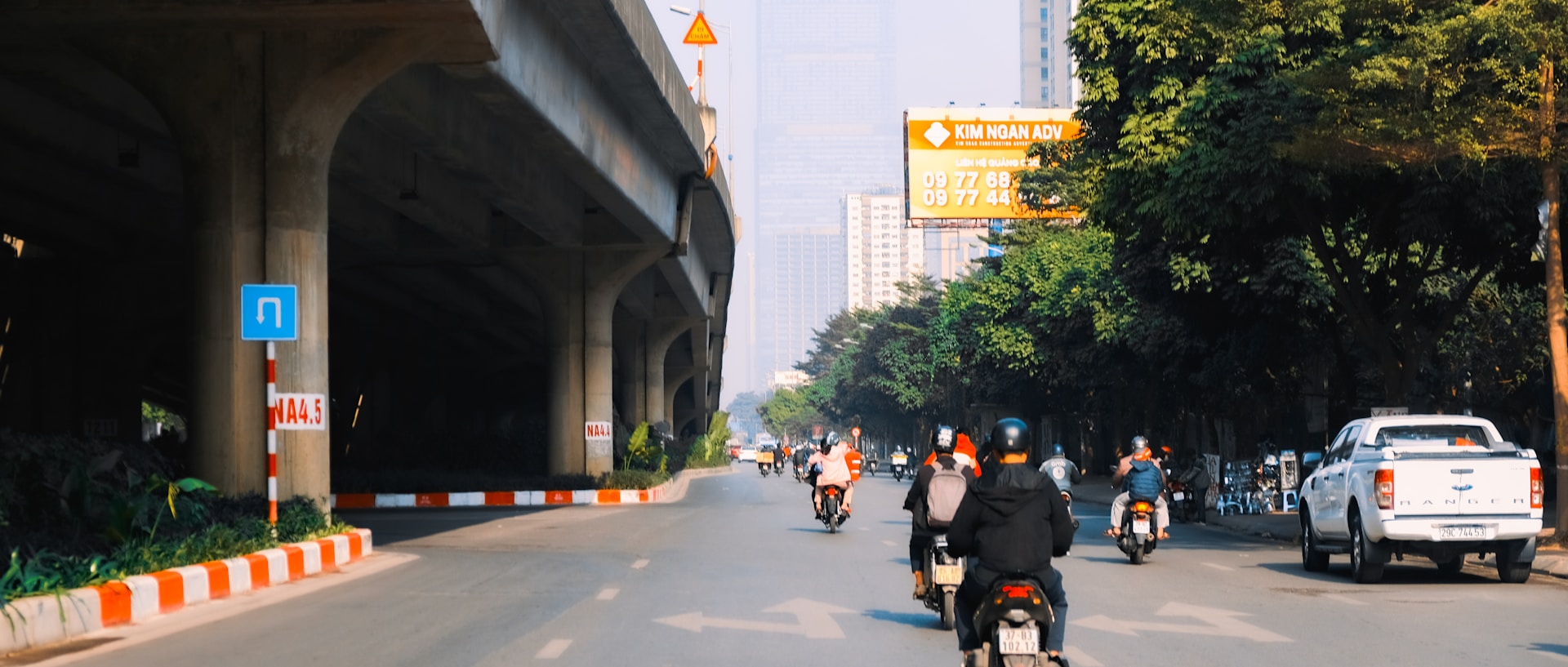
Another barrier preventing people from accessing the metro today is the disconnection from the bus network and the severe lack of parking at stations. For short distances not covered by bus routes, motorbikes are the only means for people to get to the train station. However, when they arrive, the lack of safe and convenient parking makes this option unfeasible. This vicious cycle has caused many users to hesitate in choosing the metro.
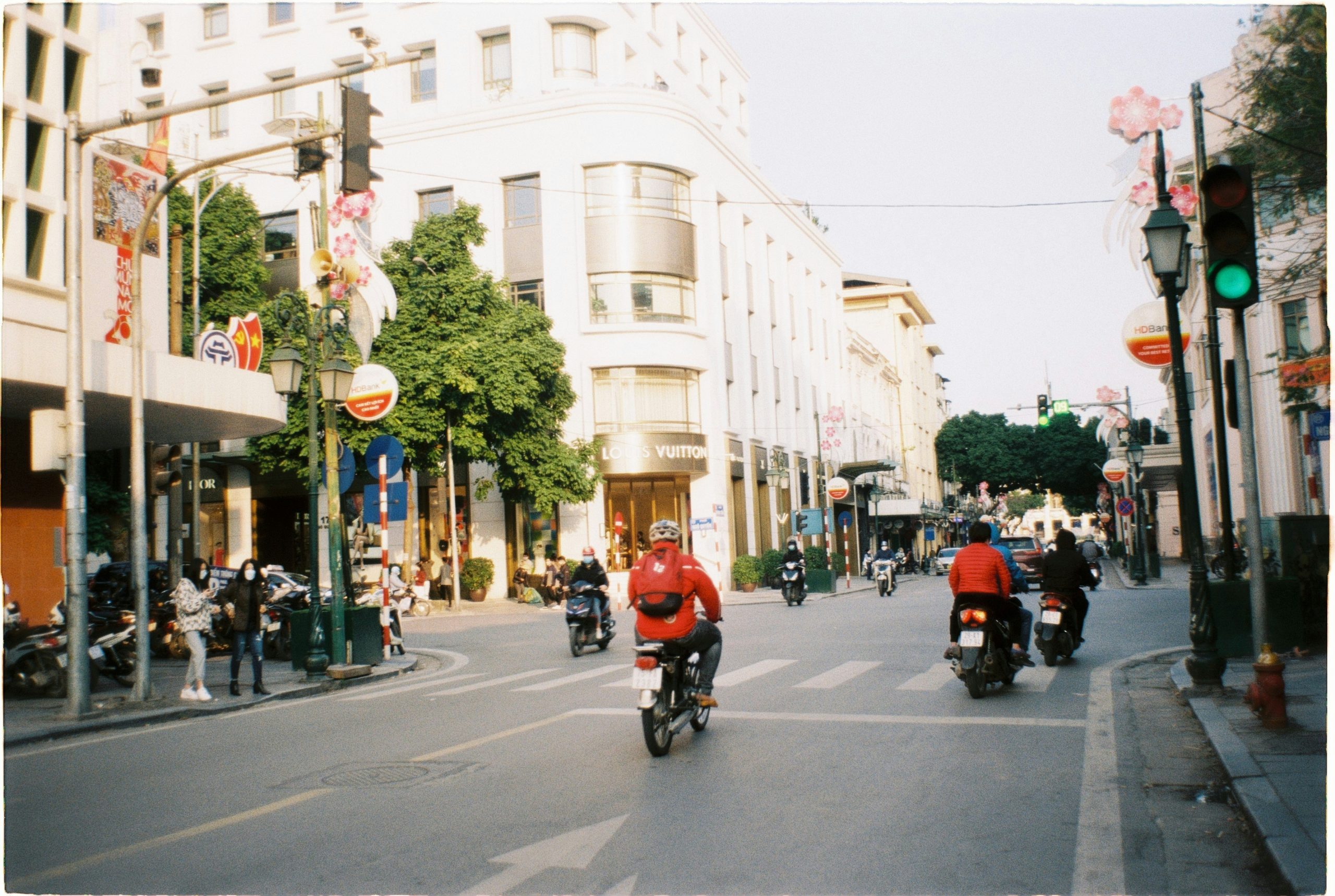
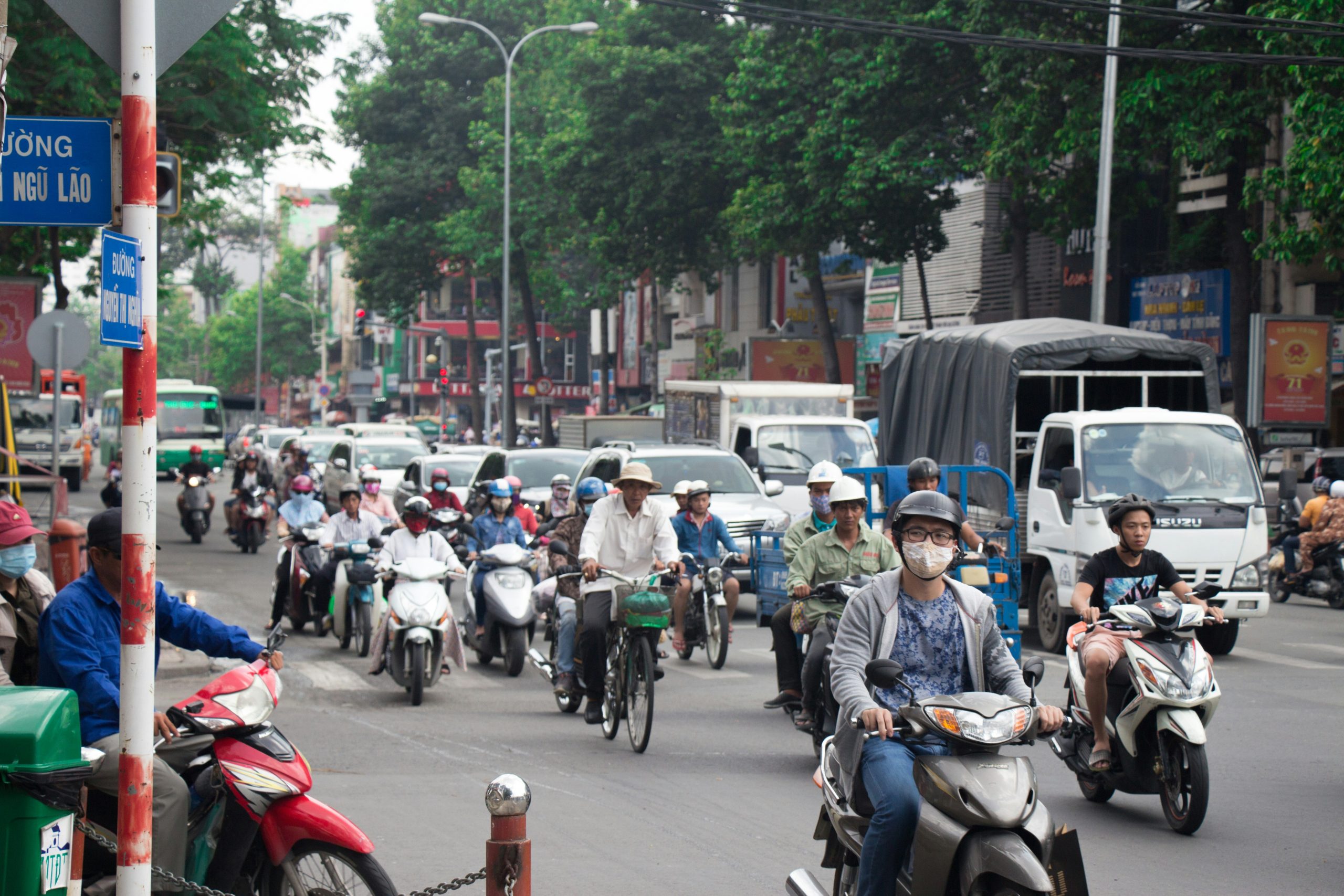
Ultimately, all these inconveniences point to the greatest challenge: competing with the deeply entrenched motorbike culture. The door-to-door flexibility of the motorbike is a standard that any public transport system, no matter how modern, will struggle to overcome without seamless connectivity and complete supporting infrastructure. Thoroughly addressing these inconveniences will be the decisive factor for the metro to truly become the backbone of urban transport in the future.
Conclusion
Metro development in Hanoi and Ho Chi Minh City marks a vital step toward more sustainable and livable urban environments. While significant progress has been made, the journey ahead remains challenging. Financial constraints, procedural delays, and connectivity issues continue to slow momentum. Overcoming these obstacles will be essential to unlock the full potential of metro systems and drive a true transformation in urban transportation. This is a chance to create a legacy of sustainable, prosperous, and well-connected cities for future generations. Past failures have revealed the path, and the necessary tools are now in hand. The time has come for bold and smart action.
[1] B&Company Airdata 360 <Access>
[2] VnEconomy, The turbulent fate of metro projects <Access>
[3] Lao Dong News, The $2 billion Metro line in Ho Chi Minh City has a major turning point <Access>
[4] VnEconomy, Nhon Metro Line – Hanoi Station: 14 years of waiting <Access>
[5] VnExpress, 10 years of construction of 13 km Cat Linh – Ha Dong urban railway <Access>
[6] Vietnam Plus, Over 60% of passengers on Nhon-Hanoi station metro use monthly passes <Access>
[7] Vietnamnet, Metro lacks connection, passengers must buy tickets many times <Access>
[8] Hanoi On, Lack of connectivity – a barrier to urban metro <Access>
* If you wish to quote any information from this article, please kindly cite the source along with the link to the original article to respect copyright.
| B&Company
The first Japanese company specializing in market research in Vietnam since 2008. We provide a wide range of services including industry reports, industry interviews, consumer surveys, business matching. Additionally, we have recently developed a database of over 900,000 companies in Vietnam, which can be used to search for partners and analyze the market. Please do not hesitate to contact us if you have any queries. info@b-company.jp + (84) 28 3910 3913 |
Related article











Log in / Register
SUBSCRIBE NEWSLETTER