

 English
  日本語
日本語  Tiếng Việt
  简体中文
简体中文  한국어
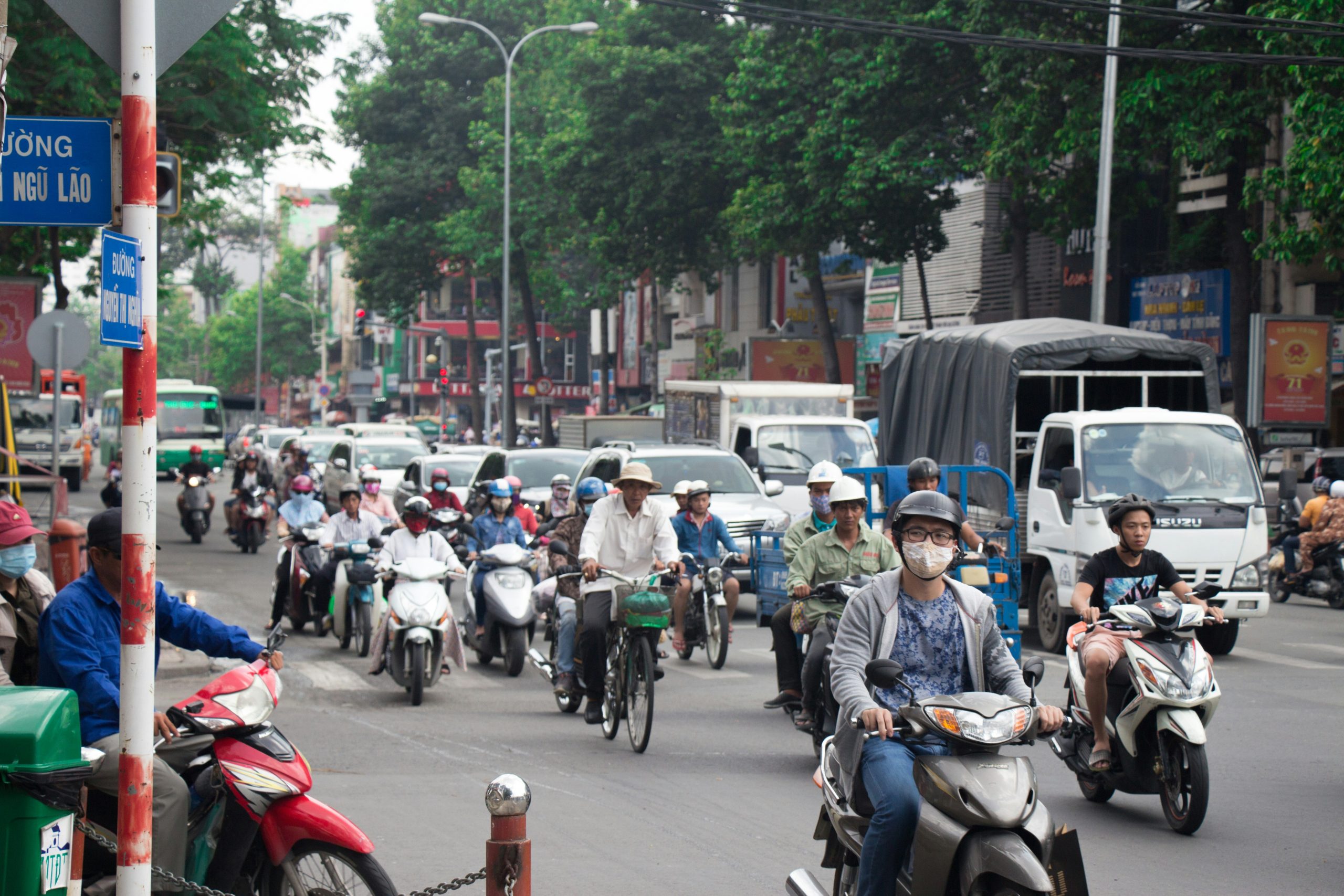
한국어 As urbanization accelerates and environmental pressures increase, Vietnamese people are changing the way they travel.
15Aug2025
Latest News & Report / Vietnam Briefing
Comments: No Comments.
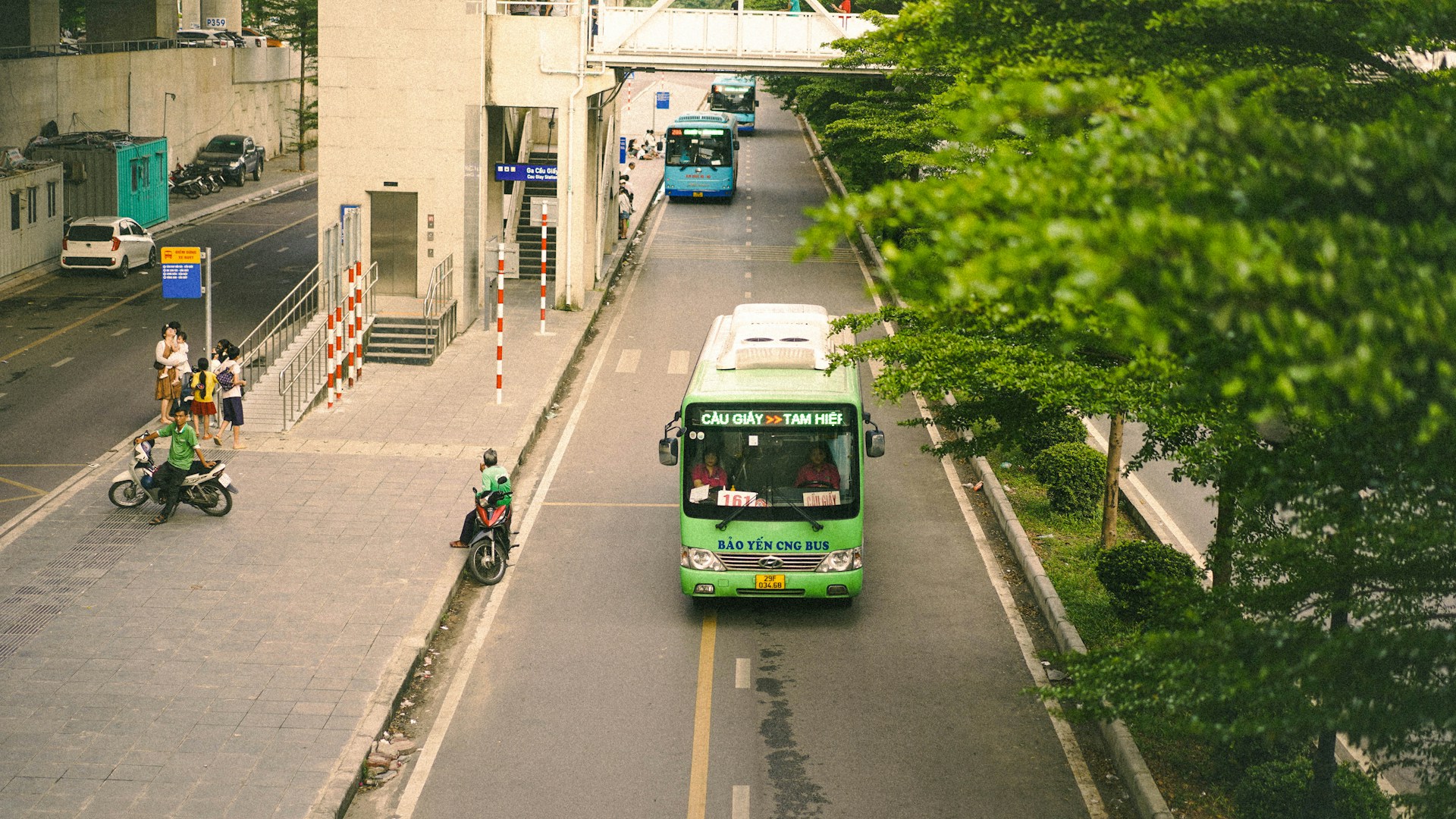
As urbanization accelerates and environmental pressures increase, Vietnamese people are changing the way they travel. Public transportation is no longer just about buses or metro lines—it is now approached through a technological lens, with smart digital applications right at users’ fingertips.
Rising Adoption of Public Transport and Mobile Applications
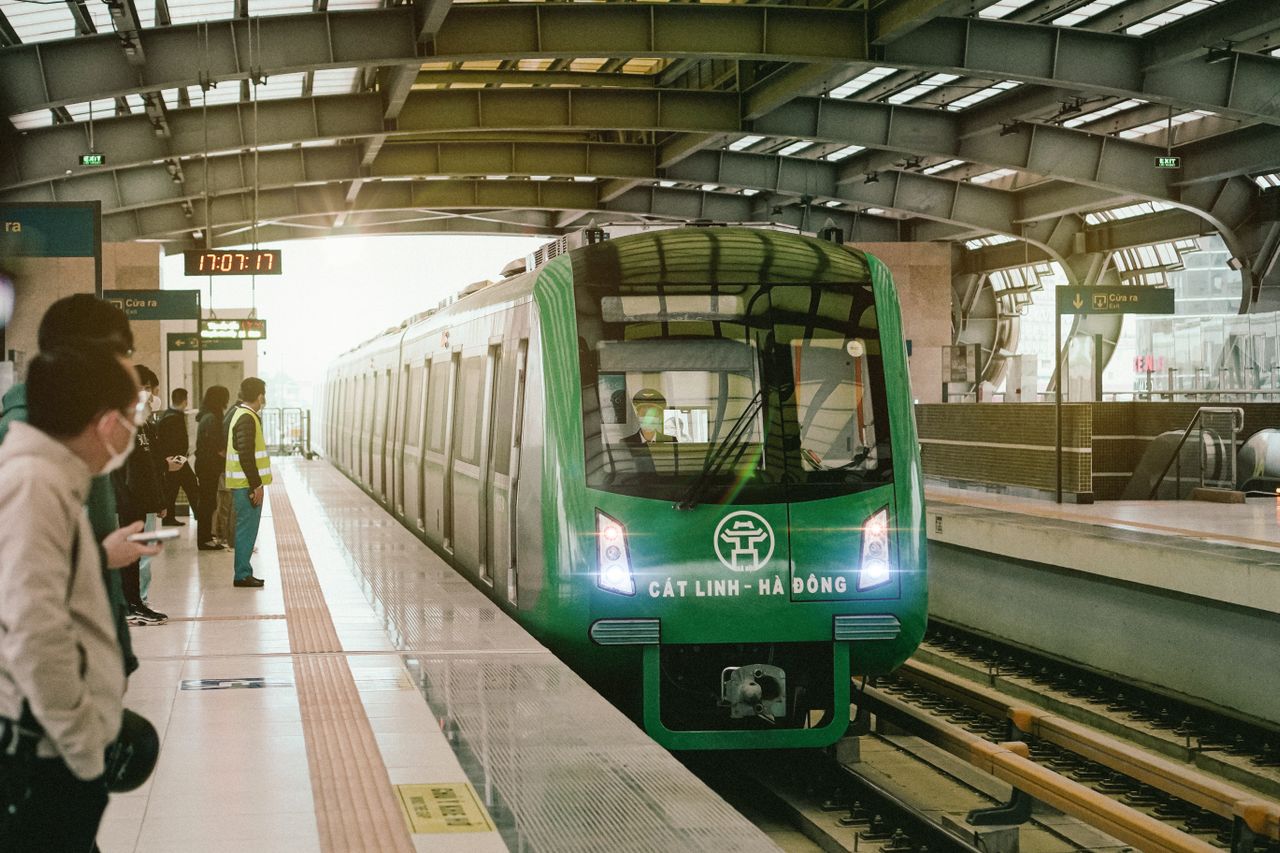
According to statistics from the Hanoi Public Transport Management Center (HPTC), in the first nine months of this year, Hanoi’s metro and bus systems transported over 357 million passenger trips—a 56.8% increase year-on-year, reaching 96.4% of the annual target [1]. Total revenue from the bus network was estimated at VND 410.2 billion, with around 5,451,201 vehicle trips and 410.2 million passengers. Passenger volume increased by 57.1% compared to the same period in 2022, reaching 94.7% of the plan. The Bus Rapid Transit (BRT) line alone transported about 3.4 million passenger trips [1]. Public transport is becoming increasingly favored by residents due to its convenience, helping to save both time and effort. At the same time, choosing public transport helps reduce the use of personal vehicles, thereby easing traffic congestion and lowering harmful emissions.
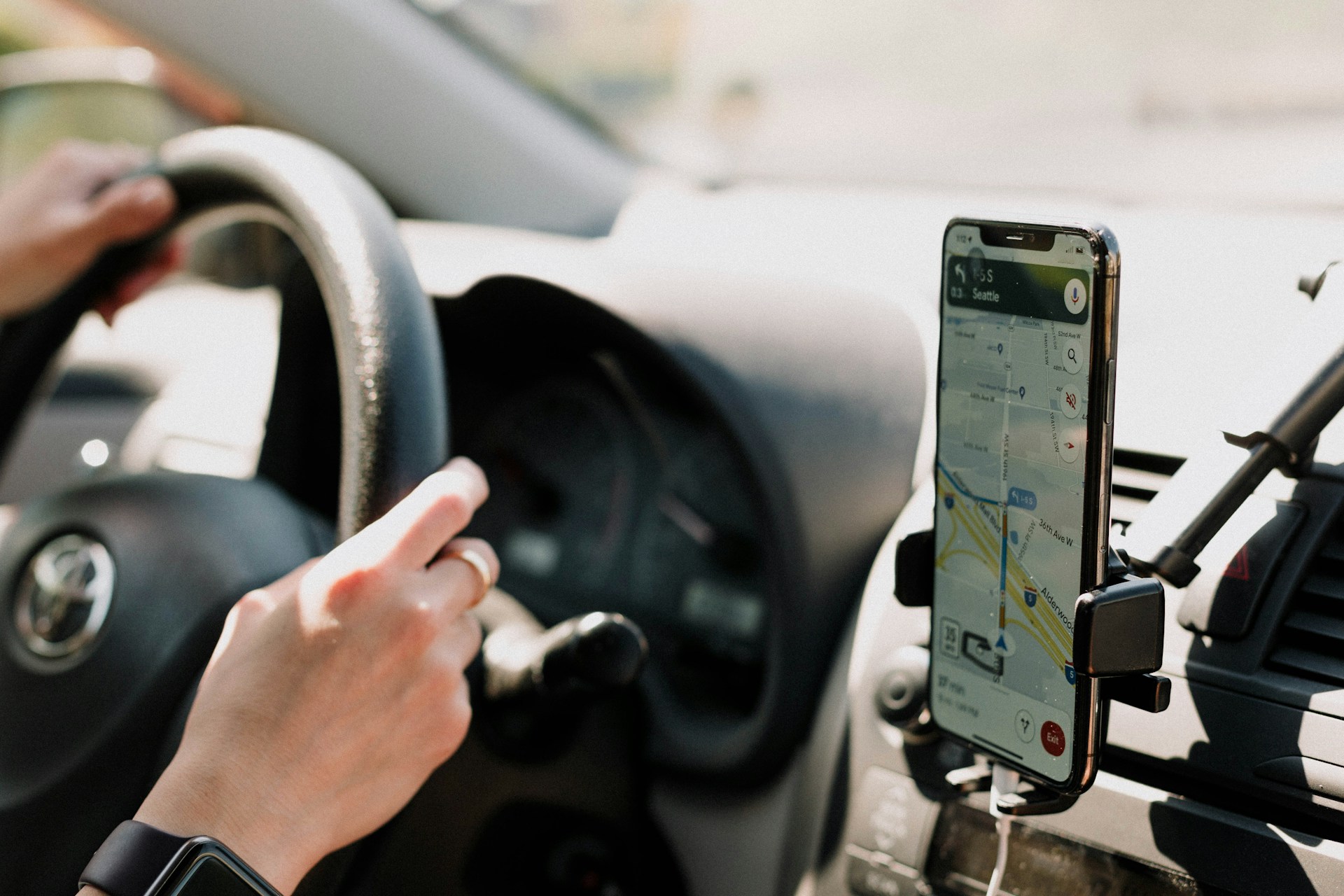
Vietnamese users—especially the younger generation—are increasingly viewing public transport apps as essential tools for navigating the city. According to BusMap, the leading application in the market, there are approximately 600,000 active users each year [2]. Most rely on key features such as route lookup, real-time bus arrival tracking, digital payments, and stop reminders. This signals a clear behavioral shift: from passively worrying about delays or missing stops to actively managing the journey. Today, the public transit experience often begins on a smartphone screen.
Public Transport App Ecosystem in Vietnam
The public transport application market in Vietnam is not a standalone arena, but rather a complex ecosystem involving multiple stakeholders—each with its own role and strategy. These players can be categorized into three main groups:
Three main group in Public Transport App Ecosystem
| Group | Characteristics | Examples |
| Specialized Apps | Applications developed with the core purpose of serving public transport users. | BusMap (Phenikaa MaaS), VinBus (VinGroup) |
| Government-backed Apps | Official apps issued or endorsed by Departments of Transport (DoT), aimed at delivering reliable information and managing services. | Go!Bus (FPT Information System, Grab),
Hanoi Public Transport e-Ticket (Transerco, Viettel, and Nhat Cuong Company) |
| Integrated Platforms | Super apps and e-wallets that do not directly offer public transport services, but act as distribution channels and payment gateways—thus exerting strong influence. | Momo (Momo e wallet),
Zalo Pay (VNG) |
Source: B&Company compilation
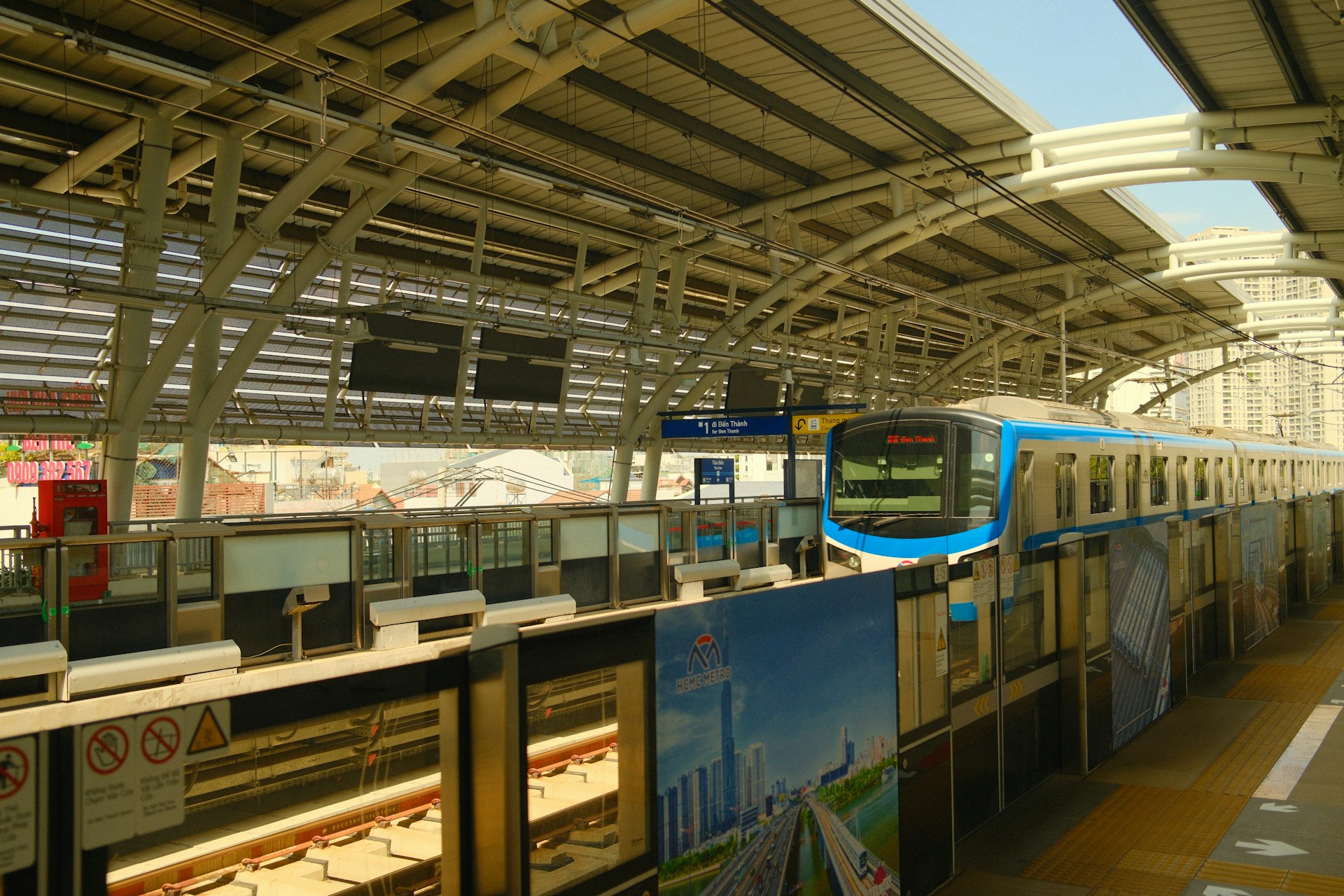
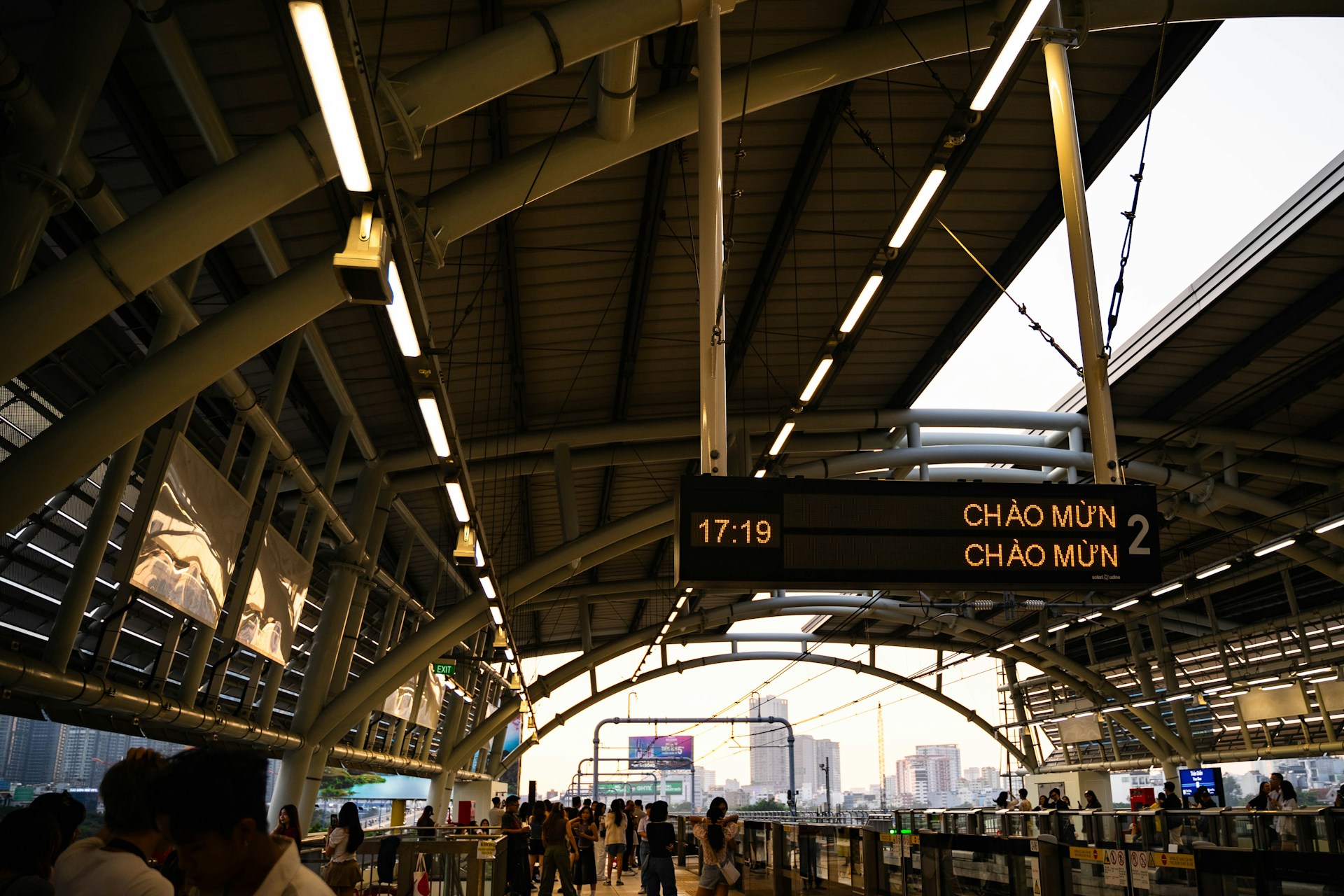
Currently, public transportation apps in Vietnam, such as BusMap, have made significant progress in linking various modes of transport to create a seamless journey for urban users. These apps are no longer limited to bus information; they have integrated data from both the elevated metro lines (metro) in Hanoi and Ho Chi Minh City, as well as waterbus services in Ho Chi Minh City. The system automatically calculates and provides optimal routes, flexibly combining walking, bus rides, and transfers to metro trains [3]. This clearly reflects the effort to address the challenge of multimodal transport, offering urban residents a more seamless experience.
However, when it comes to interprovincial travel, these apps reveal noticeable limitations. Their primary development focus remains on the urban public transport network in major cities. As a result, providing detailed and comprehensive information about interprovincial bus or train routes between provinces is still not their strong suit. Users who need to travel interprovincially often have to turn to other specialized platforms, such as apps from bus companies or train ticket booking websites, rather than being able to find this information on the same urban transportation app they use daily.
Some Key Public Transport Apps in Vietnam
| Criteria | BusMap (Phenikaa MaaS) | VinBus | Go!Bus
(Zalo mini App) |
Hanoi Public Transport e-Ticket |
| Estimated Downloads | > 4,500,000 | > 100,000 | > 261,000 visits (in 1 month) | Not publicly available |
| Monthly Active Users | ~ 600,000 | Not publicly available | ~ 245,000 users (in 1 month) | > 150,000 virtual cards issued |
| Geographic Coverage | 7 provinces in Vietnam, plus Thailand and Malaysia | Hanoi, Ho Chi Minh City, Phu Quoc | Ho Chi Minh City | Hanoi |
| Business Model | B2C (ads, premium) & B2B/B2G | Non-profit, integrated ecosystem | Public-Private Partnership (DoT & Zalo) | Public service (monthly pass management) |
| Key Strengths | Rich data, diverse features, proprietary tech | High-quality electric buses, Vinhomes & Xanh SM integration | Zalo distribution, no need to download separate app | Deep integration with Hanoi’s ticketing system |
Source: B&Company compilation
The public transport app market in Vietnam is not merely a battle of individual apps—it’s a competition among fundamentally different strategic models.
- BusMap represents the open-platform model, building a large user base independently and monetizing through ads, premium services, and B2B/G contracts.
- VinBus follows a closed ecosystem model, where the app is one link in a broader value chain serving residents within the Vingroup ecosystem, including seamless integration with VinHomes and Xanh SM services.
- Go!Bus, embedded within Zalo’s Mini App platform, exemplifies a Public-Private-Platform collaboration—leveraging an existing super app to rapidly gain users without starting from scratch.
The rapid success of Go!Bus via Zalo highlighted that distribution strategy and ecosystem integration may be more impactful than the number of features an app offers. While VinBus may not have millions of downloads, it excels at serving a highly targeted user base. Go!Bus, instead of building from zero, tapped into Zalo’s 77 million users to accelerate growth.
In contrast, BusMap, operating independently, must maintain a massive B2C user base to support its business model. This highlights an emerging truth in the competition for public transport users: the winning app may not be the most feature-rich, but the one most seamlessly integrated into the daily digital habits and various forms of public transport of urban citizens.
Public Transport App User Behavior
Motivations
Users are turning to public transport apps because they want to take control of their journeys. In the past, taking a bus often meant uncertain waiting times, missed connections, or getting off at the wrong stop. Apps like BusMap empower users by providing real-time bus tracking, multi-modal route planning, and stop reminders, transforming a passive and stressful experience into an active and predictable one.
Convenience and efficiency are also major drivers. Knowing the exact arrival time of a bus allows users to manage their schedules precisely, minimizing wasted time. The ability to easily look up routes and get step-by-step directions gives them the confidence to navigate unfamiliar areas, reducing the anxiety of getting lost. For many, these apps are essential tools for making public transport a reliable and user-friendly option.
Barriers to Adoption and Continued Use
While interest in public transport apps is growing, their adoption is held back by these fundamental issues:
Lack of reliability is the single most critical barrier. Users abandon apps when core data—such as real-time bus arrivals or GPS locations—is inaccurate or unstable. An app that provides wrong information breaks user trust and is often more frustrating than having no app at all.
Poor performance and usability can lead to a frustrating user experience, which will quickly drive users away. This includes technical problems like a laggy interface, frequent crashes, or high battery consumption. It also includes poor design, such as a confusing layout that makes it difficult to perform simple tasks like planning a route or finding a stop. If the app isn’t fast, stable, and intuitive, it fails to deliver its main promise of convenience.
A significant barrier is that current apps have a limited scope, as they are almost exclusively focused on urban transit, resulting in a fragmented journey for users. They do not provide information or planning for inter-provincial travel (e.g., buses or trains between cities like Hanoi and Hai Phong). This forces users to switch to separate booking platforms like Vexere, creating a disjointed experience and preventing a single, all-encompassing travel plan.
Expected Features
The most valued feature is real-time bus tracking. Users want to know exactly when the next bus will arrive so they can plan accordingly.
Smart route planning is essential for new or occasional riders. The best apps offer multiple route options, combining walking and transfers to minimize waiting and confusion.
Stop reminders are small but impactful—especially for first-time riders or those who tend to get distracted.
Digital payment is becoming the default expectation. Scanning a QR code or using wallets like MoMo or ZaloPay makes the experience seamless and cashless.
Finally, offline functionality—as seen on BusMap—is highly appreciated. It allows users to check routes even without mobile data or internet access, which is particularly useful in transit.
Conclusion
Vietnam’s public transport landscape is undergoing a digital transformation—driven by rising urban demand, growing environmental awareness, and the increasing influence of mobile-first lifestyles. Public transport apps have become essential tools for many commuters, offering convenience, control, and cost savings. While challenges remain—from motorbike habits to infrastructure gaps—strategic integration with digital ecosystems and attention to user experience will define which platforms lead the way. In the end, the most successful apps won’t just move people—they’ll move with them, seamlessly woven into the rhythm of urban life.
[1] Kinh te do thi News, Public passenger transportation has recovered and grown strongly <Access>
[2] Thanh Nien, The “father” of BusMap wishes for one thing… <Access>
[3] Nhan Dan, Access public transportation services through the Go!Bus app in Ho Chi Minh City <Access>
B&Company
The first Japanese company specializing in market research in Vietnam since 2008. We provide a wide range of services including industry reports, industry interviews, consumer surveys, business matching. Additionally, we have recently developed a database of over 900,000 companies in Vietnam, which can be used to search for partners and analyze the market.
Please do not hesitate to contact us if you have any queries.
info@b-company.jp + (84) 28 3910 3913
Related article
















Log in / Register
SUBSCRIBE NEWSLETTER