

 English
  日本語
日本語  Tiếng Việt
  简体中文
简体中文  한국어
한국어 With recent proposals like the 'golden visa' to attract global elites, Vietnam is signaling its openness to foreign talent and investment.

07Jul2025
Latest News & Report / Vietnam Briefing
Comments: No Comments.
Vietnam is rapidly emerging as a top destination for expatriates seeking a blend of rich culture, affordable living, and growing economic opportunities. With recent proposals like the ‘golden visa’ aimed at attracting global elites, the country is signaling its openness to foreign talent and investment.
Navigating Vietnam’s Visa system: from short-term travel to long-term residency
Foreigners wishing to reside in Vietnam can choose from various visa categories tailored to their purpose—tourism, business, work, investment, or family. Most short-term travelers rely on the e‑Visa, which allows stays of up to 90 days for a fee of around USD 25–50 and can be single or multiple-entry. Frequent travelers often use visa-on-arrival arrangements, though extensions typically require leaving the country and reapplying
For those entering Vietnam on business, the DN (business) or NN (non-commercial) visas provide authorization for activities like meetings, project work, or NGO assignments. These visas generally last one year and require sponsorship from a registered entity within Vietnam ([1]). Employment-based visas (LD category) are available to those with work permits and can be valid for up to two years; many expats convert these onshore for longer-term residence.
Vietnam E-visa platform

Source: thithucdientu
In a strategic move to bolster its tourism and investment sectors, Vietnam has proposed a 10-year ‘golden visa’ program. This initiative targets long-term tourists, foreign investors, and skilled professionals, offering extended residency options. The program is set to be piloted in major cities like Ho Chi Minh City, Hanoi, Da Nang, and Phu Quoc. The golden visa encompasses three tiers: a 5 to 10-year residency visa, a 10-year investor visa with a pathway to permanent residency after five years, and a five-year renewable talent visa for skilled professionals. This move aligns Vietnam with other Southeast Asian nations like Thailand and Malaysia, which have implemented similar programs to attract global talent ([2]).
Living costs in Vietnam
One of the primary reasons expats are increasingly drawn to Vietnam is the relatively low cost of living. Compared to Western cities or even other Asian capitals, Vietnam remains budget-friendly while offering a good quality of life. Whether you’re living in Hanoi or Ho Chi Minh City, you’ll find that daily expenses are remarkably affordable.
Vietnam is widely regarded as a very affordable place to live, especially when compared to other popular expat destinations like Europe or Singapore. The cost of living in Vietnam is significantly lower, particularly in terms of daily expenses such as food, accommodation, and transportation. The table below compares the cost of living between major cities in Vietnam (Ho Chi Minh City) and Singapore, showing that prices in Singapore are 3 to 5 times higher. Although the average income in Singapore is higher than in Vietnam, expat salaries in Vietnam are generally not much lower than those in Singapore. Therefore, they still benefit from the lower cost of living in Vietnam.
Comparison of living prices in Vietnam and Singapore (2025)
| Expense | Vietnam (USD) | Singapore (USD) |
| Meal at an inexpensive restaurant | 2.0 | 10.9 |
| Milk (1 liter) | 1.5 | 3.0 |
| Rice (1 kg) | 1.0 | 2.9 |
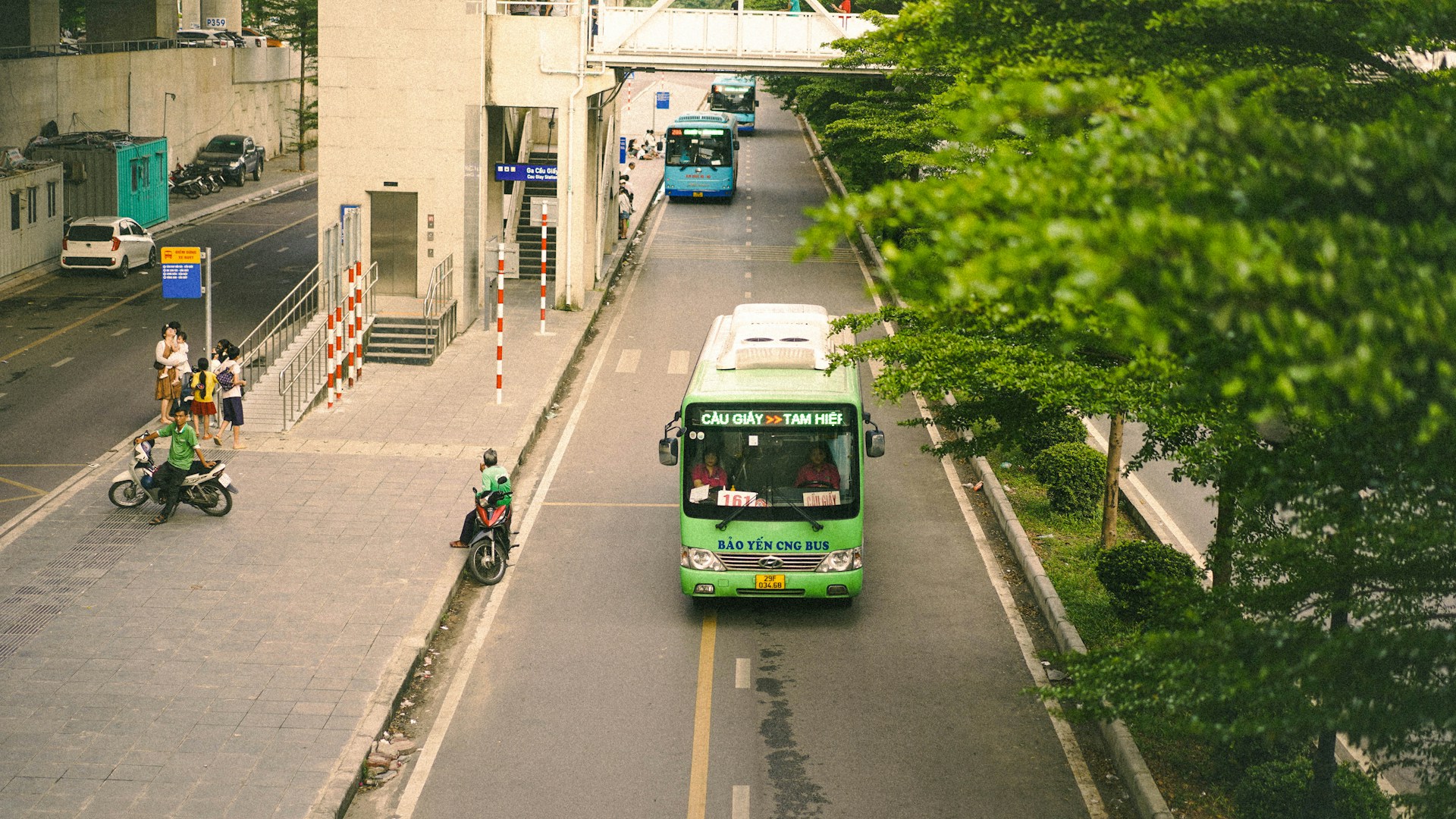
| Monthly public transport pass | 10.6 | 93.3 |
| Gasoline (1 liter) | 0.9 | 2.21 |
| Monthly rent (1-bedroom apartment in city center) | 528.0 | 3,152 |
| Utilities (electricity, heating, cooling, water, garbage) | 85.6 | 158.0 |
| Internet (60 Mbps, unlimited) | 9.6 | 36.9 |
Source: https://www.numbeo.com/
Safety in Vietnam
Safety is a significant consideration for expatriates, and Vietnam is generally regarded as a safe country to live in. In 2024, the New York-based organization Best Diplomats ranked Vietnam eighth among the top 10 safest countries in Asia, citing its low crime rates, political stability, and secure environment (
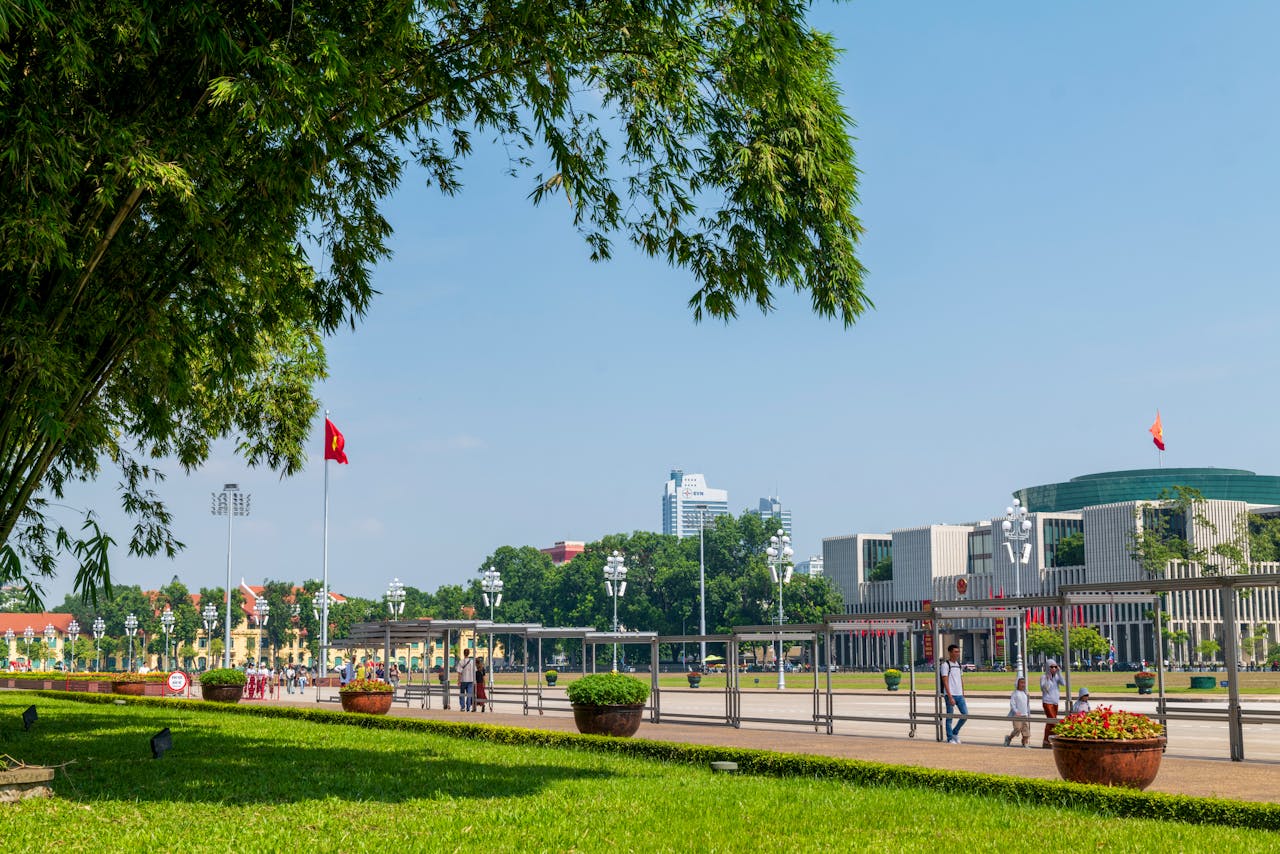
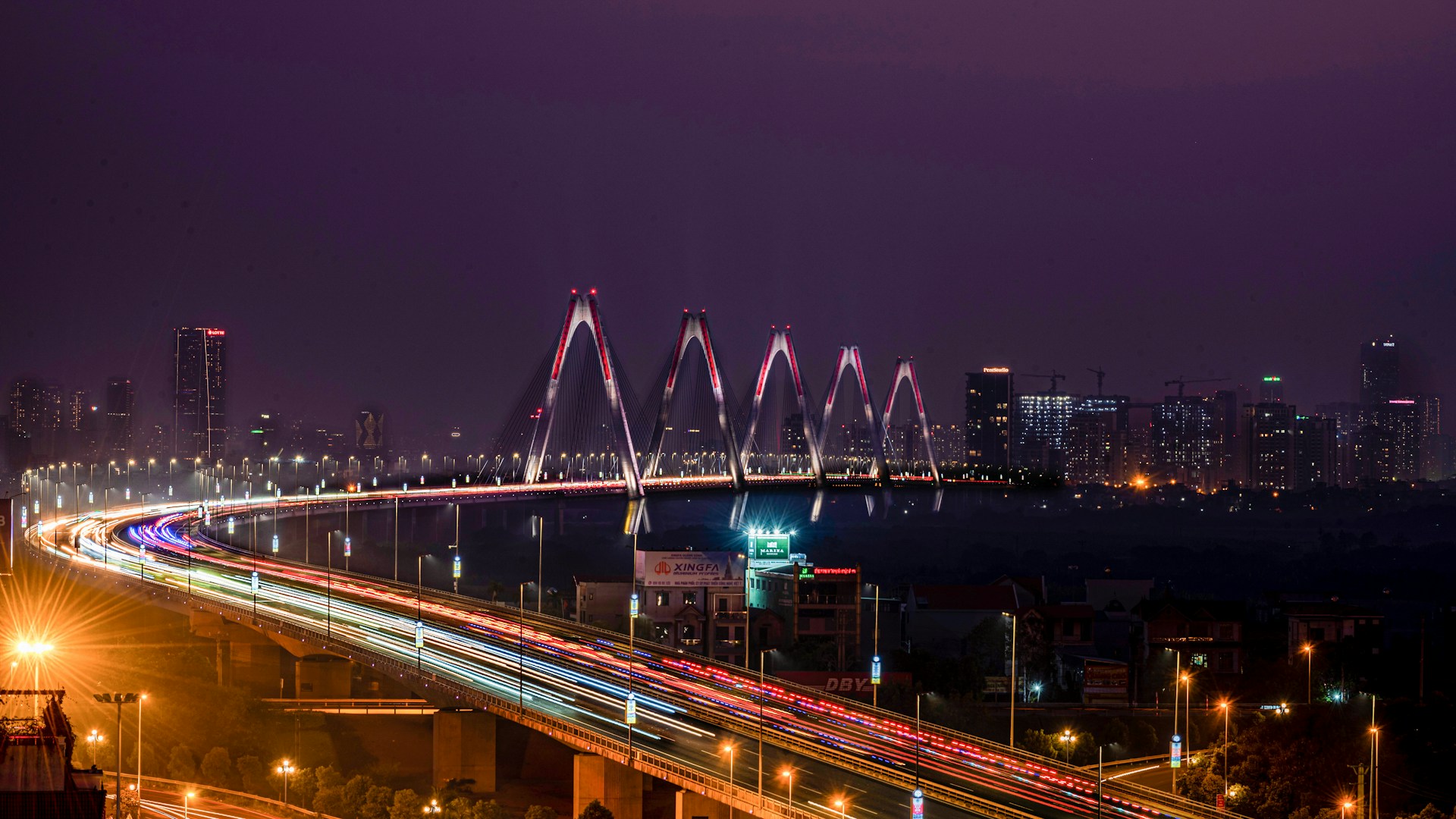
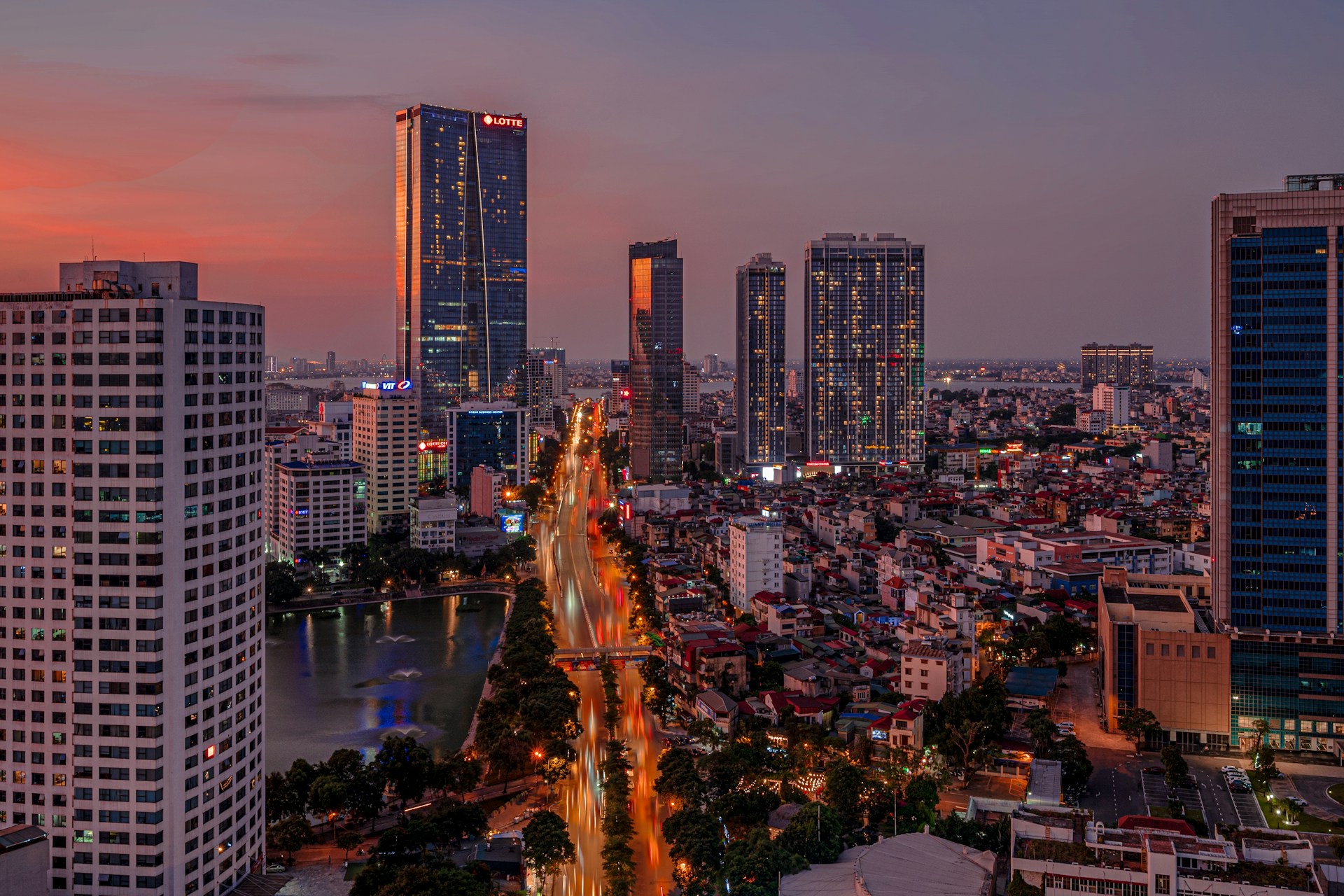
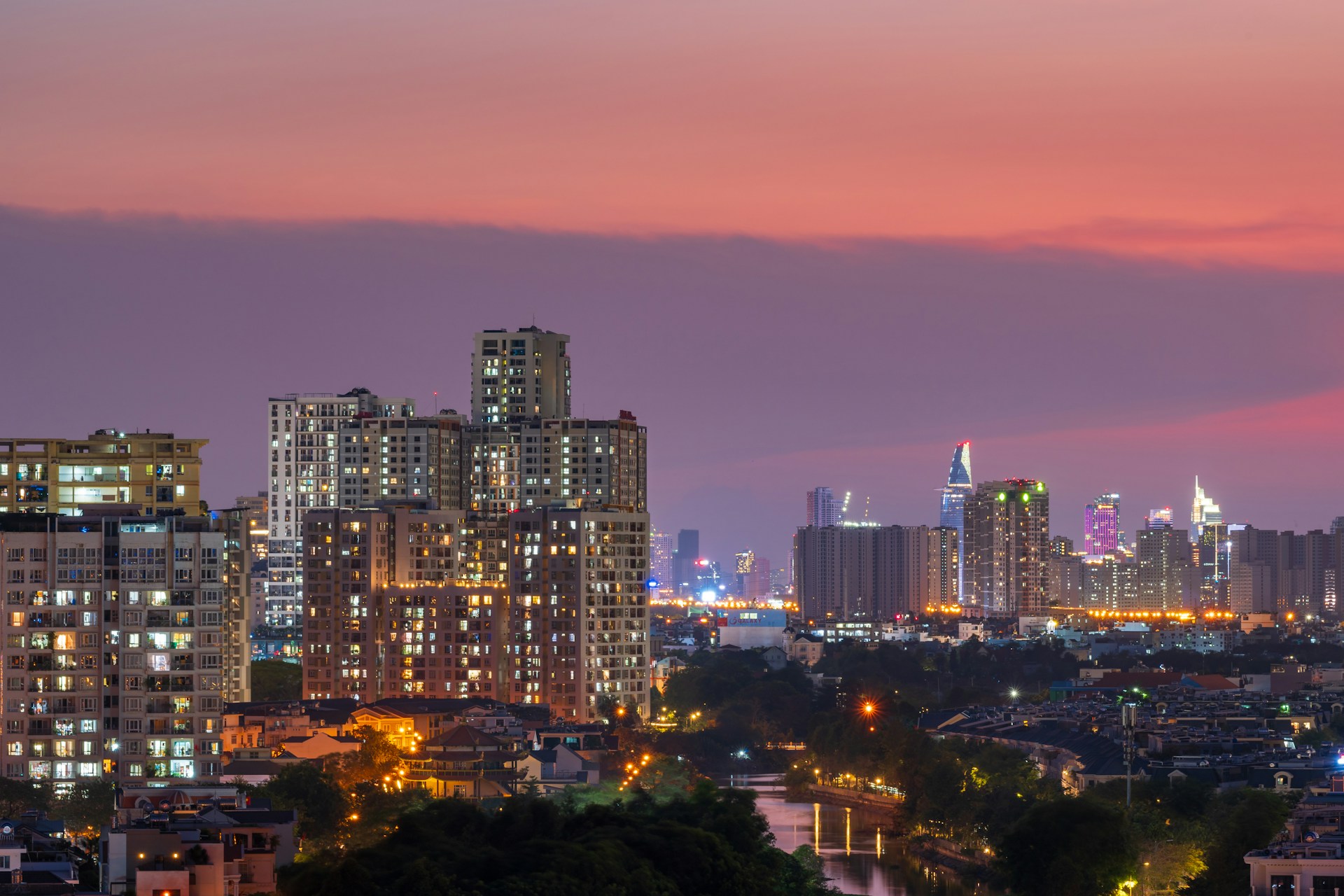
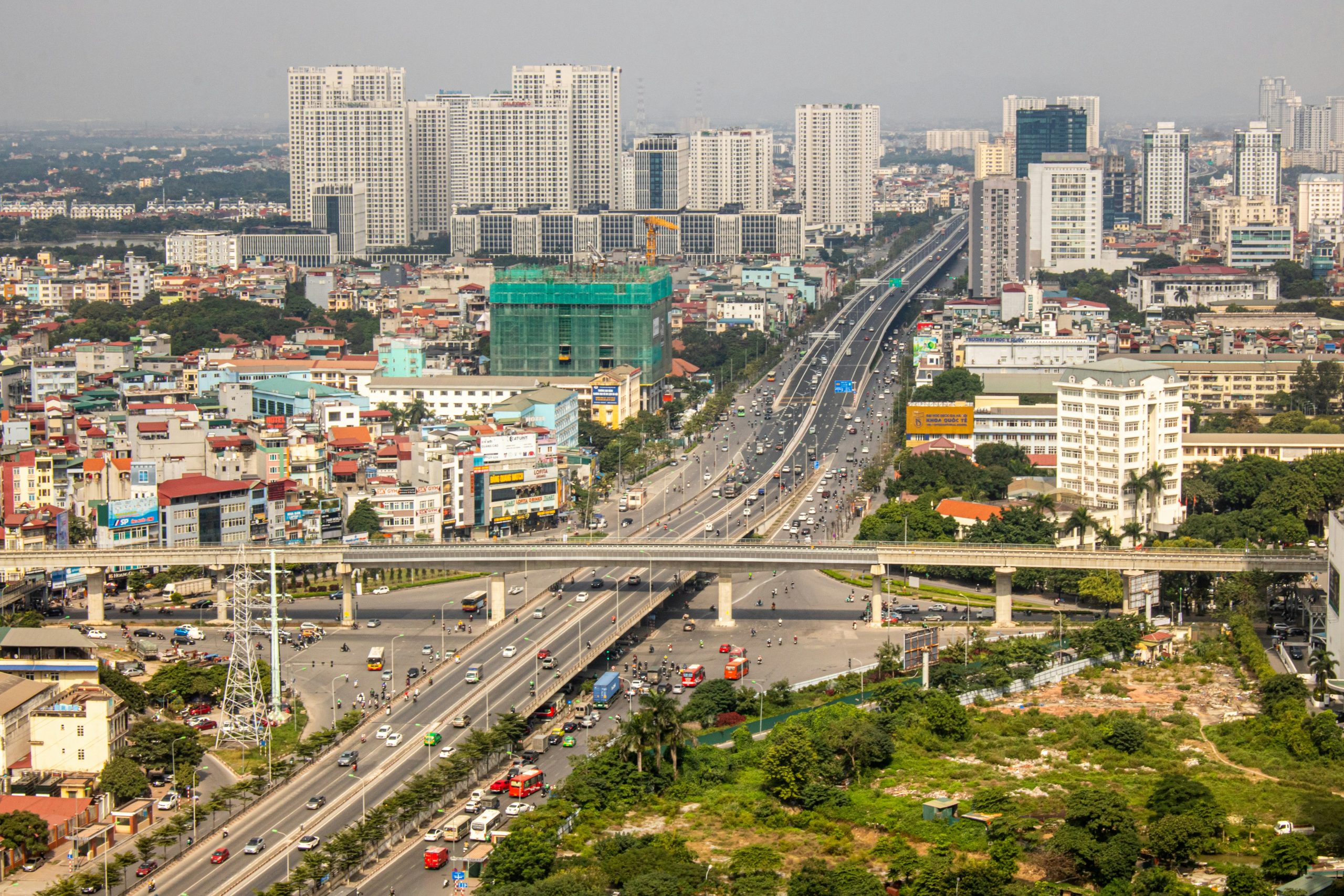
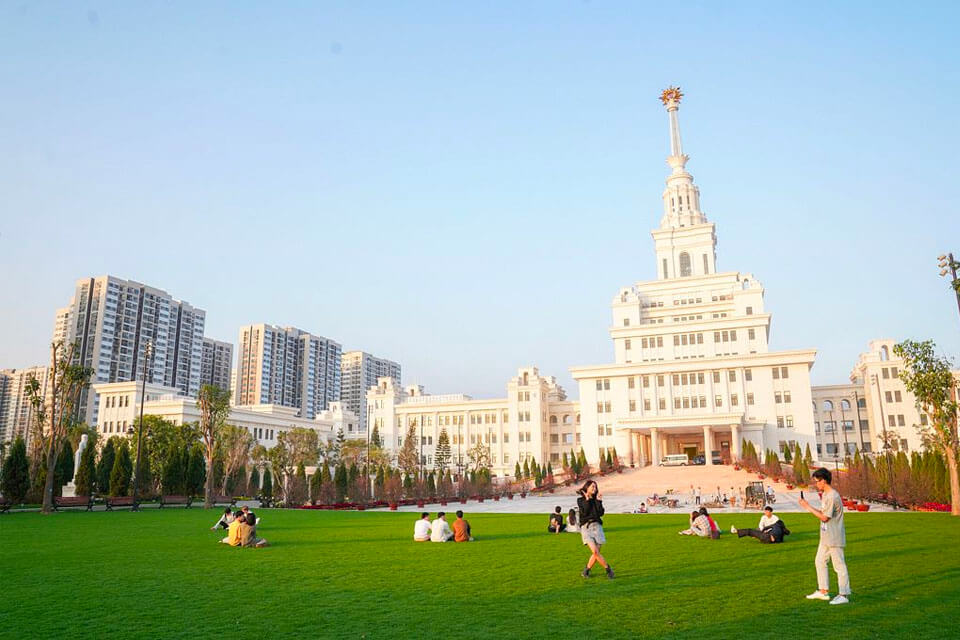
Hanoi – the capital of Vietnam

Source: Vnexpress
However, expats and travelers must be alert to several everyday risks. Petty theft, such as pickpocketing and bag-snatching, particularly by individuals on motorcycles, remains a frequent concern in busy urban centers like Ho Chi Minh City and Hanoi ([4]). Traffic safety is a key concern in Vietnam, especially in major cities. In 2024, the country recorded over 21,000 road accidents, resulting in 9,954 deaths and 16,044 injuries, averaging nearly one fatality every hour. While recent figures show a decline in accidents and fatalities, the roads can still be challenging, particularly for newcomers unfamiliar with local traffic patterns ([5]).
Work, Education, and the Social security system
Vietnam’s economy has been expanding rapidly, creating ample opportunities for expatriates, especially in sectors like education, IT, manufacturing, finance, and tourism. While the average salary for Vietnamese workers ranges from about VND 7.8–8.9 million/month (roughly US $300–341) in 2024, average monthly wages in larger cities like Hanoi and Ho Chi Minh City reach around VND 9.3 million (~ US $358) ([6],[7]).
In contrast, expatriates typically earn much more—an estimated US $25,000–75,000+ annually, with some earning over US $90,000/year ([8]). Many of those working for multinational firms receive parent-company-level salaries, along with benefits such as housing allowances, health insurance, and relocation support.
Despite the lower wages for typical local roles, Vietnam’s low cost of living helps bridge the gap. Housing, food, transportation, and services remain significantly more affordable than in developed countries, meaning many expats and even mid-level managers enjoy a comfortable lifestyle.
For families, Vietnam’s education landscape is more supportive than ever. International schools that offer British, American, French, German, Korean, Japanese, and International Baccalaureate (IB) programs are expanding in major cities. These institutions feature quality facilities and multilingual instruction, making them ideal for expat children and helping ensure a smoother academic transition and cultural integration.
Vietnam’s social security system includes three main components: social insurance, health insurance, and unemployment insurance. These are mandatory for both Vietnamese and eligible foreign employees, depending on the terms of their labor contracts. For expatriates, participation in health insurance is required if the employment contract lasts from 3 months to under 12 months. If the contract is 12 months or longer, both social and health insurance contributions become mandatory.
Adjusting to culture and daily Life
Living in Vietnam offers a unique opportunity to immerse yourself in a culture that is both ancient and dynamic. From the festive buzz of Tet (Lunar New Year) to the slow rituals of a traditional tea ceremony, there are countless ways to engage with Vietnamese culture.
Tet (Lunar New Year in Vietnam)

Source: Baochinhphu
Still, cultural adjustment is a real process. The language barrier can be significant, especially outside urban centers, and while younger Vietnamese people are increasingly fluent in English, day-to-day tasks may require some knowledge of Vietnamese. Learning a few basic phrases can make a big difference in social integration and everyday errands.
Social norms may also differ from what many Westerners are used to. Respect for elders, saving face, and community consensus are central to Vietnamese social dynamics. The work culture can be hierarchical and formal, though this varies by industry and company.
Despite these differences, most expats report a positive experience adjusting to life in Vietnam. The local people are known for their hospitality and curiosity, and many foreigners build lasting friendships with their Vietnamese neighbors and colleagues.
Conclusion
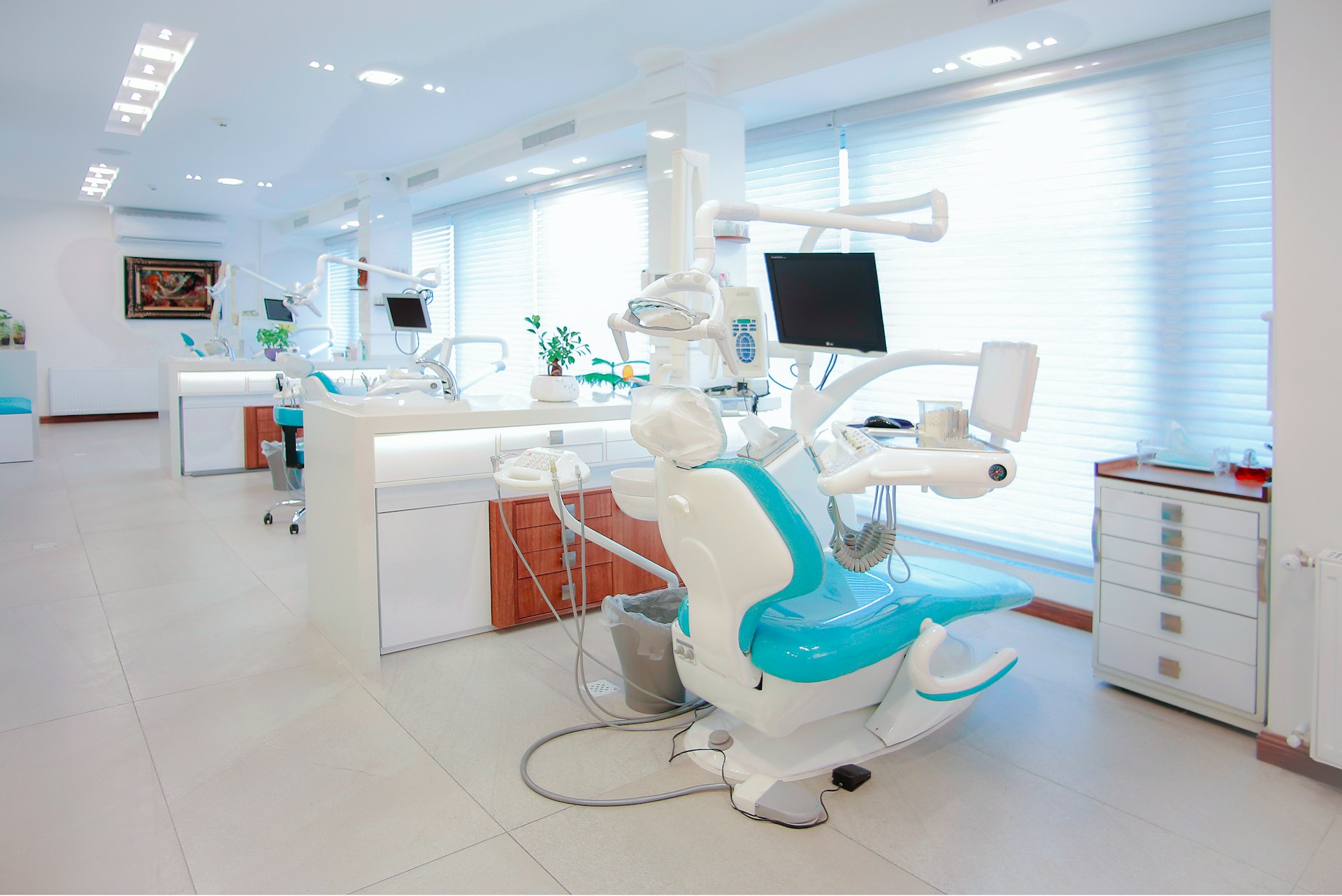
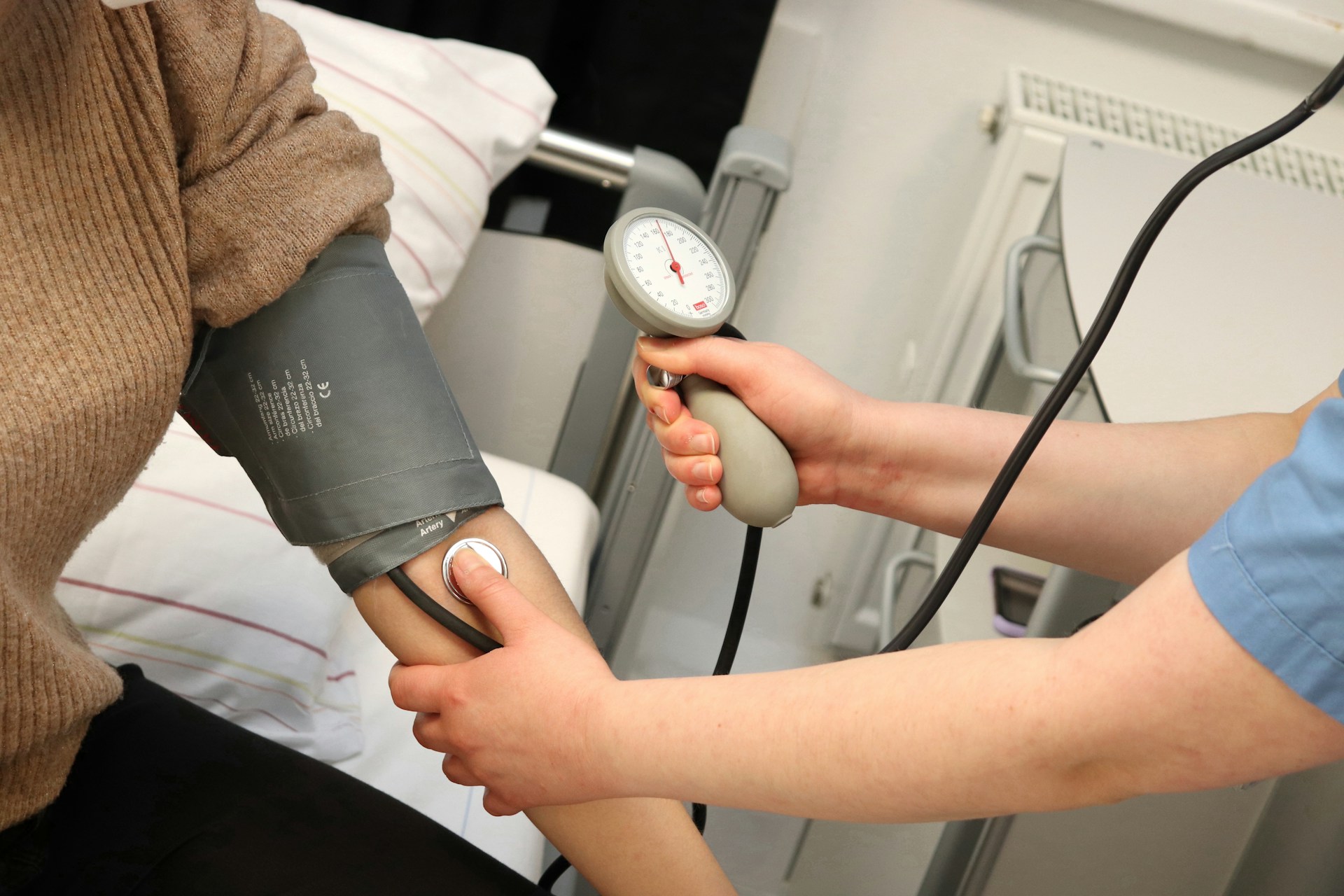
Vietnam is no longer just a hidden gem in Southeast Asia—it is now a thriving destination for expatriates seeking both opportunity and quality of life. With its newly proposed golden visa program, the country is making bold moves to welcome global talent and long-term residents. Affordable living, a vibrant cultural landscape, high-quality healthcare, and an expanding job market make Vietnam an ideal choice for foreigners looking to live abroad. Importantly, it is also one of the safest countries in Asia, offering peace of mind alongside adventure. As Vietnam continues to rise on the global stage, it is not only opening its doors—it is inviting the world to call it home.
[1] https://www.aseanbriefing.com/news/business-visas-in-vietnam-a-guide-for-foreign-investors/
[2] https://vnexpress.net/de-xuat-viet-nam-cap-thi-thuc-vang-cho-gioi-tinh-hoa-toan-cau-4869081.html
[3] https://vneconomy.vn/vietnam-named-among-top-10-safest-countries-in-asia.htm
[4] https://www.expatarrivals.com/asia-pacific/vietnam/safety-vietnam
[5] https://english.thesaigontimes.vn/nearly-10000-fatalities-recorded-in-vietnam-traffic-accidents-in-2024/
[6] https://tuoitre.vn/thu-nhap-binh-quan-cua-nguoi-lao-dong-8-4-trieu-dong-thang-tang-so-voi-nam-ngoai-20240825072459899.htm
[7] https://dantri.com.vn/lao-dong-viec-lam/luong-trung-binh-o-tphcm-cao-hon-ha-noi-17-20241023150849324.htm
[8] https://www.vietnam-briefing.com/news/expat-working-vietnam-comprehensive-work-visa-permit-guide.html/
* If you wish to quote any information from this article, please kindly cite the source along with the link to the original article to respect copyright.
| B&Company
The first Japanese company specializing in market research in Vietnam since 2008. We provide a wide range of services including industry reports, industry interviews, consumer surveys, business matching. Additionally, we have recently developed a database of over 900,000 companies in Vietnam, which can be used to search for partners and analyze the market. Please do not hesitate to contact us if you have any queries. info@b-company.jp + (84) 28 3910 3913 |
Related article














Log in / Register
SUBSCRIBE NEWSLETTER