
 English
  日本語
日本語  Tiếng Việt
  简体中文
简体中文  한국어
한국어 
08Oct2024
Industry Reviews / Latest News & Report
Comments: No Comments.
Overview of the Vietnamese aging population and addressing the importance of elderly healthcare
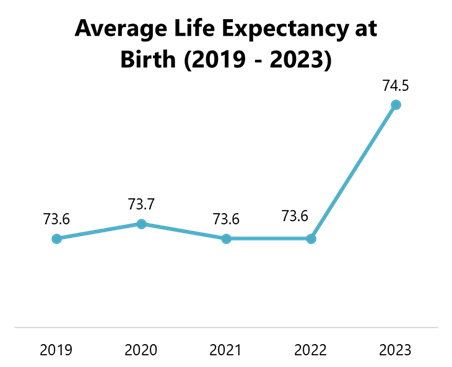
As of 2023, Vietnam is estimated to have 100.3 million people[2], the third most populous country in Southeast Asia (after Indonesia and the Philippines) and ranks 15th in the world[3]. According to the United Nations Population Fund, Vietnam is one of the most rapidly aging countries in the world, and it is predicted that by the year 2036 will transition from an “aging” to an “aged” society[4]. Data from the 2023 population report from the General Statistics Office (GSO) shows that the proportion of those aged 60 and over has risen rapidly, from 11.9% in 2019 to 13.9% in 2023[5]. This demographic change is occurring not only due to a reduction in mortality and an increase in life expectancy but also due to a sharp decline in fertility, leading to a rapid aging process.
Number of elderly people in Vietnam (2019-2023)
| Year | 2019 | 2020 | 2021 | 2022 | 2023 |
| Number of elders | 11.4 million | 11.6 million | 12.6 million | 11.8 million | 13.9 million |
Source: GSO
The table above shows that the number of elderly people quickly rebounded in the post Covid-19 period (2022 compared to 2023), this reflects the rapid aging of the country’s population.

Source: GSO
This underscores the urgent need for a healthcare system capable of addressing the unique needs of older adults, including chronic disease management, long-term care, and mental health support. Ensuring that the elderly receive appropriate care is not only crucial for enhancing their quality of life but also for maintaining the sustainability of the country’s healthcare system.
Current state of the elderly healthcare situation
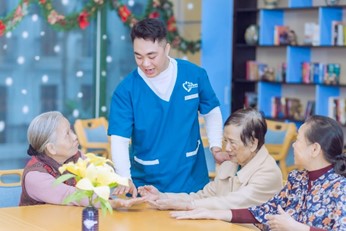
The Vietnamese elderly healthcare market is facing numerous challenges, among which three stand out as particularly significant: a lack of dedicated caretakers, financial constraints, and inadequate infrastructure in rural areas.
Firstly, regarding caretakers, an ideal traditional family model is a multi-generational family, where multiple members often live together across three or more generations: grandparents, parents, and children. This family model was quite common in the past, allowing elderly individuals to live with their families who took care of them in their final years. However, currently, the multi-generational family model seems to be decreasing due to the impact of economic development, industrial lifestyles, and the influence of international integration trends. As a result, the nuclear family model may become more prevalent in the future, where grown children want their own living space and move out from their elderly parents. Even those grown children who live with their elderly parents may not be present often as work and responsibilities increase, resulting in some families relying on untrained helpers, leading to a lack of dedicated caretakers. According to the Head of the Department of Cultural and Social Research at the Ho Chi Minh City Development Research Institute, in Ho Chi Minh City, 99.5% of elderly individuals receive care at home, while a small number are cared for in institutional settings, mostly those who are elderly, alone, without support, or eligible for Government assistance[6].
Secondly, regarding financial constraints, many elderly people are also relying on limited pensions and insurance, which often do not provide sufficient financial support for decent medical care when needed.
Thirdly, regarding overall infrastructure, particularly in rural areas, is not always accessible for the elderly, making it difficult for them to navigate within their communities, especially those using wheelchairs. The healthcare system for the elderly faces many challenges, particularly for those in remote areas without regular income, as regular health check-ups are not feasible. Consequently, most elderly patients are diagnosed at advanced stages of their illnesses, leading to difficult and costly treatments[7]. These issues highlight the need for improved support and resources for the aging population.