
 简体中文
简体中文  English
  日本語
日本語  Tiếng Việt
  한국어
한국어 
0810 月2024
行业评论/最新新闻和报告
评论: 没有评论.
越南老龄化人口概况及强调老年人医疗保健的重要性
截至2023年,越南预计拥有1.003亿人口[2], ,是东南亚人口第三多的国家(仅次于印度尼西亚和菲律宾),在全球排名第15位[3]. 。根据联合国人口基金的数据,越南是全球人口老龄化速度最快的国家之一,预计到2036年将从“老龄化社会”转变为“老龄社会”[4]. 越南国家统计局(GSO)发布的《2023年人口报告》数据显示,60岁及以上人口占比从2019年的11.9%快速上升至2023年的13.9%[5]. 。这一人口结构变化不仅源于死亡率下降和预期寿命延长,也源于生育率大幅下降,从而推动了人口快速老龄化。.
越南老年人口数量(2019—2023年)
| 年 | 2019 | 2020 | 2021 | 2022 | 2023 |
| 老年人口数量 | 1,140万人 | 1,160万人 | 1,260万人 | 1,180万人 | 1,390万人 |
资料来源:GSO
上表显示,老年人口数量在新冠疫情后期(2023年相比2022年)迅速回升,这反映出越南人口老龄化进程加快。.
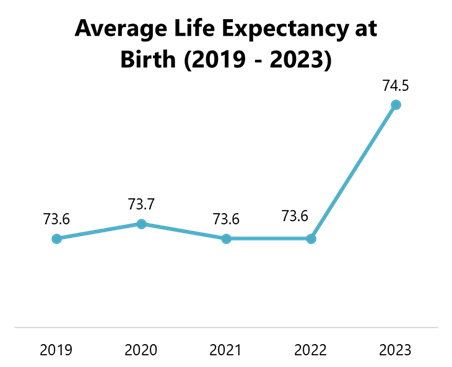

资料来源:GSO
这凸显了建立能够满足老年人独特需求的医疗保健体系的迫切性,包括慢性病管理、长期护理和心理健康支持。确保老年人获得适当的照护,不仅对于提升其生活质量至关重要,也有助于维护国家医疗保健体系的可持续性。.
老年人医疗保健现状
越南老年人医疗保健市场正面临诸多挑战,其中有三项尤为突出:缺乏专职照护人员、财务约束以及农村地区基础设施不足。.
首先, 关于照护者,理想的传统家庭模式是多代同堂的家庭,即祖父母、父母和子女等三个或更多代际的多个家庭成员共同生活。这种家庭模式在过去相当普遍,使老年人能够与家人共同生活,并在晚年得到家人的照护。然而,目前受经济发展、工业化生活方式以及国际一体化趋势影响,多代同堂的家庭模式似乎正在减少。因此,未来核心家庭模式可能会更加普遍:成年子女希望拥有自己的生活空间,并从年迈父母身边搬出。即使与年迈父母同住的成年子女,也可能因工作和责任增加而无法经常陪伴,导致部分家庭依赖未经专业培训的照护人员,从而缺乏专职照护者。根据胡志明市发展研究院文化与社会研究部负责人介绍,在胡志明市,99.5%的老年人在家中接受照护,只有少数在机构中接受照护,主要是高龄、独居、缺乏支持或符合政府援助资格的老年人[6].
第二, ,在财务约束方面,许多老年人还依赖有限的养老金和保险,而这些通常无法在有医疗需求时为其提供充足资金,以获得体面的医疗服务。.
第三,, ,在整体基础设施方面,尤其是在农村地区,相关设施并不总是便于老年人使用,导致他们难以在社区内出行,尤其是使用轮椅的老年人。老年人医疗保健体系面临诸多挑战,偏远地区且没有稳定收入的老年人尤为如此,因为他们难以定期进行健康检查。因此,大多数老年患者在疾病晚期才被诊断出来,导致治疗难度大、费用高[7]. 。这些问题凸显了改善老龄人口支持和资源配置的必要性。.