

 English
  日本語
日本語  Tiếng Việt
  简体中文
简体中文  한국어
한국어 The increasing demand among Vietnamese patients for high-quality medical services abroad highlights the rapid expansion of medical tourism.
25Jun2025
Latest News & Report / Vietnam Briefing
Comments: No Comments.
According to a report by IMARC Group, Vietnam’s medical tourism market in Vietnam is valued at 722 million USD in 2024 and is projected to reach nearly 4 billion USD by 2033, with a CAGR of 18% during the 2025–2033 period[1]. This significant growth reflects the increasing demand among Vietnamese patients for high-quality medical services abroad, highlighting the rapid expansion of medical tourism from Vietnam.
Why is Medical Tourism Increasingly Popular in Vietnam?
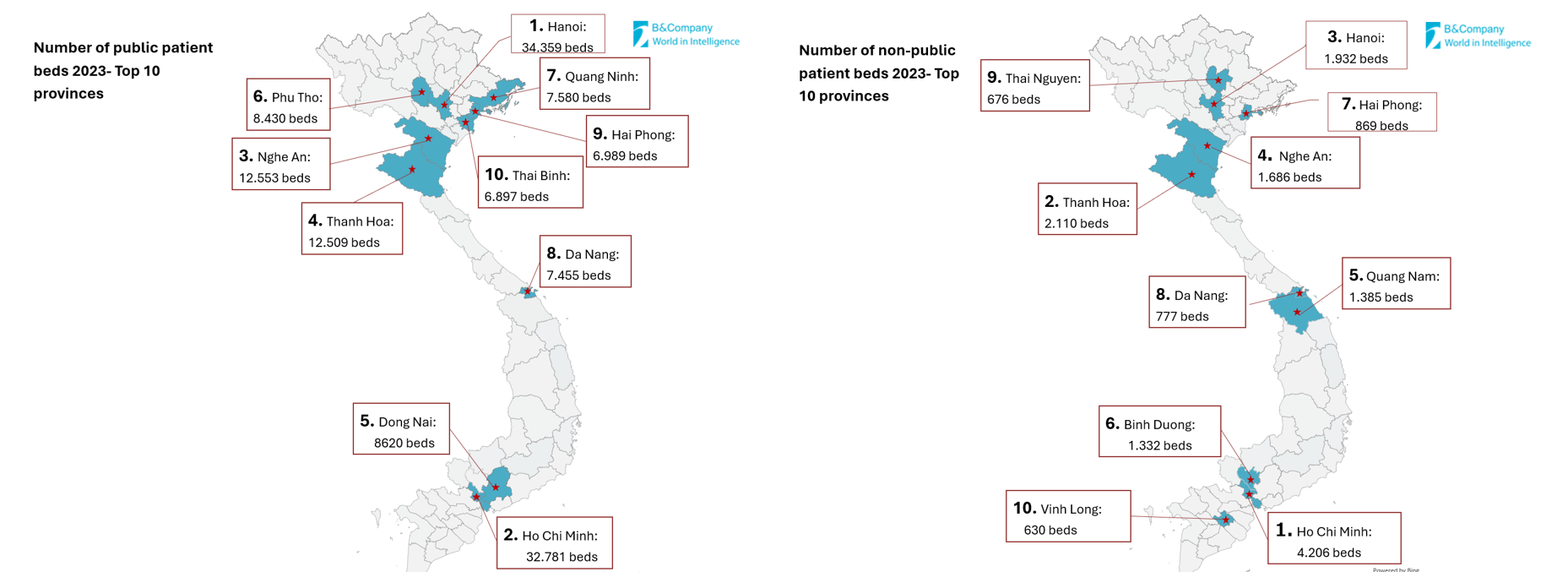
From a social perspective, the quality of healthcare services in Vietnam remains uneven, particularly between public and private medical facilities—and even among different public hospitals themselves. For example, Bach Mai Hospital in Hanoi currently has around 3,600 inpatient beds but frequently accommodates 4,000 to 4,500 inpatients, alongside 7,000 to 8,000 outpatient visits daily[2]. Similar situations occur at other major hospitals such as Viet Duc Hospital (Hanoi) and Cho Ray Hospital (Ho Chi Minh City), as well as other frontline medical centers, all struggling with overcrowding. Additionally, outdated infrastructure, complex administrative procedures, and inconsistent patient service quality contribute to a declining public trust in domestic healthcare. This lack of confidence has directly driven the increase in medical tourism from Vietnam.
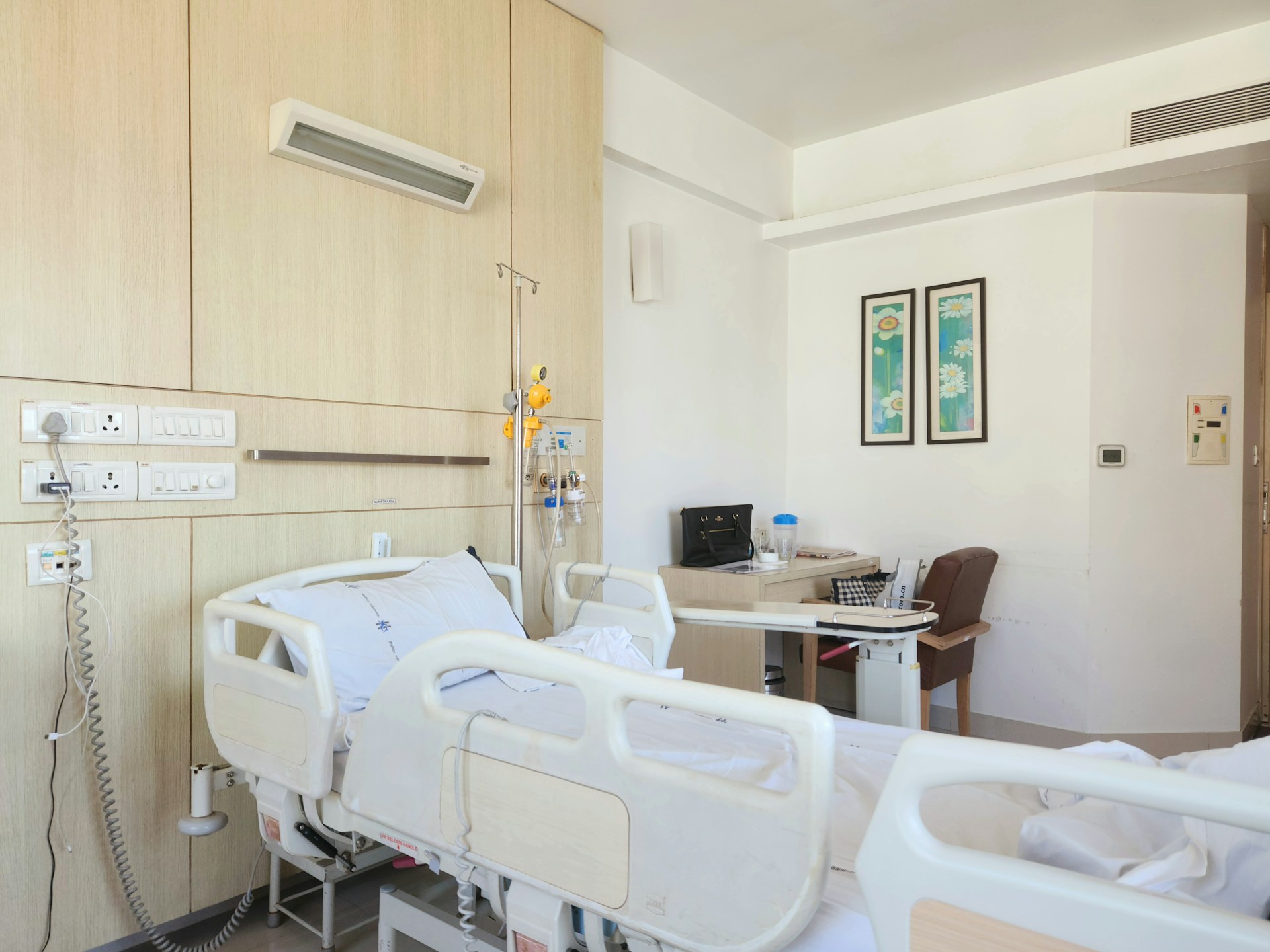
Many major hospitals in Vietnam are struggling with overcrowding
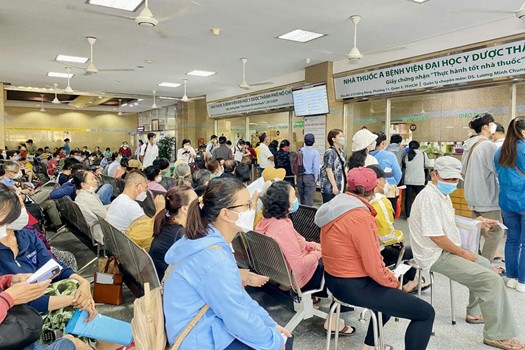
Source: Thuvienphapluat
From a demographic perspective, Vietnam has seen significant growth in its middle class, which now represents approximately 56% of Vietnamese households as of 2024[3]. With rising living standards, Vietnamese consumers are increasingly willing to invest more in high-quality medical care and services abroad, spending on average around 2 billion VND annually per patient for overseas treatment[4].
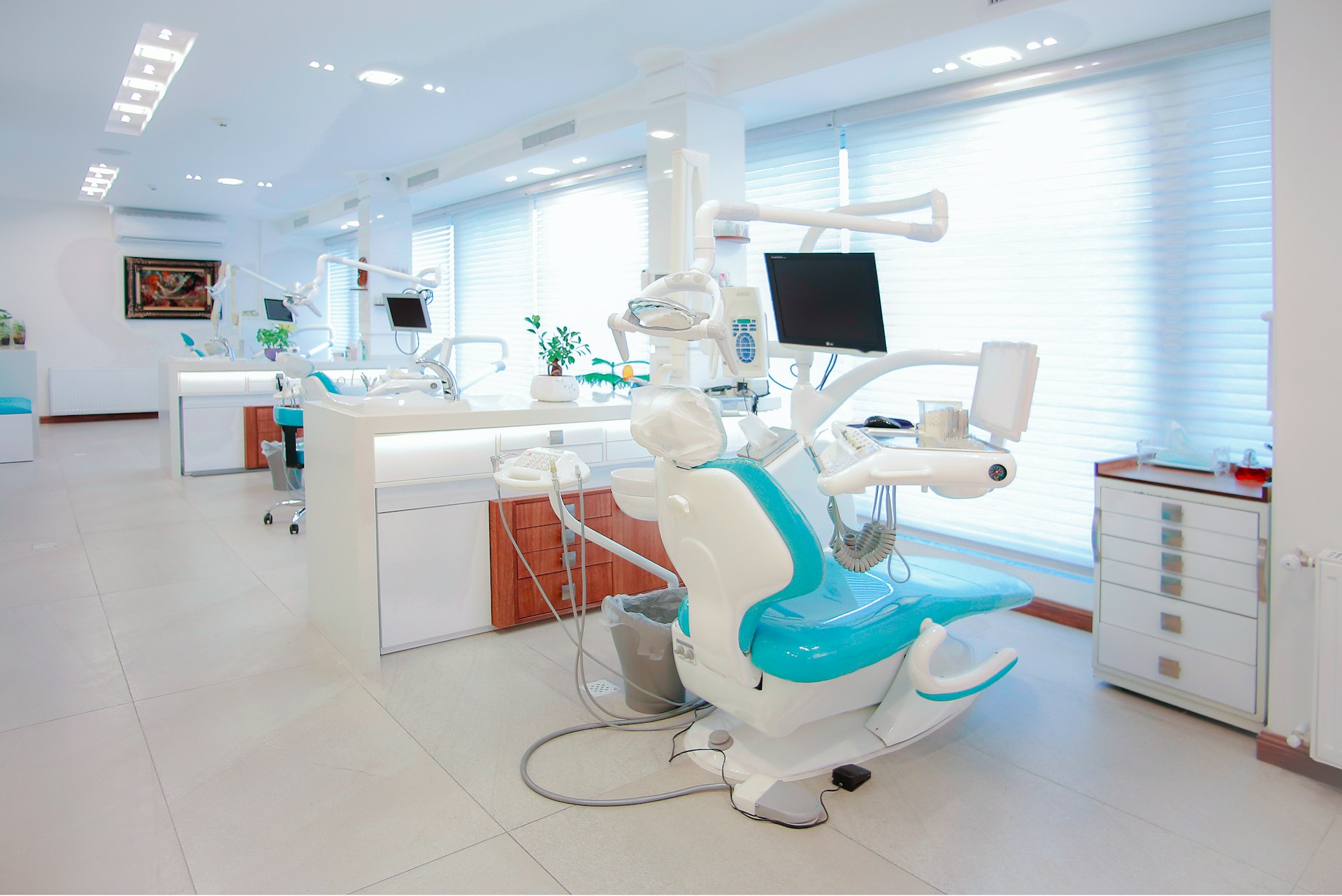
Additionally, many patients combine healthcare with leisure travel. Some countries have developed attractive medical tourism strategies, allowing patients to recover in comfortable and modern environments. For example, Bumrungrad International Hospital in Bangkok, one of Southeast Asia’s leading private hospitals, offers high-quality healthcare services paired with high quality facilities. It provides specialized treatment packages and collaborates with luxury hotels like the Mövenpick BDMS Wellness Resort to deliver an integrated healthcare and wellness experience for international patients. Alongside this, the rise of service providers offering comprehensive support, from consultation and appointment scheduling to interpretation and logistics, has made healthcare travel for Vietnamese patients increasingly accessible.
Modern Facilities at Bumrungrad International Hospital, Bangkok
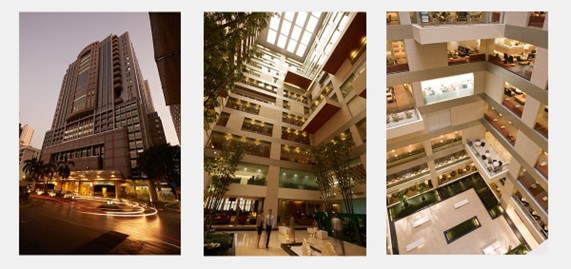
Source: Bumrumgrad International Hospital
Popular Destinations for Vietnamese Medical Tourists
Related article



































Log in / Register
Continue without an account
Log in / Register
SUBSCRIBE NEWSLETTER