

 Tiếng Việt
  English
  日本語
日本語  简体中文
简体中文  한국어
한국어 Nhu cầu ngày càng tăng của bệnh nhân Việt Nam về các dịch vụ y tế chất lượng cao ở nước ngoài nhấn mạnh sự phát triển nhanh chóng của du lịch y tế.
25/06/2025
Tin tức & Báo cáo mới nhất / Vietnam Briefing
Bình luận: Không có bình luận.
Theo một báo cáo của IMARC Group, thị trường du lịch y tế tại Việt Nam được định giá 722 triệu USD vào năm 2024 và dự kiến đạt gần 4 tỷ USD vào năm 2033, với tốc độ tăng trưởng kép hằng năm (CAGR) là 18% trong giai đoạn 2025–2033[1]. Mức tăng trưởng đáng kể này phản ánh nhu cầu ngày càng tăng của người bệnh Việt Nam đối với các dịch vụ y tế chất lượng cao ở nước ngoài, đồng thời cho thấy sự mở rộng nhanh chóng của du lịch y tế từ Việt Nam.
Vì sao du lịch y tế ngày càng phổ biến tại Việt Nam?
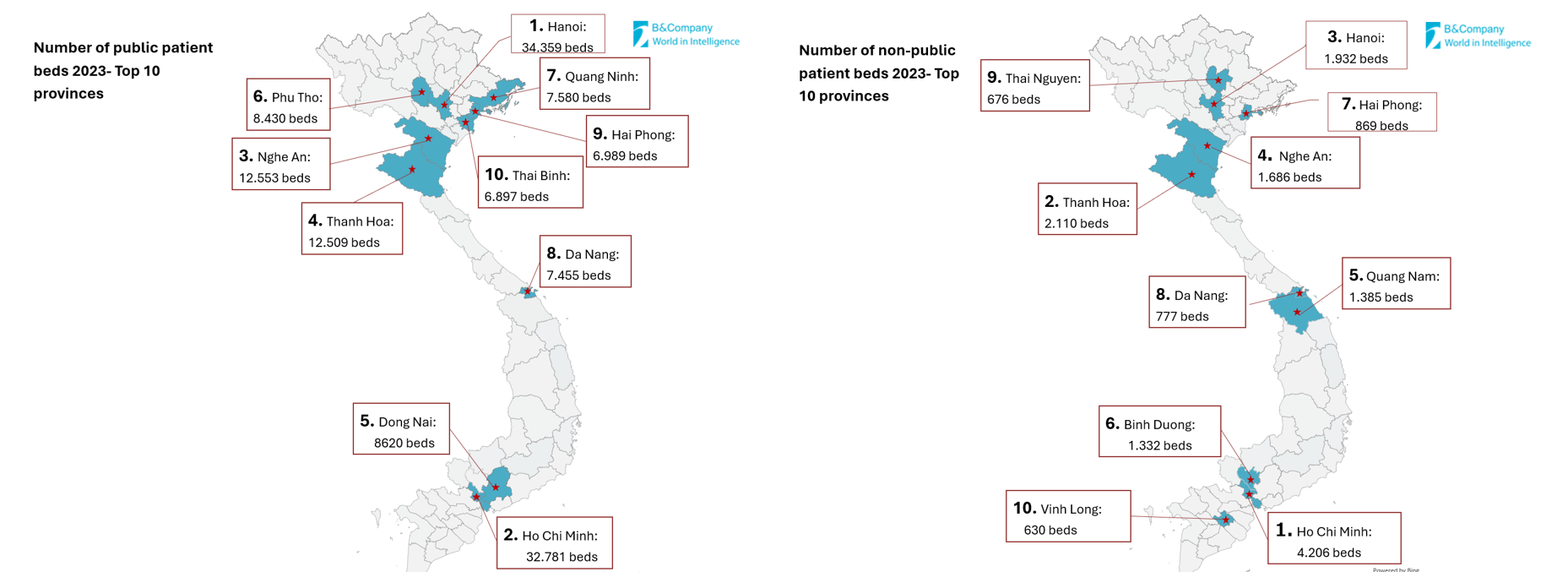
Xét trên góc độ xã hội, chất lượng dịch vụ y tế tại Việt Nam vẫn chưa đồng đều, đặc biệt giữa các cơ sở y tế công và tư—and thậm chí ngay giữa các bệnh viện công với nhau. Ví dụ, Bệnh viện Bạch Mai ở Hà Nội hiện có khoảng 3.600 giường nội trú nhưng thường xuyên tiếp nhận từ 4.000 đến 4.500 bệnh nhân nội trú, cùng với 7.000 đến 8.000 lượt khám ngoại trú mỗi ngày[2]. Tình trạng tương tự cũng xảy ra tại các bệnh viện lớn khác như Bệnh viện Việt Đức (Hà Nội) và Bệnh viện Chợ Rẫy (TP. Hồ Chí Minh), cũng như nhiều cơ sở y tế tuyến đầu khác, tất cả đều đang vật lộn với tình trạng quá tải. Ngoài ra, cơ sở hạ tầng lạc hậu, thủ tục hành chính phức tạp và chất lượng dịch vụ người bệnh thiếu nhất quán đã làm suy giảm niềm tin của người dân vào hệ thống y tế trong nước. Sự thiếu tin tưởng này đã trực tiếp thúc đẩy sự gia tăng du lịch y tế từ Việt Nam.
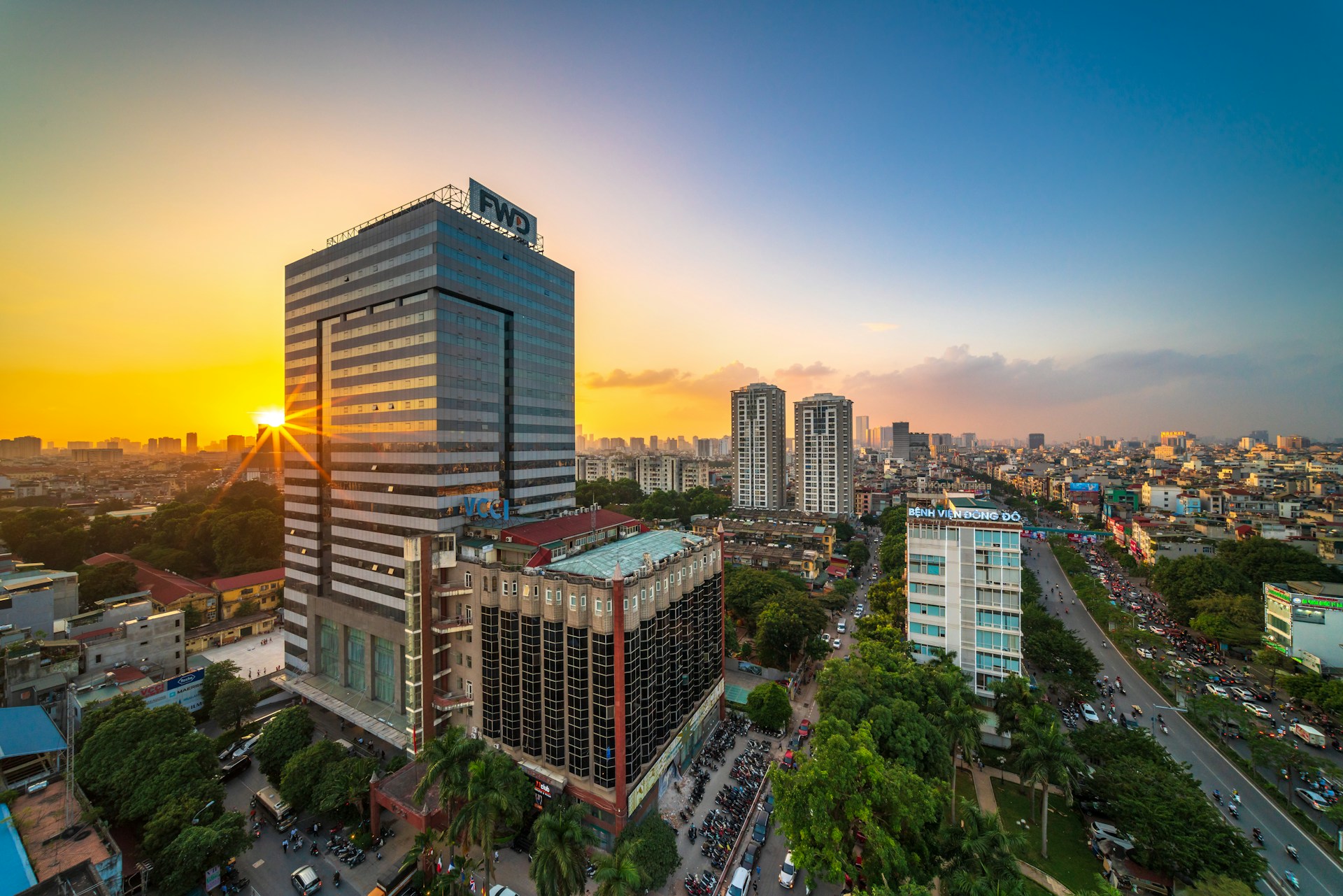
Many major hospitals in Vietnam are struggling with overcrowding
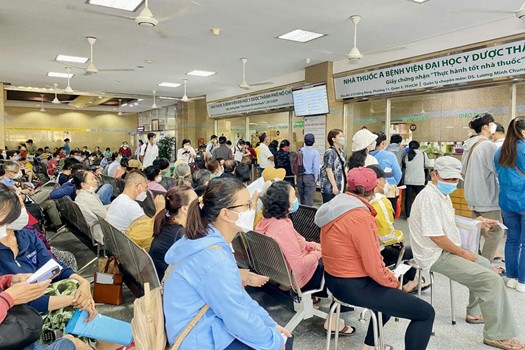
Nguồn: Thuvienphapluat
Xét về nhân khẩu học, tầng lớp trung lưu tại Việt Nam đã tăng trưởng đáng kể và hiện chiếm khoảng 56% số hộ gia đình Việt Nam tính đến năm 2024[3]. Với mức sống ngày càng cải thiện, người tiêu dùng Việt Nam ngày càng sẵn sàng đầu tư nhiều hơn cho chăm sóc y tế chất lượng cao và các dịch vụ ở nước ngoài, với mức chi trung bình khoảng 2 tỷ VND mỗi năm cho điều trị tại nước ngoài[4].
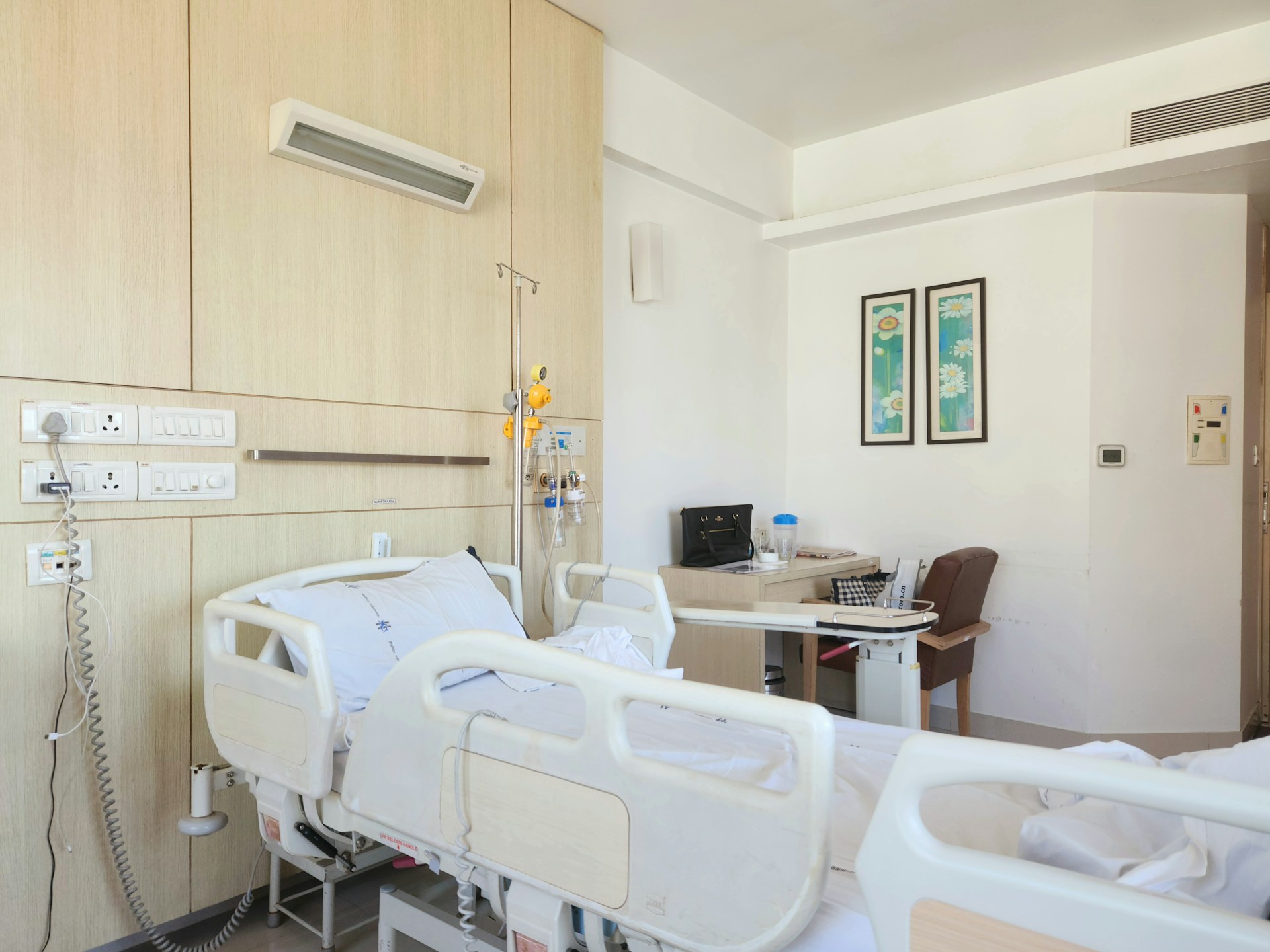
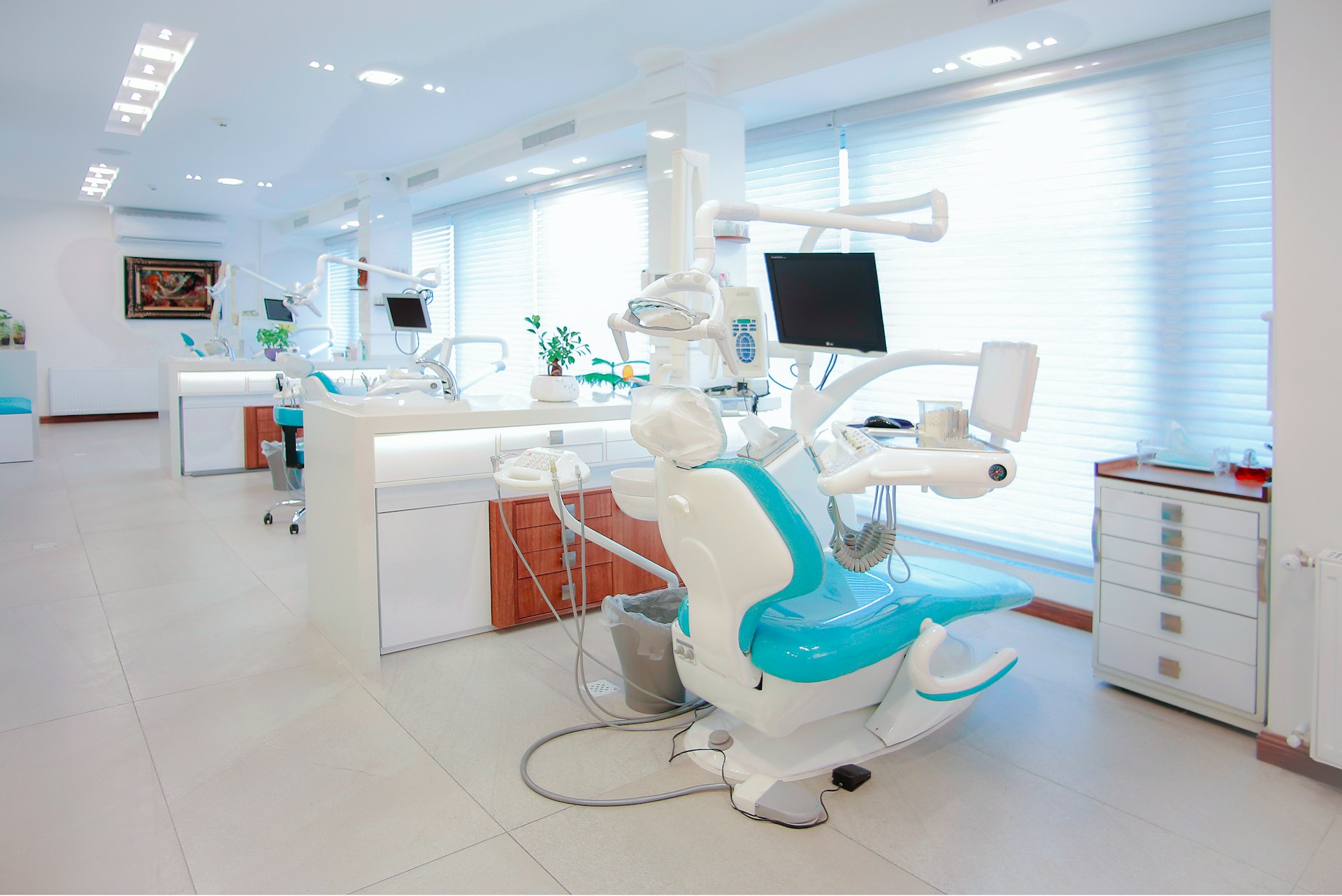
Ngoài ra, nhiều bệnh nhân kết hợp chăm sóc sức khỏe với du lịch nghỉ dưỡng. Một số quốc gia đã phát triển các chiến lược du lịch y tế hấp dẫn, cho phép bệnh nhân hồi phục trong môi trường thoải mái và hiện đại. Ví dụ, Bumrungrad International Hospital tại Bangkok, một trong những bệnh viện tư nhân hàng đầu Đông Nam Á, cung cấp dịch vụ y tế chất lượng cao đi kèm cơ sở vật chất cao cấp. Bệnh viện có các gói điều trị chuyên biệt và hợp tác với các khách sạn sang trọng như Mövenpick BDMS Wellness Resort để mang đến trải nghiệm chăm sóc sức khỏe và nghỉ dưỡng tích hợp cho bệnh nhân quốc tế. Bên cạnh đó, sự gia tăng của các nhà cung cấp dịch vụ hỗ trợ toàn diện, từ tư vấn và đặt lịch hẹn đến phiên dịch và hậu cần, đã giúp việc đi chữa bệnh của người Việt trở nên ngày càng dễ tiếp cận.
Modern Facilities at Bumrungrad International Hospital, Bangkok
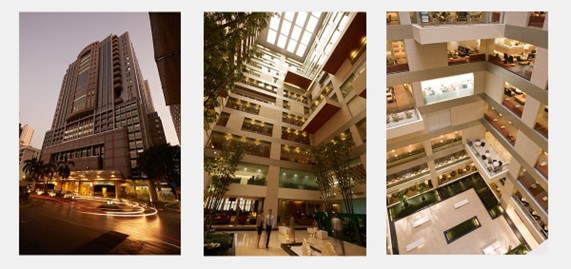
Nguồn: Bumrumgrad International Hospital
Các điểm đến phổ biến của khách du lịch y tế Việt Nam
Bài viết liên quan
































Đăng nhập / Đăng ký
Tiếp tục mà không cần tài khoản
Đăng nhập / Đăng ký
ĐĂNG KÝ NHẬN BẢN TIN