

 Tiếng Việt
  English
  日本語
日本語  简体中文
简体中文  한국어
한국어 Thị trường sức khỏe kỹ thuật số đang phát triển nhanh chóng của Việt Nam mang lại tiềm năng lớn cho công nghệ đeo thông minh, bao gồm cả việc theo dõi bệnh nhân từ xa.
17/10/2025
Tin tức & Báo cáo mới nhất / Vietnam Briefing
Bình luận: Không có bình luận.
Thị trường y tế số đang mở rộng nhanh chóng của Việt Nam mang lại tiềm năng lớn cho công nghệ thiết bị đeo, đặc biệt trong theo dõi bệnh nhân từ xa và chăm sóc dự phòng. Được thúc đẩy bởi các sáng kiến số hóa của Chính phủ, lực lượng dân số am hiểu công nghệ và nhu cầu chăm sóc sức khỏe ngày càng tăng, thiết bị đeo có thể thu hẹp những khoảng trống quan trọng trong quản lý bệnh mạn tính và duy trì tính liên tục của hoạt động chăm sóc. Thành công phụ thuộc vào việc tuân thủ các quy định địa phương, xây dựng quan hệ đối tác chiến lược, đặc biệt với các công ty bảo hiểm tư nhân, và triển khai theo từng giai đoạn từ các ứng dụng chăm sóc sức khỏe đến các giải pháp tích hợp lâm sàng.
Tổng quan thị trường y tế số Việt Nam
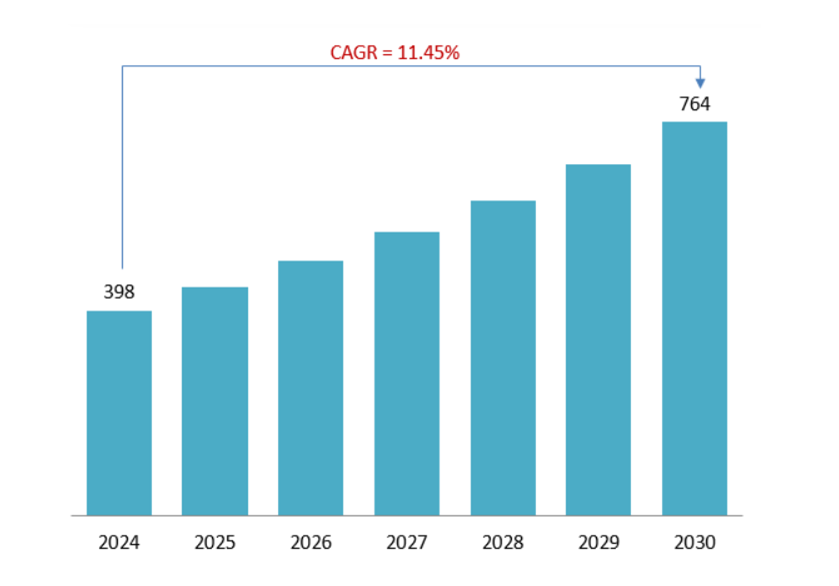
Thị trường y tế số Việt Nam đang tăng trưởng mạnh, được dự báo mở rộng từ 398 triệu USD vào năm 2024 lên 764 triệu USD vào năm 2030, với tốc độ tăng trưởng kép hằng năm (CAGR) là 11.45%[1]. Tăng trưởng này được thúc đẩy bởi dân số am hiểu công nghệ số và nhu cầu hiện đại hóa hệ thống chăm sóc sức khỏe, đặc biệt thông qua việc sử dụng các công nghệ thiết bị đeo như Theo dõi Bệnh nhân từ xa (RPM). RPM được kỳ vọng sẽ góp phần giải quyết gánh nặng ngày càng tăng của các Bệnh không lây nhiễm (NCDs) và cải thiện Tính liên tục của Chăm sóc (COC)[2], hai thách thức quan trọng của ngành chăm sóc sức khỏe tại Việt Nam.
Digital Health Market 2024 – 2030
Đơn vị: triệu USD
Nguồn: Nghiên cứu khoa học công nghệ
Để khai thác thị trường này, các doanh nghiệp phải bảo đảm tuân thủ khung pháp lý của Việt Nam, bao gồm yêu cầu nội địa hóa dữ liệu theo Luật An ninh mạng và tuân thủ phân loại thiết bị y tế theo Nghị định 53/2022[3] và Nghị định 98/2021[4]. Mô hình B2B2C, đặc biệt là các quan hệ đối tác với công ty bảo hiểm tư nhân, mang lại tiềm năng thương mại hóa trước mắt lớn nhất, giúp doanh nghiệp tận dụng nhu cầu đối với các giải pháp y tế số tại Việt Nam[5].
Tốc độ tăng trưởng của thị trường HealthTech tại Việt Nam vừa ấn tượng vừa phản ánh một xu hướng lớn hơn trong việc ứng dụng y tế số. Dưới đây là một số nghiên cứu tình huống cho thấy tiềm năng của thị trường:
Vietnam HealthTech Market Case Studies
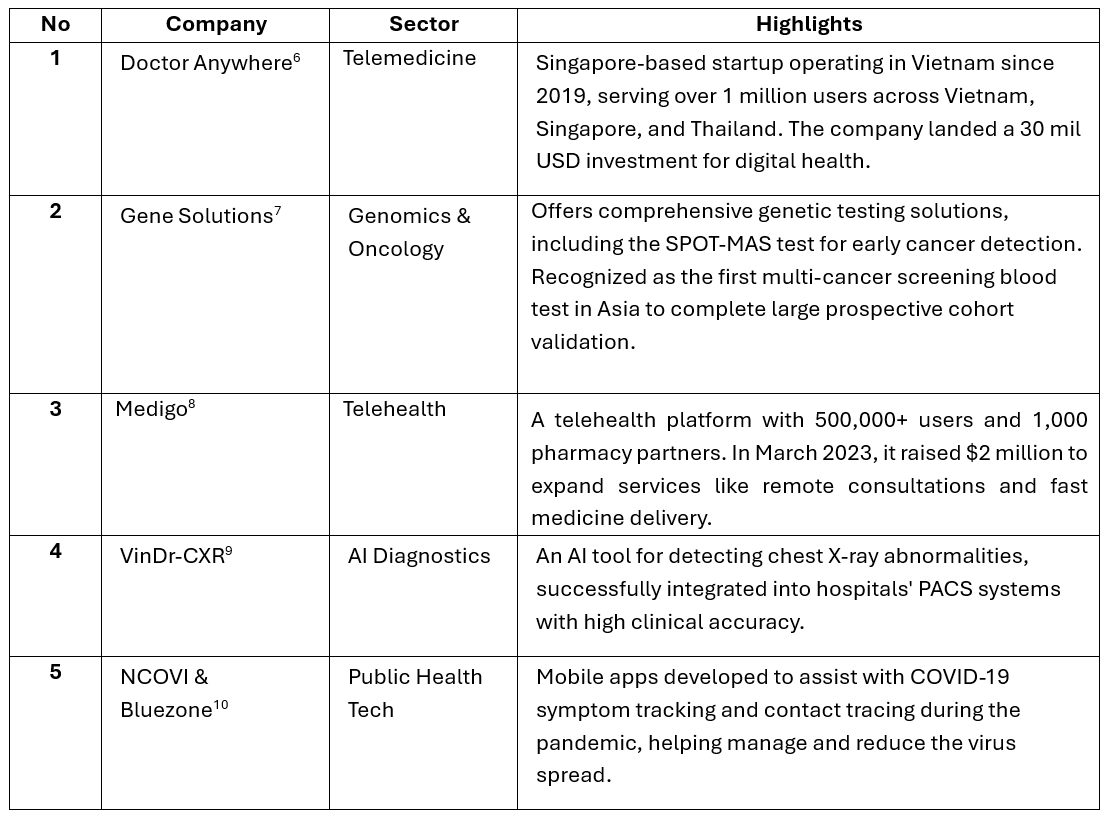
Trong lĩnh vực HealthTech, một số doanh nghiệp đang thúc đẩy tiến bộ công nghệ trên nhiều lĩnh vực chăm sóc sức khỏe. Những đổi mới này không chỉ đang chuyển đổi phương thức cung cấp dịch vụ chăm sóc sức khỏe mà còn mở rộng khả năng tiếp cận dịch vụ chăm sóc chất lượng, đặc biệt tại các khu vực còn hạn chế về dịch vụ. Khi ngày càng có nhiều doanh nghiệp gia nhập thị trường, việc tích hợp AI, y tế từ xa, hệ gen học và các dịch vụ y tế số sẽ tiếp tục thúc đẩy ngành phát triển, góp phần bảo đảm một tương lai khỏe mạnh hơn và kết nối hơn cho người dân Việt Nam.
Công nghệ thiết bị đeo và vai trò trong thị trường y tế số Việt Nam
Thị trường công nghệ thiết bị đeo của Việt Nam được ước tính đạt 290 triệu USD vào năm 2024 và dự kiến đạt 981 triệu USD vào năm 2033, tương ứng với tốc độ tăng trưởng kép hằng năm (CAGR) mạnh mẽ ở mức 14.5% trong giai đoạn 2025–2033. Tăng trưởng này được thúc đẩy bởi sự mở rộng của kết nối 5G, mối quan tâm ngày càng tăng của người tiêu dùng đối với việc theo dõi sức khỏe và mức độ tích hợp ngày càng cao của các thiết bị thông minh vào đời sống hằng ngày. Thị trường bao gồm nhiều nhóm sản phẩm, như thiết bị đeo cổ tay, thiết bị đeo mắt/đầu, giày dép, thiết bị đeo cổ và thiết bị đeo cơ thể, phục vụ đa dạng ứng dụng trong các lĩnh vực điện tử tiêu dùng, chăm sóc sức khỏe và doanh nghiệp, qua đó cho thấy sự chuyển dịch nhanh chóng của Việt Nam sang lối sống kết nối và dựa trên dữ liệu[11].
Các doanh nghiệp lớn trên thị trường
Thị trường công nghệ thiết bị đeo của Việt Nam do các thương hiệu nước ngoài (như Garmin, Apple, Xiaomi, Huawei và Samsung) chi phối, trong khi các doanh nghiệp Việt Nam chỉ chiếm thị phần tối thiểu. Các công nghệ có lợi thế cạnh tranh tập trung vào khả năng cảm biến sức khỏe tiên tiến (ECG, SpO₂, phát hiện té ngã), GPS/GNSS đa băng tần chính xác, màn hình AMOLED, thời lượng pin dài và công cụ phân tích tập luyện mạnh mẽ. Mặc dù các thương hiệu nước ngoài vẫn dẫn đầu, vai trò của Việt Nam trong chuỗi cung ứng toàn cầu đang gia tăng khi trở thành cơ sở sản xuất các thiết bị như Apple Watch và AirPods.
– Garmin: Dẫn đầu thị trường đồng hồ thông minh tại Việt Nam về thị phần theo giá trị (≈32% vào năm 2024, IDC), nhờ các dòng sản phẩm cao cấp dành cho thể thao và hoạt động ngoài trời như Forerunner Và fēnix. Thiết bị của Garmin được trang bị màn hình AMOLED, GNSS đa băng tần và công cụ phân tích tập luyện tiên tiến, đáp ứng nhu cầu của cả người dùng chuyên nghiệp và người dùng phổ thông[12].

Nguồn: vietnam.vn
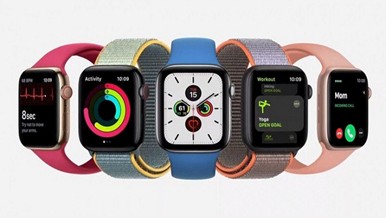
– Apple: Apple Watch chiếm ưu thế trong phân khúc cao cấp với các tính năng tiên tiến như ECG, SpO₂ và phát hiện té ngã. Đáng chú ý, Việt Nam đã trở thành một trung tâm sản xuất quan trọng đối với Apple Watch và AirPods[13], với các nhà cung cấp như Luxshare-ICT mở rộng hoạt động tại địa phương, qua đó củng cố vai trò của Việt Nam trong chuỗi cung ứng thiết bị đeo toàn cầu.
Nguồn: Akirasport
– Xiaomi, Huawei và Samsung: Cạnh tranh mạnh mẽ trong phân khúc đại chúng với các vòng đeo tay và đồng hồ thông minh có giá phải chăng, cung cấp thời lượng pin dài, tính năng theo dõi mức độ căng thẳng và GPS, giúp thiết bị đeo trở nên dễ tiếp cận hơn với nhiều nhóm người dùng.
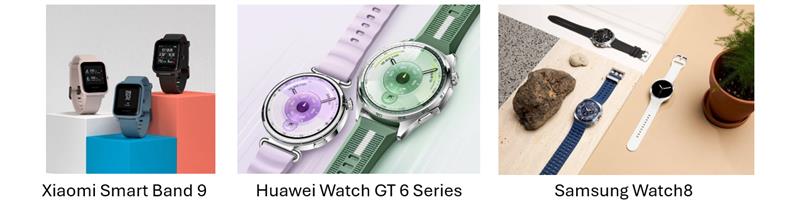
Nguồn: Tiki, Huawei, Samsung
Hàm ý chiến lược đối với nhà đầu tư nước ngoài
Thị trường y tế số của Việt Nam mang lại nhiều cơ hội lớn nhưng phải đối mặt với những thách thức đáng kể liên quan đến sự phức tạp của quy định và khoảng trống về cơ sở hạ tầng, đòi hỏi chiến lược gia nhập thị trường lấy tuân thủ làm ưu tiên hàng đầu. Thiết bị y tế được quản lý theo phân loại quy định tại Nghị định 98/2021 và Thông tư 05/2022, trong đó thiết bị rủi ro thấp (Loại A) chỉ yêu cầu đăng ký tối thiểu, còn các thiết bị đeo chẩn đoán hoặc theo dõi (Loại C/D) cần có giấy chứng nhận của Bộ Y tế và phải trải qua quy trình phê duyệt nghiêm ngặt hơn[14]. Các quy định về bảo mật dữ liệu, bao gồm Luật An ninh mạng (Nghị định 53/2022) và Nghị định về Bảo vệ dữ liệu cá nhân (Nghị định 13/2023), yêu cầu lưu trữ dữ liệu trong nước và áp dụng mức phạt nghiêm khắc đối với hành vi không tuân thủ, khiến việc tuân thủ trở thành yêu cầu thiết yếu.
Đối với các thương hiệu nước ngoài gia nhập thị trường thiết bị đeo thông minh của Việt Nam, việc đánh giá chặt chẽ các kênh phân phối và xây dựng chiến lược sản phẩm được xác định rõ ràng là yếu tố then chốt để gia nhập thành công và duy trì tăng trưởng.
– Chiến lược sản phẩm. Lựa chọn định hướng rõ ràng—phân khúc hiệu năng cao cấp hoặc thị trường đại chúng chú trọng giá trị—và điều chỉnh tính năng cũng như mức giá cho phù hợp. Ưu tiên các thông số thiết yếu: chỉ số sức khỏe chính xác (nhịp tim, nồng độ oxy trong máu, điện tâm đồ nếu được phép), GPS đa băng tần, màn hình AMOLED dễ đọc, thời lượng pin một tuần và khả năng chống nước tốt. Bản địa hóa cho Việt Nam với giao diện tiếng Việt, tích hợp thông báo cho các ứng dụng phổ biến trong nước (ví dụ: Zalo, MoMo), các thao tác phù hợp khi đi xe máy và độ bền trong điều kiện nóng ẩm.
– Phương thức phân phối. Xây dựng nền tảng phân phối đa kênh: 확보 vị trí trưng bày tại các nhà bán lẻ và nhà mạng trên toàn quốc (The Gioi Di Dong, FPT Shop, Viettel), mở rộng bán hàng trực tuyến qua Shopee/Lazada/TikTok Shop và bổ sung các điểm tiếp xúc trải nghiệm (dùng thử tại cửa hàng, sự kiện giới thiệu tại phòng gym/trung tâm thể hình). Kết hợp sản phẩm với các gói cước viễn thông và chương trình chăm sóc sức khỏe doanh nghiệp (dành cho doanh nghiệp sử dụng lao động, phòng gym, công ty bảo hiểm) để thúc đẩy tỷ lệ kích hoạt và duy trì người dùng.
* Nếu bạn muốn trích dẫn bất kỳ thông tin nào từ bài viết này, xin vui lòng ghi rõ nguồn cùng với liên kết đến bài viết gốc để tôn trọng bản quyền.
| B&Company
Công ty Nhật Bản đầu tiên chuyên về nghiên cứu thị trường tại Việt Nam từ năm 2008. Chúng tôi cung cấp một loạt các dịch vụ bao gồm báo cáo ngành, phỏng vấn ngành, khảo sát người tiêu dùng, kết nối kinh doanh. Ngoài ra, chúng tôi đã phát triển một cơ sở dữ liệu với hơn 900.000 công ty tại Việt Nam, có thể được sử dụng để tìm kiếm đối tác và phân tích thị trường. Xin vui lòng liên hệ với chúng tôi nếu bạn có bất kỳ câu hỏi nào. info@b-company.jp + (84) 28 3910 3913 |
[1] https://www.techsciresearch.com/report/vietnam-ehealth-market/7913.html
[2] https://biblio.ugent.be/publication/01JMBY7DGRAN25Z1X5JRGQZ24D
[3] https://www.trade.gov/market-intelligence/vietnam-cybersecurity-data-localization-requirements
[4] https://www.pureglobal.com/markets/vietnam/vietnam-medical-device-and-ivd-classification-and-grouping
[5] https://www.nucamp.co/blog/coding-bootcamp-viet-nam-vnm-education-how-ai-is-helping-education-companies-in-viet-nam-cut-costs-and-improve-efficiency
[6] https://vietcetera.com/en/vietnam-innovator-doctor-anywhere-lands-a-30m-usd-investment-for-digital-health-as-demand-in-vietnam-surges
[7] https://www.mekongcapital.com/our-investment/gene-solutions-2025/
[8] https://vietnamnews.vn/economy/1499952/telehealth-platform-medigo-bags-2-million-in-series-a-funding.html
[9] https://arxiv.org/abs/2104.02256
[10] https://www.exemplars.health/emerging-topics/epidemic-preparedness-and-response/digital-health-tools/ncovi-and-bluezone-in-vietnam
[11] https://www.imarcgroup.com/vietnam-wearable-technology-market
[12] https://vietnamnet.vn/en/how-high-income-vietnamese-choose-smartwatches-2422573.html
[13] https://www.vietnam-briefing.com/news/apples-production-strategy-in-vietnam.html/
[14] https://www.pureglobal.com/markets/vietnam/vietnam-medical-device-and-ivd-classification-and-grouping
Bài viết liên quan



































Đăng nhập / Đăng ký
ĐĂNG KÝ NHẬN BẢN TIN