

 Tiếng Việt
  English
  日本語
日本語  简体中文
简体中文  한국어
한국어 Thị trường thiết bị nhà thông minh Việt Nam đang tạo điều kiện thuận lợi cho các thương hiệu nước ngoài có công nghệ mạnh và khả năng bản địa hóa tốt.
26/01/2026
Nội dung nổi bật / Nội dung nổi bật JP / Nội dung nổi bật vi / Đánh giá ngành / Tin tức & báo cáo mới nhất
Bình luận: Không có bình luận.
Thị trường thiết bị nhà thông minh của Việt Nam đang tăng trưởng nhanh chóng nhờ quá trình đô thị hóa, thu nhập khả dụng gia tăng và hạ tầng số được cải thiện. Mặc dù mức độ áp dụng đang mở rộng, tỷ lệ thâm nhập hộ gia đình vẫn tương đối thấp, cho thấy dư địa phát triển thị trường còn rất lớn. Nhu cầu ngày càng được thúc đẩy bởi hiệu quả năng lượng, an ninh gia đình và các hệ sinh thái tích hợp, cùng với khả năng chi trả cho thiết bị được cải thiện. Cấu trúc thị trường cho thấy sự phân khúc rõ rệt giữa các sản phẩm nhập khẩu giá rẻ, giải pháp nội địa được bản địa hóa và sản phẩm quốc tế cao cấp, tạo điều kiện thuận lợi cho các thương hiệu nước ngoài có thế mạnh về công nghệ, tích hợp hệ sinh thái và năng lực bản địa hóa.
Tổng quan thị trường
Quy mô thị trường và quỹ đạo tăng trưởng
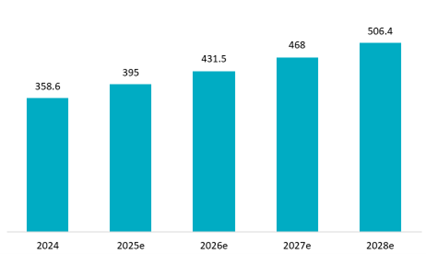
Thị trường nhà thông minh của Việt Nam đã tạo ra doanh thu khoảng 358,59 triệu USD vào năm 2024 và dự kiến sẽ đạt 506,4 triệu USD vào năm 2028, phản ánh tốc độ tăng trưởng kép hàng năm (CAGR) là 11,411 tỷ USD trong giai đoạn 2024-2028.
Quy mô Thị trường Nhà thông minh Việt Nam (2024 – 2033)
Đơn vị: triệu USD
Nguồn: Thống kê
Trước giai đoạn 2018-2019, có khoảng các công ty hoạt động trong lĩnh vực nhà thông minh. Tuy nhiên, con số này hiện đã tăng lên khoảng 600 – 700 công ty, bao gồm cả các doanh nghiệp lớn và công ty khởi nghiệp[2]. Điều này là do nhu cầu ngày càng tăng đối với các thiết bị nhà thông minh, được hỗ trợ bởi quá trình đô thị hóa đang diễn ra tại Việt Nam, thu nhập khả dụng gia tăng và mức độ kết nối Internet ngày càng cao, đặc biệt tại các thành phố lớn như Hà Nội và Thành phố Hồ Chí Minh.
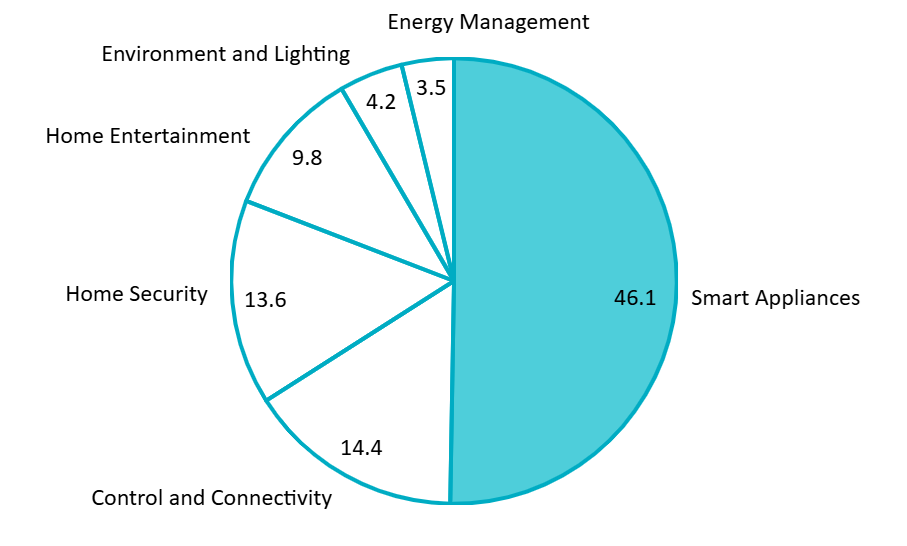
Năm 2024, thiết bị gia dụng thông minh chiếm lĩnh thị trường thiết bị nhà thông minh Việt Nam với doanh thu 165,21 triệu USD, chiếm thị phần lớn nhất. Tiếp theo là các thiết bị điều khiển & kết nối (51,59 triệu USD) và thiết bị an ninh gia đình (48,88 triệu USD), phản ánh nhu cầu mạnh mẽ về tích hợp liền mạch và an toàn gia đình. Các phân khúc còn lại, bao gồm giải trí gia đình, môi trường & chiếu sáng và quản lý năng lượng, đóng góp tỷ trọng nhỏ hơn nhưng cho thấy sự quan tâm ngày càng tăng đối với sự tiện nghi và tối ưu hóa năng lượng.[3].
Vietnam Smart Home Device Market Revenue by Segment (2024)
100% = 358,6 triệu USD
Nguồn: Thống kê
Mức độ thâm nhập hộ gia đình và hành vi người tiêu dùng
Tỷ lệ sử dụng thiết bị nhà thông minh trong các hộ gia đình tại Việt Nam đạt 15,41 tỷ người/tỷ lệ dân số vào năm 2024 và dự kiến sẽ tăng lên 25,71 tỷ người/tỷ lệ dân số vào năm 2028.[4]. Trong cùng năm đó, Quản lý Năng lượng sẽ trở thành một trong những phân khúc người dùng lớn nhất, phản ánh mối quan tâm ngày càng tăng của người tiêu dùng đối với hiệu quả năng lượng, tính bền vững và hành vi định hướng theo ESG. Số lượng người dùng của nhóm này vào năm 2028 dự kiến sẽ đạt 4,26 triệu, đưa phân khúc này từ gần cuối bảng xếp hạng năm 2024 lên vị trí phân khúc Nhà thông minh lớn thứ hai, vượt qua Thiết bị gia dụng thông minh (3,86 triệu người dùng)[5].
|
Number of Users in Vietnam by Smart Home Segment (2024) Đơn vị: triệu người dùng |
Số lượng người dùng tại Việt Nam theo phân khúc Nhà thông minh Đơn vị: triệu người dùng |
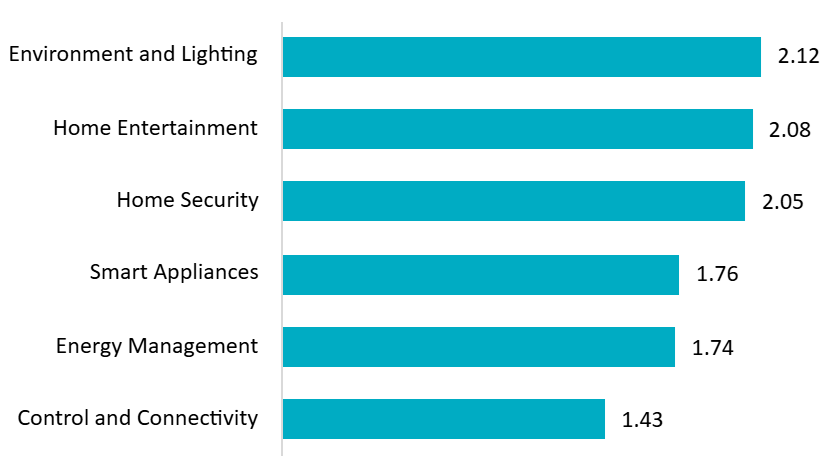
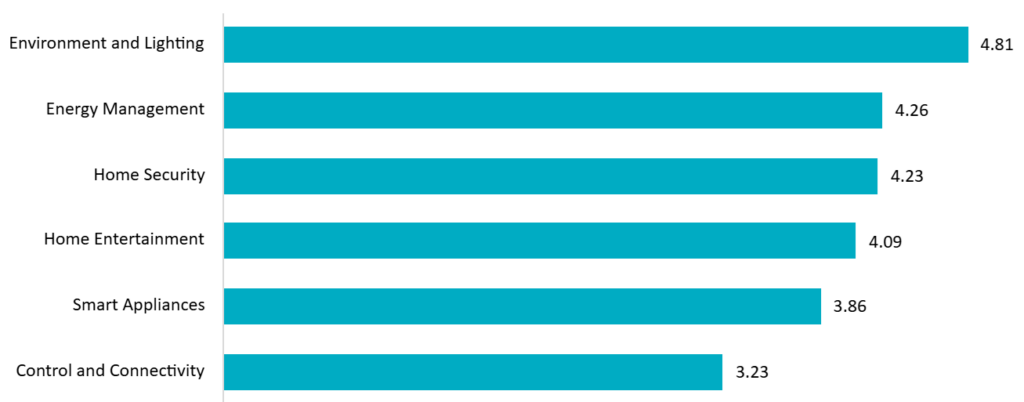
Nguồn: Vconnex
Theo các báo cáo, chi phí để một hộ gia đình Việt Nam trung bình lắp đặt trọn gói hệ thống nhà thông minh thường dao động từ 540 đến 960 USD. Tuy nhiên, người dùng có nhu cầu hạn chế hơn vẫn có thể tiếp cận các giải pháp nhà thông minh với mức giá thấp hơn nhiều, chỉ từ 15 USD đến 50 USD[6].
Cụ thể, người tiêu dùng Việt Nam đã tăng mạnh chi tiêu cho các thiết bị nhà thông minh, với mức chi tiêu bình quân cho thiết bị gia dụng thông minh tăng từ 33,8 USD năm 2017 lên gần 99 USD năm 2023, và thiết bị tiện nghi & chiếu sáng tăng từ 21,3 USD lên hơn 90 USD trong cùng kỳ. Thiết bị điều khiển & kết nối cũng cho thấy sự tăng trưởng ổn định, đạt 36,9 USD năm 2024, cho thấy sự chuyển dịch sang hệ sinh thái nhà thông minh tích hợp hơn. Mặc dù một số hạng mục có giảm nhẹ sau năm 2025, nhưng xu hướng chi tiêu tổng thể cho thấy nhu cầu mạnh mẽ và bền vững đối với sự tiện lợi, tự động hóa và cuộc sống kết nối.[7].
Xu hướng thị trường và các cập nhật quan trọng
Cơ sở hạ tầng CNTT và thương mại hóa 5G
Lĩnh vực Công nghệ thông tin và truyền thông của Việt Nam đạt 10,07 tỷ USD vào năm 2024, với dự báo tăng trưởng ở mức CAGR 12.60% để đạt 32,99 tỷ USD vào năm 2034[8]Bộ Thông tin và Truyền thông đã cấp phép triển khai 5G vào tháng 4 năm 2024, với Viettel và VNPT được cấp phép kinh doanh sử dụng băng tần 5G. Tính đến cuối năm 2024, Việt Nam đã triển khai khoảng 11.000 trạm gốc 5G trên toàn quốc, phủ sóng 261.000 người, và có kế hoạch mở rộng lên 68.000 trạm gốc, đạt độ phủ sóng 901.000 người.[9]Viettel đã đầu tư khoảng 1,2 tỷ USD vào phát triển mạng 5G, trong khi MobiFone đã ra mắt dịch vụ 5G thương mại vào tháng 10 năm 2024 với khoảng 3 triệu thuê bao. Cơ sở hạ tầng kết nối được nâng cao này giúp giảm độ trễ cho các thiết bị nhà thông minh điều khiển từ xa và cho phép các khả năng tự động hóa theo thời gian thực, vốn rất quan trọng đối với các hệ sinh thái nhà thông minh tiên tiến.
Mở rộng sản xuất và đầu tư nước ngoài
Việt Nam đang nhanh chóng nổi lên như một trung tâm sản xuất chiến lược cho các thiết bị nhà thông minh, khi các tập đoàn công nghệ lớn chuyển hoạt động sản xuất từ Trung Quốc. Vào tháng 10 năm 2024, Apple công bố kế hoạch sản xuất dòng thiết bị nhà thông minh mới tại Việt Nam, hợp tác với BYD, một nhà sản xuất Trung Quốc, để thực hiện công đoạn lắp ráp cuối cùng, kiểm thử và đóng gói. Đây là một sự chuyển dịch đáng kể, bởi Apple theo truyền thống thường sản xuất các sản phẩm mới trước tiên tại Trung Quốc. Danh mục sản phẩm bao gồm camera an ninh trong nhà, màn hình trung tâm điều khiển gia đình và robot để bàn tiên tiến có khả năng chuyển động, dự kiến ra mắt vào năm 2027. Khoản đầu tư ban đầu của BYD tại tỉnh Phú Thọ đạt 269 triệu USD vào tháng 9 năm 2021, sau đó tăng lên 413 triệu USD, cho thấy quy mô cơ sở hạ tầng sản xuất đang được phát triển chuyên biệt cho hoạt động sản xuất thiết bị nhà thông minh.
Sự gia tăng các thiết bị giá cả phải chăng
Các thiết bị nhà thông minh phổ thông đã đạt mức giá phù hợp với thị trường đại chúng, trong đó bóng đèn thông minh, phích cắm thông minh và bộ tự động hóa cơ bản có giá dưới 100 USD tính đến năm 2024. Mức giá dễ tiếp cận này đã mở rộng khả năng tiếp cận thiết bị nhà thông minh vượt ra ngoài nhóm người dùng tiên phong có thu nhập cao, thúc đẩy tốc độ áp dụng trong tầng lớp trung lưu đang mở rộng của Việt Nam. Các nhà sản xuất Trung Quốc, đặc biệt là Xiaomi, chiếm ưu thế trong phân khúc giá phải chăng nhờ cung cấp sản phẩm chất lượng cao với mức giá cạnh tranh, phù hợp với người tiêu dùng Việt Nam nhạy cảm về chi phí[10].
Khả năng tương thích giữa các hệ sinh thái nhà thông minh
Sự xuất hiện của giao thức Matter, một tiêu chuẩn nhà thông minh toàn cầu cho phép các thiết bị từ các thương hiệu khác nhau kết nối và hoạt động liền mạch với nhau, đang giải quyết những thách thức kéo dài về khả năng tương thích vốn làm phân mảnh thị trường thiết bị nhà thông minh của Việt Nam. Tiêu chuẩn mã nguồn mở này, được Amazon, Apple, Google, Samsung và các nhà sản xuất lớn khác hỗ trợ, cho phép tích hợp liền mạch các thiết bị trên nhiều hệ sinh thái. Quan hệ hợp tác giữa Samsung và Google cung cấp khả năng quản trị đa nền tảng, cho phép người dùng đồng thời đưa các thiết bị tương thích với Matter vào các nền tảng SmartThings và Google Home.
An ninh đang gia tăng
An ninh đã trở thành ưu tiên hàng đầu của các hộ gia đình Việt Nam khi mối lo ngại về đột nhập, hỏa hoạn và rò rỉ điện ngày càng gia tăng. Đến năm 2025, người tiêu dùng kỳ vọng các hệ thống nhà thông minh sẽ không chỉ đơn thuần là báo động mà còn cung cấp khả năng bảo vệ thông minh và dự đoán.[11]Các cảnh báo theo thời gian thực được gửi qua ứng dụng di động hoặc email hiện đã trở thành tiêu chuẩn, trong khi camera tích hợp trí tuệ nhân tạo có thể phát hiện hành vi bất thường, kích hoạt các hành động tự động như điều khiển ánh sáng hoặc cửa ra vào, và gửi video đến chủ nhà hoặc đội ngũ an ninh tòa nhà.
Các Doanh nghiệp Chủ chốt trên Thị trường Thiết bị Nhà thông minh Việt Nam
Thị trường thiết bị nhà thông minh tại Việt Nam có mức độ phân mảnh vừa phải, với sự cạnh tranh giữa các tập đoàn công nghệ quốc tế và các doanh nghiệp chuyên biệt trong nước. Các thương hiệu nước ngoài đang chiếm ưu thế trong lĩnh vực nhà thông minh tại Việt Nam nhờ cung cấp sản phẩm cho cả phân khúc đại chúng và cao cấp: các hệ sinh thái Trung Quốc định hướng giá trị (Xiaomi/Mi, các OEM dựa trên Tuya, Aqara, TP-Link/Tapo) cạnh tranh cùng các thương hiệu toàn cầu lâu năm (Samsung SmartThings, Google Nest, Amazon Alexa, Bosch và các thương hiệu an ninh như Hikvision/Ezviz), với mỗi bên theo đuổi những hướng tiếp cận thị trường khác nhau. Nghiên cứu thị trường cho thấy phân khúc nhà thông minh tại Việt Nam đang mở rộng nhanh chóng, với dự báo CAGR cao và quy mô thị trường lên tới hàng trăm triệu USD, thu hút sự quan tâm rộng rãi từ các nhà cung cấp.
Các doanh nghiệp trong nước như Lumi, Rang Dong, FPT và BKAV đã xây dựng được vị thế thị trường vững chắc thông qua các chiến lược bản địa hóa, bao gồm hỗ trợ tiếng Việt, thiết kế phần cứng phù hợp với khí hậu, mạng lưới nhà phân phối nội địa rộng khắp và mức giá cạnh tranh. Nhà máy sản xuất rộng 6.000 m² cùng mạng lưới 150 nhà phân phối của Lumi là minh chứng cho cách các doanh nghiệp trong nước cạnh tranh hiệu quả với các tập đoàn đa quốc gia nhờ lắp đặt nhanh, hỗ trợ khách hàng bằng ngôn ngữ địa phương và các sản phẩm được tối ưu hóa cho hạ tầng điện tại Việt Nam.
Hợp tác khu vực vẫn còn hạn chế, các công ty Việt Nam hiếm khi hợp tác với nhau bất chấp sự phân mảnh thị trường. Các chuyên gia trong ngành đã nhấn mạnh sự cần thiết phải tăng cường hợp tác để xây dựng chuỗi giá trị mạnh mẽ hơn và cạnh tranh hiệu quả hơn với hàng nhập khẩu từ Trung Quốc, vốn đang thống trị phân khúc thiết bị nhà thông minh giá rẻ.
Bảng 1. Các nhà sản xuất chính trên thị trường thiết bị nhà thông minh Việt Nam
| Không. | Công ty | Năm
(bằng tiếng Việt) |
Quốc gia | Sản phẩm chính | Hồ sơ công ty |
| 1 | Tập đoàn Panasonic | 1971 | Nhật Bản | Thiết bị gia dụng thông minh, máy lọc không khí, tủ lạnh, máy giặt, thiết bị quản lý năng lượng | Panasonic tập trung vào việc tạo ra không gian sống thoải mái, lấy con người làm trung tâm và thân thiện với môi trường thông qua các giải pháp IoT gia đình. Công nghệ IoT gia đình của Panasonic cho phép người dùng điều khiển điều hòa, đèn chiếu sáng và rèm cửa thông qua điện thoại thông minh, tích hợp các thiết bị thông minh và đồ nội thất gia đình vào một hệ sinh thái tập trung. |
| 2 | Tập đoàn FPT | 1988 | Vietnam | FPT Play Box+, hệ thống chiếu sáng thông minh, giải pháp an ninh, hệ thống giải trí | FPT Smart Home tận dụng hệ sinh thái kỹ thuật số và viễn thông mạnh mẽ của mình để cung cấp các giải pháp nhà thông minh phù hợp với thị trường Việt Nam. Được hỗ trợ bởi thương hiệu mạnh và mạng lưới phân phối rộng khắp cả nước, FPT Smart Home tập trung vào an ninh, quản lý năng lượng và các thiết bị tích hợp trí tuệ nhân tạo, định vị mình là một nền tảng đáng tin cậy, phục vụ thị trường đại chúng cho cuộc sống kết nối. |
| 3 | Bosch | 1994 | Đức | Hệ sinh thái Home Connect (nền tảng kết nối thông minh), tủ lạnh, máy rửa bát, lò nướng, hệ thống làm vườn trong nhà SmartGrow tích hợp trợ lý giọng nói | Định vị ở phân khúc cao cấp, hướng đến nhóm người tiêu dùng Việt Nam trung và cao cấp đang tìm kiếm chất lượng, đổi mới và các giải pháp cho lối sống hiện đại. Nền tảng Home Connect của công ty đóng vai trò là hệ sinh thái nhà thông minh trung tâm; công ty đang nhanh chóng mở rộng mạng lưới phân phối lên 1.000 cửa hàng nhà phân phối. |
| 4 | Schneider Electric | 1994 | Pháp | Hệ thống tự động hóa nhà ở, quản lý năng lượng, điều khiển chiếu sáng, công tắc thông minh | Các nhà lãnh đạo toàn cầu cho phép các tòa nhà, trung tâm dữ liệu, nhà máy, cơ sở hạ tầng và lưới điện hoạt động như những hệ sinh thái mở, kết nối. Các giải pháp của họ kết hợp các thiết bị thông minh, cơ sở hạ tầng dựa trên phần mềm, hệ thống hỗ trợ trí tuệ nhân tạo và dịch vụ kỹ thuật số, hỗ trợ quản lý năng lượng thông minh và tự động hóa. |
| 5 | Tập đoàn BKAV (thông qua BKAV SmartHome) | 1995 | Vietnam | Hệ thống nhà thông minh, camera an ninh và các gói nhà thông minh tích hợp. | Là doanh nghiệp tiên phong của Việt Nam trong lĩnh vực phần mềm/phần cứng an ninh; đã mở rộng sang lĩnh vực hệ thống nhà thông minh nhắm đến phân khúc biệt thự/cao cấp; tự phát triển nền tảng phần cứng và phần mềm, đảm bảo khả năng tương tác hệ thống liền mạch và điều khiển tập trung. |
| 6 | Google LLC (Nest) | 2003 | Hoa Kỳ | Bộ điều nhiệt Nest, camera, màn hình, loa Google Home, Chromecast | Hỗ trợ tiếng Việt được ra mắt vào năm 2019, giúp doanh số tăng gấp ba lần trong vòng hai tuần. Khả năng tích hợp rộng rãi với các thiết bị nhà thông minh thông qua Google Assistant và giao thức Matter. |
| 7 | Điện tử Samsung | 2008 | Hàn Quốc | Bộ điều khiển trung tâm SmartThings, thiết bị gia dụng thông minh, TV, màn hình, tủ lạnh Family Hub | Là công ty công nghệ hàng đầu thế giới với sự hiện diện mạnh mẽ tại Việt Nam. Nền tảng SmartThings ra mắt tại Việt Nam năm 2023, cung cấp hệ sinh thái thiết bị nhà thông minh tích hợp toàn diện với hỗ trợ giao thức Matter. |
| 8 | Tập đoàn Xiaomi | 2010 | Trung Quốc | Hệ sinh thái Mi Home, loa thông minh, camera, cảm biến, máy lọc không khí, robot hút bụi, thiết bị chiếu sáng | Chiếm ưu thế trong phân khúc thiết bị nhà thông minh giá phải chăng, cung cấp danh mục sản phẩm đa dạng với mức giá cạnh tranh. Nền tảng Mi Home được sử dụng rộng rãi tại Việt Nam dù yêu cầu kết nối với máy chủ Trung Quốc. |
| 9 | Lumi Việt Nam | 2012 | Vietnam | Công tắc thông minh, bộ điều khiển, khóa cửa, đèn LED, rèm cửa, cảm biến, hệ thống chiếu sáng | Tiên phong trên thị trường thiết bị nhà thông minh tại Việt Nam, vận hành nhà máy IoT rộng 6.000 m² với 150 nhà phân phối trên toàn quốc, phục vụ hơn 70.000 khách hàng. Là thương hiệu Việt Nam đầu tiên đạt các chứng nhận CE và QUACERT, với sản phẩm được xuất khẩu sang 9 quốc gia[12]. |
| 10 | Công ty Apple | 2015 | Hoa Kỳ | Nền tảng HomeKit, HomePod, Apple TV 4K, phụ kiện tương thích | Hệ sinh thái thiết bị nhà thông minh cao cấp, tập trung mạnh vào an ninh và quyền riêng tư. Hiện diện còn hạn chế nhưng đang tăng trưởng tại phân khúc thị trường cao cấp của Việt Nam. Apple đang chuẩn bị mở rộng hoạt động sản xuất tại Việt Nam để bắt đầu gia nhập thị trường nhà thông minh và giảm sự phụ thuộc vào Trung Quốc. |
| 11 | Hunonic | 2017 | Vietnam | Thiết bị nhà thông minh giá rẻ: công tắc thông minh, ổ cắm thông minh, cảm biến, giải pháp trọn gói | Hunonic tập trung xây dựng một hệ sinh thái nhà thông minh thống nhất. Với gần một triệu lượt tải ứng dụng, Hunonic thiết kế các giải pháp thân thiện với người dùng, phù hợp với thói quen sinh hoạt của người Việt Nam, nhấn mạnh vào việc cài đặt đơn giản, sử dụng trực quan và khả năng tương thích rộng rãi với nhiều loại nhà khác nhau. |
| 12 | Amazon.com | 2019 | Hoa Kỳ | Loa Echo, thiết bị an ninh Ring, nền tảng Alexa | Nền tảng trợ lý giọng nói hàng đầu với khả năng tích hợp rộng rãi với các thiết bị nhà thông minh của bên thứ ba. Đang gia tăng hiện diện tại Việt Nam dù chưa chính thức hỗ trợ tiếng Việt. Thông qua các thiết bị như camera an ninh Blink và Echo Show, người dùng có thể giám sát ngôi nhà, nhận thông báo chuông cửa và tương tác với Alexa. |
Tổng hợp của B&Company
Cơ hội đầu tư dành cho thương hiệu nước ngoài
Việt Nam mang đến bối cảnh cơ hội thuận lợi cho các thương hiệu thiết bị nhà thông minh nước ngoài nhờ mức độ thâm nhập thị trường còn ở giai đoạn đầu, cùng với các động lực tăng trưởng cơ cấu mạnh mẽ. Khi tỷ lệ thâm nhập hộ gia đình vẫn dưới % vào năm 2024[13], các thương hiệu nước ngoài có thể tận dụng lợi thế của người tiên phong trong việc định hình thị hiếu người tiêu dùng, tiêu chuẩn nền tảng và mức độ gắn kết với hệ sinh thái trước khi thị trường đạt đến độ trưởng thành. Khoảng thời gian này đặc biệt hấp dẫn đối với các thương hiệu cung cấp hệ sinh thái có khả năng mở rộng, thay vì các thiết bị độc lập.
Một cơ hội then chốt nằm ở khoảng trống trong phân khúc trung đến cao cấp giữa các sản phẩm nhập khẩu giá rẻ từ Trung Quốc và các nhà tích hợp Việt Nam cung cấp giải pháp nội địa hóa. Trong khi các thương hiệu Trung Quốc chiếm ưu thế ở các thiết bị phổ thông nhờ chiến lược định giá mạnh, còn các doanh nghiệp trong nước tập trung vào những giải pháp tùy chỉnh, đòi hỏi nhiều công đoạn lắp đặt, vẫn tồn tại nhu cầu chưa được đáp ứng đối với các thương hiệu được công nhận trên toàn cầu, có khả năng kết hợp phần cứng đáng tin cậy, hệ sinh thái phần mềm mạnh, cam kết về an ninh mạng và quản trị dữ liệu minh bạch. Điều này đặc biệt phù hợp với các hộ gia đình trung lưu tại đô thị, căn hộ cao cấp và biệt thự, nơi người tiêu dùng ngày càng gắn các thương hiệu nước ngoài với chất lượng, độ an toàn và độ tin cậy dài hạn.
Các thương hiệu nước ngoài cũng có vị thế thuận lợi để tận dụng chương trình phát triển hạ tầng thông minh và thúc đẩy tính bền vững đang được đẩy nhanh tại Việt Nam. Việc triển khai nhanh mạng 5G, các tiêu chuẩn bắt buộc về hiệu quả năng lượng và nhận thức ngày càng cao của người tiêu dùng về chi phí năng lượng đang tạo điều kiện thuận lợi cho các giải pháp nhà thông minh tiên tiến, như quản lý năng lượng ứng dụng AI, bảo trì dự đoán và hệ thống an ninh tích hợp. Các thương hiệu đã chứng minh được năng lực trong tối ưu hóa năng lượng, phát triển sản phẩm phù hợp với ESG và tự động hóa dựa trên dữ liệu có thể tạo khác biệt vượt ra ngoài các tính năng tiện ích cơ bản.
Một cơ hội đáng kể khác là thiết lập các quan hệ đối tác chiến lược trong hệ sinh thái bất động sản, viễn thông và bán lẻ của Việt Nam. Các nhà phát triển bất động sản ngày càng tích hợp tính năng nhà thông minh như một tiêu chuẩn trong các dự án nhà ở mới, trong khi các nhà mạng và nhà bán lẻ điện tử đang tìm kiếm các gói sản phẩm khác biệt để duy trì khách hàng. Các thương hiệu nước ngoài áp dụng mô hình B2B2C, đồng phát triển giải pháp với các nhà phát triển bất động sản, nhà mạng hoặc nhà tích hợp hệ thống, có thể đẩy nhanh quá trình gia nhập thị trường, giảm chi phí thu hút khách hàng và nội địa hóa sản phẩm mà không cần sao chép hoàn toàn mạng lưới lắp đặt của các doanh nghiệp Việt Nam.
Cuối cùng, việc Việt Nam nổi lên như một trung tâm sản xuất và lắp ráp cấp khu vực củng cố luận điểm kinh doanh cho các thương hiệu nước ngoài tìm kiếm cả khả năng tiếp cận thị trường lẫn tính bền vững của chuỗi cung ứng. Sản xuất hoặc lắp ráp hoàn thiện trong nước không chỉ cải thiện năng lực cạnh tranh về chi phí và thời gian giao hàng mà còn phù hợp với các chiến lược đa dạng hóa “China+1”, đồng thời nâng cao nhận thức tích cực về thương hiệu trong nhóm người tiêu dùng Việt Nam ngày càng coi trọng các yếu tố chứng nhận “Made in Vietnam” hoặc “Assembled in Vietnam”.
Thách thức đầu tư
Thị trường thiết bị nhà thông minh tại Việt Nam vẫn còn phân mảnh với nhiều nền tảng cạnh tranh và khả năng tương tác hạn chế, dẫn đến sự nhầm lẫn cho người tiêu dùng trong quá khứ. Mặc dù giao thức Matter giải quyết được một số vấn đề, nhưng các hệ thống cũ và sở thích về nền tảng vẫn tiếp tục làm phân mảnh thị trường.
Đầu tư đáng kể vào giáo dục người tiêu dùng là điều cần thiết, vì nhiều người tiêu dùng Việt Nam vẫn chưa quen thuộc với lợi ích của thiết bị nhà thông minh, yêu cầu lắp đặt và chi phí vận hành liên tục. Chi phí lắp đặt trung bình 1.000 USD cho các hệ thống hoàn chỉnh là rào cản đáng kể đối với người tiêu dùng nhạy cảm về giá.[14].
Các thiết bị nhà thông minh giá rẻ nhập khẩu từ Trung Quốc chiếm ưu thế trong phân khúc bình dân tại Việt Nam, tạo ra sự cạnh tranh gay gắt về giá. Nhiều doanh nghiệp Việt Nam chủ yếu nhập khẩu sản phẩm Trung Quốc rồi gắn thương hiệu Việt Nam, thay vì phát triển công nghệ nội địa, qua đó hạn chế cơ hội tạo khác biệt. Ngoài ra, khung pháp lý về bảo hộ sở hữu trí tuệ của Việt Nam, dù đang được cải thiện, vẫn yếu hơn so với các thị trường phát triển. Các nhà đầu tư nước ngoài nên triển khai các chiến lược bảo hộ sở hữu trí tuệ vững chắc và đánh giá kỹ lưỡng các thỏa thuận chuyển giao công nghệ.
Việc thiết lập mạng lưới phân phối hiệu quả đòi hỏi đáng kể thời gian và nguồn lực. Bối cảnh bán lẻ tại Việt Nam bao gồm các cửa hàng điện tử truyền thống, các nền tảng thương mại điện tử mới nổi, các gói dịch vụ kết hợp của nhà mạng viễn thông và các nhà phân phối độc lập, trong đó mỗi kênh cần có chiến lược riêng. Bên cạnh đó, việc cung cấp dịch vụ hỗ trợ kỹ thuật sau bán hàng, bảo hành đầy đủ và cập nhật phần mềm đòi hỏi doanh nghiệp phải hiện diện tại địa phương hoặc hợp tác với các nhà cung cấp dịch vụ uy tín. Người tiêu dùng Việt Nam ngày càng yêu cầu dịch vụ hỗ trợ bằng ngôn ngữ địa phương nhanh chóng và hiệu quả.
* Nếu bạn muốn trích dẫn bất kỳ thông tin nào từ bài viết này, xin vui lòng ghi rõ nguồn cùng với liên kết đến bài viết gốc để tôn trọng bản quyền.
| B&Company
Công ty Nhật Bản đầu tiên chuyên về nghiên cứu thị trường tại Việt Nam từ năm 2008. Chúng tôi cung cấp một loạt các dịch vụ bao gồm báo cáo ngành, phỏng vấn ngành, khảo sát người tiêu dùng, kết nối kinh doanh. Ngoài ra, chúng tôi đã phát triển một cơ sở dữ liệu với hơn 900.000 công ty tại Việt Nam, có thể được sử dụng để tìm kiếm đối tác và phân tích thị trường. Xin vui lòng liên hệ với chúng tôi nếu bạn có bất kỳ câu hỏi nào. info@b-company.jp + (84) 28 3910 3913 |
[1] Statista. Smart Home Vietnam (https://www.statista.com/outlook/cmo/smart-home/vietnam)
[2] VnEconomy, Thị trường smarthome Việt Nam tăng trưởng “nóng” nhưng chưa được chuẩn hóa và xanh (2024), có tại:
https://vneconomy.vn/techconnect/thi-truong-smarthome-viet-nam-tang-truong-nong-nhung-chua-duoc-chuan-hoa-va-xanh.htm
[3] Vconnex, Thị trường nhà thông minh Việt Nam và thế giới giai đoạn 2024–2028 (2024), có tại:
https://vconnex.vn/thi-truong-nha-thong-minh-viet-nam-va-the-gioi-2024-den-2028/
[4] FPT Smart Home, FPT Smart Home dẫn đầu thị trường nhà thông minh Việt Nam sau 3 năm (2024), có mặt tại:
https://fptsmarthome.vn/tin-tuc/fpt-smart-home-dan-dau-thi-truong-nha-thong-minh-viet-nam-sau-3-nam/
[5] Vconnex, Thị trường nhà thông minh Việt Nam và thế giới giai đoạn 2024–2028 (2024), có tại:
https://vconnex.vn/thi-truong-nha-thong-minh-viet-nam-va-the-gioi-2024-den-2028/
[6] Vietnamnet, Nhà thông minh tại Việt Nam ngày càng nhanh. Có sẵn tại: https://vietnamnet.vn/nha-thong-minh-tai-viet-nam-ngay-cang-re-i5013301.html
[7] Statista, Nhà thông minh – Triển vọng thị trường Việt Nam (2024), có sẵn tại:
https://www.statista.com/outlook/cmo/smart-home/vietnam
[8] Báo cáo Nghiên cứu Thị trường Chuyên gia, Quy mô, thị phần và triển vọng thị trường CNTT Việt Nam (2024), có sẵn tại:
https://www.marketresearch.com/Expert-Market-Research-v4220/Vietnam-ICT-Size-Share-Outlook-41226136/
[9] Bộ Thông tin và Truyền thông (MIC) cho biết, mạng 5G của Việt Nam phủ sóng 261.300.000 dân (năm 2024), có thể truy cập tại:
https://beta-en.mic.gov.vn/viet-nams-5g-network-covers-26-of-population-197250716153449052.htm
[10] MMOSITE, hệ sinh thái mở rộng Xiaomi tại Việt Nam (2024), có mặt tại:
https://mmosite.vn/xiaomi-mo-rong-he-sinh-thai-tai-viet-nam/
[11] Eurostellar, Xu hướng smarthome hiện đại 2025 (2025), có tại:
https://www.eurostellar.com/post/xu-huong-smarthome-hien-dai-2025
[12] Báo Phú Thọ, Nhà máy thông minh Lumi tiên phong đổi mới sáng tạo và phát triển (2024), có tại:
https://baophutho.vn/lumi-smart-factory-tien-phong-doi-moi-sang-tao-va-phat-trien-238256.htm
[13] FPT Smart Home, FPT Smart Home dẫn đầu thị trường nhà thông minh Việt Nam sau 3 năm (2024), có mặt tại:
https://fptsmarthome.vn/tin-tuc/fpt-smart-home-dan-dau-thi-truong-nha-thong-minh-viet-nam-sau-3-nam/
[14] Vietnamnet, Nhà thông minh tại Việt Nam ngày càng rẻ (nd), có tại:
https://vietnamnet.vn/nha-thong-minh-tai-viet-nam-ngay-cang-re-i5013301.html
Bài viết liên quan



































Đăng nhập / Đăng ký
ĐĂNG KÝ NHẬN BẢN TIN