

 Tiếng Việt
  English
  日本語
日本語  简体中文
简体中文  한국어
한국어 Mặc dù tỷ lệ áp dụng công nghệ vào quản lý nhà hàng F&B rất cao, nhưng hầu hết các doanh nghiệp chỉ sử dụng những công cụ này ở mức cơ bản.

01/08/2025
Tin tức & Báo cáo mới nhất / Vietnam Briefing
Bình luận: Không có bình luận.
Mặc dù tỷ lệ áp dụng các ứng dụng công nghệ trong quản lý nhà hàng F&B ở mức cao, phần lớn doanh nghiệp chỉ sử dụng các công cụ này ở cấp độ cơ bản do gặp phải những thách thức như chi phí đầu tư ban đầu cao, hạn chế về chuyên môn công nghệ và sự kháng cự trong tổ chức. Báo cáo kết thúc bằng các khuyến nghị chiến lược về chuyển đổi số theo từng giai đoạn, đồng thời đề xuất các phương thức tiếp cận phù hợp cho nhà cung cấp công nghệ nhằm thâm nhập hiệu quả hơn vào phân khúc doanh nghiệp vừa và nhỏ.
Bức tranh thị trường F&B Việt Nam
Tính đến năm 2024, Việt Nam có khoảng 323.000 cơ sở F&B đang hoạt động, cho thấy một thị trường cạnh tranh cao với tốc độ đào thải nhanh; riêng trong nửa đầu năm đã ghi nhận 30.000 cơ sở đóng cửa. Bất chấp sự biến động này, tâm lý kinh doanh vẫn duy trì sự lạc quan: 79.6% doanh nghiệp vận hành tin tưởng vào triển vọng tăng trưởng của ngành, và hơn một nửa dự định sớm mở rộng hoạt động. Ngành F&B được dự báo sẽ đạt doanh thu 755 nghìn tỷ đồng vào năm 2025, tương đương mức tăng khoảng 9.6% so với năm 2024 [1].
Triển vọng doanh thu F&B giai đoạn 2025–2028
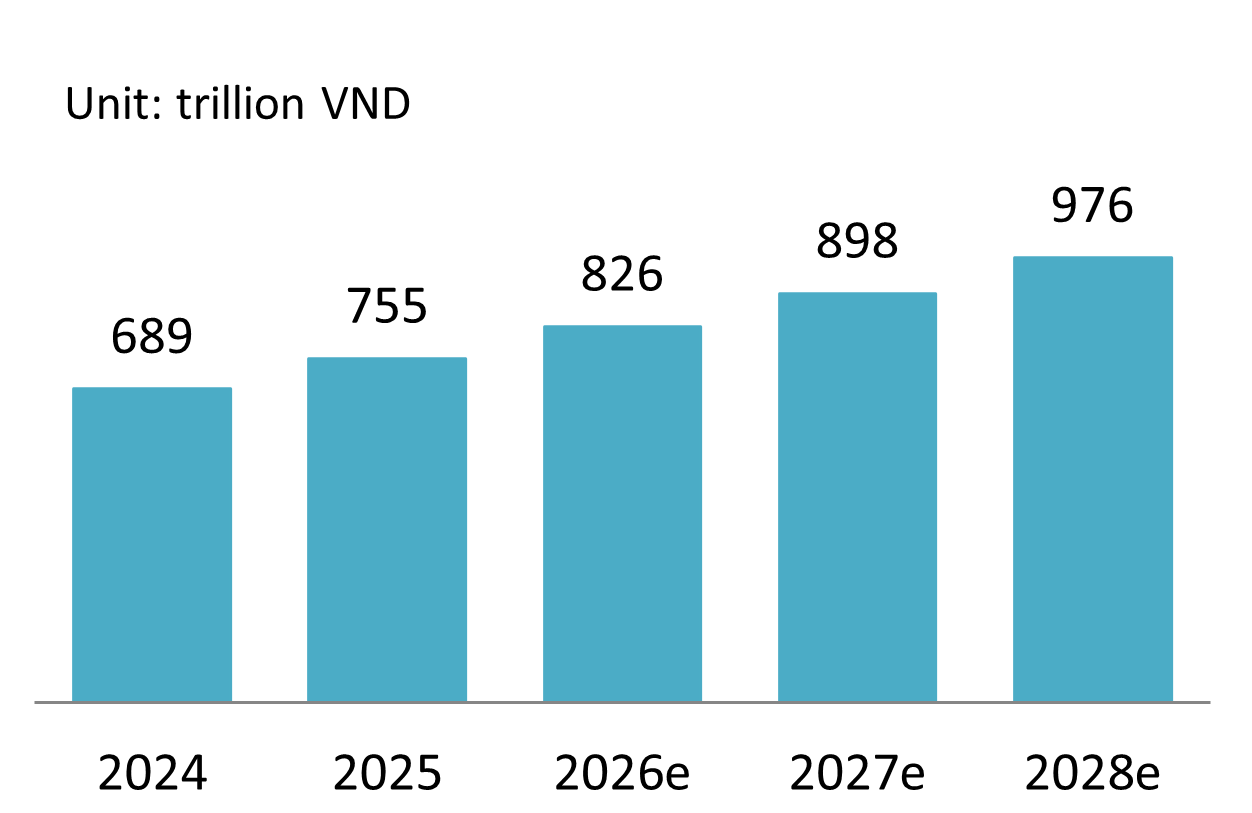
Nguồn: iPOS
Tuy nhiên, triển vọng tích cực này che giấu một điểm dễ tổn thương mang tính cơ cấu. Thị trường bị phân mảnh sâu sắc và chi phối bởi gần 280.000 doanh nghiệp siêu nhỏ—những đơn vị tạo nên nền tảng của ngành. Mặc dù đóng vai trò thúc đẩy mở rộng thị trường, các doanh nghiệp nhỏ này phải đối mặt với những thách thức đáng kể do nguồn lực hạn chế, năng lực thương lượng yếu và sự cạnh tranh ngày càng gia tăng từ các chuỗi F&B quy mô lớn được hỗ trợ bởi công nghệ.
Hành vi người tiêu dùng Việt Nam
Hành vi chi tiêu của người tiêu dùng đang có sự chuyển dịch rõ rệt: khách hàng chi tiêu ít hơn cho mỗi đơn hàng nhưng đi ăn uống bên ngoài thường xuyên hơn. Đối với đồ uống, các lựa chọn có giá cao (trên 70.000 đồng) đang giảm mức độ phổ biến, trong khi các lựa chọn có giá phải chăng hơn ngày càng được ưa chuộng. Tỷ trọng người tiêu dùng chi 21.000–35.000 đồng cho mỗi đồ uống tăng từ 29.6% năm 2023 lên 40% năm 2024. Trong khi đó, nhóm chi dưới 20.000 đồng tăng từ 4.3% lên 12.3%. Tổng cộng, hiện có hơn 52% người tiêu dùng chi dưới 35.000 đồng cho mỗi đồ uống [1].
Mặc dù mức chi tiêu cho mỗi đơn hàng thấp hơn, tần suất tiêu dùng đã tăng mạnh. Số người uống đồ uống hằng ngày đã tăng gấp ba lần so với cùng kỳ năm trước, trong khi nhóm uống 3–4 lần mỗi tuần tăng đáng kể từ 17.4% lên 32.8%. Xu hướng tương tự cũng được ghi nhận trong hành vi ăn uống: tỷ trọng người ăn ngoài 3–4 lần mỗi tuần tăng từ 17.4% năm 2023 lên 32.8% năm 2024 [1]. Một khảo sát khác thậm chí cho thấy 28.9% thực khách cho biết họ ăn ngoài với tần suất này—tăng từ chỉ 17.9% vào năm 2022 [2].
Điều này tạo áp lực lớn lên các doanh nghiệp F&B, đặc biệt là các doanh nghiệp nhỏ. Mức chi tiêu cho mỗi đơn hàng thấp hơn nhưng tần suất cao hơn đồng nghĩa với việc họ phải phục vụ nhiều khách hàng hơn để đạt cùng một mức doanh thu, trong khi các chi phí cố định như tiền thuê mặt bằng và lương nhân viên không thay đổi. Vì vậy, nâng cao hiệu quả vận hành hiện đã trở thành yếu tố thiết yếu. Mỗi giây tiết kiệm được và mỗi khoản chi phí được kiểm soát đều có ý nghĩa. Đây là lý do việc ứng dụng công nghệ vào hoạt động hằng ngày trở nên quan trọng hơn bao giờ hết để duy trì khả năng sinh lời.
Công nghệ đang được sử dụng tại Việt Nam
Hệ thống (Point of Sale)
Hệ thống POS là công nghệ được áp dụng rộng rãi nhất và mang tính nền tảng trong ngành F&B Việt Nam, đóng vai trò xương sống cho các hoạt động hằng ngày. Tuy nhiên, mức độ sử dụng có sự khác biệt đáng kể giữa các doanh nghiệp. Phần lớn doanh nghiệp sử dụng hệ thống POS như một phiên bản hiện đại của máy tính tiền truyền thống, tập trung vào các chức năng cơ bản như xử lý đơn hàng, thanh toán, in hóa đơn và hỗ trợ thanh toán đa kênh thông qua ví điện tử (ví dụ như, Momo, VNPay, ZaloPay) hoặc thẻ ngân hàng. Ở cấp độ ứng dụng nâng cao hơn, hệ thống POS còn được sử dụng để quản lý bàn và sơ đồ mặt bằng, báo cáo và phân tích dữ liệu bán hàng, cũng như tích hợp với hệ thống màn hình hiển thị tại bếp, qua đó nâng cao hiệu quả vận hành.
Quản lý quan hệ khách hàng (CRM)
Trong ba trụ cột công nghệ vận hành F&B, CRM có tiềm năng chiến lược lớn nhất nhưng vẫn chưa được các doanh nghiệp vừa và nhỏ tại Việt Nam khai thác đầy đủ. Phần lớn doanh nghiệp chỉ áp dụng ở cấp độ cơ bản—lưu trữ thông tin khách hàng hoặc triển khai các chương trình tích điểm đơn giản thông qua POS. Các tính năng nâng cao như phân khúc khách hàng, marketing tự động và quản lý phản hồi—những yếu tố then chốt để nâng cao trải nghiệm khách hàng và gia tăng giá trị vòng đời khách hàng (LTV)—hiếm khi được triển khai [3]. Trong bối cảnh biên lợi nhuận ngày càng thu hẹp, việc xem nhẹ CRM đồng nghĩa với bỏ lỡ công cụ hiệu quả nhất để xây dựng nguồn doanh thu bền vững, khiến các doanh nghiệp vừa và nhỏ mắc kẹt trong vòng xoáy tốn kém của việc thu hút khách hàng mới cho những giao dịch có biên lợi nhuận thấp.
Quản lý hàng tồn kho
Quản lý tồn kho đóng vai trò then chốt trong việc kiểm soát chi phí và tối đa hóa lợi nhuận trong hoạt động F&B. Tuy nhiên, phần lớn SME tại Việt Nam vẫn phụ thuộc vào các phương pháp thủ công hoặc theo dõi nhập/xuất kho cơ bản qua phần mềm, mà chưa khai thác các tính năng nâng cao như theo dõi mức sử dụng dựa trên công thức, cảnh báo tồn kho thấp hoặc phân tích hao hụt. Những công cụ này, vốn giúp tăng cường kiểm soát nguyên vật liệu và giảm thất thoát, thường bị bỏ qua do yêu cầu nhiều nỗ lực trong giai đoạn thiết lập ban đầu. Trong môi trường biên lợi nhuận thấp, việc thiếu kiểm soát tồn kho bằng công nghệ số dẫn đến các khoản thất thoát chi phí diễn ra hằng ngày nhưng không được nhận thấy. Ba rào cản chính cản trở việc ứng dụng công nghệ hiệu quả trong các SME là nguồn lực tài chính hạn chế, năng lực số thấp và tư duy vận hành bảo thủ.
So sánh các nhà cung cấp POS chủ chốt tại Việt Nam
| Tiêu chuẩn | KiotViet | Sapo FnB | iPOS.vn |
| Mô hình định giá | Thuê bao theo tháng/năm, chi phí hợp lý | Thuê bao theo tháng/năm, cung cấp cả gói miễn phí và trả phí | Giấy phép một lần (tại chỗ) hoặc thuê bao theo tháng (đám mây); yêu cầu phí thiết lập |
| Khách hàng mục tiêu | SME, cửa hàng bán lẻ nhỏ thuộc nhiều ngành nghề khác nhau | Nhà hàng, quán cà phê, nhà bán hàng đa kênh (trực tuyến và ngoại tuyến) | Chuỗi nhà hàng và quán cà phê quy mô vừa đến lớn, doanh nghiệp cần các giải pháp nâng cao |
| Các tính năng chính | Bán hàng và quản lý tồn kho dựa trên mã vạch, CRM cơ bản, báo cáo đơn giản, gọi món bằng máy tính bảng | Gọi món tại bàn, quản lý sơ đồ mặt bằng, quản lý tồn kho dựa trên công thức, CRM khách hàng VIP và tích hợp giao hàng | Hệ thống chuyên biệt cho F&B, quản lý chuỗi, Smart Kitchen, iPOS CRM, báo cáo kinh doanh tùy chỉnh |
| Điểm mạnh | Dễ sử dụng, chi phí thấp, hỗ trợ doanh nghiệp thuộc nhiều ngành | Năng lực đa kênh mạnh, tích hợp rộng rãi với các đối tác giao hàng, giao diện trực quan | Hệ sinh thái F&B toàn diện, được nhiều thương hiệu lớn tin dùng |
| Điểm yếu | CRM và phân tích còn hạn chế; đội ngũ bán hàng có thể thiếu kinh nghiệm | Có thể phức tạp đối với người mới bắt đầu do tính năng phong phú | Chi phí ban đầu và chi phí duy trì cao; phù hợp hơn với các chuỗi quy mô lớn |
Nguồn: Tổng hợp của B&Company
Rào cản trong việc ứng dụng công nghệ tại các SME F&B
Hạn chế tài chính: Nhiều doanh nghiệp F&B nhỏ cho rằng đầu tư công nghệ quá tốn kém so với mức thu nhập hiện tại. Ngoài phí phần mềm, các khoản chi phí còn bao gồm phần cứng (ví dụ: máy POS khoảng 5–10 triệu đồng, máy in khoảng 2 triệu đồng, máy tính bảng khoảng 5 triệu đồng), phí thuê bao hằng tháng và chi phí bảo trì liên tục. Lo ngại về ROI không chắc chắn khiến nhiều doanh nghiệp do dự trong việc số hóa toàn diện hoạt động [5].
Thiếu kiến thức và tâm lý e ngại công nghệ: Các chủ doanh nghiệp thường thừa nhận rằng họ không am hiểu công nghệ và cảm thấy quá tải trước quá nhiều lựa chọn phần mềm. Khi chưa hiểu rõ, họ đặt ra các mục tiêu mơ hồ và lo ngại bản thân hoặc nhân viên sẽ không thể sử dụng hệ thống hiệu quả, dẫn đến do dự hoặc từ bỏ trong quá trình triển khai ban đầu [5].
Tư duy và văn hóa doanh nghiệp: Nhiều SME vẫn phụ thuộc vào các quy trình trên giấy và phản đối thay đổi. Nhân viên có thể xem các công cụ mới là khối lượng công việc phát sinh thay vì công cụ hỗ trợ. Do đó, công nghệ được áp dụng một cách hời hợt, làm giảm hiệu quả và gây lãng phí đầu tư. “Công nghệ mới với thói quen cũ” thường dẫn đến thất bại trong chuyển đổi số [5].
Kết luận
Phân khúc SME F&B tại Việt Nam—dù phân mảnh và có quy mô khiêm tốn—vẫn là một thị trường giàu tiềm năng nhưng nhiều thách thức đối với các nhà cung cấp công nghệ. Mặc dù mang lại tiềm năng tăng trưởng đáng kể, việc chinh phục phân khúc này đòi hỏi nhiều hơn việc chỉ cung cấp các tính năng nâng cao. Phần lớn SME phải đối mặt với hạn chế tài chính, thiếu kỹ năng số và tư duy truyền thống đã ăn sâu. Vì vậy, các nhà cung cấp công nghệ cần chuyển từ cách tiếp cận truyền thống, nặng về tính năng sang cách tiếp cận thấu hiểu hơn, tinh gọn hơn và phù hợp với thực tế địa phương.
– Đơn giản hóa sản phẩm và cung cấp mức giá linh hoạt: Thiết kế phần mềm với giao diện trực quan và loại bỏ các tính năng không cần thiết khiến người dùng quá tải. Cân nhắc mô hình freemium hoặc gói thuê bao theo tháng với mức giá hợp lý để giảm rào cản tài chính và khuyến khích việc bắt đầu sử dụng.
– Truyền thông dựa trên kết quả kinh doanh thực tế: Thay vì nhấn mạnh các tính năng kỹ thuật, hãy tập trung vào những lợi ích hữu hình như “giảm thất thoát nguyên liệu 15%” hoặc “tăng tỷ lệ khách hàng quay lại”. Sử dụng nội dung mang tính giáo dục—như blog, hội thảo trực tuyến và nghiên cứu tình huống—để minh họa cách giải pháp của bạn xử lý các thách thức vận hành cụ thể.
– Nội địa hóa sâu sắc, không chỉ về ngôn ngữ: Tích hợp với hệ sinh thái địa phương của Việt Nam, bao gồm các ví điện tử như Momo và ZaloPay, các nền tảng giao hàng nội địa và hệ thống hóa đơn điện tử. Đảm bảo phần mềm phù hợp với quy trình làm việc thực tế, quy định và thói quen kinh doanh của các đơn vị F&B Việt Nam.
[1] iPOS và Nestle, báo cáo thị trường kinh doanh F&B tại Việt Nam năm 2024Truy cập>
[2] Mekong Food and Drink Show, Theo Báo cáo Thị trường F&B tại Việt Nam do IPOS.vn công bố gần đây, tính đến cuối năm 2023, ngành F&B ghi nhận mức tăng trưởng ấn tượng so với năm 2022, với tổng doanh thu vượt 590 nghìn tỷ đồng <Truy cập>
[3] iPOS, 9 lợi ích của phần mềm quản lý nhà hàng mà bạn có thể chưa biết <Truy cập>
[4] CRMVIET, Ứng dụng CRM trong ngành F&B <Truy cập>
[5] KiotViet, Chuyển đổi số trong ngành F&B – Nhiều hộ kinh doanh nhỏ gặp thách thức <Truy cập>
* Nếu bạn muốn trích dẫn bất kỳ thông tin nào từ bài viết này, xin vui lòng ghi rõ nguồn cùng với liên kết đến bài viết gốc để tôn trọng bản quyền.
| B&Company
Công ty Nhật Bản đầu tiên chuyên về nghiên cứu thị trường tại Việt Nam từ năm 2008. Chúng tôi cung cấp một loạt các dịch vụ bao gồm báo cáo ngành, phỏng vấn ngành, khảo sát người tiêu dùng, kết nối kinh doanh. Ngoài ra, chúng tôi đã phát triển một cơ sở dữ liệu với hơn 900.000 công ty tại Việt Nam, có thể được sử dụng để tìm kiếm đối tác và phân tích thị trường. Xin vui lòng liên hệ với chúng tôi nếu bạn có bất kỳ câu hỏi nào. info@b-company.jp + (84) 28 3910 3913 |
Bài viết liên quan




















Đăng nhập / Đăng ký
ĐĂNG KÝ NHẬN BẢN TIN