

 Tiếng Việt
  English
  日本語
日本語  简体中文
简体中文  한국어
한국어 Ẩm thực Nhật Bản cao cấp đang ngày càng phổ biến tại Việt Nam. Omakase vẫn là một trong những hình thức quen thuộc nhất, nhưng xu hướng này đang lan rộng.
24/07/2026
Tin tức & Báo cáo mới nhất / Vietnam Briefing
Bình luận: Không có bình luận.
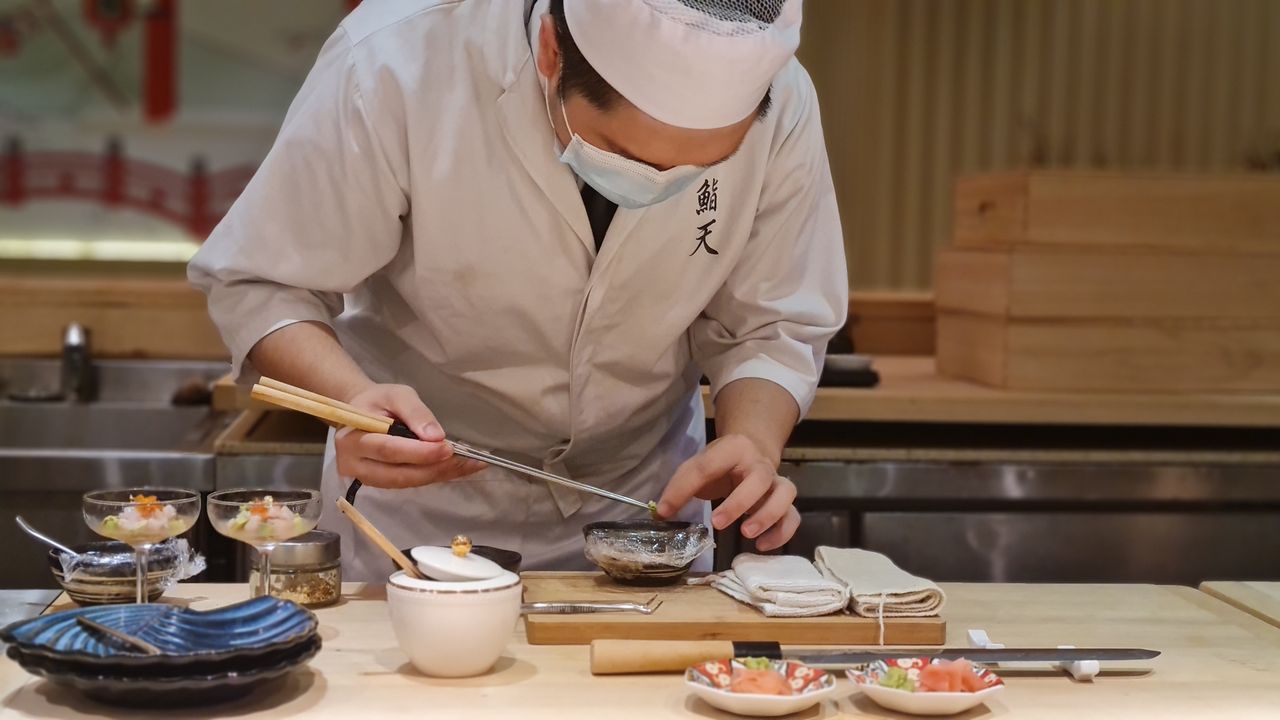
Ẩm thực Nhật Bản cao cấp đang ngày càng hiện diện rõ nét hơn tại Việt Nam. Omakase vẫn là một trong những mô hình dễ nhận diện nhất, nhưng xu hướng rộng hơn hiện nay còn bao gồm Wagyu yakiniku, teppanyaki, ẩm thực phong cách kappo, ẩm thực Nhật hiện đại và ẩm thực fine dining tại khu nghỉ dưỡng. Bài viết này phân tích cách các nhà hàng Nhật Bản cao cấp đang đa dạng hóa tại Việt Nam, vì sao khách hàng Việt Nam ngày càng cởi mở hơn, và điều đó có ý nghĩa gì đối với các doanh nghiệp thực phẩm và đồ uống Nhật Bản.
Từ ẩm thực Nhật Bản đến ẩm thực Nhật cao cấp
Ẩm thực Nhật Bản đã hiện diện tại Việt Nam trong nhiều năm. Sushi, ramen, izakaya và yakiniku đã khá quen thuộc với nhiều người tiêu dùng đô thị. Trước đây, các nhà hàng Nhật Bản thường phụ thuộc vào cộng đồng người nước ngoài, khách công tác Nhật Bản và những khách hàng Việt Nam đã quen với ẩm thực Nhật.
Number of Japanese restaurants in some cities in Vietnam in 2024
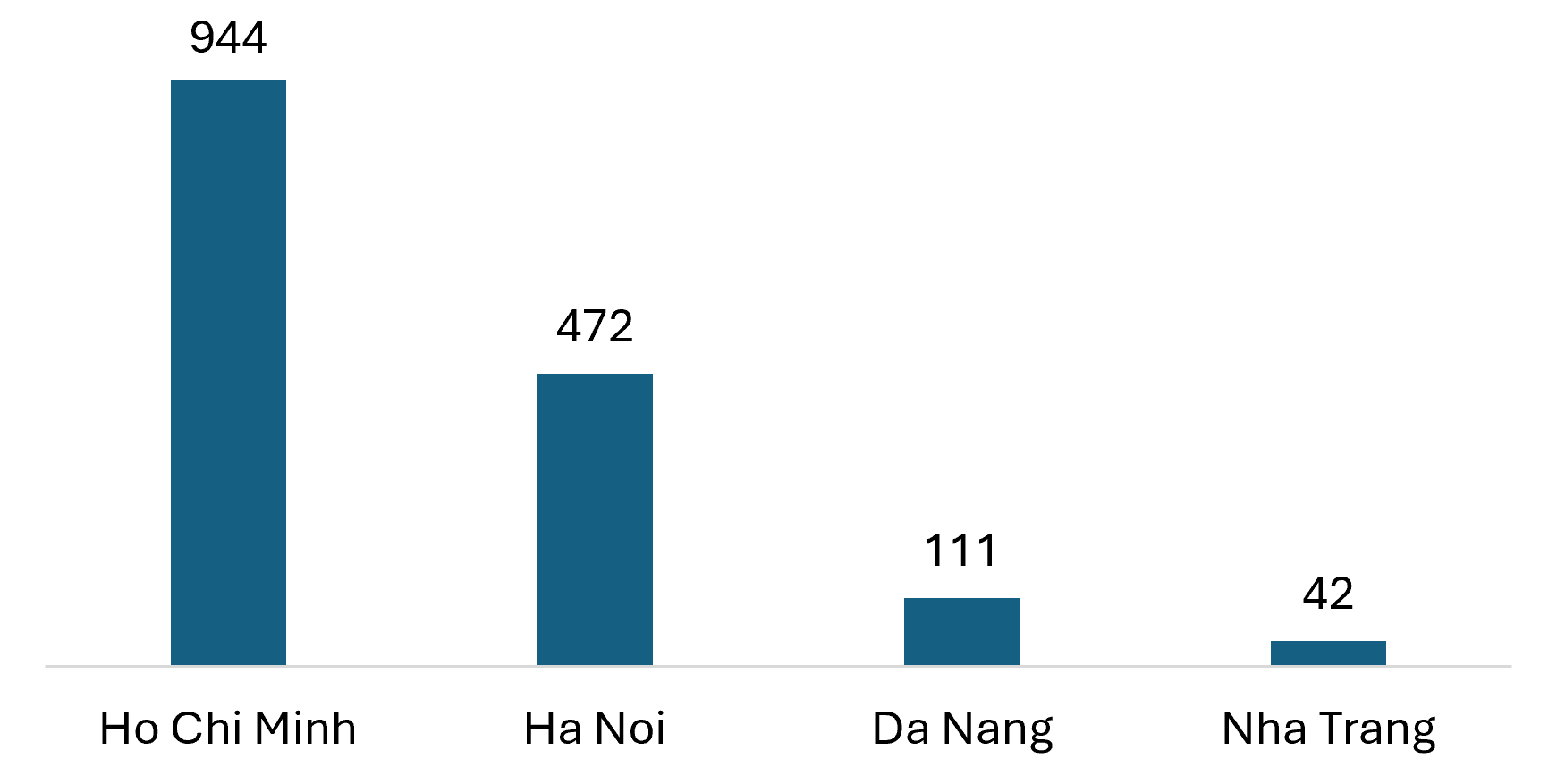
Nguồn: Foody
Cấu trúc đó đang thay đổi. Tại các thành phố lớn, ẩm thực Nhật Bản ngày càng dịch chuyển lên phân khúc cao cấp. Khách hàng không chỉ chi trả cho món ăn. Họ còn chi trả cho nguyên liệu nhập khẩu, phần giải thích của đầu bếp, chỗ ngồi tại quầy, kết hợp sake, phòng riêng và một trải nghiệm ẩm thực phù hợp cho sinh nhật, kỷ niệm hoặc tiếp khách công việc.
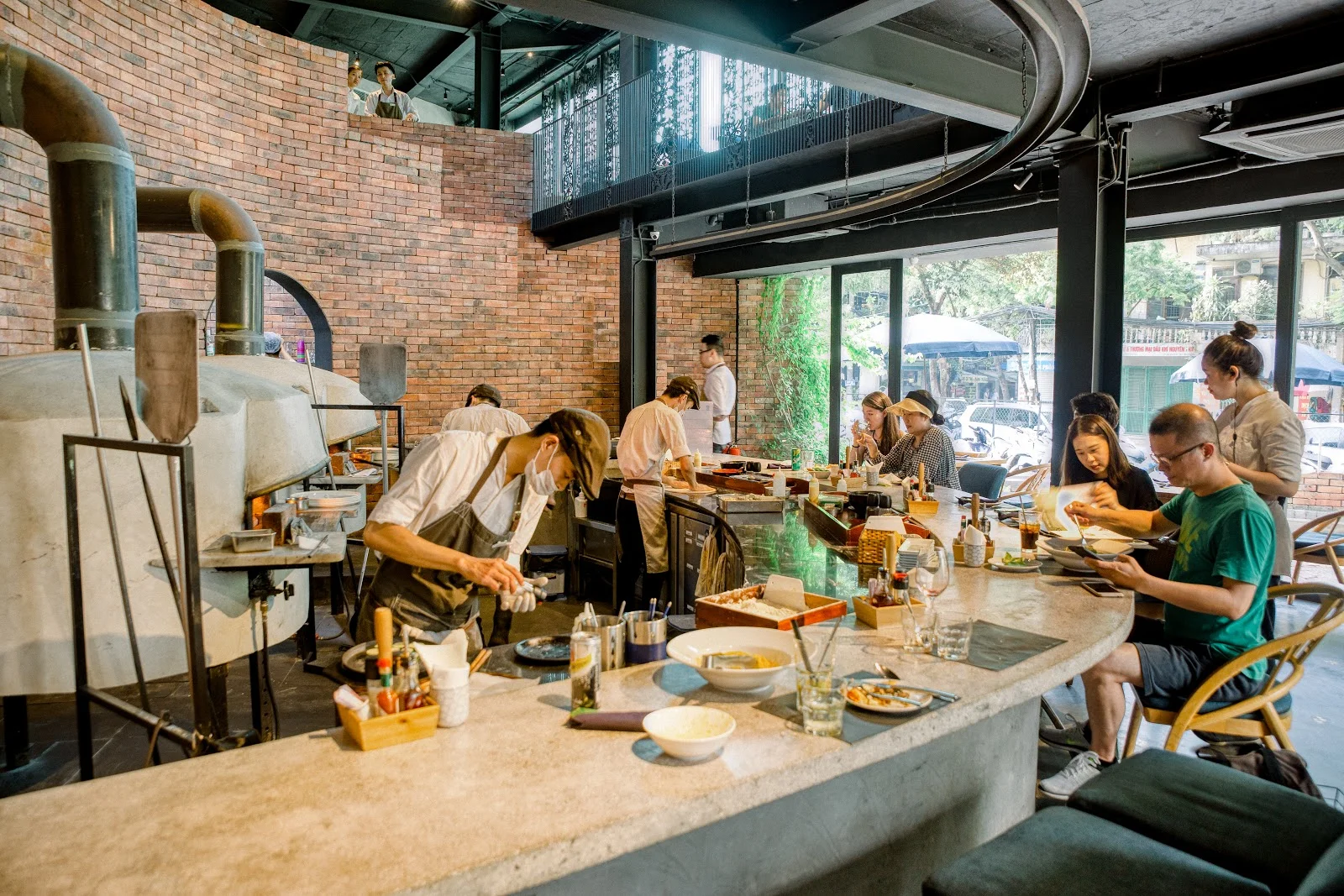
Omakase là biểu tượng rõ nhất của sự chuyển dịch này. Mô hình này dễ được gắn với ẩm thực Nhật cao cấp vì khách hàng ngồi gần đầu bếp và để nhà hàng quyết định cấu trúc bữa ăn. Tuy nhiên, xu hướng rộng hơn không chỉ xoay quanh omakase. Đó là sự trỗi dậy của ẩm thực Nhật cao cấp như một danh mục rộng hơn tại Việt Nam.
Example of an Omakase restaurant in Vietnam
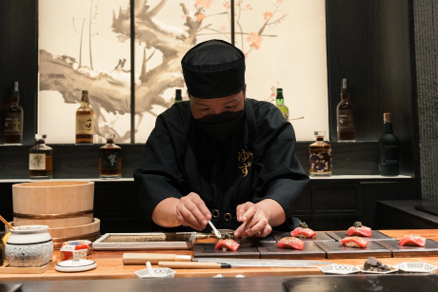
Nguồn: Vnexpress
Một môi trường fine dining ngày càng rõ nét hơn
Bối cảnh fine dining tại Việt Nam đã thu hút nhiều chú ý hơn kể từ khi MICHELIN Guide có mặt tại Việt Nam. Năm 2026, cẩm nang này ghi nhận 193 cơ sở tại Hà Nội, Thành phố Hồ Chí Minh và Đà Nẵng, bao gồm 11 nhà hàng một sao, 72 cơ sở Bib Gourmand và 110 địa điểm được MICHELIN Selected.
Điều này không có nghĩa là ẩm thực xa xỉ đã trở thành đại chúng. Phần lớn người tiêu dùng Việt Nam vẫn dựa vào nhà hàng bình dân, ẩm thực đường phố, ứng dụng giao đồ ăn và bữa ăn gia đình. Tuy nhiên, sự mở rộng của MICHELIN Guide cho thấy Việt Nam hiện có một hệ sinh thái nhà hàng rộng hơn. Điều này tạo ra môi trường thuận lợi hơn để các mô hình ẩm thực Nhật cao cấp phát triển.
Một số nhà hàng ẩm thực Nhật cao cấp tiêu biểu
| Nhà hàng | Thành phố | Mô hình/món chính | Giá mỗi người |
| Hibana by Koki | Hà Nội | Ẩm thực Nhật cao cấp tại quầy/teppanyaki | – |
| Sushi Rei | Thành phố Hồ Chí Minh | Sushi omakase, hải sản Nhật theo mùa | VND 4.8–5.2 triệu. |
| Yuzu Omakase | Thành phố Hồ Chí Minh / Hà Nội | Omakase hiện đại, các set sushi, set Wagyu | VND 2.2–10.0 triệu. |
| Yakiniku Yazawa Saigon | Thành phố Hồ Chí Minh | Wagyu yakiniku cao cấp, omakase về thịt bò | VND 2.0–3.2 triệu. |
| Tingara | Đà Nẵng | Ẩm thực Nhật cao cấp tại khu nghỉ dưỡng, omakase, teppanyaki | – |
| NAYUU | Hội An | Omakase tại khu nghỉ dưỡng, hải sản, Wagyu | VND 6.4 triệu. |
| Kumihimo | Thành phố Hồ Chí Minh | Ẩm thực Nhật hiện đại, Wagyu, tôm hùm, bào ngư | – |
Nguồn: Tổng hợp của B&Company
Động lực nào đang thúc đẩy xu hướng này?
Một động lực là tiêu dùng dựa trên trải nghiệm. Với nhóm khách hàng Việt Nam có thu nhập cao, việc ăn uống ngày càng gắn với không gian, dịch vụ, câu chuyện thương hiệu và khả năng tạo dấu ấn xã hội. Ẩm thực Nhật cao cấp phù hợp với hành vi này vì kết hợp được sự chuẩn xác, tính trình diễn và tính độc quyền.
Động lực thứ hai là mức độ tiếp xúc thông qua du lịch. Số lượt người Việt Nam du lịch đến Nhật Bản đạt 678.500 lượt vào năm 2025, tăng 9.2% so với cùng kỳ năm trước. Sau khi trải nghiệm sushi, Wagyu, ramen, sake và văn hóa phục vụ của Nhật Bản tại Nhật, một số người tiêu dùng trở về Việt Nam với kỳ vọng rõ ràng hơn về ẩm thực Nhật Bản.
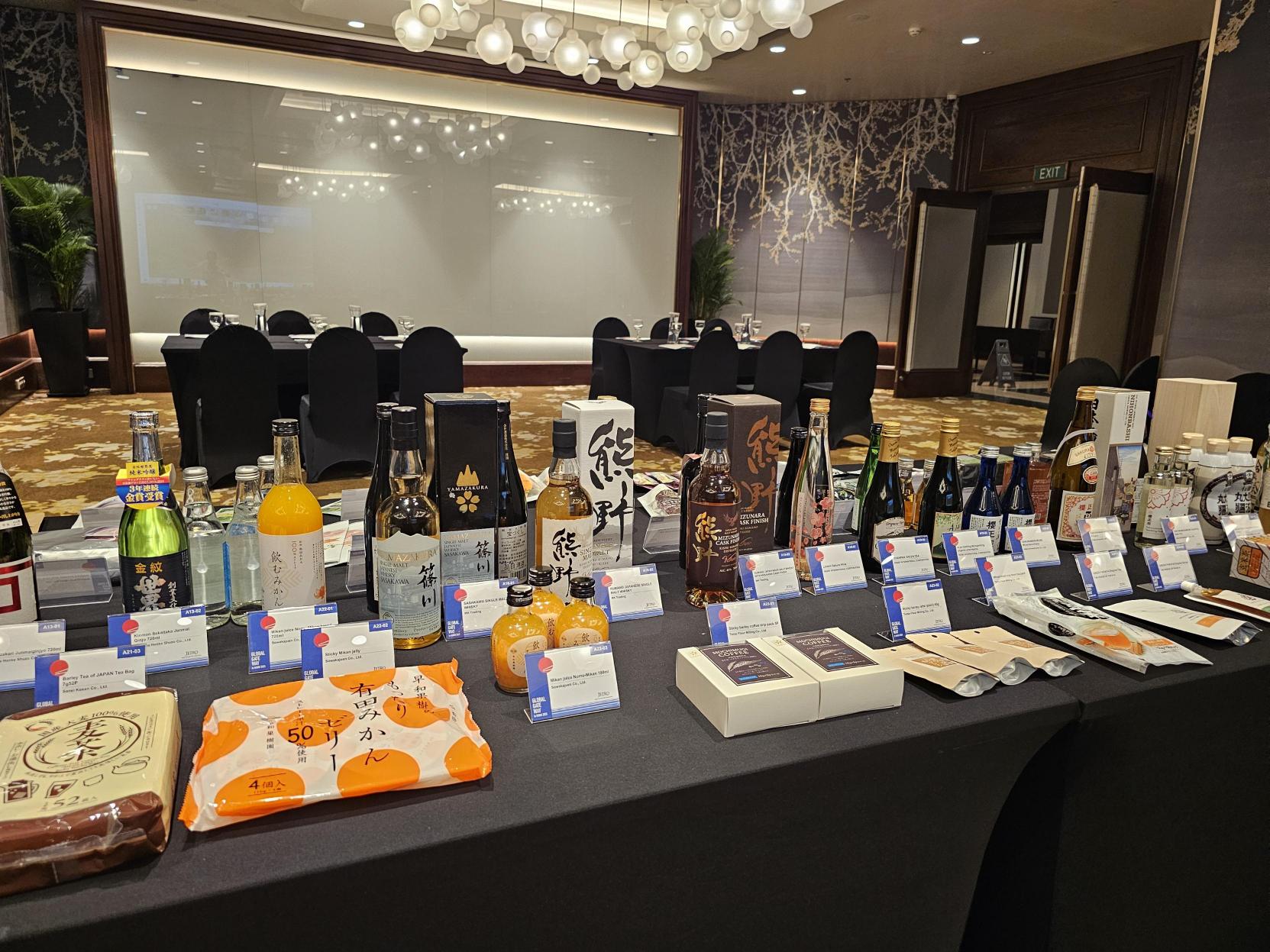
Động lực thứ ba là mức độ hiện diện của văn hóa ẩm thực Nhật tại Việt Nam. JETRO và JFOODO đã quảng bá các sản phẩm thực phẩm Nhật Bản tại Lễ hội Nhật Bản - Việt Nam 2026 ở Thành phố Hồ Chí Minh. JETRO cho biết lễ hội trước đó đã thu hút khoảng 430.000 lượt khách, cho thấy quy mô quan tâm của công chúng đối với văn hóa và ẩm thực Nhật Bản.
2026 Japan Vietnam Festival in Ho Chi Minh City
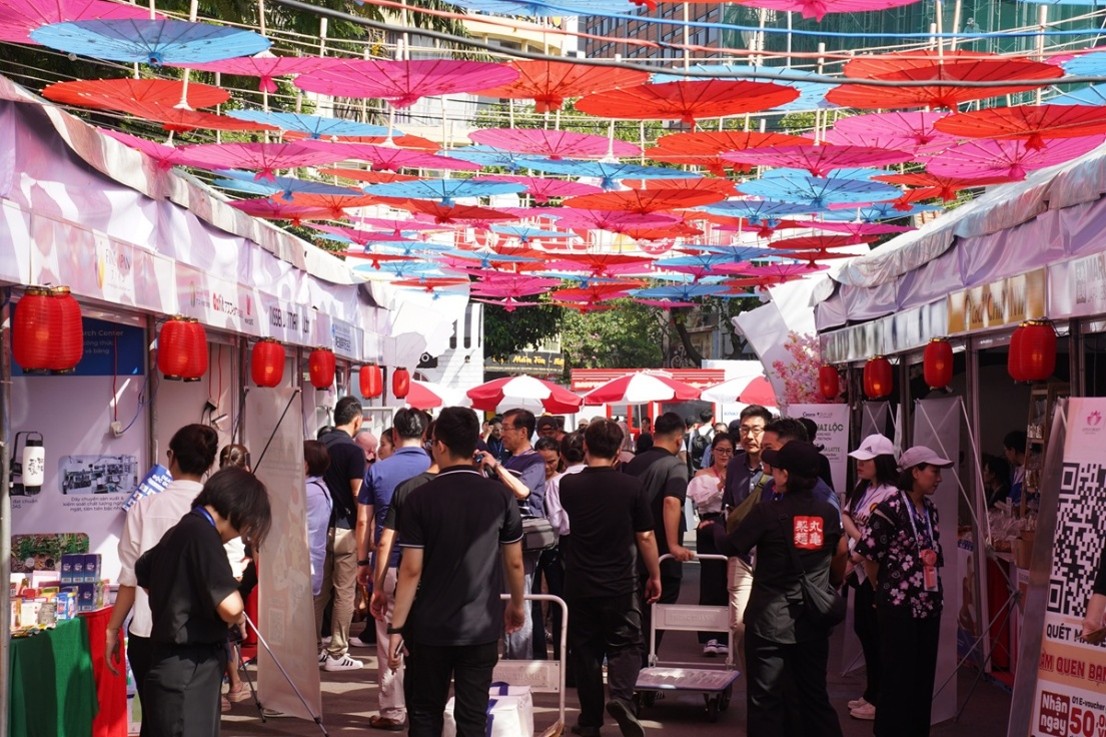
Nguồn: Trung tâm truyền thông TP.HCM
Động lực thứ tư là mạng xã hội. Quầy omakase, nướng Wagyu, trình diễn teppanyaki, kết hợp sake và cách trình bày sang trọng đều rất trực quan. Chúng phù hợp với Instagram, TikTok và các kênh đánh giá ẩm thực. Với nhóm người tiêu dùng trẻ có thu nhập cao, bữa ăn vừa là bữa tối, vừa là nội dung có thể chia sẻ.
Hàm ý đối với doanh nghiệp thực phẩm và đồ uống Nhật Bản
Đối với các nhà vận hành nhà hàng Nhật Bản, Việt Nam đang trở nên hấp dẫn hơn nhưng cũng đòi hỏi cao hơn. Chỉ riêng từ “Nhật Bản” là chưa đủ. Khách hàng so sánh nhà hàng thông qua đánh giá, mạng xã hội, trải nghiệm du lịch và mức độ minh bạch về giá.
Các nhà vận hành cao cấp cần định vị rõ ràng. Một concept cần dễ hiểu: sushi truyền thống, Wagyu yakiniku, ẩm thực Nhật hiện đại, ẩm thực tại khu nghỉ dưỡng hoặc tiếp khách công việc. Định vị pha trộn có thể khiến khách hàng bối rối, đặc biệt khi mức giá cao.
Đối với các nhà xuất khẩu Nhật Bản, cơ hội không chỉ dừng lại ở việc sở hữu nhà hàng. Ẩm thực cao cấp có thể hỗ trợ nhu cầu đối với hải sản, thịt bò Wagyu, gạo, sake, trà, nước tương, miso, đồ dùng bàn ăn, dao và thiết bị nhà bếp. Vấn đề then chốt là sự ổn định của nguồn cung. Một nhà hàng cao cấp không thể duy trì định vị nếu nguyên liệu nhập khẩu không đồng đều, giao hàng chậm hoặc biến động mạnh về giá.
Đối với các nhà phân phối và đối tác địa phương, giáo dục sản phẩm là yếu tố then chốt. Nguyên liệu Nhật Bản cao cấp thường cần được giải thích trước khi khách hàng chấp nhận mức giá cao hơn. Những nhà hàng có thể giải thích nguồn gốc, phương pháp chế biến, tính сезон theo mùa và logic kết hợp món có thể tạo ra mức độ sẵn sàng chi trả cao hơn.
Những thách thức còn lại
Thị trường này vẫn còn mang tính ngách. Mức giá của ẩm thực Nhật Bản cao cấp cao hơn rất nhiều so với mức chi tiêu nhà hàng thông thường, vì vậy tệp khách hàng chủ yếu chỉ giới hạn ở người tiêu dùng đô thị có thu nhập cao, khách doanh nhân, người nước ngoài sinh sống tại Việt Nam và du khách hạng sang.
Nhân sự là một ràng buộc khác. Ẩm thực Nhật Bản cao cấp phụ thuộc vào tay nghề của đầu bếp, cách xử lý nguyên liệu, nhịp độ phục vụ và khả năng giải thích cho khách hàng. Việc đào tạo nhân viên vừa hiểu tiêu chuẩn Nhật Bản vừa nắm được kỳ vọng của người Việt là điều không dễ.
Ngoài ra còn có rủi ro làm loãng khái niệm. Nếu quá nhiều nhà hàng sử dụng các thuật ngữ như “omakase,” “Wagyu” hoặc “premium Japanese” mà không có chất lượng đồng nhất, niềm tin của khách hàng có thể suy giảm.
Hỗ trợ từ B&Company
Ẩm thực Nhật Bản cao cấp tại Việt Nam vẫn còn mang tính ngách, nhưng điều này phản ánh sự thay đổi rộng hơn trong hành vi tiêu dùng. Khách hàng Việt Nam đang ngày càng cởi mở hơn với ẩm thực cao cấp, văn hóa ẩm thực Nhật Bản, trải nghiệm do đầu bếp dẫn dắt và dịch vụ lưu trú sang trọng.
B&Company hỗ trợ doanh nghiệp tại Việt Nam thông qua nghiên cứu thị trường, khảo sát người tiêu dùng, lập bản đồ đối thủ cạnh tranh, phân tích địa điểm, định vị giá, tìm kiếm đối tác và kết nối kinh doanh. Đối với các công ty thực phẩm và đồ uống Nhật Bản, B&Company có thể hỗ trợ đánh giá nhu cầu địa phương, xác định phân khúc khách hàng, so sánh các cụm nhà hàng, đánh giá các phương án nhà phân phối và xây dựng chiến lược thâm nhập thị trường.
Câu hỏi then chốt không phải là liệu người tiêu dùng Việt Nam có thích ẩm thực Nhật Bản hay không. Nhiều người trong số họ đã thích. Câu hỏi tiếp theo là liệu các doanh nghiệp Nhật Bản có thể tạo ra những mô hình ẩm thực cao cấp, dễ hiểu, có thể nhân rộng và phù hợp với thế hệ người tiêu dùng cao cấp mới của Việt Nam hay không.
Đọc thêm
Phỏng vấn B&Company: Thị trường F&B Việt Nam đang bước vào giai đoạn phát triển mạnh mẽ hơn
* Nếu bạn muốn trích dẫn bất kỳ thông tin nào từ bài viết này, xin vui lòng ghi rõ nguồn cùng với liên kết đến bài viết gốc để tôn trọng bản quyền.
| B&Company
Công ty Nhật Bản đầu tiên chuyên về nghiên cứu thị trường tại Việt Nam kể từ năm 2008. Chúng tôi cung cấp một loạt dịch vụ bao gồm báo cáo ngành, phỏng vấn ngành, khảo sát người tiêu dùng và kết nối doanh nghiệp. Ngoài ra, chúng tôi vừa phát triển một cơ sở dữ liệu với hơn 1.000.000 công ty tại Việt Nam, có thể được sử dụng để tìm kiếm đối tác và phân tích thị trường. Xin vui lòng liên hệ với chúng tôi nếu bạn có bất kỳ câu hỏi nào. info@b-company.jp + (84) 24 3978 5165 |
Bài viết liên quan






Đăng nhập / Đăng ký
ĐĂNG KÝ NHẬN BẢN TIN