

 Tiếng Việt
  English
  日本語
日本語  简体中文
简体中文  한국어
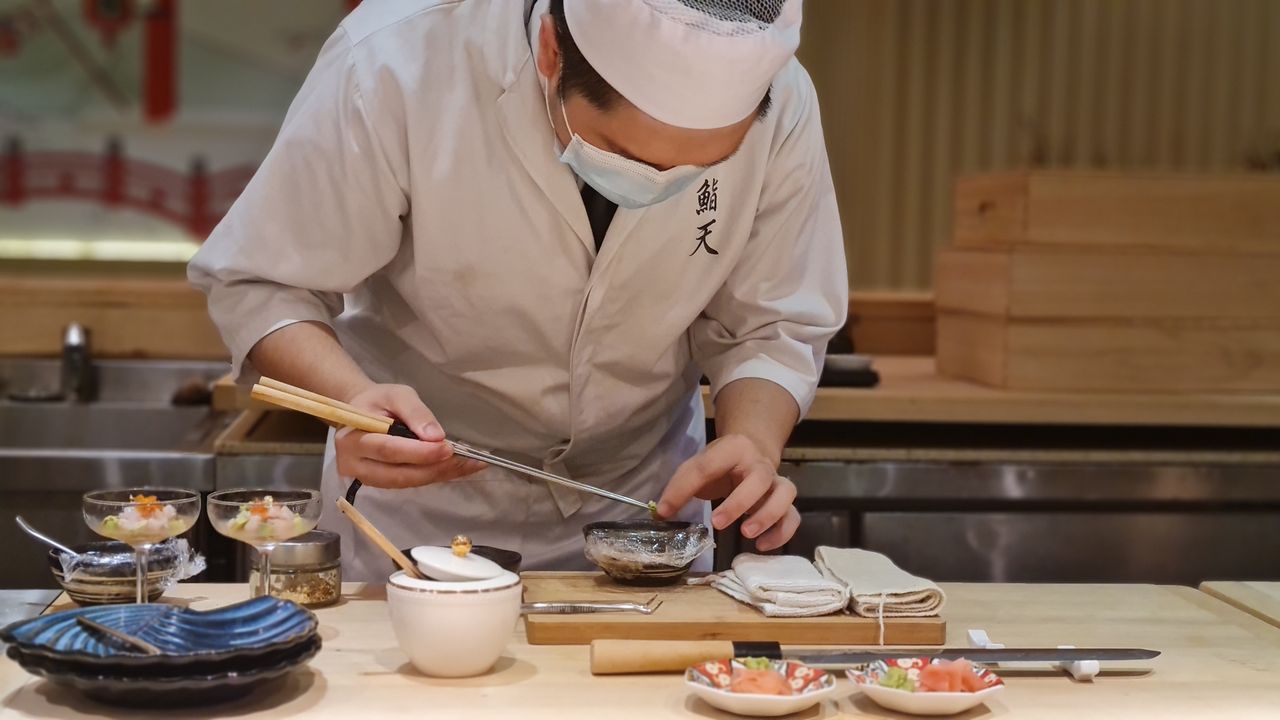
한국어 Các nhà sản xuất thực phẩm Nhật Bản đã mở rộng năng lực sản xuất, ngày càng định vị Việt Nam như một cơ sở sản xuất và xuất khẩu thực phẩm chiến lược.

13/07/2026
Tin tức & Báo cáo mới nhất / Vietnam Briefing
Bình luận: Không có bình luận.
Tóm tắt
Báo cáo này phân tích hiện trạng ngành chế biến thực phẩm của Việt Nam, bao quát tăng trưởng thị trường, các thách thức mang tính cơ cấu và những động lực đầu tư đang thu hút các nhà sản xuất Nhật Bản vào thị trường. Báo cáo cũng giới thiệu các doanh nghiệp Nhật Bản đang hoạt động trong những phân khúc tăng trưởng chủ chốt của ngành như rau quả, thủy sản và sản xuất xay xát & bột mì, đồng thời kết luận bằng việc đánh giá các cơ hội và thách thức mà những doanh nghiệp mới gia nhập cần cân nhắc. Báo cáo dành cho các công ty thực phẩm và nhà đầu tư Nhật Bản đang đánh giá Việt Nam như một cơ sở sản xuất phục vụ thị trường châu Á.
Tổng quan thị trường
Các nhà sản xuất thực phẩm Nhật Bản lần đầu tiên gia nhập thị trường Việt Nam vào đầu những năm 1990 nhằm phục vụ thị trường nội địa đang tăng trưởng. Tuy nhiên, đầu tư đã tăng tốc đáng kể từ cuối những năm 2010, nhờ quá trình đa dạng hóa chuỗi cung ứng, chiến lược Trung Quốc+1 và vai trò ngày càng mở rộng của Việt Nam với tư cách là trung tâm sản xuất khu vực. Kể từ đó, nhiều nhà sản xuất thực phẩm Nhật Bản tiếp tục mở rộng năng lực sản xuất, ngày càng định vị Việt Nam là cơ sở sản xuất và xuất khẩu thực phẩm chiến lược cho cả thị trường nội địa và khu vực ASEAN rộng lớn hơn.
Nguồn: NSO
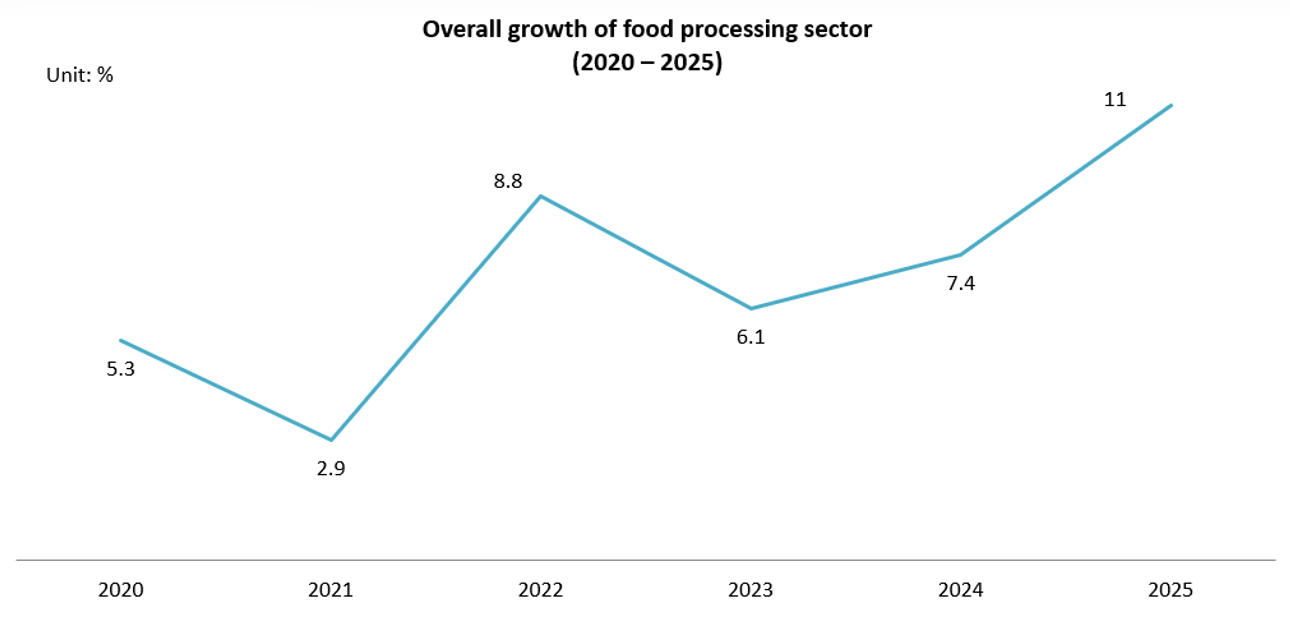
Những năm gần đây, ngành công nghiệp chế biến thực phẩm Việt Nam đã ghi nhận những kết quả khả quan. Sau sự gián đoạn do Covid-19 gây ra, sản lượng công nghiệp đã phục hồi nhanh chóng với tốc độ tăng trưởng tăng từ 2,9% năm 2021 lên 8,8% năm 2022 – tăng gần 6 điểm phần trăm. Sau đó, ngành này duy trì quỹ đạo tăng trưởng ổn định trước khi đạt mức tăng trưởng hai chữ số 11% vào năm 2025, được hỗ trợ bởi thị trường nội địa hơn 100 triệu người tiêu dùng, doanh thu bán lẻ thực phẩm và hàng tiêu dùng đạt khoảng 1.878 tỷ đồng và ngành dịch vụ ăn uống trị giá khoảng 858 tỷ đồng.[1]. Tổng hợp lại, các yếu tố này cho thấy tiềm năng ngày càng lớn của Việt Nam trong vai trò trung tâm sản xuất thực phẩm khu vực, cũng như sức hấp dẫn ngày càng tăng của quốc gia này đối với đầu tư dài hạn.
Nguồn: NSO
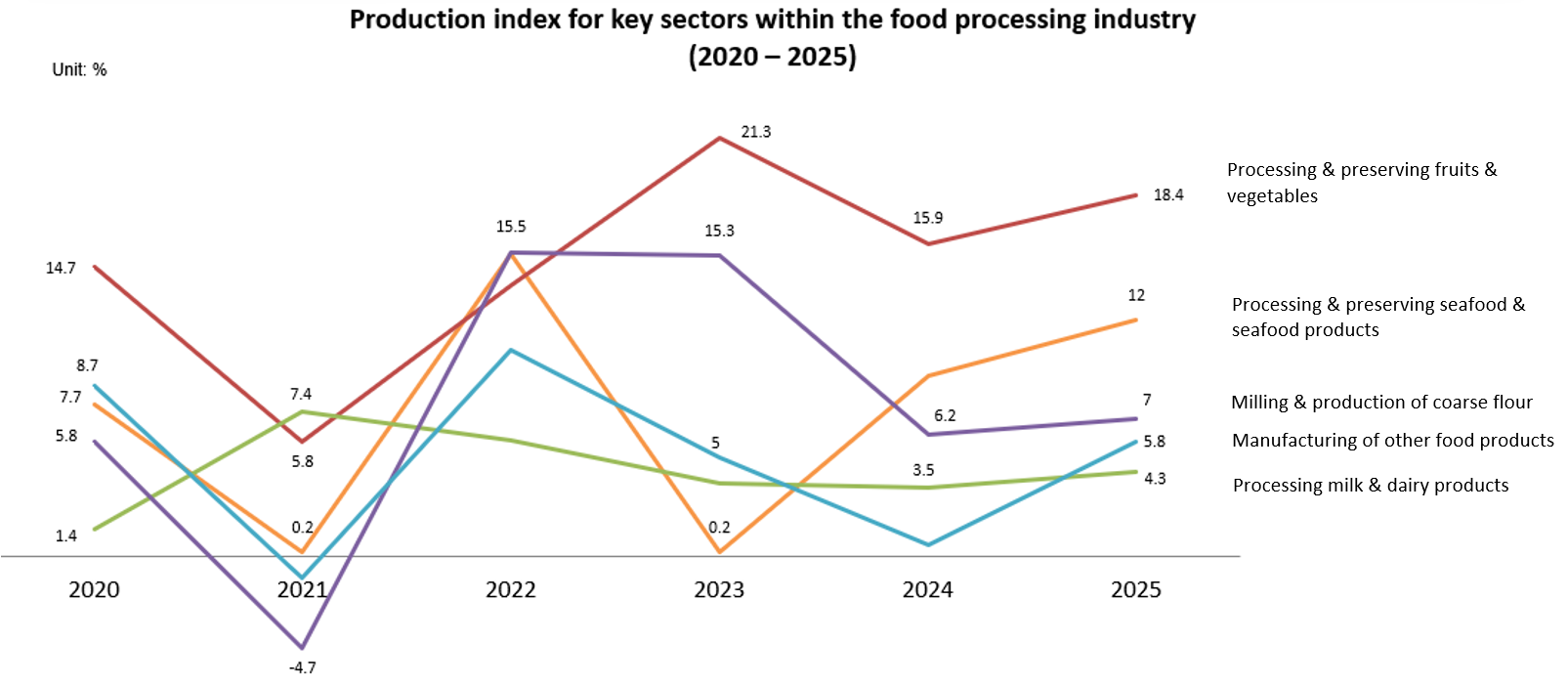
Thị trường đang tăng trưởng ổn định với sự tập trung vào một số phân khúc tiềm năng cao. Trong đó, chế biến rau quả ghi nhận hiệu quả hoạt động mạnh mẽ nhất. Do ảnh hưởng của đại dịch, ngành này giảm xuống còn 7,4% vào năm 2021, sau đó tăng vọt lên 13,8% vào năm 2022 và duy trì ở mức hai chữ số kể từ đó, đạt 18,4% vào năm 2025. Hiệu quả hoạt động này được hỗ trợ bởi nguồn cung nguyên liệu dồi dào, xuất khẩu nông sản tăng, đầu tư vào chế biến giá trị gia tăng ngày càng tăng, và sự cải thiện về an toàn thực phẩm, truy xuất nguồn gốc và cơ sở hạ tầng chuỗi cung ứng lạnh, từ đó tăng cường khả năng sản xuất thực phẩm chế biến giá trị cao cho thị trường xuất khẩu của Việt Nam.[2].
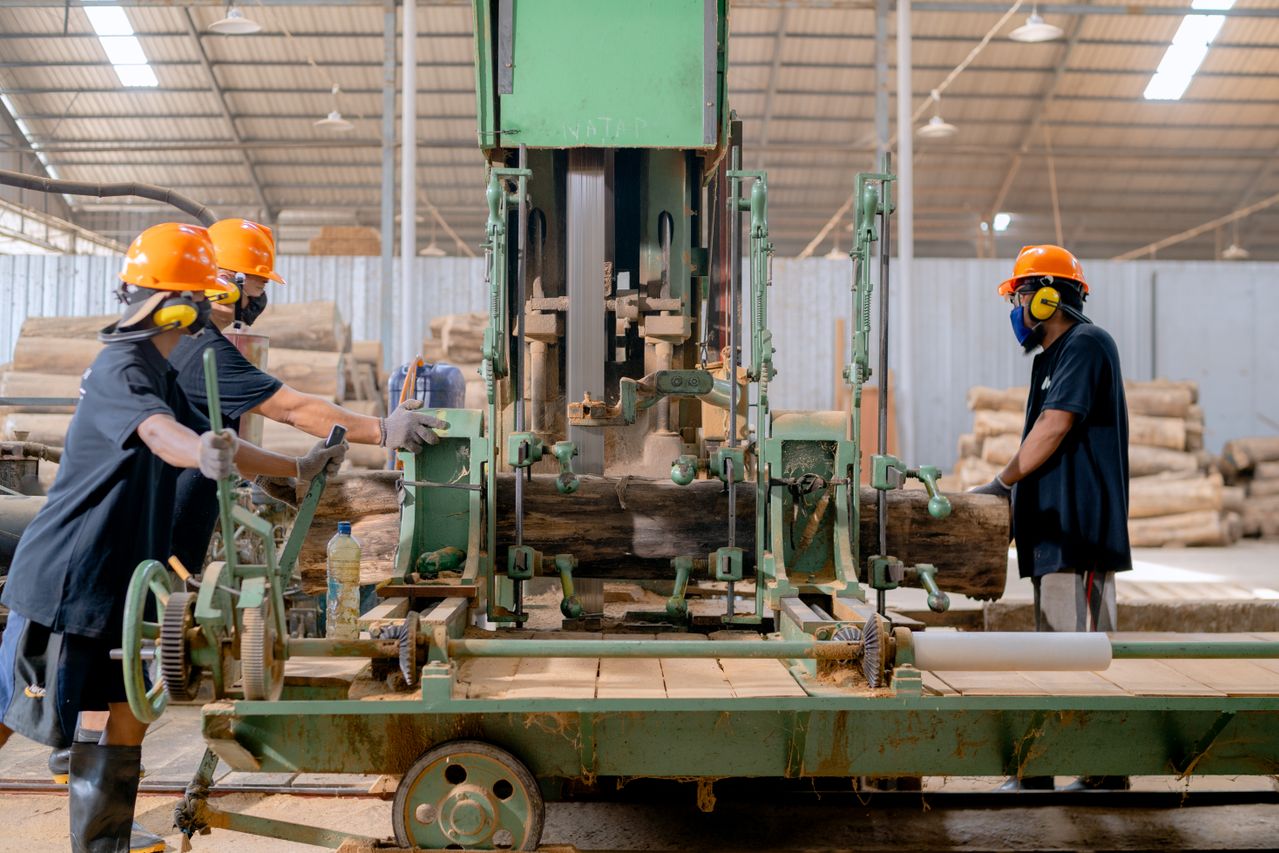
Chế biến hải sản cho thấy xu hướng tăng trưởng mạnh thứ hai; tuy nhiên, ngành này đã biến động từ năm 2020 đến năm 2023 trước khi tăng mạnh lên 9,2% vào năm 2024 và 12% vào năm 2025, cũng đạt mức tăng trưởng hai chữ số. Ngành này được hưởng lợi từ nhu cầu xuất khẩu cải thiện, nguồn cung hải sản trong nước ổn định và đầu tư ngày càng tăng vào chế biến gia tăng giá trị để đáp ứng nhu cầu thị trường quốc tế.[3]. Sản xuất xay xát và bột thô đã phục hồi mạnh mẽ sau đại dịch trước khi trở lại quỹ đạo tăng trưởng vừa phải hơn và đạt 7% (2025), nhờ nhu cầu liên tục từ hoạt động sản xuất thực phẩm ở các khâu hạ nguồn và tiêu dùng nội địa.
Tuy nhiên, ngành chế biến thực phẩm của Việt Nam vẫn phải đối mặt với một số thách thức mang tính cơ cấu. Trong cả lĩnh vực chế biến rau quả và chế biến thủy sản, các sản phẩm giá trị gia tăng chỉ chiếm tỷ trọng tương đối hạn chế trong tổng sản lượng, trong khi nhiều doanh nghiệp vẫn phụ thuộc vào hoạt động sơ chế và xuất khẩu sản phẩm thô hoặc bán chế biến. Bên cạnh đó, sự khác biệt về chất lượng nguyên liệu, cơ sở hạ tầng chuỗi lạnh và công nghệ chế biến tiếp tục ảnh hưởng đến tính đồng nhất của sản phẩm và năng lực cạnh tranh trên thị trường quốc tế. Những khoảng trống này cho thấy nhu cầu tiếp tục đầu tư vào công nghệ chế biến tiên tiến, quản lý chất lượng và chuỗi cung ứng tích hợp
Động lực đầu tư của Nhật Bản
Sức hấp dẫn của Việt Nam đối với các nhà sản xuất thực phẩm Nhật Bản dựa trên ba trụ cột chính: sự chuyển dịch chiến lược trong chuỗi cung ứng khu vực, thế mạnh về nông nghiệp và chế biến của chính Việt Nam, cùng môi trường thương mại và chính sách thuận lợi.
Sự chuyển dịch chuỗi cung ứng theo chiến lược “Trung Quốc+1”
Kể từ đại dịch COVID-19 và trong bối cảnh bất ổn địa chính trị gia tăng, nhiều nhà sản xuất Nhật Bản đã đa dạng hóa hoạt động sản xuất trên khắp châu Á nhằm giảm sự phụ thuộc vào một quốc gia duy nhất. Việt Nam đã trở thành một trong những quốc gia hưởng lợi chính từ sự chuyển dịch này nhờ vị trí gần Trung Quốc, hệ sinh thái sản xuất đã được thiết lập vững chắc, chi phí vận hành cạnh tranh và sự ổn định chính trị. Đặc biệt trong lĩnh vực sản xuất, JETRO đã xác định ngành thực phẩm và đồ uống là một trong những ngành sản xuất nổi bật nhất thu hút đầu tư của Nhật Bản vào Việt Nam[5]. Điều này phản ánh niềm tin ngày càng tăng vào Việt Nam không chỉ với tư cách là địa điểm sản xuất có chi phí cạnh tranh, mà còn là cơ sở sản xuất dài hạn có khả năng phục vụ cả thị trường nội địa và khu vực.
Nguồn lực nông nghiệp dồi dào và ngành chế biến thực phẩm đang mở rộng
Là một trong những quốc gia hàng đầu thế giới về sản xuất và xuất khẩu thủy sản, gạo, trái cây nhiệt đới, cà phê và hạt điều, Việt Nam mang đến cho các nhà sản xuất khả năng tiếp cận ổn định với nguồn nguyên liệu đa dạng. Điều này cho phép các doanh nghiệp chế biến thực phẩm đặt cơ sở sản xuất gần nguồn nguyên liệu, qua đó cải thiện tính ổn định của nguồn cung và giảm chi phí thu mua cũng như logistics.
Đồng thời, ngành chế biến thực phẩm của Việt Nam tiếp tục củng cố năng lực sản xuất. Như đã đề cập, các phân ngành tăng trưởng cao như chế biến rau quả, chế biến thủy sản và xay xát đã mở rộng ổn định, phản ánh năng lực sản xuất thực phẩm ngày càng tăng của Việt Nam. Tuy nhiên, chế biến giá trị gia tăng vẫn chưa phát triển đầy đủ trong nhiều phân khúc; do đó, điều này tạo ra cơ hội lớn cho các công ty Nhật Bản phát triển thực phẩm chế biến giá trị gia tăng, đặc biệt là các sản phẩm nông nghiệp và thủy sản. Ngoài ra, các công ty Nhật Bản có thể tận dụng thế mạnh về công nghệ chế biến tiên tiến, quản lý chất lượng, an toàn thực phẩm và phát triển sản phẩm để nâng cao năng suất, cải thiện chất lượng sản phẩm và hỗ trợ quá trình chuyển dịch của Việt Nam hướng tới ngành sản xuất thực phẩm có giá trị cao hơn[6].
Các hiệp định thương mại và chính sách hỗ trợ của Chính phủ
Mạng lưới rộng khắp các hiệp định thương mại tự do (FTA) của Việt Nam đã củng cố vị thế của quốc gia này như một trung tâm sản xuất định hướng xuất khẩu. Các hiệp định lâu năm như Hiệp định Đối tác Kinh tế Việt Nam–Nhật Bản (VJEPA), CPTPP, EVFTA và RCEP tạo điều kiện tiếp cận thị trường ưu đãi với các nền kinh tế lớn trên khắp khu vực Châu Á–Thái Bình Dương và châu Âu. Đối với các nhà sản xuất thực phẩm, những hiệp định này giúp giảm rào cản thuế quan và tạo thuận lợi cho việc xuất khẩu các sản phẩm thực phẩm chế biến, qua đó nâng cao năng lực cạnh tranh của các sản phẩm sản xuất tại Việt Nam.
Ở cấp độ trong nước, Việt Nam cũng đã triển khai các chính sách nhằm thúc đẩy hoạt động chế biến thực phẩm có giá trị gia tăng cao hơn. Chỉ thị số 25/CT-TTg (2020)[7] khuyến khích phát triển các ngành chế biến nông, lâm, thủy sản thông qua việc thúc đẩy chế biến sâu, công nghệ chế biến hiện đại và tăng cường liên kết giữa các cơ sở chế biến với vùng nguyên liệu. Song song đó, Nghị định số 57/2018/NĐ-CP[8] đưa ra các ưu đãi cho doanh nghiệp đầu tư vào nông nghiệp và khu vực nông thôn, bao gồm hỗ trợ cho các cơ sở chế biến nông sản, hạ tầng sau thu hoạch, kho lạnh và thiết bị sản xuất. Ngoài ra, theo Luật Đầu tư 2020[9], hoạt động trồng trọt và chế biến các sản phẩm nông, lâm, thủy sản được xác định là những ngành, nghề thuộc diện được hưởng ưu đãi đầu tư. Tùy thuộc vào dự án, nhà đầu tư có thể được hưởng thuế suất thuế thu nhập doanh nghiệp ưu đãi, miễn và giảm thuế, miễn thuế nhập khẩu đối với máy móc và thiết bị, cũng như các ưu đãi liên quan đến đất đai, đặc biệt tại các khu công nghiệp và khu kinh tế. Nhìn chung, các hiệp định quốc tế và chính sách trong nước này tạo ra môi trường thuận lợi để các doanh nghiệp Nhật Bản thành lập hoặc mở rộng hoạt động sản xuất thực phẩm tại Việt Nam, đồng thời hỗ trợ quá trình chuyển đổi của quốc gia này hướng tới nền sản xuất thực phẩm có giá trị gia tăng cao hơn.
Cảnh quan cạnh tranh
Bảng dưới đây giới thiệu một số doanh nghiệp chủ chốt hiện đang hoạt động trong ba phân khúc chế biến thực phẩm tăng trưởng nhanh nhất tại Việt Nam, cho thấy mức độ hiện diện và các sản phẩm mà mỗi doanh nghiệp đang sản xuất.
| Phân khúc tăng trưởng | Tên | Quốc tịch/Năm | Sản phẩm chính | Hồ sơ / Thành tựu |
| Chế biến rau quả
(Mã VSIC: 1030) |
Nafoods Group | Việt Nam (1995) | Nước cô đặc từ trái cây, nước ép NFC, trái cây và rau củ IQF, trái cây sấy | Một trong những doanh nghiệp chế biến trái cây hàng đầu Việt Nam, xuất khẩu sang hơn 70 quốc gia. Vận hành các nhà máy chế biến hiện đại và tập trung vào các sản phẩm trái cây có giá trị gia tăng[10]. |
| Yasaka Fruit Processing Vietnam | Nhật Bản (2008) | Trái cây nhiệt đới tươi qua chế biến | Doanh nghiệp có vốn đầu tư Nhật Bản, chuyên xử lý và bảo quản sau thu hoạch đối với trái cây nhiệt đới bằng phương pháp xử lý nhiệt hơi nóng (VHT). Công ty hỗ trợ trái cây Việt Nam đáp ứng các yêu cầu kiểm dịch thực vật để xuất khẩu sang những thị trường có tiêu chuẩn cao như Nhật Bản, Australia và New Zealand, qua đó củng cố chuỗi giá trị trái cây và năng lực xuất khẩu[11]. | |
| Kagome Vietnam | Nhật Bản (2016) | Puree cà chua, nước ép cà chua, tương cà, các sản phẩm cà chua chế biến, các sản phẩm rau củ chế biến | Công ty con của Kagome Co., Ltd., một trong những doanh nghiệp thực phẩm rau củ hàng đầu Nhật Bản. Kagome Vietnam phát triển chuỗi giá trị rau củ bền vững thông qua hình thức canh tác theo hợp đồng với người trồng địa phương, đồng thời áp dụng các kỹ thuật canh tác, quản lý chất lượng và công nghệ chế biến thực phẩm của Nhật Bản để sản xuất các sản phẩm cà chua và rau củ chất lượng cao cho thị trường Việt Nam và mở rộng ra khu vực[12]. | |
| Chế biến thủy sản
(Mã VSIC: 1020) |
Umios Vietnam (trước đây là Maruha Nichiro Vietnam) | Nhật Bản (2004) | Thủy sản đông lạnh, thủy sản chế biến | Công ty con của Umios Co., Ltd, một trong những doanh nghiệp thủy sản lớn nhất thế giới, thu mua và mở rộng các quan hệ hợp tác chế biến thủy sản tại Việt Nam nhằm củng cố chuỗi cung ứng toàn cầu[13]. |
| Kyokuyo Vina Foods | Nhật Bản (2025) | Tôm đông lạnh, các sản phẩm thủy sản có giá trị gia tăng | Công ty con của Kyokuyo Co., Ltd., một trong những doanh nghiệp thủy sản hàng đầu Nhật Bản. Cơ sở này sản xuất các sản phẩm thủy sản có giá trị gia tăng để xuất khẩu, chủ yếu sang Nhật Bản, hỗ trợ chuỗi cung ứng thủy sản toàn cầu của Kyokuyo và củng cố vai trò của Việt Nam như một trung tâm chế biến thủy sản cấp khu vực[14]. | |
| NIGICO | Nhật Bản (2000) | Tôm đông lạnh, tôm tẩm bột, tôm sushi (Nobashi Ebi), tôm tempura, thủy sản có giá trị gia tăng | Do Nissui Corporation, một trong những doanh nghiệp thủy sản lớn nhất Nhật Bản, sở hữu toàn bộ. Đặt tại Cà Mau, NIGICO vận hành một nhà máy chế biến thủy sản tích hợp với các chứng nhận được quốc tế công nhận, bao gồm BRCGS, ASC CoC, MSC CoC, HALAL, BAP và SEDEX, cung cấp các sản phẩm thủy sản có giá trị cao chủ yếu cho Nhật Bản, Bắc Mỹ và châu Âu[15]. | |
| Xay xát và sản xuất bột thô
(Mã VSIC: 1610) |
CJ-SC Global Milling | Hàn Quốc × Nhật Bản (2013) | Bột mì, bột trộn sẵn | Liên doanh giữa CJ CheilJedang Corporation, Sumitomo Corporation và Chiba Flour Milling Ltd. Một trong những nhà máy bột mì hiện đại lớn nhất Việt Nam, phục vụ các nhà sản xuất thực phẩm công nghiệp[16]. |
| Showa Sangyo International Vietnam | Nhật Bản (2025) | Bột trộn sẵn, bột chiên tempura, bột trộn karaage | Công ty con của Showa Sangyo Co., Ltd. Đã đầu tư US$21 triệu vào nhà máy sản xuất đầu tiên tại Việt Nam. Nhà máy bắt đầu hoạt động vào năm 2026 và được định vị là trung tâm sản xuất bột trộn sẵn chủ chốt của Showa Sangyo tại ASEAN, cung ứng cho cả Việt Nam và các thị trường xuất khẩu trong khu vực[17]. | |
| Vietnam Nisshin Technomic | Nhật Bản (2018) | Bột trộn sẵn, bột bao phủ, bột pha, bột trộn làm bánh | Công ty con sản xuất của Nisshin Seifun Group, chuyên sản xuất các sản phẩm bột mì giá trị gia tăng. Được chứng nhận FSSC 22000 và HALAL, hỗ trợ các nhà sản xuất thực phẩm tại Việt Nam và các thị trường trong khu vực[18]. |
Sự tổng hợp của B&Company
Các doanh nghiệp Nhật Bản hiện diện trong cả ba phân khúc tăng trưởng, bao gồm chế biến rau quả, chế biến thủy sản và sản xuất xay xát & bột. Sự hiện diện này trải rộng từ các nhà sản xuất đã hoạt động lâu năm như Umios và NIGICO đến những khoản đầu tư gần đây như Showa Sangyo, cho thấy niềm tin bền vững vào Việt Nam với vai trò là địa điểm sản xuất. Tuy nhiên, đầu tư được phân bổ không đồng đều trên thị trường Việt Nam, trong đó chế biến thủy sản thu hút sự hiện diện mạnh mẽ nhất của các nhà sản xuất Nhật Bản, còn chỉ một số lượng hạn chế doanh nghiệp Nhật Bản hoạt động trong lĩnh vực chế biến rau quả
Ngoài ra, các doanh nghiệp này chủ yếu sử dụng Việt Nam làm cơ sở sản xuất phục vụ các thị trường xuất khẩu thay vì chỉ đáp ứng nhu cầu trong nước. Yasaka chế biến trái cây nhiệt đới cho các thị trường quốc tế, Kyokuyo chủ yếu cung cấp thủy sản cho Nhật Bản, NIGICO xuất khẩu sang Nhật Bản, Bắc Mỹ và châu Âu, trong khi Showa Sangyo định vị nhà máy tại Việt Nam là trung tâm sản xuất cho ASEAN. Do đó, điều này cho thấy vai trò ngày càng gia tăng của Việt Nam trong các chuỗi cung ứng thực phẩm khu vực và toàn cầu.
Ý nghĩa đối với các nhà đầu tư
Những cơ hội
Cơ hội rõ ràng nhất nằm ở khoảng cách giữa tốc độ tăng trưởng nhanh của các phân ngành và năng lực giá trị gia tăng còn hạn chế. Chế biến rau quả là phân khúc tăng trưởng nhanh nhất của ngành, nhưng sự hiện diện của doanh nghiệp Nhật Bản tại đây vẫn chỉ giới hạn ở hai công ty (Yasaka, Kagome), trong bối cảnh thị trường vẫn do các doanh nghiệp nội địa như Nafoods chi phối — đây là phân khúc có nhiều dư địa triển vọng cho các doanh nghiệp Nhật Bản mới gia nhập. Ngược lại, chế biến thủy sản đã có sự hiện diện mạnh mẽ của các doanh nghiệp Nhật Bản (Umios, Kyokuyo, NIGICO) và cho thấy một hệ sinh thái giá trị gia tăng có thể được xây dựng nhanh chóng như thế nào khi công nghệ và quản lý chất lượng được đưa vào, qua đó cung cấp một mô hình có thể nhân rộng trong chế biến rau quả. Phân khúc xay xát và bột thô cũng cho thấy cơ hội tương tự, với nhiều doanh nghiệp Nhật Bản và có liên kết với Nhật Bản, chẳng hạn các doanh nghiệp mới gia nhập như Showa Sangyo, đang định vị Việt Nam không chỉ là nhà cung ứng cho thị trường nội địa mà còn là trung tâm sản xuất cho toàn khu vực ASEAN — một mô hình mà các doanh nghiệp chế biến Nhật Bản khác có thể áp dụng. Nền tảng hỗ trợ cả ba phân khúc là mạng lưới FTA của Việt Nam (VJEPA, CPTPP, EVFTA, RCEP) và khung ưu đãi trong nước (Chỉ thị 25/CT-TTg, Nghị định 57/2018/NĐ-CP, Luật Đầu tư 2020), cùng góp phần giảm chi phí xuất khẩu thực phẩm chế biến từ Việt Nam và hỗ trợ đầu tư, đặc biệt vào các cơ sở chế biến, kho lạnh và thiết bị sản xuất.
Thách thức
Khoảng cách cơ cấu tạo ra cơ hội đồng thời cũng là một rào cản gia nhập thực tế. Trong lĩnh vực chế biến rau quả và thủy sản, các sản phẩm giá trị gia tăng vẫn chỉ chiếm tỷ trọng tương đối hạn chế trong tổng sản lượng, trong khi nhiều doanh nghiệp vẫn xuất khẩu hàng thô hoặc sơ chế — điều này đồng nghĩa với việc các doanh nghiệp mới gia nhập phải đối mặt với sự thiếu hụt về trình độ chế biến trên toàn ngành, chứ không chỉ ở cấp độ từng doanh nghiệp. Sự khác biệt về chất lượng nguyên liệu, cơ sở hạ tầng chuỗi lạnh và công nghệ chế biến tiếp tục ảnh hưởng đến tính nhất quán của sản phẩm, qua đó trực tiếp hạn chế năng lực cạnh tranh tại các thị trường quốc tế khắt khe mà phần lớn các doanh nghiệp có vốn đầu tư Nhật Bản (Kyokuyo, NIGICO, Yasaka, Showa Sangyo) đang hướng tới. Riêng trong chế biến rau quả, thách thức mang tính cạnh tranh hơn là thuần túy kỹ thuật: các doanh nghiệp nội địa như Nafoods đã có vị thế vững chắc, do đó một doanh nghiệp Nhật Bản mới gia nhập sẽ phải cạnh tranh với các đối thủ địa phương giàu kinh nghiệm thay vì bước vào một thị trường còn bỏ ngỏ.
Các hàm ý có thể triển khai
Trước hết, mọi khoản đầu tư mới nên được cấu trúc để tận dụng khung ưu đãi hiện có của Việt Nam — bao gồm các mức thuế thu nhập doanh nghiệp ưu đãi, miễn thuế nhập khẩu đối với máy móc và các ưu đãi về đất đai theo Luật Đầu tư 2020 dành cho hoạt động chế biến nông sản, lâm sản và thủy sản.
Thứ hai, các doanh nghiệp mới gia nhập có thể cân nhắc áp dụng mô hình trung tâm xuất khẩu đã được Kyokuyo, NIGICO và Showa Sangyo chứng minh hiệu quả — xây dựng năng lực sản xuất tại Việt Nam nhằm phục vụ Nhật Bản, ASEAN và các thị trường toàn cầu, thay vì chỉ tập trung vào thị trường nội địa, qua đó tận dụng tối đa mạng lưới FTA của Việt Nam.
Cuối cùng, doanh nghiệp nên định hướng đầu tư cụ thể vào những khoảng trống về giá trị gia tăng và cơ sở hạ tầng mà chính ngành đã xác định — năng lực chuỗi lạnh, công nghệ chế biến và hệ thống quản lý chất lượng — bởi đây cũng chính là những năng lực mà các doanh nghiệp Nhật Bản đã được ghi nhận là mang vào thị trường.
Đọc thêm
Thịt tươi tại Việt Nam: Đặc điểm thị trường và xu hướng tiêu dùng
* Nếu bạn muốn trích dẫn bất kỳ thông tin nào từ bài viết này, xin vui lòng ghi rõ nguồn cùng với liên kết đến bài viết gốc để tôn trọng bản quyền.
| B&Company
Công ty Nhật Bản đầu tiên chuyên về nghiên cứu thị trường tại Việt Nam kể từ năm 2008. Chúng tôi cung cấp một loạt dịch vụ bao gồm báo cáo ngành, phỏng vấn ngành, khảo sát người tiêu dùng và kết nối doanh nghiệp. Ngoài ra, chúng tôi vừa phát triển một cơ sở dữ liệu với hơn 1.000.000 công ty tại Việt Nam, có thể được sử dụng để tìm kiếm đối tác và phân tích thị trường. Xin vui lòng liên hệ với chúng tôi nếu bạn có bất kỳ câu hỏi nào. info@b-company.jp + (84) 24 3978 5165 |
[1] https://dms.gov.vn/documents/d/guest/bc-ttnd-2025-tieng-viet-pdf
[2] https://tapchikinhtetaichinh.vn/cong-nghiep-che-bien-nong-san-but-pha-tao-nen-tang-cho-nong-nghiep-viet-nam-hien-dai-va-ben-vung-102932.html
[3] https://b-company.jp/vi/vietnams-seafood-processing-market-and-opportunities-for-foreign-investors/
[4] https://kinhte.congthuong.vn/thao-go-diem-nghen-dua-cong-nghe-thuc-pham-ra-thi-truong-hieu-qua-450776.html ; https://nghiencuu.tapchikinhtetaichinh.vn/phat-trien-chuoi-cung-ung-lanh-de-nang-cao-gia-tri-thuy-san-tai-dong-bang-song-cuu-long-149413.html
[5] https://vir.com.vn/japanese-players-take-domestic-demand-into-account-114160.html
[6] https://vasep.com.vn/san-pham-xuat-khau/tin-tong-hop/chinh-sach/nganh-thuy-san-viet-nam-truoc-thach-thuc-cua-mo-hinh-kinh-te-moi-bai-toan-gia-tri-gia-tang-va-con-duong-but-pha-34889.html
[7] https://chinhphu.vn/default.aspx?docid=200164&pageid=27160
[8] https://chinhphu.vn/default.aspx?docid=193514&pageid=27160
[9] https://vanban.chinhphu.vn/?pageid=27160&docid=200449&classid=1&typegroupid=3
[10] https://www.nafoods.com/introduction
[11] https://yasaka.vn/gioi-thieu.html
[12] https://sulforaphane.com.vn/pages/ve-kagome
[13] https://www.umios.com/en/
[14] https://vasep.com.vn/san-pham-xuat-khau/tin-tong-hop/san-xuat/cong-ty-che-bien-thuy-san-thuoc-top-3-nhat-ban-mo-nha-may-tai-viet-nam-32220.html
[15] https://www.nigico.vn/?_fsi=8xqS6NCh
[16] https://botmicjsc.wordpress.com/gioi-thieu-cj-sc/
[17] https://vir.com.vn/japanese-food-giant-chooses-vietnam-for-ready-mix-flour-production-151397.html
Bài viết liên quan

























Đăng nhập / Đăng ký
ĐĂNG KÝ NHẬN BẢN TIN