

 Tiếng Việt
  English
  日本語
日本語  简体中文
简体中文  한국어
한국어 Khoáng sản đất hiếm và khoáng sản quan trọng đang trở thành ưu tiên mới trong hợp tác kinh tế Nhật-Việt liên quan đến an ninh kinh tế, chính sách công nghiệp và hơn thế nữa
06/08/2026
Tin tức & Báo cáo mới nhất / Vietnam Briefing
Bình luận: Không có bình luận.
Đất hiếm và khoáng sản thiết yếu đang trở thành một ưu tiên mới trong hợp tác kinh tế Nhật Bản–Việt Nam. Đối với Nhật Bản, đây là đầu vào thiết yếu cho xe điện, động cơ, pin, chất bán dẫn, hệ thống quốc phòng và sản xuất tiên tiến. Đối với Việt Nam, đây là một nguồn lực chiến lược có thể hỗ trợ phát triển công nghiệp giá trị cao hơn. Các trao đổi gần đây giữa Nhật Bản và Việt Nam cho thấy khoáng sản thiết yếu không còn chỉ là vấn đề khai thác mỏ. Chúng đang trở thành một phần của an ninh kinh tế, chính sách công nghiệp và đa dạng hóa chuỗi cung ứng.
Vì sao đất hiếm quan trọng
Các nguyên tố đất hiếm là một nhóm gồm 17 nguyên tố được sử dụng trong nhiều công nghệ hiệu suất cao. Chúng đặc biệt quan trọng đối với nam châm vĩnh cửu, vốn được dùng trong động cơ xe điện, tua-bin gió, robot, điện thoại thông minh, thiết bị công nghiệp và hệ thống quốc phòng. Cơ quan Năng lượng Quốc tế lưu ý rằng nhu cầu đối với đất hiếm dùng cho nam châm, đặc biệt là neodymium, praseodymium, dysprosium và terbium, đã tăng gấp đôi kể từ năm 2015 và được dự báo sẽ tăng hơn 30% vào năm 2030.
Vấn đề không chỉ nằm ở khả năng cung ứng tài nguyên. Đất hiếm rất khó tách, tinh luyện và xử lý đạt độ tinh khiết cao. Chuỗi giá trị bao gồm khai thác, tách chiết, sản xuất oxit, sản xuất kim loại, sản xuất hợp kim và chế tạo nam châm. Một quốc gia có thể có mỏ đất hiếm, nhưng vẫn thiếu năng lực công nghiệp để biến chúng thành vật liệu mà các nhà sản xuất thực sự có thể sử dụng.
Đó là lý do đất hiếm đã trở thành một vấn đề an ninh chuỗi cung ứng. IEA cho biết Trung Quốc chiếm khoảng 60% sản lượng khai thác toàn cầu đối với đất hiếm dùng cho nam châm, trong khi thị phần tinh luyện của nước này vượt 90%. Báo cáo cũng lưu ý rằng thị phần sản xuất nam châm vĩnh cửu thiêu kết của Trung Quốc đã đạt 94% vào năm 2024.
Estimated rare earth reserves by selected countries (million tonnes)
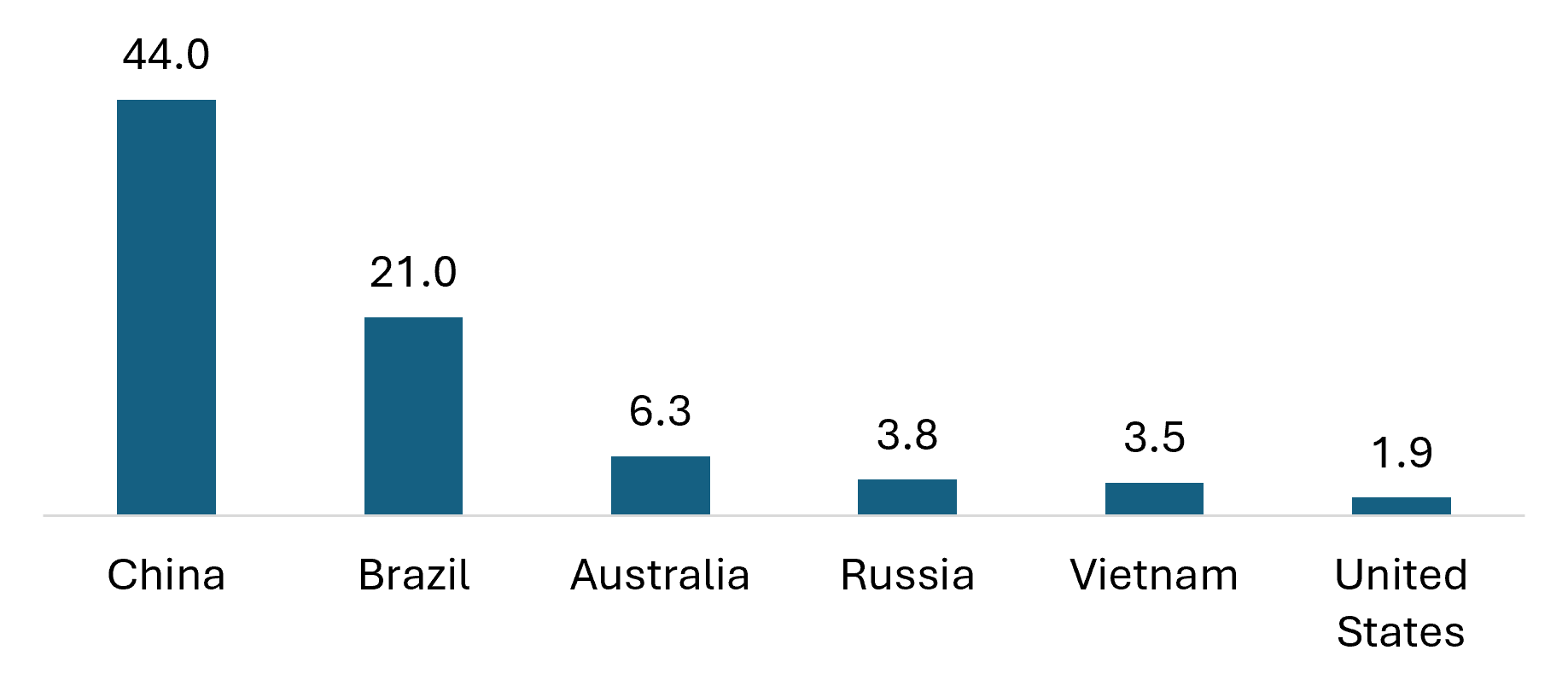
Nguồn: dữ liệu USGS
Vì sao Việt Nam có liên quan
Việt Nam trở nên có liên quan vì hai lý do: tiềm năng tài nguyên và vị thế địa chính trị.
Thứ nhất, Việt Nam có trữ lượng đất hiếm đáng kể. Cơ quan Khảo sát Địa chất Hoa Kỳ đã điều chỉnh ước tính trữ lượng đất hiếm của Việt Nam từ mức 22 triệu tấn thường được trích dẫn xuống còn khoảng 3,5 triệu tấn trong ước tính năm 2025, nhưng con số này vẫn đưa Việt Nam vào nhóm các quốc gia nắm giữ trữ lượng quan trọng trên thế giới. Dữ liệu của Congressional Research Service dựa trên số liệu USGS xếp Việt Nam sau Trung Quốc, Brazil, Australia và Nga, và đứng trước Hoa Kỳ về trữ lượng đất hiếm ước tính.
Provinces with rare earth deposits
(Bản đồ trước khi sáp nhập hành chính)
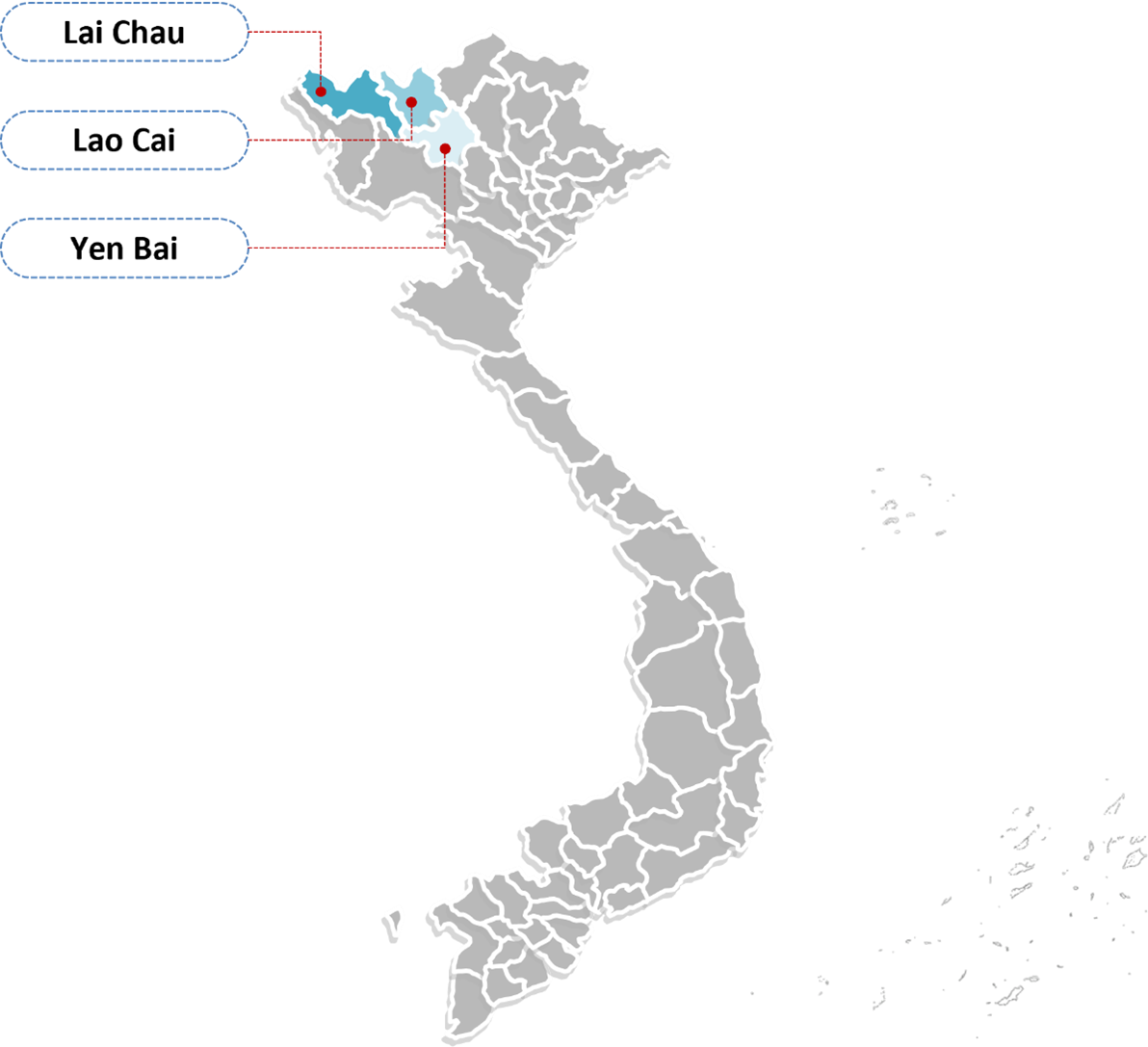
Nguồn: Tổng hợp của B&Company từ Quyết định số 866/QD-TTg
Thứ hai, Việt Nam đã là một trung tâm sản xuất quan trọng đối với điện tử, máy móc, thiết bị điện và các ngành hướng đến xuất khẩu. Nếu Việt Nam có thể phát triển chế biến đất hiếm và các ngành công nghiệp vật liệu liên quan, nước này có thể chuyển từ vai trò chủ yếu là địa điểm lắp ráp và sản xuất sang một mắt xích chiến lược hơn trong các chuỗi cung ứng tiên tiến.
Vị trí của Việt Nam cũng rất quan trọng. Đối với Nhật Bản, Việt Nam là một đối tác lâu năm với liên kết sản xuất mạnh, mức độ tin cậy chính trị cao và Quan hệ Đối tác Chiến lược Toàn diện được nâng cấp. Điều này khiến Việt Nam hấp dẫn hơn nhiều địa điểm tài nguyên thay thế khác, nơi điều kiện quản trị, logistics hoặc ngoại giao có thể khó khăn hơn.
Hợp tác Nhật Bản–Việt Nam đang chuyển sang an ninh kinh tế
Vào ngày 2 tháng 5 năm 2026, Thủ tướng Nhật Bản Takaichi Sanae và các nhà lãnh đạo Việt Nam đã nhất trí thúc đẩy hợp tác về an ninh kinh tế như một lĩnh vực ưu tiên mới, bao gồm năng lượng, khoáng sản thiết yếu, trí tuệ nhân tạo, chất bán dẫn và không gian vũ trụ. Về khoáng sản thiết yếu, hai bên đã thống nhất tăng cường chuỗi cung ứng, bao gồm cả đất hiếm tại Việt Nam.
Japan-Vietnam summit meeting
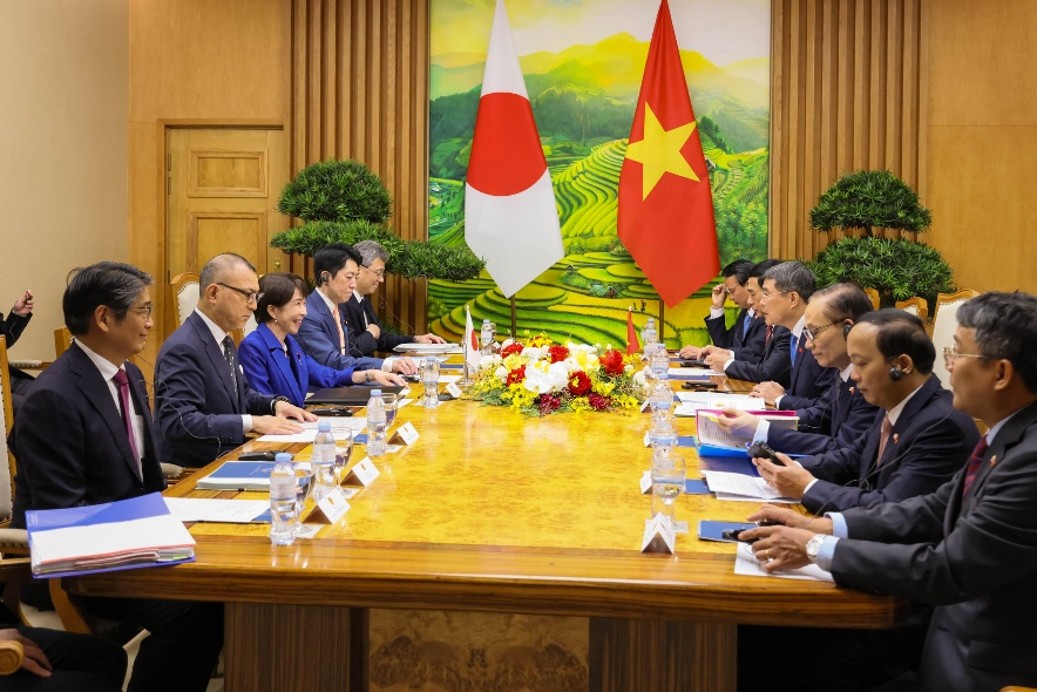
Nguồn: Văn phòng Thủ tướng Nhật Bản
Điều này quan trọng vì nó đặt đất hiếm không chỉ là một cơ hội khai thác thương mại, mà còn là một phần của chiến lược song phương rộng hơn. Nhật Bản đang tìm kiếm khả năng chống chịu của chuỗi cung ứng, trong khi Việt Nam đang hướng tới phát triển các ngành công nghiệp có giá trị gia tăng trong nước thay vì xuất khẩu tài nguyên thô.
Định hướng này phù hợp với chính sách khoáng sản của chính Việt Nam. Quy hoạch khoáng sản của Việt Nam giai đoạn 2021–2030, tầm nhìn đến năm 2050, ưu tiên các khoáng sản chiến lược như bô xít, titan, đất hiếm, cromit, niken và vàng. Quy hoạch này cũng nhấn mạnh công nghệ tiên tiến, thiết bị hiện đại và bảo vệ môi trường trong phát triển khoáng sản.
Việt Nam cũng đã siết chặt cách tiếp cận pháp lý của mình. Reuters đưa tin Việt Nam đã phê duyệt các sửa đổi hạn chế xuất khẩu đất hiếm tinh chế và tái khẳng định lệnh cấm xuất khẩu quặng, đồng thời nhấn mạnh rằng chế biến sâu phải gắn với việc xây dựng một hệ sinh thái công nghiệp hiện đại và quyền tự chủ của chuỗi giá trị trong nước.
Từ mỏ quặng đến hệ sinh thái chế biến
Cơ hội của Việt Nam không chỉ đơn thuần là khai thác đất hiếm. Cơ hội mang tính chiến lược hơn là xây dựng một hệ sinh thái chế biến và vật liệu.
Các hoạt động gần đây của khu vực tư nhân đang ủng hộ định hướng này. Tháng 12 năm 2025, LS Eco Energy đã phê duyệt khoản đầu tư khoảng 28,5 tỷ KRW, tương đương khoảng 21 triệu USD, để mở rộng mảng kinh doanh kim loại đất hiếm tại Việt Nam. Tháng 3 năm 2026, Lynas Rare Earths của Australia và LS Eco Energy của Hàn Quốc công bố kế hoạch hợp tác trong chế biến đất hiếm, trong đó Lynas sẽ cung cấp oxit đất hiếm cho một nhà máy chế biến mà LS Eco Energy dự kiến xây dựng tại Việt Nam. Reuters đưa tin LS đặt mục tiêu bắt đầu vận hành nhà máy tại Việt Nam vào quý IV năm 2026.
LS Eco Energy’s permanent magnet value chain
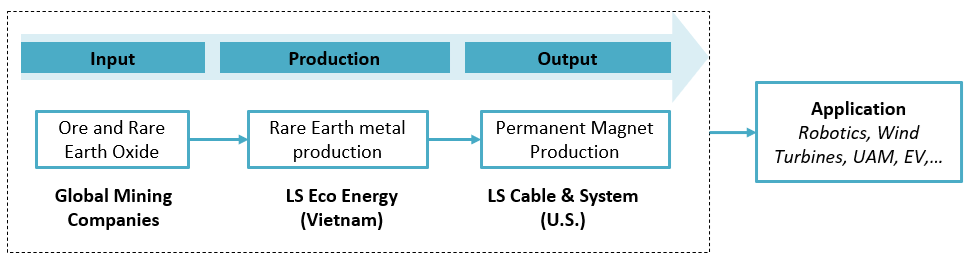
Nguồn: Cáp & Hệ thống LS
Trường hợp này có ý nghĩa đối với Nhật Bản dù các doanh nghiệp trực tiếp liên quan là của Australia và Hàn Quốc. Điều đó cho thấy Việt Nam có thể trở thành một phần của chuỗi giá trị đất hiếm ngoài Trung Quốc. Nếu oxit đất hiếm có thể được chuyển đổi thành kim loại hoặc vật liệu trung gian tại Việt Nam, quốc gia này có thể trở nên quan trọng hơn đối với các đơn vị sử dụng hạ nguồn trong lĩnh vực nam châm, động cơ và sản xuất công nghệ cao.
Các tầng của chuỗi cung ứng được lựa chọn
| Tầng | Mức độ liên quan hiện tại của Việt Nam | Vì sao Nhật Bản quan tâm |
| Khai thác mỏ và trữ lượng | Có các mỏ đất hiếm đáng kể, nhưng sản lượng quy mô lớn còn hạn chế | Nguồn cung thượng nguồn thay thế tiềm năng |
| Tách chiết và tinh luyện | Vẫn chưa phát triển | Nút thắt chính trong các chuỗi cung ứng toàn cầu |
| Kim loại và hợp kim | Sự quan tâm đầu tư mới nổi, như LS Eco Energy | Mối liên kết giữa oxit và sản xuất nam châm |
| Nam châm và linh kiện | Nền tảng hiện tại còn hạn chế | Thiết yếu cho động cơ, robot và xe điện |
| Tái chế và rác thải điện tử | Cơ hội tiềm năng trong tương lai | Trong một số trường hợp, đây là con đường nhanh hơn so với việc mở mỏ mới |
| Quản lý môi trường | Cần thiết cho phát triển bền vững | Quan trọng đối với ESG, cấp phép và sự chấp nhận của công chúng |
Sự tổng hợp của B&Company
Cơ hội cho các công ty Nhật Bản
Các doanh nghiệp Nhật Bản có thể tìm thấy cơ hội ở nhiều lĩnh vực.
Lĩnh vực đầu tiên là công nghệ chế biến. Việt Nam cần năng lực tách chiết, tinh luyện, xử lý chất thải và kiểm soát chất lượng tiên tiến. Các doanh nghiệp Nhật Bản có thế mạnh về công nghệ trong chế biến hóa chất, kỹ thuật vật liệu, kiểm soát môi trường hoặc tự động hóa có thể phù hợp.
Lĩnh vực thứ hai là thiết bị và dịch vụ. Chế biến đất hiếm đòi hỏi hệ thống thử nghiệm, hệ thống điều khiển, xử lý nước, quản lý chất thải, kỹ thuật nhà máy, thiết bị an toàn và dịch vụ phòng thí nghiệm. Đây là những lĩnh vực mà các doanh nghiệp vừa và nhỏ của Nhật Bản có thể sở hữu chuyên môn đặc thù.
Lĩnh vực thứ ba là tái chế. Bộ Môi trường Nhật Bản gần đây đã nhấn mạnh một sáng kiến khoáng sản chiến lược và rác thải điện tử giữa Mỹ và Nhật Bản, bao gồm hợp tác vận hành trong tái chế điện tử tại Việt Nam. Điều này cho thấy hợp tác về khoáng sản chiến lược không chỉ giới hạn ở các mỏ; mà còn có thể bao gồm thu hồi từ thiết bị điện tử đã qua sử dụng và phế liệu công nghiệp.
Lĩnh vực thứ tư là liên kết hạ nguồn. Các doanh nghiệp Nhật Bản trong ngành phụ tùng ô tô, động cơ, điện tử, robot và máy móc công nghiệp có thể không đầu tư trực tiếp vào khai thác mỏ, nhưng vẫn có thể hưởng lợi từ một hệ sinh thái vật liệu khu vực đa dạng hơn. Việt Nam có thể hỗ trợ khả năng chống chịu của chuỗi cung ứng nếu xây dựng được năng lực chế biến, truy xuất nguồn gốc và tiêu chuẩn chất lượng đáng tin cậy.
Những thách thức còn lại
Thách thức đầu tiên là khoảng cách giữa trữ lượng và sản lượng. Việt Nam có tiềm năng đất hiếm, nhưng phát triển thương mại còn chậm. Giấy phép khai thác, phê duyệt môi trường, yêu cầu công nghệ và biến động thị trường có thể làm chậm các dự án.
Thách thức thứ hai là năng lực chế biến. An ninh chuỗi cung ứng đất hiếm không thể chỉ được giải quyết bằng trữ lượng. Những nút thắt khó nhất nằm ở khâu tách chiết, tinh luyện, kim loại, hợp kim và nam châm. Sự thống trị của Trung Quốc trong tinh luyện và sản xuất nam châm cho thấy việc xây dựng hệ sinh thái này khó khăn đến mức nào.
Thách thức thứ ba là quản lý môi trường. Khai thác và chế biến đất hiếm có thể tạo ra chất thải, nước thải hóa chất và các lo ngại về sử dụng đất. Việc Việt Nam nhấn mạnh chế biến sâu và kiểm soát chặt chẽ phản ánh cả tham vọng công nghiệp lẫn rủi ro môi trường.
Thách thức thứ tư là tính khả thi về kinh tế. Các dự án ngoài Trung Quốc thường đối mặt với chi phí cao hơn, thời gian triển khai dài hơn và nhu cầu chưa chắc chắn. Các thỏa thuận bao tiêu dài hạn, nguồn vốn kiên nhẫn và hỗ trợ của chính phủ có thể cần thiết để giúp dự án đạt tính khả thi tài chính.
Hỗ trợ từ B&Company
Đất hiếm và khoáng sản chiến lược đang trở thành một vấn đề chiến lược mới trong hợp tác Nhật Bản–Việt Nam. Đối với các doanh nghiệp Nhật Bản, cơ hội không chỉ là bảo đảm nguồn nguyên liệu thô. Đó là hiểu được Việt Nam có thể thực sự phù hợp ở đâu trong chuỗi giá trị rộng hơn: khai thác, chế biến, tái chế, dịch vụ môi trường, thiết bị nhà máy, kiểm định vật liệu hoặc sản xuất hạ nguồn.
B&Company hỗ trợ các doanh nghiệp Nhật Bản thông qua nghiên cứu thị trường, theo dõi chính sách, tìm kiếm đối tác, sàng lọc nhà cung cấp, phỏng vấn, lập bản đồ ngành và kết nối kinh doanh. Đối với các dự án khoáng sản chiến lược, B&Company có thể hỗ trợ đánh giá môi trường pháp lý, xác định đối tác Việt Nam, lập bản đồ các khu công nghiệp và doanh nghiệp liên quan, thu thập ý kiến chuyên gia, và đánh giá nơi các công nghệ hoặc mô hình đầu tư của Nhật Bản có thể phù hợp với hệ sinh thái đất hiếm đang hình thành của Việt Nam.
Đọc thêm
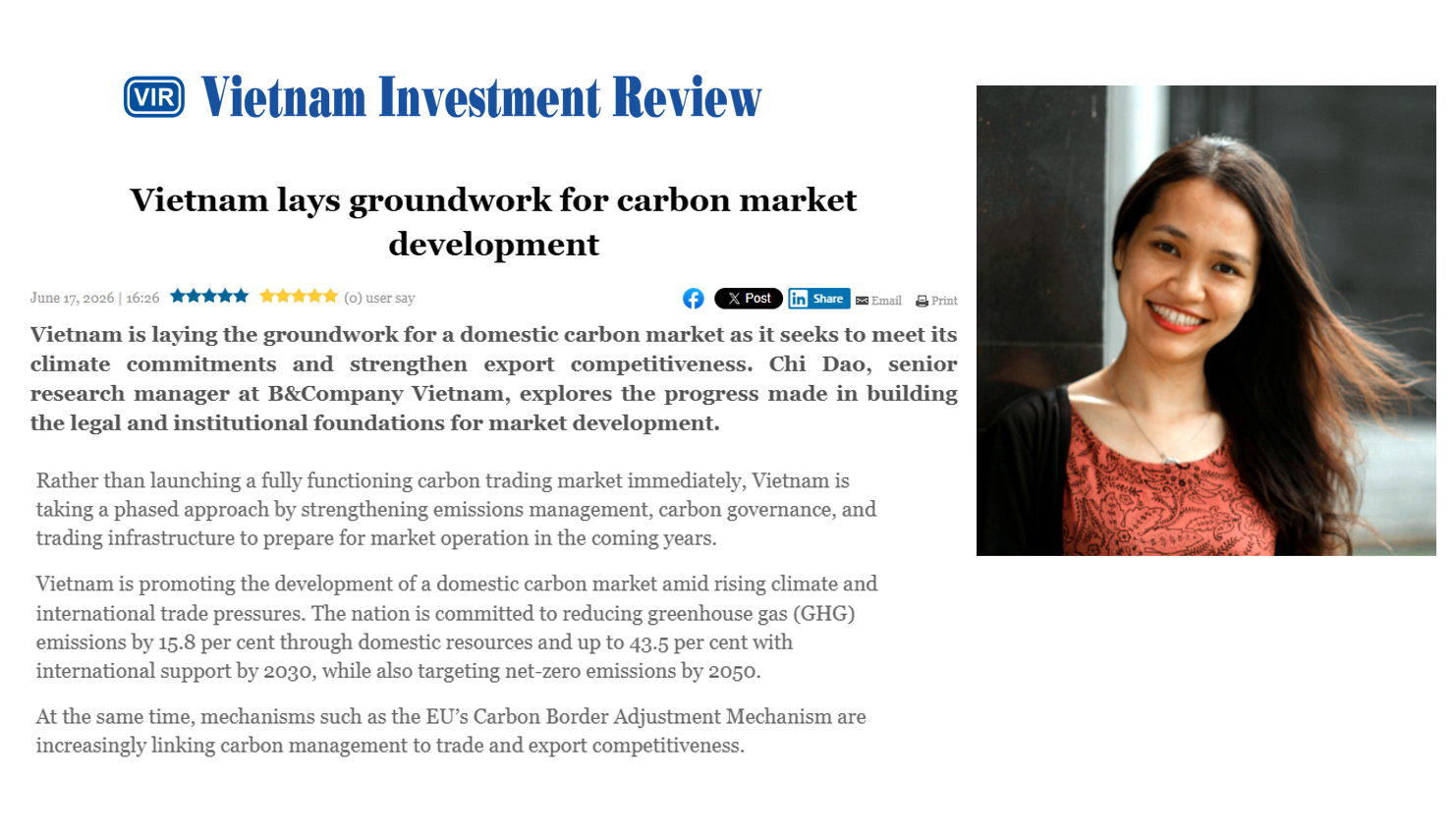
Phỏng vấn với B&Company về thị trường carbon đang phát triển của Việt Nam
* Nếu bạn muốn trích dẫn bất kỳ thông tin nào từ bài viết này, xin vui lòng ghi rõ nguồn cùng với liên kết đến bài viết gốc để tôn trọng bản quyền.
| B&Company
Công ty Nhật Bản đầu tiên chuyên về nghiên cứu thị trường tại Việt Nam kể từ năm 2008. Chúng tôi cung cấp một loạt dịch vụ bao gồm báo cáo ngành, phỏng vấn ngành, khảo sát người tiêu dùng và kết nối doanh nghiệp. Ngoài ra, chúng tôi vừa phát triển một cơ sở dữ liệu với hơn 1.000.000 công ty tại Việt Nam, có thể được sử dụng để tìm kiếm đối tác và phân tích thị trường. Xin vui lòng liên hệ với chúng tôi nếu bạn có bất kỳ câu hỏi nào. info@b-company.jp + (84) 24 3978 5165 |
Bài viết liên quan

















Đăng nhập / Đăng ký
ĐĂNG KÝ NHẬN BẢN TIN