
Rare earth and critical minerals: Why Vietnam matters to Japan’s supply chain security

Rare earths and critical minerals are becoming a new priority in Japan–Vietnam economic cooperation regarding economic security, industrial policy, and more
Vietnam rare earth and minerals

068월2026

B&Company

최신 뉴스 및 보고서 / 베트남 브리핑

댓글: 댓글 없음.

B&Company-Vietnam industry reports

B&Company는 2008년부터 베트남에서 시장 조사 및 투자 컨설팅을 전문으로 하는 첫 일본 회사입니다.

이 섹션 “베트남 브리핑”에서는 B&Company의 젊은 연구원들이 베트남의 산업 동향, 소비자 동향 및 사회 운동에 대한 시의 적절한 정보를 제공할 것입니다.

이 기사는 영어로 작성되었으며, 다른 언어 버전은 자동 번역이 사용됩니다. 정확한 내용을 위해 영어 버전을 참고하시기 바랍니다. 우리는 원본 정보의 정확성을 보장하기 위해 노력하지만, 각 정보에 대해 별도로 확인하시기 바랍니다. 해석 및 향후 전망은 각 연구원의 개인적인 의견입니다.

Rare earth and critical minerals are becoming a new priority in Japan–Vietnam economic cooperation. For Japan, they are essential inputs for electric vehicles, motors, batteries, semiconductors, defense systems and advanced manufacturing. For Vietnam, they represent a strategic resource that could support higher-value industrial development. Recent Japan–Vietnam discussions show that critical minerals are no longer only a mining issue. They are becoming part of economic security, industrial policy and supply-chain diversification.

Why rare earths matter

Rare earth elements are a group of 17 elements used in many high-performance technologies. They are especially important for permanent magnets, which are used in electric vehicle motors, wind turbines, robots, smartphones, industrial equipment and defense systems. The International Energy Agency notes that demand for magnet rare earths, especially neodymium, praseodymium, dysprosium and terbium, has doubled since 2015 and is projected to increase by more than 30% by 2030.

The issue is not only resource availability. Rare earths are difficult to separate, refine, and process at high purity. The value chain includes mining, separation, oxide production, metal production, alloy production and magnet manufacturing. A country may have rare earth deposits, but still lack the industrial capability to turn them into materials that manufacturers can actually use.

This is why rare earths have become a supply-chain security issue. The IEA states that China accounts for around 60% of global mined production of magnet rare earths, while its share of refining is above 90%. It also notes that China’s share of sintered permanent magnet production reached 94% in 2024.

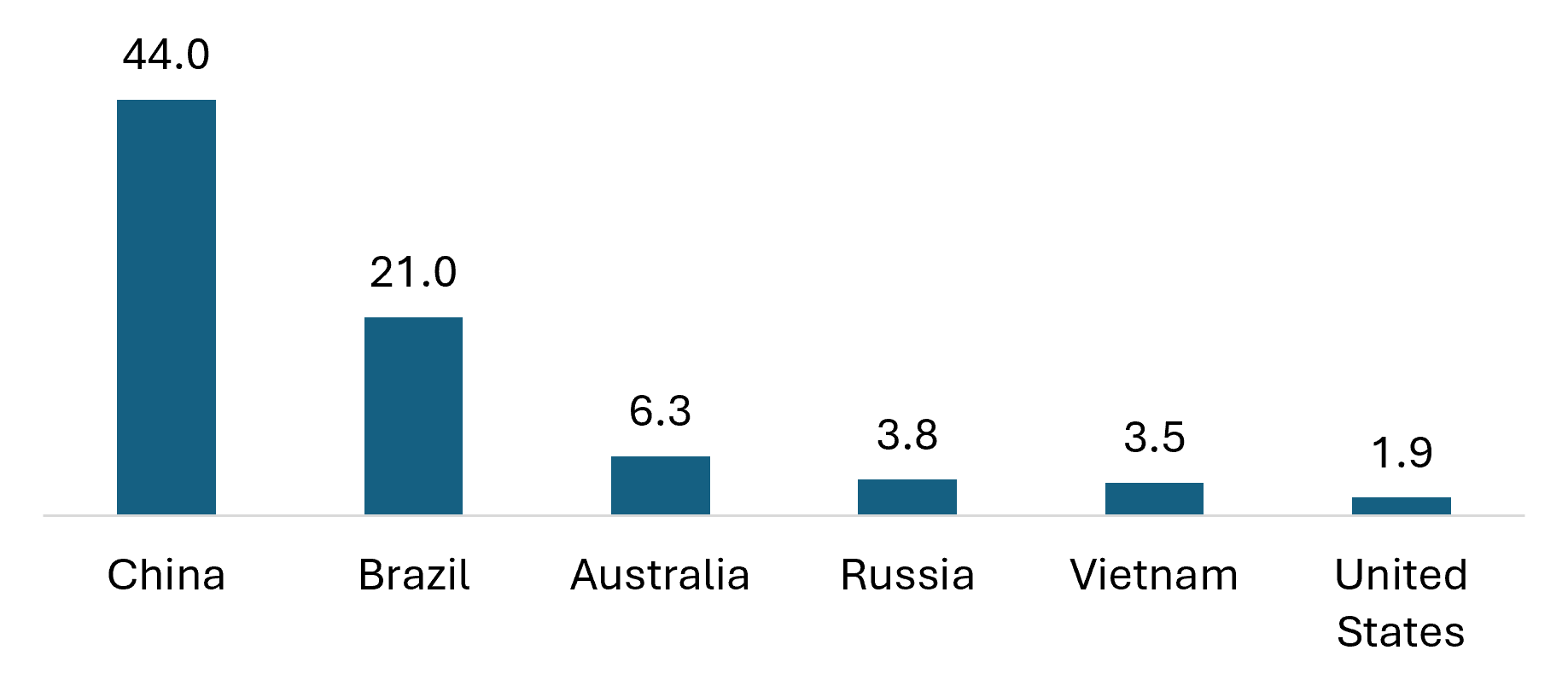
Estimated rare earth reserves by selected countries (million tonnes)
Estimated rare earth reserves by selected countries (million tonnes)

Source: USGS data

Why Vietnam is relevant

Vietnam has become relevant for two reasons: resource potential and geopolitical position.

First, Vietnam has significant rare earth reserves. The U.S. Geological Survey revised Vietnam’s estimated rare earth reserves down from the widely cited 22 million tonnes to around 3.5 million tonnes in its 2025 estimate, but this still places Vietnam among the world’s important reserve holders. Congressional Research Service data based on USGS figures lists Vietnam after China, Brazil, Australia and Russia, and ahead of the United States in estimated rare earth reserves.

Provinces with rare earth deposits

(행정 통합 이전의 지도)
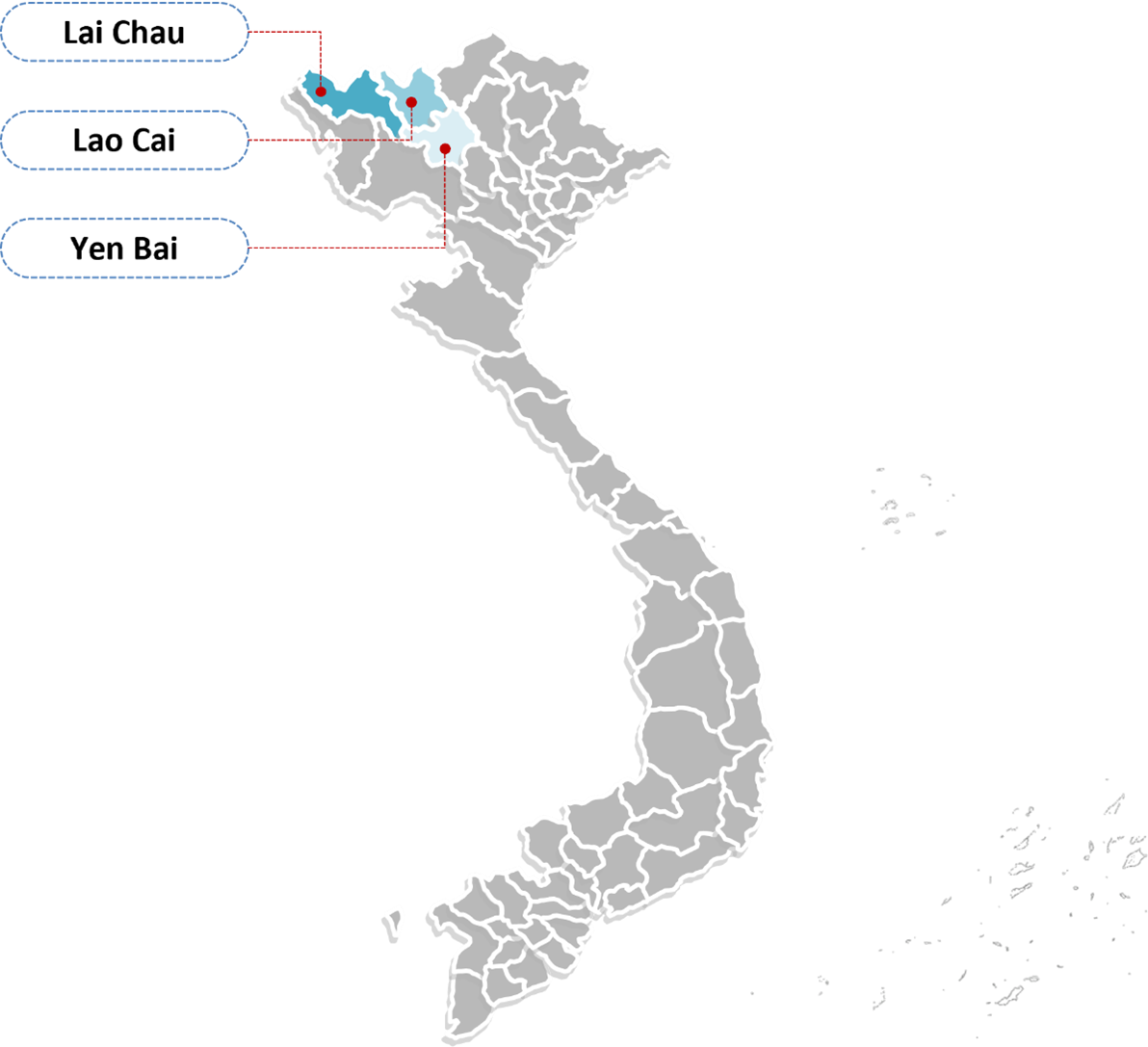
Provinces with rare earth deposits

Source: B&Company’s Synthesis from Decision No. 866/QD-TTg

Second, Vietnam is already an important manufacturing base for electronics, machinery, electrical equipment and export-oriented industries. If Vietnam can develop rare earth processing and related materials industries, it could move from being mainly an assembly and manufacturing location toward a more strategic node in advanced supply chains.

Vietnam’s location also matters. For Japan, Vietnam is a long-standing partner with strong manufacturing links, political trust and an upgraded Comprehensive Strategic Partnership. This makes Vietnam more attractive than many alternative resource locations where governance, logistics or diplomatic conditions may be more difficult.

Japan–Vietnam cooperation is moving into economic security

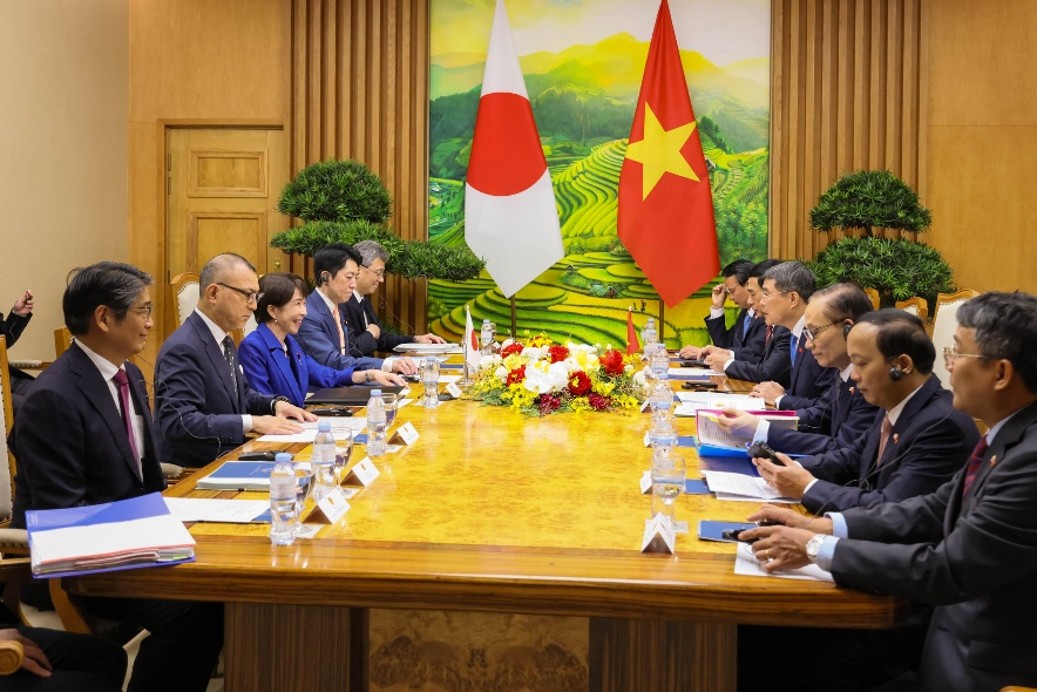
On May 2, 2026, Japanese Prime Minister Takaichi Sanae and Vietnamese leaders agreed to advance cooperation in economic security as a new priority area, including energy, critical minerals, artificial intelligence, semiconductors and space. On critical minerals, the two sides concurred on strengthening supply chains, including rare earth in Vietnam.

Japan-Vietnam summit meeting

Japan-Vietnam summit meeting

출처: Prime Minister’s Office of Japan

This is important because it positions rare earths not only as a commercial mining opportunity, but as part of a broader bilateral strategy. Japan is looking for supply-chain resilience, while Vietnam is seeking to develop domestic value-added industries instead of exporting raw resources.

This direction is consistent with Vietnam’s own mineral policy. Vietnam’s mineral planning for 2021–2030, with a vision to 2050, prioritizes strategic minerals such as bauxite, titanium, rare earths, chromite, nickel and gold. It also emphasizes advanced technology, modern equipment and environmental protection in mineral development.

Vietnam has also tightened its legal approach. Reuters reported that Vietnam approved changes restricting refined rare earth exports and reaffirming a ban on ore exports, while emphasizing that deep processing must be linked with building a modern industrial ecosystem and domestic value chain autonomy.

From deposits to processing ecosystem

Vietnam’s opportunity is not simply to mine rare earths. The more strategic opportunity is to build a processing and materials ecosystem.

Recent private-sector activity supports this direction. In December 2025, LS Eco Energy approved an investment of about KRW 28.5 billion, or around USD 21 million, to expand its rare earth metals business in Vietnam. In March 2026, Australia’s Lynas Rare Earths and South Korea’s LS Eco Energy announced a plan to work together on rare earth processing, with Lynas supplying rare earth oxides to a processing plant that LS Eco Energy plans to build in Vietnam. Reuters reported that LS aimed to start operations at the Vietnam factory in the fourth quarter of 2026.

LS Eco Energy’s permanent magnet value chain
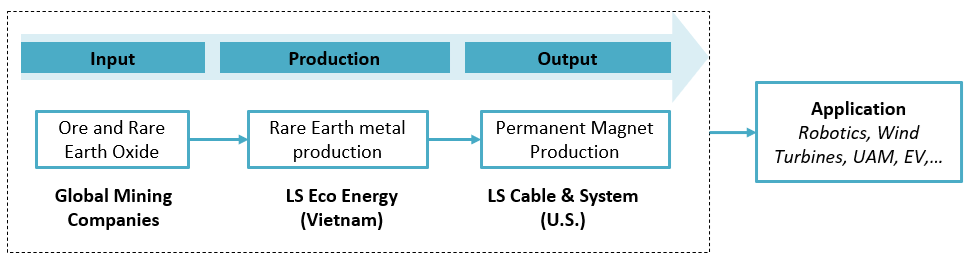
LS Eco Energy’s permanent magnet value chain

출처: LS 케이블 & 시스템

This case is important for Japan even though the direct companies are Australian and Korean. It shows how Vietnam could become part of a non-China rare earth value chain. If rare earth oxides can be converted into metals or intermediate materials in Vietnam, the country may become more relevant to downstream users in magnets, motors and advanced manufacturing.

Selected supply-chain layers

Layer Vietnam’s current relevance Why Japan cares
Mining and reserves Significant rare earth deposits, but limited large-scale production Potential alternative upstream source
Separation and refining Still underdeveloped Main bottleneck in global supply chains
Metals and alloys Emerging investment interest, such as LS Eco Energy Link between oxides and magnet production
Magnets and components Limited current base Critical for motors, robotics and electric vehicles
Recycling and e-waste Potential future opportunity Faster path than opening new mines in some cases
Environmental management Required for sustainable development Important for ESG, permitting and public acceptance

B&Company의 종합

일본 기업을 위한 기회

Japanese companies may find opportunities across several areas.

The first is processing technology. Vietnam needs advanced separation, refining, waste treatment and quality-control capability. Japanese firms with technologies in chemical processing, materials engineering, environmental control or automation may be relevant.

The second is equipment and services. Rare earth processing requires testing systems, control systems, water treatment, waste management, plant engineering, safety equipment and laboratory services. These are areas where Japanese small and medium-sized enterprises may have specialized know-how.

The third is recycling. The Ministry of the Environment of Japan recently highlighted a U.S.–Japan critical mineral and e-waste initiative involving electronics recycling operational cooperation in Vietnam. This suggests that critical minerals cooperation may not be limited to mines; it may also include recovery from used electronics and industrial scrap.

The fourth is downstream linkage. Japanese companies in automotive parts, motors, electronics, robotics and industrial machinery may not invest directly in mining, but they can still benefit from a more diversified regional materials ecosystem. Vietnam could support supply-chain resilience if it can develop credible processing, traceability and quality standards.

남은 도전 과제

The first challenge is the gap between reserves and production. Vietnam has rare earth potential, but commercial development has been slow. Mining licenses, environmental approval, technology requirements and market volatility can delay projects.

The second challenge is processing capability. Rare earth supply-chain security is not solved by deposits alone. The most difficult bottlenecks are separation, refining, metals, alloys and magnets. China’s dominance in refining and magnet production shows how hard it is to build this ecosystem.

The third challenge is environmental management. Rare earth mining and processing can create waste, chemical discharge and land-use concerns. Vietnam’s policy emphasis on deep processing and strict control reflects both industrial ambition and environmental risk.

The fourth challenge is economic viability. Non-China projects often face higher costs, longer lead times and uncertain demand. Long-term offtake agreements, patient capital and government support may be necessary to make projects bankable.

B&Company 지원

Rare earths and critical minerals are becoming a new strategic issue in Japan–Vietnam cooperation. For Japanese companies, the opportunity is not only to secure raw materials. It is to understand where Vietnam can realistically fit into the wider value chain: mining, processing, recycling, environmental services, plant equipment, materials testing or downstream manufacturing.

B&Company supports Japanese companies through market research, policy monitoring, partner search, supplier screening, interviews, industry mapping and business matching. For critical minerals projects, B&Company can help assess the regulatory environment, identify Vietnamese partners, map relevant industrial zones and companies, collect expert feedback, and evaluate where Japanese technologies or investment models may fit Vietnam’s emerging rare earth ecosystem.

더 보기

LS Eco Energy, 베트남 희토류 산업에 투자 예정

베트남의 떠오르는 탄소 시장에 대한 B&Company와의 인터뷰

* 이 기사에서 정보를 인용하고자 하신다면 출처를 원문 기사 링크와 함께 인용하여 저작권을 존중해 주시기 바랍니다.

B&Company

2008년부터 베트남에서 시장 조사 전문으로 활동하는 최초의 일본 기업입니다. 산업 보고서, 산업 인터뷰, 소비자 조사, 비즈니스 매칭 등 다양한 서비스를 제공합니다. 또한, 최근에는 파트너 검색 및 시장 분석에 사용할 수 있는 1,000,000개 이상의 베트남 기업 데이터베이스를 개발했습니다.

문의 사항이 있으시면 언제든지 저희에게 문의해 주세요.

info@b-company.jp + (84) 24 3978 5165

관련기사

뉴스레터 구독