

 한국어
한국어  English
  日本語
日本語  Tiếng Việt
  简体中文
简体中文 베트남에서는 재생에너지 및 녹색 전환 정책의 일환으로 바이오매스 에너지에 대한 관심이 점차 높아지고 있습니다.
271월2026
최신 뉴스 및 보고서 / 베트남 브리핑
댓글: 댓글 없음.
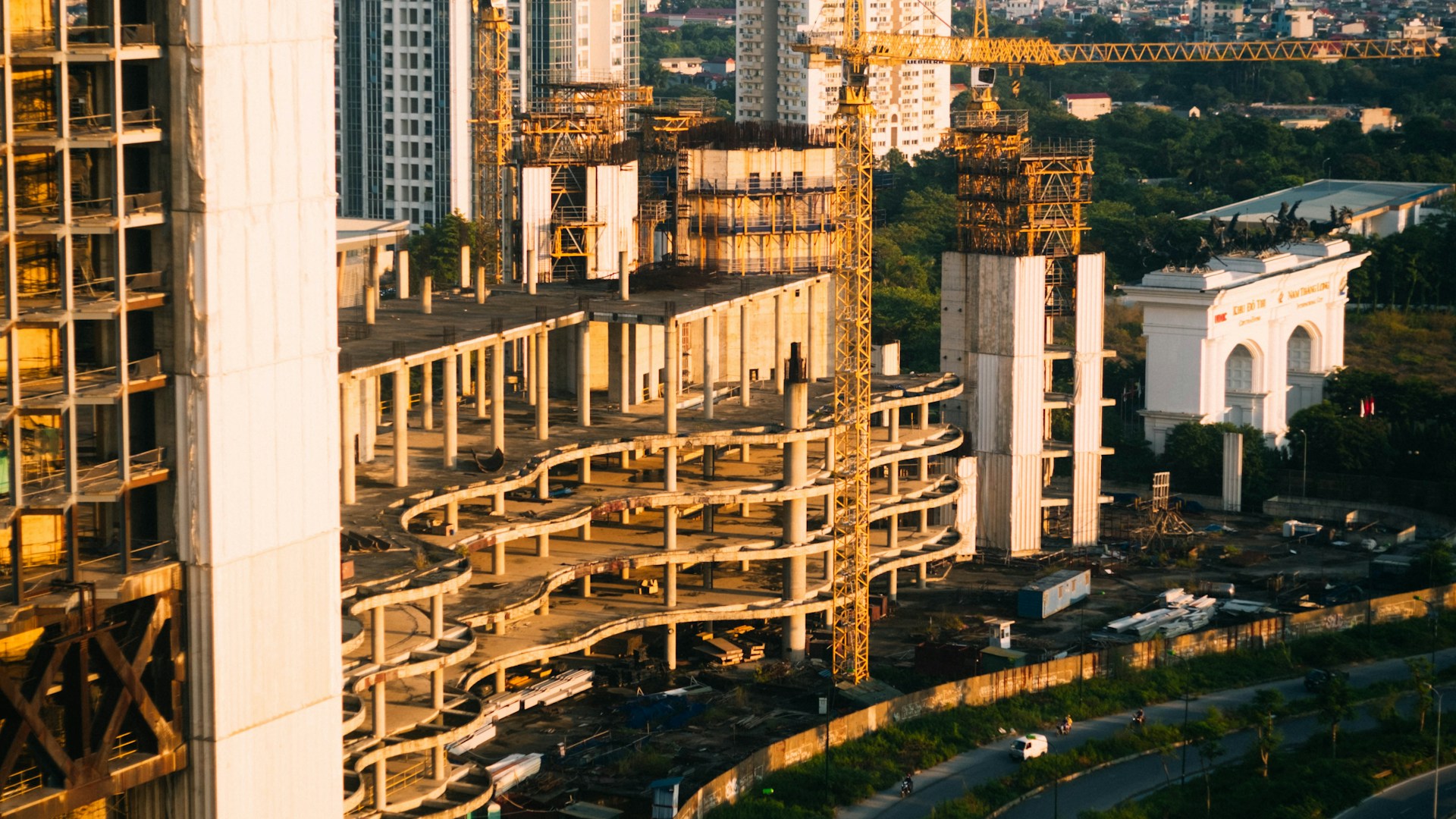
베트남에서 바이오매스 에너지는 국가의 광범위한 재생에너지 및 녹색 전환 의제의 일환으로 점점 더 큰 주목을 받고 있습니다. 풍부한 농업 및 임업 자원의 뒷받침을 받는 바이오매스는 지속 가능한 전력 생산, 폐기물 감축, 농촌 경제 발전의 기회를 제공합니다. 국제 협력과 기술 이전이 확대되면서 새로운 투자 경로가 형성되고 있으며, 바이오매스는 베트남의 장기 저탄소 전력 시스템에서 급전 가능한 솔루션으로 자리매김하고 있습니다.
바이오매스 에너지 개요
바이오매스 에너지는 농업 부산물(왕겨, 볏짚, 사탕수수 부산물), 임업 부산물, 가축 분뇨 및 도시 유기성 폐기물과 같은 유기물에서 생산되는 에너지를 의미합니다. 이러한 물질은 연소, 혐기성 소화, 가스화 등의 공정을 통해 열, 전력, 바이오가스 또는 바이오연료로 전환될 수 있습니다. 바이오매스는 폐기물 관리와 기후 목표 달성에 모두 기여하는 재생 가능하고 저탄소인 에너지원으로 간주됩니다[1].
베트남의 총 발전 설비 용량은 2026년 1월 기준 91,206MW에 달했습니다. 이 규모에서 바이오매스 에너지는 현재 국가 발전 믹스의 약 0.3%만을 차지하고 있어, 주요 발전원 가운데 기여도가 가장 낮은 에너지원 중 하나입니다.
Total installed capacity of Vietnam’s national power system (Jan/2026)
100% = 91,206MW
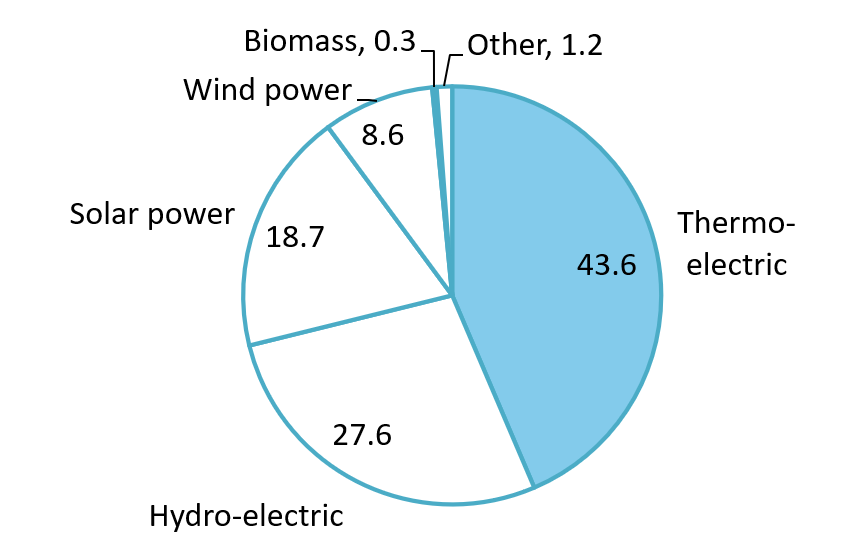
출처: 국가 전력 시스템 및 시장 운영 (NSMO) – 2026년 1월 19일
국가 계획 및 최신 에너지 전략에 따라 바이오매스 발전 설비 용량은 크게 증가할 것으로 전망됩니다. 2030년까지 바이오매스 설비 용량은 현재 수준의 5~8배로 증가할 것으로 예상되며, 이에 따라 해당 시점의 국가 전력 시스템 총 설비 용량에서 약 0.8%~1.1%를 차지할 가능성이 있습니다(결정문 제768/QD-TTg호).[2].
베트남 바이오매스 에너지의 성장을 견인하는 요인
풍부한 바이오매스 자원
베트남은 강력한 농업, 임업 및 식품 가공 산업을 기반으로 동남아시아에서 가장 풍부한 바이오매스 자원 기반을 보유한 국가 중 하나입니다. 베트남 에너지 당국과 연구기관의 평가에 따르면, 베트남은 연간 약 1억 5,000만 톤의 바이오매스 원료를 활용할 잠재력을 보유하고 있습니다[3]. 주요 바이오매스 원료에는 왕겨, 볏짚, 사탕수수 부산물, 옥수수 속대 및 카사바 부산물과 같은 농업 잔재물, 우드칩, 톱밥 및 벌목 잔재물을 포함한 임업 부산물, 그리고 가축 분뇨 및 유기성 산업 부산물이 포함됩니다[4].
이처럼 자원이 풍부함에도 불구하고 현재 현대적 에너지 생산에 활용되는 바이오매스 잔재물은 일부에 불과하며, 이는 발전 분야에서 상당한 미활용 잠재력이 있음을 시사합니다. 바이오매스 에너지는 원료 가용성이 높고 계통연계형 또는 분산형 바이오매스 발전소를 통해 폐기물을 줄이는 동시에 지역의 전력 및 열 수요를 충족할 수 있는 농촌 및 농업 지역에서 강점을 지닙니다.
정부 이니셔티브 및 정책 지원
베트남의 녹색 전환 및 기후 대응에 대한 의지는 바이오매스 에너지 개발의 주요 동인입니다. COP26에서 베트남 정부는 2050년까지 온실가스 순배출량 제로를 달성하겠다고 약속했으며, 이에 따라 화석연료에서 재생에너지 및 저탄소 에너지원으로의 전환을 추진하고 있습니다. 바이오매스 에너지는 태양광 및 풍력과 같은 간헐적 에너지원과 달리 급전 가능하고 안정적인 전력을 공급할 수 있다는 점에서 이러한 전환의 중요한 구성 요소로 인식되고 있습니다.
베트남 정부는 바이오매스 전력 개발에 대한 지원을 거듭 강조해 왔습니다. 주요 지원 정책은 다음과 같습니다:
– 발전차액지원제도(FiT) 재생에너지 발전차액지원 메커니즘으로, 바이오매스 발전 프로젝트에 보장된 전력 구매 가격을 제공하여 사업의 금융 조달 가능성을 높이고 민간 투자를 유치하는 데 기여합니다
– 직접 전력구매계약(DPPA) 대규모 전력 소비자가 발전사업자로부터 재생에너지를 직접 구매할 수 있도록 개발 중인 체계로, 바이오매스 프로젝트에 새로운 상업적 기회를 창출합니다
– 국가 전력 개발 전략 재생에너지 확대, 에너지 안보 및 전력 믹스 다변화를 우선시하는 전략
Biomass planning capacity (2030 and 2050)
단위: MW
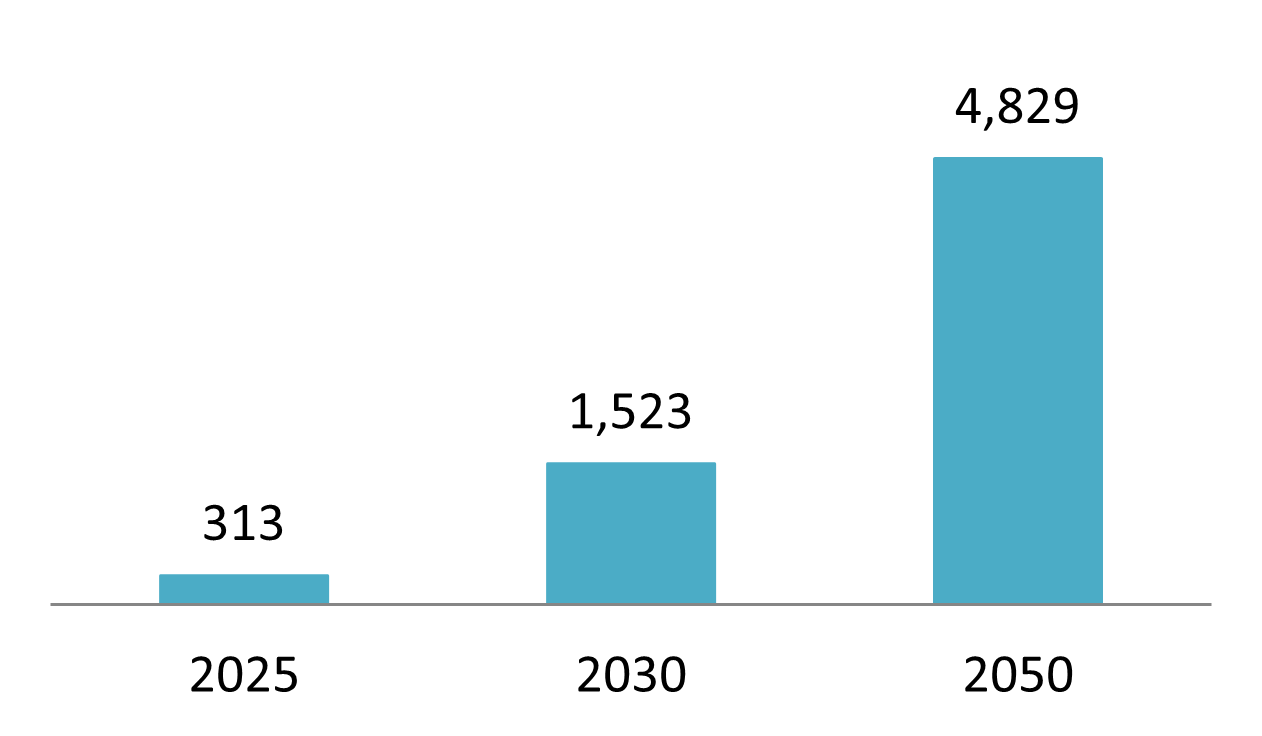
출처: NSMO, 결정문 제768/QD-TTg호
베트남의 바이오매스 프로젝트 및 개발 방향
바이오매스 에너지는 베트남에서 오랫동안 활용되어 왔으며, 특히 제당 산업에서 사탕수수 제분소가 버개스를 이용해 자체 사용 전력을 생산하고, 많은 경우 잉여 전력을 국가 전력망에 판매해 왔습니다. Lam Son Sugar Cane JSC와 Ninh Hoa Sugar JSC 등의 기업은 막대한 양의 사탕수수 부산물을 활용하기 위해 소규모 바이오매스 발전소를 설탕 생산 공장과 함께 건설했습니다[5].
국가 전력 구조가 발전함에 따라 이러한 발전소들은 확장되고 있습니다. 예를 들어 Quang Ngai Sugar JSC의 An Khe Biomass Power Plant는 2018년에 발전 용량을 29MW에서 95MW로 확대했습니다[6]. 총 발전 용량을 135MW까지 확대할 계획입니다[7]. KCP Phu Yen Biomass Power Plant 역시 발전 용량을 45MW까지 확대할 계획입니다[8].
최근 베트남의 바이오매스 부문은 일본의 재생에너지 기업 Erex의 적극적인 참여에 힘입어 활발한 발전을 보였으며, 특히 일본의 공동 크레디팅 메커니즘(JCM)을 통한 참여가 두드러졌습니다. Erex는 2030년대 중반까지 베트남 전역에 최대 19개의 바이오매스 발전소와 관련 목재 펠릿 공장을 설립할 계획으로, 베트남의 바이오매스 발전 용량을 크게 확대할 예정입니다[9]. Erex가 처음 설립한 시설은 Hau Giang Bioenergy JSC와 협력한 Hau Giang Biomass Power Plant였습니다. Erex는 Lao Cai와 Tuyen Quang에 바이오매스 발전소를 건설하는 승인을 받았으며, 해당 발전소들은 2027년에 가동될 예정입니다[10].
베트남의 일부 바이오매스 에너지 프로젝트(2026년 1월 업데이트)
| # | 프로젝트 | 용량(MW) | 위치* | 바이오매스 원료 | 프로젝트 소유자 | 상태 | 운영 연도 |
| 1 | Can Tho Biomass Power Plant | 150 | 칸토 | 볏짚 및 왕겨 | Vietnam Power Development JSC | 계획 중 | 없음 |
| 2 | Yen Bai 1 Biomass Power Plant | 50 | 라오까이 | 목재 칩 / 목재 부산물 | Erex Yen Bai Biomass Power Co., Ltd (Japan) | 계획 중 | 2027 |
| 3 | Tuyen Quang Biomass Power Plant | 50 | 투이꽝 | 목재 칩 / 목재 부산물 | Erex Tuyen Quang Biomass Power Co., Ltd (Japan) | 건설 중 | 2027 |
| 4 | Hau Giang Biomass Power Plant | 20 | 칸토 | 왕겨 | Hau Giang Bioenergy JSC (PECC2 및 Erex 참여) | 가동 중 | 2025 |
| 5 | An Khe Biomass Power Plant | 95 | 꽝응아이 | 사탕수수 버개스 | Quang Ngai Sugar JSC | 가동 중 | 2018 |
| 6 | Tuyen Quang Sugarcane Biomass Power Plant | 25 | 투이꽝 | 사탕수수 버개스 | Son Duong Sugar and Sugarcane JSC | 가동 중 | 2018 |
| 7 | Ninh Hoa Sugar Biomass Power Plant | 30 | 깐하호아 | 사탕수수 버개스 | Ninh Hoa Sugar JSC | 가동 중 | 2014 |
| 8 | Phu Tho Biomass Power Plant | 40 | 프우토 | 농업 부산물 | Viet Nam High-tech Renewable Bioenergy JSC | 가동 중 | 2013 |
| 9 | KCP Phu Yen Biomass Power Plant | 30 | 닥락 | 사탕수수 버개스 | KCP Viet Nam Industries Limited | 가동 중 | 2001 |
*위치는 2025년 7월 시행된 국가 행정구역 통합에 따라 업데이트되었습니다
B&Company의 합성
베트남의 바이오매스 에너지 정책 방향은 신규 프로젝트 개발을 넘어 기존 화력발전소, 특히 석탄화력발전소를 바이오매스 또는 바이오매스-암모니아 연료를 사용하는 발전소로 전환하고 재활용하는 데 점점 더 중점을 두고 있습니다. 2030년까지 20년간 운영된 석탄화력발전소는 경제성이 확보되는 경우 바이오매스 또는 암모니아로의 연료 전환을 추진하며, 전환이 불가능한 40년 이상 된 발전소는 폐쇄될 예정입니다. 2050년까지 베트남은 석탄화력 발전을 완전히 단계적으로 폐지할 계획입니다[11].
대표적인 사례로 Vinacomin-Power Holding Corporation(TKV Power)의 에너지 전환 프로그램을 들 수 있으며, 이 프로그램에서는 Na Duong 및 Cao Ngan 석탄화력발전소의 연료 전환 방안을 평가하고 있습니다. 이러한 노력은 Erex(일본)의 지원을 받고 있으며, 기술 이전과 배출량 감축을 위한 국제 협력을 반영하는 동시에 전통적인 석탄 의존에서 보다 청정한 바이오매스 기반 발전으로의 전환을 보여줍니다[12].
과제 및 시사점
풍부한 자원 잠재력과 명확한 장기 정책 신호에도 불구하고, 베트남의 바이오매스 에너지 개발은 여러 구조적 과제에 직면해 있습니다. 바이오매스 프로젝트는 현재의 규모에 비해 여전히 자본집약적이며, 농업 및 임업 부산물의 수집, 집산, 운송, 가격 안정성 등 원료 공급망이 파편화되고 지역별로 상이해 운영 리스크를 높이고 있습니다. 또한 바이오매스 프로젝트, 특히 그린필드 발전소의 인허가 절차, 토지 확보 및 계통 연계는 복잡하고 시간이 오래 걸릴 수 있어 강력한 현지 협력과 규제에 대한 높은 이해도가 요구됩니다.
이러한 과제를 고려할 때, 외국인 투자자는 베트남 바이오매스 부문에 진출할 때 전략적이고 파트너십 중심의 접근 방식을 채택해야 합니다:
현지 산업 기업 및 국가 연계 기관과의 파트너십을 우선시
설탕 생산업체, 산림 기업 또는 국영 그룹(예: EVN 계열사 또는 Vinacomin Power)과 협력하면 원료 공급 리스크를 완화하고 인허가 절차를 원활하게 하며 기존 인프라에 대한 접근성을 확보할 수 있습니다. 특히 발전소 개보수 또는 연료 전환 프로젝트에서 이러한 효과가 두드러집니다. 또한 현지 기업과의 협력은 바이오매스 발전 프로젝트를 그린필드 방식으로 구축하는 데에도 도움이 됩니다.
연료 전환 및 브라운필드 기회에 집중
베트남은 2050년까지 노후 석탄화력발전소를 바이오매스 또는 암모니아 발전소로 전환하는 정책 방향을 추진하고 있어, 전환 기술, 혼소 솔루션 및 운영 전문성을 보유한 해외 투자자에게 매력적인 기회를 제공합니다. 이러한 프로젝트의 리스크는 일반적으로 그린필드 개발보다 낮습니다.
국제 메커니즘 및 녹색 금융 프레임워크 활용
일본의 공동크레디팅 메커니즘(JCM), 기후금융 및 탄소배출권 제도와 같은 메커니즘은 프로젝트의 금융 조달 가능성을 크게 개선할 수 있습니다. 투자자는 양허성 금융과 정책 지원을 확보할 수 있도록 베트남의 넷제로 및 녹색 전환 의제에 부합하는 방식으로 프로젝트를 설계해야 합니다.
독립형 발전소가 아닌 통합 바이오매스 가치사슬 개발
성공적인 장기 투자는 연료 조달, 펠릿 생산, 전력 발전 및 산업용 열 공급을 통합하는 데 달려 있을 가능성이 높습니다. 이를 통해 자원 효율성을 높이고 원료 가격 변동에 대한 노출을 줄일 수 있습니다.
* 이 기사에서 어떤 정보를 인용하고자 하시면, 저작권을 존중하기 위해 원본 기사의 링크와 함께 출처를 꼭 기재해 주시기 바랍니다.
| B&Company
2008년부터 베트남에서 시장 조사에 전문화된 최초의 일본 회사입니다. 우리는 산업 보고서, 산업 인터뷰, 소비자 조사, 비즈니스 매칭 등 다양한 서비스를 제공합니다. 또한 최근에는 베트남에 있는 90만 개 이상의 회사가 포함된 데이터베이스를 개발하여 파트너를 검색하고 시장을 분석하는 데 사용할 수 있습니다. 문의 사항이 있으시면 언제든지 저희에게 연락해 주십시오. info@b-company.jp + (84) 28 3910 3913 |
[1] Vietnam Energy, 산업용 바이오매스 – 탄소 중화를 지원하는 새로운 에너지원 (https://nangluongvietnam.vn/sinh-khoi-cong-nghiep-nguon-nang-luong-moi-giup-trung-hoa-carbon-28479.html)
[2] 결정 제768/QD-TTg호, 2021~2030년 국가 전력 개발계획 수정안 및 2050년 전망 승인 (https://thuvienphapluat.vn/van-ban/Tai-nguyen-Moi-truong/Quyet-dinh-768-QD-TTg-2025-Dieu-chinh-Quy-hoach-phat-trien-dien-luc-quoc-gia-thoi-ky-2021-2030-651977.aspx)
[3] Vietnam.net, 바이오매스 에너지와 베트남의 잠재력 (https://vietnamnet.vn/nang-luong-sinh-khoi-va-tiem-nang-tai-viet-nam-i264624.html)
[4] Vietnam Electricity, 베트남의 바이오매스 발전 잠재력 (https://www.evn.com.vn/d/vi-VN/news/Tiem-nang-dien-sinh-khoi-tai-Viet-Nam-60-17-501116)
[5] GIZ ESP, 설탕 산업의 바이오매스 발전 개발 (https://www.esp.org.vn/vi/news/phat-trien-dien-sinh-khoi-trong-nganh-mia-duong/)
[6] Vietnam Energy, An Khê 바이오매스 발전 프로젝트를 제VII차 전력 개발계획에 추가 (https://nangluongvietnam.vn/bo-sung-du-an-dien-sinh-khoi-an-khe-vao-qhd-vii-13884.html)
[7] Tạp chí Công thương, Gia Lai: An Khe 바이오매스 발전소 확장으로 총투자액 2조 7,530억 VND 이상으로 증액 (https://tapchicongthuong.vn/gia-lai–mo-rong-nha-may-dien-sinh-khoi-an-khe–nang-tong-von-len-hon-2-753-ty-dong-233063.htm)
[8] Nhà đầu tư, KCP는 푸옌에 바이오매스 발전소와 설탕 공장에 추가로 14조 6천만 달러를 투자할 예정입니다. (https://nhadautu.vn/kcp-se-rot-them-60-trieu-usd-cho-dien-sinh-khoi-nha-may-duong-o-phu-yen-d95762.html)
[9] EREX, 솔루션 (https://www.erex.vn/solutions)
[10] EREX, Yen Bai 바이오매스 발전소 및 Tuyen Quang 바이오매스 발전소 착공식 (https://www.erex.vn/news/191/)
[11] 결정 제768/QD-TTg호, 2021~2030년 국가 전력 개발계획 수정안 및 2050년 전망 승인 (https://thuvienphapluat.vn/van-ban/Tai-nguyen-Moi-truong/Quyet-dinh-768-QD-TTg-2025-Dieu-chinh-Quy-hoach-phat-trien-dien-luc-quoc-gia-thoi-ky-2021-2030-651977.aspx)
[12] Báo Công thương, TKV Power Corporation의 에너지 전환 (https://congthuong.vn/chuyen-doi-nang-luong-o-tong-cong-ty-dien-luc-tkv-381246.html)
관련기사










로그인 / 회원가입
뉴스레터 구독