

 한국어
한국어  English
  日本語
日本語  Tiếng Việt
  简体中文
简体中文 베트남의 전력망은 수요 증가와 에너지원 부족에 직면해 있지만, 디지털화와 민간 부문의 참여를 통해 해결책을 찾을 수 있습니다.

059월2025
최신 뉴스 및 보고서 / 베트남 브리핑
댓글: 댓글 없음.
전력 수요 증가와 송전 부문의 수급 불균형으로 인한 압박
2024년 베트남의 전력 소비량은 % 이상 증가하면서 전력 시스템에 심각한 압박이 가해졌고, 이에 따라 2025년 공급 계획을 11.3% 확대해야 했다. 그러나 상당한 역설이 지속되고 있다. 총 설비 용량은 약 85,000MW에 달하지만, 2025년 첫 6개월 동안 실제 최대 부하는 51,672MW에 그쳤다 [1]. 이러한 격차는 안전한 예비율을 의미하는 것이 아니라, 많은 발전원이 필요할 때 효과적으로 급전되지 못하는 낮은 가동 가능성을 보여주는 지표다. 이는 주요 경제 중심지에서 국지적인 전력 부족이 발생할 위험을 높인다.
베트남 전력 송전 시스템의 연도별 최대 용량
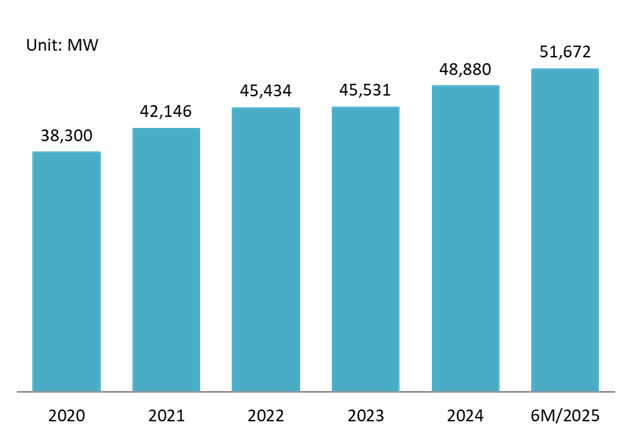
출처: EVN
수요가 급증하는 가운데 송전 인프라 개발이 이를 따라가지 못하면서 상당한 “병목 효과”가 발생하고 있다. 2024년 데이터에 따르면 전력 부문은 계획된 전력망 프로젝트의 64.5%만 완료했다 [2]. 주요 원인은 계획 및 정책 메커니즘상의 장애물이다. 제8차 전력개발계획(PDP8)이 프로젝트 위치와 필요한 토지 면적을 명확히 규정하지 않고 있기 때문이다 [3]. 이로 인해 지방 당국은 투자 승인과 부지 정리를 진행하기 어려워졌으며, 핵심 프로젝트의 추진이 지연되고 있다.
부하 증가율(% 이상)과 인프라 완공률(약 65%) 간의 이러한 격차로 인해 기존 송전선과 변전소가 과부하 한계치에 도달하거나 그에 근접한 상태로 자주 운영되고 있다. 이는 전력 손실을 증가시키고 설비 수명을 단축할 뿐만 아니라, 대규모 정전 위험을 직접적으로 높여 국가 에너지 안보를 위협한다.
베트남 전력망 디지털화의 현재 진행 상황
EVN(Vietnam Electricity)은 체계적인 전략을 바탕으로 디지털 전환을 선도하며 2025년까지 디지털 기업으로 전환하는 것을 목표로 설정했다 [4]. 이 로드맵은 다음의 3단계로 구분된다.
– 1단계(디지털화): 각 기능 부서 내 개별 활동의 디지털화를 극대화하는 데 초점을 맞췄다. 이 단계는 대부분 완료되었으며, 그 결과 ERP(전사적 자원 관리), CMIS(고객 정보 관리 시스템), PMIS(전력망 관리 정보 시스템), OMS(정전 관리 시스템) 등 다수의 전문 정보기술(IT) 시스템이 구축되었다.
– 2단계(통합): EVN이 현재 진행 중인 단계로, 운영 효율성을 높이고 부서 간 데이터 상호운용성을 확보하기 위해 현재 분산되어 있는 IT 시스템을 통합하는 데 중점을 둔다.
– 3단계(데이터 활용 및 신기술): 향후 단계로, 빅데이터와 AI, IoT, 클라우드와 같은 신기술을 활용해 분산형 재생에너지의 예측 유지보수 또는 발전량 예측과 같은 혁신적인 비즈니스 및 운영 모델을 창출하는 것을 목표로 한다.
이러한 노력은 상당한 성과로 이어졌다. 운영 측면에서 EVN은 110~220kV 변전소의 100%를 자동화하여 무인 시설로 전환했다 [5]. 서비스 측면에서는 전력 서비스의 100%가 온라인으로 제공되고 있으며, 비현금 결제 비율은 99.67%, 전자계약 비율은 99.15%에 달한다 [6].
현재 EVN이 직면한 가장 큰 과제는 시스템과 데이터에 관한 내부 장벽이다 [7]. 이 기업은 ERP, CMIS, PMIS와 같은 핵심 정보 시스템이 별도로 구축되어 현재 분절되고 상호 연결되지 않은 “데이터 사일로” 상황에 놓여 있다. 이로 인해 전체 전력망 운영을 종합적으로 파악할 수 있는 360도 관점의 뷰를 구축하기 어렵다.
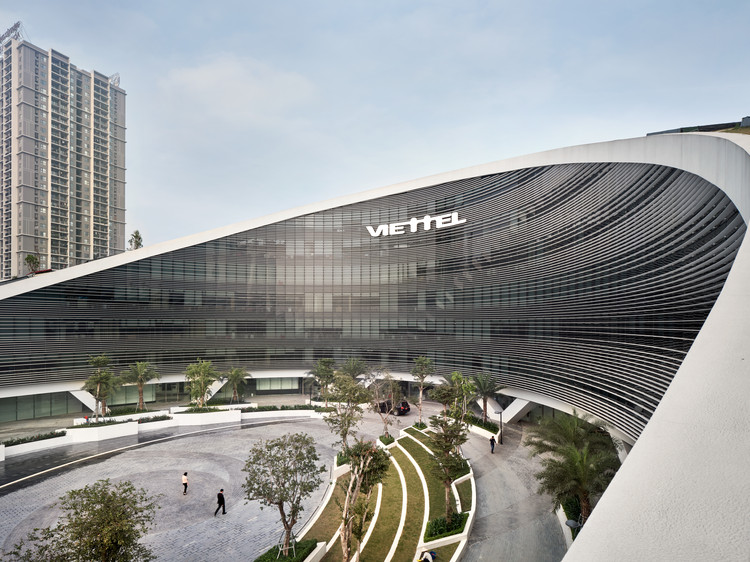
“주계약자”와 시스템 통합자의 주요 역할은 FPT Information System(FPT IS)과 Viettel Solutions 같은 베트남의 대표 IT 기업들이 수행하고 있다 [8,9]. 이들의 역할은 이러한 이기종 시스템을 연결하기 위한 종합 솔루션을 조사, 설계 및 구현하는 것이다. Siemens, Schneider Electric, SAP, Oracle과 같은 글로벌 기술 기업들은 통합 프로세스가 효과적으로 진행될 수 있도록 핵심 기술과 기술 솔루션을 제공하며 이를 지원하고 있다.
기회
이러한 데이터 기반의 전면 개편은 전력망 고유의 운영 과제와 결합되어 유연성과 전문성을 강점으로 하는 신규 진입자에게 광범위한 서비스 시장을 열어주고 있다.
전문 AI 및 데이터 분석 서비스: 데이터 플랫폼이 통합되면 EVN은 데이터의 “금광”을 보유하게 되며, 이를 활용할 “엔진”이 필요해집니다. 이러한 격차는 기업이 “Analytics-as-a-Service”를 제공하고, 전문적인 운영 문제를 해결하기 위한 맞춤형 AI 모델을 구축할 수 있는 기회를 창출합니다.
“부하 압박”으로 인한 기회: 수요반응(DR) 애그리게이터로 전환. 부하 압박 문제를 해결하기 위해 수요반응(DR)과 같은 솔루션은 불가피합니다. 신규 진입 기업은 DR 애그리게이터가 되어 EVN과 산업 고객을 연결하는 중개자 역할을 수행하고, 부하 감축을 관리하며 경제적 편익을 공유할 수 있습니다. 또한 실시간 요금제(Real-time Pricing)와 같은 고도화된 도구를 적용해 강력한 시장 신호를 형성할 수 있습니다.
“병목 효과”로 인한 기회: 가상발전소(VPP) 구축. 분산형 에너지의 급성장으로 전력망 인프라에 과부하가 발생하고 있는 상황에서, 여기에는 AI/IoT를 활용해 수천 개의 옥상 태양광 시스템, 배터리 저장 장치 및 EV 충전기를 통합하고, 이를 하나의 기존 발전소처럼 제어하여 전력망에 필수 서비스를 판매하는 가상발전소(VPP) 플랫폼을 개발할 기회가 있습니다.
“성공적인 서비스 디지털화”로 인한 기회: 고객을 위한 부가가치 서비스 계층. EVN은 스마트 미터에서 방대한 양의 데이터를 수집했지만, 이를 요금 청구에만 사용해 왔습니다. 이러한 격차는 에너지관리시스템(EMS) 플랫폼을 개발할 기회를 제시합니다. 해당 플랫폼은 고객이 에너지 소비 데이터를 분석하고 비용 절감 권고를 받을 수 있도록 지원하는 애플리케이션을 제공하여, 전력 부문 자체 인프라 위에 부가가치 서비스 계층을 구축합니다.
결론
베트남 전력 시스템은 지속적으로 증가하는 부하 수요를 충족하는 동시에 변동성 재생에너지의 대규모 도입 속에서도 안정성을 확보해야 하는 이중 과제에 직면해 있습니다. 현재 핵심 장벽은 기술 부족이 아니라 데이터가 서로 다른 시스템에 분산되고 고립되어 있는 상태입니다. 이러한 상황은 시스템 전반의 최적 운영 의사결정을 위해 정보를 종합하는 역량을 크게 저해하며, 심층적인 데이터 활용이 가능한 고급 인력 부족으로 인해 이러한 문제는 더욱 심화되고 있습니다. 따라서 근본적이고 시급한 해결책은 통합 데이터 아키텍처를 구축하는 동시에 산업 전반에 엄격한 데이터 거버넌스 체계를 수립하는 것입니다. 이 전략을 성공적으로 실행하면 예측 및 자체 최적화가 가능한 스마트 그리드로의 전환을 가속하는 지렛대가 될 것이며, 이를 통해 전력 시스템은 잠재적 위험 요인에서 지속 가능한 경제 발전을 위한 전략적 동력으로 전환될 수 있습니다.
[1] EVN, 2025년 상반기 운영 실적, 2025년 7월 목표 및 과제 <접근>
[2] Finance and Investment News, 전력 프로젝트의 신속한 시행 촉구 <접근>
[3] 총리 결정 제768/QD-TTg호: 2021~2030년 국가 전력 개발 계획 조정안 승인(2050년 비전 포함) <접근>
[4] EVN, EVN의 디지털 전환 – 불가피한 여정 <접근>
[5] EVN, EVN이 국가성과전시회에 선보인 대표 건설 모델, 제품 및 성과를 살펴보다 <접근>
[6] EVN, EVN의 디지털 전환: 운영 효율성 제고 및 고객 서비스 개선 <접근>
[7] EVN, 전력 산업의 동향 – 과제 – 디지털 전환 솔루션 <접근>
[8] EVN, EVNHCMC 및 FPT, 디지털 전환 로드맵 구축을 위한 컨설팅 계약 체결 <접근>
[9] EVN, EVNSPC 및 Viettel, 디지털 전환 촉진을 위한 협력 협약 체결 <접근>
관련기사
































로그인 / 회원가입
뉴스레터 구독