

 한국어
한국어  English
  日本語
日本語  Tiếng Việt
  简体中文
简体中文 베트남 스마트홈 기기 시장은 기술력과 현지화 능력이 뛰어난 해외 브랜드에 유리한 환경을 조성하고 있습니다.
261월2026
하이라이트 콘텐츠 / 하이라이트 콘텐츠 JP / 하이라이트 콘텐츠 vi / 업계 리뷰 / 최신 뉴스 및 보고서
댓글: 댓글 없음.
베트남의 스마트 홈 기기 시장은 도시화, 가처분소득 증가, 디지털 인프라 개선에 힘입어 빠르게 성장하고 있습니다. 보급이 확대되고 있지만 가구 보급률은 여전히 낮아 시장 개발 여지가 상당합니다. 수요는 기기의 가격 접근성이 높아지는 가운데 에너지 효율성, 홈 보안, 통합 생태계에 의해 점점 더 견인되고 있습니다. 시장 구조는 저가 수입 제품, 현지화된 국내 솔루션, 프리미엄 국제 제품 간에 뚜렷한 세분화 양상을 보이며, 강력한 기술력과 생태계 통합 역량, 현지화 역량을 갖춘 해외 브랜드에 유리한 여건을 조성하고 있습니다.
시장 개요
시장 규모 및 성장 궤적
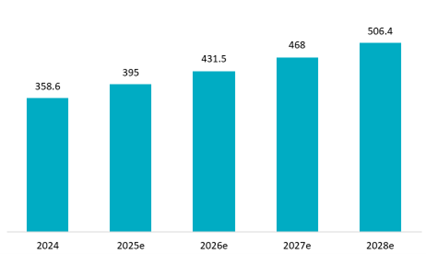
베트남의 스마트홈 시장은 2024년에 약 3억 5,859만 달러의 매출을 기록했으며, 2028년에는 5억 640만 달러에 이를 것으로 예상됩니다. 이는 2024년부터 2028년까지 연평균 11조 4,110억 달러의 성장률을 나타냅니다.
베트남 스마트 홈 시장 규모(2024~2033년)
단위: 백만 달러
출처: 스타티스타
2018~2019년 이전에는 스마트 홈 부문에서 운영되는 기업이 약 곳에 불과했습니다. 그러나 현재는 주요 기업과 스타트업을 포함해 그 수가 약 600~700개로 증가했습니다[2]. 이는 베트남의 지속적인 도시화, 가처분소득 증가, 인터넷 연결성 향상에 힘입어 스마트 홈 기기에 대한 수요가 증가하고 있기 때문이며, 특히 하노이와 호찌민시와 같은 주요 도시에서 이러한 추세가 두드러집니다.
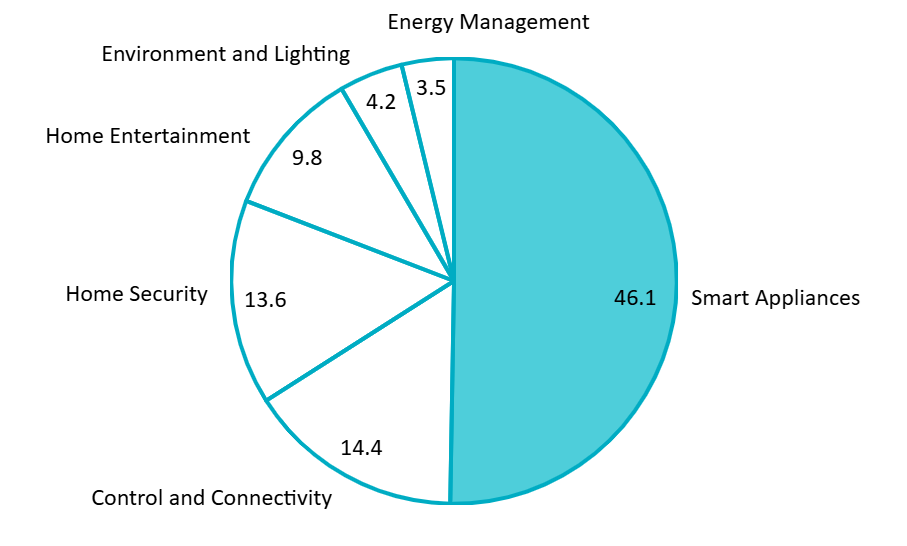
2024년 베트남 스마트홈 기기 시장에서는 스마트 가전이 1억 6,521만 달러 규모로 압도적인 1위를 차지했습니다. 제어 및 연결 기기(5,159만 달러)와 홈 보안 기기(4,888만 달러)가 그 뒤를 이었는데, 이는 원활한 통합과 가정 안전에 대한 높은 수요를 반영합니다. 홈 엔터테인먼트, 환경 및 조명, 에너지 관리 등 나머지 부문은 시장 점유율은 낮았지만, 편의성과 에너지 최적화에 대한 관심이 증가하고 있음을 보여줍니다.[3].
Vietnam Smart Home Device Market Revenue by Segment (2024)
100% = 3억 5860만 달러
출처: 스타티스타
가구 보급률 및 소비자 행동
베트남의 스마트홈 기기 보급률은 2024년 15.41만 가구(TP3T)였으며, 2028년에는 25.71만 가구(TP3T)로 증가할 것으로 예상됩니다.[4]. 같은 해 에너지 관리는 에너지 효율성, 지속가능성, ESG 중심의 행동에 대한 소비자 관심이 높아지고 있음을 반영하며 가장 큰 사용자 세그먼트 중 하나로 부상할 전망입니다. 이 카테고리의 사용자 수는 2028년에 426만 명에 이를 것으로 예상되며, 2024년 순위 하위권에서 스마트 가전(사용자 386만 명)을 제치고 스마트 홈 부문에서 두 번째로 큰 세그먼트로 올라설 전망입니다[5].
|
Number of Users in Vietnam by Smart Home Segment (2024) 단위: 백만 명 |
베트남의 스마트 홈 세그먼트별 사용자 수 단위: 백만 명 |
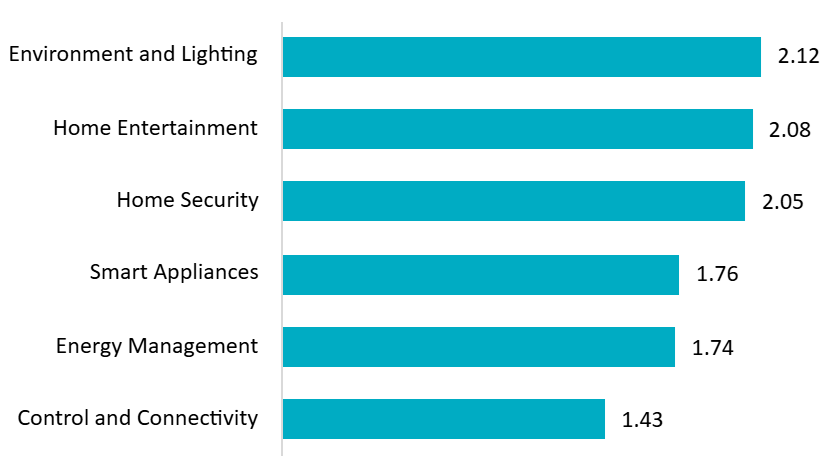
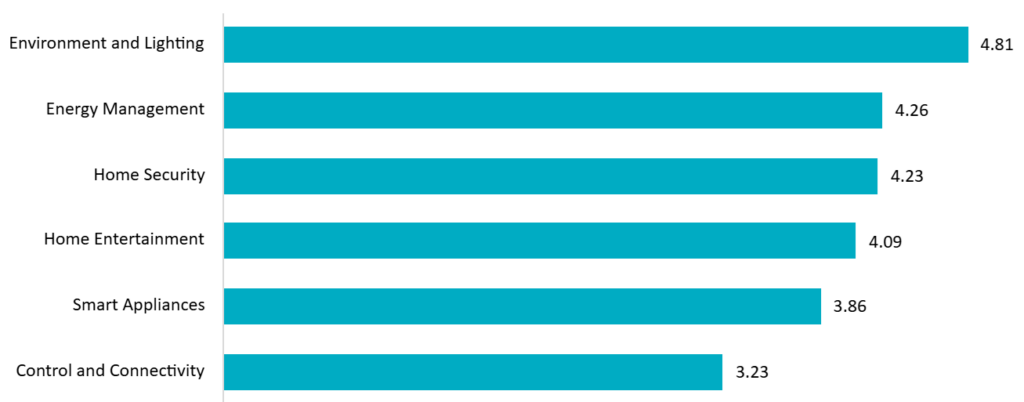
출처: Vconnex
또한 베트남의 평균 가구가 전체 스마트 홈 패키지를 설치하는 데 드는 비용은 일반적으로 540~960달러에 이르는 것으로 보고되었습니다. 그러나 필요 수준이 낮은 사용자도 15~50달러부터 시작하는 훨씬 저렴한 가격으로 스마트 홈 솔루션을 이용할 수 있습니다[6].
특히 베트남 소비자들은 스마트 홈 기기에 대한 지출을 급격히 늘렸습니다. 스마트 가전제품에 대한 평균 지출은 2017년 33.8달러에서 2023년에는 거의 99달러로 증가했고, 편의 및 조명 기기는 같은 기간 21.3달러에서 90달러 이상으로 증가했습니다. 제어 및 연결 기기 또한 꾸준한 성장세를 보이며 2024년에는 36.9달러에 이를 것으로 예상되어, 더욱 통합된 스마트 홈 생태계에 대한 선호도가 높아지고 있음을 보여줍니다. 2025년 이후 일부 카테고리의 지출은 소폭 감소할 것으로 예상되지만, 전반적인 지출 추세는 편의성, 자동화 및 연결된 생활에 대한 강력하고 지속적인 수요를 나타냅니다.[7].
시장 동향 및 주요 업데이트
정보통신기술(ICT) 인프라 및 5G 상용화
베트남의 정보통신기술 부문은 2024년 100억 7,000만 달러 규모에 도달했으며, 12.60%의 연평균성장률(CAGR)로 성장해 2034년에는 329억 9,000만 달러에 이를 것으로 전망됩니다[8]정보통신부는 2024년 4월 5G 구축을 허가했으며, Viettel과 VNPT는 5G 대역 사용 사업 허가를 획득했습니다. 2024년 말 기준, 베트남은 전국에 약 11,000개의 5G 기지국을 설치하여 26만 1천 명의 인구에게 서비스를 제공하고 있으며, 향후 6만 8천 개의 기지국을 추가로 설치하여 90만 1천 명의 인구에게 서비스를 제공할 계획입니다.[9]비엣텔은 5G 네트워크 개발에 약 12억 달러를 투자했으며, 모비폰은 2024년 10월 약 300만 명의 가입자를 확보하여 5G 상용 서비스를 시작했습니다. 이러한 향상된 연결 인프라는 클라우드 기반 스마트 홈 기기의 지연 시간을 줄이고, 첨단 스마트 홈 생태계에 필수적인 실시간 자동화 기능을 구현합니다.
제조업 확장 및 외국인 투자
베트남은 스마트 홈 기기의 전략적 제조 허브로 빠르게 부상하고 있으며, 주요 기술 기업들이 중국에서 생산 거점을 이전하고 있습니다. 2024년 10월 Apple은 중국 제조업체 BYD와 협력해 최종 조립, 테스트 및 포장을 담당하는 새로운 스마트 홈 기기 제품군을 베트남에서 생산할 계획을 발표했습니다. 이는 Apple이 전통적으로 신제품을 먼저 중국에서 제조해 왔다는 점에서 중요한 변화입니다. 제품군에는 실내용 보안 카메라, 가정용 커맨드 허브 디스플레이, 2027년 출시가 예정된 동작 기능을 갖춘 첨단 탁상형 로봇이 포함됩니다. BYD의 푸토성 초기 투자액은 2021년 9월 2억 6,900만 달러였으며 이후 4억 1,300만 달러로 증가해, 스마트 홈 기기 생산을 위해 특별히 구축되고 있는 제조 인프라의 규모를 보여주고 있습니다.
저렴한 기기의 확산
보급형 스마트 홈 기기는 대중시장 가격대에 도달했으며, 2024년 기준 스마트 전구, 스마트 플러그, 기본 자동화 키트를 100달러 미만에 구매할 수 있습니다. 이러한 가격 접근성은 부유한 초기 도입자층을 넘어 스마트 홈 기기에 대한 접근성을 대중화했으며, 베트남에서 확대되고 있는 중산층의 도입을 가속화하고 있습니다. 특히 Xiaomi를 비롯한 중국 제조업체들은 비용에 민감한 베트남 소비자에게 호응을 얻는 경쟁력 있는 가격으로 프리미엄급 품질의 제품을 제공하며 저가 세그먼트를 주도하고 있습니다[10].
스마트홈 생태계 간의 호환성
서로 다른 브랜드의 기기가 연결되어 원활하게 작동할 수 있도록 하는 범용 스마트 홈 표준인 Matter 프로토콜의 등장은 베트남 스마트 홈 기기 시장의 분절화로 인해 오랫동안 지속되어 온 호환성 문제를 해결하고 있습니다. Amazon, Apple, Google, Samsung 및 기타 주요 제조업체가 지원하는 이 오픈소스 표준은 여러 생태계에 걸친 기기의 원활한 통합을 가능하게 합니다. Samsung은 Google과의 파트너십을 통해 멀티 관리자 기능을 제공하며, 사용자는 Matter 호환 기기를 SmartThings와 Google Home 플랫폼에 동시에 등록할 수 있습니다.
보안 강화 추세
침입, 화재, 누전 등의 우려가 커지면서 베트남 가정에서는 보안이 최우선 과제가 되었습니다. 2025년까지 소비자들은 스마트 홈 시스템이 단순한 경보 기능을 넘어 지능적이고 예측 가능한 보안 기능을 제공하기를 기대합니다.[11]모바일 앱이나 이메일을 통한 실시간 알림은 이제 기본이며, AI 기반 카메라는 비정상적인 행동을 감지하고 조명이나 문 제어와 같은 자동화된 작업을 실행하며 주택 소유자나 건물 보안팀에 영상을 전송할 수 있습니다.
베트남 스마트 홈 기기 시장의 주요 기업
베트남 스마트 홈 디바이스 시장은 국제 기술 대기업과 현지 베트남 전문 기업 간 경쟁이 이루어지는 중간 수준의 분산 구조를 보인다. 외국 브랜드는 대중 시장과 프리미엄 부문 모두에 제품을 공급하며 베트남 스마트 홈 시장을 주도하고 있다. 가격 경쟁력을 중시하는 중국계 생태계(Xiaomi/Mi, Tuya 기반 OEM, Aqara, TP-Link/Tapo)는 글로벌 기존 업체(Samsung SmartThings, Google Nest, Amazon Alexa, Bosch 및 Hikvision/Ezviz와 같은 보안 브랜드)와 경쟁하며, 각기 다른 시장 진입 경로를 추구한다. 시장조사에 따르면 베트남의 전반적인 스마트 홈 카테고리는 빠르게 확대되고 있으며, 높은 CAGR 전망과 수억 달러 규모의 시장으로 성장하면서 다양한 공급업체의 관심을 끌고 있다.
Lumi, Rang Dong, FPT, BKAV와 같은 베트남 국내 기업은 베트남어 지원, 현지 기후에 적합한 하드웨어 설계, 광범위한 현지 유통업체 네트워크, 경쟁력 있는 가격을 포함한 현지화 전략을 통해 방어 가능한 시장 입지를 구축했다. Lumi의 6,000m² 제조 시설과 150개 이상의 유통 네트워크는 현지 기업이 신속한 설치, 현지 언어 고객 지원, 베트남 전기 인프라에 최적화된 제품을 통해 다국적 기업과 효과적으로 경쟁하는 방식을 보여주는 대표적인 사례다.
시장이 분산되어 있음에도 불구하고 베트남 기업들의 협력은 미미한 수준이며, 지역 협력은 여전히 제한적입니다. 업계 전문가들은 저가형 스마트홈 기기 시장을 장악하고 있는 중국산 수입품과의 경쟁에서 우위를 점하고, 더욱 강력한 가치 사슬을 구축하기 위해서는 협력 강화가 필요하다고 강조해 왔습니다.
표 1. 베트남 스마트홈기기 시장의 주요 업체
| 아니요. | 회사 | 년도
(베트남어로) |
국가 | 주요제품 | 회사 프로필 |
| 1 | 파나소닉 주식회사 | 1971 | 일본 | 스마트 가전, 공기청정기, 냉장고, 세탁기, 에너지 관리 디바이스 | 파나소닉은 홈 IoT 솔루션을 통해 편안하고, 인간 중심적이며, 친환경적인 생활 공간을 만드는 데 주력합니다. 파나소닉의 홈 IoT 기술은 사용자가 스마트폰으로 에어컨, 조명, 커튼 등을 제어할 수 있도록 지원하며, 스마트 기기와 가구를 하나의 중앙 집중식 생태계로 통합합니다. |
| 2 | FPT 주식회사 | 1988 | Vietnam | FPT Play Box+, 스마트 조명, 보안 솔루션, 엔터테인먼트 시스템 | FPT 스마트홈은 강력한 디지털 및 통신 생태계를 활용하여 베트남 현지에 맞춘 스마트홈 솔루션을 제공합니다. 높은 브랜드 인지도와 전국적인 유통망을 바탕으로 보안, 에너지 관리, AI 기반 기기에 집중하며, 연결된 삶을 위한 신뢰할 수 있는 대중 시장 플랫폼으로 자리매김하고 있습니다. |
| 3 | Bosch | 1994 | 독일 | Home Connect 생태계(스마트 연결 플랫폼), 냉장고, 식기세척기, 오븐, 음성 비서 통합 기능을 갖춘 SmartGrow 실내 원예 시스템 | 품질, 혁신 및 현대적 생활 솔루션을 추구하는 베트남 중고가 소비자를 대상으로 프리미엄 부문에 포지셔닝하고 있다. 이 회사의 Home Connect 플랫폼은 핵심 스마트 홈 생태계 역할을 하며, 유통 네트워크를 1,000개 유통업체 매장으로 빠르게 확대하고 있다. |
| 4 | 슈나이더 일렉트릭 | 1994 | 프랑스 | 홈 자동화 시스템, 에너지 관리, 조명 제어, 스마트 스위치 | 글로벌 선도 기업들은 건물, 데이터 센터, 공장, 인프라 및 전력망이 연결된 개방형 생태계로 운영될 수 있도록 지원합니다. 이들의 솔루션은 스마트 기기, 소프트웨어 기반 인프라, AI 기반 시스템 및 디지털 서비스를 결합하여 지능형 에너지 관리 및 자동화를 지원합니다. |
| 5 | BKAV Corporation(BKAV SmartHome을 통해) | 1995 | Vietnam | 스마트 홈 시스템, 보안 카메라 및 통합 스마트 홈 패키지 | 보안 소프트웨어/하드웨어 분야의 베트남 선구자로서, 고급 빌라 시장을 겨냥한 스마트 홈 시스템 사업에 진출했습니다. 자체 하드웨어 및 소프트웨어 플랫폼을 개발하여 시스템 간 원활한 상호 운용성과 중앙 집중식 제어를 보장합니다. |
| 6 | 구글 유한회사(네스트) | 2003 | 미국 | 네스트 온도 조절기, 카메라, 디스플레이, 구글 홈 스피커, 크롬캐스트 | 베트남어 지원은 2019년에 출시된 후 2주 만에 매출이 3배 증가했다. Google Assistant 및 Matter 프로토콜을 통한 광범위한 스마트 홈 디바이스 통합을 지원한다. |
| 7 | 삼성전자 | 2008 | 대한민국 | 스마트싱스 허브, 스마트 가전제품, TV, 디스플레이, 패밀리 허브 냉장고 | 글로벌 기술 선도 기업으로 베트남에서도 강력한 입지를 구축하고 있습니다. SmartThings 플랫폼은 2023년 베트남에 출시되어 Matter 프로토콜 지원을 통해 포괄적인 스마트 홈 기기 생태계 통합을 제공합니다. |
| 8 | 샤오미 주식회사 | 2010 | 중국 | Mi Home 생태계, 스마트 스피커, 카메라, 센서, 공기청정기, 로봇청소기, 조명 | 경쟁력 있는 가격으로 다양한 제품 포트폴리오를 제공하며 합리적 가격대의 스마트 홈 디바이스 부문에서 지배적인 입지를 확보하고 있다. Mi Home 플랫폼은 중국 서버 연결이 필요함에도 불구하고 베트남에서 광범위하게 사용되고 있다. |
| 9 | 루미 베트남 | 2012 | Vietnam | 스마트 스위치, 컨트롤러, 도어록, LED 조명, 커튼, 센서, 조명 시스템 | 베트남 스마트 홈 디바이스 시장의 선구자로서, 전국 150개 유통업체를 통해 70,000명 이상의 고객을 대상으로 하는 6,000m² 규모의 IoT 공장을 운영하고 있다. CE 및 QUACERT 인증을 획득한 최초의 베트남 브랜드이며, 제품을 9개국에 수출하고 있다[12]. |
| 10 | 애플 주식회사 | 2015 | 미국 | HomeKit 플랫폼, HomePod, Apple TV 4K, 호환 액세서리 | 보안과 개인정보 보호에 중점을 둔 프리미엄 스마트 홈 디바이스 생태계다. 베트남 고급 시장 부문에서는 제한적이지만 점차 입지를 확대하고 있다. Apple은 베트남에서 제조 운영을 확대해 스마트 홈 시장에 진입하고 중국에 대한 의존도를 낮추기 위한 준비를 진행하고 있다. |
| 11 | 유노닉 | 2017 | Vietnam | 저가형 스마트 홈 기기: 스마트 스위치, 콘센트, 센서, 패키지 솔루션 | 통합 스마트 홈 생태계 구축에 중점을 두고 있습니다. 약 100만 건의 앱 다운로드를 기록한 Hunonic은 베트남 생활 습관에 맞춘 사용자 친화적인 솔루션을 설계하며, 간편한 설치, 직관적인 사용, 다양한 주택 유형과의 폭넓은 호환성을 강조합니다. |
| 12 | 아마존닷컴 | 2019 | 미국 | 에코 스피커, 링 보안 장치, 알렉사 플랫폼 | 광범위한 타사 스마트 홈 디바이스 통합 기능을 갖춘 선도적인 음성 비서 플랫폼이다. 공식적인 베트남어 지원이 없음에도 베트남에서 입지를 확대하고 있다. Blink 보안 카메라와 Echo Show 같은 디바이스를 통해 사용자는 집을 모니터링하고 초인종 알림을 받으며 Alexa와 상호작용할 수 있다. |
B&Company 합성
외국 브랜드를 위한 투자 기회
베트남은 시장 침투가 초기 단계에 있고 강력한 구조적 성장 동인이 존재하기 때문에 외국 스마트 홈 디바이스 브랜드에 유리한 기회 환경을 제공한다. 2024년 가구 보급률이 여전히 16% 미만인 상황에서[13], 외국 브랜드는 시장이 성숙 단계에 도달하기 전에 소비자 선호도, 플랫폼 표준 및 생태계 락인을 형성하는 선점자 우위를 확보할 수 있다. 이러한 기회는 단독 디바이스보다 확장 가능한 생태계를 제공하는 브랜드에 특히 매력적이다.
핵심 기회 중 하나는 저가 중국산 수입 제품과 현지화된 베트남 통합업체 사이의 중상위 시장 세그먼트 격차에 있습니다. 중국 브랜드는 공격적인 가격 정책을 통해 보급형 기기 시장을 장악하고 있으며, 베트남 기업들은 설치 중심의 맞춤형 솔루션에 주력하고 있습니다. 이러한 상황에서 신뢰할 수 있는 하드웨어, 강력한 소프트웨어 생태계, 사이버 보안 보장, 투명한 데이터 거버넌스를 결합한 글로벌 인지도 브랜드에 대한 미충족 수요가 존재합니다. 이는 소비자들이 점점 더 외국 브랜드를 품질, 안전성 및 장기적인 신뢰성과 연관 짓는 도시 중산층 가구, 고급 아파트 및 빌라에서 특히 중요합니다.
외국 브랜드는 베트남의 가속화되는 스마트 인프라 구축과 지속가능성 의제에서도 유리한 입지를 확보하고 있습니다. 5G의 신속한 보급, 의무적인 에너지 효율 기준, 에너지 비용에 대한 소비자 인식 제고는 AI 기반 에너지 관리, 예측 유지보수, 통합 보안 시스템과 같은 첨단 스마트 홈 솔루션에 우호적인 여건을 조성하고 있습니다. 에너지 최적화, ESG에 부합하는 제품 및 데이터 기반 자동화 역량을 입증한 브랜드는 기본적인 편의 기능을 넘어 차별화할 수 있습니다.
또 다른 중요한 기회는 베트남의 부동산, 통신 및 유통 생태계 전반에 걸친 전략적 파트너십입니다. 부동산 개발업체들은 신규 주거 프로젝트의 기본 제공 사양으로 스마트 홈 기능을 점점 더 많이 포함하고 있으며, 통신사업자와 전자제품 유통업체는 고객 유지를 위해 차별화된 번들을 모색하고 있습니다. B2B2C 접근방식을 채택하고 개발업체, 통신사 또는 시스템 통합업체와 솔루션을 공동 개발하는 외국 브랜드는 시장 진입을 가속화하고 고객 확보 비용을 절감하며, 베트남 기업의 설치 네트워크를 완전히 복제하지 않고도 제품과 서비스를 현지화할 수 있습니다.
마지막으로, 베트남이 역내 제조 및 조립 허브로 부상하면서 시장 접근성과 공급망 회복탄력성을 동시에 추구하는 외국 브랜드의 사업 타당성이 강화되고 있습니다. 현지 생산 또는 최종 조립은 비용 경쟁력과 납기를 개선할 뿐만 아니라 “China+1” 다변화 전략에도 부합하며, “Made in Vietnam” 또는 “Assembled in Vietnam”이라는 자격을 점점 더 중시하는 베트남 소비자 사이에서 브랜드 인지도를 높이는 데에도 기여합니다.
투자 과제
베트남 스마트홈 기기 시장은 여러 경쟁 플랫폼과 제한적인 상호 운용성으로 인해 파편화되어 있으며, 이는 오랫동안 소비자 혼란을 야기해 왔습니다. Matter 프로토콜이 이러한 문제점들을 일부 해결해 주기는 하지만, 기존 시스템과 플랫폼 선호도 때문에 시장은 여전히 파편화되어 있습니다.
베트남 소비자들은 스마트홈 기기의 장점, 설치 요건, 그리고 지속적인 유지비용에 대해 잘 모르는 경우가 많기 때문에 소비자 교육에 상당한 투자가 필요합니다. 종합 시스템 설치에 드는 평균 비용 1,000달러는 가격에 민감한 소비자들에게 상당한 장벽이 됩니다.[14].
저가 중국산 스마트 홈 기기 수입품이 베트남의 보급형 시장을 장악하면서 치열한 가격 경쟁이 발생하고 있습니다. 많은 베트남 기업은 자체 기술을 개발하기보다 베트남 브랜드를 부착한 중국산 제품을 주로 수입하고 있어 차별화 기회가 제한적입니다. 또한 베트남의 지식재산권 보호 체계는 개선되고 있지만 선진 시장에 비해서는 여전히 취약합니다. 외국인 투자자는 강력한 지식재산권 보호 전략을 수립하고 기술이전 계약을 신중하게 평가해야 합니다.
효과적인 유통망을 구축하려면 상당한 시간과 자원이 필요합니다. 베트남의 소매 유통 환경은 전통적인 전자제품 매장, 신흥 전자상거래 플랫폼, 통신사 번들 상품 및 독립 유통업체로 구성되어 있으며, 각각 차별화된 전략이 필요합니다. 또한 적절한 판매 후 기술 지원, 보증 서비스 및 소프트웨어 업데이트를 제공하려면 현지 거점이나 기존 서비스 제공업체와의 파트너십이 필요합니다. 베트남 소비자들은 점점 더 신속하게 대응하는 현지 언어 지원을 요구하고 있습니다.
* 이 기사에서 어떤 정보를 인용하고자 하시면, 저작권을 존중하기 위해 원본 기사의 링크와 함께 출처를 꼭 기재해 주시기 바랍니다.
| B&Company
2008년부터 베트남에서 시장 조사에 전문화된 최초의 일본 회사입니다. 우리는 산업 보고서, 산업 인터뷰, 소비자 조사, 비즈니스 매칭 등 다양한 서비스를 제공합니다. 또한 최근에는 베트남에 있는 90만 개 이상의 회사가 포함된 데이터베이스를 개발하여 파트너를 검색하고 시장을 분석하는 데 사용할 수 있습니다. 문의 사항이 있으시면 언제든지 저희에게 연락해 주십시오. info@b-company.jp + (84) 28 3910 3913 |
[1] Statista. Smart Home Vietnam (https://www.statista.com/outlook/cmo/smart-home/vietnam)
[2] VnEconomy, Thị truaờng smarthome Viet Nam tăng truang “nóng” nhung chua đuợc chuẩn hóa và xanh(2024), 다음에서 확인 가능:
https://vneconomy.vn/techconnect/thi-truong-smarthome-viet-nam-tang-truong-nong-nhung-chua-duoc-chuan-hoa-va-xanh.htm
[3] Vconnex, 2024년부터 2028년까지 베트남에서 발행된 정보(2024), 다음에서 확인 가능:
https://vconnex.vn/thi-truong-nha-thong-minh-viet-nam-va-the-gioi-2024-den-2028/
[4] FPT Smart Home, FPT Smart Home dẫn đầu thị trùờng nhà thông minh Viet Nam sau 3 năm (2024)에서 이용 가능:
https://fptsmarthome.vn/tin-tuc/fpt-smart-home-dan-dau-thi-truong-nha-thong-minh-viet-nam-sau-3-nam/
[5] Vconnex, 2024년부터 2028년까지 베트남에서 발행된 정보(2024), 다음에서 확인 가능:
https://vconnex.vn/thi-truong-nha-thong-minh-viet-nam-va-the-gioi-2024-den-2028/
[6] 베트남넷, Nhà thông minh tại Viet Nam ngày càng rẻ. 다음에서 이용 가능: https://vietnamnet.vn/nha-thong-minh-tai-viet-nam-ngay-cang-re-i5013301.html
[7] Statista, 스마트 홈 – 베트남 시장 전망(2024), 다음에서 확인 가능:
https://www.statista.com/outlook/cmo/smart-home/vietnam
[8] Expert Market Research의 베트남 ICT 시장 규모, 점유율 및 전망(2024), 다음에서 확인 가능:
https://www.marketresearch.com/Expert-Market-Research-v4220/Vietnam-ICT-Size-Share-Outlook-41226136/
[9] 베트남 정보통신부(MIC)에 따르면, 베트남의 5G 네트워크는 2024년 기준 261,030명의 인구를 커버할 예정입니다. (자료 출처: [자료 번호])
https://beta-en.mic.gov.vn/viet-nams-5g-network-covers-26-of-population-197250716153449052.htm
[10] MMOSITE, Xiaomi mở rộng hе sinh tái tại Viđ Nam(2024), 다음에서 확인 가능:
https://mmosite.vn/xiaomi-mo-rong-he-sinh-thai-tai-viet-nam/
[11] Eurostellar, 스마트홈 출시 2025(2025), 다음에서 이용 가능:
https://www.eurostellar.com/post/xu-huong-smarthome-hien-dai-2025
[12] Báo Phú Thọ, Lumi Smart Factory tiên phong đổi mới sáng tạo and phat triển(2024), 다음에서 확인 가능:
https://baophutho.vn/lumi-smart-factory-tien-phong-doi-moi-sang-tao-va-phat-trien-238256.htm
[13] FPT Smart Home, FPT Smart Home dẫn đầu thị trùờng nhà thông minh Viet Nam sau 3 năm (2024)에서 이용 가능:
https://fptsmarthome.vn/tin-tuc/fpt-smart-home-dan-dau-thi-truong-nha-thong-minh-viet-nam-sau-3-nam/
[14] Vietnamnet, Nhà thông minh tại Viet Nam ngày càng rẻ (nd), 다음에서 이용 가능:
https://vietnamnet.vn/nha-thong-minh-tai-viet-nam-ngay-cang-re-i5013301.html
관련기사
































로그인 / 회원가입
뉴스레터 구독