베트남의 지원산업 전략 2026-2035: 외국인 투자자에게 미치는 영향은 무엇인가?

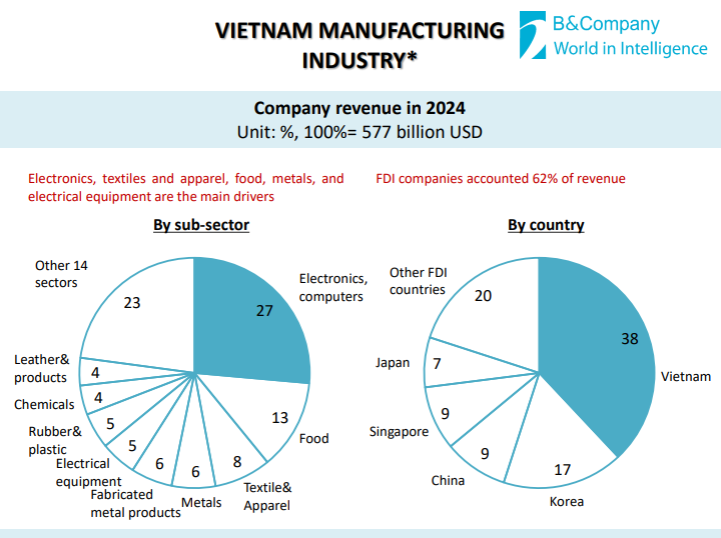
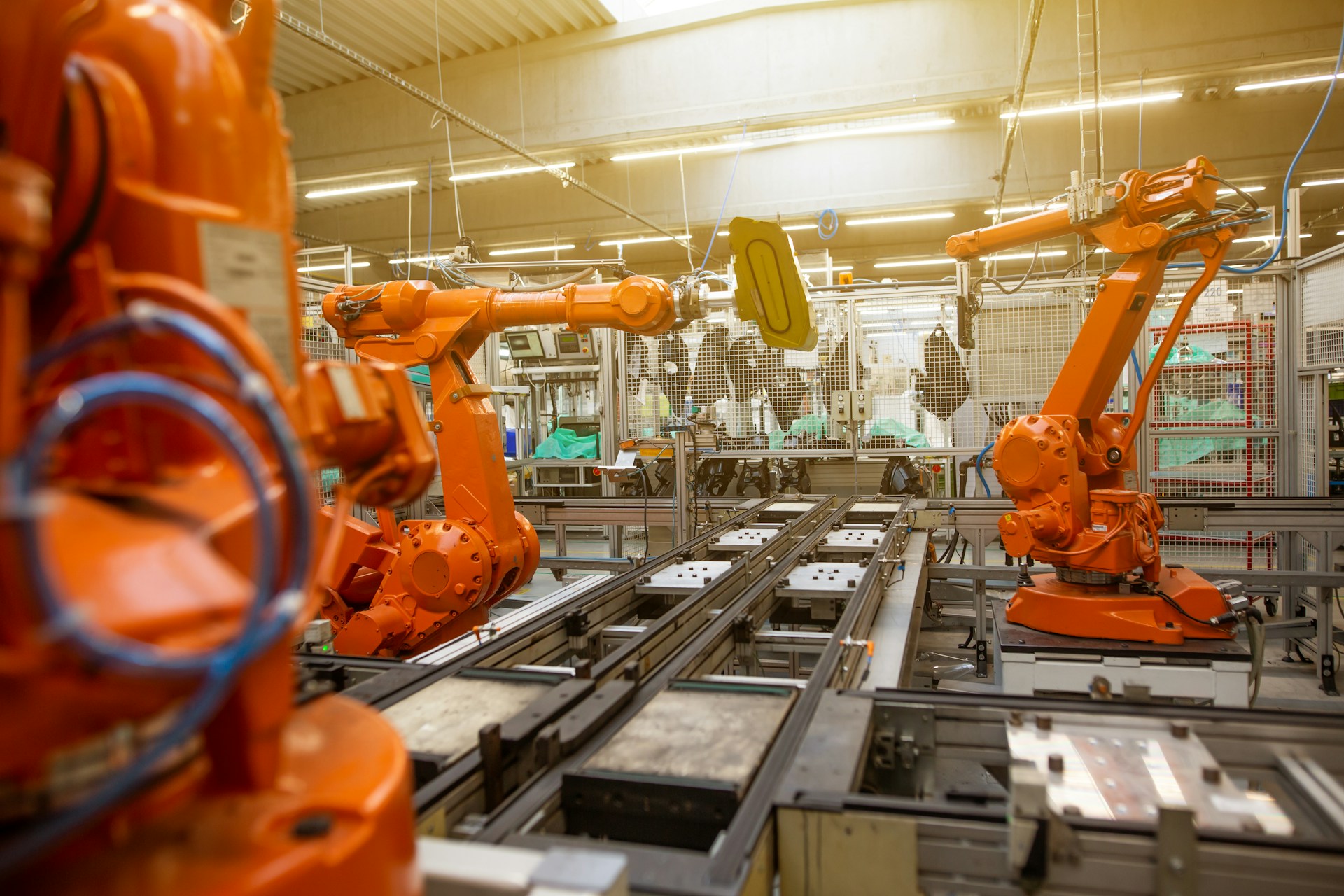
Vietnam manufacturing sector has become one of the country’s main engines of growth and a central pillar of its attractiveness to foreign investors.
Vietnam supporting industry strategy 2026-2035

266월2026

B&Company

최신 뉴스 및 보고서 / 베트남 브리핑

댓글: 댓글 없음.

B&Company-Vietnam industry reports

B&Company는 2008년부터 베트남에서 시장 조사 및 투자 컨설팅을 전문으로 하는 최초의 일본 기업입니다.

이번 "베트남 브리핑" 섹션에서는 B&Company의 젊은 연구자들이 베트남의 산업 동향, 소비자 동향, 사회 운동에 대한 시기적절한 정보를 제공합니다.

본 문서는 영어로 작성되었으며, 다른 언어 버전은 자동 번역을 통해 제공됩니다. 정확한 내용은 영어 버전을 참조하시기 바랍니다. 원문 정보의 정확성을 위해 최선을 다하고 있으나, 각 정보는 개별적으로 확인하시기 바랍니다. 해석 및 향후 전망은 각 연구자의 개인적인 의견입니다.

Vietnam’s manufacturing sector has become one of the country’s main engines of growth and a central pillar of its attractiveness to foreign investors. Over the past two decades, the country has developed into a major production base for electronics, garments, footwear, machinery, automotive components, and a growing range of high-technology products. However, a significant proportion of materials, components, and specialized production inputs used by these industries continues to be imported.

To address this structural weakness, the Vietnamese Government approved the Supporting Industry Development Program for 2026–2035 under Decision No. 929/QD-TTg, dated 25 May 2026. The program aims to strengthen domestic manufacturing capabilities, increase localization, support Vietnamese suppliers, and improve their participation in regional and global value chains.

For foreign investors, the strategy is relevant not only to companies directly producing components or industrial materials. It may also influence manufacturers’ procurement decisions, investment incentives, supplier-development activities, technology-transfer plans, and potential cooperation with Vietnamese enterprises.

Vietnam’s Supporting Industries: Strong Growth but Persistent Gaps

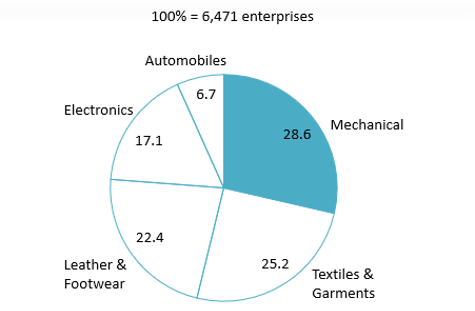
Supporting industries generally refer to companies producing materials, components, spare parts, accessories, and production inputs used in the manufacture of final products. In Vietnam, the sector covers a wide range of industries, including mechanical engineering, electronics, automobiles, textiles, garments, leather, footwear, and high-tech manufacturing.

Percentage Distribution of Enterprises in Supporting Industry by Sector, 2020 – 2025 period

Distribution of Enterprises in Supporting Industry by Sector

원천: 베트남 산업통상부

The development of supporting industries has become increasingly important as Vietnam attracts larger and more technologically advanced manufacturing projects. Processing and manufacturing remain the largest destination for foreign direct investment, supported by Vietnam’s competitive labor costs, expanding industrial infrastructure, network of free trade agreements, and proximity to major Asian supply chains.

Nevertheless, Vietnam’s domestic supplier ecosystem remains uneven. Although thousands of companies are involved in the production of components and industrial inputs, only a limited proportion are capable of supplying multinational manufacturers directly. Many local enterprises remain small or medium-sized and face difficulties related to production scale, financial capacity, technology, management systems, product development, international certification, and quality consistency.

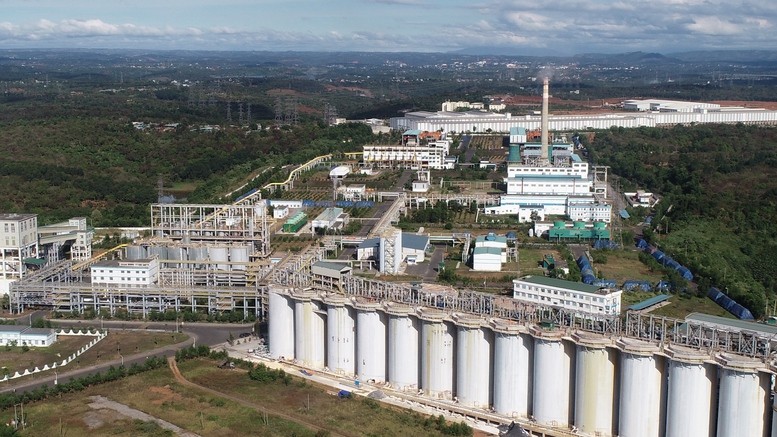
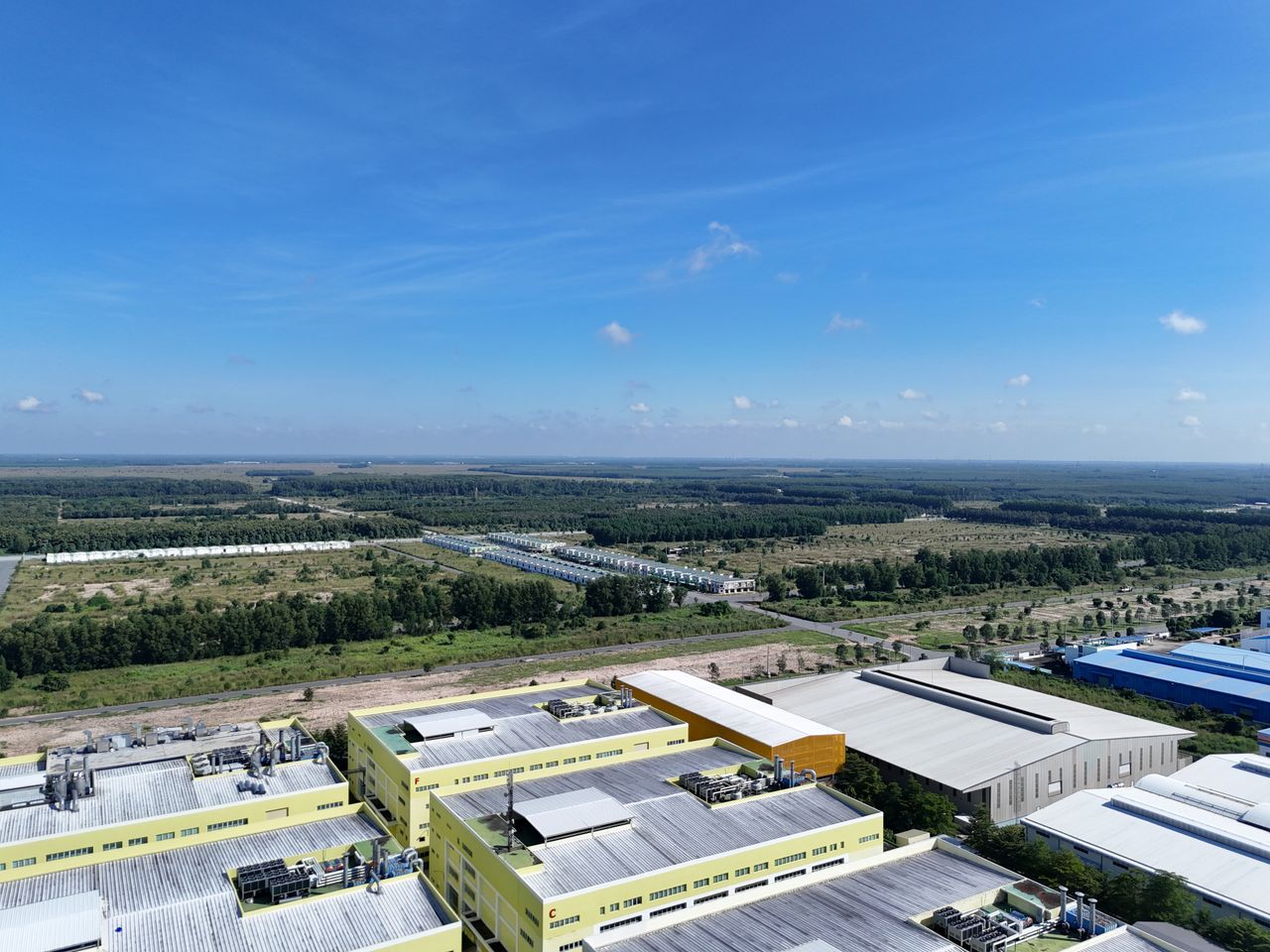
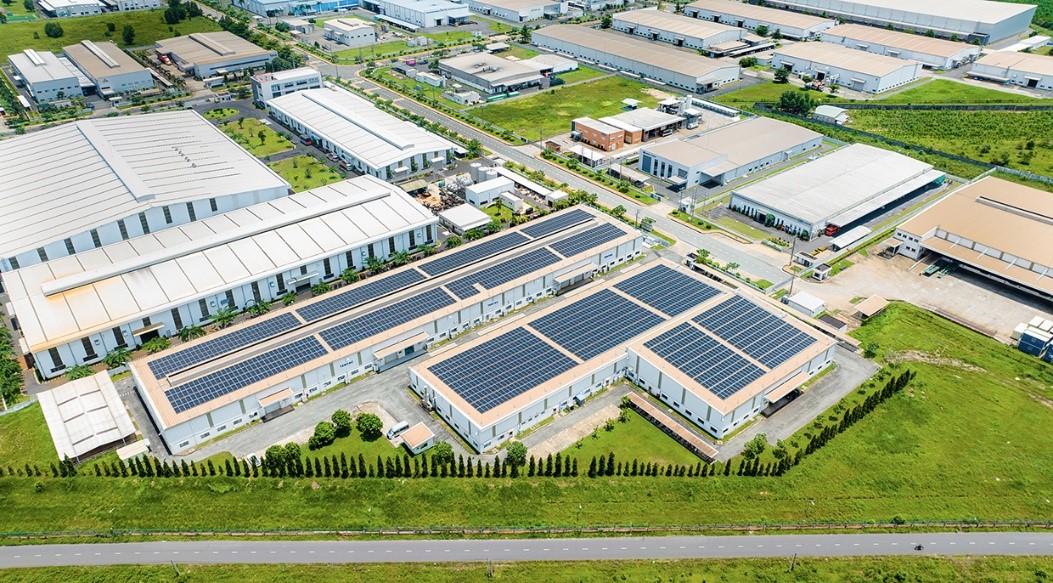
Supporting industries as a key link in Vietnam’s supply chains
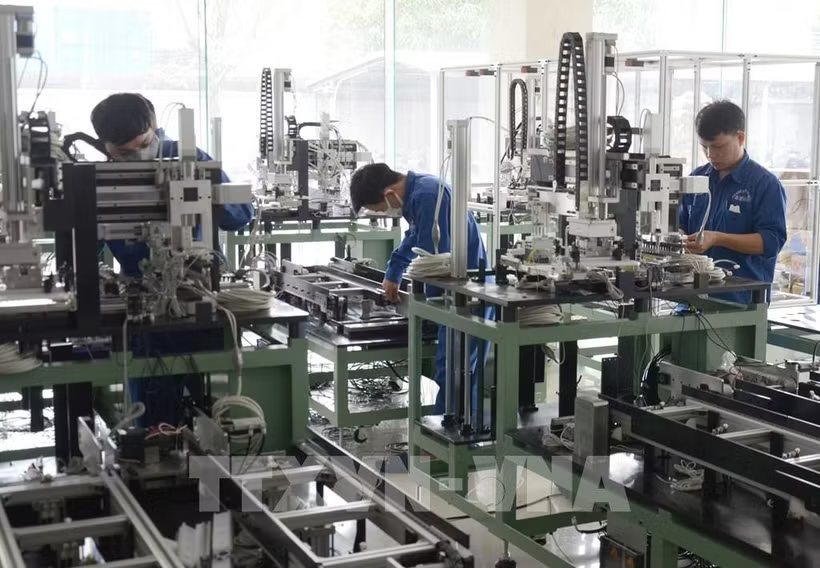
Supporting industries as a key link in Vietnam’s supply chains

Source: Vietnamnetplus

As a result, foreign-invested manufacturers often continue to rely heavily on imported materials and components, particularly for products requiring high precision, strict traceability, advanced materials, or international technical standards. This limits domestic value creation and leaves manufacturers more exposed to logistics disruptions, exchange-rate fluctuations, geopolitical risks, and changes in trade and rules-of-origin requirements.

Key Targets under the 2026–2035 Program

Decision No. 929/QD-TTg establishes a ten-year roadmap for improving Vietnam’s supporting-industry capabilities. The program prioritizes sectors such as smart electronics, energy equipment, railways, automobiles, mechanical engineering, automation, high-tech industries, textiles, garments, leather, and footwear.

One of the program’s main objectives is to raise localization rates, although the targets differ significantly between industries. Sectors such as textiles and footwear already have relatively developed domestic supply bases, while electronics and high-tech manufacturing remain more dependent on imported inputs.

Targeted localization rates

부문 2030년까지 목표 Target by 2035
전자제품 25–30% 35–40%
Mechanical engineering 40% 50%
자동차 제조 22–30% 32–40%
Textiles and garments 60% 70%
Leather and footwear 60–65% 70–75%
High-tech industries 15% 20%

These targets suggest that Vietnam is seeking to gradually increase the proportion of value created domestically rather than simply expanding final assembly capacity. The policy direction is particularly important for industries where Vietnam has achieved strong export growth but remains dependent on imported materials, machinery, and core components.

The program also contains specific targets for enterprise upgrading. Rather than measuring progress only through the number of companies operating in the sector, the Government intends to support firms in improving production management, R&D, technology application, pilot production, and human resources.

Enterprise-support targets

Area of support 2030년까지 목표 Target by 2035
Enterprises receiving management and production-system consulting or training 600 900
Enterprises successfully applying improved management or production systems 400 Further expansion expected
Enterprises supported in R&D and pilot production 80 120
Enterprises receiving high-quality workforce training 800 1,200
Successful technology application or transfer cases 40 Continued expansion

These targets reflect an important change in policy emphasis. The Government is not only seeking to attract more component manufacturers but is also attempting to build a group of qualified suppliers that can satisfy the requirements of multinational corporations and global original equipment manufacturers.

A Shift from Basic Incentives to Capability Development

The new program goes beyond conventional support measures such as tax incentives or preferential access to land. It places greater emphasis on the technical capabilities that enterprises need to become internationally competitive.

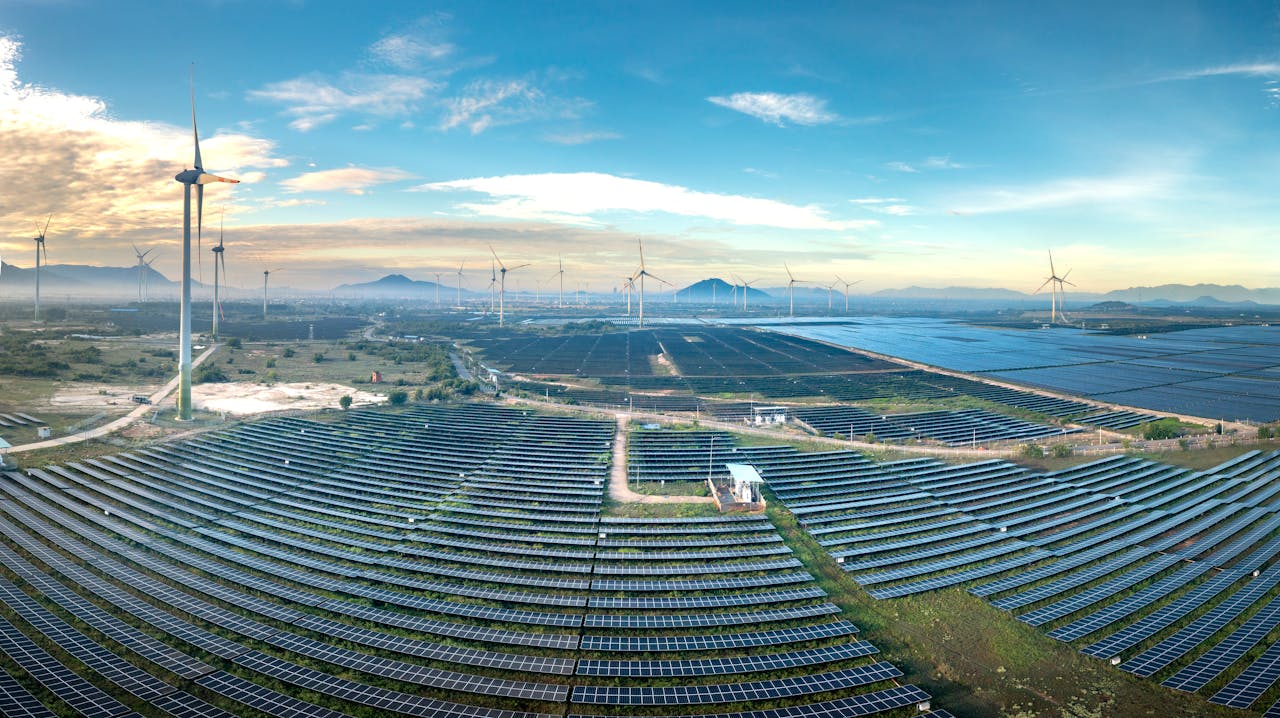
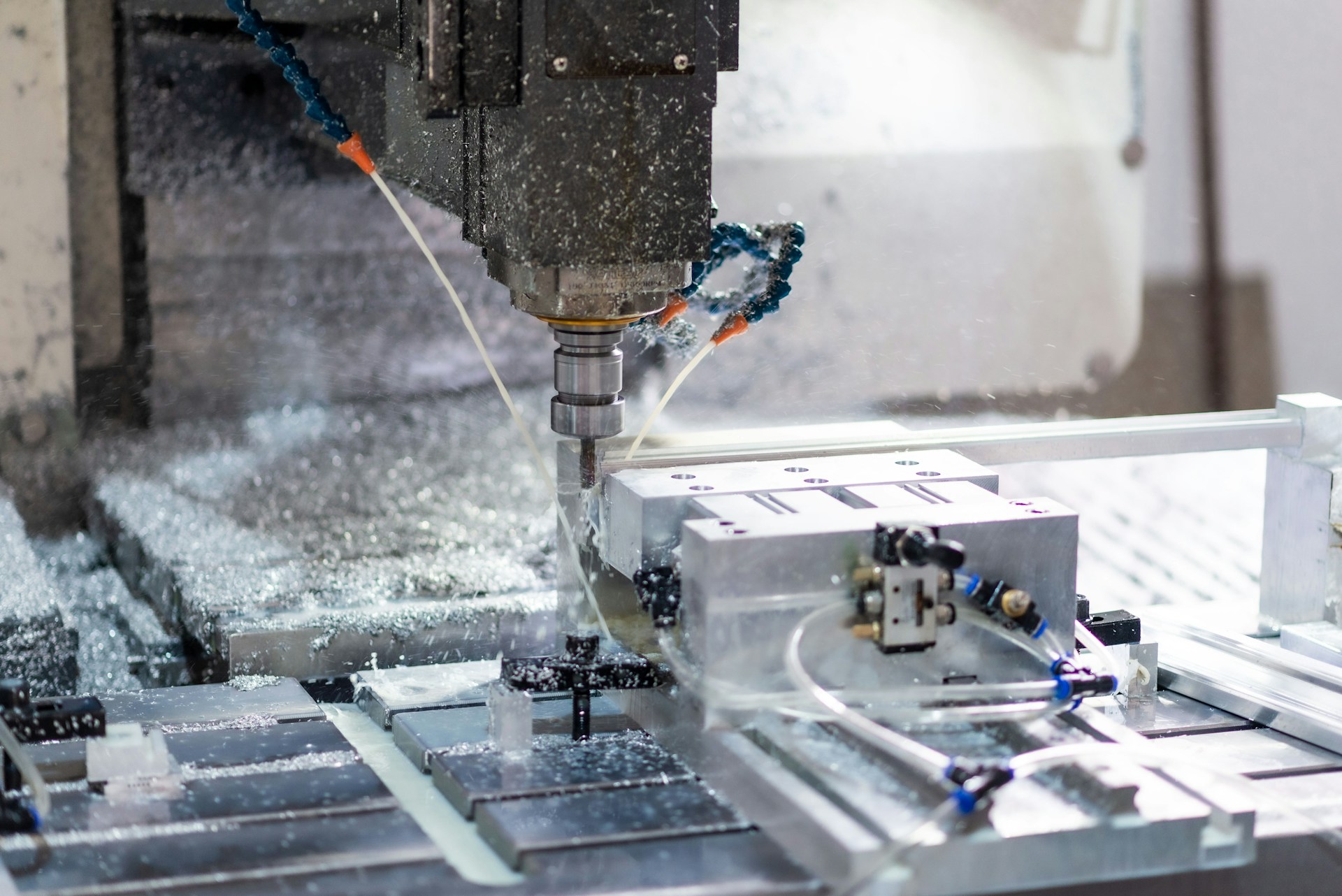
Planned measures include support for testing, inspection, quality certification, standards development, R&D, pilot production, technology transfer, smart manufacturing, digital transformation, energy efficiency, renewable energy use, wastewater treatment, recycled materials, and environmentally responsible production.

This reflects the practical challenges facing Vietnamese suppliers. Purchasing new machinery alone is not sufficient to qualify as a supplier to a major automotive, electronics, or industrial manufacturer. Companies must also demonstrate stable product quality, process control, traceability, cost competitiveness, delivery reliability, defect management, environmental compliance, and the ability to continuously improve production.

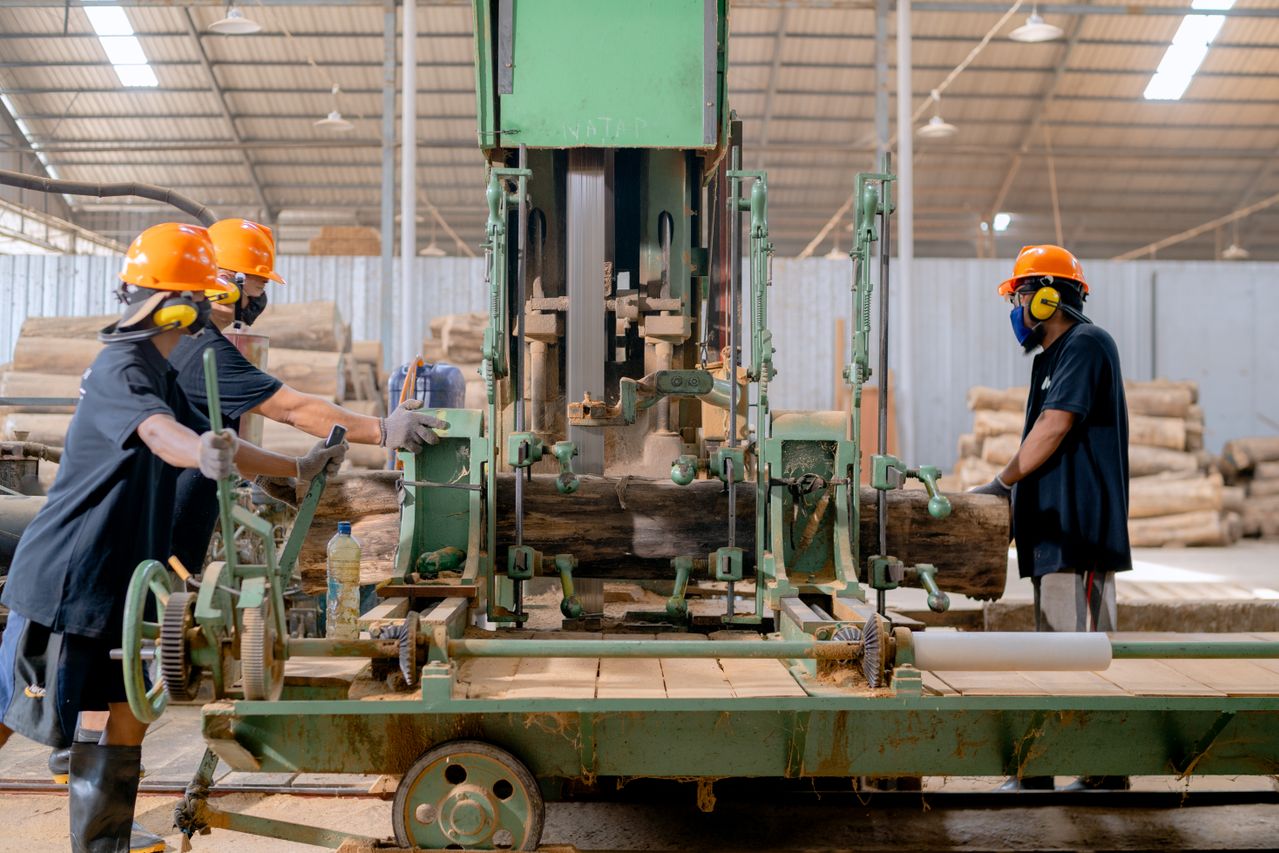
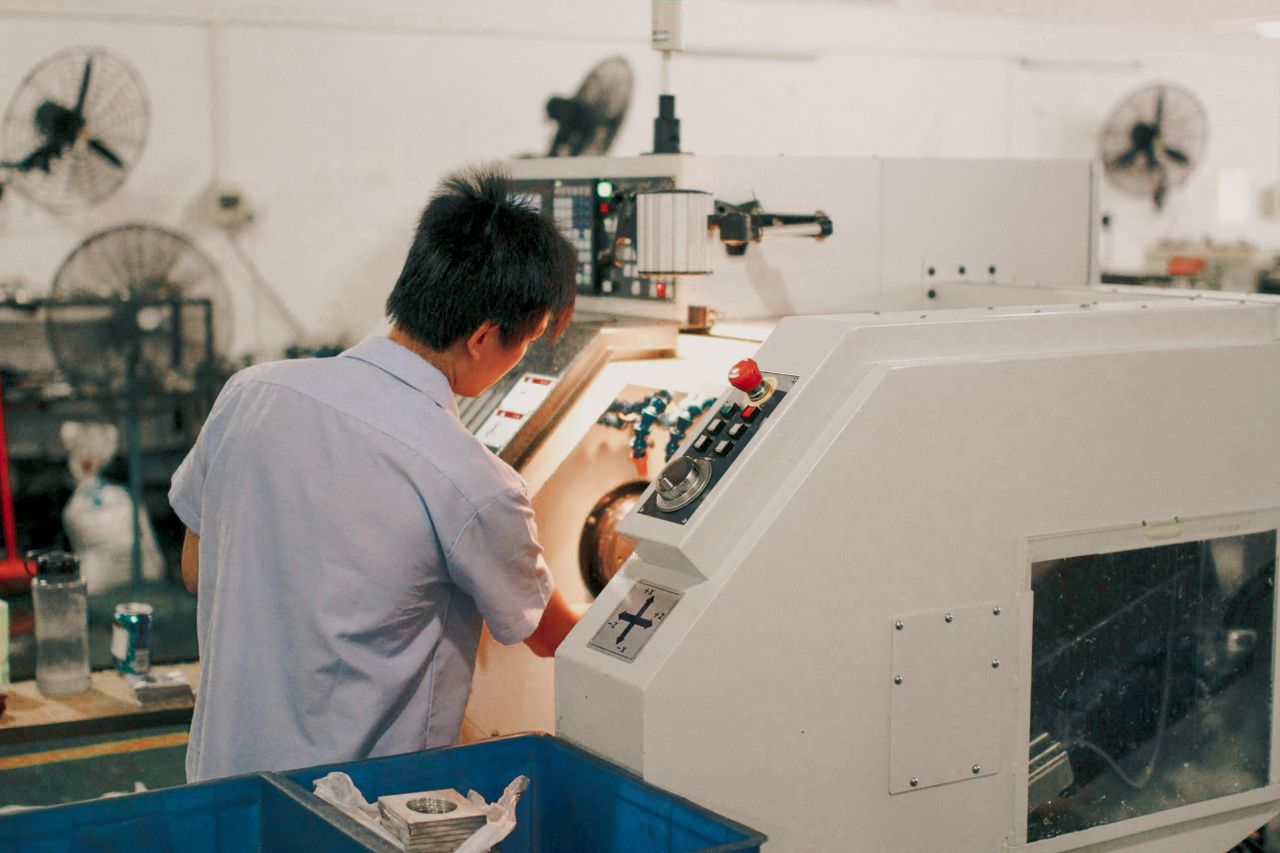
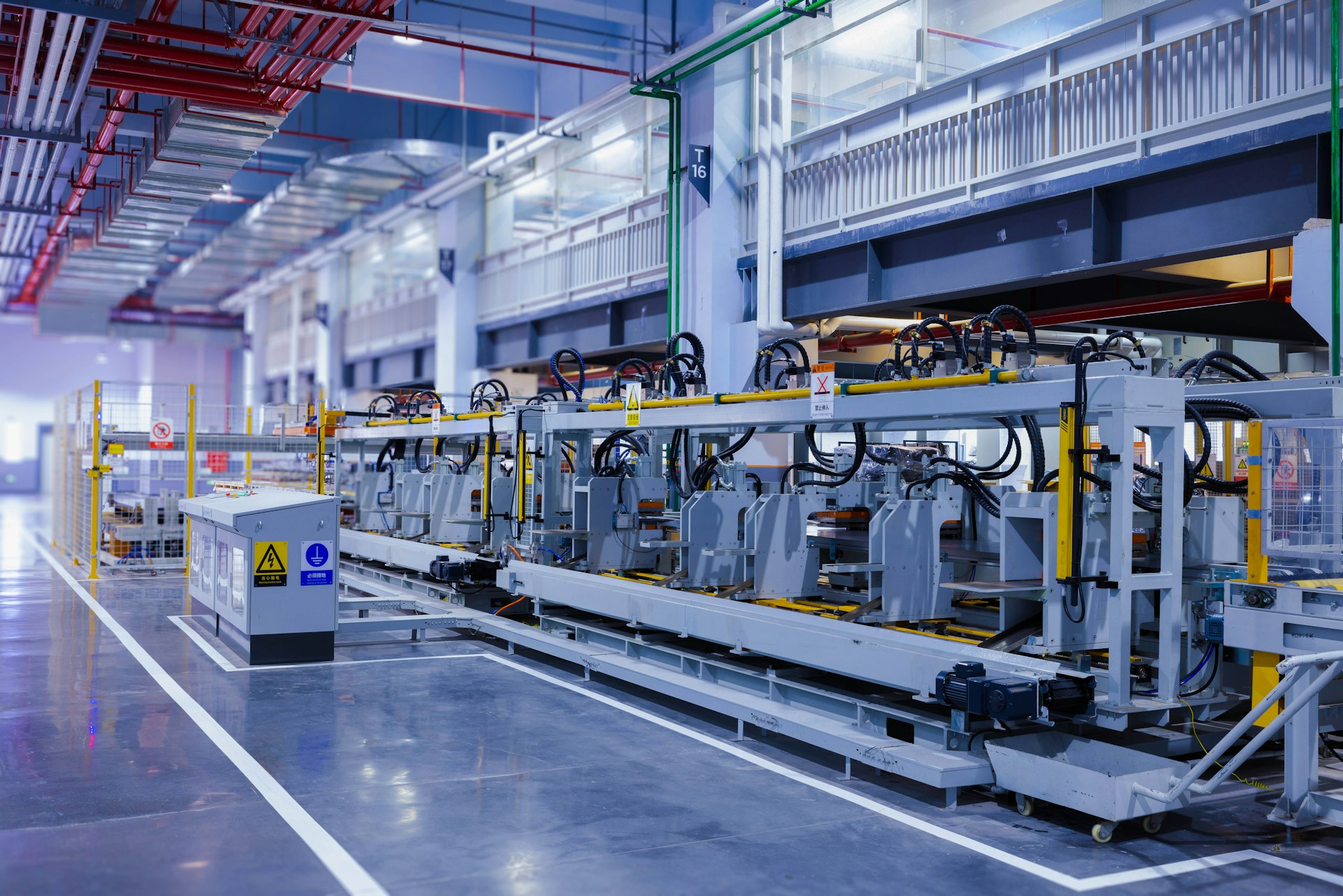
Smart-factory and supplier-development activities in Vietnam
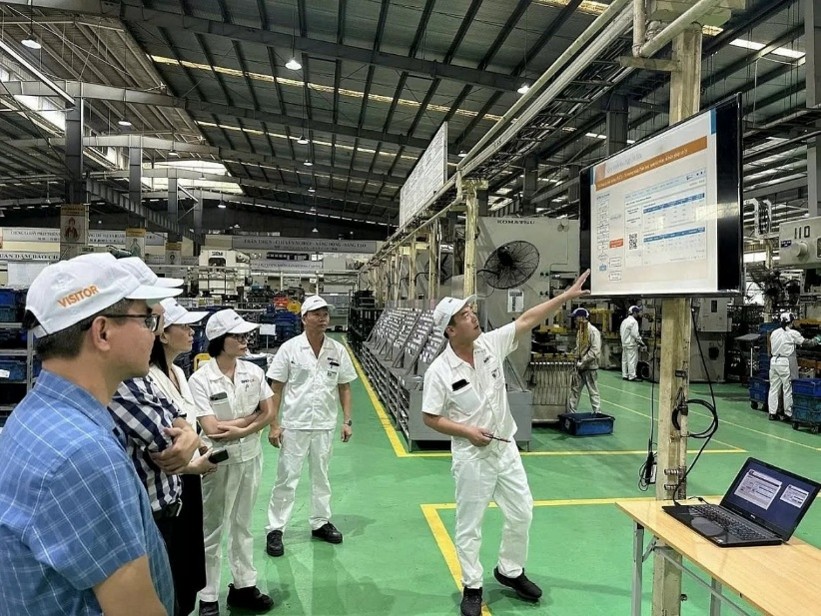
Smart-factory and supplier-development activities in Vietnam

Source: Moit

The strategy, therefore, proposes closer cooperation between supporting-industry companies and leading manufacturers within priority supply chains. The technical and procurement requirements of large domestic and foreign-invested manufacturers may be used to guide supplier-development programs, training activities, and technology-upgrading support.

Decision No. 929 also identifies joint ventures, business alliances, and mergers and acquisitions as mechanisms for strengthening domestic enterprises. This could create opportunities for foreign companies to enter Vietnam through partnerships with existing manufacturers rather than establishing operations entirely from the beginning.

Implications for Foreign Investment

For foreign manufacturers already operating in Vietnam, the program may make local sourcing increasingly attractive. A stronger domestic supplier base could shorten delivery times, reduce transportation and inventory costs, and limit exposure to disruptions affecting imported components. Local sourcing may also help exporters comply with rules of origin under free trade agreements such as the EVFTA and CPTPP.

However, localization is unlikely to happen immediately. In many sectors, Vietnamese suppliers will require technical assistance, trial production, equipment investment, and time to meet international standards. Foreign manufacturers may therefore need to adopt a phased supplier-development model involving supplier identification, technical audits, corrective action, sample production, quality stabilization, and gradual expansion of order volumes.

The strategy may also raise expectations for foreign-invested manufacturers to contribute more actively to domestic supply-chain development. While the program does not establish a single compulsory localization ratio for every foreign investment project, future investment promotion may increasingly favor companies that can demonstrate local procurement, technology transfer, workforce development, or cooperation with Vietnamese businesses.

For this reason, supplier development should be considered from the market-entry stage rather than treated as a procurement issue after a factory becomes operational. Investors may need to assess the availability of suppliers, technical workers, research institutions, testing facilities, and industrial service providers when selecting a project location.

New Opportunities for Overseas Suppliers and Technology Providers

The 2026–2035 program is expected to make local sourcing more important for foreign manufacturers in Vietnam. A stronger supplier base could reduce lead times, logistics costs, and dependence on imported components, while also supporting compliance with rules of origin under agreements such as the EVFTA and CPTPP.

However, localization will remain gradual. Many Vietnamese suppliers still require investment in equipment, technical support, and quality improvement. Foreign manufacturers may therefore need to adopt phased supplier-development programs and assess supplier availability from the market-entry stage.

The strategy also creates opportunities for overseas providers of automation, precision machinery, tooling, testing equipment, industrial software, advanced materials, and environmental solutions. Demand is expected to grow across electronics, automotive, mechanical engineering, energy, railways, textiles, and footwear.

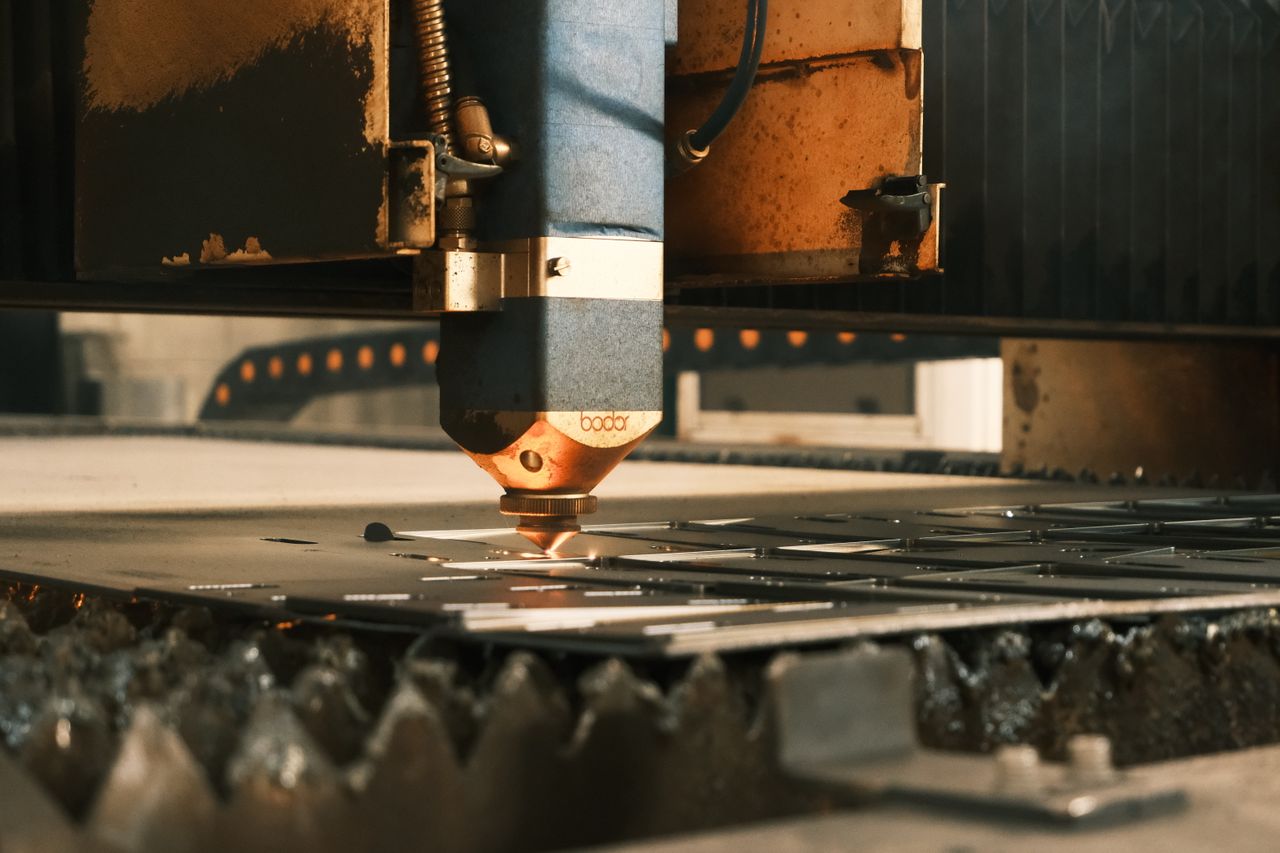
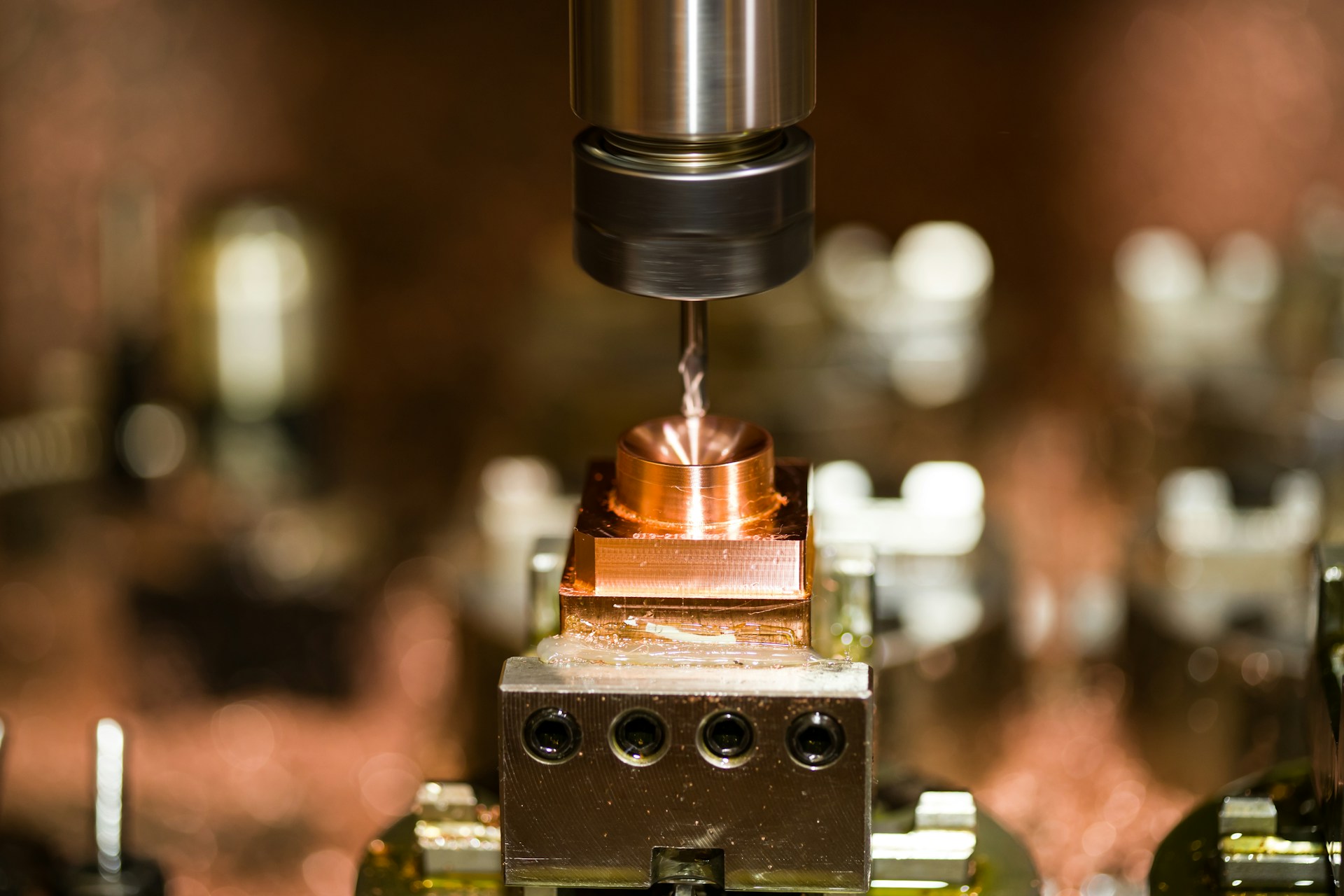
Automotive and component manufacturing in Vietnam
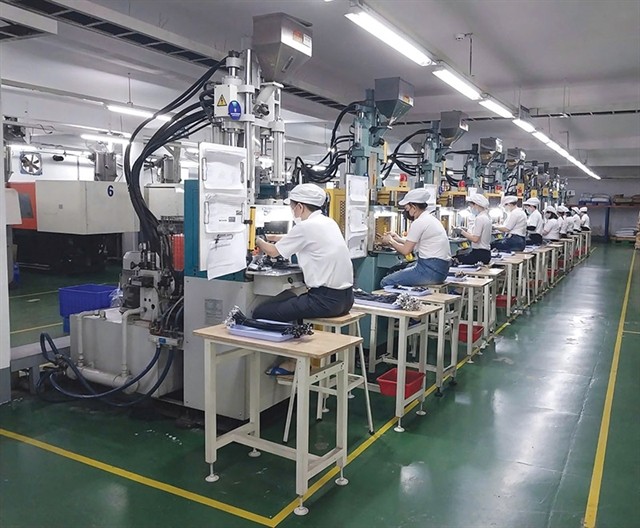
Automotive and component manufacturing in Vietnam

Source: Vietnamnews

Foreign suppliers that combine products with training, maintenance, and technology transfer are likely to be better positioned than companies offering equipment alone.

더 읽어보기 

베트남의 컴퓨터 및 전자 제조: 회사 개요 및 외국인 투자 동향

베트남 의료기기 제조산업 및 외국인 투자 상황

* 본 기사의 내용을 인용하고자 하는 경우, 저작권을 존중하기 위해 원문 링크와 함께 출처를 명시해 주시기 바랍니다.

B&Company

2008년부터 베트남에서 시장 조사 전문 기업으로 활동해 온 최초의 일본 기업입니다. 산업 보고서, 업계 관계자 인터뷰, 소비자 설문 조사, 비즈니스 매칭 등 폭넓은 서비스를 제공합니다. 또한, 최근에는 베트남 내 100만 개 이상의 기업 데이터베이스를 구축하여 파트너 발굴 및 시장 분석에 활용하고 있습니다.

궁금한 사항이 있으시면 언제든지 문의해 주세요.

info@b-company.jp + (84) 28 3910 3913

관련기사
뉴스레터 구독