
 한국어
한국어  English
  日本語
日本語  Tiếng Việt
  简体中文
简体中文 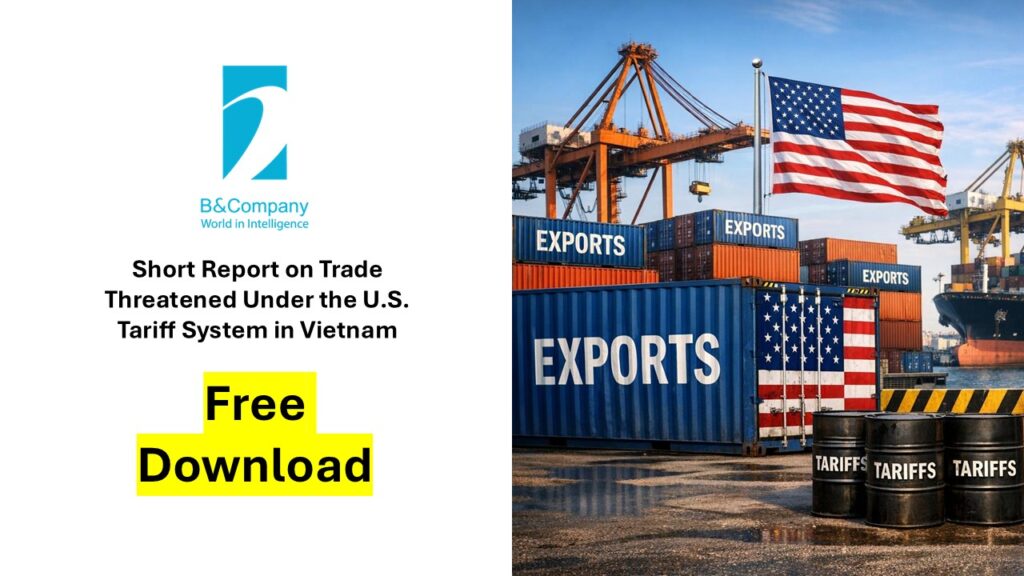
미국 관세 체제 하에서 베트남 무역이 위협받고 있다는 간략 보고서
세계적인 추세 속에서 무역 환경은 중대한 전환기를 맞고 있습니다. 2024년에는 견조한 회복세를 보였지만, 2025년 미국의 보복 관세 도입은 즉각적인 혼란을 야기하며 수출 주도 경제의 구조적 취약점을 드러냈습니다.
요청 무료
무료
무료
베트남: 하노이
베트남: 호찌민
(84) 24 3978 5165
(84) 28 3910 3913
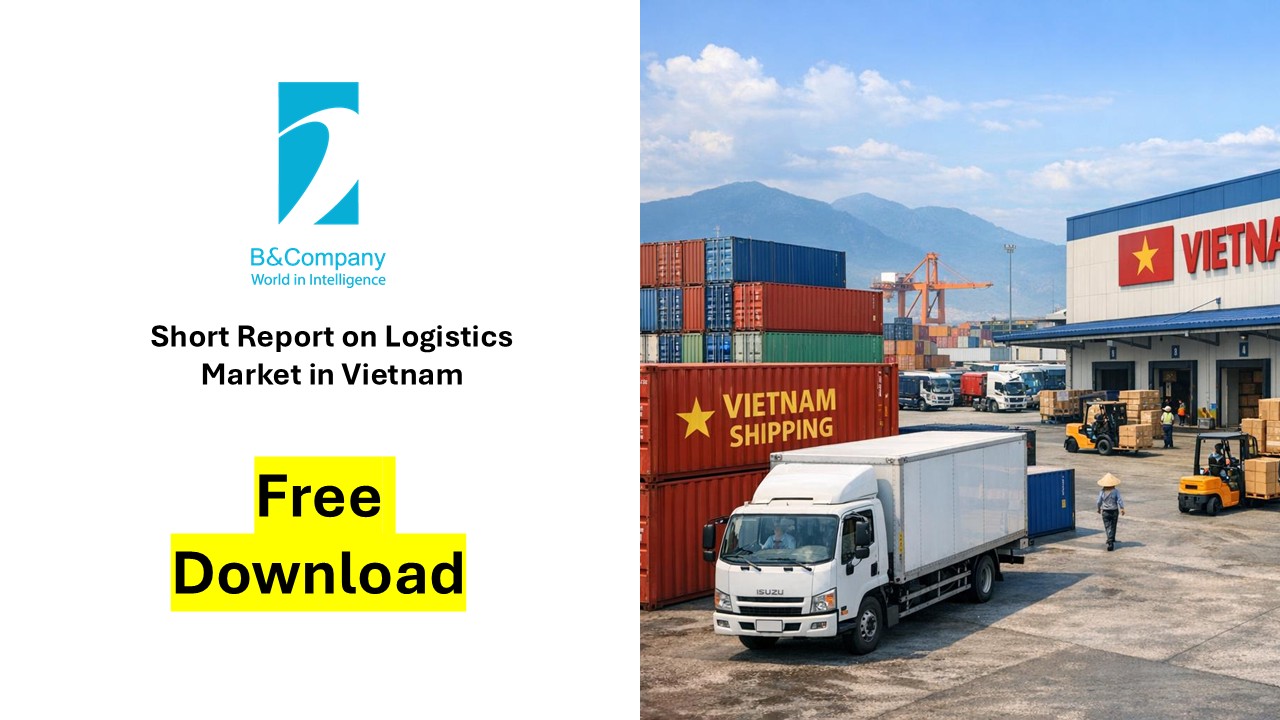
물류 산업은 빠르게 확장하고 있습니다. 연평균 약 14-16%의 성장률로 약 520억 달러 규모에 이르렀으며, GDP의 약 10%를 차지합니다. 해외 무역에 유리한 입지(넓은 해안선, 강, 국경)와 무역협정(EVFTA, CPTPP, RCEP 등)은 글로벌 공급망과의 통합을 촉진하며, 가공무역 모델을 가능하게 하는 핵심 요소입니다. 높은 물류비는 과제였지만, 운송 인프라 개선과 경쟁 심화로 효율성이 제고되었습니다. 2023년 기준 세계은행 물류성과지수에서 베트남의 순위는 139개국 중 43위로 상승했습니다.
물류 부문의 외국인 소유 제한은 34%에서 100%까지 다양합니다. 항공 화물 운송은 외국인 지분이 34%로 제한되며, 해상·철도·내륙 수로 운송은 49%, 도로 화물 운송은 51%로 제한됩니다. 반면 창고업, 특송 배송(소포 및 택배), 화물 운송 주선업은 외국인의 완전 소유를 허용합니다. 면허 취득과 산업 규정 준수는 여전히 필요하지만, WTO 가입 및 다양한 FTA에 수반된 제도 개혁으로 특히 창고업과 운송 주선업에서 외국인 투자자의 진입 절차와 지분 제한이 점진적으로 완화되었습니다. 또한 정부는 주권과 안보를 보호하기 위해 항공, 해운, 철도와 같은 핵심 운송 서비스에 대해서는 외국인 소유 한도를 유지하는 한편, FDI 및 PPP 제도를 통해 공항, 항만, 고속도로와 같은 인프라 부문에 외국 및 민간 자본의 참여를 적극적으로 촉진하고 있습니다.
2023년 정부결정 163/NQ-CP 2022는 디지털화와 효율성을 강조하는 국가 물류 전략을 수립했습니다. 앞으로 수출업체와 주요 소매업체를 대상으로 엔드투엔드 공급망 관리를 제공하는 새로운 4PL(Fourth-Party Logistics) 104 업체와 디지털 화물 플랫폼의 성장이 예상됩니다. 해외 투자자는 항만 터미널, 냉장창고, 내륙 물류 허브와 같은 인프라뿐 아니라 효율성과 가시성을 높이는 소프트웨어 플랫폼에도 투자 기회를 가질 수 있습니다.
총 화물 물동량은 2017년 13억 8천만 톤에서 2024년 25억 8천만 톤으로 연평균 9%의 속도로 증가했습니다.
물류 시장
[특집] 콜드체인의 지역별 격차
본 보고서 및 이와 직접 관련된 모든 자료는 B&Company의 자산입니다. 모든 권리는 B&Company에 있습니다. 사전 서면 허가 없이는 본 보고서의 어떤 부분도 어떠한 형태로든 복제하거나 전송할 수 없습니다.
본 보고서를 어떠한 목적으로든 사용하시려면, 이용 약관에 대한 자세한 내용은 아래 이메일 주소(info@b-company.jp)로 B&Company에 문의해 주시기 바랍니다.
세계적인 추세 속에서 무역 환경은 중대한 전환기를 맞고 있습니다. 2024년에는 견조한 회복세를 보였지만, 2025년 미국의 보복 관세 도입은 즉각적인 혼란을 야기하며 수출 주도 경제의 구조적 취약점을 드러냈습니다.
무료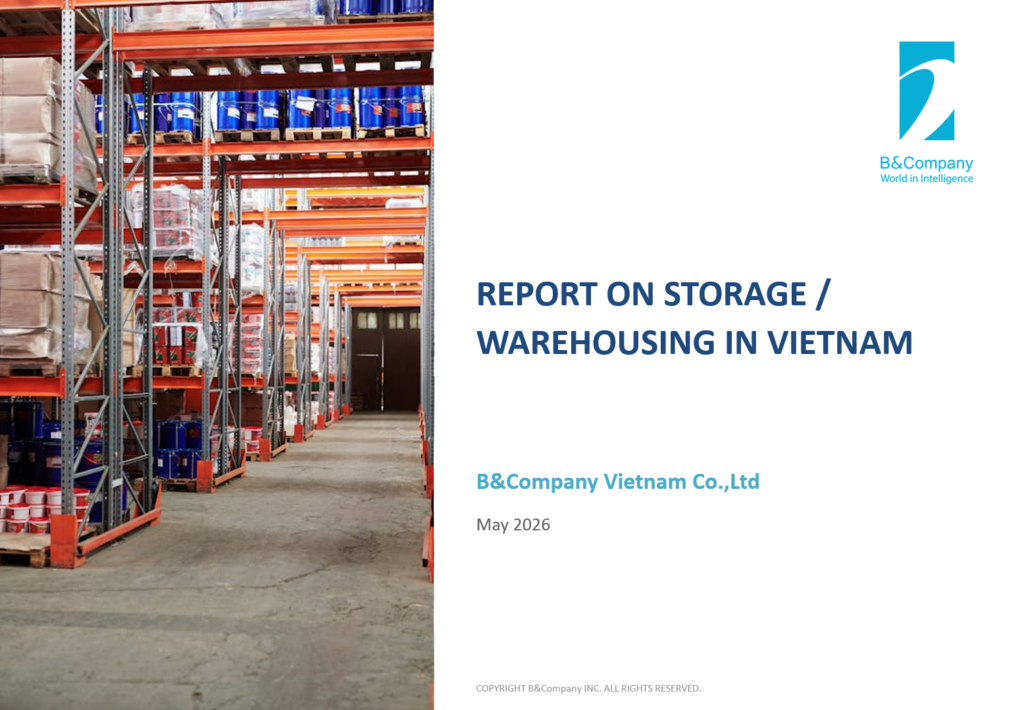
이 보고서는 투자자, 창고 운영업체, 물류 서비스 제공업체 등을 위해 베트남의 저장 및 창고 시장에 대한 개요를 제공합니다.
15,000,000 VND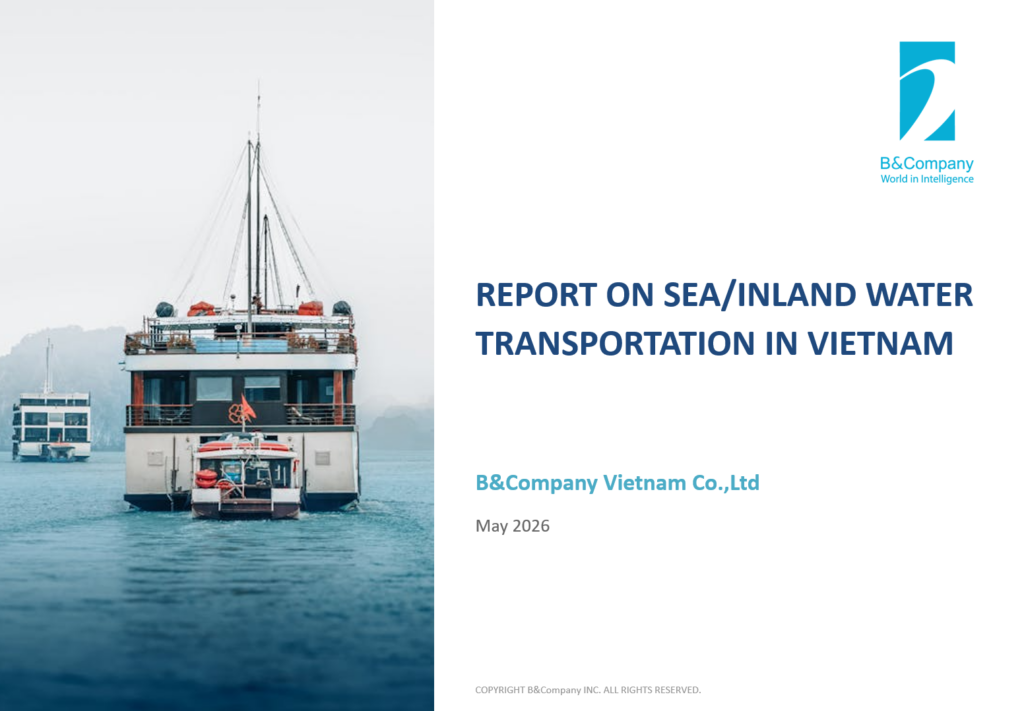
본 보고서는 베트남의 해상 및 내륙 수로 운송 산업에 대한 개요를 제공하며, 주로 외국인 투자자, 해운 회사, 내륙 수로 운영업체 등을 대상으로 작성되었습니다.
15,000,000 VND