
 日本語
日本語  English
  Tiếng Việt
  简体中文
简体中文  한국어
한국어 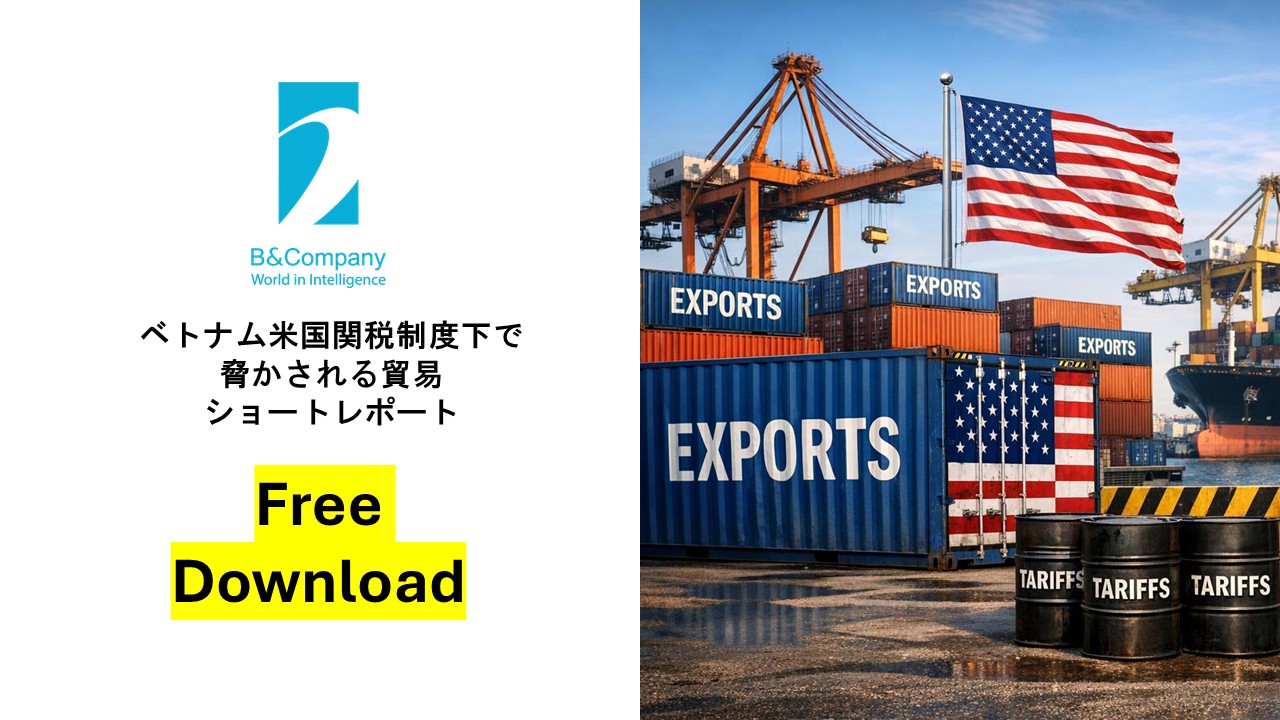
ベトナムにおける米国関税制度による貿易の脅威に関する簡潔な報告
世界的な潮流の中で、貿易環境は重大な転換期を迎えている。2024年には力強い回復が見られたものの、2025年に米国が報復関税を導入したことで即座に混乱が生じ、輸出主導型経済の構造的な脆弱性が露呈した。.
依頼する 無料
無料

ベトナム:ハノイ
ベトナム:ホーチミン
(84) 24 3978 5165
(84) 28 3910 3913
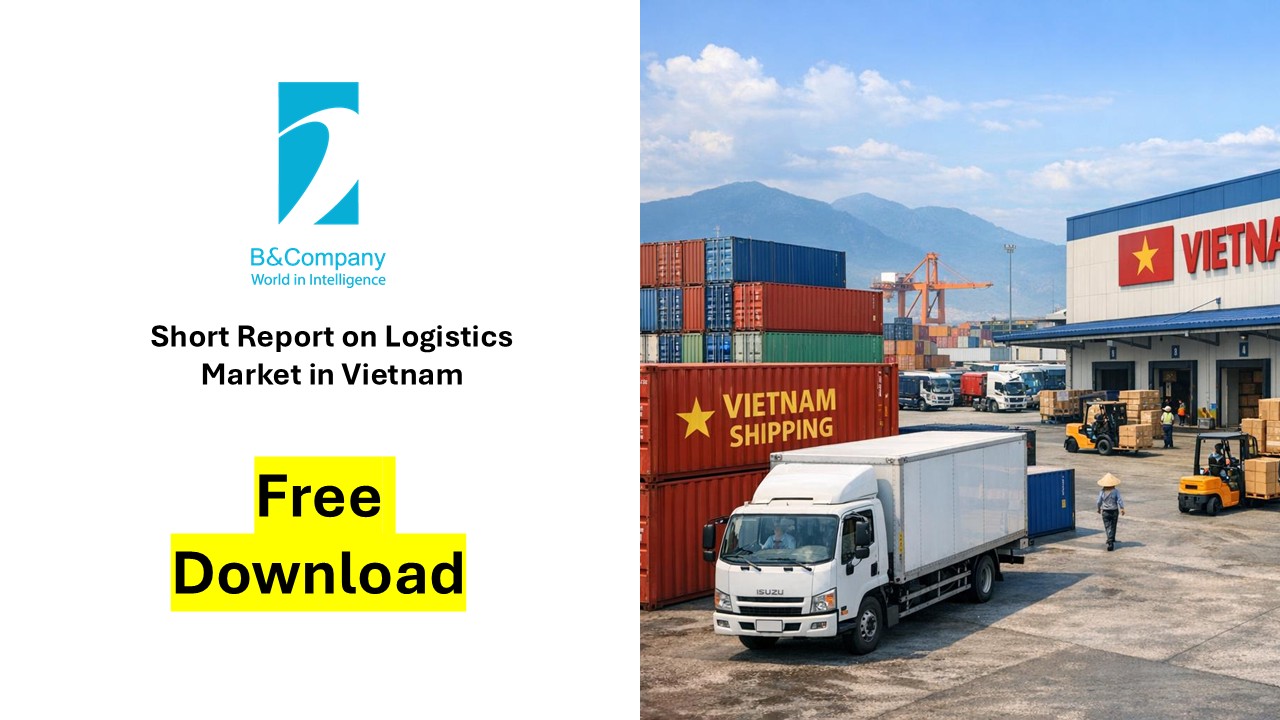
物流業界は急速に拡大している。年率約14~16%で成長し、約520億米ドルに達しており、GDPの約10%を占める。海外貿易に適した立地条件(広大な海岸線、河川、陸上国境)と貿易協定(EVFTA、CPTPP、RCEPなど)は、グローバルサプライチェーンへの統合を促進し、加工貿易モデルを成立させる重要な要素である。物流コストの高さは課題だったものの、輸送インフラの改善と競争の活発化により効率は向上した。2023年までに、ベトナムの世界銀行物流パフォーマンス指数の順位は139カ国中43位に上昇した。.
物流セクターにおける外国資本の保有制限は、34%から100%までの範囲に及ぶ。外国資本比率の上限は、航空貨物輸送では34%、海上・鉄道・内陸水運では49%、道路貨物輸送では51%に設定されている。一方、倉庫業、エクスプレス配送(小包・荷物)、貨物フォワーディングでは、外国資本による完全所有が認められている。免許の取得および業界規制の遵守は引き続き必要であるものの、WTO加盟や各種FTAに伴う制度改革により、特に倉庫業とフォワーディングにおいて、外国投資に対する参入手続きおよび出資比率規制は段階的に緩和されてきた。さらに、政府は主権と安全保障を守るため、航空、海運、鉄道などの中核的な輸送サービスについて外国資本の保有上限を維持している一方、FDIおよびPPPスキームを通じて、空港、港湾、高速道路などのインフラ分野への外国資本および民間資本の参入を積極的に促進している。.
2023年、政府決定163/NQ-CP 2022により、デジタル化と効率性を重視する国家物流戦略が策定された。今後は、輸出企業や大手小売業者に対してエンドツーエンドのサプライチェーン管理を提供することを目指す、新たな4PL(Fourth- Party Logistics)104事業者やデジタル貨物プラットフォームの成長が見込まれる。海外投資家には、港湾ターミナル、冷蔵倉庫、内陸物流ハブなどのインフラや、効率性と可視性を高めるソフトウェア・プラットフォームへの投資機会がある。.
貨物総量は、2017年の13.8億トンから2024年の25.8億トンへ、年率9%で増加した。.
物流市場
【特集】コールドチェーンにおける地域格差
本報告書およびこれに直接関連するすべての資料は、B&Companyの所有物です。すべての権利はB&Companyに帰属します。事前の書面による許可なく、本報告書のいかなる部分も、いかなる形式または手段によっても複製または送信することはできません。.
本レポートを何らかの目的で使用される場合は、利用規約に関する詳細について、下記のメールアドレス(info@b-company.jp)までB&Companyにご連絡ください。
世界的な潮流の中で、貿易環境は重大な転換期を迎えている。2024年には力強い回復が見られたものの、2025年に米国が報復関税を導入したことで即座に混乱が生じ、輸出主導型経済の構造的な脆弱性が露呈した。.
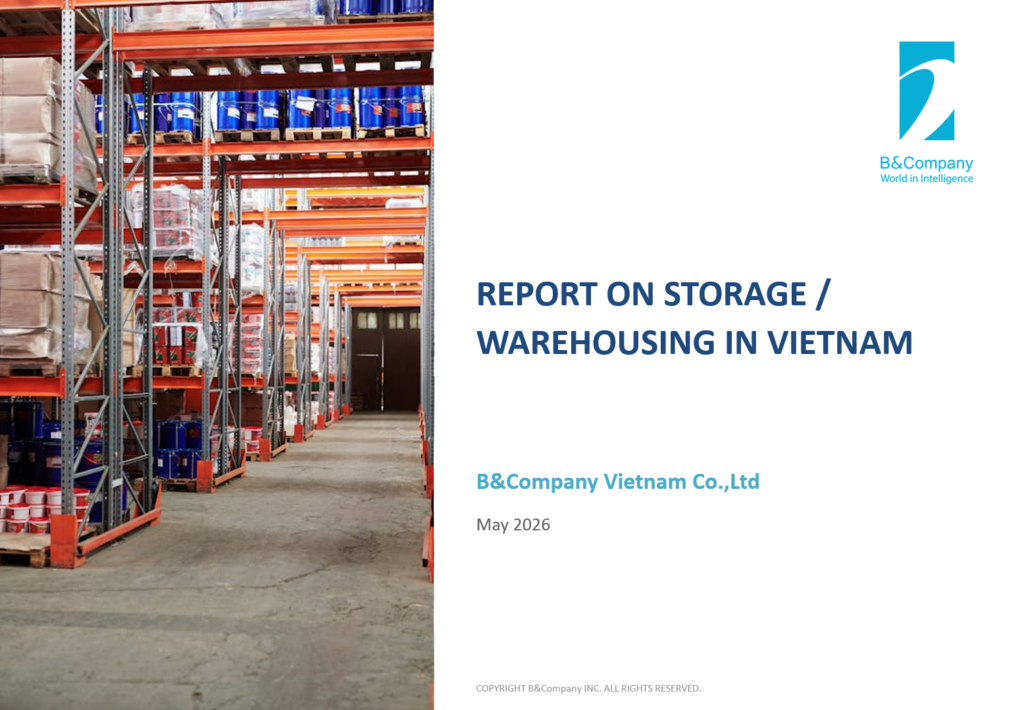
本レポートは、投資家、倉庫運営者、物流サービスプロバイダーなどを対象に、ベトナムの保管・倉庫業の概要を提供するものです。.
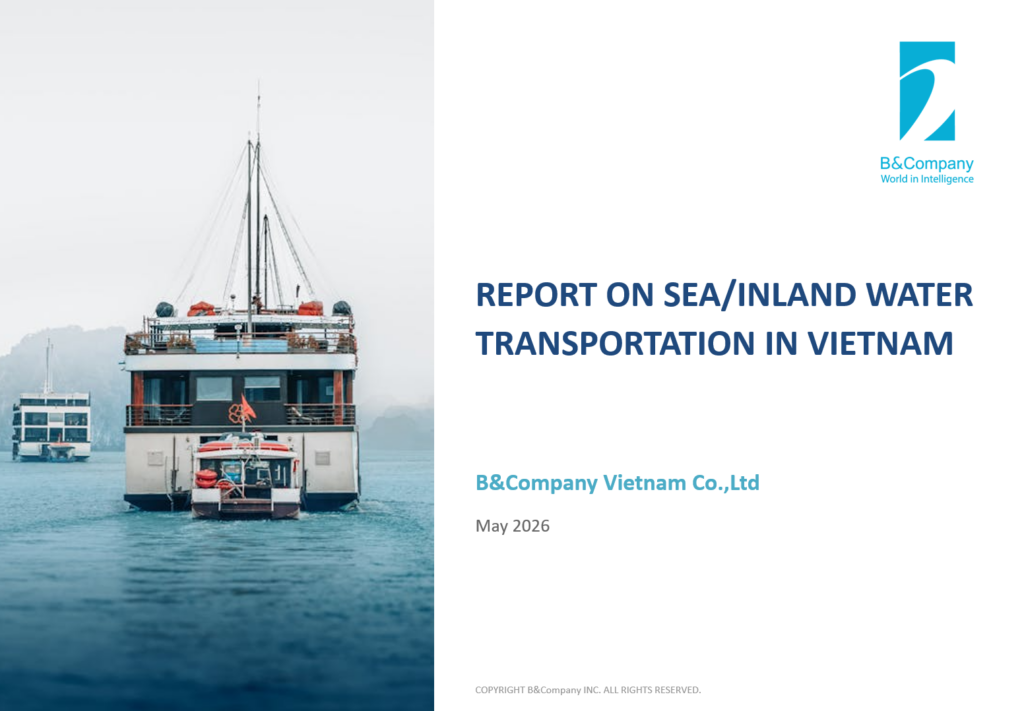
本報告書は、ベトナムの海上および内陸水運業界の概要をまとめたもので、主に外国人投資家、海運会社、内陸水路事業者などを対象としています。.