

 English
  日本語
日本語  Tiếng Việt
  简体中文
简体中文  한국어
한국어 Ho Chi Minh City, one of the largest urban centers in Vietnam, is taking significant steps toward improving its waste management system.

12Mar2025
Latest News & Report / Vietnam Briefing
Comments: No Comments.
Ho Chi Minh City, one of the largest urban centers in Vietnam, is taking significant steps toward improving its waste management system. With the recent announcement of a VND 3,500 billion waste incineration plant aimed at generating electricity, the city is addressing the urgent challenges posed by increasing household waste. This article will explore the current situation of household waste in Ho Chi Minh City, the methods used for waste treatment, the new movement toward waste-to-energy solutions, and the opportunities and challenges that lie ahead.
The Current Situation of Household Waste in Ho Chi Minh City
Ho Chi Minh City (HCMC), Vietnam’s largest and most densely populated urban center, is home to over 9 million people. With rapid urbanization and economic growth, the city generates an average of 13,000 tons of domestic solid waste per day as of 2024. Of this, approximately 10,000 tons are recycled or treated daily. Since 2020, the volume of household waste has increased by around 5.6% annually, though the growth rate has slowed in recent years. [1]
The composition of household waste in HCMC is primarily organic matter (50–60%), while recyclable materials such as plastic, paper, and rubber make up only 27% at waste treatment facilities. Currently, the city relies on two main waste treatment methods: landfilling (69%) and recycling/composting (21%), while 10% of waste is incinerated [2]. The continued reliance on landfills has raised concerns over environmental pollution, land scarcity, and inefficient resource recovery. Additionally, despite efforts to improve waste classification at the source, a large portion of waste remains mixed, making it difficult to process effectively. The growing waste volume and strained collection and transportation systems highlight the urgent need for more sustainable and advanced waste management solutions.
Domestic waste treatment at Ho Chi Minh City Urban Environment Company Limited
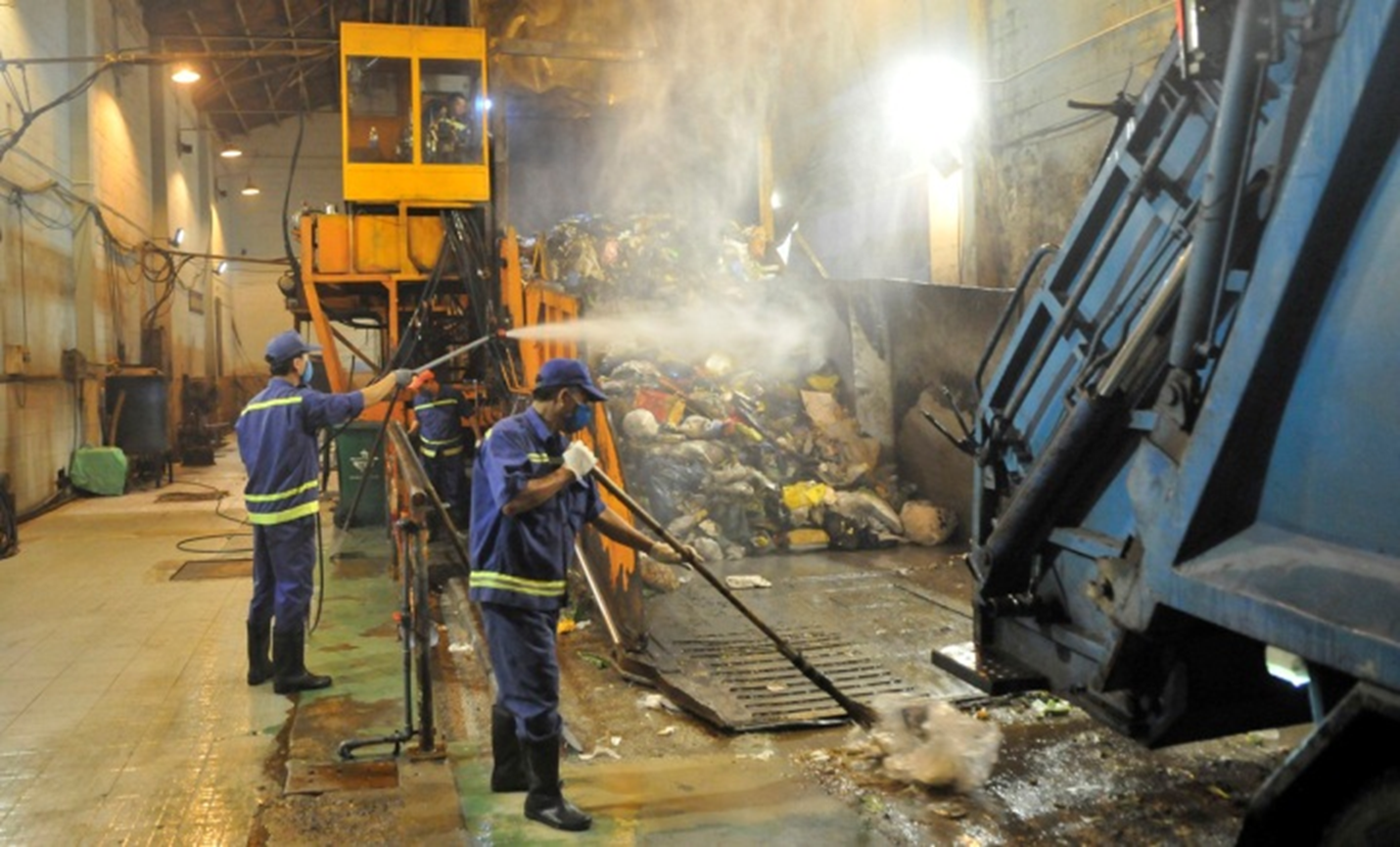
Source: tapchimoitruong.vn [3]
The Movement of Waste Treatment to Generate Electricity
Ho Chi Minh City (HCMC) is actively shifting toward waste-to-energy (WTE) technology as part of its broader waste management strategy. Since 2020, the City Party Committee and People’s Council have set a policy target: by 2025, at least 80% of domestic waste should be treated using modern technologies like waste incineration for electricity generation and recycling, with the goal of reaching 100% by 2030. This transition aligns with Resolution No. 98/2023/QH15 issued by the National Assembly on June 24, 2023, which guides the city’s waste treatment reforms. To implement this, the People’s Committee of HCMC has focused on two key solutions, (1) converting existing solid waste treatment technologies, (2) attracting investment in waste treatment projects under the Public-Private Partnership (PPP) model [4].
To achieve its goal of modernizing waste treatment, Ho Chi Minh City has started construction on two waste-to-energy plants with a total treatment capacity of 4,000–4,600 tons per day. These facilities are expected to be completed by 2026, contributing to the treatment of a significant portion of the city’s domestic waste and reducing reliance on landfills.
Below is an overview of the two waste-to-energy plants under construction in Củ Chi – Ho Chi Minh city:
| Name | Start time | Expected Completion | Investor | Capital Scale (Mil USD) | Treatment Capacity (tons/day) | Power Generate capacity | Technology |
| Tâm Sinh Nghĩa WTE 6 | July 2024 | End of 2025 | Bamboo Capital Group & BCG Energy | 253 | 2,000–2,600 | 60MW | SUS-Hitachi Zosen Vonroll |
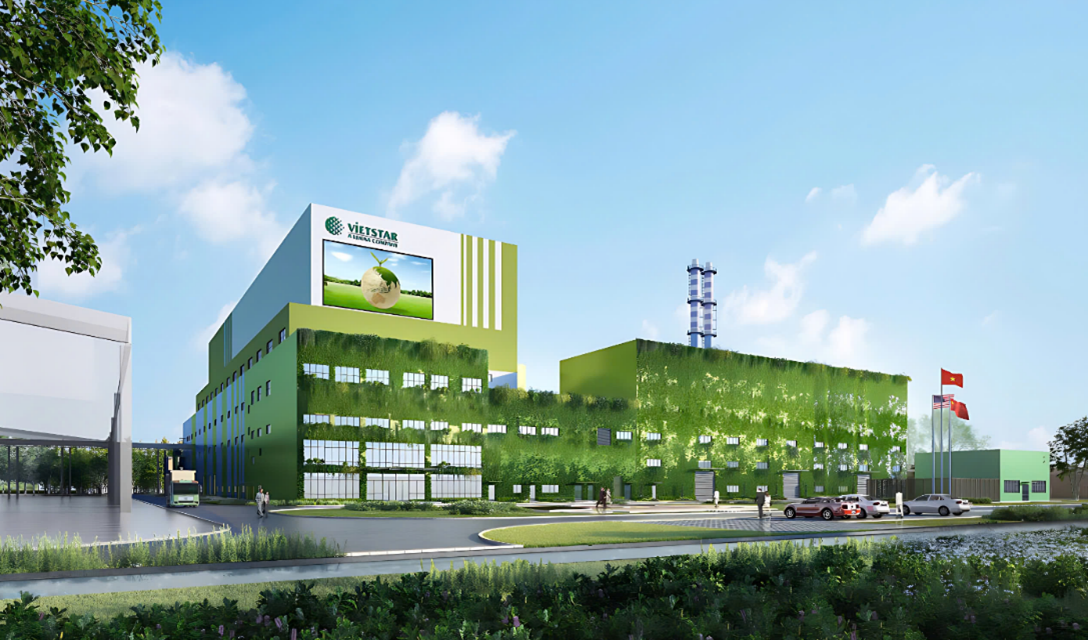
| Vietstar WTE [5] | March 2025 | Mid-2026 | Vietstar | 140 | 2,000 | 40MW | German Technology |
Related article

















Log in / Register
Continue without an account
Log in / Register
SUBSCRIBE NEWSLETTER