

 English
  日本語
日本語  Tiếng Việt
  简体中文
简体中文  한국어
한국어 The ongoing U.S.–Iran conflict is unlikely to damage the agro-forestry-fishery sector in Vietnam first through a collapse in direct exports.
20Mar2026
Latest News & Report / Vietnam Briefing
Comments: No Comments.
The ongoing U.S.–Iran conflict, which sharply escalated from late February 2026, is unlikely to damage Vietnam’s agro-forestry-fishery sector first through a collapse in direct exports. A more immediate transmission channel is cost: oil, freight, insurance, and input prices have all become more volatile as shipping through the Strait of Hormuz and nearby routes faces disruption. For Vietnam, a highly open economy that still depends on imported fuel and external logistics networks, this means exporters of seafood, coffee, rice, pepper, cashew, and processed foods may face margin pressure even before order books weaken materially.
The Middle East is still a small but strategic destination
At first glance, the Middle East may not appear large enough to trigger a sector-wide crisis. In 2025, Vietnam’s agro-forestry-fishery exports to the region were worth about USD 1.74 billion, equivalent to just over 2% of the sector’s total export turnover. Yet this market is strategically important because it sits at the intersection of trade diversification and logistics vulnerability. If the conflict lasts one month, Vietnam’s agro-forestry-fishery exports could lose around USD 1 billion; if it lasts three months, the loss could reach USD 3–3.5 billion, including USD 500–600 million in the Middle East, USD 1.5–1.6 billion in Europe, and USD 200–250 million in North Africa[1].
The region is also becoming more important for specific product groups. In 2025, Vietnam exported about USD 1.2 billion in agricultural products and USD 401 million in seafood to the Middle East, with seafood nearly doubling from 2020. The UAE was a key market, importing over USD 445 million worth of Vietnamese agricultural products, mainly cashew, pepper, rice, fruits, and vegetables. In seafood, pangasius, tuna, and shrimp were the main export items. The region also takes around 15% of Vietnam’s pepper and spice exports[2].
Cashew has great potential for export to Middle East
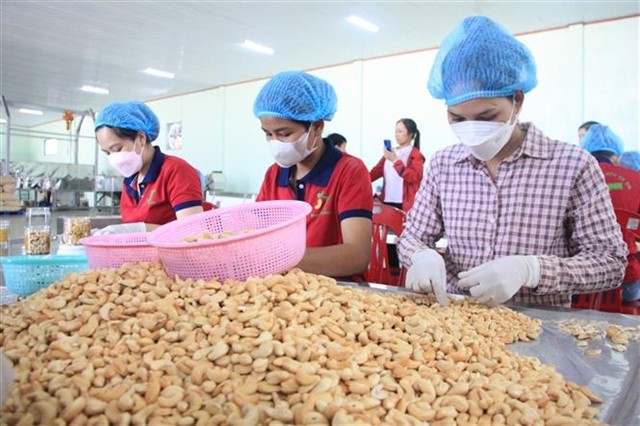
Source: VietnamNews
As a result, the Middle East is more than a niche market. It is an important destination in Vietnam’s export diversification strategy, especially for products facing stronger competition in the U.S., EU, and China. At the same time, its location makes it highly exposed to shipping disruption, war-risk insurance, and fuel-price volatility.
The first shock is logistical, not commercial
For Vietnam’s agro-seafood exporters, the war’s most immediate impact is on logistics costs. The Ministry of Agriculture and Environment estimates that rising oil prices could increase agricultural production costs by 3–5%, freight rates by 25–35%, and delivery times by 7–14 days as vessels avoid conflict zones. As a result, exports may remain viable, but transport becomes more expensive and less predictable.
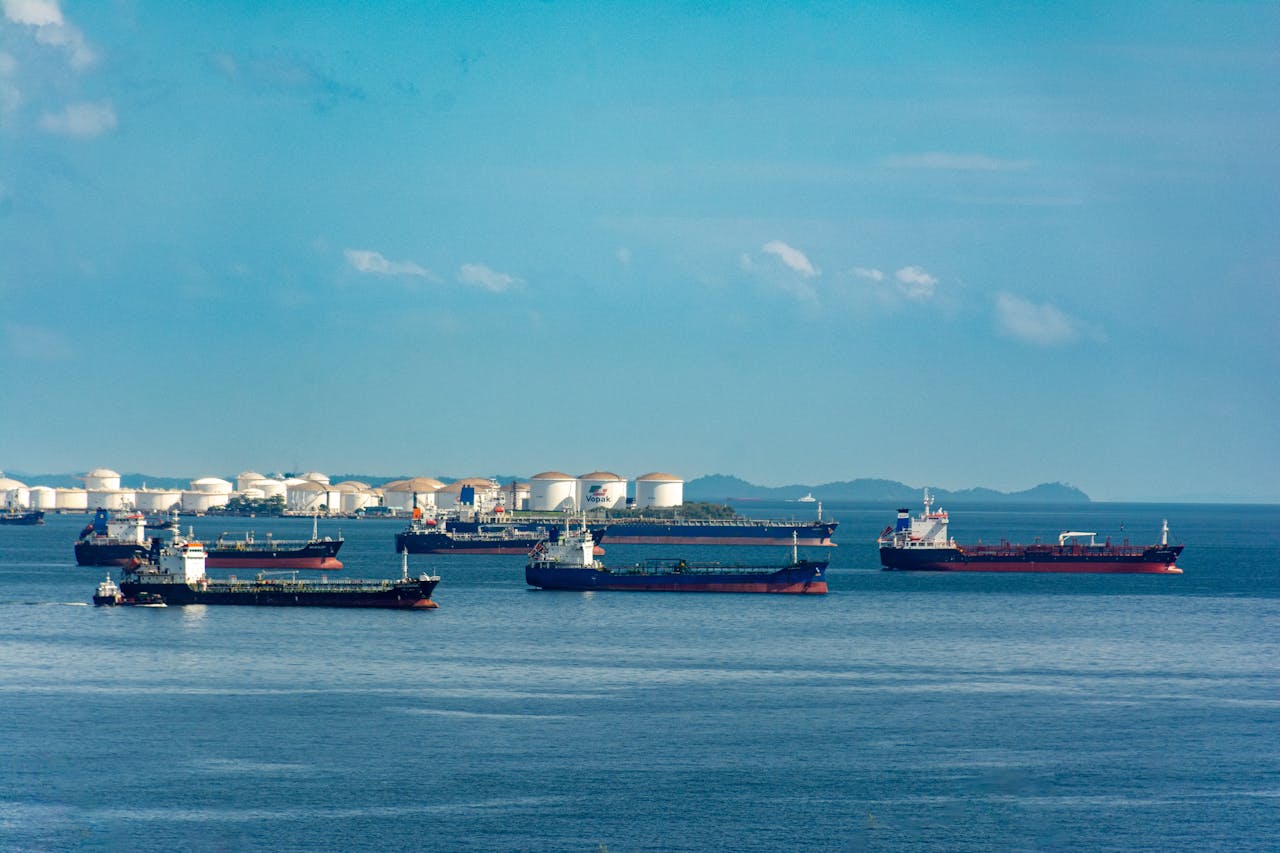
Recent shipping data confirms this trend. The Drewry World Container Index rose about 10% week on week and 12–15% from the pre-conflict level. Freight rates also increased by over 20% on Asia–Europe routes and around 10% on Asia–Mediterranean routes. Major carriers have added war-risk and fuel surcharges, while some have suspended services from Vietnam to the Middle East or stopped taking new bookings.
Seafood is likely to be hit hardest because it depends on cold-chain stability, reefer availability, and timely delivery. Higher freight costs, container shortages, and longer transit times all raise the risk of spoilage or price cuts. Fresh fruit exporters face similar challenges, as longer voyages can shorten shelf life and lead to rejected shipments.
By contrast, coffee, pepper, cashew, and some processed foods may be more resilient due to their longer shelf life and higher value. Still, they are not immune, as higher freight, insurance, and working-capital needs will continue to weigh on exporters.
Corporate case studies show where the pain is happening
Vietnamese firms are already feeling the impact
– Simexco DakLak said war-risk insurance had increased by up to USD 2,000 per container. Although the Middle East accounts for only about 8% of its coffee export revenue, it takes 18% of its pepper exports, making this segment more vulnerable. The company has suspended new orders to the region, asked buyers to speed up payment, and recalled some shipments to reduce risk.
– Vina T&T Group has pointed to growing risks for fresh fruit exports. With limited shelf life, longer transit times increase the chance of spoilage, rejection, or price cuts. In response, the company has shifted to fully controlled refrigerated containers, expanded cold storage, and negotiated loss-sharing arrangements with buyers, though these measures also raise costs.
– Transimex has also reported significant disruption. Since 40–50% of its cargo flows pass through the Middle East en route to Europe and the U.S. East Coast, route suspensions and shipment cancellations have forced the company to move goods back into storage and wait for alternative sailings. Higher fuel prices are also adding pressure across freight, insurance, and warehousing.
– In seafood, the main concern is profitability rather than market loss. Godaco Seafood said direct exposure to the Middle East remains limited, but rising fuel prices are pushing up transport, farming, and processing costs.
The Vietnamese stock market has responded sharply to these risks. Analysts have since argued that the market reaction reflects concerns over higher inflation, tighter monetary conditions, rising freight costs, and weaker growth expectations for fuel-sensitive and export-oriented sectors. Within agro-seafood and logistics, listed companies have already shown visible stress.
Market capitalization of some major companies in the agro-seafood sector
Unit: Billion VND
| Company | Code | Sector | Mar 2 | Mar 20 | Change |
| Vinh Hoan | VHC | Seafood | 14,410 | 13,377 | -1,033 |
| Minh Phu Seafood | MPC | Seafood | 7,340 | 6,297 | -1,043 |
| Nam Viet | ANV | Seafood | 7,189 | 6,190 | -999 |
| Vietnam Rubber Industry Group | GVR | Agriculture | 171,200 | 127,600 | -43,600 |
| PAN Group | PAN | Agriculture | 7,207 | 5,954 | -1,253 |
Source: Vietstock
Disruption is also creating selective opportunities
The story is not entirely negative. The same conflict that disrupts traditional supply chains is also pushing some overseas buyers to search for alternative suppliers. VietnamPlus reported that Dawnsky saw agricultural export orders rise roughly tenfold after the latest geopolitical tensions, especially from Middle Eastern and European markets. Another source from VIR noted that demand for fresh agricultural products has risen sharply in Europe as importers seek substitutes for disrupted supply from the Middle East and neighboring countries. These examples suggest that the war is not simply eliminating demand; it is redistributing orders toward exporters that can move fastest and manage logistics most flexibly.
This is an important distinction for Vietnam. The conflict is a negative macro shock, but it may still create micro-level winners. Exporters with strong distributor networks, diversified routing options, and the ability to renegotiate freight can sometimes gain market share even while overall costs rise. In other words, the challenge is less about whether global demand exists and more about which firms can still fulfill it profitably.
Conclusion
In sum, the U.S.–Iran war is likely to hurt Vietnam’s agro-seafood sector less through an immediate collapse in Middle Eastern demand than through a broader rise in logistics, insurance, fuel, and preservation costs. Seafood and fresh produce face the sharpest risks because they are the most time-sensitive and cold-chain dependent. Yet the disruption is also opening selective opportunities for agile Vietnamese exporters to capture replacement demand in Europe and some Gulf markets. The key policy and business challenge is therefore not simply to “withstand” the shock, but to respond faster than competitors.
Read more
* If you wish to quote any information from this article, please kindly cite the source along with the link to the original article to respect copyright.
| B&Company
The first Japanese company specializing in market research in Vietnam since 2008. We provide a wide range of services including industry reports, industry interviews, consumer surveys, business matching. Additionally, we have recently developed a database of over 900,000 companies in Vietnam, which can be used to search for partners and analyze the market. Please do not hesitate to contact us if you have any queries. info@b-company.jp + (84) 28 3910 3913 |
[1] https://vietnamnews.vn/economy/1767150/agriculture-sector-develops-scenarios-to-respond-to-export-risks.html
[2] https://wtocenter.vn/chuyen-de/29802-middle-east-tensions-push-up-logistics-costs-for-viet-nam-exports
Related article






















Log in / Register
SUBSCRIBE NEWSLETTER