

 日本語
日本語  English
  Tiếng Việt
  简体中文
简体中文  한국어
한국어 東南アジアの企業にとって、休日の影響は、事業の実現可能性、運転資金の要件、競争上の優位性を決定します。

2026年2月6日
最新ニュース&レポート / ベトナム速報
コメント: コメントはまだありません.
東南アジアは6億8,000万人の消費者を擁する市場である[1]東南アジアは、祝日カレンダーに関しては世界で最も分散した地域の一つです。西洋市場でクリスマスから新年にかけて一斉に休業するのとは異なり、東南アジアの5つの経済圏(ベトナム、タイ、インドネシア、マレーシア、フィリピン)では、多様な宗教的・文化的伝統に基づき、それぞれ異なる主要な祝日が設けられています。この地域の主要な祝日を理解することは、マーケティングカレンダーの計画だけにとどまりません。これらの祝祭日は、サプライチェーンの運営、労働力の確保、港湾の混雑、そして最も重要なキャッシュフローの動向に根本的な影響を与えます。東南アジアに投資する企業にとって、祝日の影響分析は、事業の実現可能性、運転資金の必要額、そして競争上の優位性を判断する上で重要です。
ビッグ3:ビジネスインパクトによる主要祝祭日の分類
東南アジアの祝祭日は9日から27日まで大きく異なり、地域計画で考慮すべきオペレーション停止リスクにばらつきが生じている。平均すると、祝祭日が最も多い国はインドネシアで、約27日である。そのうち、ラマダンの終了を祝う祭典であるイード・アル=フィトルが最も長く、約10日間続く。.
東南アジアの一部の国における祝祭日の比較
| 項目 | Vietnam | インドネシア | タイ | マレーシア | フィリピン |
| 主要な祝祭日 | テト(旧正月) | イード・アル=フィトル(レバラン) | ソンクラーン | ハリラヤ・プアサ | クリスマス・新年 |
| 通常の時期 | 1月下旬から2月中旬
毎年±10~15日変動(太陰暦) |
2月から5月まで(サイクルによって)変動
毎年10~11日ずつ前倒し(イスラム太陰暦) |
4月13日~4月16日(グレゴリオ暦) | 2月から5月まで(サイクルによって)変動
毎年10~11日ずつ前倒し(イスラム太陰暦) |
12月24日~1月2日
(グレゴリオ暦に固定) |
| 公式休日期間 | 7~10日 | 10~12日 | 5~7日 | 2~5日 | 10日超(非公式) |
| 生産への影響 | 全面停止: 工場が閉鎖され、テト後に100%の生産能力へ戻るまで2週間以上を要する。. | 全面停止: 全国的な「Cuti Bersama」(共同休暇)により製造を停止 | 部分停止: 重工業は停止し、観光・飲食業はピークを迎える。. | 中程度: 交代制勤務が維持されることが多い。. | 減速: 「ベル・マンス」[2] 10月からの国民性が効率に影響する。. |
| サプライチェーンリスク | 港湾が混雑し、小売中心の物流が逼迫する。通関も遅延する。. | 内陸物流(トラック輸送)が完全に停止する。. | 主要幹線道路が混雑するが、港湾は稼働を続ける。. | 祝祭日中もインフラは高いレジリエンスを維持する。. | 港湾が混雑し、小売中心の物流が逼迫する。. |
| 労働力の流動性 | 賞与支給後の転職が活発になる時期である。. | 「THR」(ボーナス)を受け取った後の離職率が高い。 | 労働力は比較的安定している。. | 近隣諸国と比べて離職率は低い。. | 1月以降は中程度の離職率となる。. |
出典:B&Company
旧正月クラスター:ベトナムのテト
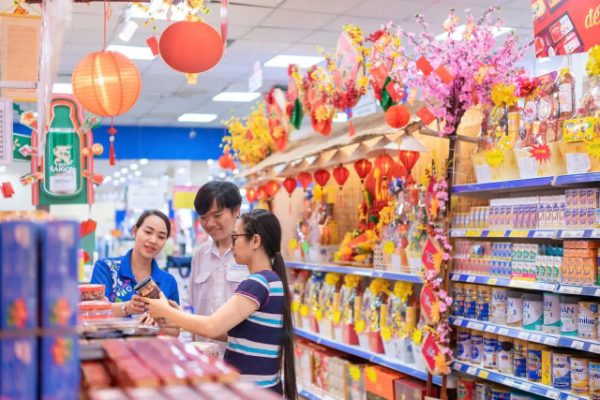
ベトナムのテト(旧正月)は、東南アジアで最も長期にわたる継続的な生産性ギャップを生み出しています。2026年のテトは2月14日が中心となりますが、操業への影響は8週間に及びます。工場は最低7~14日間閉鎖されますが、休暇前の減速と休暇後の生産再開を考慮すると、実際の混乱は20~25日間に及びます。「故郷への大量移動」現象により、数百万人の労働者が休暇の2週間前までに都市部の職場を離れます。ハイフォン市とホーチミン市の港湾活動は、企業が閉鎖前に出荷を急ぐため、テト前の2週間は深刻な混雑に見舞われます。また、ベトナムは旧正月休暇中に1,250万人の観光客を迎え、多くの地域で1兆ドンの売上を記録しました。[3].
Vietnamese people shopping for Tet
出典: Vnエコノミー
2026年のテト期間における総消費支出は1,534億米ドルに達すると予測され、2025年比で7.2%増加する[4]. 。テト期間中の消費支出は、従来型のカテゴリーに大きく集中している。NielsenIQによると、ベトナムのFMCG(生活必需品)セクターは過去3年間、安定した成長を維持しており、この短期間に集中するテト期間だけで年間FMCG売上高の約20%を占める。ベトナム人の消費行動は3段階のパターンを示す。テトの40日以上前から計画と早期購入が始まり、10~20日前に集中的な購買が行われ、テト後は医療サービス、スパ施術、個人的なぜいたく品など、自分へのご褒美消費へと移行する。.
テトはベトナム全土でオペレーションの大幅な減速を引き起こす。他の地域の祝祭日では事業活動が単に減速するのに対し、多くの業種で広範な操業停止が発生し、テト前、テト期間中、テト後を含めて15~20日間、生産性がほぼゼロとなる操業能力の低下が必要となることが多い。.
宗教行事の集中期
ラマダンとイード・アル=フィトル
インドネシアとマレーシアでは、ラマダンとイード・アル=フィトル(インドネシアではハリラヤ・イドゥル・フィトリ、マレーシアではハリラヤ・アイディルフィトリ)が主要な商戦期となる一方、フィリピンではクリスマスが中心となる。宗教的背景は異なるものの、これらの祝祭日は長期間にわたり消費パターンを根本的に変化させる。.
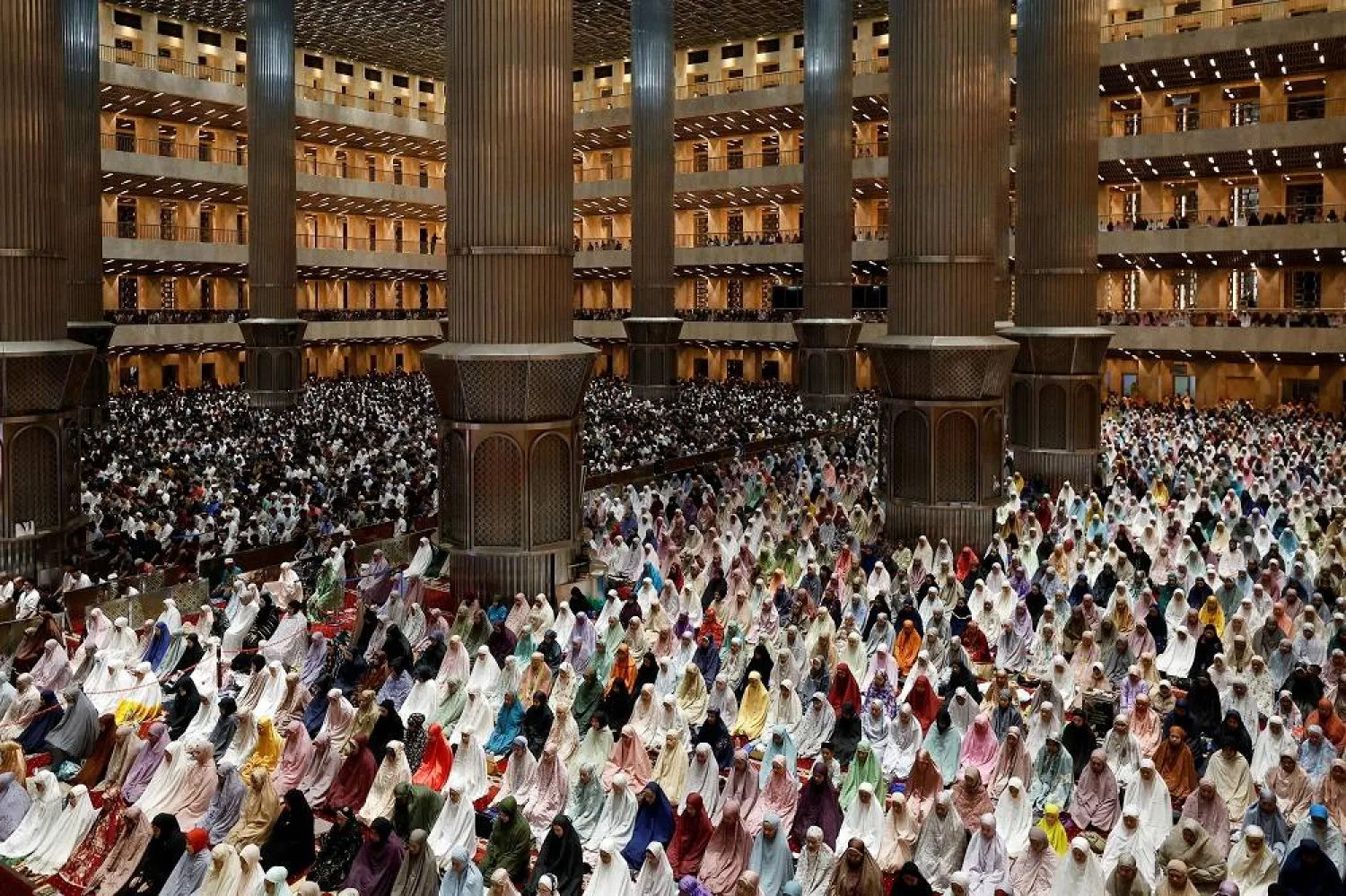
インドネシアとマレーシアでは、ラマダンによって1か月にわたりオペレーションが変化する。インドネシアでは、ラマダンに続き、消費の急増期と重なるイード期間中の資金流通額は、2025年に約83億3,000万米ドルに達すると見込まれていた[5]. 。ハリラヤ・イドゥル・フィトリの休日期間はレバランとしても知られ、ラマダンの断食月の終了を祝う祝祭である。インドネシアでは、2025年のレバランに伴い、通常、公式祝日2日、政府指定の一斉休暇日、週末を合わせて約10日間の休暇となる。一斉休暇の義務が公務員にのみ適用されるにもかかわらず、年間で最も長い休暇となる。.
インドネシアのイスラム教徒は、聖なる断食月ラマダンの初日の夜に「タラウィー」と呼ばれる夕方の集団礼拝に参加する。
出典: Asharq AI-awsat
ラマダン月からレバラン前にかけて、断食を行う従業員に配慮し、多くの企業が午前9時から午後4時までの勤務時間を採用するため、勤務時間は大きく変化する。消費者の買い物行動も逆転し、イフタール(ラマダン中に断食を終える夕食)後の午後5時から9時に小売活動がピークを迎える。レストランは日中に営業を休止する一方、夜間には需要が急増する。これにより複雑な物流対応が必要となる。キャパシティの調整は通常の「ホリデーラッシュ」として扱うことはできず、需要の急増は30日間にわたって毎日発生し、通常の営業時間外に生じるためである。.
ラマダンの最後の10日間は、商業活動がピークを迎える時期です。インドネシアの「ムディク」はベトナムの旧正月の大移動に似ており、2025年には1億4,650万人が移動すると予想されています。[6]物流が麻痺する。マレーシアの「バリック・カンポン」も同様のパターンを辿っているが、混乱はそれほど深刻ではない。
インドネシア政府は、レバラン(1月1日から12月31日までの1ヶ月分の給与に相当するトゥンジャンガン・ハリラヤ(THR)の義務的ボーナスを支給している。2025年には、政府は公務員に対し、50兆ルピアの早期THRを支出した。[7]. これにより、レバランの2~3週間前に予測可能な流動性の注入が生じ、企業はそれに応じてプロモーションのタイミングを設定できる。.
フィリピンのクリスマス
クリスマスは東南アジアで最も長い商戦期となります。「クリスマス・マンス」と呼ばれるこの時期には、クリスマス・マーケティングは9月から新年まで続き、前例のない4ヶ月間という期間となります。特定の長い週末としては、聖週間(聖木曜日から復活祭の日曜日)が4日間の休みとなることが多く、クリスマスと新年の前後の長期休暇も、1週間以上に及ぶ長期休暇となります。
Filipino Christmas

出典: Expat.com
祝祭日のピーク期間は通常12月24日から1月2日まで続き、その間、空港と海港は深刻な混雑状態となる。毎年12月には、ノーチェ・ブエナの夕食に間に合うよう、推定100万人の到着客がマニラに入る。帰省旅行に加え、ボラカイ、セブ、バギオなどの主要観光地でも訪問者数が急増する(例えば、ボラカイには2025年12月だけで227,828人が訪れた)。[8]. 12月は送金流入のピーク月でもあり、年間流入額の約9-10%を占めるのが一般的で、2024年12月だけで約37億米ドルに達した。[9].
水かけ祭りの集積地:タイのソンクラーン
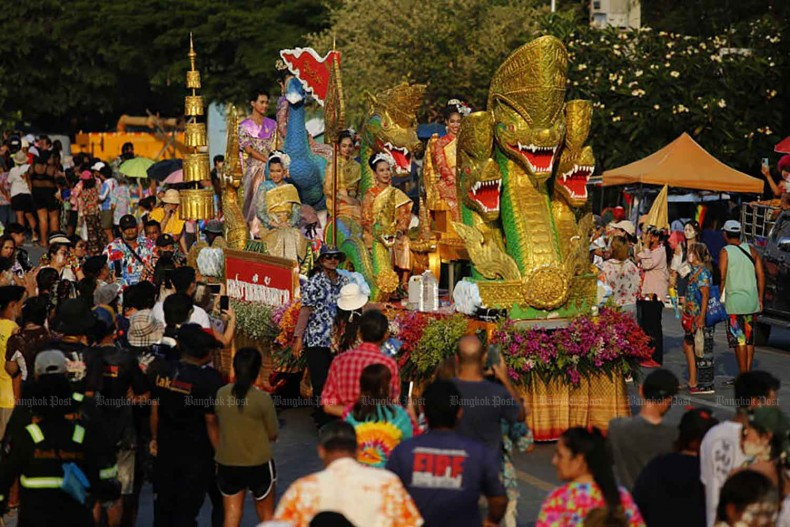
タイの伝統的な正月祭りであるソンクラーン(4月13日~16日)は、東南アジア最大級の観光イベントの一つに成長しました。2025年のソンクラーンは、ピーク週に66万6180人の海外からの観光客を集め、前週比10.73%増加しました。[10]. 主要工業地帯(ラヨーンやアユタヤなど)のほとんどの工場は、少なくとも5日間、完全に操業を停止する。労働者は通常、年次休暇を利用して休暇を9日または10日に延長する。.
The Thailand Songkran festival
出典: ベトナムプラス
ソンクラーンの影響は根本的に異なります。生産活動を停止させたり、消費時間を再配分したりするのではなく、ソンクラーンはホテル業界において短期間で大規模な供給増加を引き起こし、他の業界では短期的な混乱を引き起こします。ホテルは満室となり、高額な料金設定となります。交通機関は最大容量で運行され、飛行機や電車は数週間前から満席となります。企業活動は短期間ではあるものの全面的な停止に直面します。水かけ祭りのため、道路輸送は不安定になります。4~5日間の週末は、予測可能な物流の空白を生み出します。テトによる長期的な混乱やラマダンによる1ヶ月にわたる行動の変化とは異なり、ソンクラーンは短期間ではあるものの、決定的なものです。
事業への影響:業務実態の定量化
労働力と生産性:15~20日間の課題
東南アジアの祝日労働への影響は、欧米諸国をはるかに上回っています。ベトナムとインドネシアは最も深刻な課題に直面しています。ベトナムでは、テト期間中、公的機関および企業の公式休業は通常7~10日間続きます。しかし、製造施設、特に労働集約型の工場では、休業期間が15~20日間延長されることが多く、生産能力は休業開始から25~30日後にようやく徐々に正常化します。インドネシアのレバランでも同様の傾向が見られ、工場は7~10日間休業しますが、労働者は休暇を延長したり、すぐに復帰しなかったりするため、数週間にわたる人員不足が生じます。主要な祝日期間中も営業を続ける企業は、200~300兆円の賃金プレミアムを支払っています。労働集約型産業では、これらのプレミアムによって利益率が大幅に減少する可能性があります。
タイのソンクラーンとマレーシアのハリラヤは、通常、他の地域の祝祭日と比べて、より短期間で管理しやすい混乱をもたらす。主な差別化要因は、インフラと人口分布である。マレーシアでは、より強固な交通網と都市部・農村部により均等に分散した人口が、労働者の長期不在を抑えるのに役立つ。タイでは、ソンクラーン中にほぼ完全な4~5日間の操業停止が生じることが多い一方、祝祭日が終わると事業活動は概して速やかに回復する。.
消費支出:規模、タイミング、カテゴリーの変化
テト(旧正月)期間の商品需要は、年間平均と比べて72%を超えて増加すると予想される[11]インドネシアのラマダン・レバランも同様の傾向を示している。フィリピン人は休暇中に月収の331%、平均37,106フィリピンペソを費やしていることが判明した。[12].
テト後は、消費者が義務的な家族向け支出から自分へのご褒美の購入へと移行するため、ヘルスケア、美容サービス、外食などのカテゴリーが急増する。一方、別の分野では祝祭日後の急落が生じる。フィリピンのクリスマス後は、消費者が債務から立て直すため、1~2月の小売売上高が大幅に減少する。フィリピンの世帯の約60%がクリスマスのお祝いの資金調達で負債を抱え、2~4か月にわたる消費低迷をもたらす[13].
ベトナムとフィリピンでは、実物のギフト、食品バスケット、衣料品、電子機器への志向が依然として強い。タイとマレーシアでは、体験型消費、旅行、外食、娯楽がより強く、在庫管理にも異なる影響を与える。実物商品では祝祭日前に大幅な在庫積み増しが必要となり、キャッシュ面の圧力が生じる一方、体験型サービスではキャパシティ制約に直面する。.
2025年にはベトナムの電子商取引は前年比42%の成長を達成した。[14], それでも伝統的小売はテトの買い物の84%を占めている[15]. フィリピンでは、クリスマスシーズンの年間平均EC成長率が40%に達した[16]. ラマダンの慣習は、1日を通じた買い物客の行動にも影響を与える。2025年のマレーシアの断食期間中、EC取引は71%と、ラマダン前の期間の76%を下回った[17]. しかし、断食を終えた後は、EC売上がラマダン前の24%から29%へ増加する[18].
サプライチェーンと物流:予測可能な混乱への対応
ベトナムとインドネシアでは、テトとレバラン(旧正月)の2~3週間前に深刻な港湾混雑が発生します。ハイフォン港とホーチミン港では、コンテナ取扱量が40~60トン(トン)増加します。船舶の待機時間は通常2~3日から7~10日に延長されます。これは波及効果をもたらし、出荷の遅延、納期の遅延、海上輸送費の5~10倍の緊急航空貨物輸送などにつながります。東南アジアの国際ビジネスでは、欧州や北米の事業に比べて15~25トン(トン)も高い安全在庫が必要です。ジャストインタイム供給を行うメーカーは、テトまたはレバランの前に少なくとも3~4週間の余裕を確保する必要があります。
ムディック(雨期)とバリック・カンポン(雨期)は、一時的な交通システムの混乱を引き起こします。レバラン期間中のジャワ島の高速道路、そしてテト期間中のベトナムの南北回廊は、商業物流の通行が不可能になります。移動時間は6~8時間から15~20時間に延長されます。運送会社はこれらの期間中、予約を拒否することが多く、事実上7~10日間、道路貨物輸送が停止します。
投資家への戦略的提言
6か月の計画期間
東南アジアでの事業展開では、主要な祝日について少なくとも6ヶ月先の見通しが必要です。事業における旧正月の計画は8月から9月に開始する必要があります。レバランの準備は10月から11月に開始する必要があります。フィリピンのクリスマスは6月から7月に開始する必要があります。この長い期間には、基本的な業務上の決定、休日休業条項を含むサプライヤー契約、明確な方針を含む労働協約、休日前の締め切りを明記した物流契約、在庫積み増しやボーナスのための資金調達のための資金繰りが含まれます。12月に旧正月の計画を開始したり、2月にレバランの準備を開始したりする企業は、業務の未熟さを示しており、混乱、収益の損失、あるいは資金繰りの悪化につながる可能性があります。
現地に即した人事方針:コンプライアンスを超えて
東南アジアの労働市場は、主要な祝日期間中は文化的な論理に基づいて運営されます。労働者がテト、レバラン、クリスマスに帰省することは、もはや交渉の余地がありません。大手メーカーは現在、「早期休暇・早期復職」ボーナスを提供しており、2~3日遅く出発し、2~3日早く帰省する労働者に割増賃金を支払っています。5~7日の操業延長は、15~20%の生産時間増加を意味します。これらのボーナス(通常は月給の20~30%)のコストは、生産量の減少よりもはるかに安価です。柔軟な休日スケジュール設定も、新たなツールとなります。労働者が太陰暦(テト)または太陽暦(クリスマス/正月)の休暇を選択できるようにすることで、部分的な操業が可能になります。マレーシアでは、先進的なメーカーがハリラヤ、旧正月、ディパバリの前後で操業停止期間をずらし、年間を通して60~70%の生産能力を維持しています。
複数国への分散:戦略的優位性
複数の市場で事業を展開する企業は、休日カレンダーの分散を競争優位性として活用しています。ベトナムが旧正月で休業する間、タイとフィリピンは通常通り営業します。インドネシアがレバランを祝う間、ベトナムとタイは生産能力を維持します。小売業や消費者向けビジネスでは、休日カレンダーの分散化により年間を通して収益が確保され、ベトナムの旧正月(1月~2月)、インドネシアのレバラン(3月~4月)、タイのソンクラーン(4月)、フィリピンのクリスマス(9月~12月)にピークを迎え、四半期を通して収益が安定します。
まとめ
東南アジアの分散した休日カレンダーは、この地域で最も過小評価されているビジネス課題の一つであり、同時に最も重要な競争優位性でもあります。休日が同期している市場とは異なり、東南アジアには「閑散期」はありません。常にどこかにチャンスが潜んでいるのです。
東南アジア経済が成長を続け、グローバルサプライチェーンとの統合が進むにつれ、祝日の影響を理解することがますます重要になっています。この地域の文化的多様性は減少するどころか、繁栄によってより充実した伝統行事が実現するにつれて、さらに強まっています。祝日の運営を巧みに行う企業は、単に生き残るだけでなく、東南アジアの祝日を、予測可能で管理しやすく、収益性の高いリズムとして捉えるのではなく、単なる邪魔として扱う競合他社から市場シェアを奪取するのです。
* この記事からの情報を引用する場合は、著作権を尊重するために、元の記事へのリンクと共に出典を引用してください。.
| B&Company
2008年からベトナムで市場調査を専門とする初の日本企業です。業界レポート、業界インタビュー、消費者調査、ビジネスマッチングなど、幅広いサービスを提供しています。さらに、最近ではベトナム国内の90万社以上のデータベースを開発しており、パートナーを検索したり、市場を分析したりするために利用できます。. ご不明点がございましたら、お気軽にお問い合わせください。. info@b-company.jp + (84) 28 3910 3913 |
続きを読む
[1] https://www.bain.com/about/media-center/press-releases/sea/e-conomy-sea-2025/
[2] “「Ber-months」とは、9月から12月までの期間を指す。各月の英語名が「-ber」で終わることに由来し、特にフィリピンでは、祝祭日とショッピングのピークシーズンと一般的に結び付けられている。.
[3] https://thongke.tourism.vn/index.php/news/items/243
[4] https://marketingai.vn/xu-huong-tieu-dung-tet-194251120163212657.htm
[5] https://jakartaglobe.id/business/eid-travel-and-spending-decline-in-2025-government-pushes-stimulus
[6] https://www.straitstimes.com/asia/se-asia/hari-raya-exodus-in-indonesia-comes-early-amid-work-from-anywhere-policy
[7] https://expatindonesia.id/2025/weaker-ramadan-spending-puts-pressure-on-economy/
[8] https://www.panaynews.net/year-end-tourism-boom-boracay-island-caps-2025-with-record-december-surge-tops-227000-visitors/
[9] https://www.bsp.gov.ph/SitePages/MediaAndResearch/MediaDisp.aspx?ItemId=7426
[10] https://thailand.prd.go.th/en/content/category/detail/id/2078/iid/382627
[11] https://en.vneconomy.vn/tet-shopping-demand-to-surge-72-above-annual-average.htm
[12] https://businessmirror.com.ph/2021/12/01/filipinos-spend-331-of-monthly-income-on-christmas/
[13] https://www.finmerkado.ph/post/hidden-cost-of-filipino-christmas
[14] https://en.vneconomy.vn/e-commerce-in-upward-trend-1250945.htm
[15] https://nielseniq.com/global/en/insights/analysis/2025/winning-vietnams-tet-holiday-optimizing-fmcg-growth-for-the-next-season/
[16] https://business.inquirer.net/496955/pinoys-urged-to-practice-responsible-spending-during-christmas-season
[17] https://malaysian-business.com/wptest/2026/01/20/online-retail-and-travel-purchases-in-malaysia-increase-in-the-lead-up-to-ramadan/
[18] https://malaysian-business.com/wptest/2026/01/20/online-retail-and-travel-purchases-in-malaysia-increase-in-the-lead-up-to-ramadan/
関連記事














ログイン / 新規登録
ニュースレターを購読する