

 简体中文
简体中文  English
  日本語
日本語  Tiếng Việt
  한국어
한국어 对于东南亚企业而言,节假日的影响决定了其运营可行性、营运资金需求和竞争地位。
062 月2026
最新新闻与报告 / 越南简报
评论: 没有评论.
东南亚拥有6.8亿消费者,代表着一个庞大的市场[1]然而,就节假日安排而言,东南亚仍然是全球最分散的地区之一。与西方市场同步的圣诞节和新年假期不同,东南亚五大经济体——越南、泰国、印度尼西亚、马来西亚和菲律宾——的主要节假日各不相同,这主要受不同的宗教和文化传统影响。了解该地区的主要节假日远不止于制定营销日程。这些节日从根本上影响着供应链运营、劳动力供应、港口拥堵,以及最为关键的现金流动态。对于投资东南亚的企业而言,节假日影响分析决定着其运营可行性、营运资金需求和竞争地位。
三大节日:按商业影响对主要节假日进行分类
东南亚各国公共假期天数差异很大,从9天到27天不等,由此产生不均衡的运营停工风险,企业在区域规划中必须予以考虑。平均而言,公共假期天数最多的国家是印度尼西亚,约为27天,其中开斋节(标志着斋月结束的节日)是持续时间最长的假期,约为10天。.
部分东南亚国家节假日对比
| 特征 | Vietnam | 印度尼西亚 | 泰国 | 马来西亚 | 菲律宾 |
| 主要节日 | 春节(农历新年) | 开斋节(Lebaran) | 宋干节 | Hari Raya Puasa | 圣诞节与新年 |
| 通常日期 | 1月下旬至2月中旬
每年变化±10-15天(农历) |
2月至5月期间情况有所不同(按周期变化)
每年提前10-11天(伊斯兰阴历) |
4月13日至4月16日(固定为公历日期) | 2月至5月期间情况有所不同(按周期变化)
每年提前10-11天(伊斯兰阴历) |
12月24日至1月2日
(固定遵循公历) |
| 法定时长 | 7-10天 | 10-12天 | 5-7天 | 2-5天 | 10天以上(非正式) |
| 生产影响 | 全面停工: 工厂关闭;春节后需要2周以上才能恢复至100%产能。. | 全面停工: 全国“Cuti Bersama”(联合休假)停止生产 | 部分停工: 重工业暂停;旅游业和餐饮业进入旺季。. | 中等: 通常维持轮班运营。. | 放缓: “Ber月份”[2] 从10月起,心态会影响效率。. |
| 供应链风险 | 港口拥堵,物流以零售运输为主。海关通关速度放缓。. | 内陆物流(卡车运输)完全停止。. | 主要公路拥堵;港口保持开放。. | 节日期间基础设施仍具高度韧性。. | 港口拥堵,物流以零售运输为主。. |
| 劳动力流动 | 奖金发放后是跳槽高峰期。. | 收到“THR”(奖金)后人员流动率很高。 | 劳动力相对稳定。. | 与邻国相比,人员流动率较低。. | 1月后人员流动率中等。. |
B&Company 的合成
农历新年集群:越南春节
越南春节(农历新年)造成了东南亚持续时间最长的生产力中断。2026年的春节以2月14日为中心,但其对生产运营的影响将持续8周。工厂至少停工7-14天,考虑到节前减产和节后复工,实际停工时间可能达到20-25天。大规模返乡潮导致数百万工人提前两周离开城市工作岗位。春节前两周,海防和胡志明市的港口交通严重拥堵,因为企业都在赶在停工前完成货物运输。此外,越南在春节期间还接待了1250万游客,许多地方的旅游收入高达万亿越南盾。[3].
Vietnamese people shopping for Tet
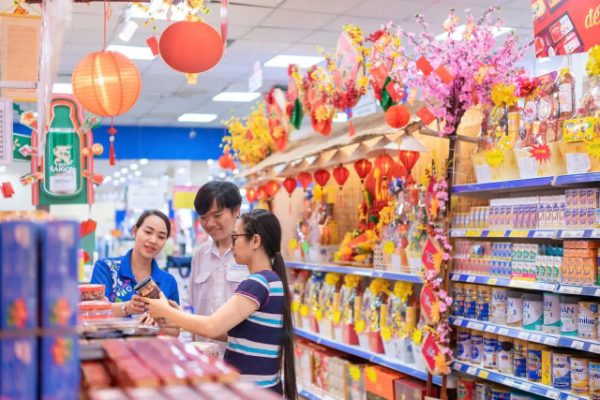
来源: 越南经济
预计2026年春节总消费将达到1534亿美元,较2025年增长7.2%[4]. 。春节期间的消费者支出仍高度集中于传统品类。NielsenIQ确认,越南快速消费品(FMCG)行业在过去三年保持稳定增长,春节消费约占这一集中消费期内全年FMCG收入的20%。越南消费者行为呈现三个阶段:春节前40天以上开始规划和提前购买,节前10-20天进入集中采购期,春节后则转向医疗服务、水疗护理和个人享受等自我奖励型消费。.
春节会导致越南整体运营显著放缓。不同于其他地区节日仅令商业活动减速,许多行业会出现大范围停滞,通常需要15-20天(包括春节前、春节期间和春节后)以降低运营能力,生产效率几乎为零。.
宗教节日集群
斋月与开斋节
印度尼西亚和马来西亚都将斋月与开斋节(印度尼西亚称Hari Raya Idul Fitri,马来西亚称Hari Raya Aidilfitri)作为主要商业旺季,而菲律宾则以圣诞节为核心。尽管宗教背景不同,这些节日都会在较长时期内从根本上改变消费模式。.
印度尼西亚和马来西亚的斋月会使运营活动在整整一个月内发生变化。在印度尼西亚,2025年开斋节期间的资金流通规模(该节日紧随斋月之后,并与消费激增期重叠)预计将达到约83.3亿美元[5]. 。Hari Raya Idul Fitri节日期间也称为Lebaran,是庆祝斋月这一禁食月结束的节日。在印度尼西亚,2025年Lebaran通常会带来约10天的休假,由2天法定假日、政府指定的集体休假日和周末组成;尽管集体休假仅对公务员具有强制性,但这仍是全年持续时间最长的假期。.
印尼穆斯林在斋月的第一晚参加名为“泰拉威”(Tarawih)的晚间集体祈祷。

来源: Asharq AI-awsat
在斋月期间、开斋节之前,工作时间会发生显著变化,许多企业采用上午9点至下午4点的工作安排,以适应需要禁食的员工。消费者购物行为则发生逆转,零售活动高峰出现在开斋后的下午5点至晚上9点(开斋餐,即斋月期间用于结束每日禁食的晚餐)。餐厅在白天歇业,但晚间需求会大幅上升。这给物流带来了复杂挑战,因为产能调整不能被视为典型的“节日高峰”;相反,需求激增会在30天期间每日发生,并且出现在正常营业时间之外。.
斋月最后十天是商业活动的高峰期。印尼的“返乡潮”(mudik)类似于越南的春节大迁徙,预计到2025年将有1.465亿人返乡。[6]造成物流瘫痪。马来西亚的“返乡潮”也遵循类似的模式,但受到的影响较小。
印尼政府规定,公务员在开斋节前会收到相当于一个月工资的开斋节奖金(Tunjangan Hari Raya,简称THR)。2025年,政府已向公务员提前发放了50万亿印尼盾的开斋节奖金。[7]. 。这会在开斋节前2至3周形成可预测的流动性注入,使企业能够据此安排促销活动。.
菲律宾的圣诞节
圣诞节造就了东南亚最长的商业旺季。从九月开始,一直持续到新年,长达四个月的“ber”月份(指9月至11月)是圣诞节营销的旺季,前所未有。此外,圣周(从濯足节到复活节)通常会带来四天的假期,而圣诞节和新年期间的年末长假也提供了相当长的休息时间,有时甚至长达一周或更久。
Filipino Christmas

来源: Expat.com
节日高峰期通常从12月24日持续至次年1月2日,在此期间,机场和海港均处于严重拥堵状态。据估计,每年12月约有100万名抵达者进入马尼拉,以便赶上诺切布埃纳晚餐。除返乡出行外,长滩岛、宿务和碧瑶等主要旅游目的地的游客数量也会急剧增加(例如,仅2025年12月,长滩岛就接待了227,828名游客)[8]. 。12月同样是入境汇款的高峰月份,通常约占全年流入额的9-10%,仅2024年12月就达到约37亿美元[9].
泼水节系列:泰国泼水节
泰国泼水节(4月13日至16日)是泰国传统的新年庆祝活动,已发展成为东南亚最大的旅游盛事之一。2025年的泼水节在高峰周吸引了666,180名国际游客,比上一周增长了10.731万吨。[10]. 。主要工业区的大多数工厂(例如罗勇府和大城府的工厂)会完全停工至少五天。员工通常会使用年假,将假期延长至九天或十天。.
The Thailand Songkran festival
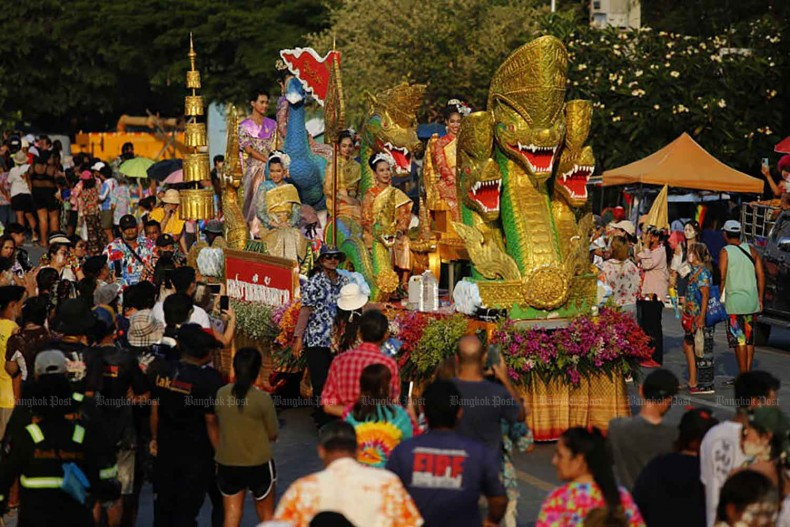
来源: 越南加
泼水节的影响与春节截然不同。它不会像春节那样导致生产停滞或重新分配消费时间,而是会在酒店业造成短暂但巨大的产能激增,同时在其他方面造成短期混乱。酒店入住率爆满,价格也水涨船高。交通运输也达到满负荷运转,航班和火车票提前数周就被预订一空。企业运营面临短暂但彻底的停工。由于泼水节的庆祝活动,公路交通变得不可靠。这四五天的周末假期造成了可预见的物流缺口。与春节的长期混乱或斋月长达一个月的行为转变不同,泼水节的影响短暂却影响深远。
商业影响:量化运营现实
劳动力与生产率:15至20天的挑战
东南亚节假日对劳动力市场的影响远超西方国家。越南和印尼面临的挑战最为严峻。在越南,春节期间,官方公共部门和企业的停工通常持续7-10天;然而,制造业,尤其是劳动密集型工厂,往往会停工15-20天,由于工人返岗延迟,生产能力往往在节后25-30天才能逐步恢复正常。印尼的开斋节也存在类似情况,工厂停工7-10天,但工人会延长休假或未能及时返岗,导致持续数周的劳动力短缺。在重大节假日期间继续运营的企业需要支付200-300万越南盾的工资溢价。对于劳动密集型行业而言,这些溢价可能会大幅降低利润率。
与其他地区性节日相比,泰国宋干节和马来西亚开斋节通常造成的运营中断更短暂、也更易于管理。基础设施和人口分布是关键差异因素。在马来西亚,更完善的交通网络以及分布更均衡的城乡人口,有助于限制劳动力长期缺勤。在泰国,尽管宋干节往往会导致运营近乎全面停摆4至5天,但节日结束后,商业活动通常会迅速恢复。.
消费者支出:规模、时点与品类变化
预计越南春节(农历新年)期间的商品需求将较年度平均水平上升超过72%[11]印尼的斋月和开斋节也呈现出类似的消费集中趋势。调查发现,菲律宾人在假期期间平均花费了月收入的331%,平均每人37106菲律宾比索。[12].
春节过后,随着消费者从义务性的家庭支出转向自我奖励型消费,医疗保健、美容服务和餐饮等品类的需求会激增。相反,其他领域则会在节后出现下滑。菲律宾圣诞节过后,消费者偿还债务,导致1月至2月的零售销售额大幅下降。约有60%的菲律宾家庭会通过负债为圣诞庆祝活动提供资金,从而形成持续2至4个月的消费低迷期[13].
越南和菲律宾仍高度偏好实物礼品、食品礼篮、服装和电子产品。泰国和马来西亚的体验型消费更为突出,包括旅行、餐饮和娱乐,这对库存管理产生了不同影响。实物商品需要在节前大幅增加库存(造成现金流压力),而体验型服务则面临产能约束。.
2025年,越南电子商务规模达到421TP3万亿美元,同比增长[14], ,但传统贸易渠道仍占据春节购物的84%[15]. 。菲律宾在圣诞季的电子商务年均增长率达到40%[16]. 。斋月传统也会影响消费者全天的购物行为。2025年马来西亚禁食期间,电子商务交易额较低,为71%,而斋月前一时期为76%[17]. 。然而,开斋后电子商务销售额会增加至29%,高于斋月前的24%[18].
供应链与物流:管理可预测的中断
越南和印尼在春节和开斋节前2-3周会出现严重的港口拥堵。海防港和胡志明市港的集装箱吞吐量激增40-601吨/3吨。船舶等待时间从通常的2-3天延长至7-10天。这会引发一系列连锁反应——货物延迟交付、错过交货窗口,以及紧急空运成本高达海运成本的5-10倍。东南亚的国际企业所需的安全库存比欧洲或北美企业高出15-251吨/3吨。采用准时制生产的制造商必须在春节或开斋节前至少保持3-4周的缓冲库存。
返乡和返乡潮会造成交通运输系统暂时瘫痪。爪哇岛的公路在开斋节期间,以及越南的南北走廊在春节期间,都会因交通堵塞而无法通行,商业物流难以开展。行程时间从6-8小时延长至15-20小时。货运公司通常会在这些时期拒绝接受预订,导致公路货运实际上停滞7-10天。
投资者的战略建议
六个月的规划周期
东南亚地区的业务运营至少需要提前六个月规划重大节假日。例如,春节的筹备工作需要在八九月份就开始,开斋节的准备工作则需要在十月初到十一月初启动,而菲律宾的圣诞节则需要在六七月份就开始着手准备。如此长的准备时间是为了确保公司能够做出必要的运营决策,例如签订包含节假日停工条款的供应商合同、制定明确的劳动政策、签订包含节前截止日期的物流合同,以及安排资金用于库存建设和发放奖金。如果公司在十二月才开始春节的筹备工作,或者在二月才开始准备开斋节,则表明其运营不够成熟,很可能导致业务中断、收入损失或资金短缺。
本地化人力资源政策:超越合规要求
在东南亚,节假日期间的劳动力市场运作遵循文化逻辑。员工回家过春节、开斋节或圣诞节是理所当然的。如今,一些大型制造商提供“提前休假、提前返回”的奖励,即支付额外费用鼓励员工晚2-3天下班,提前2-3天返回。5-7天的运营延期意味着可以增加15-20万吨的生产时间。这些奖励(通常相当于20-30万吨的月薪)远低于生产损失的成本。灵活的假期安排是另一种有效手段。允许员工选择春节或圣诞节/新年假期,可以实现部分运营。在马来西亚,一些成熟的制造商会错开开斋节、春节和屠妖节的停工时间,从而全年保持60-70万吨的产能。
多国业务多元化:战略优势
跨多个市场运营的公司利用节假日安排的差异化优势来获取竞争优势。例如,越南春节期间停工,而泰国和菲律宾则照常营业。印尼庆祝开斋节时,越南和泰国仍保持产能。对于零售和消费品企业而言,节假日安排的多元化能够带来全年稳定的收入,并在越南春节(1-2月)、印尼开斋节(3-4月)、泰国泼水节(4月)和菲律宾圣诞节(9-12月)期间达到收入高峰,从而平滑各季度的收入波动。
结论
东南亚地区零散的节假日安排既是该地区最被低估的商业挑战之一,也是其最重要的竞争优势。与节假日安排统一的市场不同,东南亚没有所谓的“淡季”——在这个地区,总有商机。
随着东南亚经济持续增长并融入全球供应链,了解节假日的影响变得愈发重要。该地区的文化多样性不仅没有减弱,反而随着经济繁荣而更加丰富,人们可以更充分地庆祝传统节日。那些能够驾驭节假日运营的企业不仅能够生存下来,还能从那些将东南亚节假日视为不幸干扰而非可预测、可管理且有利可图的节奏的竞争对手手中夺取市场份额。
* 如果您希望引用本文中的任何信息,请同时注明来源并附上原文链接,以尊重版权。.
| B&Company
自2008年以来,第一家专注于越南市场研究的日本公司。我们提供广泛的服务,包括行业报告、行业访谈、消费者调查、商业匹配。此外,我们最近开发了一个包含超过900,000家越南公司的数据库,可用于寻找合作伙伴和分析市场。. 如果您有任何疑问,请随时与我们联系。. info@b-company.jp + (84) 28 3910 3913 |
阅读更多
[1] https://www.bain.com/about/media-center/press-releases/sea/e-conomy-sea-2025/
[2] “Ber-months”指9月至12月这段时期,名称源自这些月份英文名称均以“-ber”结尾,通常与节日和购物高峰季相关,尤其是在菲律宾。.
[3] https://thongke.tourism.vn/index.php/news/items/243
[4] https://marketingai.vn/xu-huong-tieu-dung-tet-194251120163212657.htm
[5] https://jakartaglobe.id/business/eid-travel-and-spending-decline-in-2025-government-pushes-stimulus
[6] https://www.straitstimes.com/asia/se-asia/hari-raya-exodus-in-indonesia-comes-early-amid-work-from-anywhere-policy
[7] https://expatindonesia.id/2025/weaker-ramadan-spending-puts-pressure-on-economy/
[8] https://www.panaynews.net/year-end-tourism-boom-boracay-island-caps-2025-with-record-december-surge-tops-227000-visitors/
[9] https://www.bsp.gov.ph/SitePages/MediaAndResearch/MediaDisp.aspx?ItemId=7426
[10] https://thailand.prd.go.th/en/content/category/detail/id/2078/iid/382627
[11] https://en.vneconomy.vn/tet-shopping-demand-to-surge-72-above-annual-average.htm
[12] https://businessmirror.com.ph/2021/12/01/filipinos-spend-331-of-monthly-income-on-christmas/
[13] https://www.finmerkado.ph/post/hidden-cost-of-filipino-christmas
[14] https://en.vneconomy.vn/e-commerce-in-upward-trend-1250945.htm
[15] https://nielseniq.com/global/en/insights/analysis/2025/winning-vietnams-tet-holiday-optimizing-fmcg-growth-for-the-next-season/
[16] https://business.inquirer.net/496955/pinoys-urged-to-practice-responsible-spending-during-christmas-season
[17] https://malaysian-business.com/wptest/2026/01/20/online-retail-and-travel-purchases-in-malaysia-increase-in-the-lead-up-to-ramadan/
[18] https://malaysian-business.com/wptest/2026/01/20/online-retail-and-travel-purchases-in-malaysia-increase-in-the-lead-up-to-ramadan/
相关文章














登录 / 注册
订阅新闻通讯