

 简体中文
简体中文  English
  日本語
日本語  Tiếng Việt
  한국어
한국어 许多印尼消费者选择拒绝或抵制被认为与战争实施者有关联的全球公司的产品。

0611 月2025
最新新闻与报告 / 越南简报
评论: 没有评论.
加沙战争等全球地缘政治冲突所产生的影响远远超越政治层面。在印度尼西亚,公众对这些事件的回应已体现为消费者行为的变化。人们不仅在选择购买什么,也在选择向谁购买,并使其购买决策与自身价值观保持一致。.
许多印度尼西亚消费者选择拒绝或抵制被认为与战争肇事者有关联的全球企业产品。这一转变扰乱了商业格局,削弱了长期占据主导地位的国际品牌的优势,也为本土品牌打开了发展空间。这些品牌从这一运动中获得了意外收益,提升了市场份额,并巩固了其在国内市场的地位。.
抵制运动及其对全球品牌的影响
抵制运动于2023年末开始在印度尼西亚各地获得显著势头,主要受到以色列—巴勒斯坦冲突升级后公众情绪升温的推动。社交媒体以及‘No Thanks’等应用程序在其中发挥了重要作用,这些工具帮助消费者仅通过扫描条形码即可识别产品的原产地及其关联方。.
随着这一运动不断升温,多个全球品牌承受了压力。其中较为典型的是FMCG产品。.
PT Unilever Indonesia Tbk.案例
全球FMCG巨头PT Unilever Indonesia Tbk.在2023年第四季度的销售额较2023年第三季度下降15%,净利润同比下降10.5%至4.8万亿印尼盾。截至2024年第三季度,其在印度尼西亚的市场份额也从38.5%降至34.9%。.
这一业绩下滑也反映在投资者情绪上:Unilever Indonesia的股价从2023年10月6日的3,800印尼盾降至2024年2月的2,590印尼盾,下降31.8%。到2024年10月,即加沙冲突爆发一年后,该股进一步跌至1,960印尼盾,同比下降48.4%。这一持续下跌凸显了抵制运动对企业长期财务表现的影响。.
根据 Compas Market Insight Dashboard,消费者健康、食品和饮料行业的销售额降幅最为显著,2024年6月2日至15日期间平均下降16.5%,这主要是由于抵制活动的广泛影响 “All Eyes on Rafah”[1] 抵制活动。2024年6月2日至15日期间,抵制活动的影响在多个产品类别中均可测量:
– 抵制名单所列的37个母婴产品类别中,92%出现销售额下降。.
– 在消费者健康领域,29个关联品牌中有74%的销售额较前两周下降。.
– 同样,在食品和饮料领域,75个遭抵制品牌中有74%报告销售额下降。.
– 即使在美容和个人护理品类中,85个品牌也有62%出现销售势头下滑。.
– 这种广泛的下降表明,抵制活动显著重塑了消费者的购买行为,反映出印度尼西亚日益兴起的具有社会意识的消费浪潮。.
GoodStats.id的一项调查[2] 进一步印证了这一行为转变:
– 2%的印度尼西亚受访者支持抵制与以色列有关联的产品
– 其中,77.2%积极参与了抵制活动
推动这一转变的动因包括:
– 声援巴勒斯坦:68.1%
– 向以色列施压的意愿:55.3%
– 宗教/道德考量:30%
此外,55.1%的受访者认为,抵制运动能够有效影响以色列的行动。.
从本质上看,这一趋势不仅是短期反应,更凸显了消费者价值观的结构性转变。印度尼西亚消费者正在表明,品牌声誉日益与企业的道德立场和政治立场相关联,迫使全球FMCG企业重新评估其市场策略、利益相关方参与方式及企业社会责任框架,以维持长期品牌资产。.
替代品和本土企业的崛起
本土品牌崛起:道德消费重塑印度尼西亚快速消费品市场
如今,价值观和道德理念在塑造消费者购买决策方面发挥着关键作用。随着消费者意识和社会行动主义不断增强,尤其是在地缘政治事件的推动下,许多印度尼西亚消费者正有意识地抵制被认为与其道德立场相悖的品牌。自然,这一行为转变促使消费者寻求更符合自身价值观的本土替代品牌。.
这一趋势给跨国企业带来了显著阻力,同时也为国内企业,尤其是在个人护理、家庭护理、美容以及母婴品类的企业,释放了前所未有的机遇。Unilever Indonesia 一直是这些领域的主导企业,但由于被认为与以色列存在关联,其主导地位已受到削弱。.
家庭护理细分市场
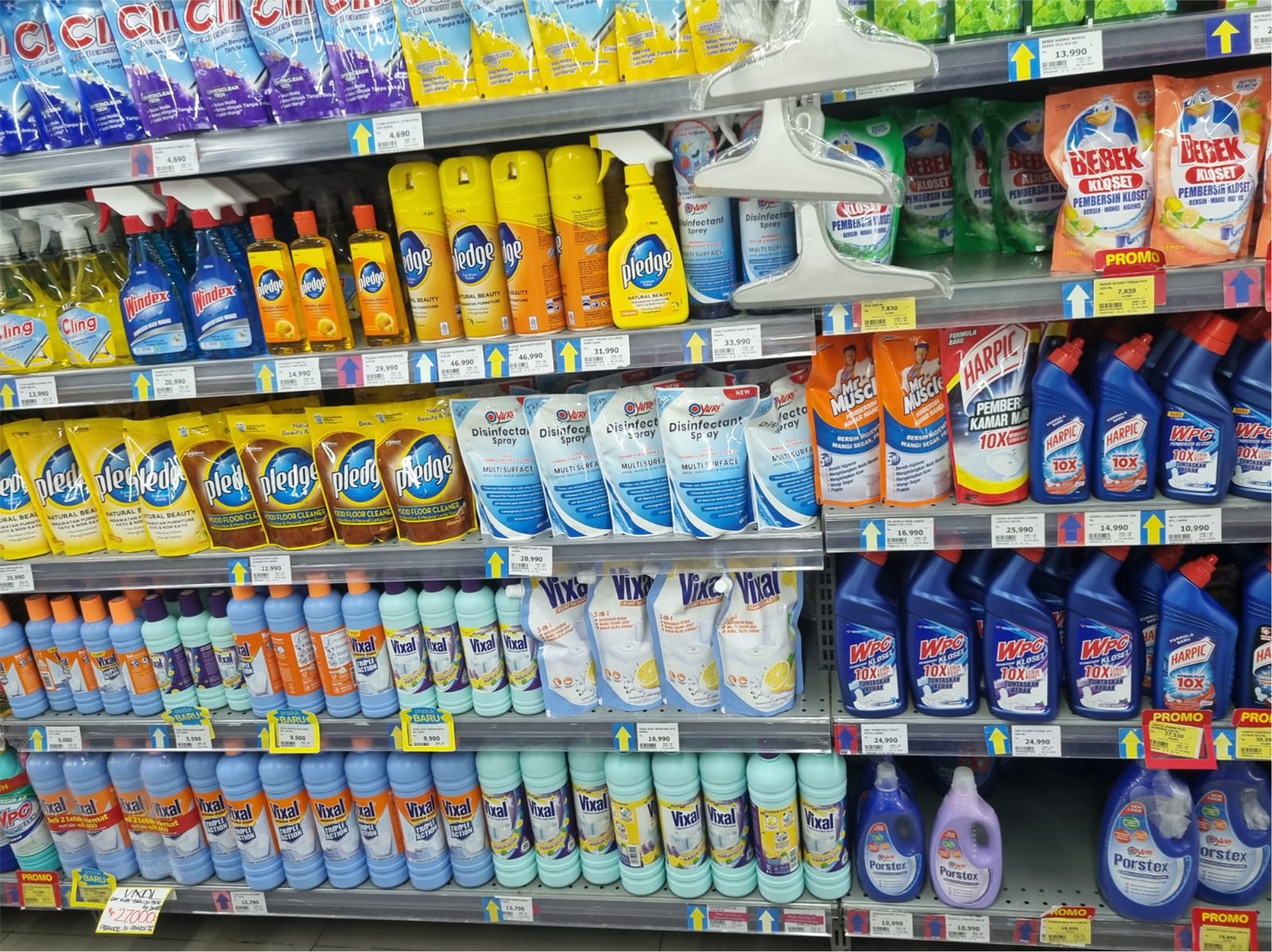
家庭护理细分市场的本土企业明显增多,Wings Group 成为了抵制效应的主要受益者之一。Wings 的竞争优势在于亲民的定价和广泛的分销网络,使其能够同时吸引价格敏感型消费者和具有道德诉求的消费者。因此,Wings 旗下的 SoKlin 和 Daia 等品牌正日益成为 Unilever 旗下 Rinso 的首选替代品。.
另一家重要企业 PT Kino Indonesia 凭借覆盖个人护理、家庭护理和医疗保健品类的多元化产品组合,把握住了这一趋势,其 Ovale 护肤系列正逐渐赢得市场份额,成为 Unilever 旗下 Dove 和 Pond’s 的竞争品牌。这一转变表明,印度尼西亚消费者的驱动因素不仅是可负担性,也包括品牌是否符合本土价值观,以及在全球争议背景下是否被视为保持道德中立。.
Home Care products in a supermarket in Indonesia
来源:Central Insight
美容与个人护理细分市场:本土品牌加速扩大优势
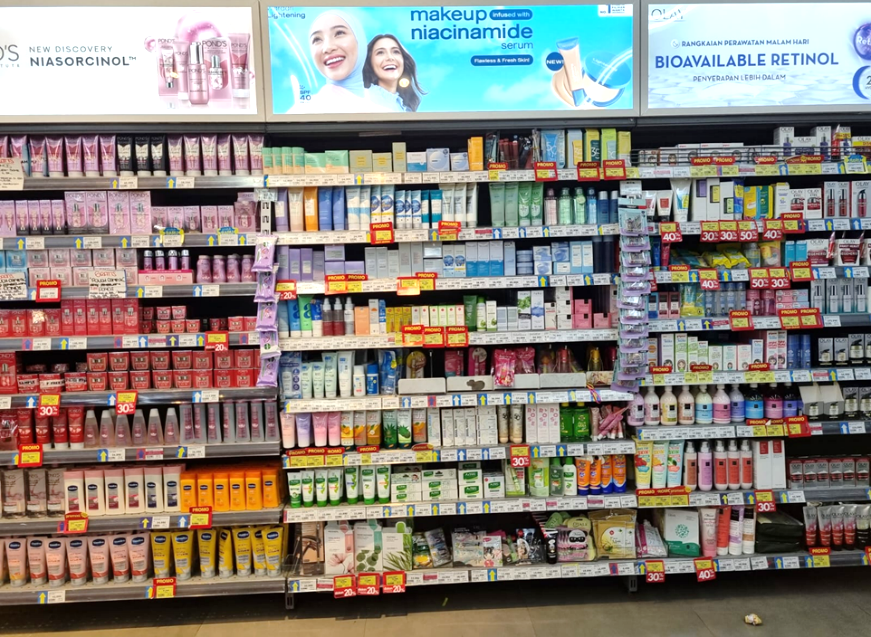
印度尼西亚的美容与个人护理市场传统上由 Unilever Indonesia 主导,但随着道德消费主义兴起,尤其是在抵制与以色列有关联的品牌之后,市场格局发生了变化。这一变化使本土制造商受益,其中 Wings Group 在“关注拉法(All Eyes on Rafah)”运动期间实现了21.8%的销售额增长。这一业绩凸显了其通过以价值为导向、强调道德理念的品牌定位捕捉消费者情绪的能力。与此同时,全球制造商 KAO 的销售额小幅增长6.5%,另外两家企业分别增长4.2%和2%。表现突出的企业包括:
家庭护理、个人护理和美容护理销售额增长(2024年5月至6月)
| 公司/品牌 | 全球品牌/本土品牌 | 销售额增长(%) | 主要产品/品牌 |
| Wings Group | 当地的 | 21.8 | 家庭护理(例如 SoKlin、Daia) |
| Kao Indonesia | 全球品牌 | 6.5 | 个人护理(Biore、Men’s Biore) |
| Paragon Technology and Innovation | 当地的 | 5.7 | 美容护理(Wardah、Kahf) |
| Kinocare Era Kosmetindo | 当地的 | 5.0 | 个人护理(Ellips、Ovale) |
| 其他2个全球品牌 | 全球品牌 | 4.2和2.0 | 未披露的制造商(受抵制影响) |
| Tempo Scan Pacific | 当地的 | 3.1 | 个人护理(Marina、My Baby) |
来源:Central Insight 综合分析
值得注意的是,并非所有全球企业都面临负面结果。日本制造商 PT Kao Indonesia(旗下品牌包括 Biore、Kao Men’s Biore 和 Laurier 等)不在抵制名单之列,其销售额增长了6.5%,表明消费者仍会区分跨国企业的来源地与其政治关联。.
总体而言,美容与个人护理细分市场展现了全球成熟企业与本土创新企业之间的结构性再平衡。尽管道德消费主义发挥了催化剂作用,但 Paragon 和 Wings Group 等本土品牌的持续增长,最终源于其战略性品牌定位、强大的清真认证基础,以及对印度尼西亚消费者身份认同的深入理解——这些因素很可能在未来数年继续决定企业的竞争优势。.
Beauty Care products in a supermarket in Indonesia
来源:Central Insight
Personal Care products in a supermarket in Indonesia
来源:Central Insight
母婴细分市场:向本土品牌转移最为明显
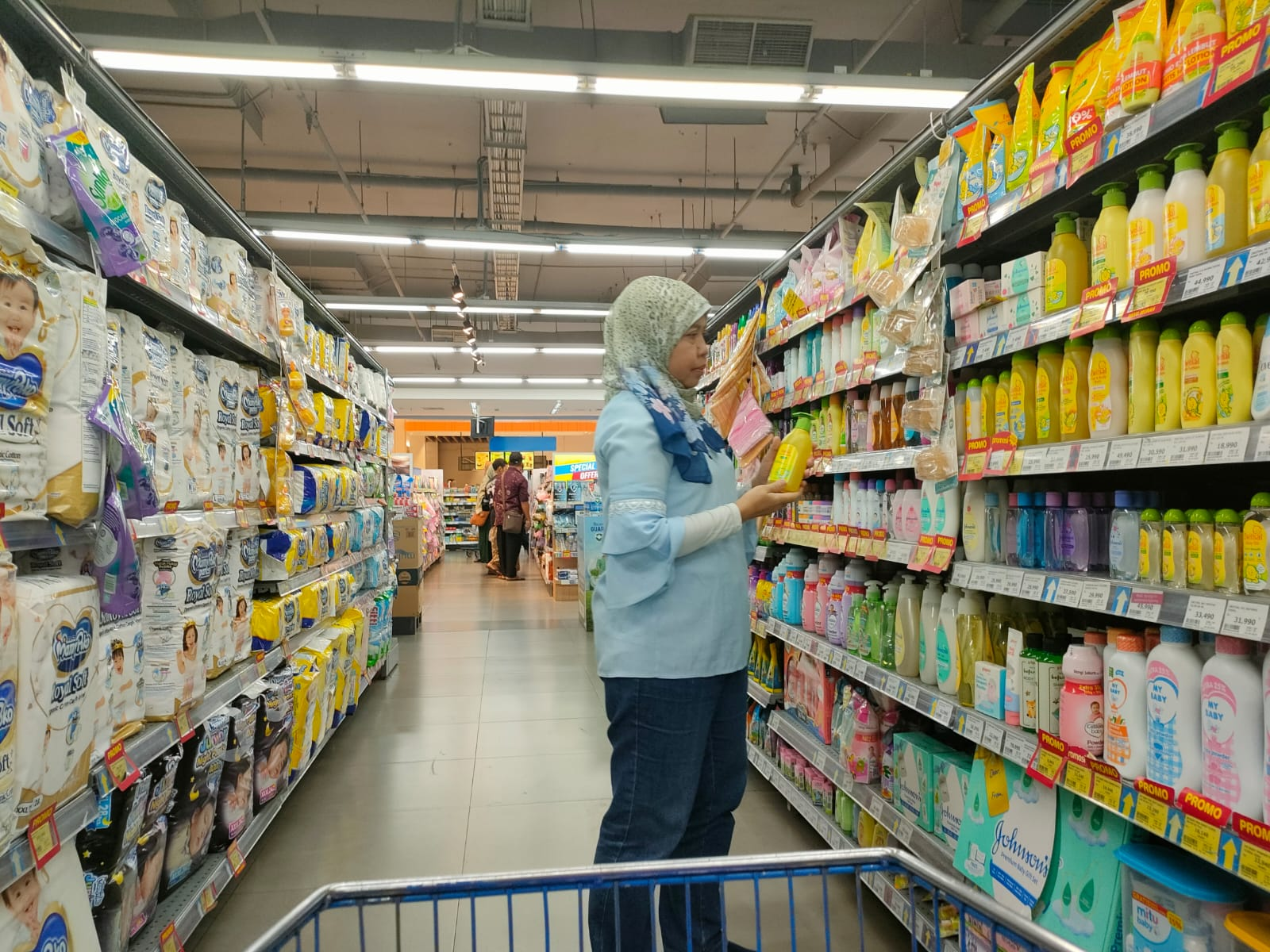
在所有快速消费品细分市场中,母婴品类展现出从全球品牌向本土品牌转移最为明显的趋势,凸显了道德消费和民族主义消费趋势如何重塑印度尼西亚的购买行为。该品类传统上由包括 Unilever Indonesia 在内的全球企业主导,如今市场份额已发生显著重构。.
在抵制活动期间,与以色列相关的全球品牌销售额下降了18.3%,而本土品牌则实现了显著增长:Wings Group的销量激增38.5%,成为所有快速消费品(FMCG)细分领域中表现最强劲的品牌之一。这一加速增长得益于其广泛的产品组合、具有竞争力的定价,以及成熟的分销渠道,使其即使在二线城市也能实现深度市场渗透。.
PT Tempo Scan Pacific Tbk.(以其My Baby品牌而广为人知,该品牌提供包括爽身粉、润肤露和湿巾在内的全系列婴儿护理产品)以12.6%的销售额增长紧随其后,受益于其在婴儿及家庭护理领域建立的良好信誉;而PT Inovasi Teknologi Untung Berkah旗下的Gently品牌专注于采用天然、温和配方的婴幼儿个人护理产品,实现了11.1%的两位数增长,凸显出灵活的本土制造商所享有的增长势头。.
Mother and Baby products in a supermarket in Indonesia
来源:Central Insight
从结构性角度来看,这一转变凸显出,在与家庭福祉和健康相关的品类中,伦理消费、可负担性和对本土品牌的信任已成为关键购买驱动因素。对许多消费者而言,在母婴护理领域转向本土品牌,既体现了价值观的一致性,也反映出风险规避心理——家长们希望选择安全、熟悉且以合乎道德的方式生产的替代产品。.
总体而言,印度尼西亚本土企业家正在迅速适应不断变化的消费者期望。由此带来的转型不仅提升了国内品牌的竞争力,还产生了积极的经济溢出效应,包括创造新的就业机会、强化本地供应链,以及降低对进口商品的依赖。.
挑战与机遇
正如印度尼西亚近期的消费者抵制活动所显示的那样,地缘政治情绪正在积极重塑商业格局。这些源于道德或政治信念的事件,引发了深刻的经济和消费行为转变,使消费者能够影响市场动态。.
这一转变标志着跨国企业(MNCs)面临一个关键转折点。信任的削弱暴露出一项结构性弱点:过度依赖品牌历史积淀,却缺乏充分的本地化或道德价值契合。为了重新赢得消费者信心,全球企业必须超越交易性应对措施(如PT Unilever的价格稳定措施),转而采取综合性战略,将道德透明度、基于价值观的沟通和运营敏捷性相结合。.
相比之下,印度尼西亚本土品牌和中小企业正面临前所未有的机遇。此次抵制活动加速了长期结构性转变:消费者民族主义、伦理意识和可负担性相互 converging,共同重新定义市场忠诚度。许多本土品牌(例如Wings Group、PT Paragon)已经通过改进研发、具有竞争力的定价,以及与本土文化价值观的高度契合,克服了长期以来的质量成见。.
要充分把握这一增长势头,未来的发展路径十分明确。持续增长需要继续投资于创新和质量,同时强化以Halal认证、可负担定价和真实品牌叙事为核心的品牌身份(例如#ProudlyMadeInIndonesia)。这种组合将建立在后抵制环境中实现蓬勃发展所必需的持久消费者信任。.
品牌建设在印度尼西亚快速消费品行业中的战略重要性
在印度尼西亚快速消费品行业,品牌资产往往比产品差异化更为重要。不同于创新驱动竞争力的高科技行业,大多数快速消费品品类——尤其是家居护理和个人护理产品——依赖相对标准化的配方和生产技术。因此,消费者认知、信任以及与品牌之间的情感联结,成为真正的竞争优势来源。.
快速消费品产品每天都会被消费并持续补充,这意味着购买决策具有习惯性,并且在很大程度上受品牌熟悉度影响,而非功能优越性影响。例如,在香皂、洗涤剂或基础护肤品等品类中,底层技术或成分在不同品牌之间的差异十分有限。市场领导者脱颖而出的关键,在于其通过有效的品牌建设和一致的传播,塑造理想化品牌形象、文化相关性以及消费者感知的可靠性。.
因此,在印度尼西亚这类家居及个人护理产品家庭渗透率几乎达到全面覆盖的市场中,品牌既是信任信号,也是生活方式表达。品牌不仅推动重复购买,还塑造消费者忠诚度;在技术创新并非主要议题的市场环境下,情感化品牌建设成为关键竞争杠杆。.
投资者的战略考量
不断演变的消费者格局既为投资者带来挑战,也创造了战略性进入机会,无论是本土投资者还是外国投资者均是如此。.
对于外国投资者而言,关键在于通过合作与本土化实现适应。与本地制造商、分销商或清真认证机构合作,有助于弥合文化与监管差距。优先发展本地生产能力、道德采购和包容性营销的投资,更有可能赢得印度尼西亚消费者的共鸣,尤其是在食品、个人护理和家庭用品等具有道德或文化敏感性的品类中。外国投资者可以考虑通过合资、少数股权投资或战略收购,参与值得信赖的本地品牌的增长,同时控制声誉风险,而不是与本土领先企业正面竞争。.
对于本地投资者而言,这是扩大规模并实现运营专业化的有利时机。包括快速消费品、清真食品、化妆品和婴幼儿护理在内的本地产品需求激增,要求在创新、品牌建设和供应链现代化方面加大资本投入。二线城市和新兴电子商务生态系统同样蕴藏着尚未开发的潜力,具有道德属性和本地制造特色的产品正日益受到市场青睐。.
两类投资者都将从一个共同机遇中受益:道德消费主义正在成为一股持久的市场力量。曾被视为暂时性扰动的抵制行动,如今正成为结构性转型的催化剂,为那些将企业绩效与消费者价值观相结合的企业创造新的竞争优势。.
从本质上看,印度尼西亚不断演变的消费者行为并不仅仅是一种反应,而是一种重新定义。道德意识、经济务实主义与民族自豪感的交汇,正在催生一个更加自给自足、由价值观驱动的国内市场。对于投资者和品牌而言,信息十分明确:认同并践行这些原则的企业不仅能够经受住地缘政治波动,还将从中实现蓬勃发展。.
* 如果您希望引用本文中的任何信息,请同时注明来源并附上原文链接,以尊重版权。.
| B&Company
自2008年以来,第一家专注于越南市场研究的日本公司。我们提供广泛的服务,包括行业报告、行业访谈、消费者调查、商业匹配。此外,我们最近开发了一个包含超过900,000家越南公司的数据库,可用于寻找合作伙伴和分析市场。. 如果您有任何疑问,请随时与我们联系。. info@b-company.jp + (84) 28 3910 3913 |
参考:
[1] 2024年5月,带有“All Eyes on Rafah”字样的图片在社交媒体上走红,提高了公众对拉法持续冲突的关注度。在印度尼西亚,该帖子在区域内形成热潮,Instagram Stories相关发布量超过3,000万条,引发新一轮抵制呼吁
[2] 该在线调查于2024年7月15日至28日期间开展,覆盖印度尼西亚各地1,000名年龄在18至58岁之间的受访者
https://compas.co.id/article/market-insight-efek-boikot-pada-brand-fmcg/
https://www.idx.co.id/en/listed-companies/company-profiles/UNVR
https://duta.co/compas-co-id-campaign-viral-eyes-on-rafah-penjualan-brand-fmcg-lokal-naik-di-e-commerce
相关文章















登录 / 注册
订阅新闻通讯