

 日本語
日本語  English
  Tiếng Việt
  简体中文
简体中文  한국어
한국어 本稿では、東南アジア全域で加速している電気自動車への移行を検証し、この変化から生じる構造的な市場機会を明らかにする。.
2026年6月12日
最新ニュース&レポート / ベトナム速報
コメント: コメントはまだありません.
数十年にわたり、東南アジアの自動車市場は、日本ブランドの優位性、ガソリン式二輪車、そして控えめな電動化への意欲によって特徴づけられてきた。しかし、その構図は劇的に変化した。2025年末時点で、ASEAN諸国は世界で最もEV(電気自動車)の普及が進んだ市場の一つとなっており、主要な普及率指標では米国、英国、欧州連合を上回っている。¹
本稿では、東南アジア全域で加速するEVへの移行を検証し、この変化から生じる構造的な市場機会を特定するとともに、地域のプレーヤー、特にASEANに根ざした企業が、こうした機会を最も有効に活用できる立場にあることを示す。最後に、投資家および市場参入企業にとっての実務的な示唆をまとめる。.
市場概観:数字で見る東南アジアのEV市場
ASEANの電気自動車(EV)市場は、2025年には約46億米ドルと評価され、2026年には60億米ドルに達すると予測されており、2031年には年平均成長率31.6%で236億米ドルに拡大すると見込まれている。²別の試算では、同市場は2021年のわずか20億米ドルから、2035年には年間800億~1000億米ドルの販売機会を生み出す可能性があるとされている。³
以下の表は、2025年時点におけるASEAN最大の自動車市場5カ国のEV市場の状況をまとめたものである。
表1:東南アジアのEV 市場 状況: 5 キー 市場(2025年)
| 国 | EV国内販売シェア(2025年) | 主要政策 | 注目すべき投資 |
| Vietnam | ~40% | 税制優遇、VAT引き下げ、公用車への導入義務 | VinFast(国内企業);世界銀行は2050年までに650万件の雇用創出を予測⁴ |
| タイ | ~20% | “「30@30」目標(2030年までにゼロエミッション車(ZEV)を30%) | Toyota、BYD、Tesla、Hyundaiの工場が稼働中、または現地生産を確約⁵ |
| インドネシア | ~15% | EVのVAT引き下げ、現地生産企業向け輸入関税の引き下げ | BYD工場、VinFastのスバン工場、CATL社のバッテリー施設⁶ |
| マレーシア | 成長 | 国家エネルギー移行計画に基づくEVロードマップ | ProtonのEVライン($19.5M、年間2万台の生産能力)² |
| フィリピン | 初期段階 | EV産業開発法 | VinFastの電動スクーターに関する、初期販売店パートナーとの覚書(MoU)⁷ |
出典:B&Company
東南アジアでは、2024年の電気自動車販売台数が前年比で約50%増加し、域内の全自動車販売の9%を占めた。上記で取り上げた5市場のうち、ベトナムとタイが最も高い個別シェアを記録した。⁸
移行の原動力としての政策:政府が移行を主導
東南アジアにおけるEVの急成長は、純粋に市場によってもたらされたものではない。政府の政策によって積極的に設計されたものであり、市場参入戦略を策定するうえで、こうした政策を理解することが不可欠である。.
インドネシア は、現地調達率の基準を満たすEV販売に対する付加価値税の引き下げと、2026年までの現地生産を確約するメーカーを対象とした一時的な輸入関税の引き下げという、2つの強力な政策手段を導入した。その結果、2025年半ば時点で、Aion、Gili、Maxus、BYD(中国)、Citroën(フランス)、Volkswagen(ドイツ)、VinFast(ベトナム)を含む7社のメーカーが現地施設の設立を確約し、中国の大手バッテリーメーカーであるCATLブランドもこれに加わった。⁴
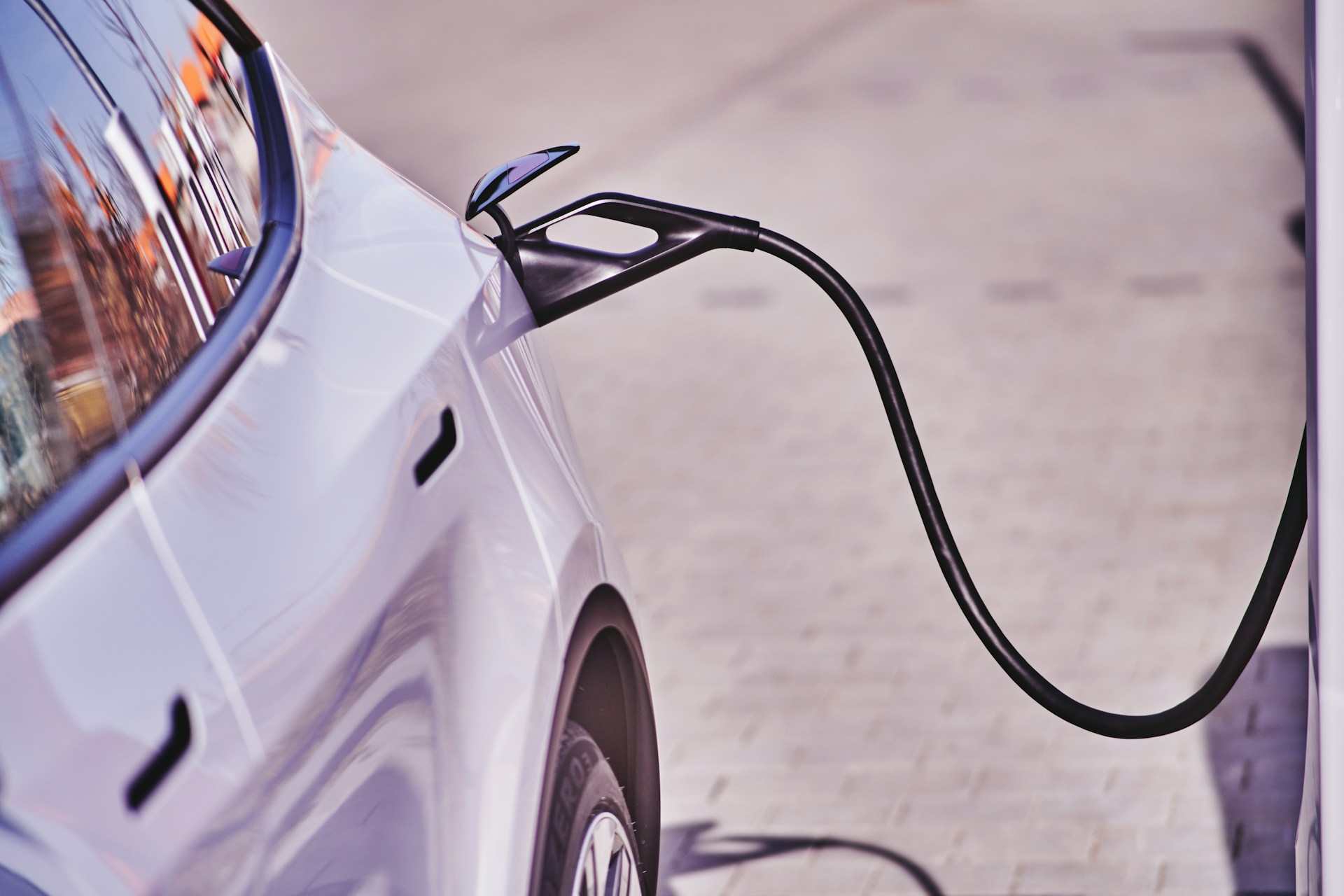
タイの「30@30」戦略は、2030年までにゼロエミッション車を30%、2035年までに100%にすることを目標としている。⁵EV3.5奨励制度に支えられ、タイには現在3,700か所以上の公共充電ステーションがあり、11,600個のコネクタが設置されている。そのうち6,000個以上は急速DC充電器である。⁵
Vietnam 、税制優遇措置、登録料の引き下げ、公共交通機関の電化義務化を組み合わせることで、国内生産者とインフラ開発者の双方にとって有利な環境を作り出している。⁵ VinFastの主力車種であるVF 3は、2025年にベトナムで最も売れた車となり、販売の75%が消費者への直接販売となった。これは、以前のフリート優先戦略からの大きな転換である。⁴
ASEAN全域の政策環境は一様ではないが、その方向性は一貫している。各国政府は、製造拠点の現地化要件、財政的インセンティブ、インフラ支出を活用し、東南アジアにおけるEVへの移行を加速させると同時に、海外投資を呼び込んでいる。.
ケーススタディ:インドネシアにおけるVinFast――地域展開のモデル
VinFastのインドネシア進出は、これまで地域のプレーヤーが行った東南アジアEV市場への参入としても野心的なものであり、他の投資家が注視するモデルとなっている。.
同社は2025年12月、着工からわずか17カ月で西ジャワ州にスバン工場を開設した。同工場への初期投資額は2億米ドルで、年間5万台の生産能力を持ち、将来的には年間35万台への拡張を目指している。⁶ 同工場では、VF3、VF5、VF6、VF7の右ハンドル仕様のe-SUVを生産し、タイ、マレーシア、オーストラリアを含むAPAC市場向けのVinFastの右ハンドル車輸出ハブと位置づけられている。⁶
インドネシア戦略は意図的に統合されたものである。車両販売および販売店ネットワークに、配車サービスのフリート運営(GojekのGreen SM機能との提携を通じて拡大したXanh SMタクシー)、V-Greenの充電インフラ、金融機関との提携を組み合わせている。³ 2026年2月、VinFastはインドネシアの販売店グループ7社と電動スクーターに関する覚書(MoU)を締結し、二輪車セグメントへのさらなる拡大を示した。⁷
市場調査から明らかになること:Central Insight Indonesiaとの議論
B&Companyのチームは最近、Central Insight セントラルインサイト Indonesia(ジャカルタを拠点とする市場調査会社で、インドネシアの消費者行動および各産業分野を直接把握している)と議論を行い、VinFastが市場でどのように受け止められているか、またEV普及をより広範に形成している構造的要因について理解を深めた。以下は、その議論で共有された知見を反映したものである。.
“「現在、インドネシア市場への進出後の販売目標をすでに達成しているものの、VinFastには依然としてインドネシアで成長する余地が大きく残されていると考えている。.
EVメーカーにとって、市場拡大に絶好のタイミングだ。ICE車からEVへの移行を促す可能性のある要因が複数存在するためだ。
– EVは、特に大都市で広く受け入れられている。現在、多くの人々はEVをICE車の二番手の選択肢とはもはや見なさず、第一の選択肢としても検討している。主にジャワ島で公共充電インフラが整備されているため、充電ステーションが限られていることへの人々の懸念は、数年前と比べて大幅に低下している。2025年12月時点で、インドネシアには4,778基の公共充電ステーションがあり、2034年までに3,099カ所で192,253基を整備する目標を掲げている。2034年の目標は、同年の4輪EV保有台数が280万台になるとの予測に基づいている。. 9
– インドネシアの首都ジャカルタのラッシュアワーの交通は、ナンバープレートの末尾の数字と日付を照合し、ラッシュアワーにジャカルタの主要道路へ進入できるかを決める偶数・奇数規制によって特徴づけられている。しかし、この規制はEVには適用されない。そのため、毎日ジャカルタへ通勤する多くの人々が、ラッシュアワー時の柔軟性を理由にEVを所有するようになっている。.
– インドネシアの小売燃料供給の状況は、民間燃料会社で供給不足が発生することがあるため、昨年以来不確実な状態にある, が、多くの人々は優れたサービスと高い製品品質を理由に民間の燃料小売業者を好んでいる。中東における地政学的対立により、補助金対象外燃料と軽油の価格も急騰し、人々の燃料費負担をさらに増大させた。そのため、EVはより合理的な選択肢となっている。.
– 価格面では、VinFastは競争力のある価格帯にあり、コストパフォーマンスに優れている。低価格帯から中価格帯のICE車と比較すると、同程度の価格帯のEVは一般的に、より優れた車両品質とより多くの機能を備えている。これらは、低い運用・維持費に加えて、消費者を引きつける主な要素でもある。競争力のある価格設定は、政府のインセンティブによっても支えられている。」”
— セントラルインサイト, 、インドネシアの市場調査会社が、B&Companyとの協議で述べた。.
この見解は、EVの地域的な状況に関するB&Companyの見解とも一致する。東南アジアの主要都市では、多くの人々にとってEVはすでに予備ではなく第一選択の購入対象となっている。燃料供給の不確実性が、集計データではまだ明らかになっていない形で、静かにこの移行を後押ししている。また、中価格帯では、環境への配慮よりもコストパフォーマンスがはるかに重要な意思決定要因となっている。この違いは、メーカーが製品をどのように位置づけ、融資パッケージをどのように設計するかに直接影響を与える。.
機会が存在する領域
東南アジアのEV移行は単一の機会ではなく、バリューチェーン全体に広がる、相互に関連した複数の市場機会の集合体だ。以下の表は、セグメント別および主要市場別に主要な機会領域を整理したものだ。
表2:セグメント別の東南アジアEV機会マップ(2025~2030年)
| 機会セグメント | 主要市場 | 参入理由 |
| 車両製造・組立 | インドネシア、タイ、ベトナム | 現地要件により国内生産が促進される |
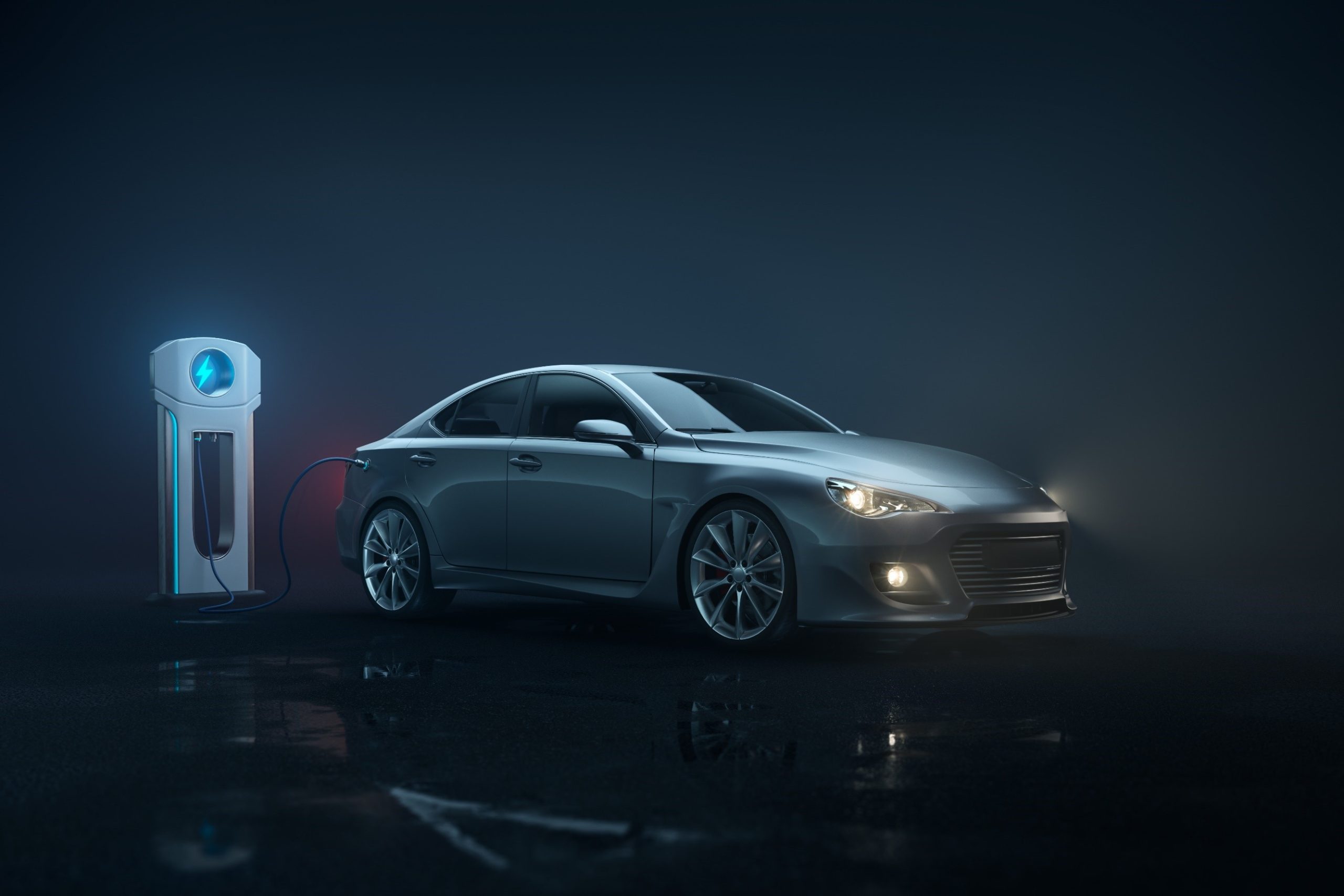
| EV充電インフラ | ASEAN-6全域:インドネシア、マレーシア、フィリピン、シンガポール、タイ、ベトナム | 拡大するEV保有台数に対して慢性的な供給不足が続いている一方、直流(DC)急速充電器が消費者の期待する標準になりつつある |
| バッテリーのサプライチェーン・素材 | インドネシア(ニッケルが豊富) | インドネシアは世界のニッケル埋蔵量の約40%を保有している。 |
| フリート電動化・ライドヘイリング | ベトナム、インドネシア、タイ | 急速な都市化、政府による環境配慮型フリート導入義務 |
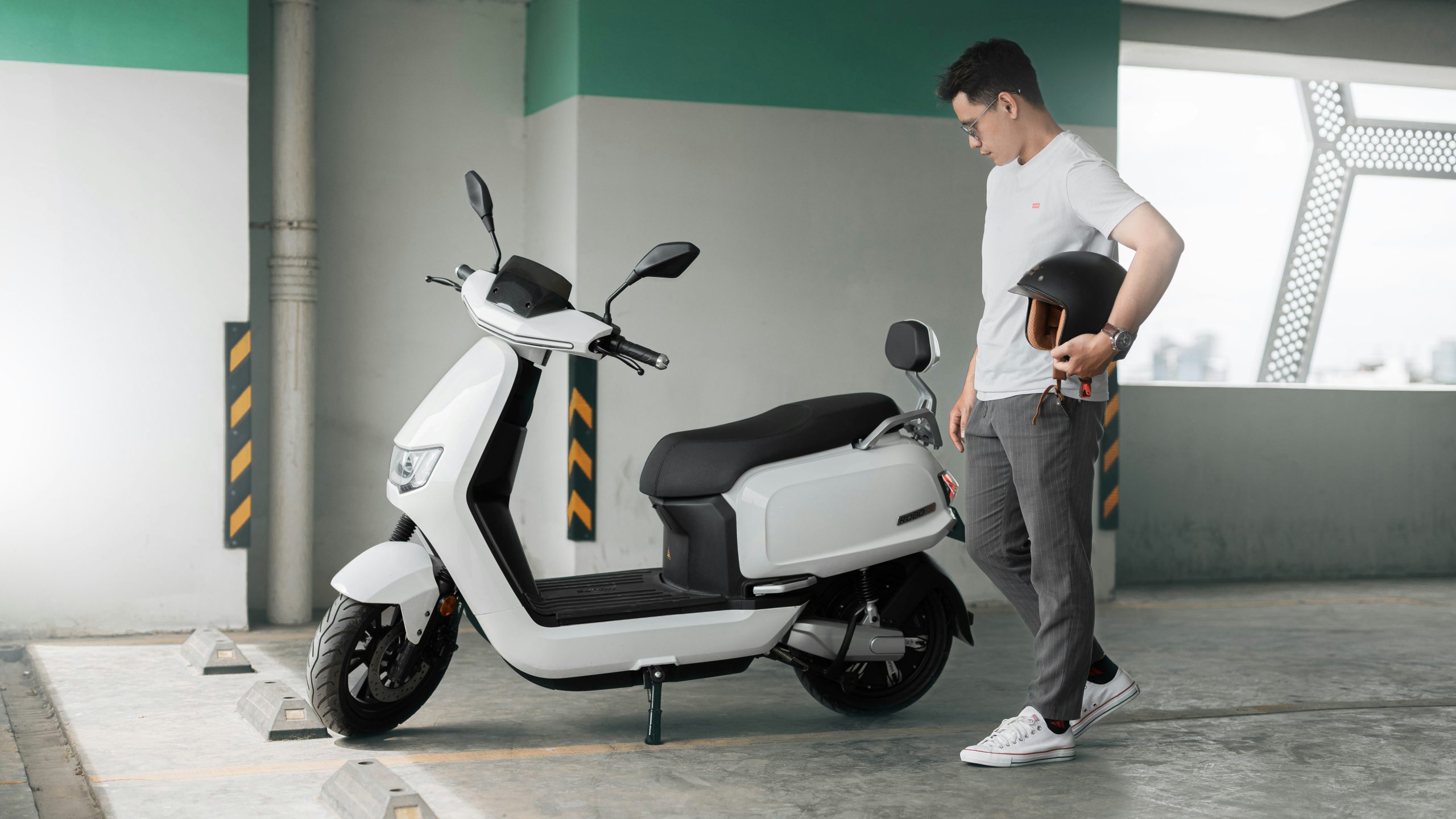
| 電動二輪車(eスクーター) | インドネシア、ベトナム、フィリピン | 東南アジア全域で主流の交通手段、より低い価格帯 |
| EV向け融資・保険 | インドネシア、タイ | EVローンとバッテリー保険が新たなセグメントとして台頭している |
出典:B&Company
まとめ
東南アジアのEV移行はもはや予測ではなく、現在進行しており、そのペースは大半の市場予測を上回っている。各国政府は取り組みを進め、消費者の意識は変化している。そして、価格、エコシステム、現地でのプレゼンスを適切に組み合わせた地域プレーヤーが、すでにシェアを獲得している。.
投資家や市場参入企業にとって、参入機会は開かれているが、無期限ではない。早期参入者に報いる市場であるインドネシア、ベトナム、タイでは、競争も最も激しくなっている。参入には資本以上のものが必要であり、消費者が実際に何を求めているのか、政策がどのように実施されているのか、インフラの不足がどこで最も深刻なのかを現場レベルで理解する必要がある。.
続きを読む
* この記事からの情報を引用する場合は、著作権を尊重するために、元の記事へのリンクと共に出典を引用してください。.
| B&Company
2008年以来ベトナムにおける市場調査を専門とする初の日本企業です。業界レポート、業界インタビュー、消費者調査、ビジネスマッチングなど幅広いサービスを提供しています。また、最近では、1,000,000社以上のベトナム企業のデータベースを開発しており、これを利用してパートナーを検索したり、市場を分析したりすることができます。. ご不明点がございましたら、お気軽にお問い合わせください。. info@b-company.jp + (84) 28 3910 3913 |
出典・参考文献
1. Ember Energy. ASEANは世界のEV普及における新たなリーダーとして台頭. 2025年12月16日. https://ember-energy.org/latest-updates/asean-emerges-as-a-new-leader-in-global-ev-adoption/
2. Mordor Intelligence. ASEANの電気自動車市場 — 成長、シェア、規模、業界展望. 2026年1月. https://www.mordorintelligence.com/industry-reports/asean-electric-vehicle-market
3. EY-Parthenon. 東南アジアのEVバリューチェーン全体で機会をつかむ方法. https://www.ey.com/en_my/insights/strategy/how-to-seize-opportunities-across-southeast-asias-ev-value-chain
4. SEADS / Asian Development Bank. 東南アジア、電気自動車販売の世界的な急成長を先導. 2026年3月. https://seads.adb.org/news/southeast-asia-leads-global-boom-electric-vehicle-sales
5. GM Insights. ASEAN電気自動車市場の規模・成長レポート 2025–2034年. https://www.gminsights.com/industry-analysis/asean-electric-vehicle-market
6. Mission Media Asia. VinFastのインドネシア工場が地域ブランドのポジショニングにとって重要な理由. 2025年12月17日. https://missionmedia.asia/why-vinfasts-indonesia-plant-matters-for-its-regional-brand-positioning/
7. VinFast. VinFast、インドネシアの電動スクーター市場に正式参入、戦略的ディーラーと提携. 2026年2月9日. https://vinfastauto.us/investor-relations/news/vinfast-officially-enters-indonesias-e-scooter-market-partners-with
8. IEA. Global EV Outlook 2025 — エグゼクティブサマリー. https://www.iea.org/reports/global-ev-outlook-2025/executive-summary
9. CNN Indonesia. インドネシアのSPKLUは現在4,778基、2034年には19万2,000基を目標. https://www.cnnindonesia.com/otomotif/20260203162604-603-1324154/indonesia-punya-4778-spklu-saat-ini-ditargetkan-192-ribu-pada-2034
関連記事
















ログイン / 新規登録
ニュースレターを購読する