
2026年8月7日
最新ニュースとレポート / ベトナムブリーフィング
コメント: コメントはまだありません.
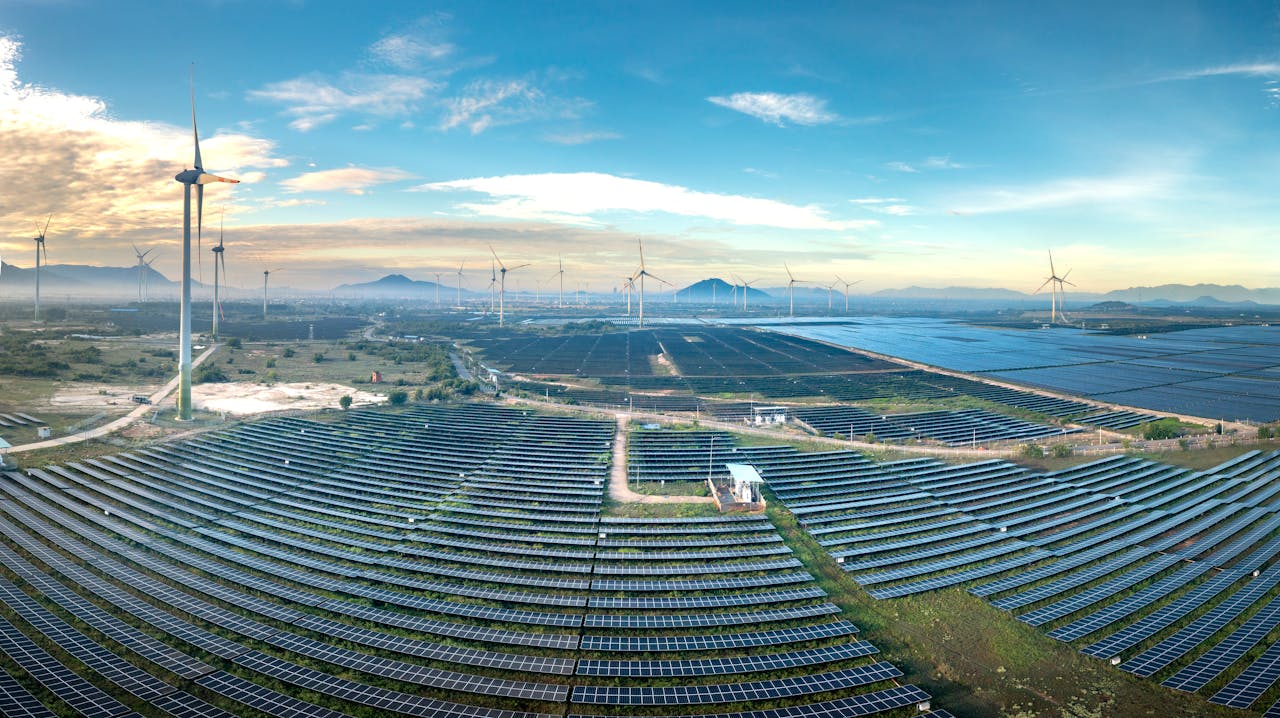
Japan–Vietnam decarbonization cooperation is moving beyond factories, solar power and energy-saving equipment. A new phase is emerging around agriculture, forest carbon and carbon credit mechanisms. Rice fields are especially important because improved water management can reduce methane emissions while supporting farmer income and export competitiveness. This article reviews how Japan–Vietnam carbon cooperation is expanding, why rice and forest projects matter, and what opportunities may emerge for Japanese companies in Vietnam’s carbon credit ecosystem.
From industrial decarbonization to rural carbon projects
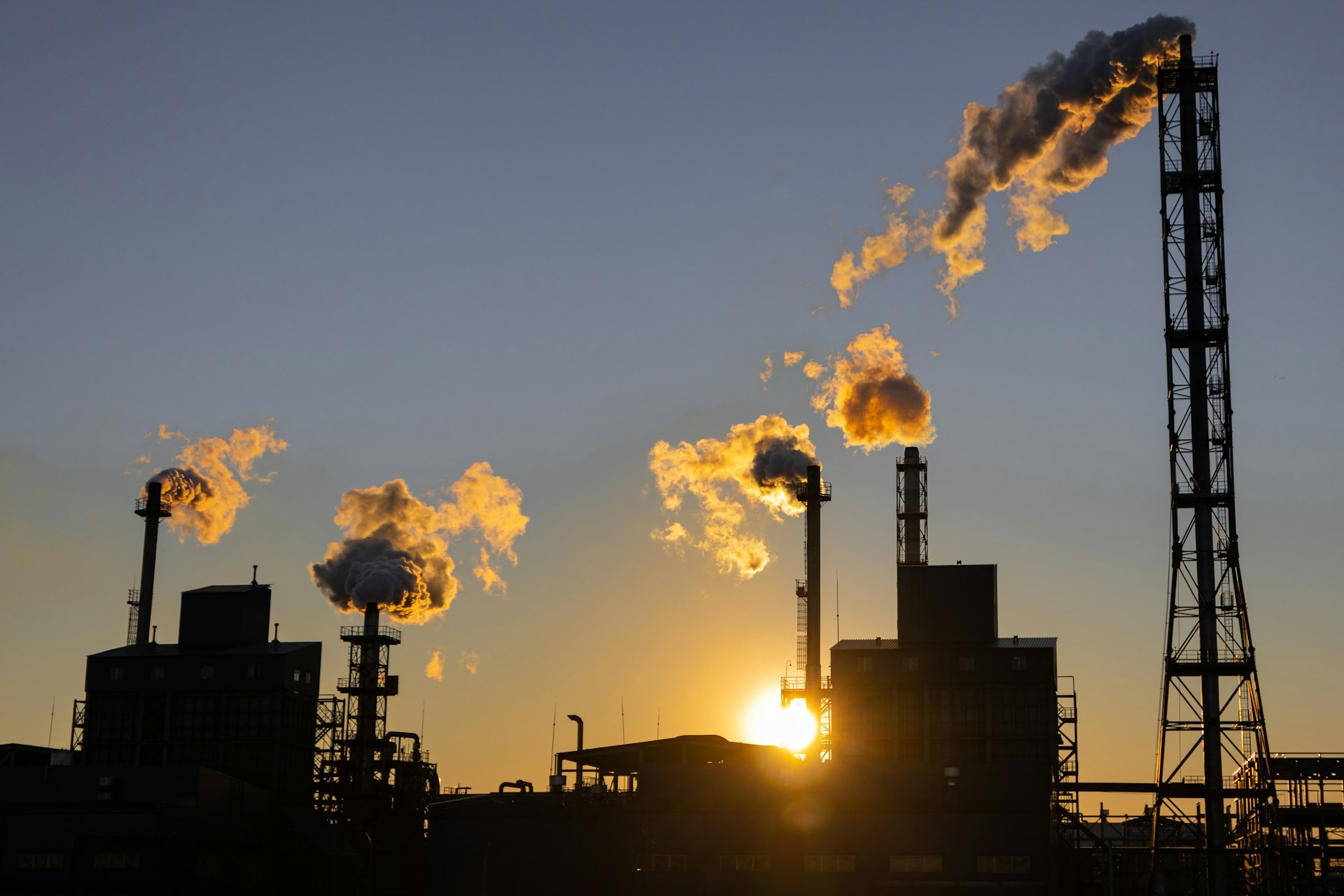
For many years, Japan–Vietnam climate cooperation was mainly associated with industrial energy efficiency, renewable energy and low-carbon equipment. Under the Joint Crediting Mechanism (JCM), Vietnam already has experience with projects such as rooftop solar, energy-saving equipment and high-efficiency systems. These projects fit Japan’s strength in technology transfer and Vietnam’s need to reduce emissions in manufacturing, buildings and power consumption.
The next phase is broader. Decarbonization is moving from factories into rice fields, forests and rural communities. This matters because Vietnam is both an industrial economy and an agricultural country. If carbon credits are developed only through factories or renewable energy, an important part of Vietnam’s emissions and rural development potential will be missed.
Rice is a clear example. B&Company previously noted that paddy fields are a significant source of methane, generated during anaerobic decomposition in flooded fields. The article also highlighted techniques such as Alternate Wetting and Drying (AWD), “1 must 5 reductions,” “3 reductions 3 gains,” and the System of Rice Intensification as methods that can reduce methane emissions while optimizing farming costs.
Major Southeast Asian rice producers in 2025
| 国 | Paddy production, million tons | Rice area, million ha |
| インドネシア | 52.913 | 11.300 |
| Vietnam | 41.600 | 6.800 |
| タイ | 31.370 | 11.009 |
| フィリピン | 19.524 | 4.700 |
| Myanmar | 18.750 | 6.800 |
| カンボジア | 13.279 | 3.800 |
Source: USDA Foreign Agricultural Service
Japan–Vietnam cooperation framework: why JCM matters
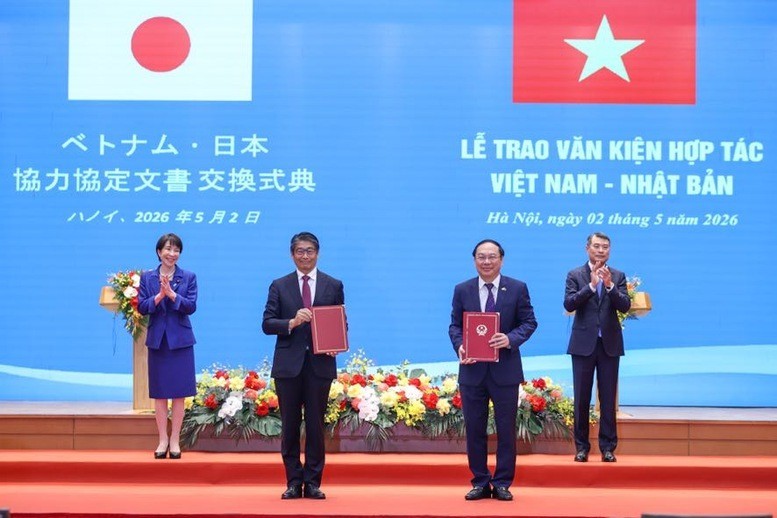
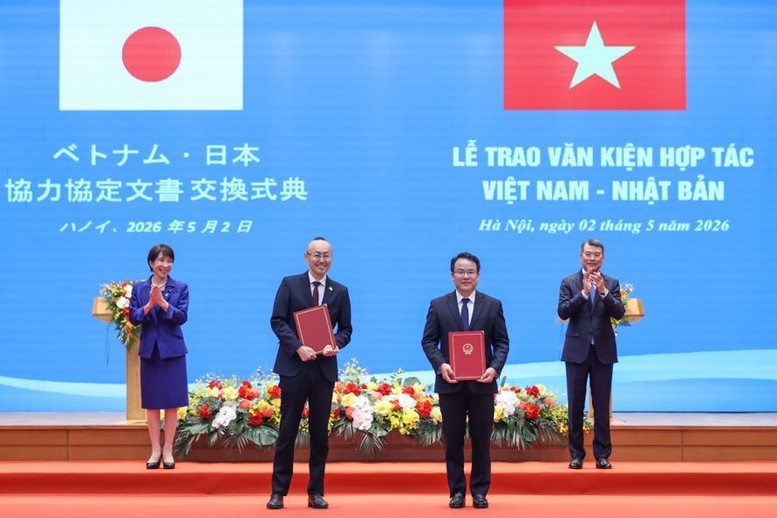
On May 2, 2026, Japan and Vietnam signed a Memorandum of Cooperation on the Joint Crediting Mechanism. The document modified the previous bilateral document from October 2021 and confirmed continued cooperation on low-carbon growth.
Memorandum of Cooperation between the Government of Vietnam and the Government of Japan regarding the implementation of the Joint Crediting Mechanism
ソース: 経済
The JCM is important because it provides a bilateral framework for Japan and partner countries to implement greenhouse gas reduction projects and share the resulting emission reduction outcomes. In practice, it can connect Japanese technology, finance and project development know-how with Vietnam’s mitigation needs.
This mechanism is now becoming relevant to agriculture. In June 2026, Green Carbon, a Japanese company developing nature-based carbon credits, announced a partnership with Korea Investment Holdings to launch a rice paddy methane reduction project in Nghe An Province. The project uses AWD irrigation and aims to develop a JCM methodology and issue JCM credits in the future. Green Carbon described it as the first carbon credit investment project aimed at issuing JCM credits in Vietnam.
Rice fields: a new carbon credit frontier
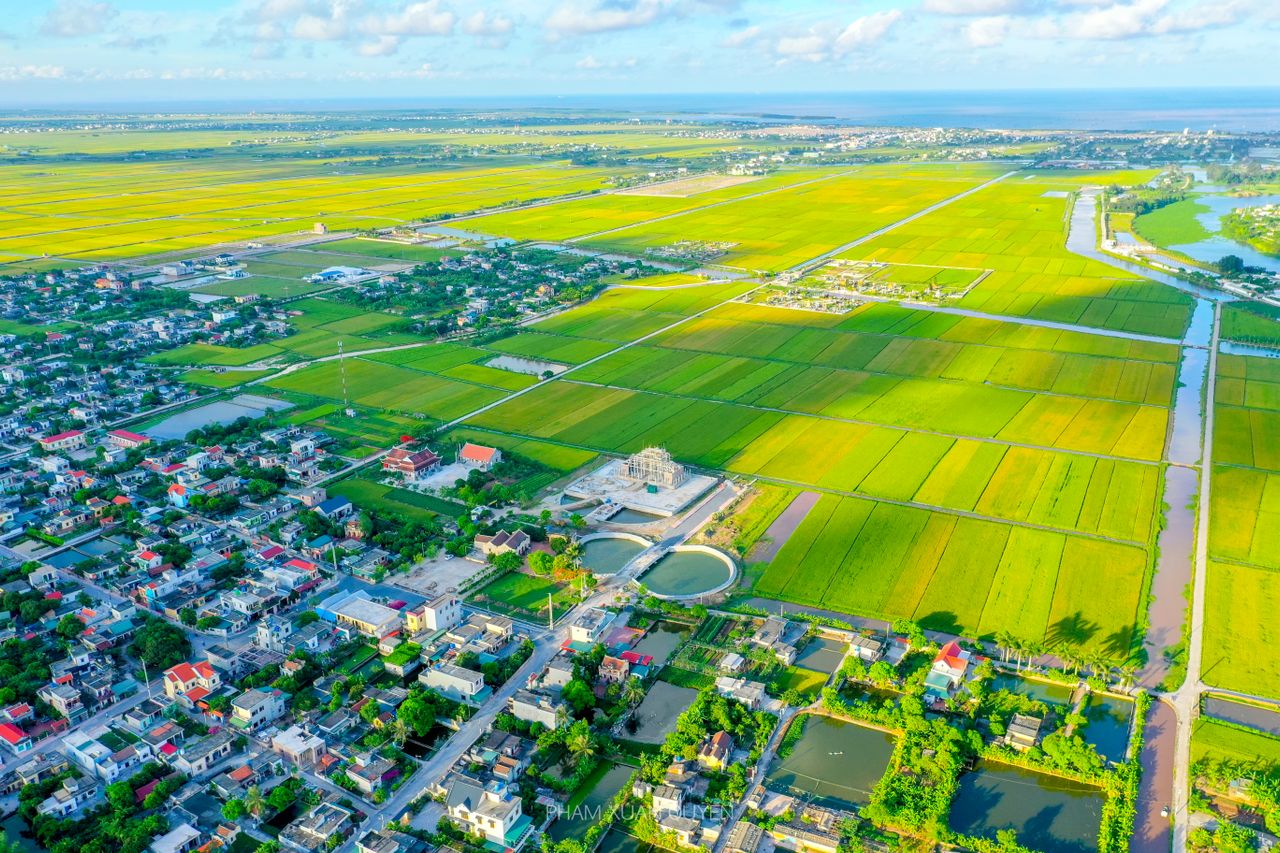
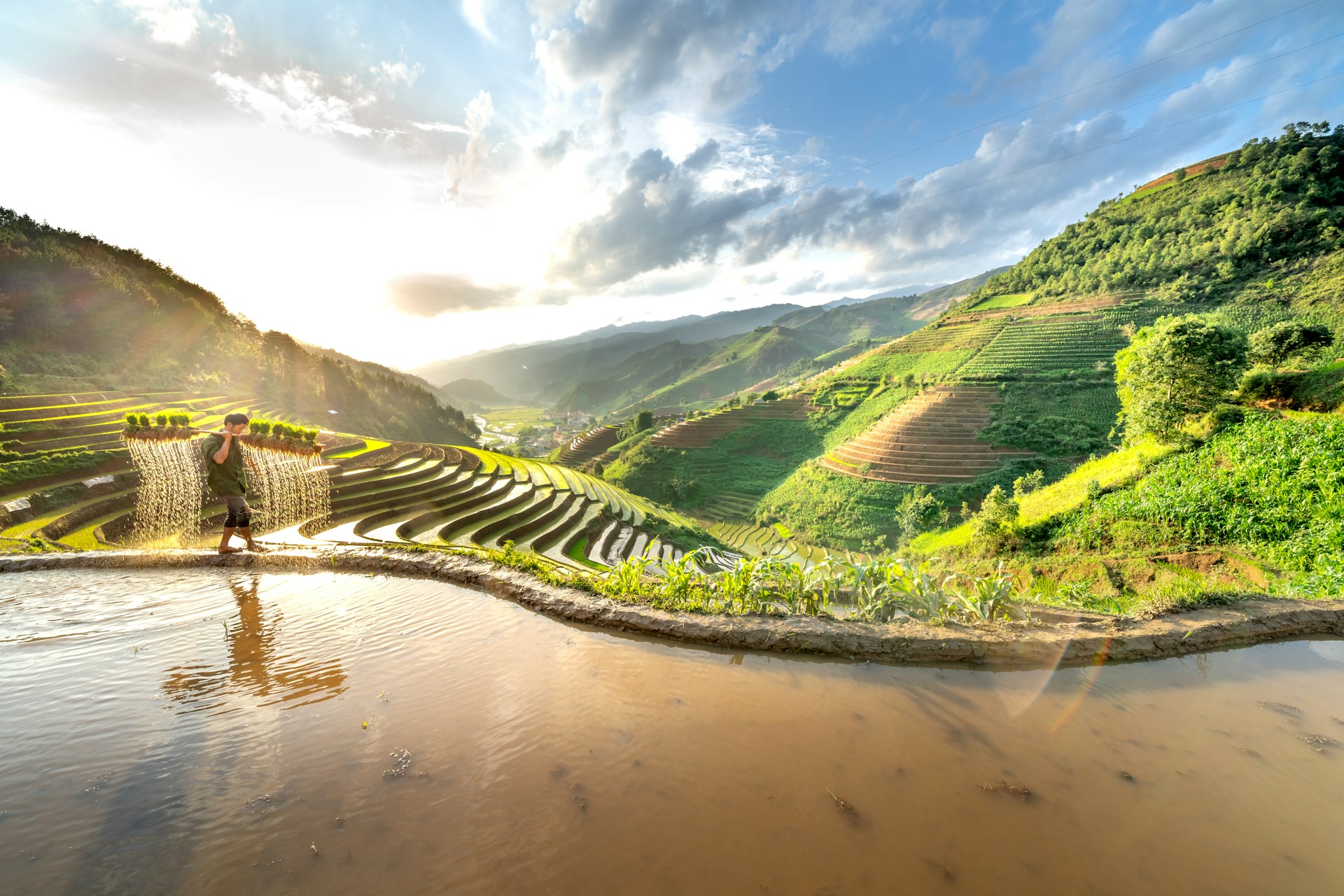
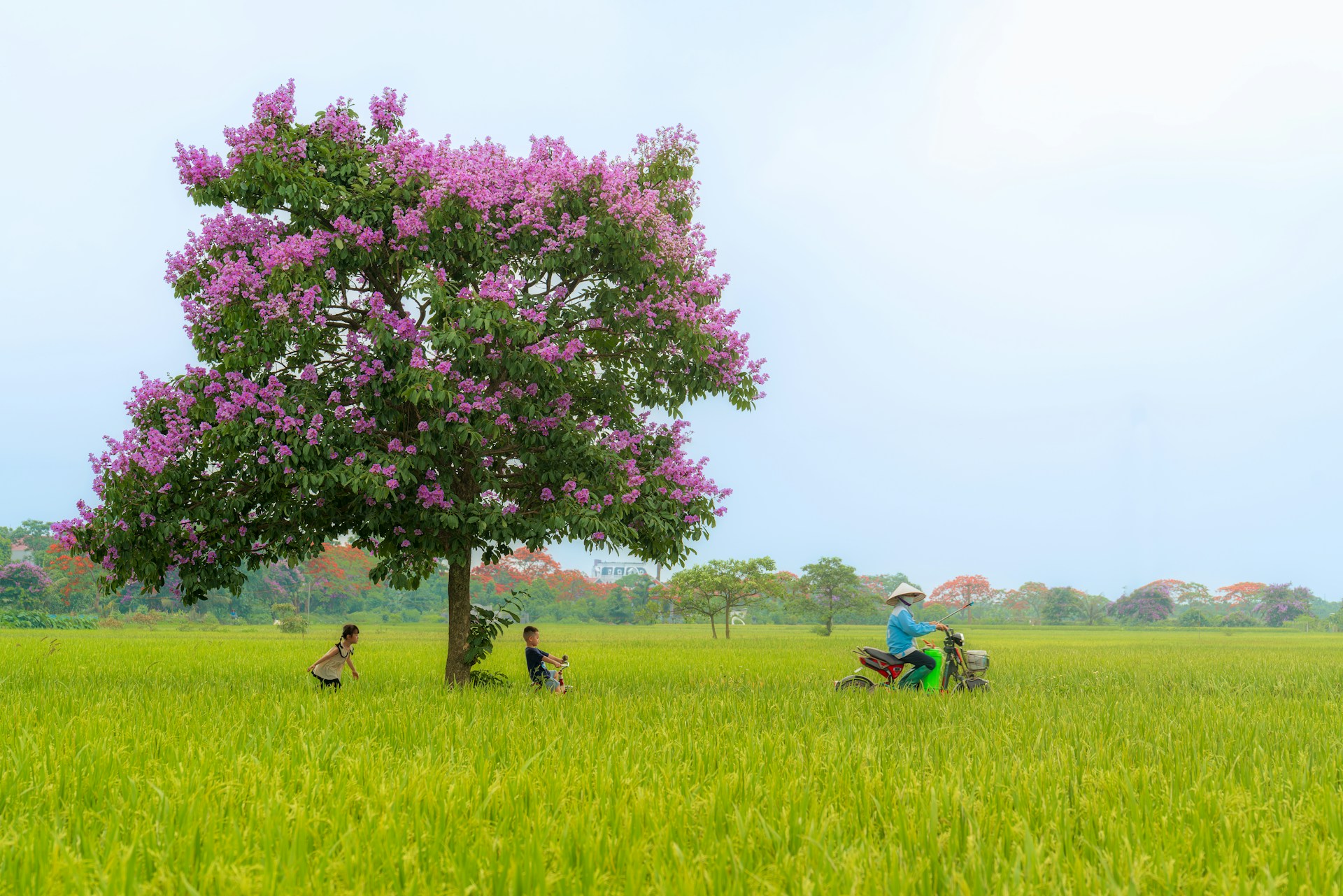
Rice is central to Vietnam’s food system and export economy. At the same time, flooded rice cultivation generates methane. The technical logic behind rice carbon projects is relatively easy to understand: if fields are continuously flooded, oxygen is limited and methane-producing conditions are created. If water is managed more carefully through AWD, methane can be reduced while rice production continues.
Vietnam already has a national platform for this transition. The government approved the project on sustainable development of one million hectares of high-quality, low-emission rice cultivation associated with green growth in the Mekong Delta by 2030. The program targets one million hectares by 2030 and includes practices such as AWD, the Sustainable Rice Platform and Good Agricultural Practices. It also sets targets such as reducing water consumption by 20%, reducing chemical fertilizers and pesticides by 30%, and cutting greenhouse gas emissions by more than 10% compared with traditional farming.
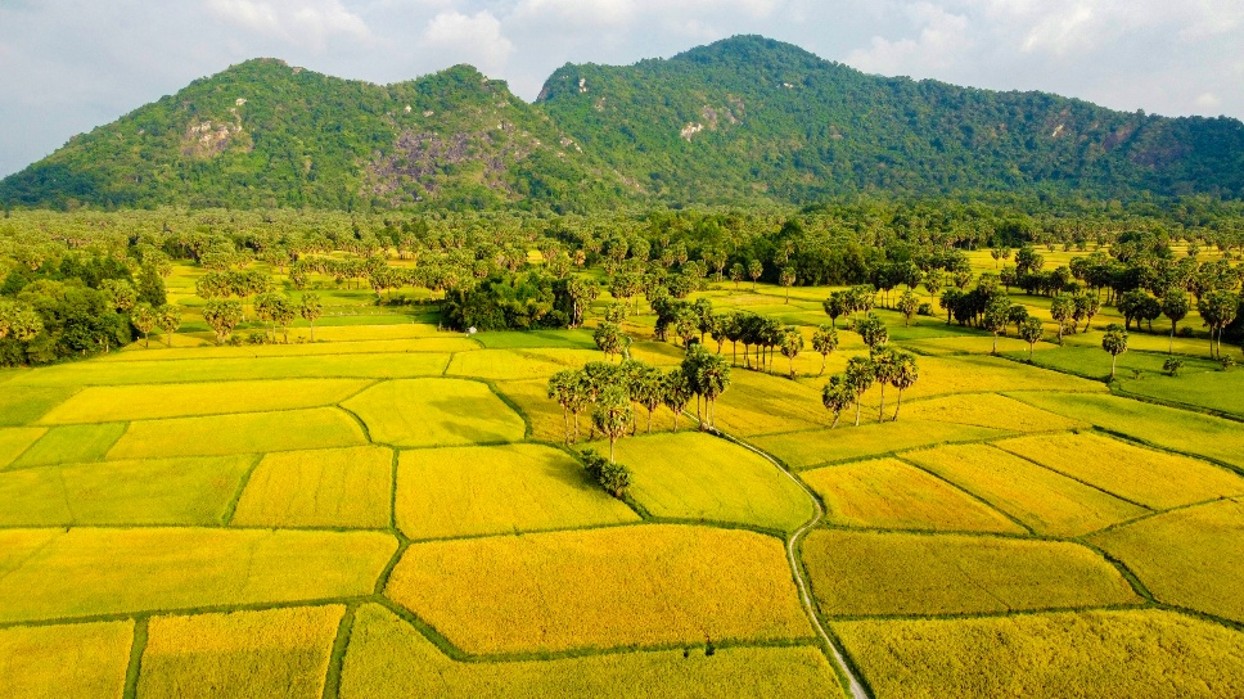
Carbon credit projects can build on this policy direction. In An Giang Province, Green Carbon registered an AWD rice cultivation project under Verra’s VM0051 methodology for improved agricultural land management in rice production systems. The project covers 116,000 hectares and aims to reduce average annual emissions by 590,682 tonnes of carbon dioxide equivalent.
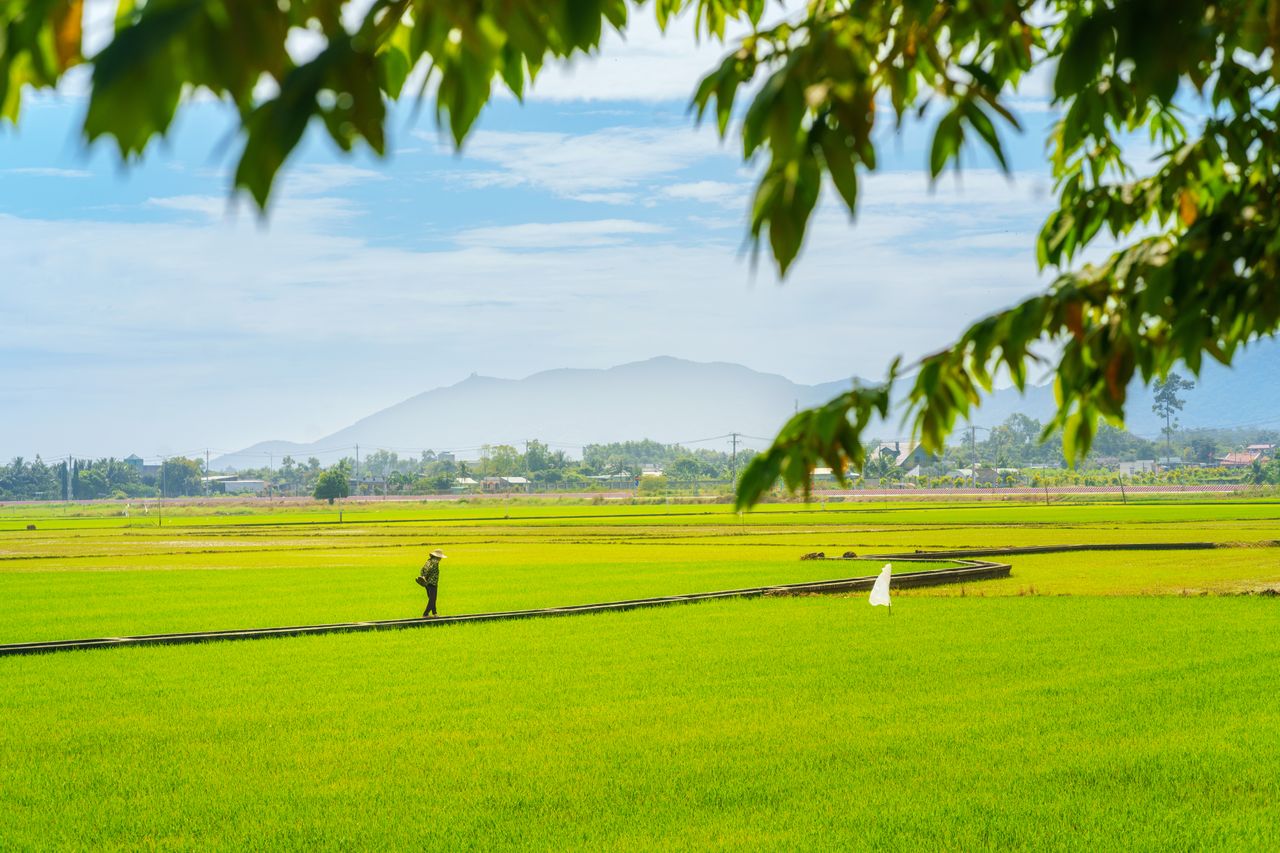
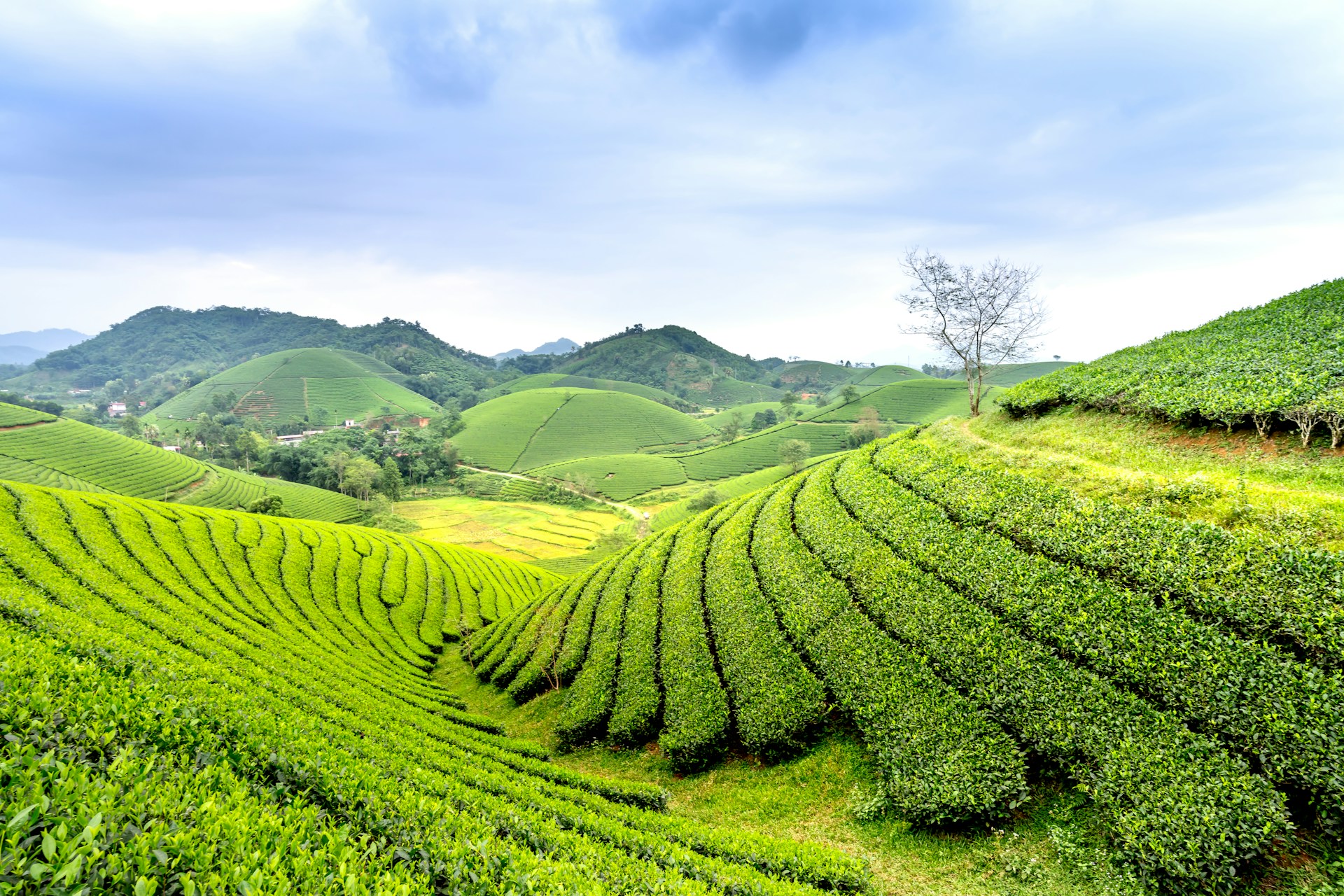
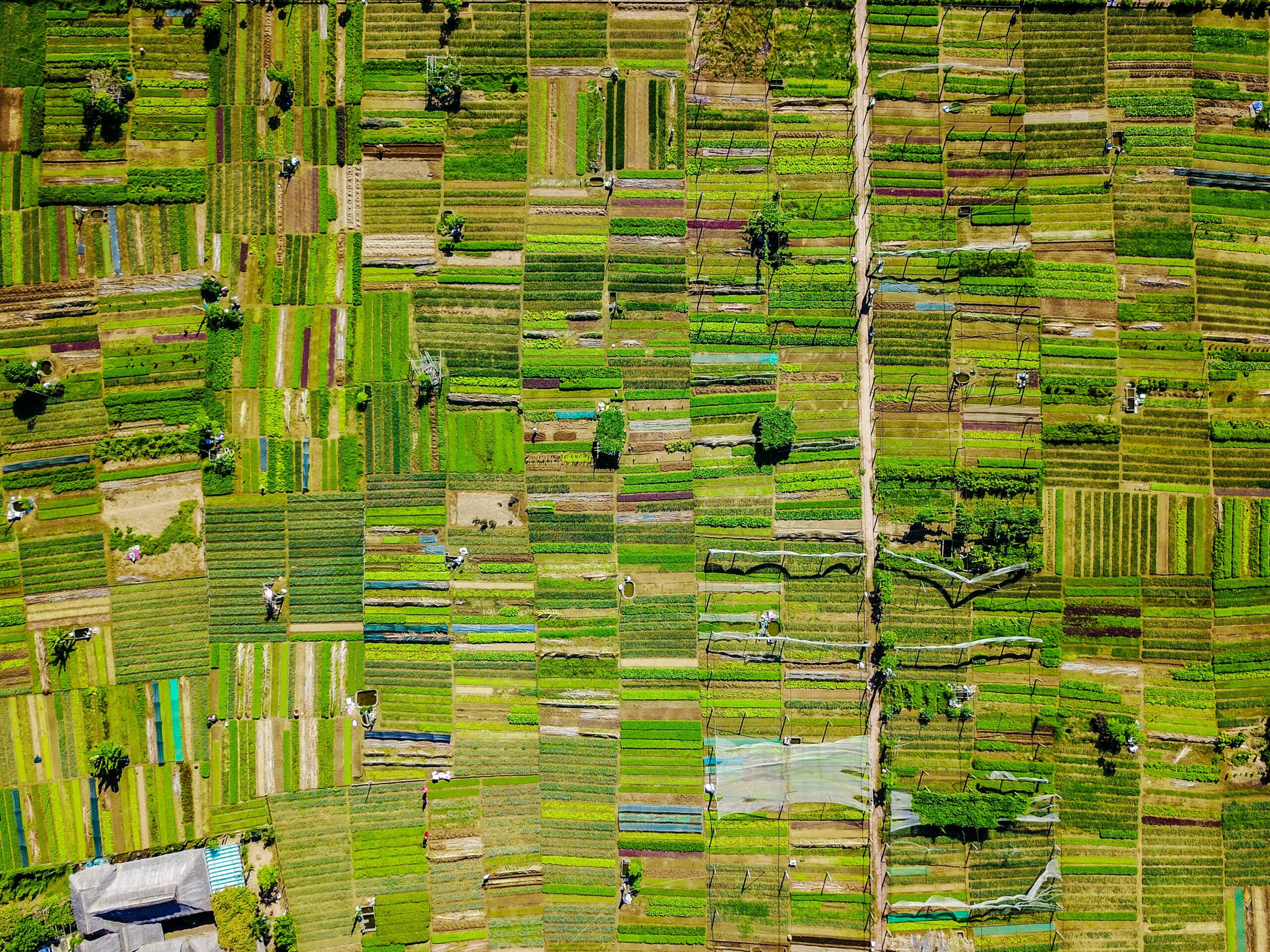
Rice paddy in An Giang
ソース: Laodong
These examples suggest that Vietnam’s rice sector may become a practical testing ground for agriculture-based carbon credits. For farmers, the value is not only climate mitigation. If designed well, low-emission rice projects can reduce water use, improve farming practices, create additional income from carbon credits and strengthen the branding of Vietnamese rice in export markets.
Forest carbon: carbon credits with local development impact
Rice is not the only opportunity. Forest carbon is another important area where Japan is connected with Vietnam’s decarbonization efforts.
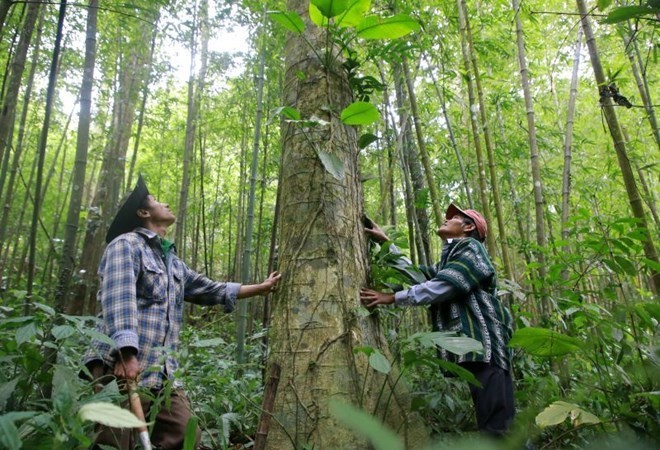
In March 2026, the Green Climate Fund approved a proposal submitted by Japan International Cooperation Agency (JICA) for “Vietnam REDD-plus results-based payments.” The project uses results-based payments for emission reductions achieved through reduced deforestation, reduced forest degradation and enhanced forest carbon stocks. It also aims to promote sustainable forest management and improve local livelihoods.
Vietnam forest
ソース: 経済
This is different from rice methane reduction. Rice projects focus on changing farming practices and measuring emissions reductions from land management. Forest carbon projects depend on avoided deforestation, sustainable forest management, carbon stock enhancement and benefit-sharing with local communities. Both are relevant to Vietnam, but they require different measurement systems, governance arrangements and local engagement models.
For Japanese companies and institutions, forest carbon may create opportunities in satellite monitoring, digital mapping, biodiversity assessment, community-based forestry, carbon accounting and rural finance. It may also be relevant for companies seeking high-integrity carbon credits connected to nature and local development.
日本企業にとってのチャンス
For Japanese companies, the opportunity is not limited to buying carbon credits. Several business areas may emerge.
First, project developers can work with Vietnamese provinces, cooperatives, rice companies and local partners to design agriculture-based carbon credit projects. Rice methane reduction requires farmer coordination, water management, training and data collection.
Second, technology companies can provide MRV solutions. This includes satellite data, remote sensing, farm-level data platforms, sensors, digital maps and carbon accounting tools. Agriculture and forestry projects will need stronger data systems if they are to produce credible carbon credits.
Third, food and trading companies can link low-emission production with supply-chain strategy. Japanese buyers of rice, food ingredients or agricultural products may increasingly want traceability, emissions data and sustainability claims. Low-emission rice can therefore become both a carbon project and a branding tool.
Fourth, financial institutions and ESG investors can support project aggregation. Many farmers operate at small scale, so carbon projects need aggregation models that reduce transaction costs and distribute benefits fairly.
残された課題
The first challenge is measurement. Methane reductions from rice fields depend on water control, cropping conditions, soil type and farmer behavior. Forest carbon depends on long-term land-use change and carbon stock monitoring. Both require strong MRV.
The second challenge is farmer participation. Low-emission practices must be practical and economically attractive. If farmers do not see clear benefits, adoption will remain limited.
The third challenge is benefit sharing. Carbon credit revenue must be allocated transparently among farmers, cooperatives, project developers, local authorities and investors.
The fourth challenge is market integrity. Carbon credits are increasingly scrutinized internationally. Projects must demonstrate additionality, avoid double counting and maintain credible verification.
B&Companyサポート
B&Company has experience analyzing Vietnam’s carbon market, agricultural greenhouse gas reduction technologies and emerging legal frameworks for carbon trading. Its previous articles have covered Vietnam’s carbon market foundation, agricultural emission reduction technologies, rice-related innovation and international cooperation cases in low-carbon agriculture.
B&Company supports Japanese companies through market research, policy monitoring, local partner search, interviews, industry mapping and business matching. For carbon credit and decarbonization projects, B&Company can help assess local regulations, identify Vietnamese partners, map potential project areas, collect feedback from farmers or enterprises, and evaluate how Japanese technologies or financing models may fit Vietnam’s practical needs.
For Japanese companies, the next opportunity in Vietnam’s decarbonization may not only be inside factories. It may also be found in rice fields, forests and rural communities, where carbon reduction, farmer income and sustainable supply chains can increasingly converge.
続きを読む
* この記事の情報を引用する場合は、著作権を尊重するため、出典と元の記事へのリンクを明記してください。.
| B&カンパニー
2008年よりベトナムで市場調査を専門とする初の日本企業として、業界レポート、業界インタビュー、消費者調査、ビジネスマッチングなど、幅広いサービスを提供しています。さらに、ベトナム国内の100万社以上の企業を網羅したデータベースを構築し、パートナー企業の探索や市場分析にご活用いただけるようになりました。. ご不明な点がございましたら、お気軽にお問い合わせください。. info@b-company.jp + (84) 24 3978 5165 |