简体中文
简体中文  English
  日本語
日本語  Tiếng Việt
  한국어
한국어 
冷链行业近年来经历了显著增长,预计到2028年全国冷库容量将增加70%[1]. 。在本文中,B&Company 将分析越南冷链行业,审视其现状、增长驱动因素、挑战、主要参与者以及未来展望。此外,完整文章还将为希望在越南冷库行业取得成功的企业提供有价值的洞见,帮助其把握市场趋势、适应不断变化的消费者偏好,并利用先进技术。.
冷库容量现状 在越南
越南冷链行业近年来增长显著,已逐渐发展为该国工业地产市场中一个具有前景的细分领域。这一发展吸引了国内外投资者的关注,使过去三年冷库容量大幅扩大48%[2]. 。作为越南冷链的重要组成部分,冷库设施在保障海鲜、肉类、水果和蔬菜等各类产品的品质与安全方面发挥着关键作用。.
2023年,越南共有101家商业冷库服务商运营,合计设计容量超过100万托盘[3]. 。冷库设施通常集中分布在园区内或河港、海港沿线,主要位于南部地区(其占全国总供应量的87%[4]),尤其是隆安省,这得益于渔业和农业的发展;这些设施与湄公河三角洲农业腹地紧密相连,并且靠近胡志明市。.
截至2023年,越南排名前五的冷库服务商分别为 Lineage Logistics、Transimex、Hung Vuong、AJ Total 和 Hanaro TNS。前十家冷库服务商合计占有46.5%[5] 市场份额。.
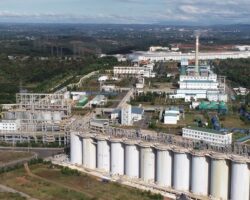
Cold storage of Transimex in Long An
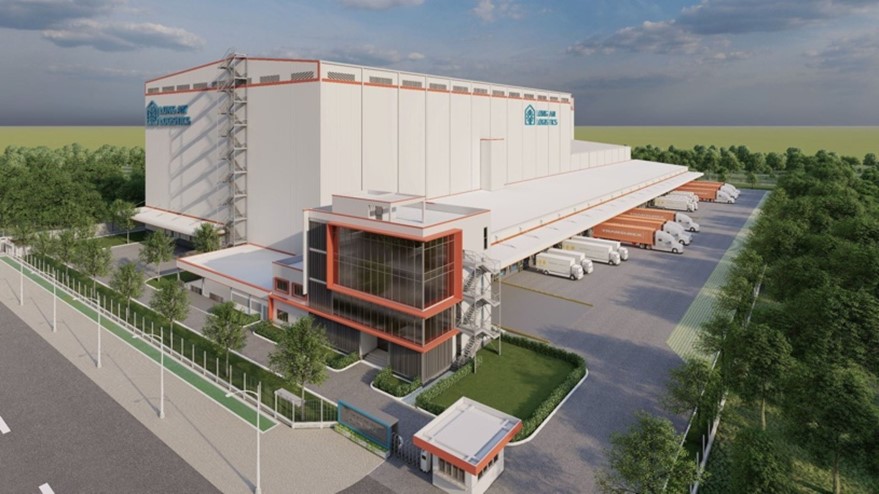
来源: 运输公司
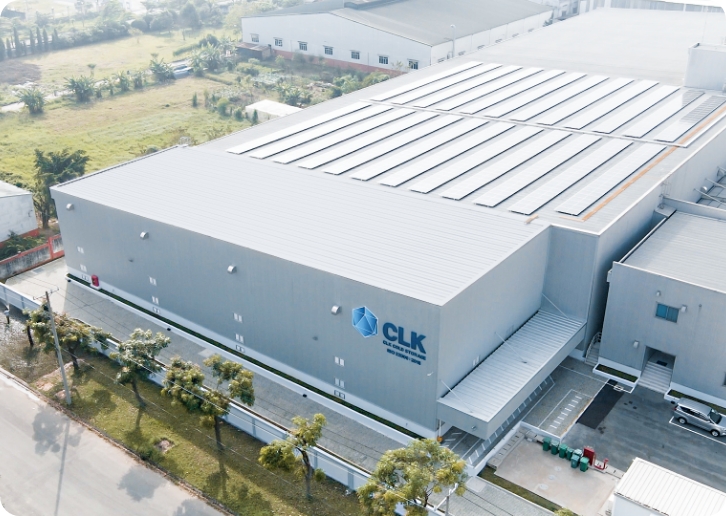
此外,日本企业也正对越南冷库业务表现出兴趣。一个典型案例是由 Cool Japan Fund Inc.、Japan Logistics Systems Corp. 和 Kawasaki Kisen Kaisha, Ltd. 投资的 CLK 冷库项目,该项目自2015年以来一直在平阳省运营。该仓库总面积为19,210平方米,容量最高可达20,897吨(JRT标准) [6].
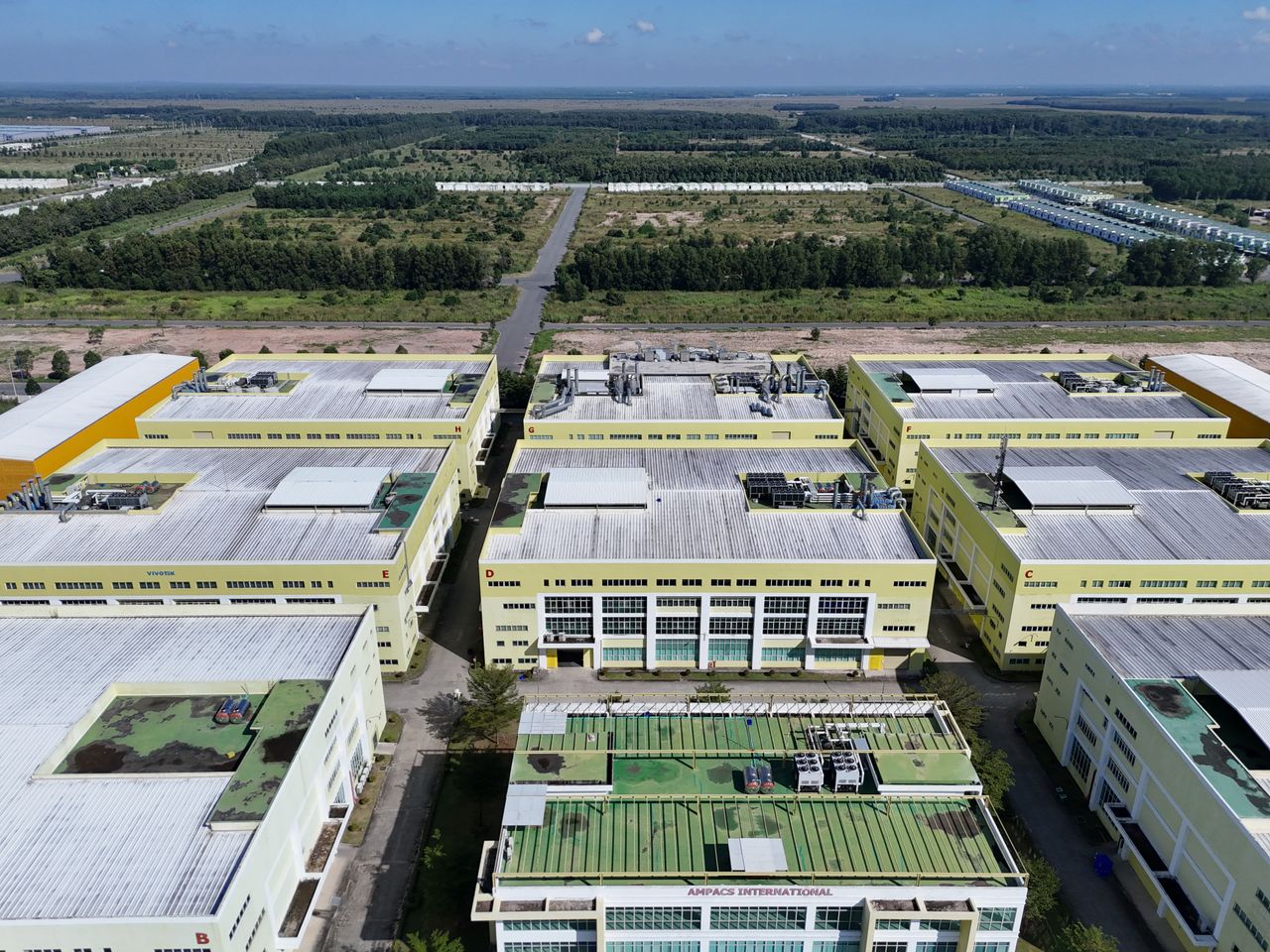
CLK Cold Storage in Binh Duong
来源: CLK 冷库
冷链行业增长的驱动因素
越南对冷链服务需求的增长可归因于几个关键因素。首先,越南蓬勃发展的海产品出口行业高度依赖高效的冷链物流,以在运输至国际市场过程中保持产品的新鲜度和品质。其次,水果、蔬菜、乳制品和医药产品等对温度要求严格的产品在出口和国内消费中持续增长,这些产品需要维持完整性和功效、保持品质并减少损耗,因此推动了越南整体冷链行业,尤其是冷库容量的增长。第三,中产阶层的壮大以及消费者偏好转向有机和新鲜食品,带动了高品质和新鲜食品进口的增加,而这些进口产品需要适当的冷藏以延长保质期并确保食品安全。.
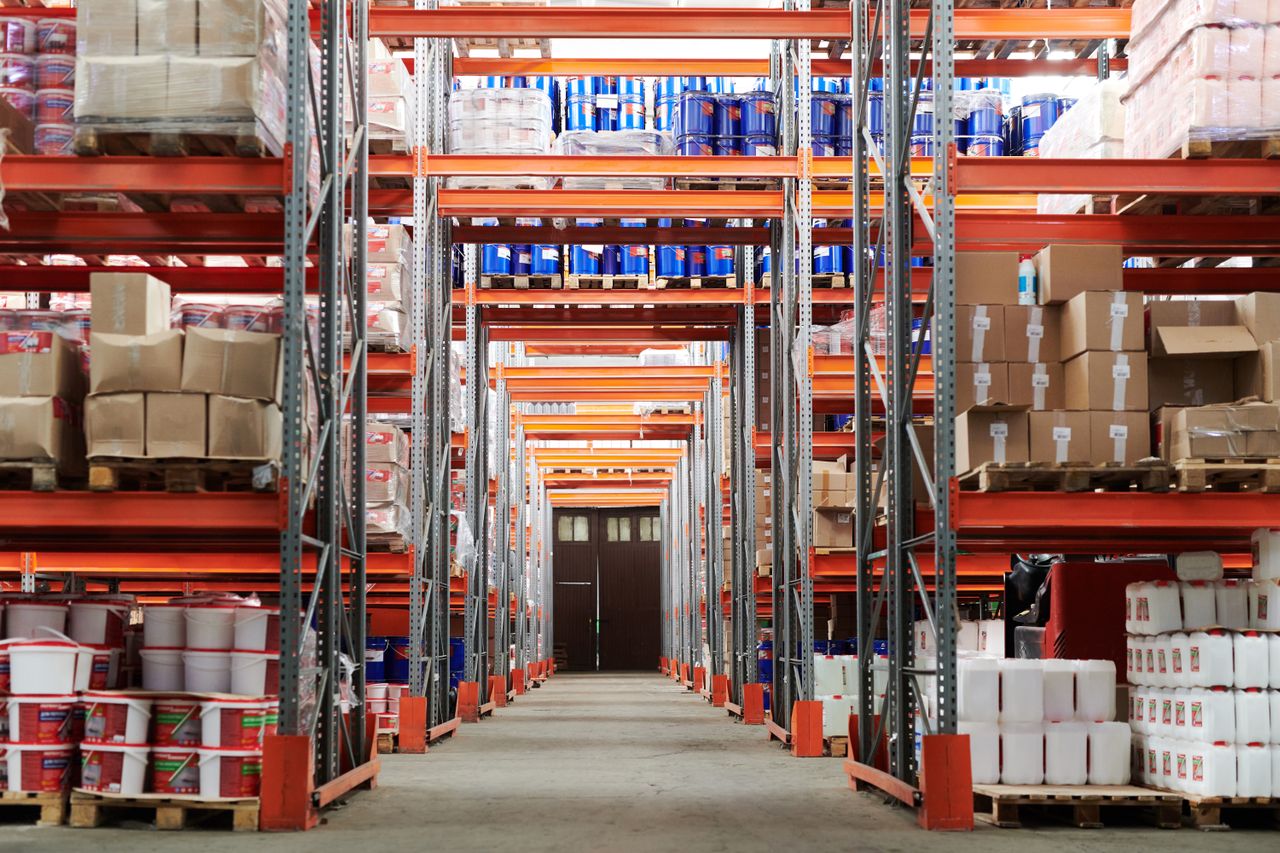
Example of a cold storage facility for beef preservation
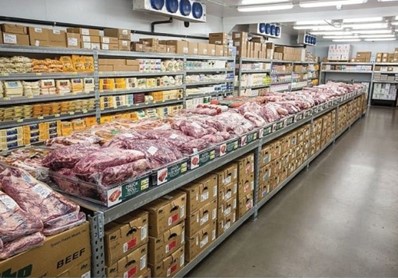
来源: TST Company
挑战
然而,越南冷链行业仍面临一些尚未解决的挑战,并对冷库行业产生了负面影响。2023年,由于更广泛的经济环境影响,仓库整体出租率并不高,不同类型仓储设施之间出现分化。此外,冷库板块受不利经济状况影响最为明显,需求下降,而2022年市场新增了大量供应,导致市场上冷库设施出租率仅达到50-60%。结果,仓储费用和冷库服务价格也受到影响,较2021年观察到的峰值水平下降了20-30%。.
未来展望与商业洞见
尽管近期面临这些挑战,越南冷链行业的长期前景仍然积极。预计到2028年,越南全国冷库容量将扩大至超过170万托盘,在2024-2028年期间计划推进13个新项目[7]. 这意味着未来五年内该国冷链供应将大幅增加70%。这归因于截至2022年底海鲜和肉类出口呈现复苏迹象。OECD-FAO预测,到2030年,越南的人均牛肉消费量将位居东南亚首位,这进一步凸显了冷链行业的增长潜力。.
鉴于行业供需缺口,这意味着企业未来将迎来显著的增长机遇。此外,企业应考虑投资冷库基础设施,并实施先进技术解决方案,以提升冷链可视化、可追溯性和温度监测能力,从而确保产品质量并最大限度减少浪费。与零售连锁和电商平台合作,使冷链企业能够为生鲜和冷冻产品提供端到端物流服务。随着在线生鲜杂货购物的发展,高效的冷链物流对于及时交付和客户满意度至关重要。.
此外,企业还应关注快速增长的水果和蔬菜出口及国内市场,这些市场都需要温控仓储和运输。通过提供包装、贴标和配送等增值服务,企业可以在冷链价值链中占据更大份额,并与竞争对手形成差异化。.
结论
总之,越南冷链行业为希望把握其预期增长的企业提供了丰富机遇。凭借正确的战略、投资和合作伙伴关系,企业可以成功应对挑战,并在这一充满活力且前景广阔的市场中脱颖而出,成为领导者。通过聚焦核心客户群体、开发专业化解决方案并利用先进技术,企业能够为越南稳健高效的冷链基础设施建设作出贡献,最终使经济与消费者双方受益。.
[1] https://vnexpress.net/nguon-cung-kho-lanh-du-bao-tang-70-4722799.html
[2] 同注释1
[3] 同注释1
[4] https://trungtamwto.vn/chuyen-de/25235-thi-truong-kho-lanh-tai-viet-nam-nhieu-du-dia-cho-khai-pha
[5] 同注释1
[7] https://vnexpress.net/nguon-cung-kho-lanh-du-bao-tang-70-4722799.html
| B&公司.
自2008年以来,第一家专注于越南市场研究的日本公司。我们提供广泛的服务,包括行业报告、行业访谈、消费者调查、商业匹配。此外,我们最近开发了一个包含超过900,000家越南公司的数据库,可用于寻找合作伙伴和分析市场。. 如果您有任何疑问,请随时与我们联系。. info@b-company.jp + (84) 28 3910 3913 |
阅读其他文章