
067 月2026
最新消息及报道 / 越南简报
评论: 没有评论.
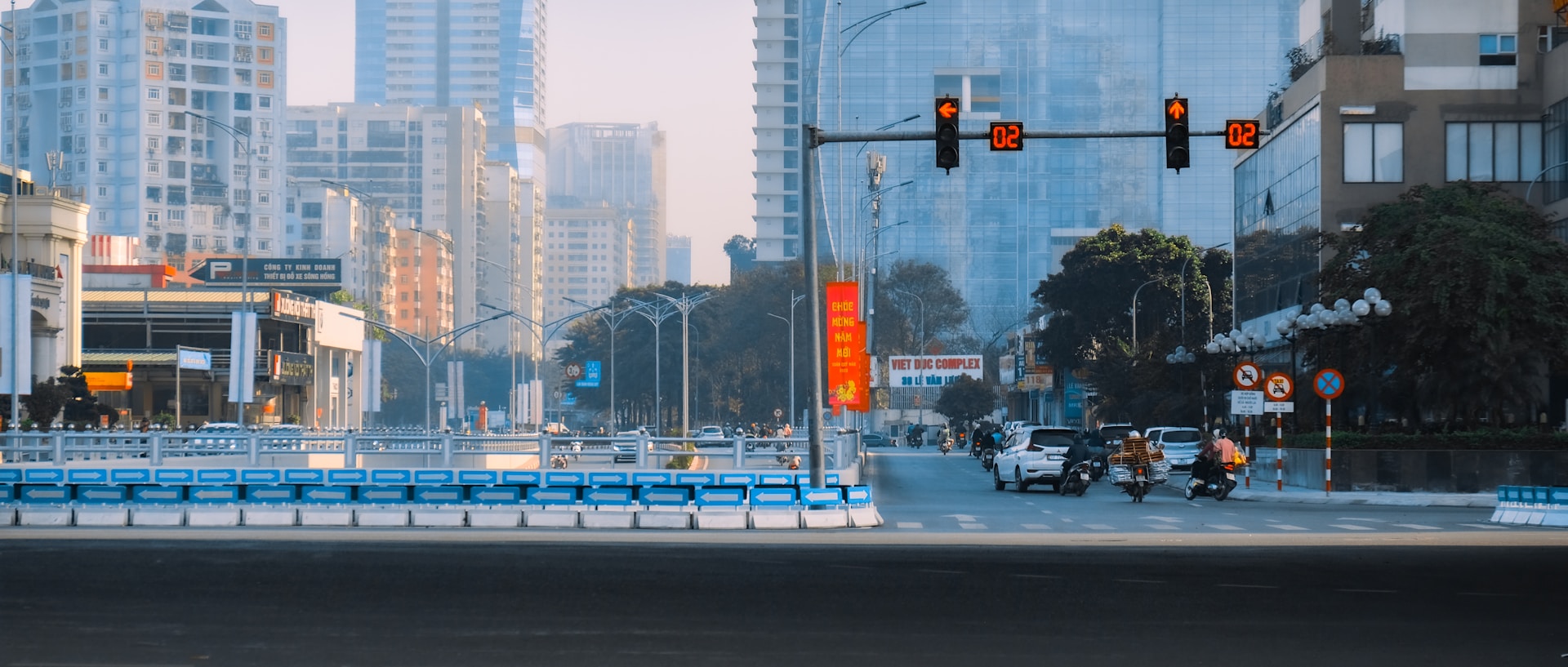
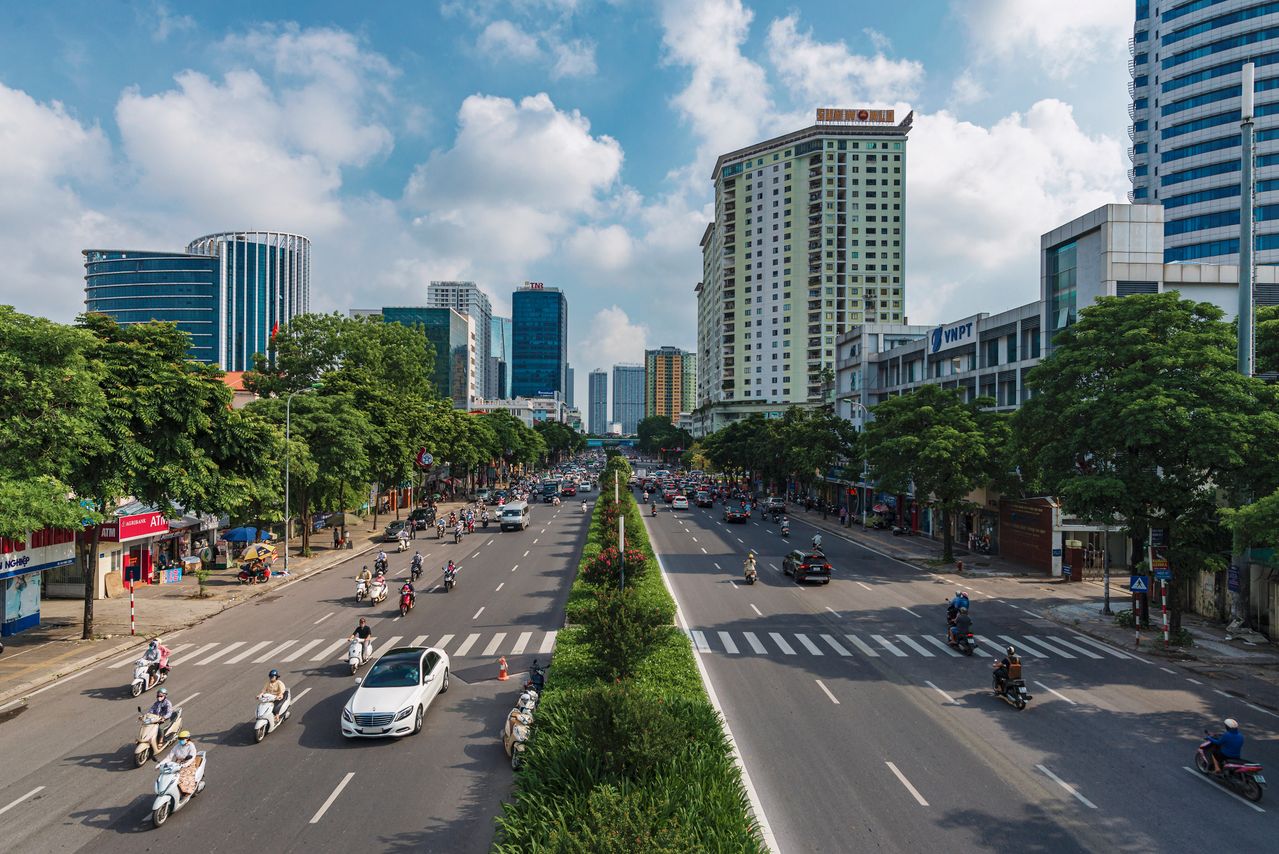
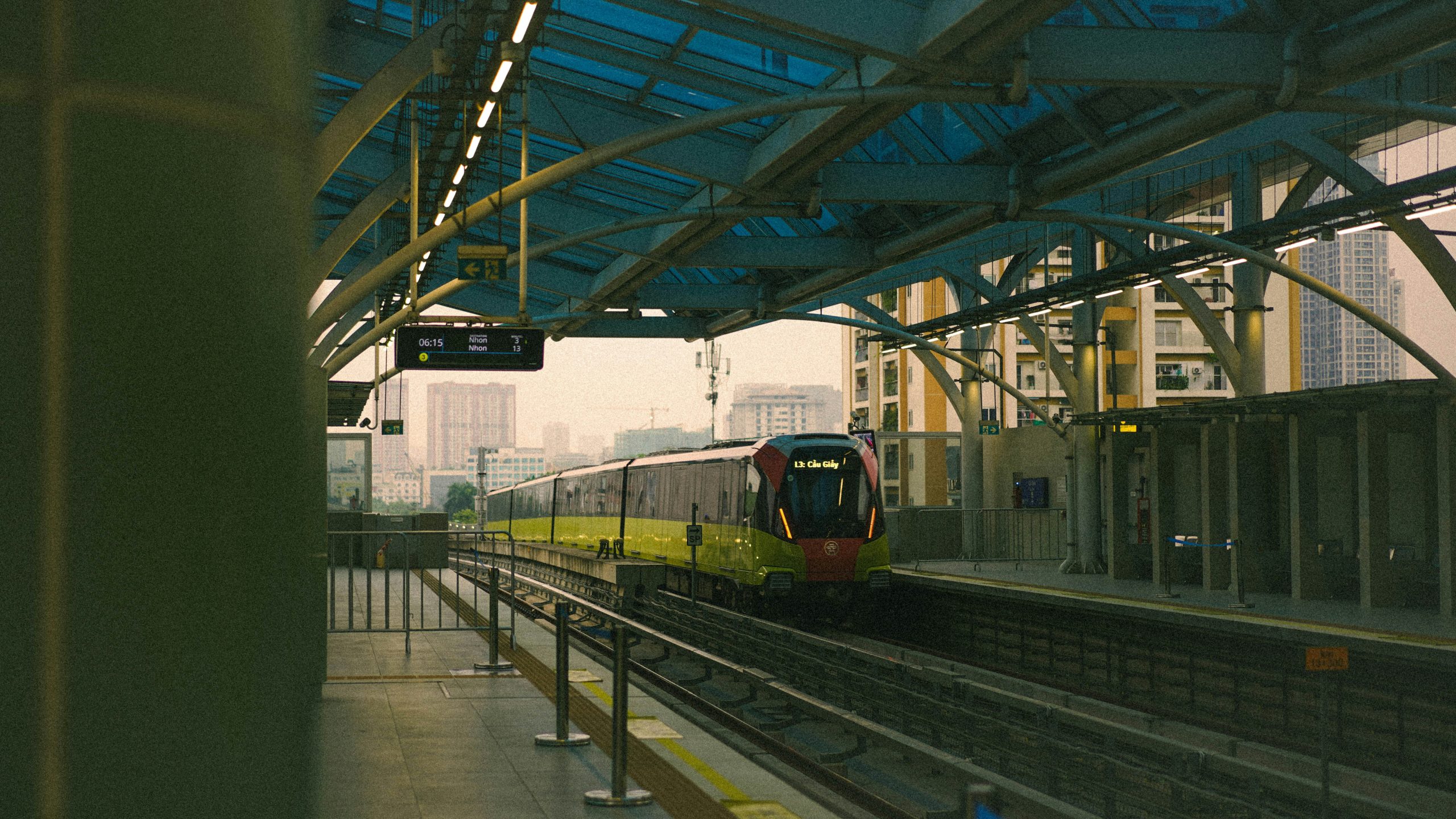
Hanoi entered 2025 with clear pressure on its transport system, as the city was managing more than 8 million vehicles while road infrastructure had not expanded fast enough to meet rising travel demand[1]然而,2025 年公共交通、地铁运营和交通安全方面也取得了可衡量的进展,为 2025 年末至 2026 年更强劲的基础设施建设推进奠定了基础。
Looking back at achievements and limitations in Hanoi’s transport in 2025
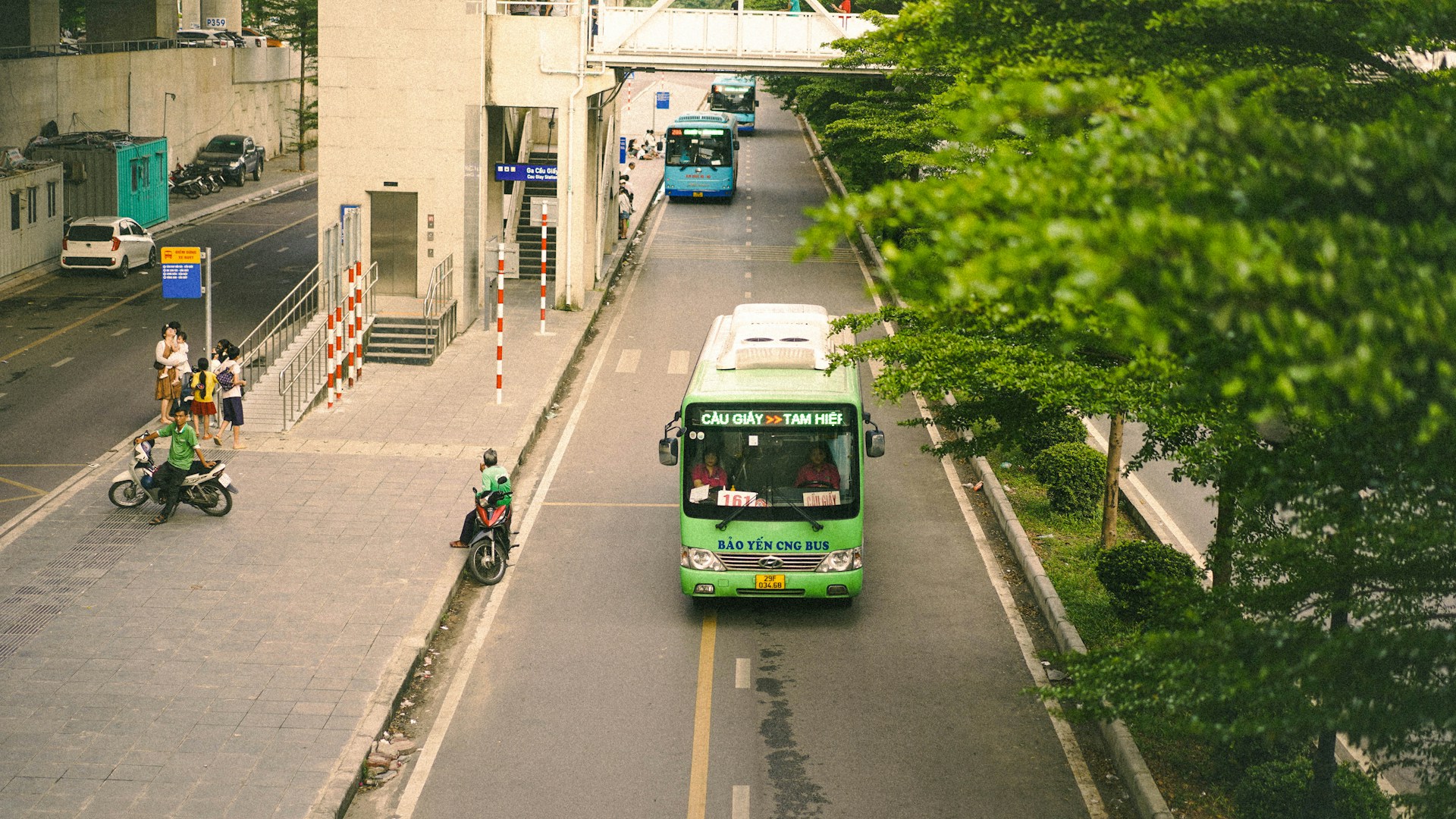
2025年,河内公共交通取得了多项积极成果。公交车仍然是该市公共客运的支柱,Transerco运营超过320万趟次,服务约2.4亿名乘客,比2024年增长2.5%。该市的绿色公交转型也日益显著,Transerco在四条线路上投入了63辆电动公交车,并在符合条件的地点安装了近300个充电桩。[2]
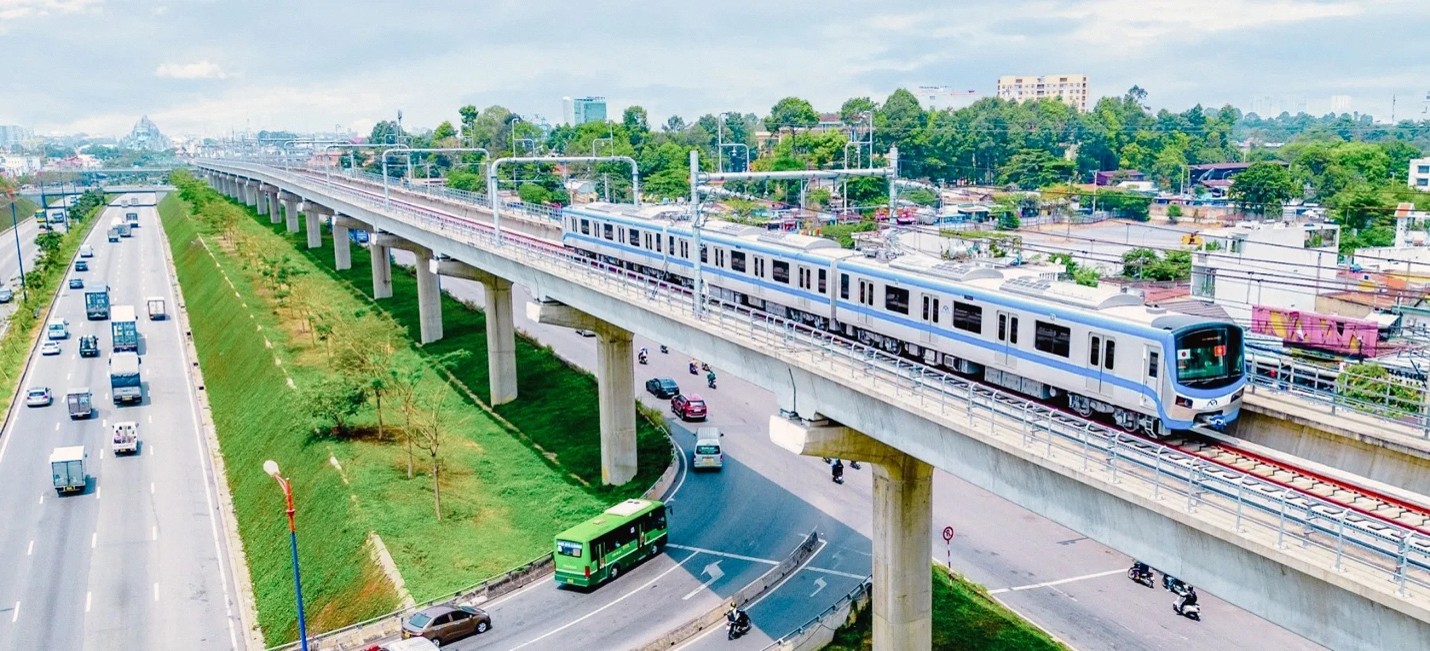
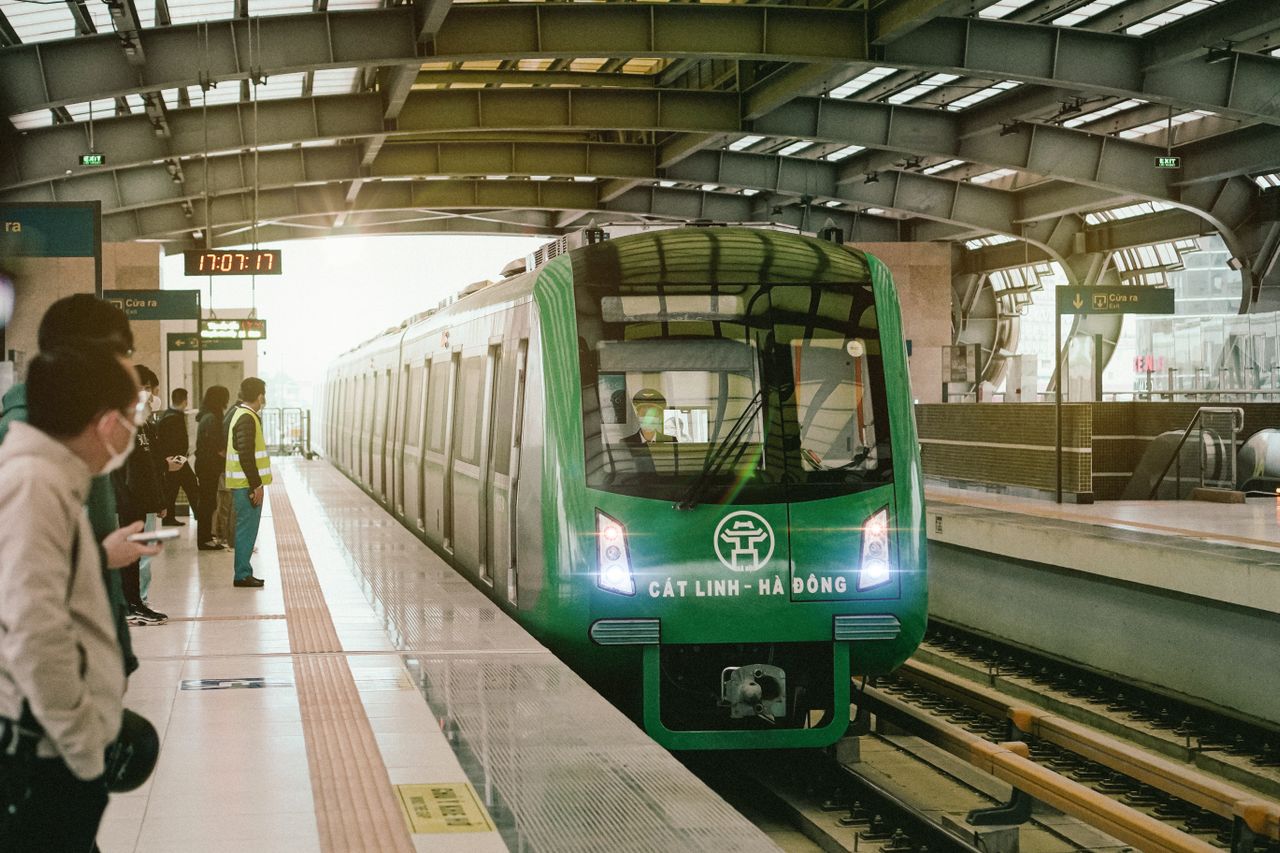
城市轨道交通也表现强劲。河内地铁2025年客运量超过2068万人次,超出预期目标7.13%。仅吉灵至河东线就服务了超过1368万人次的乘客,同比增长15.3%,而总票务收入超过1430亿越南盾,超出既定目标29.09%。[3]
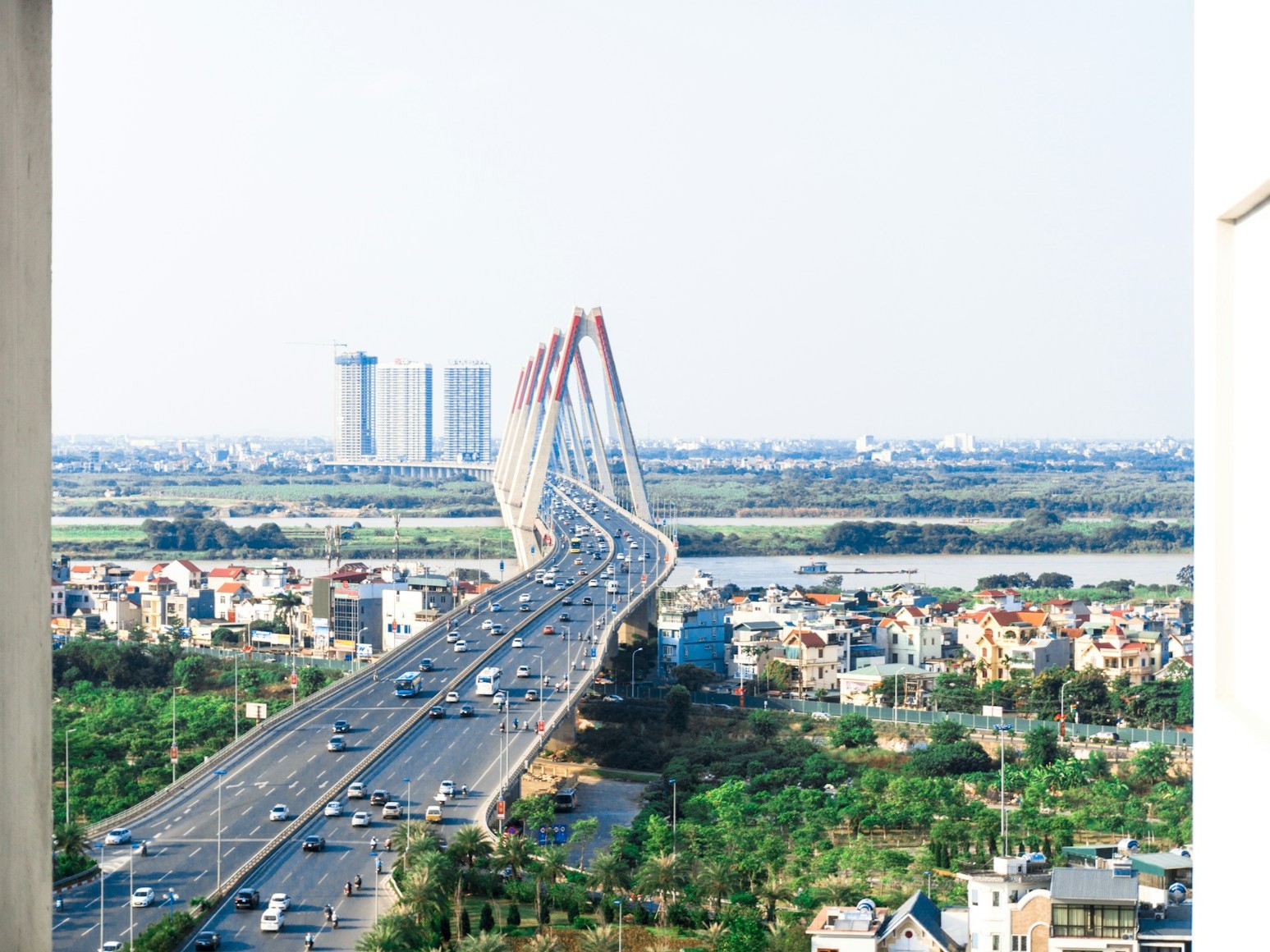
然而,这些改进措施仍属局部性,并未彻底解决河内交通结构性瓶颈问题。许多大型基础设施项目因土地征用或实施缓慢而延误多年,一些原定于2025年完工的大型项目仍主要处于筹备阶段。例如,2017年获批、原计划于2020年竣工的1号环城公路黄桥至沃福段,就因土地征用问题而延期。[4] 同样,尽管迫切需要发展地铁来减少交通拥堵带来的经济和社会成本,但到 2025 年,河内的五条新地铁线路仍主要处于程序准备阶段。[5]
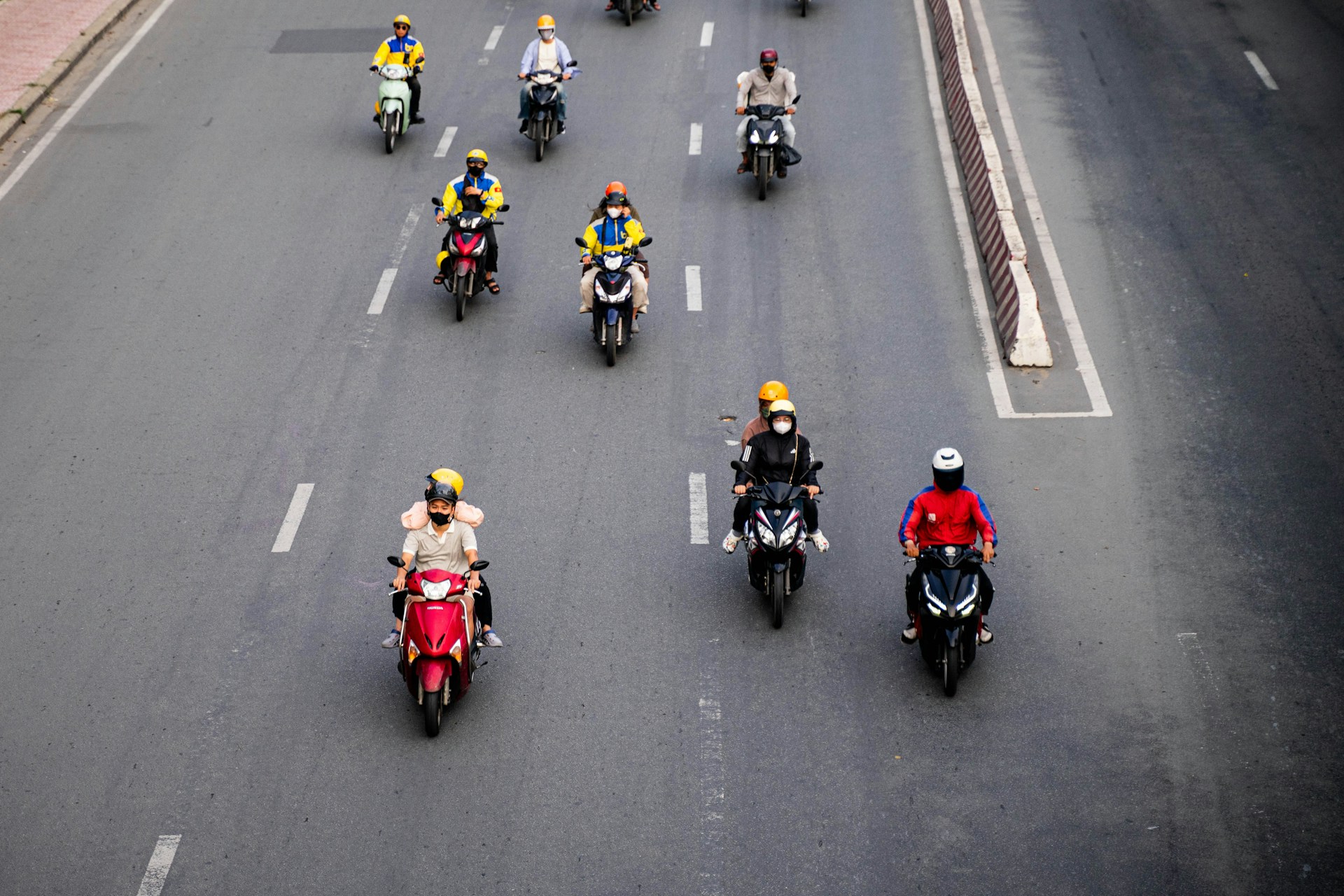
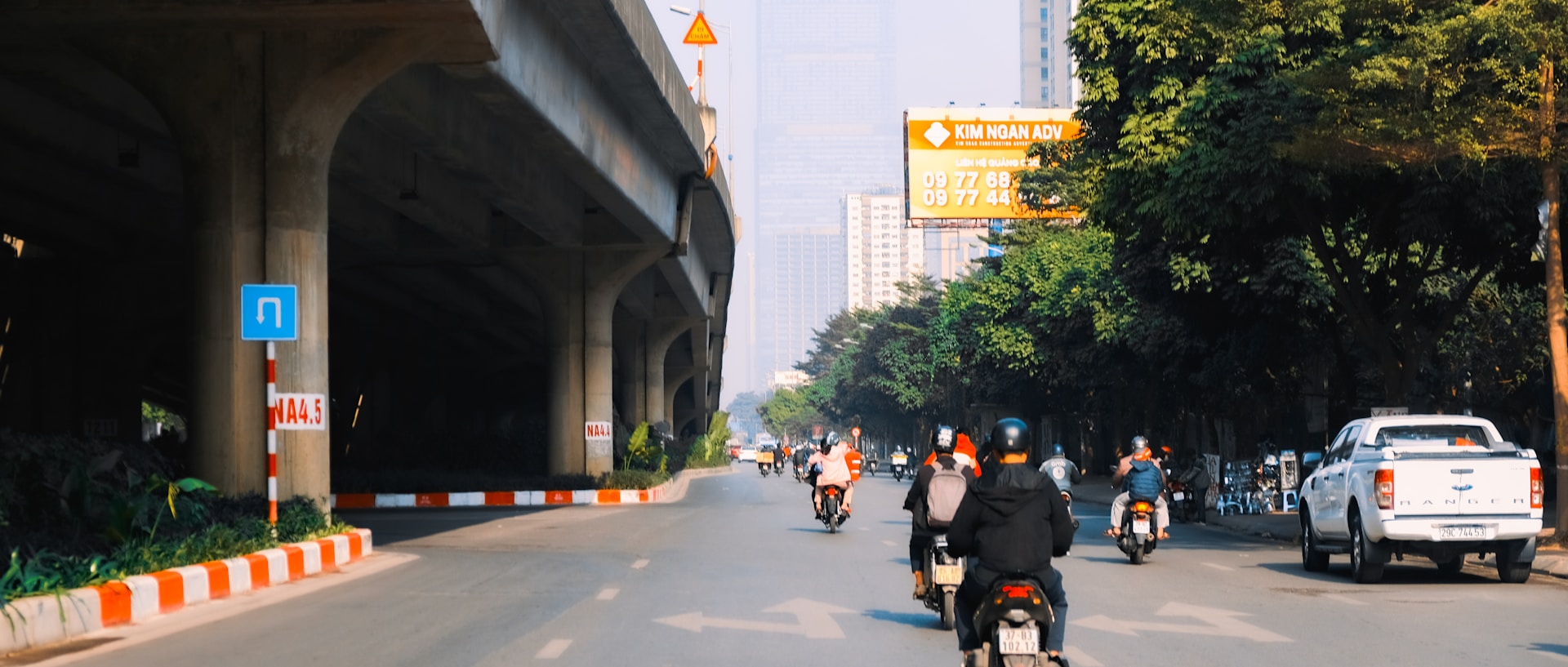
Congestion and uneven urban development also remained key challenges. At the beginning of 2025, Hanoi managed more than 8 million vehicles, including around 1.1 million cars and 6.9 million motorbikes, while road infrastructure had not kept pace with vehicle growth[6]2025年,该市平均拥堵程度达到49.2%,比2024年上升2.8个百分点。[7]
Moreover, unsynchronized transport infrastructure has also limited Hanoi’s ability to redistribute population growth and develop suburban areas. Hanoi’s satellite urban model was already set out in the 2011 General Construction Plan for the Capital, but satellite city development has so far shown limited results, partly because transport links between the central city and satellite areas remain insufficiently integrated[8]. As a result, development pressure continues to concentrate in the inner city, while suburban areas have not yet fully played their role in reducing urban pressure and expanding Hanoi’s development space.
Current acceleration: Major projects are moving from planning to implementation
However, entering 2026, Hanoi has started to push forward a series of major transport infrastructure projects more decisively, moving several long-planned roads, rail lines and urban connectivity projects into commencement or near-term implementation.
Table 1. Selected major transport projects in Hanoi are moving into implementation from 2026 onward
| 类型 | 不。. | Key project | Commencement date | Latest update | Main significance |
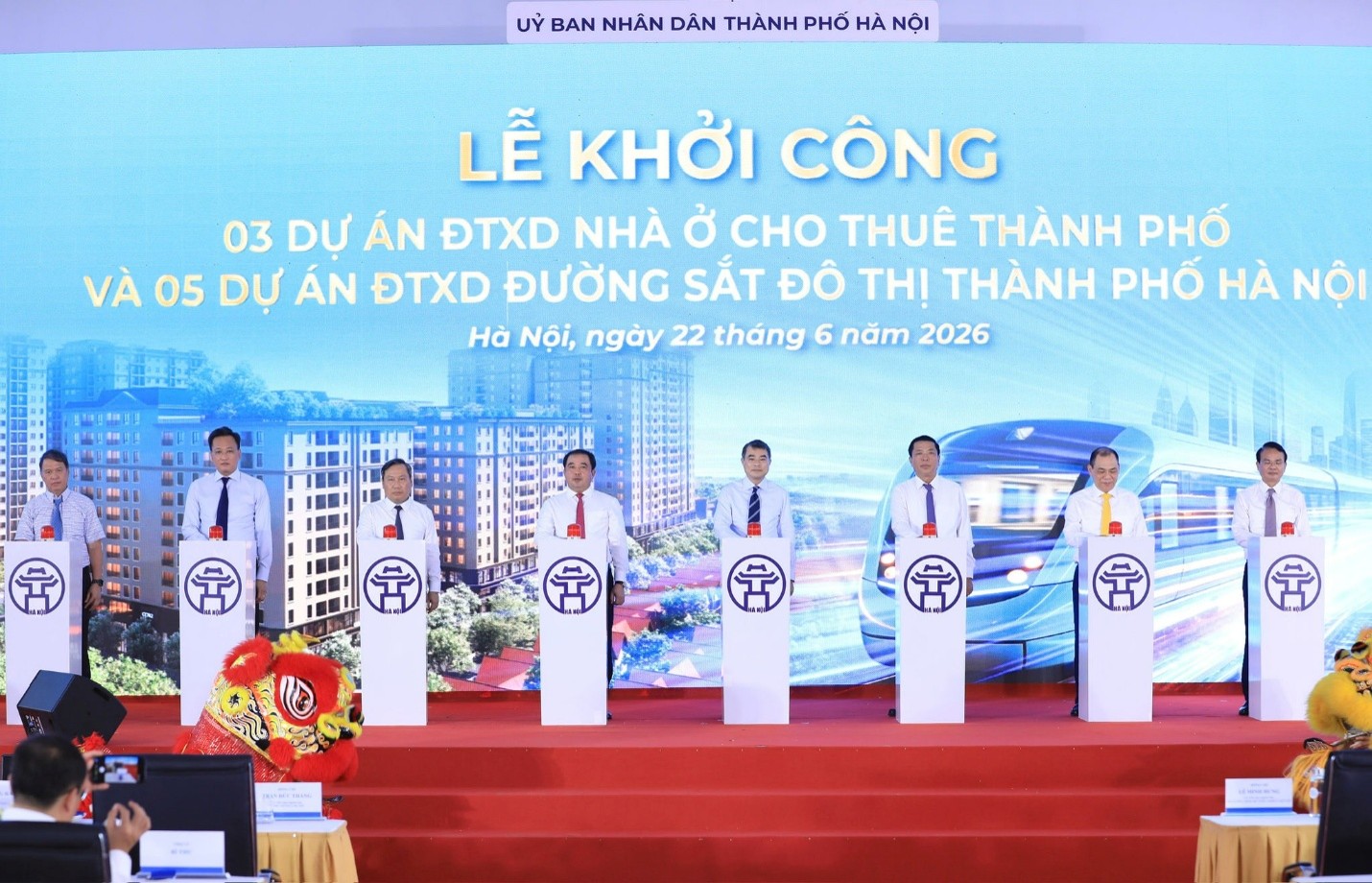
| 城市轨道交通 | 1 | Five new metro lines | 22 Jun 2026 | Hanoi simultaneously broke ground on five urban railway lines on 22 June 2026, with a total length of about 303.5 km and a preliminary investment of about VND 1,315,256 billion | Marks a shift from individual metro-line development toward a more integrated urban rail network |
| Expressway | 2 | Hanoi–Thai Nguyen–Cho Moi Expressway, CT.07 | 30 Jun 2026 | ~100 km; total investment of more than VND 21,000 billion under PPP/BOT | Strengthens Hanoi’s northern connectivity, reduces reliance on National Highway 3 and supports industrial/logistics links with the northern midland and mountainous region |
| Road | 3 | Road connecting Tu Lien Bridge with Hanoi–Thai Nguyen Expressway | 16 Jan 2026 | ~5.66 km, 60 m cross-section, total investment of nearly VND 5,000 billion | Connects the future Tu Lien Bridge with the national expressway network, supporting cross-river urban expansion |
| Inner ring road | 4 | Remaining sections of Ring Road 2.5 | 20 Mar 2026 | ~ 2.64 km, more than VND 8.4 trillion allocated for land clearance and construction of the three missing sections | Helps complete Hanoi’s inner ring-road network and reduce pressure on radial roads passing through the urban core |
| Regional connectivity | 5 | National Highway 1A spatial-axis project, from Ring Road 1 to Cau Gie interchange | 19 May 2026 | ~ 36.3 km, passes through 18 communes/wards, total investment of nearly VND 162,000 billion | Upgrades Hanoi’s southern gateway, improves regional connectivity and creates new space for logistics, services and urban redevelopment |
| Tunnels / underpasses | 6 | Tay Thang Long–Ring Road 3 underpass | Expected Aug 2026 | Total investment of more than VND 1,156 billion | Targets a major bottleneck at the northwest gateway and improves connectivity along the Tay Thang Long corridor |
B&Company 的合成
Hanoi is accelerating and decisively pushing forward the commencement of many key projects, including several that had been stalled or remained at the planning stage for many years. The simultaneous implementation of transport infrastructure projects, including urban railways, expressways, provincial roads, inner ring roads and underpasses, could help create a more integrated transport network. If implementation continues as planned, these projects could reduce traffic pressure in the inner city, improve connectivity between Hanoi and neighboring provinces, and create new development opportunities in suburban and gateway areas.
Groundbreaking ceremony for five urban railway lines and three rental housing projects in Hanoi

来源: 河内
Policy updates: from infrastructure delivery to mobility management
Alongside the acceleration of major transport projects, Hanoi is also updating its policy framework to make public transport more integrated. Decision 3316/QĐ-UBND, issued on 27 June 2025, set out a multi-modal ticketing scheme for public passenger transport, aiming to unify ticket products and diversify payment methods[9]. From 25 June 2026, Hanoi officially launched the integrated e-ticketing system across the public transport network.[10]
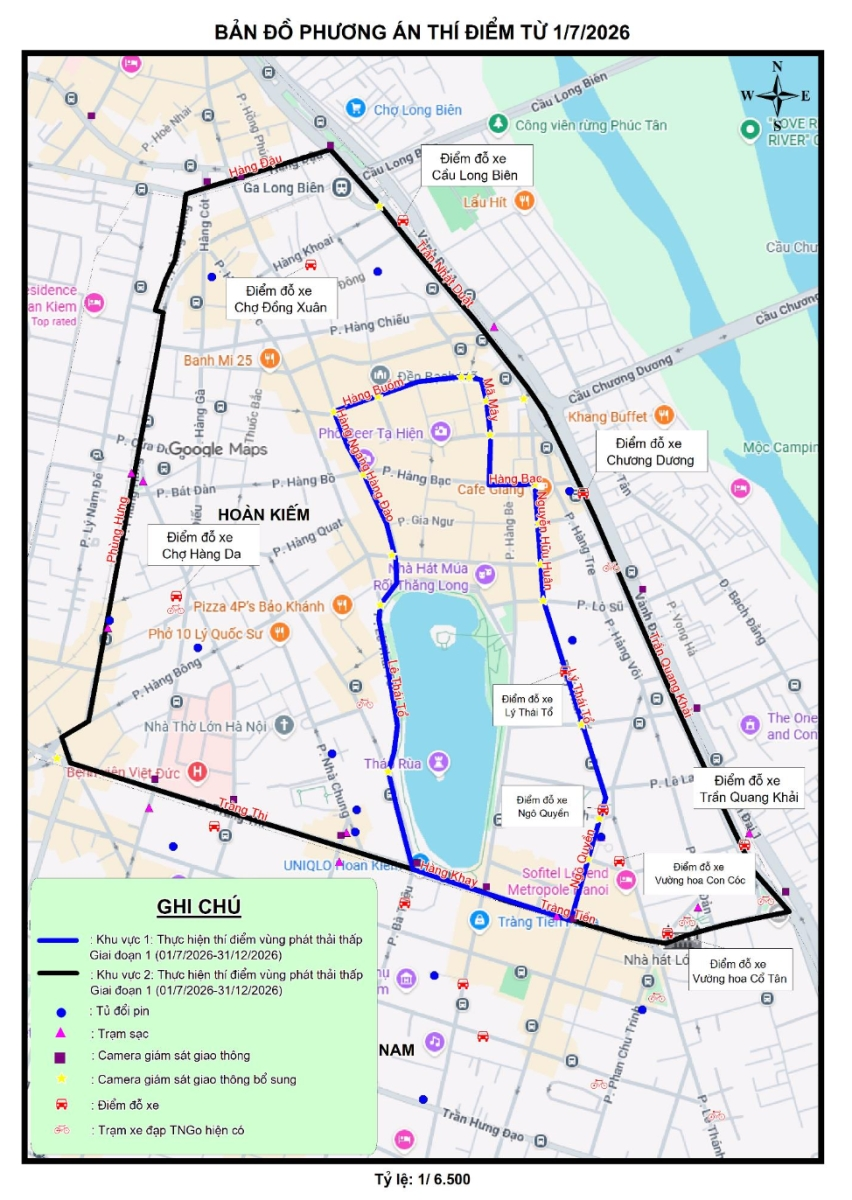
Hanoi is also starting to use environmental policy as a traffic-management tool. Hanoi’s low-emission zone pilot will start on 1 July 2026 across nine wards inside Ring Road 1, but does not impose a blanket ban on petrol and diesel vehicles. Until the end of 2026, restrictions apply only to two areas in Hoan Kiem Ward; in Area 1, all road vehicles are banned from 19:00–24:00 on Fridays to Sundays, while larger passenger vehicles face separate time-based restrictions.[11]
Pilot Low-Emission Zone Map in Hanoi (Effective from 1 July 2026)*

来源: VOV.vn
(*) Note:
Area 1 (blue boundary) refers to the inner pilot zone around the Hoan Kiem Lake / Old Quarter core area.
Area 2 (black boundary) refers to the broader pilot zone surrounding Area 1.
Both areas are included in Phase 1 of Hanoi’s low-emission zone pilot, implemented from 1 July 2026 to 31 December 2026.
Another policy to watch is the proposed fee for vehicles entering inner-city areas. Under the draft plan, Hanoi is considering charges inside Ring Road 1 from 2028, Ring Road 2 from 2030 and Ring Road 3 from 2032[12]. Although this remains a proposal, together with e-ticketing and the low-emission zone, it shows a shift from simply building infrastructure to managing demand, emissions and travel behavior.
Implications for businesses and foreign investors
First, improved transport infrastructure could expand viable business locations beyond Hanoi’s old urban core. Projects such as new roads and new regional corridors can support multi-centered urban development, reduce pressure on the inner city, and make suburban or gateway areas more attractive for offices, logistics, retail and urban services.
Second, better connectivity could improve access to industrial and supply-chain networks around the Capital Region. Stronger links between Hanoi, Hung Yen, Bac Ninh, Thai Nguyen and key expressway corridors may help foreign manufacturers, distributors and service providers consider a wider range of site-location options.
Third, metro development could create new opportunities around station areas. Urban railway systems can support transit-oriented development, opening potential for real estate, retail, mixed-use projects, advertising, facility management and mobility services near major stations.
Finally, new policies such as integrated e-ticketing, low-emission zones and proposed congestion charging may affect how businesses operate in the inner city. Companies in logistics, delivery, retail, tourism and office services should monitor these policies because they may influence vehicle access, delivery schedules, fleet choices and operating costs.
结论
Overall, Hanoi’s transport system is entering a new phase, shifting from partial improvements in 2025 to more decisive infrastructure implementation from 2026 onward. If major projects and supporting policies continue as planned, they could help ease inner-city pressure, improve regional connectivity and unlock new development opportunities beyond the traditional urban core. For businesses and foreign investors, Hanoi’s transport transformation should be viewed as a medium- to long-term driver of improved market access and urban growth potential.
了解更多
*如果您希望引用本文中的任何信息,请善意地引用来源,并附上原文链接,以尊重版权。.
| B&Company
自2008年起,成为第一家专注于越南市场研究的日本公司。我们提供包括行业报告、行业访谈、消费者调查和商业配对在内的广泛服务。此外,我们最近开发了一个包含超过1,000,000家越南公司的数据库,可以用于搜索合作伙伴和分析市场。. 如有任何疑问,请随时与我们联系。. info@b-company.jp + (84) 24 3978 5165 |
[1] https://vtv.vn/xa-hoi/ha-noi-qua-tai-ha-tang-giao-thong-voi-hon-8-trieu-phuong-tien-cac-loai-20250120070819316.htm
[2] https://hanoi.gov.vn/tin-so-nganh/transerco-phuc-vu-240-trieu-luot-hanh-khach-di-xe-buyt-nam-2025-tang-25-4260110141227659.htm
[3] https://metrohanoi.vn/ha-noi-metro-to-chuc-hoi-nghi-trien-khai-nhiem-vu-cong-tac-nam-2026/
[4] https://baolamdong.vn/vanh-dai-1-hoang-cau-voi-phuc-day-nhanh-giai-toa-mat-bang-409800.html
[5] https://dantri.com.vn/thoi-su/khong-phat-trien-metro-ha-noi-va-tphcm-ton-that-2-3-ty-usd-moi-nam-20240117135159516.htm
[6] https://vtv.vn/xa-hoi/ha-noi-qua-tai-ha-tang-giao-thong-voi-hon-8-trieu-phuong-tien-cac-loai-20250120070819316.htm
[7] https://www.tomtom.com/traffic-index/city/ha-noi/
[8] https://viup.vn/vn/Do-thi-ve-tinh-n118-Lien-ket-giua-do-thi-trung-tam-va-cac-do-thi-ve-tinh-phuc-vu-phat-trien-ben-vung-thanh-pho-moi-d11758.html
[9] https://vietnamnet.vn/en/hanoi-to-launch-integrated-fare-system-for-buses-and-metro-2416216.html
[10] https://www.vietnam.vn/en/ha-noi-chinh-thuc-dung-ve-dien-tu-lien-thong-cho-giao-thong-cong-cong-tu-25-6
[11] https://vov.vn/xa-hoi/tu-17-ha-noi-thi-diem-vung-phat-thai-thap-cac-phuong-tien-di-lai-nhu-the-nao-post1311202.vov
[12] https://vietnamnet.vn/en/hanoi-congestion-charge-plan-raises-concerns-over-fairness-and-readiness-2522634.html