

 Tiếng Việt
  English
  日本語
日本語  简体中文
简体中文  한국어
한국어 High-end Japanese dining is becoming more visible in Vietnam. Omakase remains one of the most recognizable formats, but the trend is widening
24/07/2026
Tin tức & Báo cáo mới nhất / Vietnam Briefing
Bình luận: Không có bình luận.
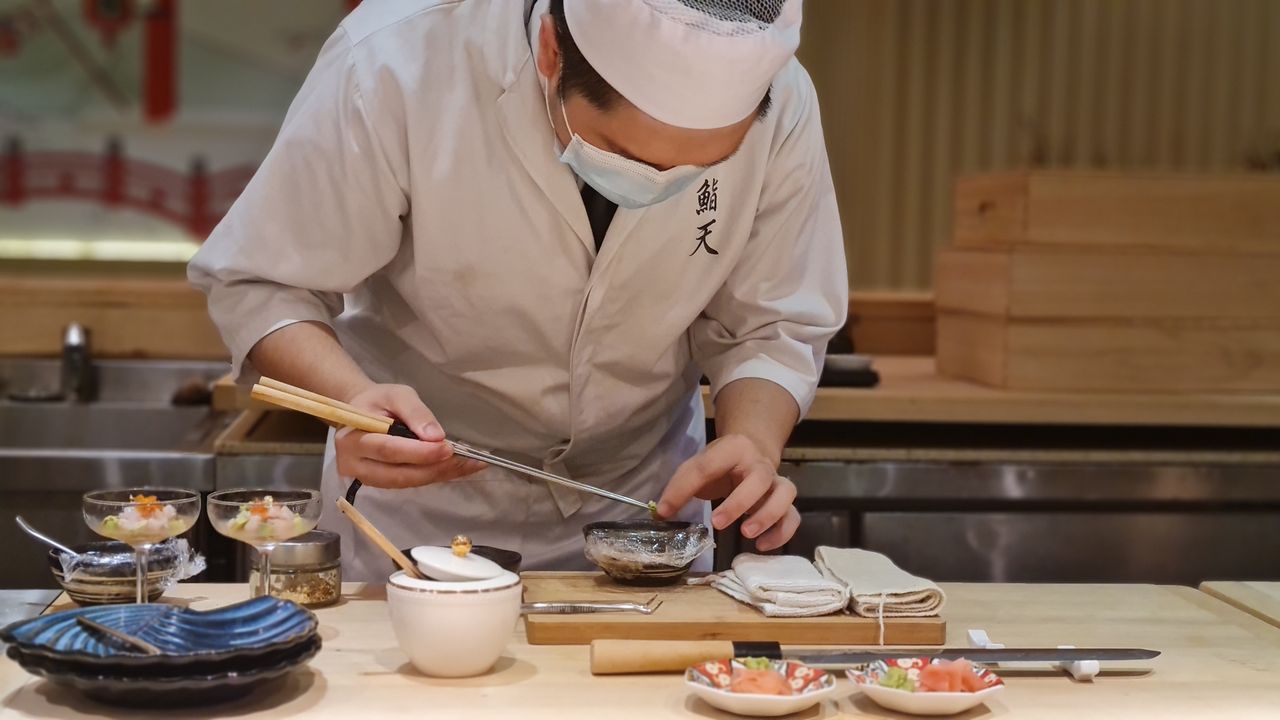
High-end Japanese dining is becoming more visible in Vietnam. Omakase remains one of the most recognizable formats, but the wider trend now includes Wagyu yakiniku, teppanyaki, kappo-style dining, modern Japanese cuisine, and resort-based fine dining. This article reviews how premium Japanese restaurants are diversifying in Vietnam, why Vietnamese customers are becoming more receptive, and what this means for Japanese food and beverage businesses.
From Japanese food to premium Japanese dining
Japanese cuisine has been present in Vietnam for many years. Sushi, ramen, izakaya and yakiniku are already familiar to many urban consumers. In the past, Japanese restaurants often relied on expatriates, Japanese business travelers and Vietnamese customers who already knew Japanese food.
Number of Japanese restaurants in some cities in Vietnam in 2024
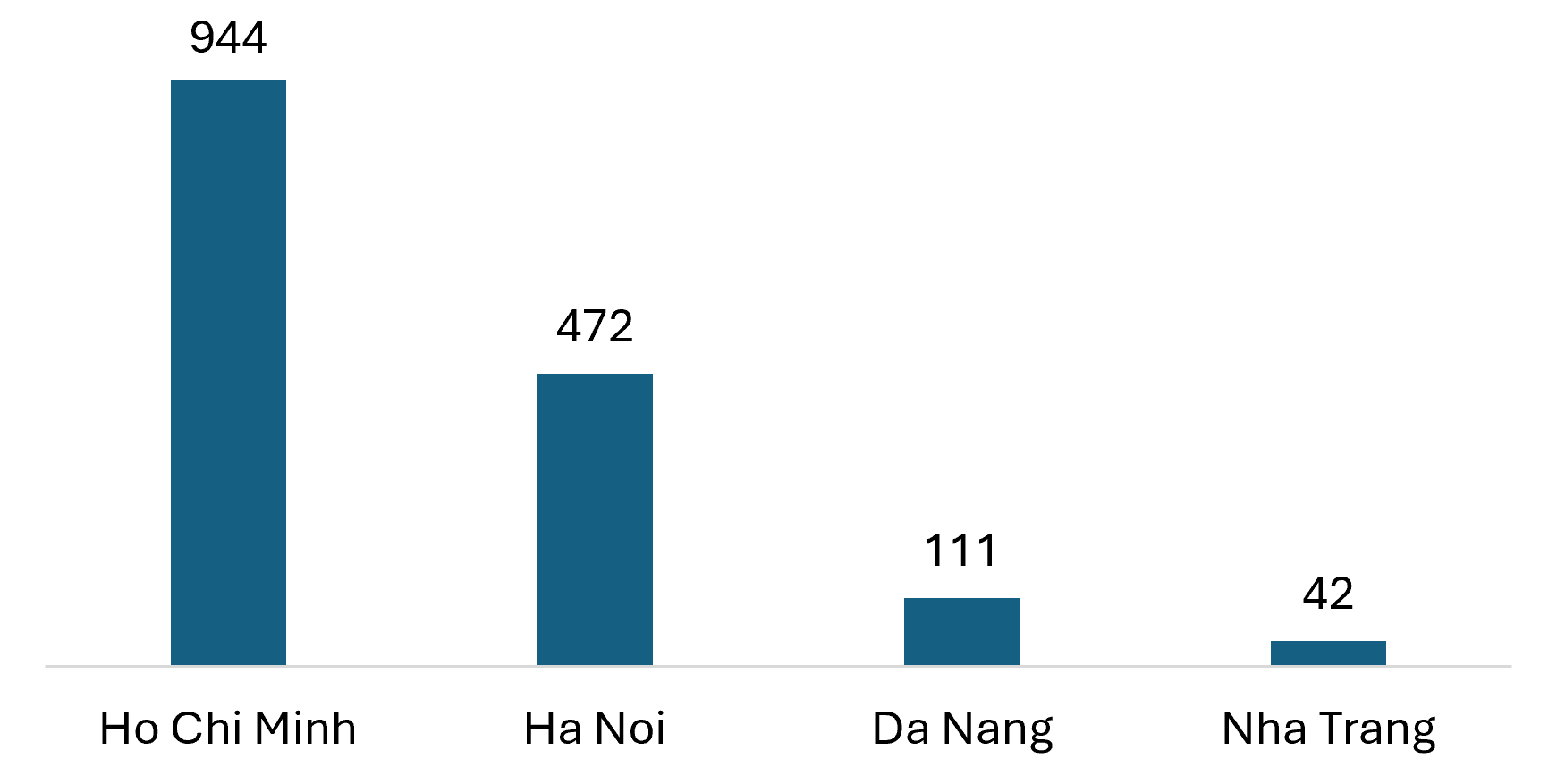
Nguồn: Foody
That structure is changing. In major cities, Japanese dining is increasingly moving upward into a premium segment. Customers are not only paying for food. They are paying for imported ingredients, chef explanations, counter seating, sake pairing, private rooms and a dining experience suitable for birthdays, anniversaries or business entertainment.
Omakase is the clearest symbol of this shift. The format is easy to associate with premium Japanese dining because customers sit close to the chef and leave the meal structure to the restaurant. However, the broader trend is not only about omakase. It is about the rise of high-end Japanese dining as a wider category in Vietnam.
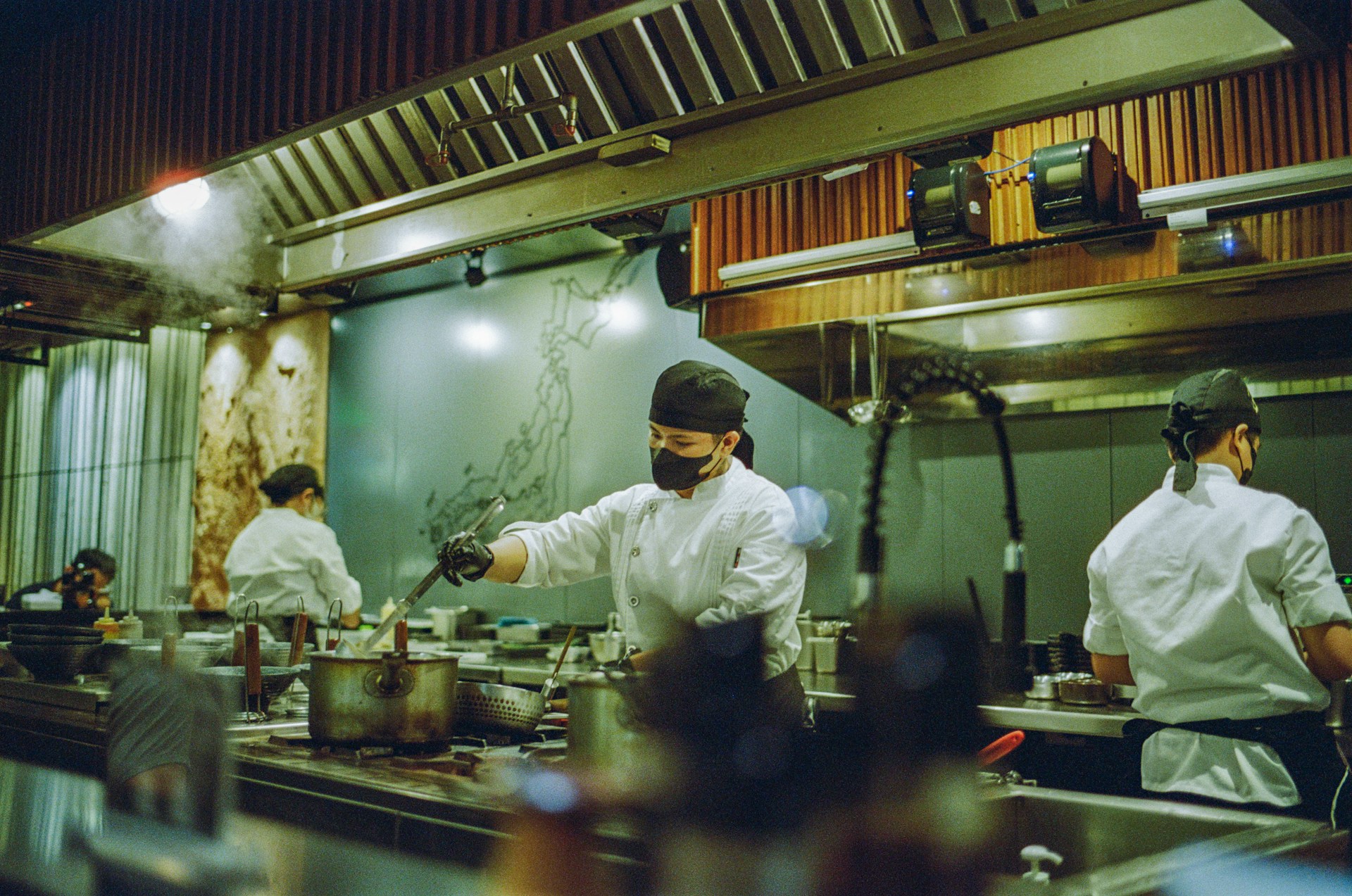
Example of an Omakase restaurant in Vietnam
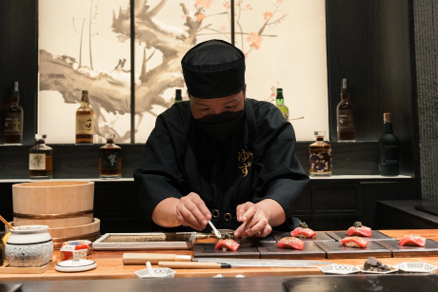
Nguồn: Vnexpress
A more visible fine dining environment
Vietnam’s fine dining scene has gained more attention since the MICHELIN Guide entered the country. In 2026, the guide recognized 193 establishments across Hanoi, Ho Chi Minh City and Da Nang, including 11 one-star restaurants, 72 Bib Gourmand establishments and 110 MICHELIN Selected venues.
This does not mean luxury dining has become mass-market. Most Vietnamese consumers still rely on casual restaurants, street food, delivery apps and family dining. However, the MICHELIN Guide’s expansion shows that Vietnam now has a broader restaurant ecosystem. This creates a better environment for premium Japanese formats to develop.
Some main premium Japanese dining restaurants
| Nhà hàng | Thành phố | Main format/dishes | Price per people |
| Hibana by Koki | Hà Nội | Luxury Japanese counter dining/teppanyaki | – |
| Sushi Rei | Thành phố Hồ Chí Minh | Sushi omakase, seasonal Japanese seafood | VND 4.8–5.2 million. |
| Yuzu Omakase | Ho Chi Minh City / Hanoi | Modern omakase, sushi courses, Wagyu course | VND 2.2–10.0 million. |
| Yakiniku Yazawa Saigon | Thành phố Hồ Chí Minh | Premium Wagyu yakiniku, beef omakase | VND 2.0–3.2 million. |
| Tingara | Đà Nẵng | Resort Japanese fine dining, omakase, teppanyaki | – |
| NAYUU | Hoi An | Resort omakase, seafood, Wagyu | VND 6.4 million. |
| Kumihimo | Thành phố Hồ Chí Minh | Modern Japanese cuisine, Wagyu, lobster, abalone | – |
Nguồn: Tổng hợp của B&Company
What is driving the trend?
One driver is experience-based consumption. For affluent Vietnamese customers, dining is increasingly about atmosphere, service, storytelling and social visibility. High-end Japanese dining fits this behavior because it combines precision, performance and exclusivity.
A second driver is travel exposure. Vietnamese travel to Japan reached 678,500 visitors in 2025, up 9.2% year-on-year. After experiencing sushi, Wagyu, ramen, sake, and Japanese service culture in Japan, some consumers return to Vietnam with clearer expectations for Japanese dining.
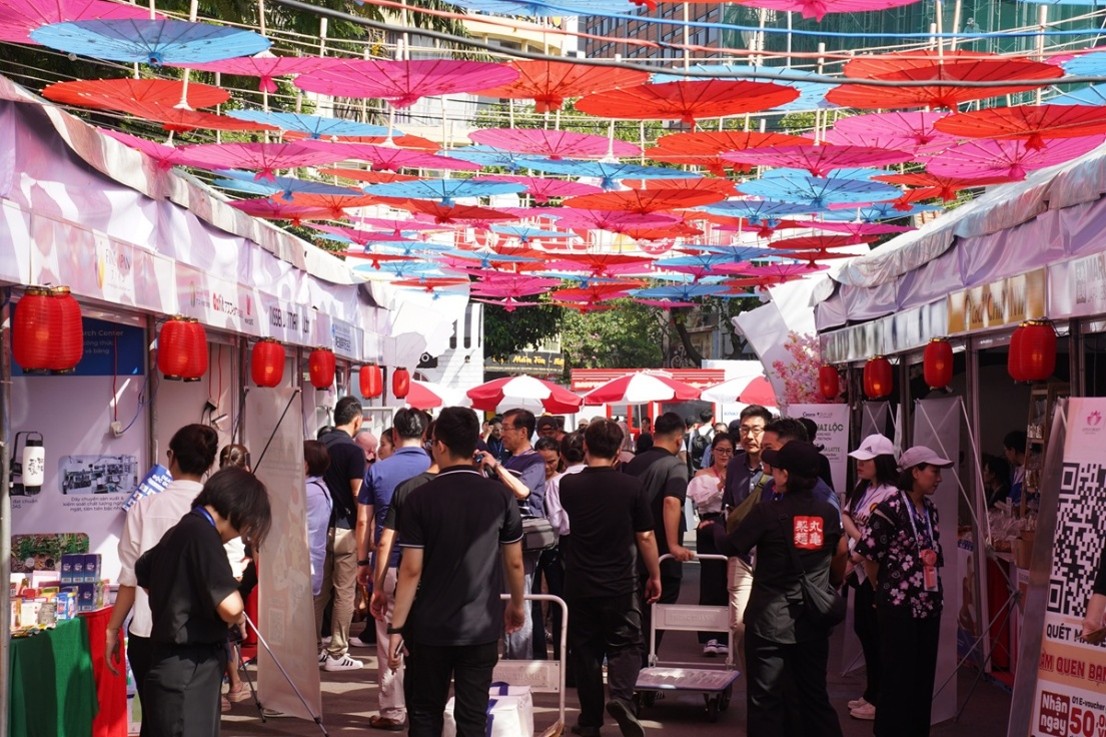
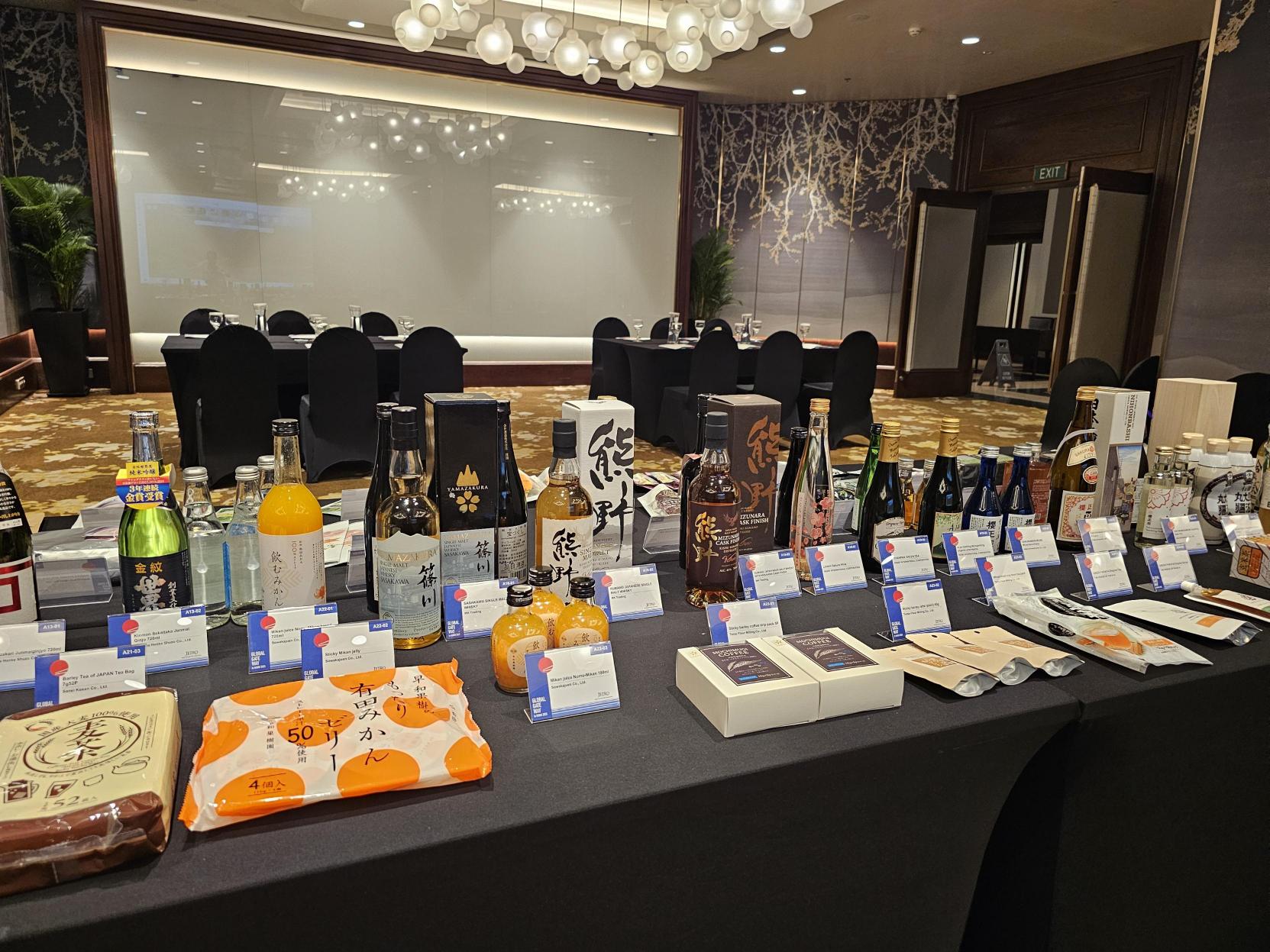
A third driver is the visibility of Japanese food culture in Vietnam. JETRO and JFOODO promoted Japanese food products at the 2026 Japan Vietnam Festival in Ho Chi Minh City. JETRO noted that the previous festival attracted around 430,000 visitors, showing the scale of public interest in Japanese culture and food.
2026 Japan Vietnam Festival in Ho Chi Minh City
Nguồn: Ho Chi Minh media center
A fourth driver is social media. Omakase counters, Wagyu grilling, teppanyaki performance, sake pairing and luxury plating are highly visual. They work well on Instagram, TikTok and food review channels. For younger affluent consumers, the meal becomes both dinner and shareable content.
Implications for Japanese food and beverage businesses
For Japanese restaurant operators, Vietnam is becoming more attractive but also more demanding. The word “Japanese” alone is no longer enough. Customers compare restaurants through reviews, social media, travel experience and price transparency.
High-end operators need clear positioning. A concept should be easy to understand: authentic sushi, Wagyu yakiniku, modern Japanese cuisine, resort dining or business entertainment. Mixed positioning can confuse customers, especially when prices are high.
For Japanese exporters, the opportunity extends beyond restaurant ownership. Premium dining can support demand for seafood, Wagyu beef, rice, sake, tea, soy sauce, miso, tableware, knives and kitchen equipment. The key issue is supply stability. A high-end restaurant cannot maintain its positioning if imported ingredients are inconsistent, delayed or volatile in price.
For distributors and local partners, product education is critical. Premium Japanese ingredients often require explanation before customers accept higher prices. Restaurants that can explain origin, preparation method, seasonality and pairing logic can create stronger willingness to pay.
Remaining challenges
The market remains niche. Premium Japanese dining prices are far above normal restaurant spending, so the customer base is limited to affluent urban consumers, business diners, expatriates and luxury travelers.
Talent is another constraint. High-end Japanese dining depends on chef skill, ingredient handling, service rhythm and customer explanation. Training staff who understand both Japanese standards and Vietnamese expectations is difficult.
There is also a risk of concept dilution. If too many restaurants use terms such as “omakase,” “Wagyu” or “premium Japanese” without consistent quality, customer trust may weaken.
Dịch vụ hỗ trợ của B&Company
High-end Japanese dining in Vietnam remains niche, but it reflects a wider change in consumer behavior. Vietnamese customers are becoming more open to premium dining, Japanese food culture, chef-led experiences and luxury hospitality.
B&Company supports companies in Vietnam through market research, consumer surveys, competitor mapping, location analysis, price positioning, partner search and business matching. For Japanese food and beverage companies, B&Company can help assess local demand, identify customer segments, compare restaurant clusters, evaluate distributor options and design entry strategies.
The key question is not whether Vietnamese consumers like Japanese food. Many already do. The next question is whether Japanese businesses can create dining concepts that are premium, understandable, repeatable and adapted to Vietnam’s new generation of high-end consumers.
* Nếu bạn muốn trích dẫn bất kỳ thông tin nào từ bài viết này, vui lòng ghi rõ nguồn và cung cấp liên kết đến bài viết gốc để tôn trọng bản quyền.
| Công ty B&Company
Là công ty Nhật Bản đầu tiên chuyên về nghiên cứu thị trường tại Việt Nam từ năm 2008. Chúng tôi cung cấp nhiều dịch vụ đa dạng bao gồm báo cáo ngành, phỏng vấn ngành, khảo sát người tiêu dùng, kết nối kinh doanh. Ngoài ra, gần đây chúng tôi đã xây dựng cơ sở dữ liệu hơn 1.000.000 công ty tại Việt Nam, có thể được sử dụng để tìm kiếm đối tác và phân tích thị trường. Vui lòng liên hệ với chúng tôi nếu bạn có bất kỳ thắc mắc nào. info@b-company.jp + (84) 24 3978 5165 |
Bài viết liên quan








Đăng nhập / Đăng ký
ĐĂNG KÝ NHẬN BẢN TIN