
 한국어
한국어  English
  日本語
日本語  Tiếng Việt
  简体中文
简体中文 
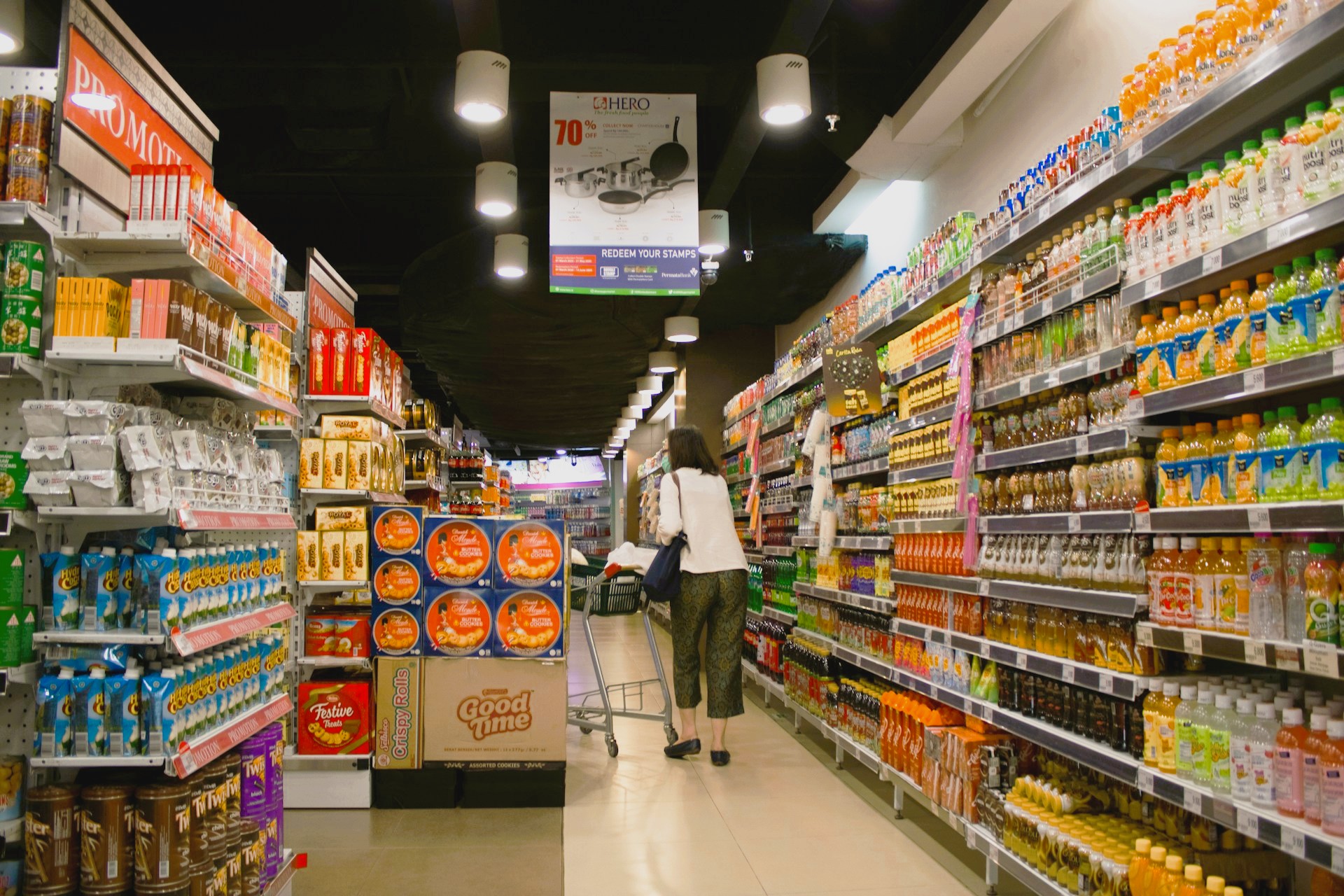
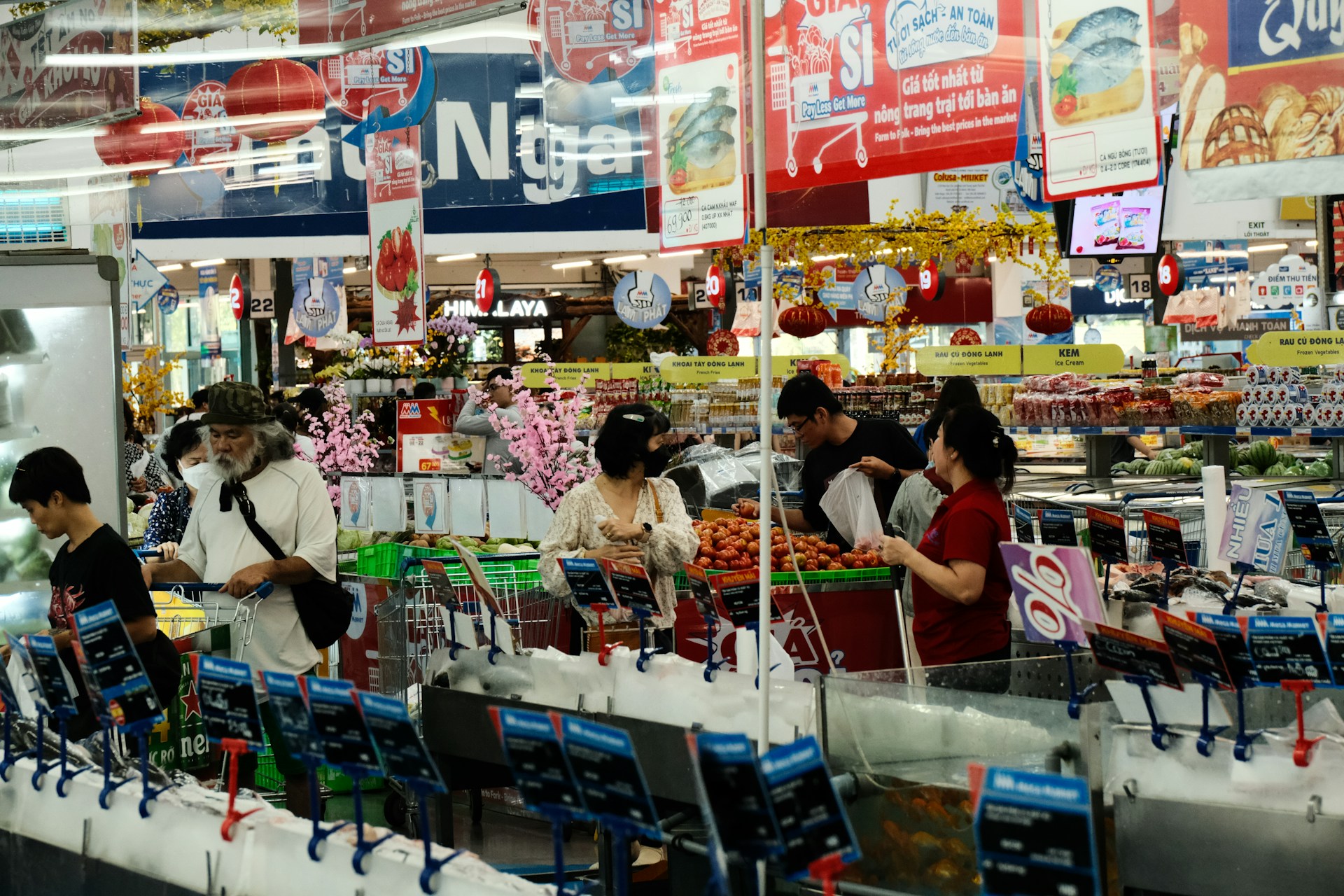
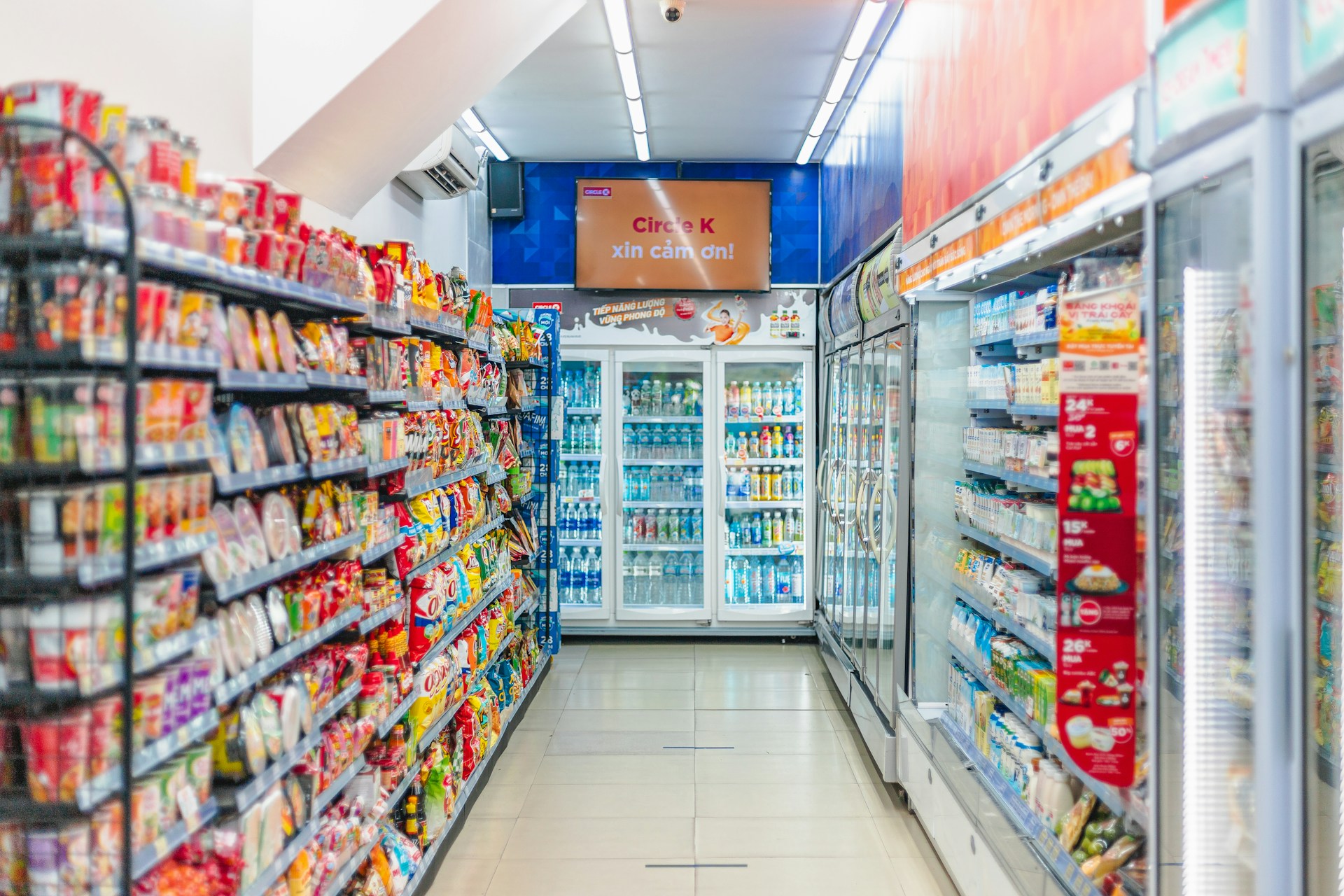
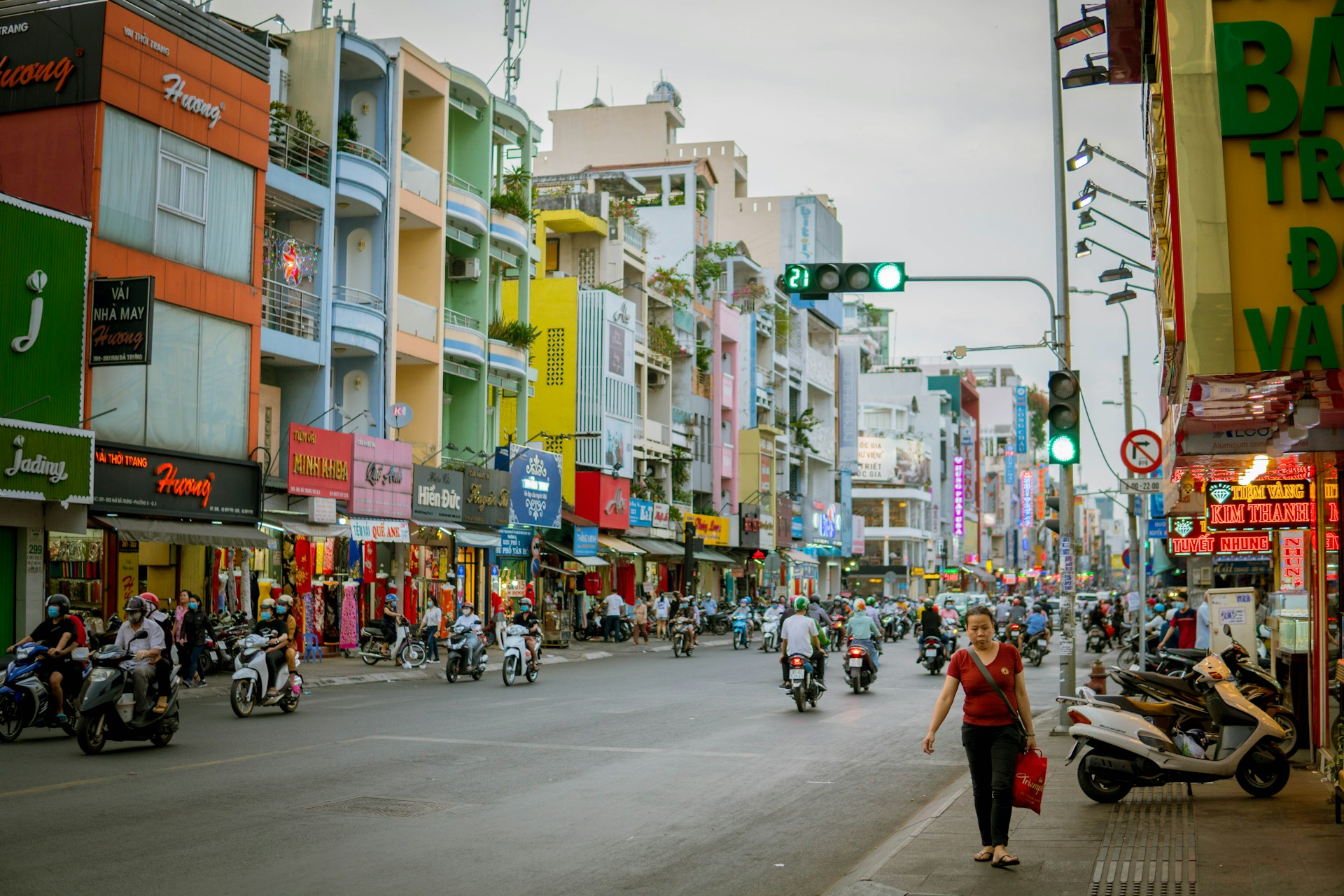
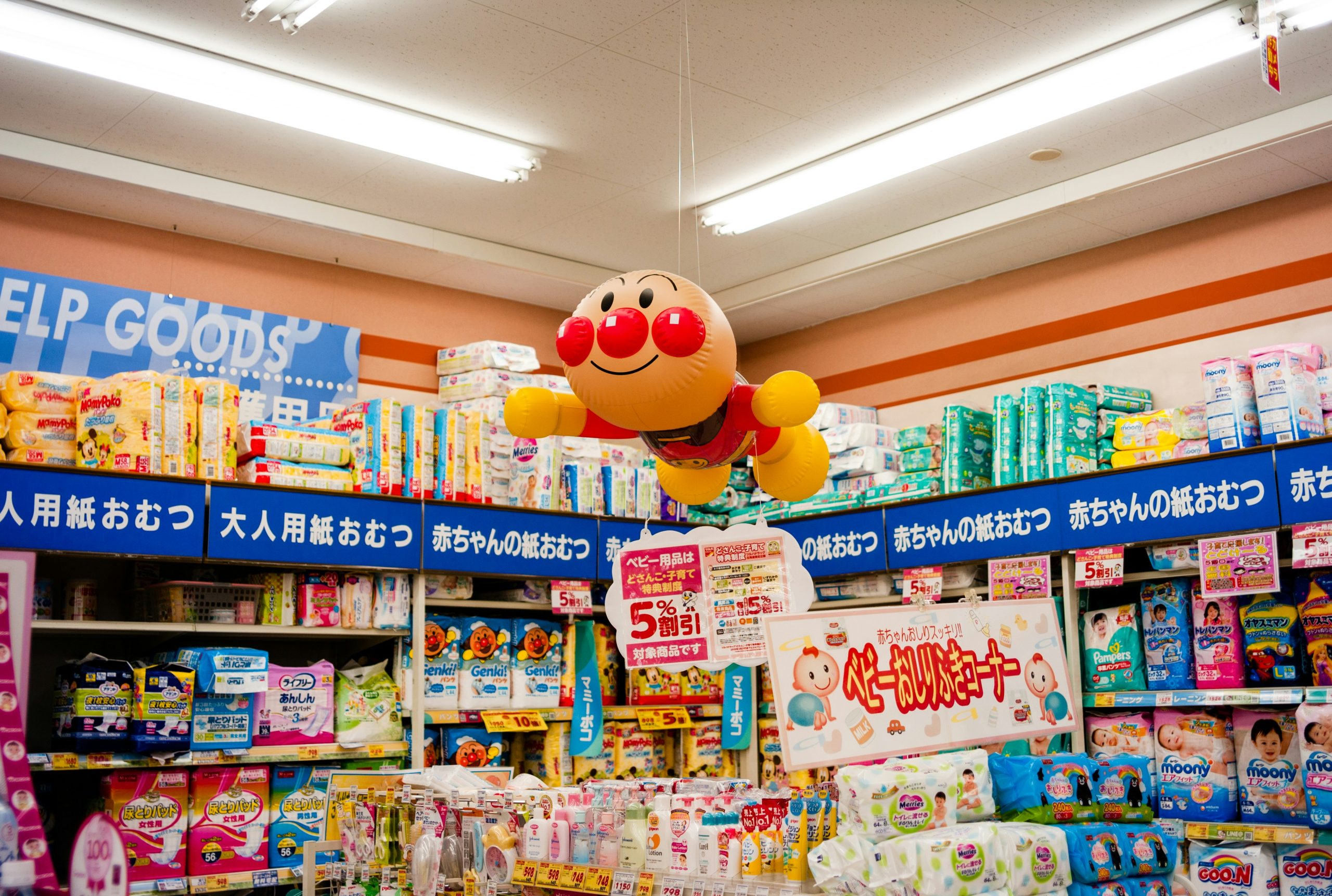
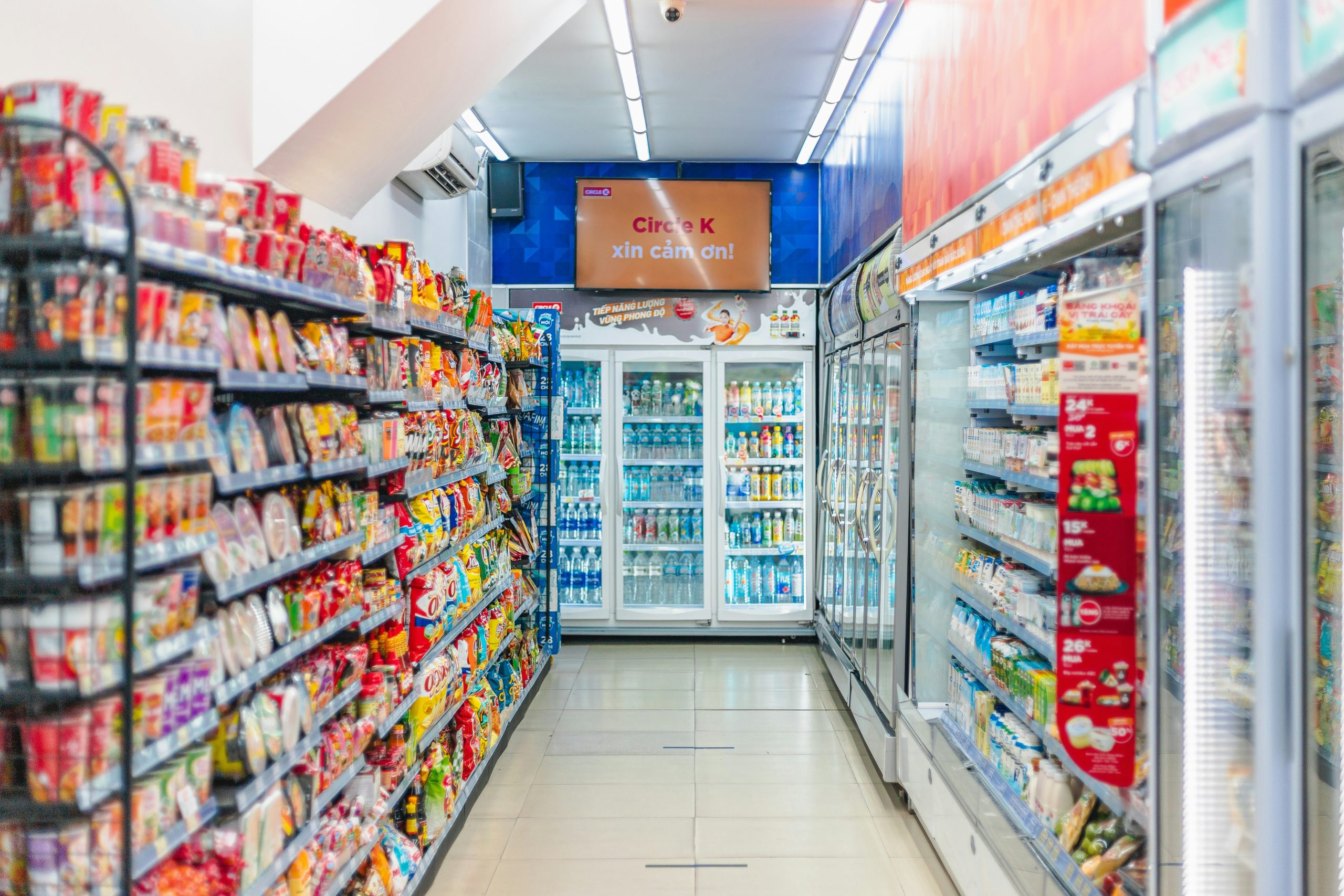
지난 10년간 Vietnam의 소매 부문은 급속한 도시화, 소득 증가, 소비자 선호도 변화에 힘입어 눈에 띄는 변화를 경험했습니다. 가장 주목할 만한 트렌드 중 하나는 전국적으로 일본계 슈퍼마켓과 매장의 진출이 확대되고 있다는 점입니다. 일본 소매업체들은 식음료부터 생활용품, 화장품, 의류에 이르기까지 폭넓은 제품을 제공하며 Vietnam의 경쟁적인 시장에 성공적으로 자리 잡았습니다.
현재 시장 현황: Vietnam 내 일본계 슈퍼마켓의 성장
Vietnam의 소매 부문은 동남아시아에서 가장 역동적인 시장 중 하나이며, 일본 소매업체들은 그 잠재력을 빠르게 활용해 왔습니다. 2024년 Vietnam 소매시장의 규모는 276 Bil USD로 추정되며, 2029년에는 499 Bil USD에 이를 것으로 전망됩니다. 이는 2024년부터 2029년까지 연평균 성장률(CAGR) 12%에 해당합니다 [1]. 지난 10여 년간 일본의 대형 소매업체들은 Hanoi, Ho Chi Minh City, Da Nang과 같은 Vietnam의 주요 도시에 진출을 확대해 왔습니다. 예를 들어 Aeon은 2014년 HCMC에 첫 쇼핑몰을 개장했습니다. 2018년에는 Sumimoto group이 BRG group과 협력하여 Hanoi에 일본계 슈퍼마켓 체인 Fujimart를 설립했습니다.
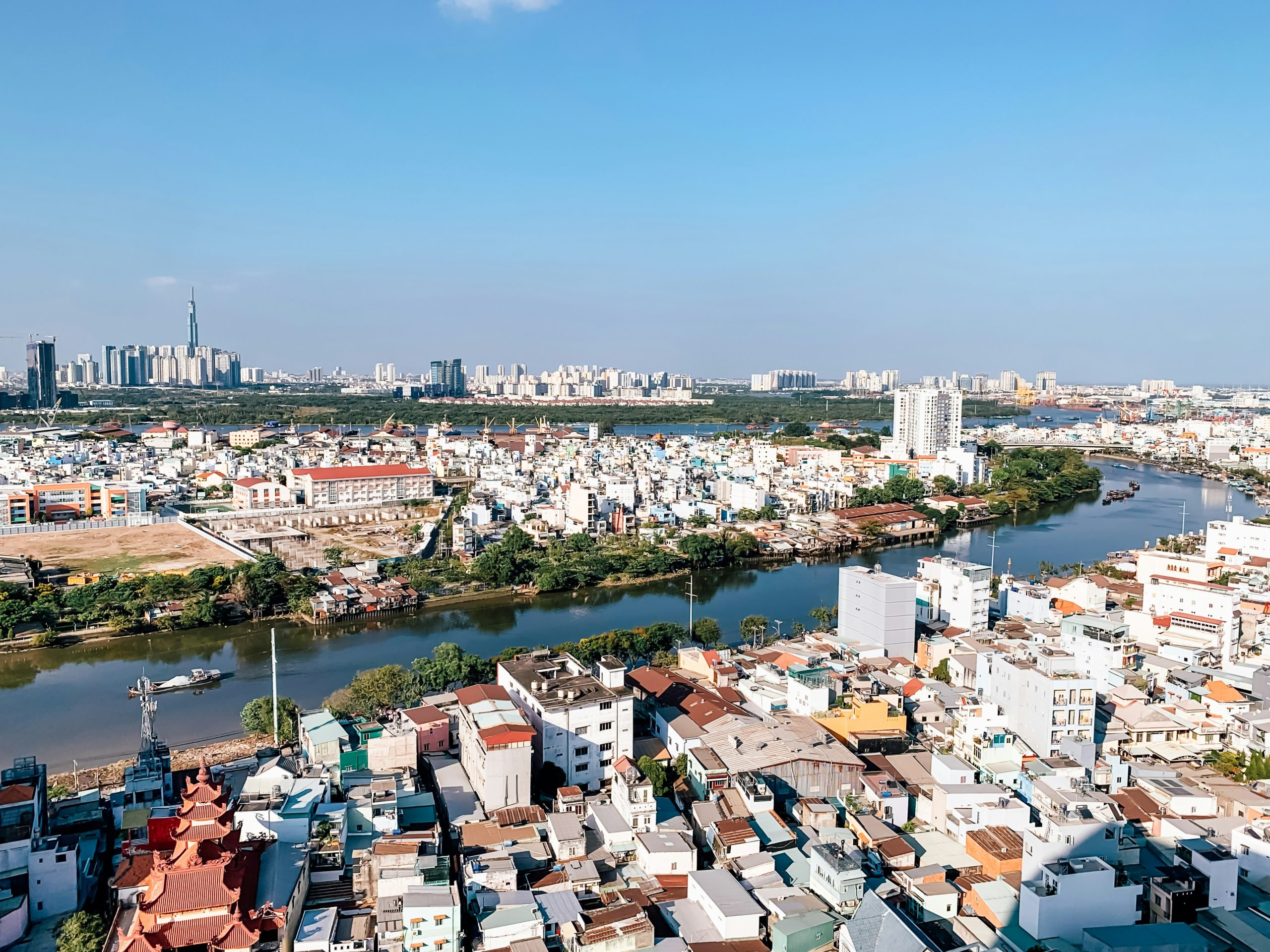
이러한 확장은 일본 소매업체의 핵심 강점인 고품질 제품에 대한 수요 증가에 힘입은 것입니다. General Statistics Office(GSO)에 따르면 Vietnam의 1인당 소득은 2010년 이후 거의 3~4배 증가했으며, 특히 중앙정부 직할 5개 도시인 Hanoi, Ho Chi Minh City, Hai Phong, Da Nang, Can Tho에서 두드러졌습니다. 소득 수준이 상승함에 따라 소비자들은 더 건강하고 프리미엄이며 편리한 제품에 기꺼이 지출하고 있습니다. 또한 일본 제품의 핵심 소비층인 중산층도 특히 도시 지역을 중심으로 확대되고 있습니다. 2023년 중산층은 약 1,300만 명(인구의 13%)이었으며, 2026년에는 인구의 26%까지 증가할 것으로 예상됩니다 [2] 이러한 수요 변화는 신뢰성, 안전성, 높은 품질 기준으로 알려진 일본 제품의 강점과 직접적으로 맞닿아 있습니다.
Average monthly income per capita by central cities
단위: 백만 VND
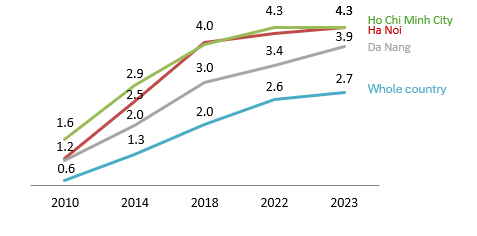
출처: GSO Statistic Book 2023
또한 Japan과 Vietnam 간의 긴밀한 외교·경제 관계는 일본 소매업체의 원활한 시장 진입을 뒷받침했습니다. Comprehensive and Progressive Agreement for Trans-Pacific Partnership(CPTPP)(2019년 체결) 및 Japan-Vietnam Economic Partnership Agreement(JVEPA)(2008년 체결)와 같은 무역협정은 일본 제품 수입에 유리한 조건을 제공하여 Vietnam 소비자들이 해당 제품에 더욱 쉽게 접근할 수 있도록 했습니다.
시장의 주요 참여자
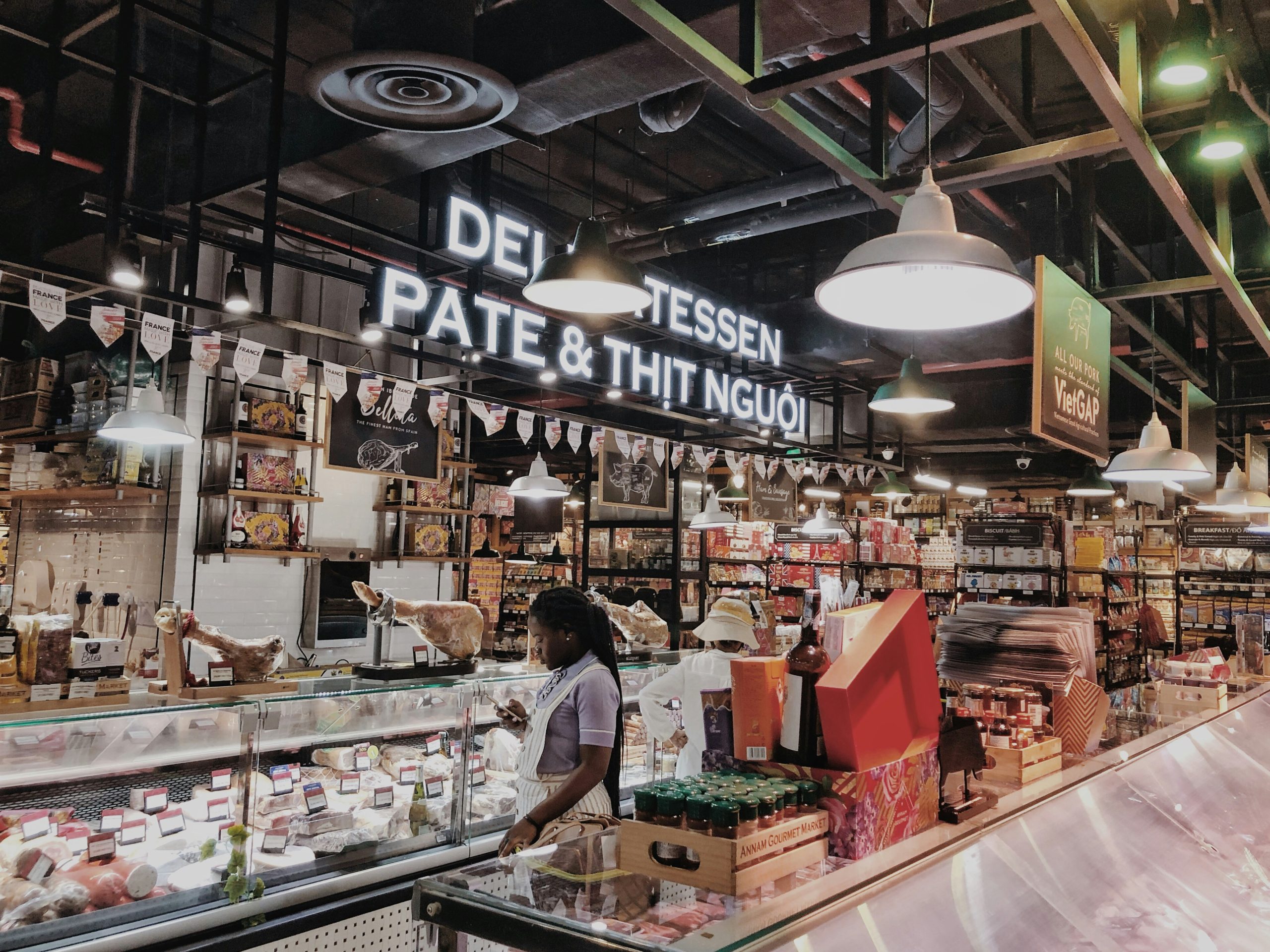
여러 주요 업체가 Vietnam의 슈퍼마켓 시장에 성공적으로 진입했으며, 각 업체는 차별화된 전략과 다양한 제품군을 선보이고 있습니다. 대표적인 업체로는 AEON, Fujimart, Sakuko 등을 들 수 있습니다.
AEON
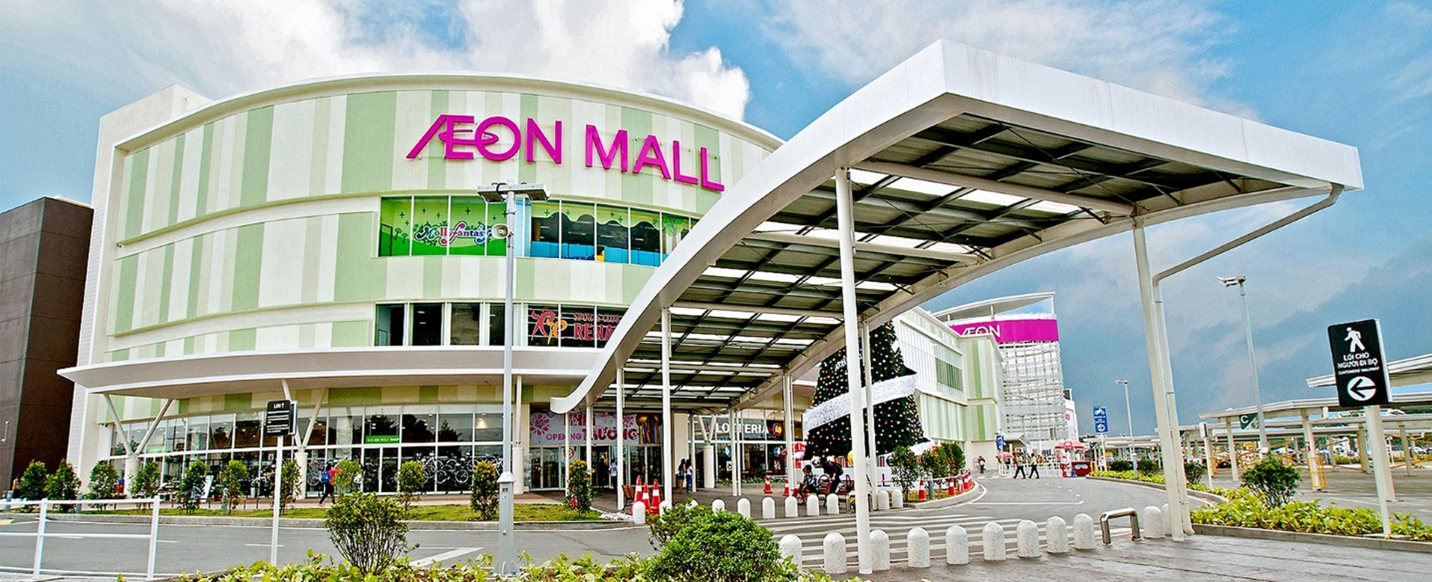
출처: AEON MALL VIETNAM
| 홈페이지 | https://www.aeon.com.vn/ |
| 소개 | 일본의 대형 소매기업 AEON Group의 자회사로, 2014년 Vietnam 시장에 진출했습니다. Vietnam의 성장하는 중산층을 대상으로 다양한 고품질 일본 제품과 현지 제품을 제공합니다. |
| 매장수 | 쇼핑몰 10개 및 미니마켓 200개 이상 |
| 주요 지역 | HCMC, Hanoi |
| 주요제품 | 식료품, 의류, 생활용품 |
Fujimart
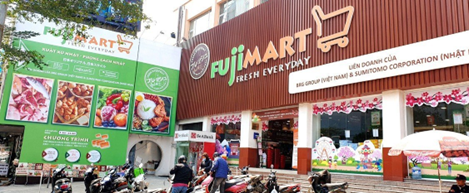
출처: Fujimart Vietnam
| 홈페이지 | https://fujimart.vn/ |
| 소개 | 일본 소매업체 Sumitomo와 현지 파트너 BRG Group 간의 합작법인으로, 2018년 Hanoi에 첫 매장을 개장했습니다. 신선하고 품질이 우수한 식료품 제공에 주력합니다. FujiMart는 일본 제품과 현지 제품을 함께 제공합니다 |
| 매장수 | 슈퍼마켓 15개 |
| 주요 지역 | 하노이 |
| 주요제품 | 식료품, 생활용품 |
Sakuko
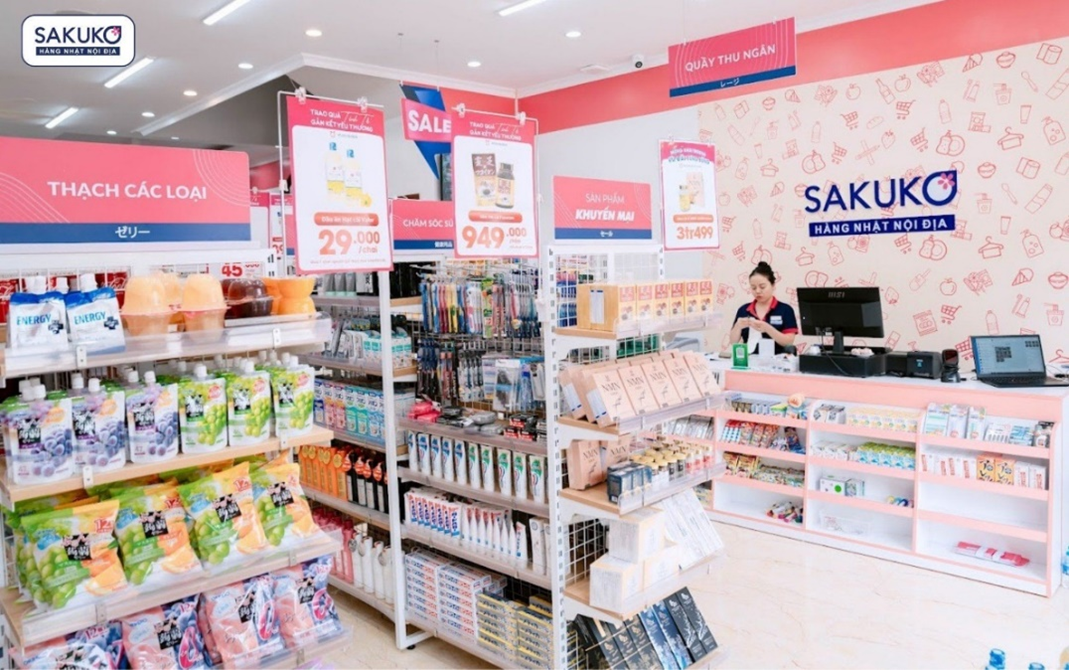
출처: Sakuko Vietnam
| 홈페이지 | https://sakukostore.com.vn/ |
| 소개 | 다양한 일본 제품을 전문적으로 취급하는 Vietnam의 소매 체인입니다. 2011년에 설립된 Sakuko는 정통성과 품질을 갖춘 일본 제품을 Vietnam 소비자에게 제공하는 것을 목표로 합니다 |
| 매장수 | 매장 33개 |
| 주요 지역 | HCMC, Hanoi, Hai Phong 등. |
| 주요제품 | 식료품, 생활용품 |
Vietnam 내 일본 제품의 기회
Vietnam에서 일본계 슈퍼마켓과 편의점의 수가 증가하면서 일본 제품에 다양한 기회가 창출되고 있습니다. 소비자 선호도, 이커머스 등 여러 요인이 일본 제품이 성장하기에 유리한 환경을 조성하고 있습니다.
- 건강을 중시하는 소비 트렌드
Vietnam에서 건강과 웰니스에 대한 인식이 높아지면서 일본 제품에 상당한 잠재력이 열리고 있습니다. Vietnam의 일본계 슈퍼마켓은 유기농 제품, 저칼로리 간식, 기능성 음료 등 건강 지향적 식품을 선보이기에 유리한 입지를 갖추고 있습니다. 또한 효능과 품질 좋은 성분으로 잘 알려진 Japan의 뷰티 및 퍼스널케어 제품도 Vietnam 소비자 사이에서 수요가 점차 증가하고 있습니다. - 전자상거래 확대
오프라인 매장이 여전히 중요하지만, 베트남에서는 온라인 쇼핑으로의 전환이 확대되는 추세입니다. 특히 COVID-19 팬데믹 기간 동안 전자상거래 플랫폼의 인기가 크게 높아졌습니다. 이러한 변화는 일본 소매업체가 더 광범위한 소비자층에 접근할 수 있는 새로운 기회를 제공합니다. AEON과 같은 주요 기업들은 이미 온라인 쇼핑 옵션을 도입하여 베트남 소비자들이 집에서 편안하게 일본 제품을 구매할 수 있도록 하고 있습니다. 온라인 유통 채널을 확대하면 일본 제품의 판매를 더욱 촉진할 수 있으며, 특히 아직 오프라인 매장이 진출하지 않은 지역에서 효과적일 수 있습니다. - 현지화 전략
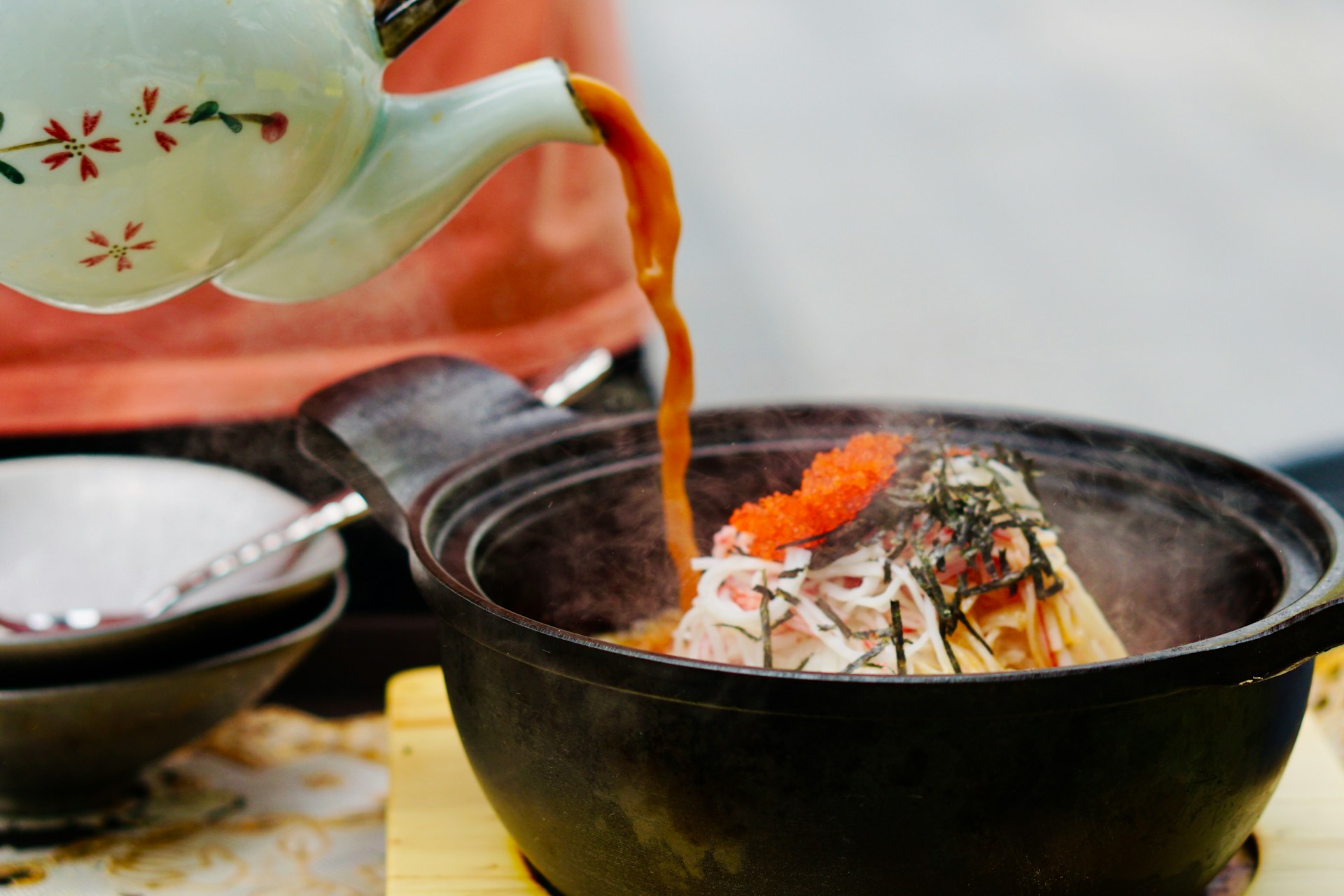
또 다른 기회는 일본 제품을 베트남 시장에 맞게 현지화하는 데 있습니다. 많은 소매업체가 브랜드의 일본 정체성을 유지하면서 현지의 취향과 선호도에 맞도록 제품 구성을 조정해 왔습니다. 예를 들어 AEON은 일본식 기법과 식재료를 활용해 베트남식 요리를 제공함으로써 식품 제품을 현지화했습니다. 이러한 융합 접근법은 일본 소매업체가 일본 품질에 대한 신뢰를 유지하면서도 더 폭넓은 소비자층에 호소하는 데 도움이 됩니다.
베트남에서 일본 제품이 직면한 과제
- 높은 경쟁: 베트남의 소매시장은 경쟁이 매우 치열하며, 중국과 태국 등 해외 국가의 기업을 비롯해 다양한 현지 및 국제 기업이 유사한 제품을 폭넓게 제공하고 있습니다. 일본 슈퍼마켓은 기존 현지 매장뿐만 아니라 더 낮은 가격에 비슷한 상품을 제공할 수 있는 다른 해외 브랜드와도 경쟁해야 합니다. 이로 인해 일본 매장이 차별화하고 상당한 시장점유율을 확보하기가 어려워지고 있습니다.
- 가격 민감도: 베트남 소비자는 가격에 민감한 경향이 있으며, 프리미엄 제품보다 합리적인 가격의 제품을 선호하는 경우가 많습니다. 일본 제품은 높은 품질과 신뢰성으로 알려져 있지만, 일반적으로 현지 생산 제품이나 다른 해외 대체 제품보다 가격이 높습니다. 이러한 가격 차이는 일본 슈퍼마켓의 고객 기반을 제한할 수 있으며, 특히 많은 쇼핑객이 브랜드 평판보다 비용을 우선시하는 시장에서는 더욱 그렇습니다.
- 공급망 문제: 일본 슈퍼마켓은 수입 제품을 일관되고 효율적으로 공급하기 위해 상당한 물류상의 과제에 직면해 있습니다. 베트남의 수입 규정은 복잡할 수 있어 통관이 지연될 가능성이 있습니다. 또한 일본에서 베트남으로 운송하는 데 드는 높은 비용과 긴 배송 기간은 제품 원가를 더욱 높이고 재고 관리를 복잡하게 만듭니다. 이러한 공급망의 어려움은 소비자 가격 상승으로 이어지고 매장 진열대에서 제품의 가용성에도 영향을 미칠 수 있습니다.
결론
베트남에서 일본 슈퍼마켓이 성장하고 있다는 사실은 베트남 소비자 사이에서 고품질과 신뢰성 높은 제품에 대한 수요가 강하다는 점을 보여줍니다. 일본 제품 매장이 꾸준히 확장되고 있는 만큼 일본 제품의 기회는 매우 큽니다. 일본 소매업체는 지속적으로 사업 영역을 확대하고 현지 시장 여건에 적응하며 무역협정을 활용함으로써 베트남 소매시장에서의 입지를 더욱 공고히 할 수 있습니다. 베트남 소비자가 더욱 안목이 높아지고 건강을 중시하게 되면서, 안전성과 품질로 잘 알려진 일본 제품은 빠르게 성장하는 이 시장에서 높은 성과를 거둘 것으로 기대됩니다.
[1] https://vietnam.incorp.asia/retail-industry-in-vietnam/
| B&Company, Inc.
2008년부터 베트남에서 시장 조사에 전문화된 최초의 일본 회사입니다. 우리는 산업 보고서, 산업 인터뷰, 소비자 조사, 비즈니스 매칭 등 다양한 서비스를 제공합니다. 또한 최근에는 베트남에 있는 90만 개 이상의 회사가 포함된 데이터베이스를 개발하여 파트너를 검색하고 시장을 분석하는 데 사용할 수 있습니다. 문의 사항이 있으시면 언제든지 저희에게 연락해 주십시오. info@b-company.jp + (84) 28 3910 3913 |
다른 기사도 읽어보세요