
 简体中文
简体中文  English
  日本語
日本語  Tiếng Việt
  한국어
한국어 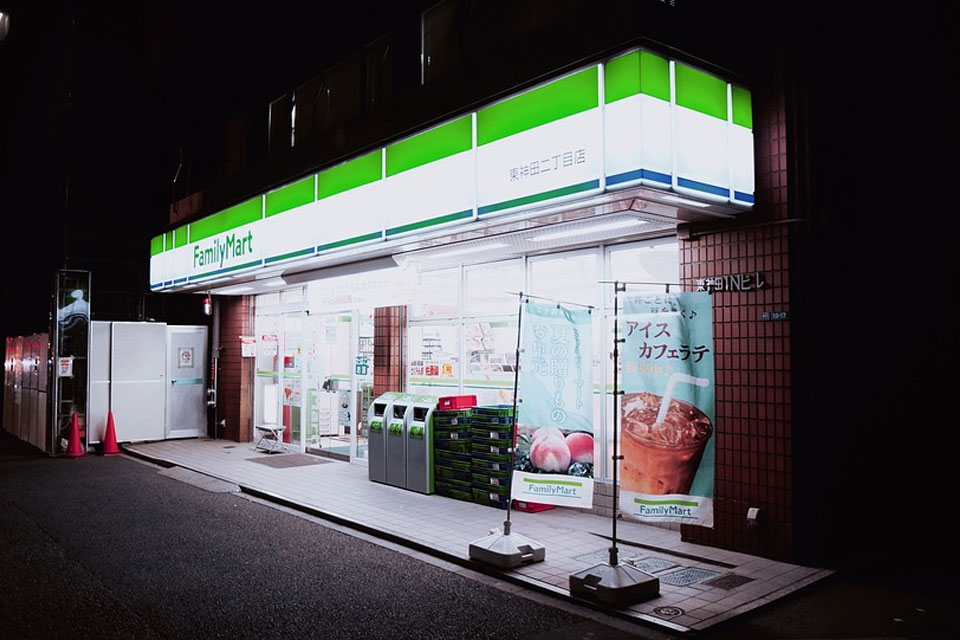
1510 月2014
行业评论
评论: 没有评论.
06-10-2014
2013年,总消费额的80%来自市场和杂货店等传统销售渠道。另一方面,随着外国对该市场的投资不断增加,以及便利店和迷你超市的使用逐渐普及,现代销售渠道的需求呈上升趋势。.
继Shop & Go(新加坡—2005年)和Circle K(美国—2008年)等长期经营的品牌之后,FamilyMart(日本—2010年)、MiniStop(日本—2011年)和B’sMart(泰国—2013年)等新品牌也进入了越南零售市场。2014年,Shop & Go以门店数量(108家)成为最大的便利店连锁品牌,按照每月扩张2—3家门店的速度,预计到2014年底将拥有130家门店。此外,其他企业也在继续扩大投资。例如,B’sMart计划到2018年收购300家门店;FamilyMart尽管一度被迫缩减经营规模,仍持续进行再投资,这表明越南市场具有较强吸引力。具体而言,FamilyMart于2010年进入越南零售市场;两年后,由于其业务合作伙伴被一家泰国公司收购,该公司取消了合资合同,原有门店全部更名为B’sMart。此后,FamilyMart重新回到市场,并再次制定了扩大门店体系的计划。因此,2014年共有57家Family Mart门店以加盟形式运营。.
不仅外国企业,国内企业也投资于便利店行业。例如,Hapro超市已开设20家便利店和13家迷你超市。尽管所有国内企业都已设定扩大门店数量市场份额的目标,但即使是Hapro这样的领先企业,也仅占有5%的市场份额。主要原因在于,外国企业在经营经验和资金实力方面具有优势。外国企业能够在便利位置开设门店,而超过半数的国内投资者则面临资金困难,并且在客户服务技能、商品陈列等方面缺乏专业能力。例如,由于分销体系效率低下,G7在价格和产品种类方面均不具备竞争优势。2006年,该公司拥有500家门店;然而,到2010年其中超过半数已被出售。随后,2011年,G7Mart与Ministop合作成立G7-Ministop,目前G7-Ministop门店以Ministop品牌运营。.