

 简体中文
简体中文  English
  日本語
日本語  Tiếng Việt
  한국어
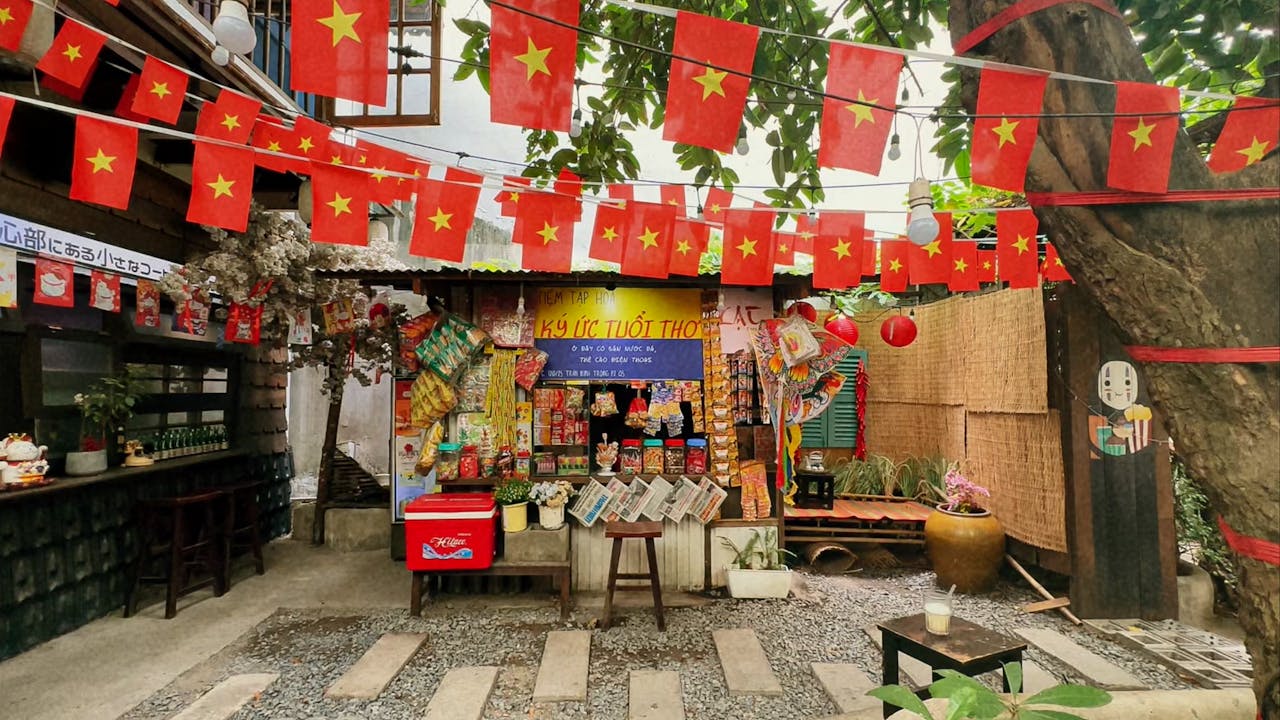
한국어 越南一般贸易网络的规模仍然十分惊人,对全国快速消费品销售额的贡献高达 81%。.
155 月2026
最新新闻与报告 / 越南简报
评论: 没有评论.
越南的传统分销(GT)渠道——由社区杂货店、小型分销商和独立代理商构成的庞大网络,长期以来一直是快速消费品(FMCG)分销的支柱——正进入其最具影响力的重组阶段之一。受2026年即将生效的前所未有的税收政策改革、现代零售业态与电子商务的持续挤压,以及消费者购买力收紧等因素推动,GT格局即将迎来一轮重大的“筛选”,这将重塑品牌触达越南消费者的方式。本文将探讨当前正在发生什么、其重要性何在,以及企业和研究者在2026年之后可以期待什么。.
GT渠道:仍占主导,但面临压力
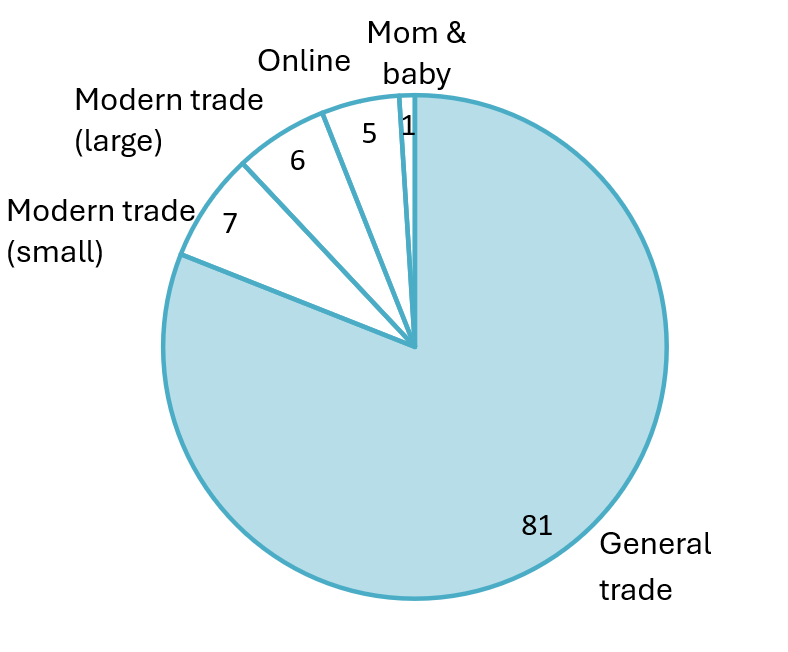
越南一般贸易网络的规模依然令人瞩目。根据 Nielsen IQ 的数据,GT 仍占零售活动总量的 70%,在全国快速消费品(FMCG)销售额中的贡献率最高可达 81% [1].
2025年各渠道快速消费品销售额
 |
销售增长
|
来源:NIQ
然而,裂痕正在扩大。传统渠道在快速消费品线下销售额中占据很大份额,但到2025年仅增长1%,而线上渠道仅占总销售额的5%,却实现了20%的惊人增长。包括超市、便利店和迷你超市等在内的现代渠道,其增速是传统渠道的6到9倍。数据证实了结构性警示:传统渠道目前仍保持着规模优势,但增长引擎已彻底转移到现代渠道和电子商务。与此同时,传统渠道正面临着一项新的、更具结构性的挑战:财政正规化。
数十年来,越南个体工商户一直按照“定额”模式纳税,即税务机关直接核定固定的年度税额。该制度在行政上虽较为简便,但因实际收入申报严重不透明而臭名昭著。如今,这一时代已经结束。.
2025年5月4日,政治局发布了关于私营经济发展的第68-NQ/TW号决议,要求最迟于2026年废除个体工商户定额征税方式。第198/2025/QH15号决议使该要求自2026年1月1日起正式生效,个体工商户现在必须基于实际收入自行申报、自行计算并自行缴纳税款。.
近日,修订后的越南个体工商户税收政策将免税收入门槛从1亿越南盾提高至 10亿越南盾 /年,较原水平提高10倍,这意味着约23.58万家企业受益,合计减免企业所得税2.164万亿越南盾 [2]. 。新制度按年度收入将经营主体划分为四个层级,每一层级对应不同的合规负担:
表1. 越南个体工商户税收分类更新于2026年4月29日
| 第1组 | 第2组 | 第3组 | 第4组 | |
| 年度收入 | ≤10亿越南盾(约3.8万美元) | 超过10亿至30亿越南盾(3.8万至11.5万美元) | 超过30亿至500亿越南盾(11.5万至190万美元) | 超过500亿越南盾(约190万美元) |
| 增值税 | ✗ 免税 | 按收入计算
(% 增值税率 × 指定收入) |
||
| 按季度缴纳 | 按季度缴纳 | 按月缴纳 | ||
| 个人所得税(PIT) | ✗ 免税 | § 选项 1:(收入 − 费用)× 15%
§ 方案2:(收入-应税门槛)×个人所得税税率 |
(收入 − 费用)× 17% | (收入 − 费用)× 20% |
| 电子发票 | 鼓励 | 强制 | ||
| 会计制度 | 简易账簿 | 完整会计账簿——微型/小型企业或个体工商户标准 | ||
B&Company 整理自 Law Library [3] 及 Government Electronic Newspaper [4]
合规负担依然存在,尤其是对中等规模企业而言。一项VCCI调查发现,超过70%的家庭企业担心流程复杂;近70%的企业担心受到处罚;超过60%的企业认为合规成本高昂,并担心无法及时跟进监管更新 [5]. 。对于利润率本就很薄的小杂货店经营者而言,数字化记账、电子发票软件以及按季度纳税申报所带来的额外行政负担,可能会直接把经济可行性推向关店。.
除税收之外,进一步收窄传统分销渠道的关键因素
越南总经销(General Trade)渠道的下滑并不是单一原因造成的故事。2026年的税务规范化起到了压力加速器的作用——但这一结构性侵蚀多年来一直在累积,其背后有三股力量正在重塑 越南消费者购物的原因与方式 。.
家庭收入的上升正在改变购物预期:
越南中产阶级迅速壮大,预计到2030年,越南74%的人口将进入消费阶层,高于2020年的40.8%。[6]. 。随着收入提高,消费者越来越重视产品丰富度、卫生标准、价格透明度以及整体购物体验,而普通杂货店由于品类有限、环境非正式,难以满足这些要求。收入更高的家庭并不是放弃便利,而是提高了对“便利”的标准。.
现代零售业态正在赢得便利之战:
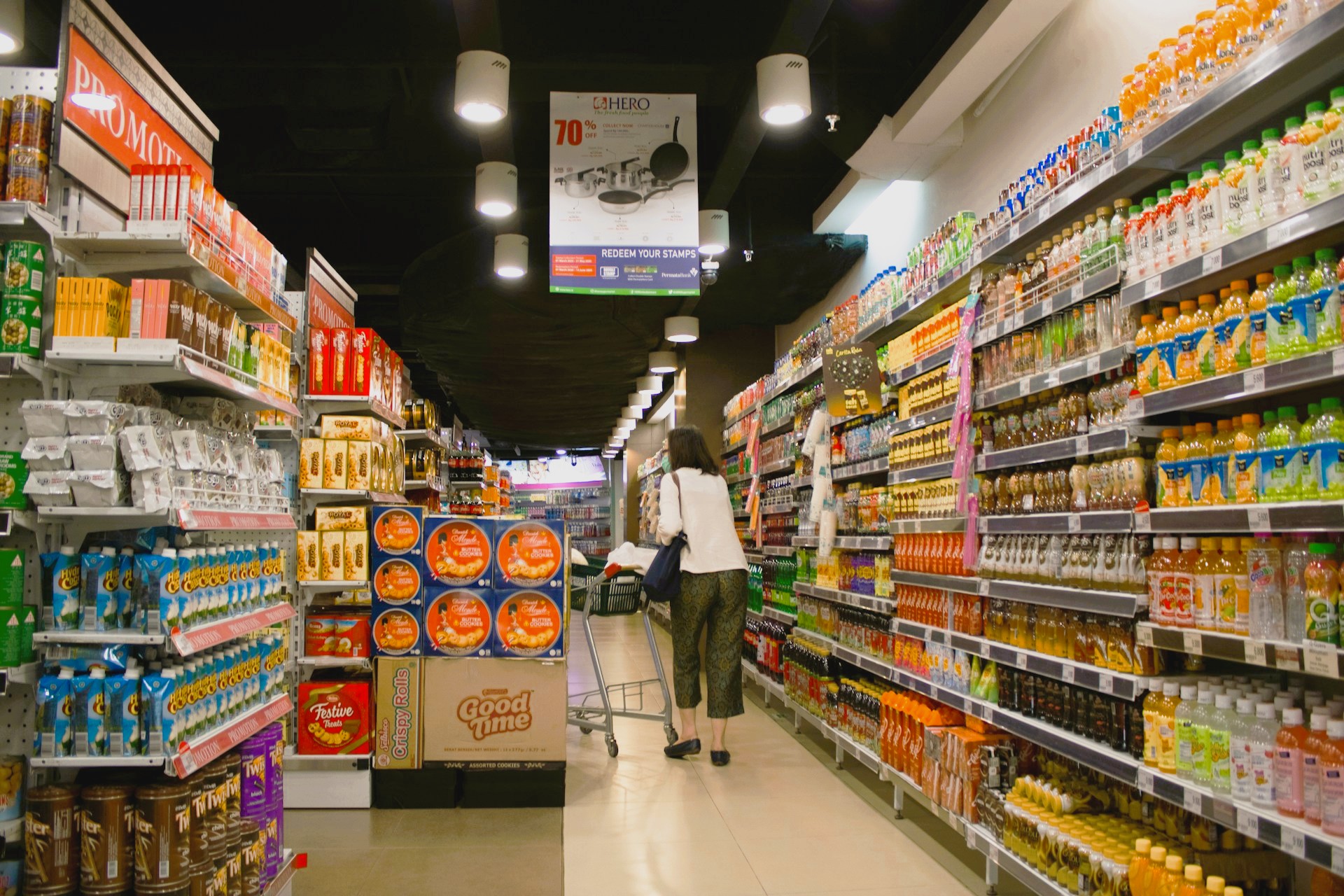
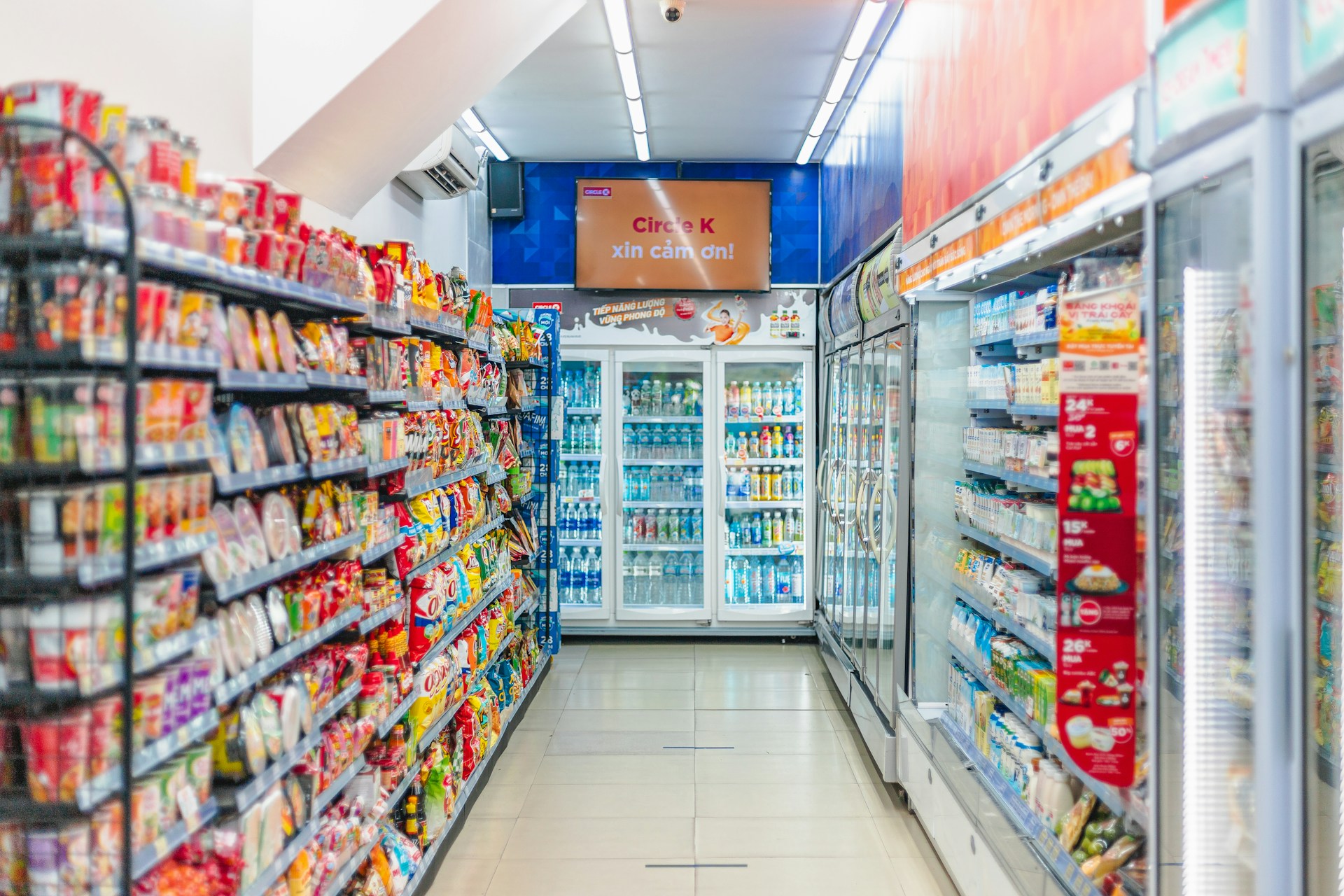
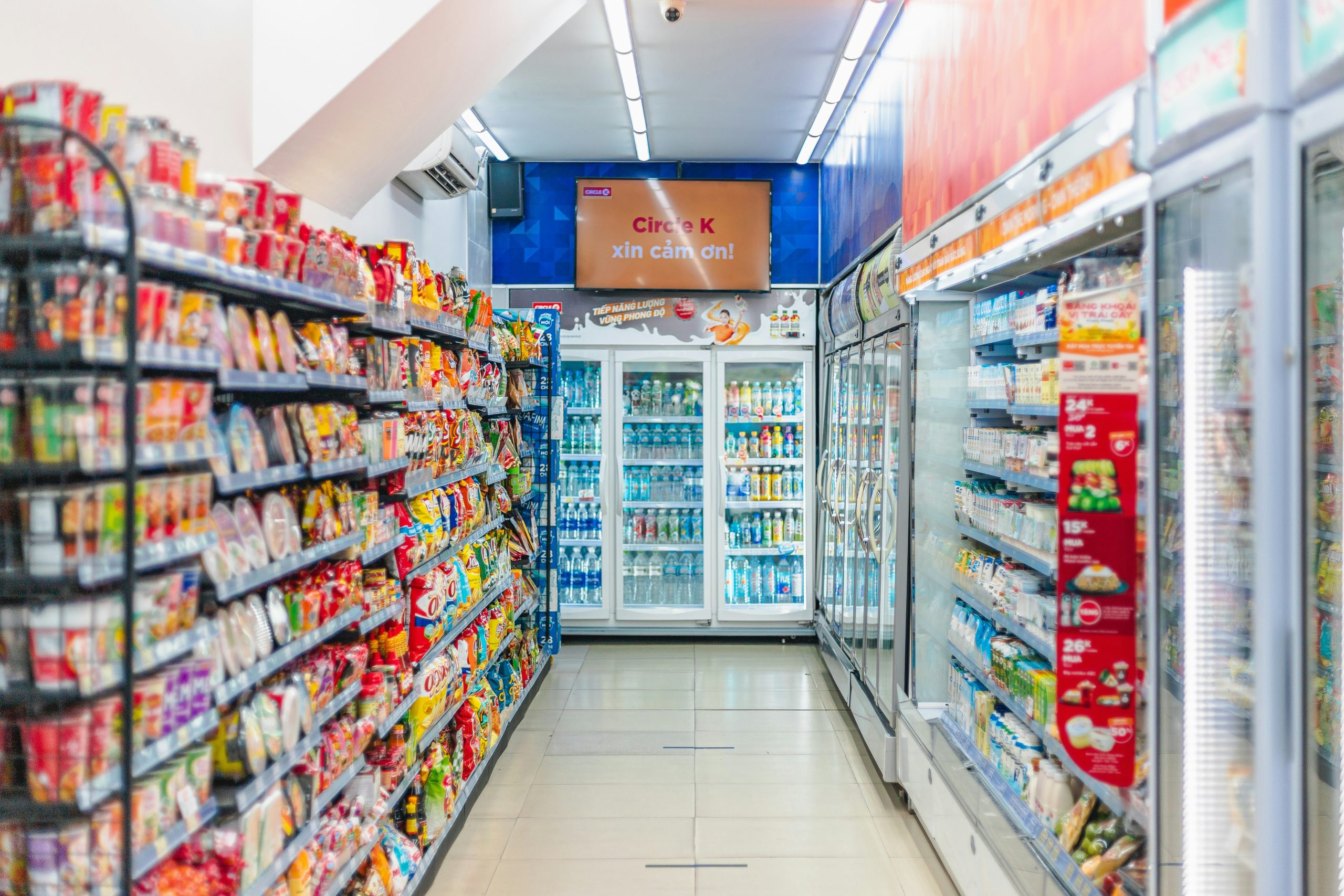
像 WinMart+、Circle K、GS25、FamilyMart 等迷你超市和便利店连锁,正积极向居民社区扩张,直接覆盖了杂货店传统客群范围。这些业态提供空调环境、标准化定价、会员积分计划和更长营业时间。对社区消费者而言,去杂货店与去附近便利店之间的额外成本差异几乎已经消失,但体验差距并没有消失。.
线上购物正在重新定义“便宜又方便”:
Shopee、TikTok Shop 和 Lazada 等平台让送货上门比到店购买更快,且在很多情况下更便宜,尤其是针对包装类 FMCG 基础商品。年轻消费者越来越倾向于通过 App 完成日常购买,逐步削弱了传统杂货店的核心交易模式:小额、高频、依赖近距离的补货型购买。.
在这一背景下,2026年的税改与其说是 disruption,不如说是对既有压力的正式化——对于一些边际经营者而言,它可能会成为触发关闭决定的行政门槛。.
预测2026年后门店收缩:一场“自然筛选”正在发生
问题已不再是 GT 门店数量是否会收缩,而是收缩会不会加速,以及收缩之后会出现什么。.
邻近行业的先例颇具启发意义。2025年上半年,越南全国将有超过5万家餐饮门店关闭,总数同比下降7.1%,河内和胡志明市的降幅均超过11%。传统零售渠道也面临着类似的多重压力:2026年税制改革带来的合规成本上升、便利连锁店的持续竞争,以及日常购物加速向线上平台转移。对于年收入在10亿至30亿越南盾之间、且需承担全部增值税、个人所得税和电子发票义务的中型运营商而言,正规化后的利润率可能难以维持。从绝对数量上看,如果未来三年内大约 140 万家 GT 门店中有 15% 至 20% 退出或合并,那就意味着活跃销售点减少了 20 万至 28 万个——这将显著改变快速消费品品牌在最后一公里接触越南消费者的方式。
然而,收缩并不意味着崩塌;推动关店的同一批压力,也正在同时把幸存经营者推向更可持续的模式。若干转型路径已经开始显现:
通过 B2B 平台实现数字化补货:
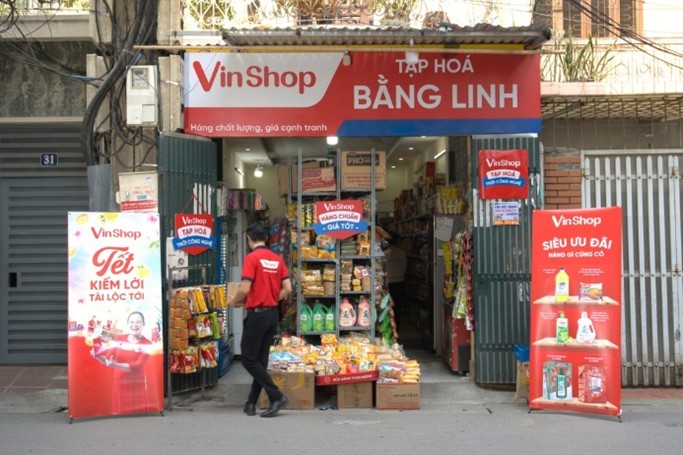
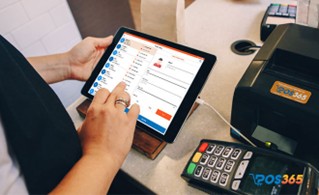
OneShop(原名 VinShop)、POS365、Sapo 等应用,使杂货店老板能够以折扣价直接订货,将供应链流程数字化(采购、配送、库存和财务管理等),并提升合规经营者的利润率。.
一些小企业转向数字零售平台,以整合其管理流程
GT-MT 混合业态:
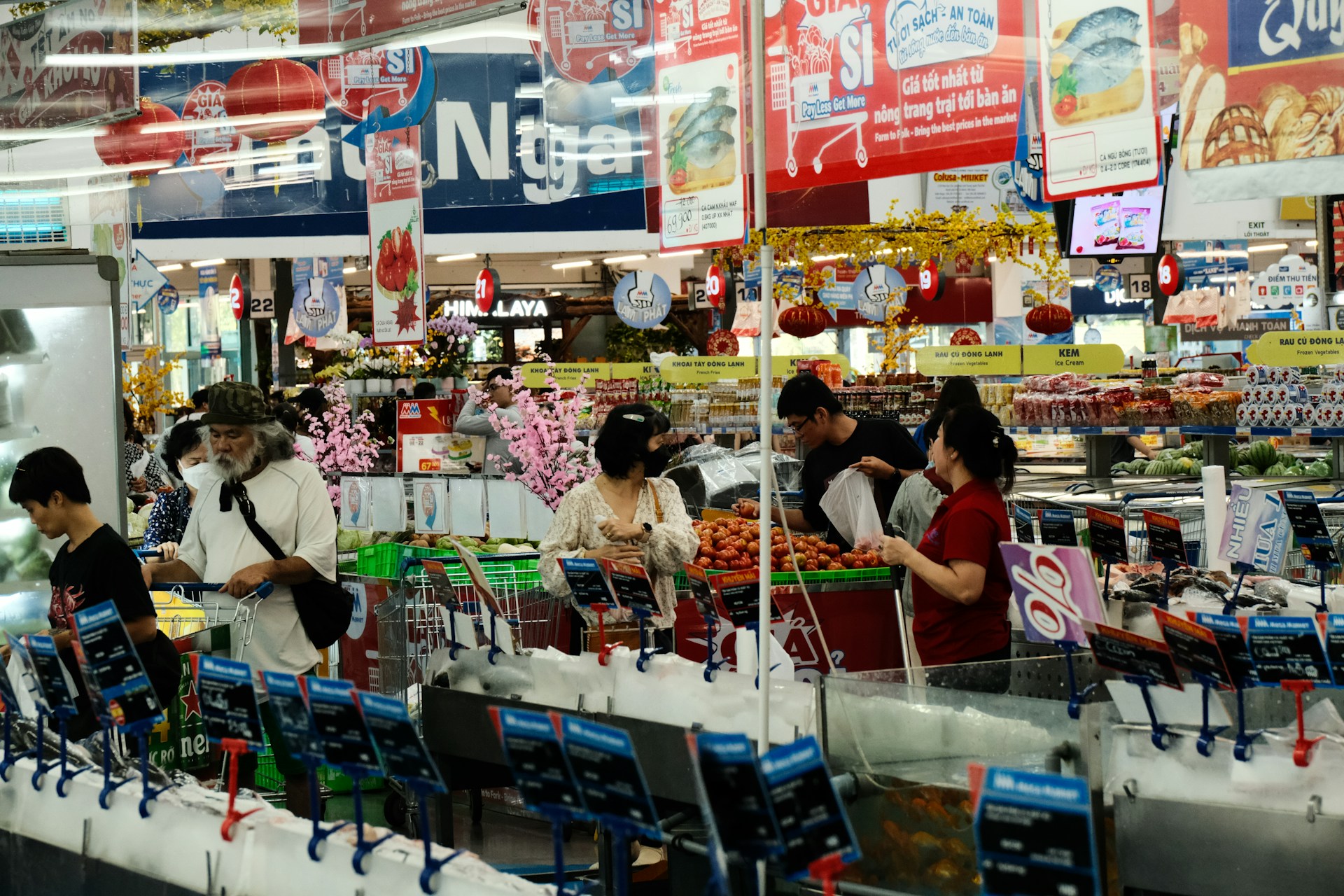
MM Mega Market 的“Good Price”项目[7], ,帮助投资者将传统杂货店改造为现代零售模式,协助独立杂货店业主升级店面布局、商品陈列规划和供应商条款,以符合现代零售标准——实际上在非正式杂货店与组织化零售连锁之间创造了一个第三类别。类似地,Saigon Co.op 和 Aeon Vietnam 推动现代杂货业态发展,包括协助本地小规模生产者达到国际标准,也正在为正式化而非淘汰创造路径。.
分销商整合:
随着小型代理商退出,中型分销商正在接收其线路和零售客户,从而形成规模效应,使合规经营和销售自动化投入在经济上更可行。.
到 2028 年,GT 渠道的门店数量可能会更少,但留下来的门店结构会更强:补货更充足、数字连接更完善、合规性更高。对于 FMCG 品牌而言,这一变化有利有弊:需要覆盖的门店更少,但每一家门店背后都有更可靠的数据和更可预测的订货行为。.
B&Company如何提供支持
要应对 GT 重组,不能只做宏观分析——还需要本地洞察。凭借在越南15年以上的一线经验,B&Company 为品牌和分销商提供应对 GT 重组所需的完整工具箱:
– 企业级定量贸易调研:按省份跟踪门店数量和渠道健康度;;
– 对杂货店老板和分销商开展深度访谈与民族志式陪同购物,了解关店和平台采用背后的真实经济逻辑;;
– 通过神秘顾客购物监测门店层面的品牌可见度和库存合规情况;;
– 面向在 2026 年后重新思考分销战略的品牌的市场进入可行性研究;;
– 以及访问 越南企业数据库 — 1,000,000+ 家企业已映射至区和坊级别,用于精准锁定存在风险的分销节点。.
随着 2026 年后渠道洗牌浪潮加速,最终在越南一般贸易渠道中胜出的品牌,将是那些不把渠道视为静态地图,而是视为一个正在转型的动态系统的品牌。精准、及时的研究是形成这一认知的基础。.
阅读更多
* 如果您希望引用本文中的任何信息,请同时注明来源并附上原文链接,以尊重版权。.
| B&Company
自2008年以来,第一家专门从事越南市场研究的日本公司。我们提供广泛的服务,包括行业报告、行业访谈、消费者调查和商业配对。此外,我们最近开发了一个涵盖越南超过1,000,000家公司的数据库,可用于寻找合作伙伴和分析市场。. 如果您有任何疑问,请随时与我们联系。. info@b-company.jp + (84) 28 3910 3913 |
[1] https://en.vneconomy.vn/structural-bottlenecks-to-vietnams-retail-market.htm
[2] https://thoibaotaichinhvietnam.vn/chinh-phu-duoc-quyet-dinh-nguong-doanh-thu-mien-thue-du-kien-1-ty-dongnam-196307.html
[3] https://thuvienphapluat.vn/ma-so-thue/phap-luat-thue/cach-tinh-thue-cho-4-nhom-ho-kinh-doanh-tu-nam-2026-396377-218030.html
[4] https://xaydungchinhsach.chinhphu.vn/toan-van-nghi-dinh-so-141-2026-nd-cp-nang-nguong-doanh-thu-khong-phai-chiu-thue-len-1-ty-dong-119260504154326455.htm
[5] https://en.vcci.com.vn/vcci-news/vcci-prioritize-reducing-the-complexity-of-tax-accounting-and-e-invoice-regulations-for-household-businesses-117075
[6] https://www.mckinsey.com/~/media/mckinsey/featured insights/future of asia/insights/the new faces of the vietnamese consumer/the-new-faces-of-the-vietnamese-consumer-vt.pdf
[7] https://vietnamnews.vn/economy/1717713/grocery-stores-embrace-new-look-strengthening-support-for-manufacturers.html
相关文章
















登录 / 注册
订阅新闻通讯