

 Tiếng Việt
  English
  日本語
日本語  简体中文
简体中文  한국어
한국어 Thị trường giao đồ ăn tại Việt Nam đã đạt đến bước ngoặt vào năm 2025, hướng tới cuộc cạnh tranh khốc liệt về chất lượng dịch vụ và hiệu quả.
13/01/2026
Tin tức & Báo cáo mới nhất / Vietnam Briefing
Bình luận: Không có bình luận.
Thị trường giao đồ ăn tại Việt Nam đã chạm đến một bước ngoặt vào năm 2025 khi bức tranh cạnh tranh trở nên tập trung hơn sau khi Gojek rút lui. Trong khi GrabFood và ShopeeFood hiện đang dẫn dắt nhịp độ thị trường, các người chơi mới như Xanh SM Ngon đang chuyển cuộc cạnh tranh từ cuộc đua giảm giá thuần túy sang tốc độ vận hành và độ tin cậy. Bất chấp nhu cầu tăng, các nhà hàng phải chịu áp lực ngày càng lớn từ phí cao hơn và chi phí quảng cáo tăng lên, ngay cả khi những mô thức sử dụng khác biệt đang dần hình thành giữa Hà Nội và Thành phố Hồ Chí Minh. Xét cho cùng, thị trường đã vượt ra ngoài giai đoạn mở rộng đơn giản để bước vào một cuộc chiến căng thẳng về chất lượng dịch vụ và hiệu quả vận hành.
Tổng quan thị trường
In 2025, according to estimates from Statista and VECOM, Vietnam’s food delivery market revenue reached nearly USD 3 billion in 2025, representing an approximate 15% increase compared to 2024.[1] This sector is also defined by a sharp regional bifurcation, with market leadership shifting based on local culture and logistics. Based on a survey in April 2025, in Hanoi, ShopeeFood maintains a dominant 56% market share. Conversely, GrabFood leads in Ho Chi Minh City with approximately 50% of the market, where its massive driver fleet and superior algorithms cater to the southern metropolis’s faster pace. BeFood also saw its strongest performance in Ho Chi Minh City, with an 11 per cent share compared to 9 per cent in Hanoi[2].
Vietnam’s online food delivery market in April 2025
Unit: % of respondents
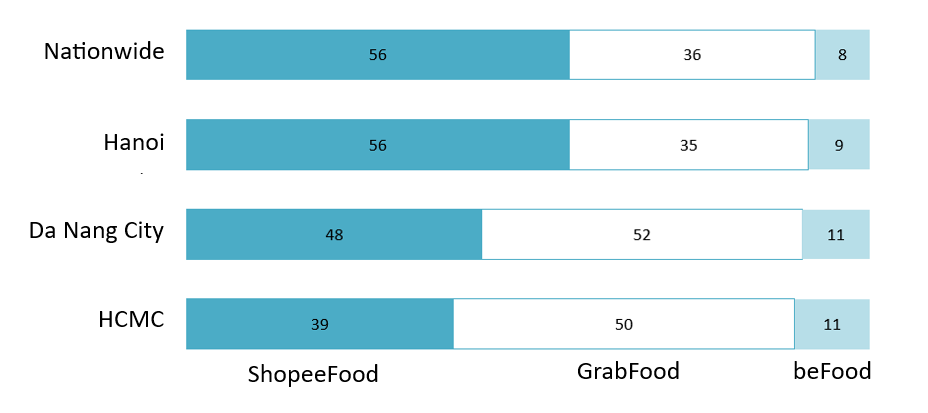
Nguồn: NielsenIQ, Decision Lab
According to a representative of ShopeeFood Vietnam, the number of orders in Q3 2025 increased by more than 30% year-on-year, with the highest demand coming from office workers and students. Especially, ShopeeFood resonates strongly with Gen Z (aged 16-24), leveraging its integration with the wider Shopee ecosystem and aggressive discounting to become the default choice for “snacking” occasions like bubble tea and street food. In contrast, GrabFood finds its stronghold among older professionals (aged 35+) and families, a segment that generates a higher Average Order Value (AOV) through full-meal orders3. Với nhóm người dùng này, độ tin cậy của dịch vụ và tốc độ giao hàng được ưu tiên hơn mức nhạy cảm về giá.
Xu hướng thị trường
Thị trường giao đồ ăn tại Việt Nam đang bước vào giai đoạn hợp nhất rõ nét hơn. Việc Gojek rút lui vào tháng 9/2024 đã làm giảm số lượng đối thủ có quy mô lớn, kéo thị trường tiến tới một cấu trúc tập trung hơn trong năm 2025. Với ít người chơi lớn hơn, cạnh tranh ngày càng được quyết định bởi khả năng bảo vệ quy mô và tăng cường giữ chân người dùng, thay vì chỉ đơn thuần mở rộng hiện diện.
Bất chấp sự thay đổi mang tính cấu trúc này, tăng trưởng của giao đồ ăn vẫn phụ thuộc nhiều vào khuyến mãi, và kinh tế học của ngành đang trở nên căng thẳng hơn đối với cả nền tảng lẫn nhà hàng. Giảm giá và miễn phí vận chuyển vẫn đóng vai trò trung tâm trong việc thúc đẩy khối lượng đơn hàng, và các nền tảng không muốn cắt giảm ưu đãi vì người dùng có thể chuyển sang ứng dụng khác rất dễ dàng. Kết quả là, khuyến mãi vẫn là đòn bẩy nhu cầu then chốt ngay cả khi áp lực lợi nhuận gia tăng.
On the merchant side, platform-related costs can add up quickly. Restaurants often face commissions of around 25%, plus taxes, and typically spend an additional 10–15% of revenue on in-app advertising to maintain visibility—sometimes even 10–20% in more competitive categories. In some cases, when fees, advertising, and participation in discount programs are combined, the total platform-linked burden can approach roughly 40–45% of revenue. This creates a situation where merchants may process more orders but retain significantly less profit.
Những áp lực này đang buộc nhiều nhà hàng phải điều chỉnh chiến lược vận hành. Một số tăng giá thực đơn để bù đắp chi phí gia tăng, trong khi những đơn vị khác ưu tiên các mặt hàng có biên lợi nhuận cao hơn như đồ uống và đồ ăn nhẹ để bảo vệ lợi nhuận. Đồng thời, ngày càng nhiều đối tác đang tìm cách xây dựng các kênh bán hàng trực tiếp tới khách hàng để giảm phụ thuộc vào quảng cáo trả phí trong ứng dụng và giành lại một phần quyền kiểm soát quan hệ khách hàng.
Meanwhile, the competitive battlefield is shifting from a pure price war toward service quality and delivery speed. A Q1 2025 survey across Vietnam’s major cities indicates that only 26% of users choose apps primarily based on low prices. Instead, nearly half of customers (47%) prioritize fast delivery, and 41% focus on driver professionalism and order accuracy. This suggests that being the cheapest is no longer sufficient to win urban users, as reliability and speed increasingly shape perceived value.
Đáp lại, các nền tảng đang tái cấu trúc hoạt động để đáp ứng kỳ vọng dịch vụ cao hơn. Chẳng hạn, Xanh SM Ngon tạo sự khác biệt bằng cam kết không gộp đơn, nhằm giữ món ăn nóng và giảm thiểu sai sót giao hàng thông qua mô hình một tài xế một đơn. Tương tự, GrabFood đang tận dụng AI để dự báo nhu cầu và thử nghiệm các mô hình giao hàng mới nhằm giảm thời gian giao hàng trung bình xuống khoảng 20 phút, đặc biệt trong các khung giờ cao điểm buổi sáng và buổi tối.
Người chơi chính
Đến giữa năm 2025, thị trường giao đồ ăn tại Việt Nam do ba tên tuổi chính thống lĩnh: ShopeeFood, GrabFood và BeFood. Với hai đơn vị dẫn đầu (ShopeeFood và GrabFood) nắm giữ hơn 90% thị phần, phân khúc này hiện có mức độ tập trung rất cao. Ngoài ra, Xanh SM Ngon đã chính thức ra mắt dịch vụ giao đồ ăn tại Thành phố Hồ Chí Minh vào ngày 23/7/2025, với chính sách không gộp đơn, một điểm khác biệt then chốt được thiết kế để mang lại trải nghiệm khách hàng tối ưu.
Các ứng dụng giao đồ ăn tại Việt Nam
| Không. | Thương hiệu | Quốc gia | Thâm nhập Việt Nam | Mô tả ngắn |
| 1 | ShopeeFood | Singapore | 2015 | Là một nền tảng giao đồ ăn trước đây có tên “Now”, ShopeeFood được tích hợp trực tiếp vào hệ sinh thái thương mại điện tử Shopee. |
| 2 | GrabFood | Malaysia | 2018 | Dịch vụ giao đồ ăn trong siêu ứng dụng đa dịch vụ Grab, tập trung vào công nghệ điều phối tài xế tối ưu và mạng lưới đối tác nhà hàng rộng lớn. |
| 3 | BeFood | Vietnam | 2022 | Mảng giao đồ ăn của ứng dụng gọi xe Việt Nam “Be” tập trung vào trải nghiệm thân thiện với người dùng và mức giá cạnh tranh cho khách hàng. |
| 4 | Xanh SM Ngon | Vietnam | 2025 | Một người chơi mới trong lĩnh vực giao đồ ăn của GSM, vận hành trên nền tảng phương tiện điện thân thiện với môi trường, 100%. |
Nguồn: Tổng hợp của B&Company
Ý nghĩa
Thị trường giao đồ ăn tại Việt Nam vẫn tiếp tục cho thấy tiềm năng tăng trưởng, nhưng bản chất của cơ hội đang thay đổi. Khi thị trường ngày càng tập trung vào một số nền tảng quy mô lớn ít hơn, mức độ cạnh tranh ngày càng được định hình bởi chiều sâu hệ sinh thái (nguồn cung nhà hàng, năng lực logistics, khả năng giữ chân người dùng và tính nhất quán của dịch vụ). Đối với các bên gia nhập mới và doanh nghiệp hỗ trợ, điều này không tự động đồng nghĩa với việc dễ thâm nhập hơn; thay vào đó, điều này cho thấy khả năng thành công cao hơn khi các giải pháp bổ trợ cho những nền tảng hiện hữu hoặc giải quyết các điểm nghẽn cụ thể trong chuỗi giá trị, thay vì cố gắng sao chép các mô hình thị trường quy mô đầy đủ.
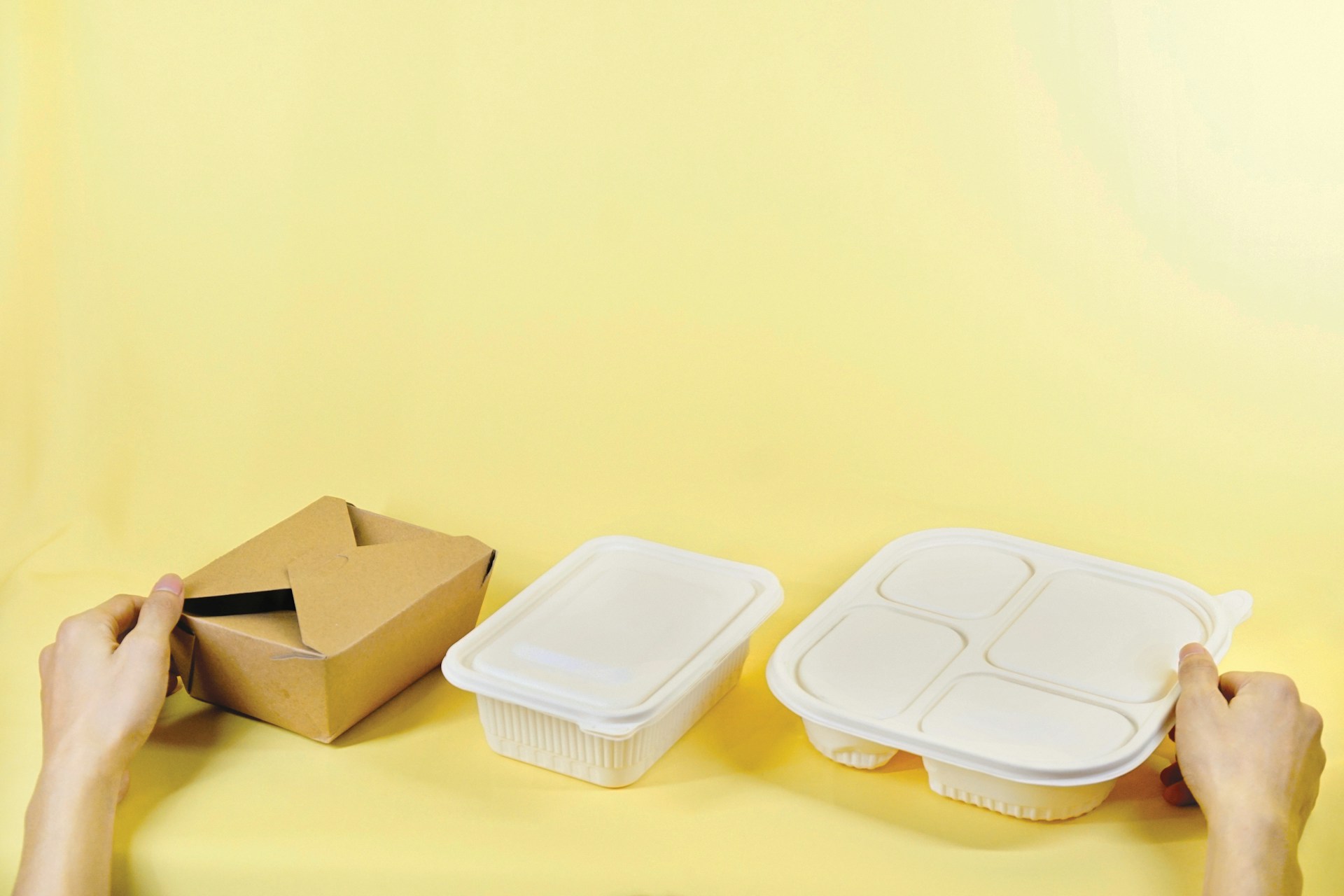
Trong bối cảnh đó, một số lĩnh vực cơ hội vẫn còn khả thi. Hỗ trợ nhà hàng - chẳng hạn như các công cụ tốt hơn cho quản lý thực đơn, dự báo nhu cầu và quản lý quan hệ khách hàng - có thể giúp các nhà hàng vận hành hiệu quả hơn trước chi phí liên quan đến nền tảng ngày càng tăng. Bao bì và bảo quản chất lượng món ăn (ví dụ: giữ nhiệt và ngăn tràn đổ) cũng có thể trở nên quan trọng hơn khi người tiêu dùng ngày càng coi trọng độ tin cậy trong giao hàng. Song song đó, đổi mới logistics (tối ưu tuyến đường, quy tắc gộp đơn và dự báo nhu cầu) có thể mở ra dư địa cho các nhà cung cấp dịch vụ cải thiện tốc độ và độ chính xác mà không chỉ dựa vào các khoản trợ giá lớn hơn.
Đồng thời, thị trường đang bước vào giai đoạn chịu ràng buộc tài chính nhiều hơn. Khuyến mại vẫn là động lực lớn đối với số lượng đơn hàng, và các nền tảng phải đối mặt với bài toán đánh đổi giữa việc bảo vệ sản lượng và cải thiện hiệu quả kinh tế trên mỗi đơn vị. Trong khi đó, các nhà hàng vẫn đang gánh một loạt chi phí liên quan đến nền tảng — hoa hồng, thuế và nhu cầu chi trả quảng cáo trong ứng dụng để đảm bảo khả năng hiển thị — thường còn bị cộng thêm bởi việc tham gia các chiến dịch giảm giá. Động lực này có thể dẫn đến khối lượng đơn hàng cao hơn nhưng lợi nhuận của nhà hàng lại suy giảm, từ đó có thể ảnh hưởng đến mức độ sẵn sàng dài hạn trong việc phụ thuộc nhiều vào kênh nền tảng và làm tăng rủi ro rời bỏ ở phía nguồn cung.
* Nếu bạn muốn trích dẫn bất kỳ thông tin nào trong bài viết này, vui lòng trích dẫn nguồn cùng với liên kết đến bài viết gốc để tôn trọng bản quyền.
| B&Company
Công ty Nhật Bản đầu tiên chuyên về nghiên cứu thị trường tại Việt Nam từ năm 2008. Chúng tôi cung cấp một loạt các dịch vụ bao gồm báo cáo ngành, phỏng vấn ngành, khảo sát người tiêu dùng, kết nối kinh doanh. Ngoài ra, chúng tôi gần đây đã phát triển một cơ sở dữ liệu gồm hơn 900.000 công ty tại Việt Nam, có thể được sử dụng để tìm kiếm đối tác và phân tích thị trường. Vui lòng liên hệ với chúng tôi nếu bạn có bất kỳ thắc mắc nào. info@b-company.jp + (84) 28 3910 3913 |
[1] https://thoibaonganhang.vn/mua-sam-va-dat-do-an-online-bung-no-thoi-quen-tieu-dung-so-nam-2025-173233.html
[2] https://dtinews.dantri.com.vn/vietnam-today/vietnams-food-delivery-market-booms-20250710142707966.htm
Bài viết liên quan










Đăng nhập / Đăng ký
ĐĂNG KÝ NHẬN BẢN TIN