

 Tiếng Việt
  English
  日本語
日本語  简体中文
简体中文  한국어
한국어 Trong số các đối tác thương mại của Việt Nam, Trung Quốc là quốc gia lớn thứ 2, với giá trị xuất khẩu bình quân hằng năm chiếm 16-17% tổng giá trị xuất khẩu trong giai đoạn 2019-2023.
02/01/2025
Tin tức & Báo cáo mới nhất / Vietnam Briefing
Bình luận: Không có bình luận.
Ngành logistics của Việt Nam đang tăng trưởng nhanh chóng, được thúc đẩy mạnh mẽ bởi các hoạt động thương mại quốc tế. Là một trong những đối tác thương mại lớn nhất của Việt Nam và có chung đường biên giới dài với Việt Nam, Trung Quốc đang mở rộng mạng lưới kho bãi dọc biên giới nhằm hỗ trợ hoạt động xuất khẩu diễn ra thuận lợi hơn. Đáp lại, Việt Nam đang nỗ lực cải thiện cơ sở hạ tầng logistics của mình, đặc biệt là hệ thống kho bãi, để bảo đảm hoạt động hiệu quả hơn.
Tổng quan về logistics Việt Nam
Ngành logistics Việt Nam đã không ngừng mở rộng, trở thành một lĩnh vực then chốt, đóng vai trò quan trọng trong thúc đẩy thương mại và phát triển nền kinh tế quốc dân. Theo Hiệp hội Doanh nghiệp Dịch vụ Logistics Việt Nam (VLA), ngành logistics tại Việt Nam đã đạt tốc độ tăng trưởng hằng năm khoảng 14% đến 16% trong những năm gần đây, với quy mô thị trường khoảng 40 đến 42 tỷ USD. Theo xếp hạng của Ngân hàng Thế giới, Việt Nam hiện đứng thứ 43 trong số 155 quốc gia về hiệu quả logistics, dựa trên 6 tiêu chí, bao gồm: cơ sở hạ tầng, vận chuyển quốc tế, năng lực logistics, theo dõi và truy xuất, tính đúng hạn và hiệu quả thủ tục hải quan.
Hoạt động thương mại biên giới Việt Nam - Trung Quốc
Trong số các đối tác thương mại của Việt Nam, Trung Quốc là quốc gia lớn thứ hai, với giá trị xuất khẩu trung bình hằng năm chiếm 16-17% tổng giá trị xuất khẩu trong giai đoạn 2019–2023 (Trademap). Hoạt động thương mại biên giới là một trong những yếu tố đóng góp đáng kể vào thương mại hai chiều giữa Việt Nam và Trung Quốc. Đường biên giới trên đất liền trải dài qua bảy tỉnh của Việt Nam (Điện Biên, Lai Châu, Lào Cai, Hà Giang, Cao Bằng, Lạng Sơn và Quảng Ninh), với tổng chiều dài 1,4 nghìn km, giáp tỉnh Vân Nam và Khu tự trị dân tộc Choang Quảng Tây của Trung Quốc. Hiện nay, Việt Nam có 19 cặp cửa khẩu biên giới, trong đó các cửa khẩu chính gồm Đồng Đăng (Lạng Sơn), Hà Khẩu (Lào Cai) và Móng Cái (Quảng Ninh). Trong giai đoạn 2019-2023, theo Bộ Công Thương, tổng giá trị thương mại biên giới Việt Nam - Trung Quốc đã tăng đáng kể, từ 5,6 tỷ USD lên 42,7 tỷ USD. Mặc dù năm 2022 chứng kiến mức sụt giảm mạnh do các yếu tố như chính sách biên giới trong giai đoạn COVID-19, thương mại đã phục hồi và đạt đỉnh vào năm 2023, với kim ngạch xuất khẩu đạt 17,2 tỷ USD và nhập khẩu đạt 25,5 tỷ USD. Mức tăng trưởng này phản ánh sự phục hồi mạnh mẽ và mở rộng của các hoạt động thương mại biên giới sau đại dịch.
Vietnam-China Border Trade from 2019 to 2023
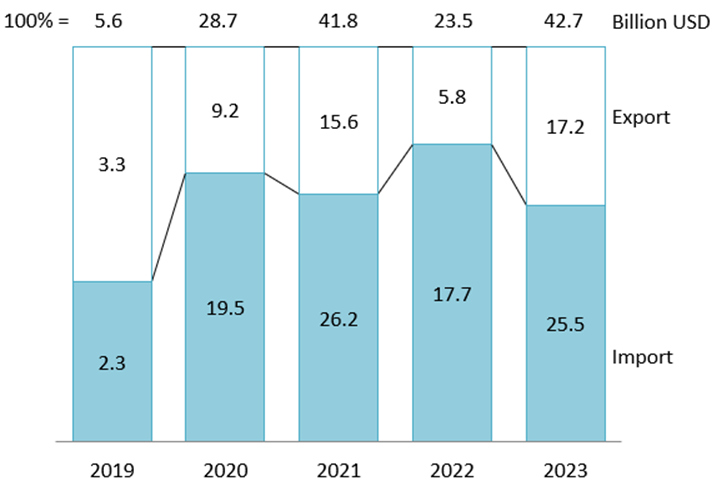
Nguồn: Báo cáo Xuất nhập khẩu thường niên (Bộ Công Thương)
Cơ sở hạ tầng kho bãi giữa Việt Nam - Trung Quốc
Trung Quốc
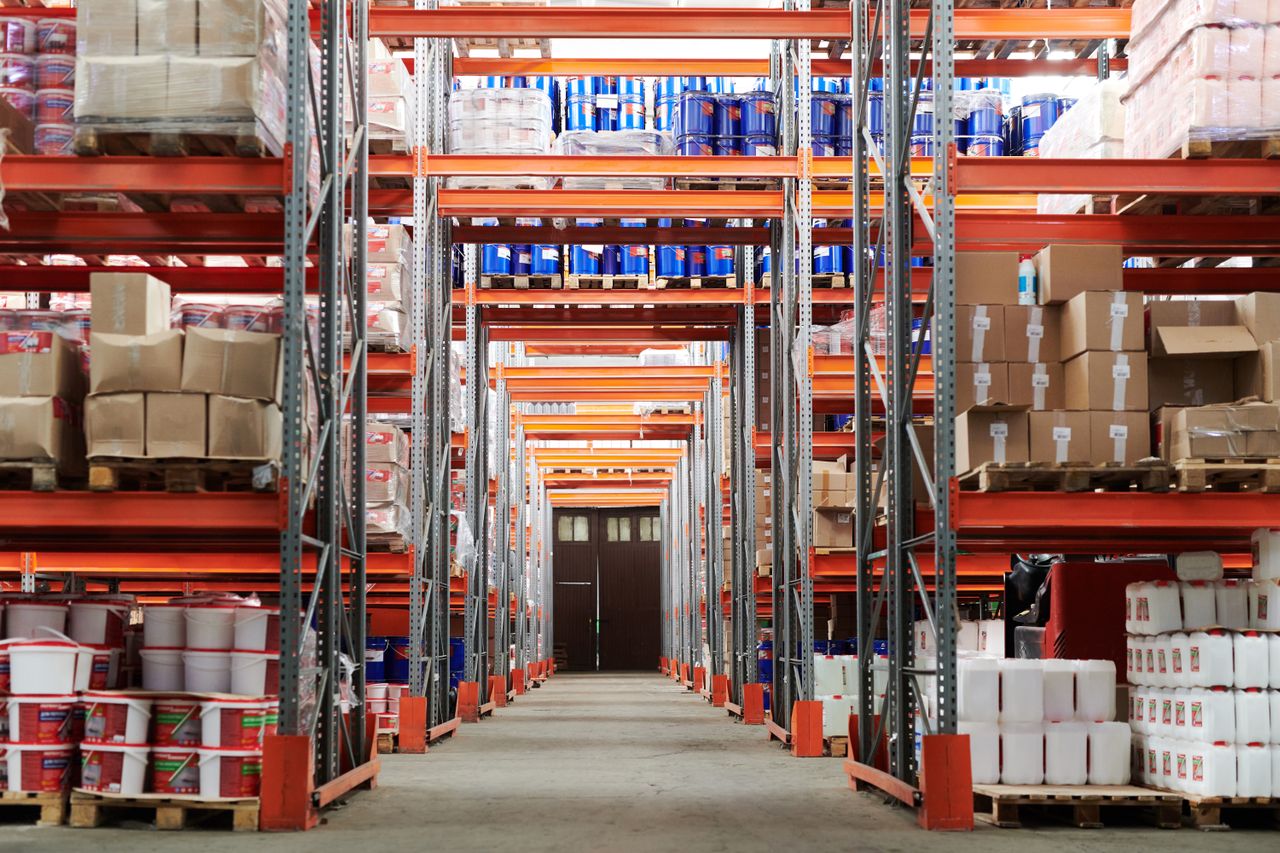
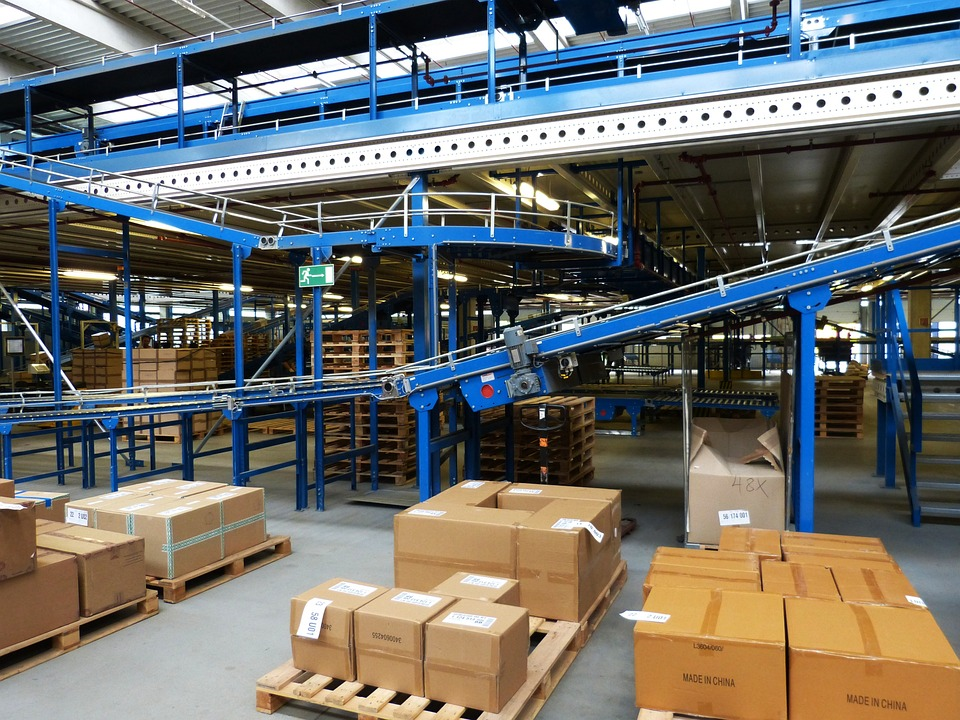
Nhận thấy tiềm năng tiêu dùng cao của thị trường Việt Nam, Trung Quốc đã liên tục triển khai và mở rộng hệ thống kho GIGA dọc biên giới Việt Nam - Trung Quốc. Kho GIGA là các cơ sở lưu trữ quy mô lớn, chứa nhiều loại hàng hóa, chủ yếu là các sản phẩm tiêu dùng thường được bày bán tại các khu chợ, siêu thị và nền tảng thương mại điện tử. Các kho này rút ngắn khoảng cách vận chuyển, giảm chi phí giao hàng và thời gian hoàn tất đơn hàng, giúp hàng hóa Trung Quốc thâm nhập thị trường Việt Nam nhanh hơn với mức giá thấp hơn.
Hiện nay, Trung Quốc đã mở ba kho GIGA tại các thành phố biên giới Hà Khẩu (giáp Lào Cai), Bằng Tường (giáp Lạng Sơn) và Đông Hưng (giáp Quảng Ninh), chỉ cách biên giới Việt Nam 3-4 km. Các kho này không chỉ đóng vai trò là trung tâm trung chuyển và lưu trữ mà còn tích hợp hoạt động kho bãi, logistics và thương mại điện tử xuyên biên giới giữa Việt Nam và Trung Quốc. Mạng lưới kho bãi đã rút ngắn thời gian và giảm chi phí logistics đối với các sản phẩm từ Trung Quốc, qua đó giúp giá sản phẩm Trung Quốc trở nên cạnh tranh hơn.
Bài viết liên quan






Đăng nhập / Đăng ký
Tiếp tục mà không cần tài khoản
Đăng nhập / Đăng ký
ĐĂNG KÝ NHẬN BẢN TIN