

 Tiếng Việt
  English
  日本語
日本語  简体中文
简体中文  한국어
한국어 Thị trường bán lẻ hàng điện tử tiêu dùng Việt Nam đã có sự tăng trưởng nhanh chóng và hiện đang bước sang giai đoạn chuyển mình.

25/07/2025
Nội dung nổi bật / Đánh giá ngành / Tin tức & Báo cáo mới nhất
Bình luận: Không có bình luận.
Thị trường bán lẻ điện tử tiêu dùng Việt Nam, vốn đã tăng trưởng nhanh chóng nhờ đô thị hóa và sự gia tăng của tầng lớp trung lưu, hiện đang bước vào giai đoạn chuyển mình. Ngành hàng này, chủ yếu bao gồm các mặt hàng tiêu dùng bền vững như tivi, tủ lạnh và máy tính cá nhân, đã tăng trưởng số lượng cửa hàng khoảng 2,9 lần trong bốn năm kể từ năm 2019; tuy nhiên, vào năm 2024, con số này đã giảm xuống dưới mức của năm trước lần đầu tiên. Khi xu hướng mua sắm chuyển dịch từ cửa hàng truyền thống sang thương mại điện tử ngày càng tăng, ngành này cần phải xác định lại vai trò và chức năng của mình.
Gần như tăng gấp ba lần trong bốn năm nhưng giảm 110 cửa hàng vào năm 2024.
Tính đến năm 2019, số lượng cửa hàng bán lẻ thiết bị điện tử tiêu dùng tại Việt Nam, vào khoảng 970 cửa hàng, đã tăng lên khoảng 2.800 cửa hàng vào năm 2023. Việc mở rộng diễn ra đặc biệt mạnh ở các thành phố cấp vùng, khiến mạng lưới bán hàng vốn trước đây tập trung ở các đô thị lớn nhanh chóng lan rộng trên toàn quốc.
[Figure 1] Number of Stores by Region for Consumer Electronics Retailers (Stores)
![[Figure 1] Number of Stores by Region for Consumer Electronics Retailers (Stores)](https://b-company.jp/wp-content/uploads/2025/07/Number-of-Stores-by-Region.jpg)
Tuy nhiên, trong năm 2024, số lượng cửa hàng trên toàn quốc đã giảm 110 cửa hàng, đánh dấu giai đoạn suy giảm trên quy mô toàn diện đầu tiên. Dấu hiệu thu hẹp lần đầu xuất hiện tại Hà Nội vào năm 2023, và đến năm sau đó lan sang Thành phố Hồ Chí Minh cùng các khu vực khác. Diễn biến này có thể xem là phản ứng trước đà mở rộng quá nhanh trong vài năm trước đó.
Kênh bán hàng chuyển sang EC, Mobile World cũng hướng tới cắt giảm cửa hàng
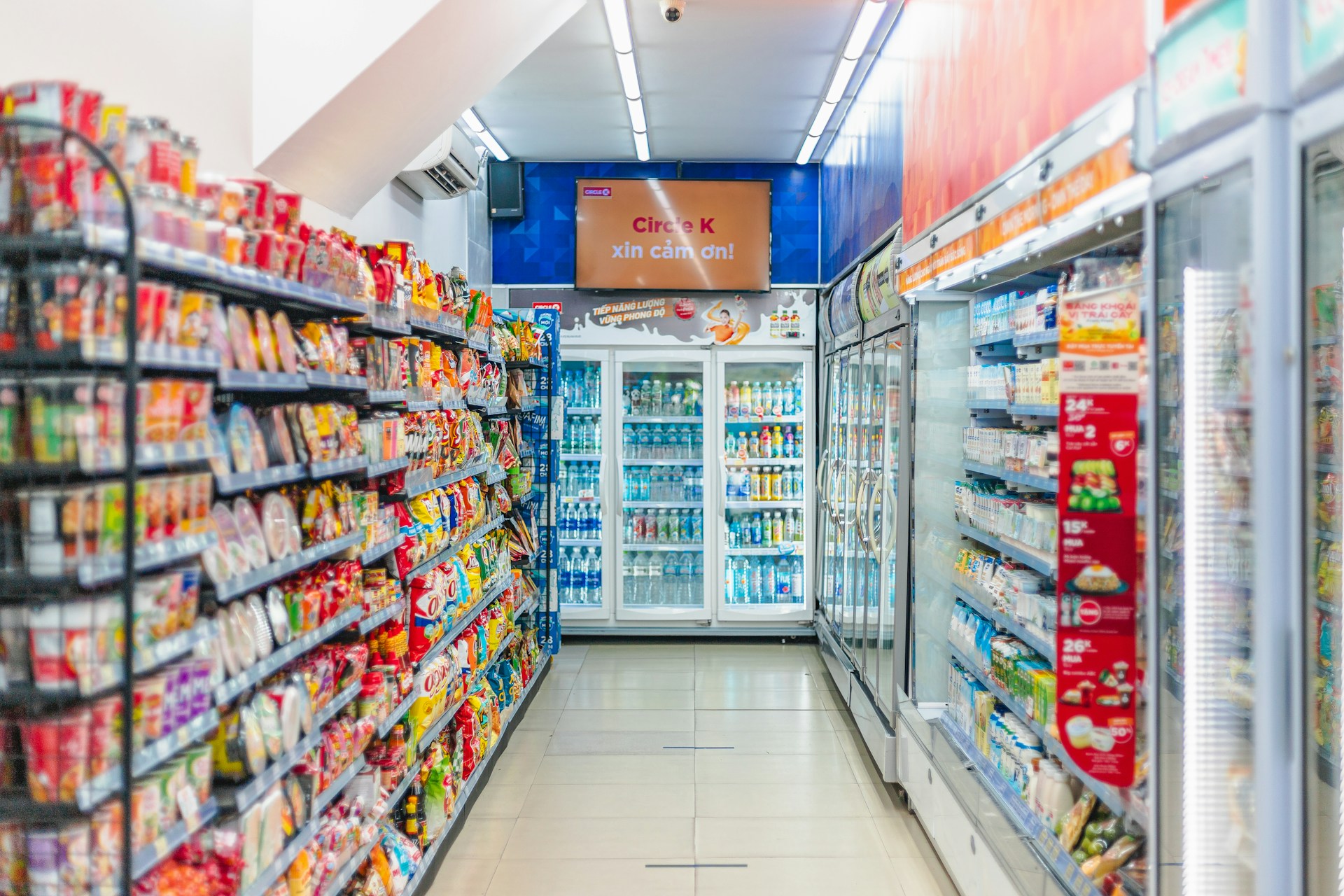
Sự thu hẹp nhanh chóng này được thúc đẩy bởi sự tăng tốc của xu hướng chuyển đổi trực tuyến. Chuỗi điện máy gia dụng lớn nhất thuộc Thế Giới Di Động, Điện Máy Xanh, đã giảm số lượng cửa hàng từ 2.190 xuống còn 2.026 vào năm 2024, cắt giảm khoảng 160 cửa hàng. Tuy nhiên, doanh số vẫn ghi nhận mức tăng trưởng 7% so với cùng kỳ năm trước, đạt 2,4 tỷ USD, cho thấy những tiến triển trong việc tinh giản và cải thiện biên lợi nhuận.
Doanh số của tập đoàn, bao gồm chuỗi bán lẻ điện thoại di động “Thế Giới Di Động”, đạt 3,6 tỷ USD. Trong đó, doanh số bán hàng trực tuyến vẫn còn hạn chế ở mức khoảng 101 tấn, nhưng được kỳ vọng sẽ là động lực tăng trưởng trong tương lai. Trong khi đó, doanh số của năm nền tảng thương mại điện tử lớn, bao gồm Shopee, đã đạt 12,8 tỷ USD, tăng 371 tấn so với cùng kỳ năm trước, cho thấy rõ sự chuyển dịch từ kênh mua sắm truyền thống sang kênh trực tuyến để mua sắm hàng tiêu dùng lâu bền, bao gồm cả đồ gia dụng.
Không mở rộng được danh mục sản phẩm cũng cho thấy khó khăn trong chuyển đổi mô hình kinh doanh
Các cửa hàng vật lý cũng đang tái cấu trúc mô hình kinh doanh để cạnh tranh với thương mại điện tử. Mobile World đã mở rộng danh mục sản phẩm sang hàng tiêu dùng thiết yếu và thực phẩm tại một số cửa hàng, nhưng doanh số vẫn ảm đạm. Nhiều ý kiến cho rằng việc tăng số lượng sản phẩm trong khi vẫn duy trì cách bố trí và quy mô cửa hàng truyền thống đã khiến cả tính chuyên biệt lẫn sự tiện lợi đều chưa đạt đến mức trọn vẹn.
Việc giới thiệu mô hình “cửa hàng bán lẻ điện tử tiêu dùng toàn diện” theo phong cách Nhật Bản đòi hỏi phải đại tu toàn diện về mặt hệ thống trong nhiều lĩnh vực như quản lý sản phẩm, luân chuyển hàng tồn kho và đào tạo nhân viên, bộc lộ những thách thức về mặt cấu trúc không thể giải quyết chỉ bằng cách mở rộng dòng sản phẩm.
Việc chuyển đổi hình thức kinh doanh của các cửa hàng bỏ trống đang diễn ra; lĩnh vực thực tế có thể giữ lại được gì?
Sự suy giảm của các cửa hàng truyền thống được cho là không thể tránh khỏi trong tương lai. Tại một số cửa hàng bỏ trống, việc chuyển đổi sang các hình thức kinh doanh có nhu cầu cao như siêu thị và cửa hàng quần áo trên phố đã và đang được tiến hành. Khi quá trình tách biệt khỏi thương mại điện tử ngày càng diễn ra, yêu cầu đối với các nhà bán lẻ điện tử tiêu dùng không chỉ là "trưng bày hàng tồn kho" và "nhận hàng trong ngày".
Làm thế nào để tạo ra giá trị của việc “ghé thăm cửa hàng” thông qua tư vấn, sửa chữa và trải nghiệm. Trọng tâm đang chuyển từ bán hàng sang dịch vụ, và việc phát triển thành một chức năng giống như phòng trưng bày gắn liền với cộng đồng và một trung tâm dịch vụ hậu mãi đang bị đặt dấu hỏi. Đã đến lúc các nhà bán lẻ đại chúng chuyển đổi từ “nơi bán sản phẩm” sang “nơi hỗ trợ lựa chọn”.
* Nếu bạn muốn trích dẫn bất kỳ thông tin nào từ bài viết này, xin vui lòng ghi rõ nguồn cùng với liên kết đến bài viết gốc để tôn trọng bản quyền.
| B&Company
Công ty Nhật Bản đầu tiên chuyên về nghiên cứu thị trường tại Việt Nam từ năm 2008. Chúng tôi cung cấp một loạt các dịch vụ bao gồm báo cáo ngành, phỏng vấn ngành, khảo sát người tiêu dùng, kết nối kinh doanh. Ngoài ra, chúng tôi đã phát triển một cơ sở dữ liệu với hơn 900.000 công ty tại Việt Nam, có thể được sử dụng để tìm kiếm đối tác và phân tích thị trường. Xin vui lòng liên hệ với chúng tôi nếu bạn có bất kỳ câu hỏi nào. info@b-company.jp + (84) 28 3910 3913 |
Bài viết liên quan





















Đăng nhập / Đăng ký
ĐĂNG KÝ NHẬN BẢN TIN